Curated recipes from 193 countries  •  New seasonal Mediterranean issue out now

Overview

Tafelspitz

Viennese Boiled Beef, Boiled Beef in Broth

Tafelspitz is Vienna's quiet masterpiece: a whole piece of beef simmered gently in broth with root vegetables until it is tender enough to slice with a spoon, then served with apple-horseradish sauce and chive sauce. This tafelspitz recipe is not a stew — the beef is boiled, sliced, and served with its sauces, the way Vienna has done it for generations. One serving is about 370 g.

Tafelspitz means 'top of the table', named for the tapered cut of beef from the top of the rump. It was long said to be the favourite dish of Emperor Franz Joseph I, who ruled Austria for nearly 68 years, and the Viennese restaurant Plachutta became famous across Austria for serving it. The dish is defined by its method: the beef is simmered whole in broth, sliced, and served with its sauces — never stewed in pieces.

Pairs well with: Serve with roasted potato slices, the simmered root vegetables, and both sauces — apple-horseradish and chive sour cream — with a cup of the clear broth to start.

Provenance

Austria flag Austria

Vienna Heritage

Europe

Time Dedication

3h

30m prep • 150m cook

Batch Yield

6 Servings

594 kcal per serving

1 serving ≈ 370 g

Technical Skill

Intermediate

Medium (Long, Gentle Simmer)

Meal Timing & Digestive Fit

Breakfast

Not Advised

Lunch

Hearty Midday Main

Dinner

Ideal Hearty Main

Snack & Tea

Inappropriate

High Protein Occasions: Sunday lunch, family dinners, festive meals, cold winter evenings Cost: Medium — about $5–6 per serving at home
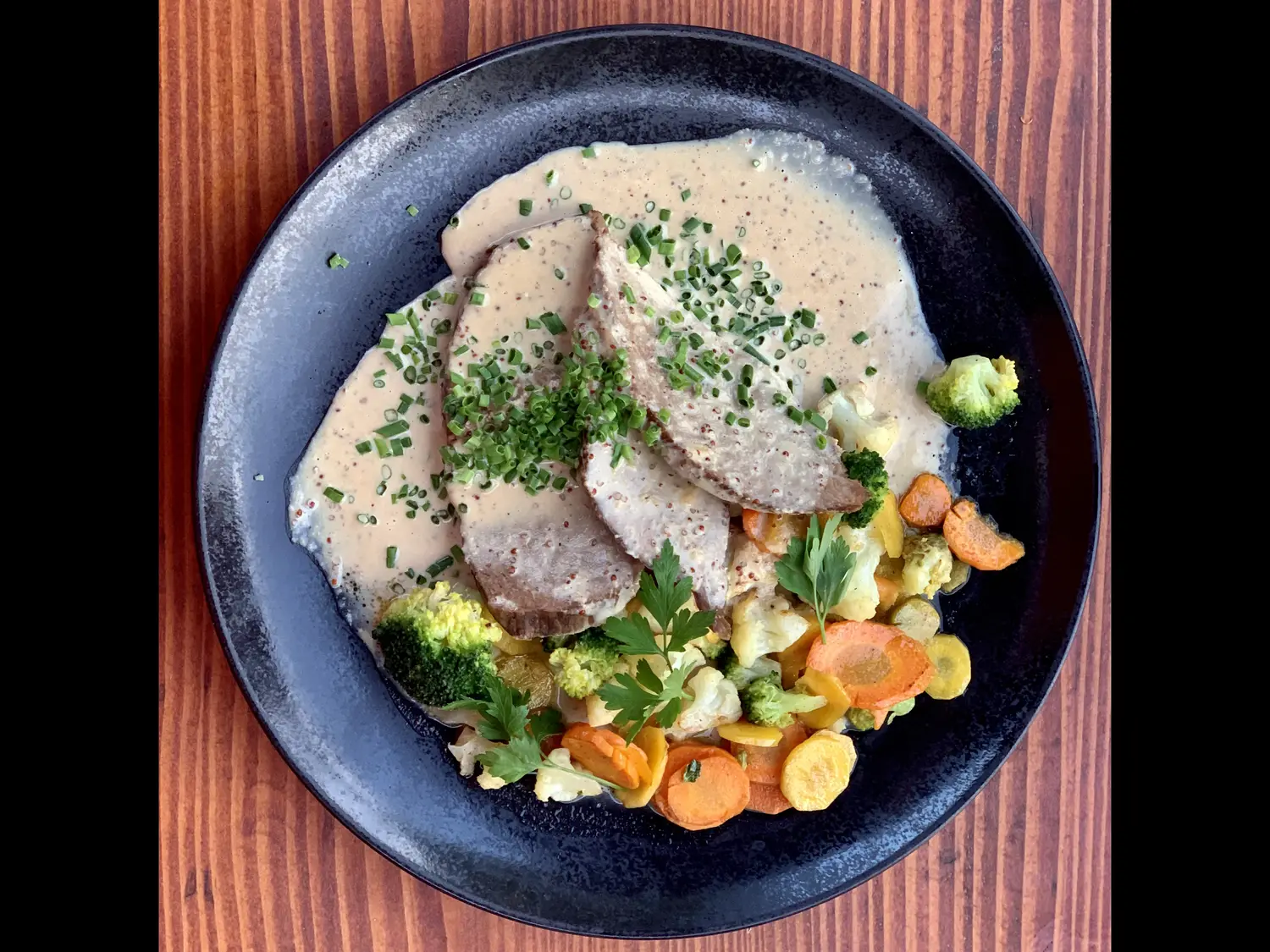
Slices of boiled beef in horseradish sauce with chives, served with carrots, cauliflower and broccoli on a dark plate

Vienna Heritage

Photo: Hh2409, CC BY-SA 4.0, via Wikimedia Commons

The Heritage Formulary

Measured Ingredients

Estimated cost: Medium — about $5–6 per serving at home (USD)

This recipe simmers the beef gently, never hard-boils it, and serves it sliced with the two traditional sauces — that is what makes it Tafelspitz and not a stew.

Execution Methodology & Culinary Technique

Step-by-Step Cooking Guide

Active 3h
P

Prep Stage: Trim, Chop & Start the Broth

30 Mins • Knife Work & Skimming

Trim the beef's fat cap to about 5 mm and tie the piece with kitchen string if it is loose, so it holds its shape. Peel and chunk the carrots, celeriac and parsnips; split and wash the leek; halve the onion. Put the beef in a large pot, cover with cold water, add the salt, peppercorns and bay leaves, and bring slowly to the boil, skimming off any grey foam that rises. Starting in cold water and skimming is what keeps the broth clear.

Maestro Tip: Never drop the beef into boiling water — the outside seizes and the broth turns cloudy. Cold water, slow heat, and skim as it comes up.

  1. 1

    Bring to a Simmer and Skim

    30 Mins Bare simmer, ~90–95°C (195–200°F)

    Put the beef in a large pot, cover with cold water by about 5 cm, and add the salt, peppercorns and bay leaves. Bring slowly to a simmer over medium heat, skimming the grey foam off the surface as it rises. Once the surface is clear, turn the heat down until the broth barely moves — a few bubbles rising now and then, around 90–95°C (195–200°F).

    The foam is dissolved protein — skim it off and the broth stays clear and golden instead of grey.

    Done when: Broth is clear with only the occasional bubble breaking the surface.

  2. 2

    Add the Root Vegetables

    60 Mins Bare simmer, ~90–95°C (195–200°F)

    Add the carrots, celeriac, parsnips, leek and onion to the pot and keep simmering gently. The vegetables need about an hour; the beef needs about two and a half hours in total. Do not let the pot boil — a hard boil tightens the meat and clouds the broth.

    If the vegetables finish before the beef, lift them out with a slotted spoon and keep them warm in a little hot broth.

    Done when: Vegetables are tender when pierced; the beef still has about 90 minutes to go.

  3. 3

    Roast the Potato Slices

    30 Mins Oven 200°C (400°F)

    While the beef simmers, boil the potatoes in their skins until just tender, about 20 minutes. Drain, peel while warm, slice into thick rounds, and roast them in the butter in a hot oven until the edges are golden and crisp.

    Boiling the potatoes in their skins keeps them from going watery, and roasting them while the beef rests means everything lands on the table hot.

    Done when: Potato slices are golden at the edges and soft inside.

  4. 4

    Make the Two Sauces

    10 Mins No heat — room temperature

    Mix the grated horseradish with the grated apple and a squeeze of lemon juice for the apple-horseradish sauce. Stir the snipped chives into the sour cream for the chive sauce. Taste both — the horseradish sauce should be fiery with a sweet edge, the chive sauce cool and mild.

    Make the sauces at the last moment — grated horseradish loses its fire quickly once it meets air.

    Done when: Both sauces are seasoned and ready; the horseradish sauce is hot and sharp.

  5. 5

    Rest and Slice the Beef

    10 Mins Internal temperature well above 63°C (145°F)

    Lift the beef out and let it rest for 10 minutes. The meat should be so tender that a fork slides in easily, and the centre must be well past 63°C (145°F) — after two and a half hours in simmering broth it will be far hotter than that. Slice across the grain into thick slices, about 1 cm.

    Slice across the grain, not with it — that is the difference between tender slices and chewy ones.

    Done when: Beef is fork-tender and slices cleanly across the grain.

  6. 6

    Plate with Sauces and Broth

    5 Mins Serving — hot

    Lay the beef slices on warm plates with the roasted potatoes and root vegetables. Spoon the two sauces beside the meat, never over it, and scatter with parsley. Serve a small cup of the strained clear broth alongside, or before the main plate.

    Warm plates matter here — boiled beef cools fast, and a cold plate turns it grey and dull.

    Done when: Plates are hot, sauces are bright, and the meat is glistening.

Finishing Touches & Plating

Slice the beef across the grain into thick slices, lay them on a warm plate, and spoon the sauces beside the meat, never over it — each diner takes what they want. Ladle a little clear broth over the vegetables to keep them glossy.
Nutritional Physiology & Benefits

Nutrition

Energy

594

kcal / serving

Protein

58g

Complete AA

Carbs

39g

Complex

Fats

23g

Healthy

Per serving (6 servings · 1 serving ≈ 370 g)
Energy594 kcal
Protein58 g
Carbohydrates39 g
Fat23 g
Fibre6.8 g
Sugar9.9 g
Sodium634 mg
Per 100g
Energy161 kcal
Protein15.7 g
Carbohydrates10.6 g
Fat6.1 g
Fibre1.9 g
Sugar2.7 g
Sodium171 mg

Nutrition values are estimated — calculated from USDA FoodData Central values for the listed ingredients.

Vitamins & minerals: Beef supplies iron, zinc and vitamin B12, while the carrots and root vegetables add vitamin A and potassium.

Very High in Protein

Each serving carries about 58 g of protein from the beef, which supports muscle maintenance and keeps you full for hours.

Iron, B12 and Potassium

Beef is one of the richest food sources of iron and vitamin B12, and the slow simmer in broth keeps the meat tender while the vegetables add potassium and vitamin A.

Slow Food, Simple Ingredients

Meat, root vegetables, herbs and a simple cream sauce — a slow, honest pot of food with nothing processed in it.

Food Pairings

What to Eat With

To optimize nutrient absorption and elevate the sensory depth, pair with these authentic accompaniments:

Sides

Roasted Potato Slices

The potatoes are boiled in their skins, sliced and roasted in butter: their crisp edges and soft centres give the meal its starch and soak up the meat juices.

Vegetables

Simmered Root Vegetables

The carrots, celeriac, parsnip and leek that simmered in the pot are served alongside — they have absorbed the beef broth and need no dressing at all.

Sauces

Apple-Horseradish Sauce

Grated apple softens the fire of fresh horseradish into something sweet-sharp; it is the traditional partner for boiled beef because it wakes up a mild meat.

Chive Sour Cream

Sour cream with snipped chives is cool, mild and creamy — it balances the sharp horseradish and gives diners a gentler sauce to choose from.

Soups

Clear Beef Broth

A small cup of the clear, strained cooking broth served before the main plate is the Viennese way to open the meal — light, salty and warming.

Drinks

Grüner Veltliner

A dry Austrian white with good acidity cuts through the richness of the beef and cream sauces without overpowering the delicate broth flavours.

Complete menu

Tafelspitz with roasted potato slices, root vegetables and both sauces, followed by a light fruit dessert — the classic Viennese Sunday menu.

Digestive Guardrails

What NOT to Combine

To prevent digestive distress, sluggishness, or palate clash, avoid pairing the dish with these elements:

Do Not Drink Bowls of the Cooking Broth

The cooking broth concentrates the salt and soluble compounds from the meat, so a large bowl of it is much saltier than it tastes. If you are watching sodium, take a small cup of broth rather than a full bowl. This is general information, not medical advice.

Avoid a Second Creamy Sauce

The horseradish cream is already rich; adding a second buttery or creamy sauce on top of it piles saturated fat onto a dish that is already generous. One sauce is the Viennese way. This is general information, not medical advice.

Do Not Boil the Beef Hard

Boiling the beef hard instead of simmering it gently tightens the muscle fibres and makes the meat tough and stringy, no matter how long you cook it. Keep the broth at a bare simmer, around 90–95°C (195–200°F). This is general information, not medical advice.

General information only, not medical advice — consult a doctor for personal dietary decisions.

Who Should Eat It

Who Should Eat

  • General adultsA gentle, nourishing dinner — about 58 g protein per serving with root vegetables and a light horseradish sauce.
  • ChildrenUsually well liked from age 5+ because the beef is tender and mild; serve the horseradish sauce on the side so children can take as little as they want.
  • ElderlyVery suitable — the long, slow simmer makes the beef soft and easy to chew, and the broth is easy to digest.
  • Pregnant womenSafe when the beef is simmered through and served hot; the broth and vegetables are a good source of fluids and nutrients.
  • Breastfeeding womenFine as part of a varied diet; the protein, iron and B12 are genuinely useful after pregnancy.
  • AthletesAbout 58 g of protein per serving plus potatoes for carbohydrate makes this a strong recovery meal after hard training.
  • Weight gainA helpful choice — a generous, energy-rich plate that is easy to eat in a full portion, with potatoes and sauce.
  • Weight lossKeep the portion to one or two slices, go light on the sour-cream sauce, and load the plate with the root vegetables and broth.

Health Conditions — Adjust or Avoid

Conditions

  • DiabetesThe potatoes add about 39 g of carbohydrate per serving; count the potato portion and keep it modest. Ask your clinician about portions.
  • High blood pressureOne serving carries about 634 mg of sodium, mostly from the salted broth — keep the salt at the recipe amount and do not drink large amounts of broth. Ask your clinician about your daily sodium limit.
  • Kidney diseaseHigh in protein and moderately high in sodium, so portion control matters. Ask your clinician whether this fits your plan.
  • GoutBeef and meat broth are purine-rich, so large or frequent portions can raise uric acid. Keep portions modest and infrequent. Ask your clinician about your limits.
  • Stomach issuesBoiled beef and broth are usually gentle on the stomach, but horseradish can irritate sensitive stomachs — take the apple-horseradish sauce in a small amount. Ask your clinician if symptoms persist.
  • Cardiovascular diseaseChoose the leanest cut and trim all visible fat; the sour-cream sauce adds saturated fat, so keep it to a spoonful or two. Ask your clinician about how often this fits your diet.
  • Fatty liverTrim the fat, keep the sauce light, and fill the plate with vegetables rather than extra potatoes. Ask your clinician for personalised advice.
  • Food allergiesContains milk (sour cream, butter) and celery family vegetables (celeriac, parsnip); horseradish is in the mustard family. Check for these allergies before serving. Ask your clinician about safe alternatives.
  • Special therapeutic dietsNot suitable for dairy-free or low-protein therapeutic diets as written. Ask your clinician or dietitian before adapting it.

If you have a medical condition, consult your doctor before changing your diet.

Storage & Use

Storage & Use

How to store
Cool quickly and store the beef in its strained broth in an airtight container; keep the sauces separate.
In the fridge
Up to 3 days, in the strained broth so the meat stays moist.
In the freezer
Up to 2 months (freeze sliced beef in its strained broth; vegetables freeze poorly — cook them fresh).
How to reheat
Reheat gently in the broth on the stove until steaming hot throughout, to 74°C (165°F); never boil it hard or the meat toughens.
Freezing recommended
Yes — the beef freezes well in broth.
Signs it has spoiled
Sour or off smell in the broth, slimy beef surface, or a dull grey colour.

More recipes to explore

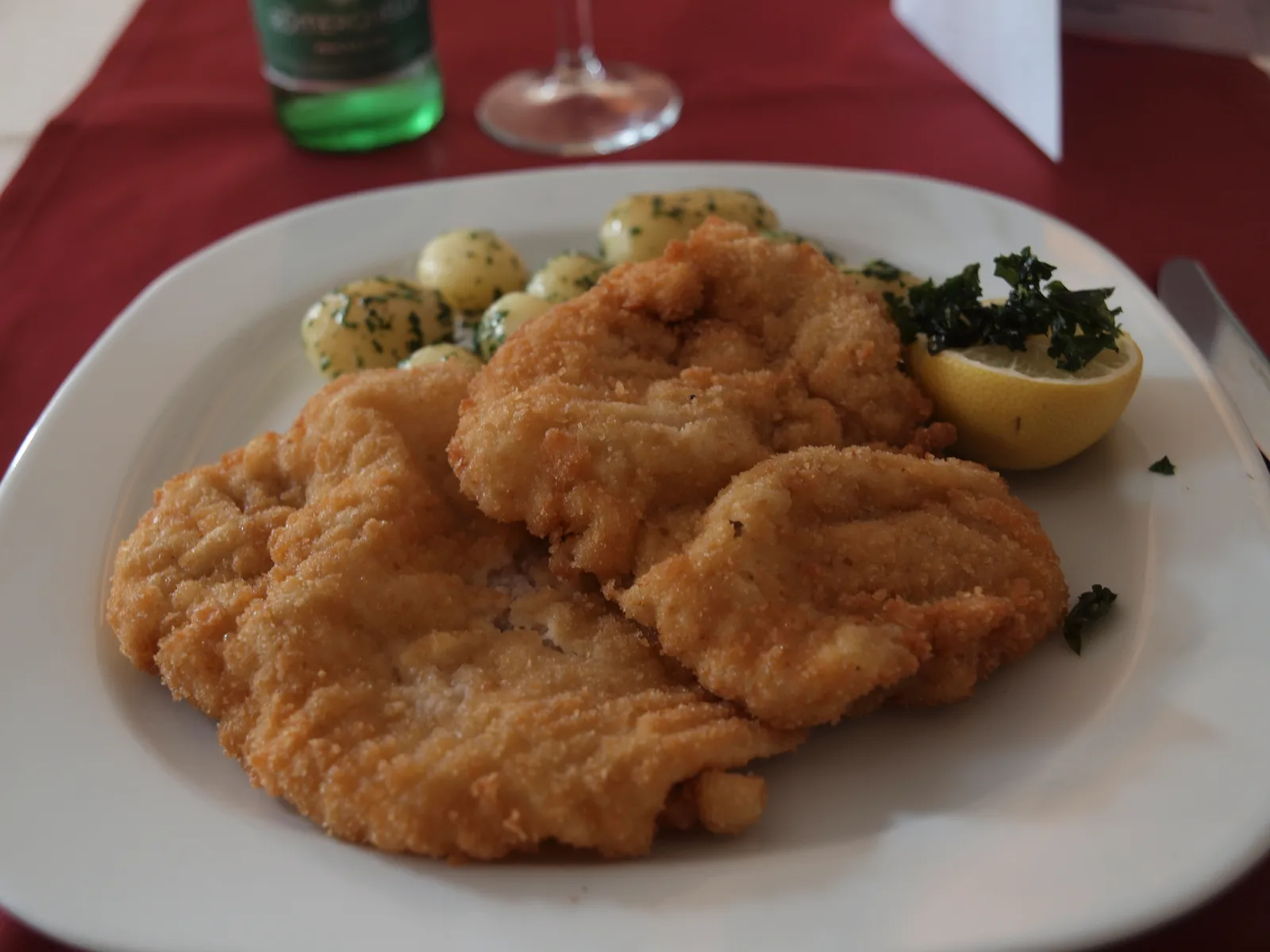
Two golden breaded Wiener schnitzel cutlets on a white plate with parsley potatoes, a lemon half and fresh parsley Austria flag Austria 35m
Dinner •Vienna Heritage

Wiener Schnitzel

Wiener schnitzel is Austria's most famous plate: a veal cutlet pounded paper-thin, coated in flour, egg and breadcrumbs, and fried in butter until it puffs up golden and crisp. This wiener schnitzel recipe follows the Viennese rules — real veal, a loose crumb that billows away from the meat, and a wedge of lemon on the side. One serving is about 175 g.

Classic Comfort

A golden, crisp veal cutlet with lemon and parsley potatoes — a satisfying, protein-rich Viennese dinner.

Pairs Well With
Serve with parsley potatoes or Viennese potato salad and a crisp green salad; a squeeze of lemon over the top just before eating.
High Protein
Golden shredded Kaiserschmarrn pieces dusted with icing sugar on a white plate, with a small bowl of plum compote Austria flag Austria 35m
Snack & Tea •Vienna Heritage

Kaiserschmarrn

Kaiserschmarrn is Austria's most charming dessert: a thick, fluffy pancake fried in butter, torn into golden shreds in the pan, dusted with icing sugar and served with warm plum compote. This kaiserschmarrn recipe keeps the classic raisins, the whipped egg whites that make it so light, and the plum compote that every Viennese coffee house serves beside it. One serving is about 290 g.

Sweet Comfort

Fluffy torn pancake with raisins and warm plum compote — a light, sweet Austrian treat.

Pairs Well With
Serve with warm plum compote and a pot of coffee or a glass of milk; a dollop of whipped cream is the traditional coffee-house extra.
Bœuf bourguignon — French beef braised in red wine France flag France 4h
Dinner •Burgundy Terroir

Bœuf Bourguignon

Beef braised gently in red wine until the connective tissue melts into a velvet, gelatin-rich sauce — the classic Burgundy Sunday dinner.

Cellular Repair

Beef braised in red wine until spoon-tender, with mushrooms and pearl onions.

Pairs Well With
Parsnip Purée & Steamed French Haricots Verts
High Protein
Vietnamese braised pork belly with golden eggs in caramel sauce Vietnam flag Vietnam 1h 45m
Dinner •One Pot

Vietnamese Braised Pork and Eggs

Pork belly slowly braised in coconut water and caramel until meltingly tender, with golden eggs that soak up the sweet-savoury sauce — the Vietnamese family dish that tastes better the next day.

Comfort & Sustained Energy

Slow-braised pork belly and eggs in coconut water and caramel.

Pairs Well With
Steamed rice & pickled mustard greens
High Protein

The Dinner Gazette

Never wonder what’s for dinner again

One email a week with easy dinner ideas from around the world — ingredients, steps and nutrition, tested in our kitchen first.

Delivered every Thursday morning. Unsubscribe anytime.