
Curated recipes from 193 countries  •  New seasonal Mediterranean issue out now

Overview

Wiener Schnitzel

Wienerschnitzel, Viennese Schnitzel

Wiener schnitzel is Austria's most famous plate: a veal cutlet pounded paper-thin, coated in flour, egg and breadcrumbs, and fried in butter until it puffs up golden and crisp. This wiener schnitzel recipe follows the Viennese rules — real veal, a loose crumb that billows away from the meat, and a wedge of lemon on the side. One serving is about 175 g.

The name Wiener Schnitzel was first recorded in a cookbook in 1831, and the term itself appeared toward the end of the 19th century. Under Austrian law the name is reserved for a breaded cutlet made from veal — a pork or turkey version must be called Schnitzel Wiener Art, schnitzel in the Viennese style. It remains one of Austria's national dishes and the best-known speciality of Viennese cooking.

Pairs well with: Serve with parsley potatoes or Viennese potato salad and a crisp green salad; a squeeze of lemon over the top just before eating.

Provenance

Austria flag Austria

Vienna Heritage

Europe

Time Dedication

35m

20m prep • 15m cook

Batch Yield

4 Servings

458 kcal per serving

1 serving ≈ 175 g

Technical Skill

Intermediate

Medium (Pounding & Frying)

Meal Timing & Digestive Fit

Breakfast

Not Advised

Lunch

Hearty Midday Main

Dinner

Ideal Hearty Main

Snack & Tea

Inappropriate

High Protein Occasions: Sunday lunch, family dinners, celebrations, Austrian-themed evenings Cost: Medium — about $6–7 per serving at home (veal is the main cost)
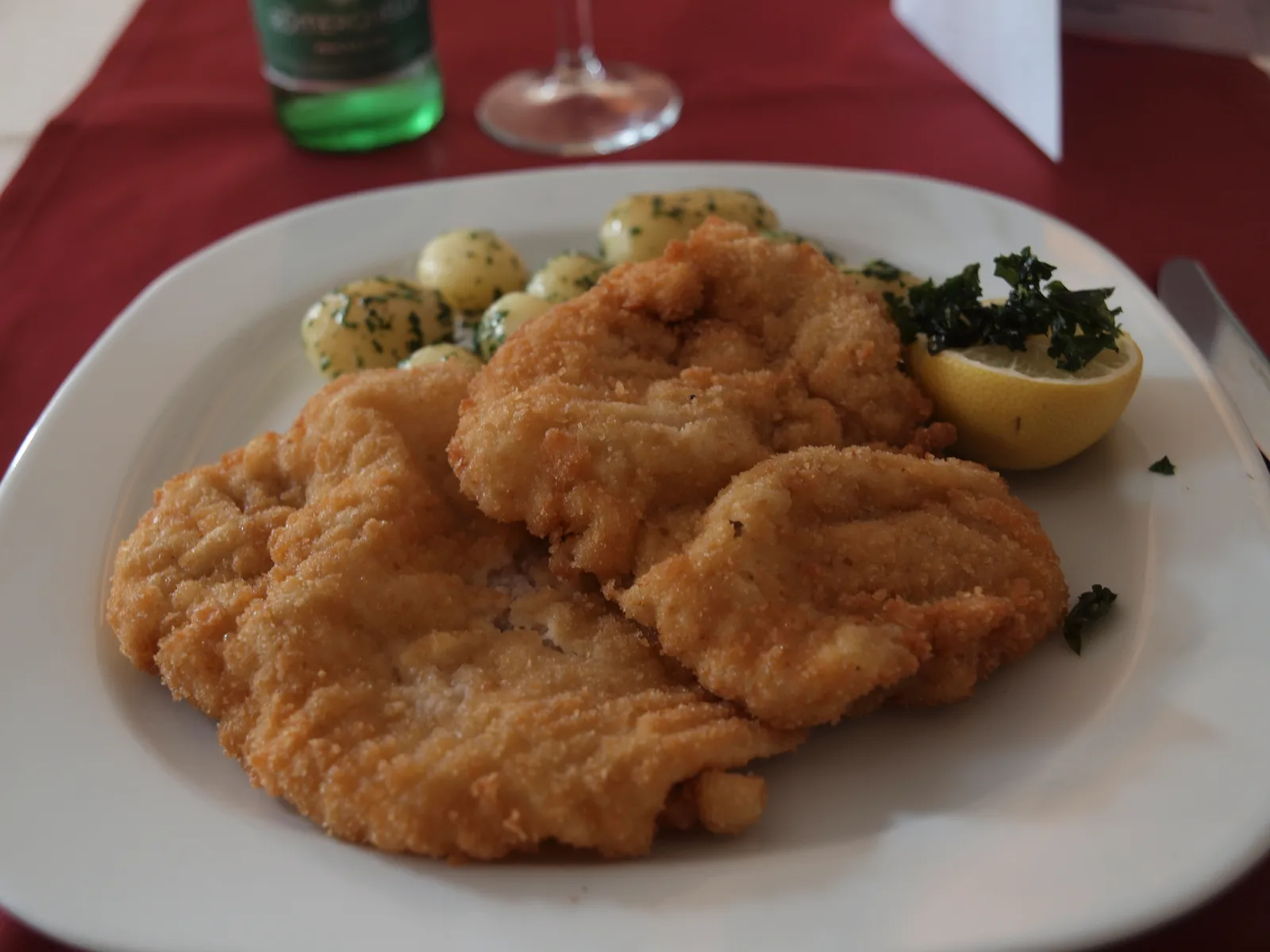
Two golden breaded Wiener schnitzel cutlets on a white plate with parsley potatoes, a lemon half and fresh parsley

Vienna Heritage

Photo: JIP, CC BY-SA 4.0, via Wikimedia Commons

The Heritage Formulary

Measured Ingredients

Estimated cost: Medium — about $6–7 per serving at home (veal is the main cost) (USD)

This recipe uses veal, as Austrian law requires for the name Wiener Schnitzel, and fries in clarified butter for a crisp, puffed crumb.

Execution Methodology & Culinary Technique

Step-by-Step Cooking Guide

Active 35m
P

Prep Stage: Pound, Season & Set Up the Breading Line

20 Mins • Knife & Mallet Work

Pound each veal cutlet between sheets of cling film to about 4 mm thick — thin and even, or the thick parts will stay pale while the thin parts burn. Season with salt and a little pepper. Set out three wide plates in a row: seasoned flour, beaten egg, and breadcrumbs. This is the classic Viennese breading line, and having it ready before the pan gets hot is what keeps the coating light.

Maestro Tip: Pound from the centre outward with the flat side of a meat mallet. If a cutlet tears, patch it by overlapping the edges — the crumb will hide the join.

  1. 1

    Pound and Season the Veal

    10 Mins No heat — room temperature

    Lay each cutlet between two sheets of cling film and pound gently to about 4 mm thick, working from the centre out so the meat spreads evenly. Season both sides with the salt and pepper.

    Four millimetres is the Viennese target: thin enough to cook in minutes, thick enough to stay juicy.

    Done when: Cutlets are an even 4 mm thick with no torn holes.

  2. 2

    Bread the Cutlets

    5 Mins No heat — room temperature

    Dredge each cutlet in the flour and shake off the excess — only a dusting should stick. Dip in the beaten egg, let the extra drip off, then press lightly into the breadcrumbs. Do not press hard: the crumbs should sit loosely on the surface, because that loose layer is what puffs up in the hot fat.

    Shake, don't pat. A heavy hand flattens the crumb and the schnitzel fries flat instead of billowing.

    Done when: Cutlets are evenly coated with a dry, loose layer of crumbs.

  3. 3

    Heat the Butter

    3 Mins Medium-high heat, ~175°C (350°F)

    Melt the clarified butter in a large frying pan over medium-high heat until it shimmers and a crumb dropped in sizzles at once. The pan must be wide enough that each cutlet lies flat without curling — fry in batches if needed.

    Clarified butter is the Viennese choice because it does not burn at frying temperature the way whole butter does.

    Done when: Butter shimmers and a test crumb sizzles immediately.

  4. 4

    Fry Until Golden and Puffed

    4–5 Mins Medium-high heat, ~175°C (350°F)

    Slide in one or two cutlets and fry for about 2 minutes per side, spooning hot butter over the top as they cook. The crumb should puff away from the meat in soft waves and turn deep golden. Lift out, drain briefly on a wire rack, and check the centre reaches at least 63°C (145°F).

    Keep the cutlet moving gently in the pan and spoon butter over the top — that is what makes the crumb billow instead of lying flat.

    Done when: Crumb is deep golden and puffed; meat inside is just cooked through at 63°C (145°F) or above.

  5. 5

    Rest and Serve

    2 Mins Resting — no heat

    Rest the schnitzels on a wire rack for 2 minutes so the crumb stays crisp, then plate with a lemon wedge and a scatter of parsley. Serve at once, with parsley potatoes or potato salad on the side.

    Never rest a schnitzel on paper towel or a flat plate — trapped steam softens the crumb in under a minute.

    Done when: Crumb still crisp and crackling when cut.

Finishing Touches & Plating

Squeeze the lemon over the schnitzel at the table, not in the kitchen — the juice is meant to cut the richness of the fried crumb, and it works best fresh.

Nutritional Physiology & Benefits

Nutrition

Energy

458

kcal / serving

Protein

44g

Complete AA

Carbs

27g

Complex

Fats

18g

Healthy

Per serving (4 servings · 1 serving ≈ 175 g)
Energy458 kcal
Protein44 g
Carbohydrates27 g
Fat18 g
Fibre1.7 g
Sugar1.4 g
Sodium591 mg
Per 100g
Energy262 kcal
Protein24.9 g
Carbohydrates15.6 g
Fat10.1 g
Fibre1 g
Sugar0.8 g
Sodium338 mg

Nutrition values are estimated — calculated from USDA FoodData Central values for the listed ingredients.

Vitamins & minerals: Veal provides vitamin B12, niacin, zinc and iron, while the lemon adds a little vitamin C.

High in Protein

Each serving carries about 44 g of protein from the veal and egg, which supports muscle maintenance and keeps you full for hours.

Iron and B12

Veal is a good source of iron and vitamin B12, nutrients that help carry oxygen in the blood and support normal energy levels.

Simple, Whole Ingredients

Flour, egg, crumbs, butter and veal — five plain ingredients, no additives, and nothing you cannot pronounce.

Food Pairings

What to Eat With

To optimize nutrient absorption and elevate the sensory depth, pair with these authentic accompaniments:

Sides

Parsley Potatoes

Small boiled potatoes tossed in butter and parsley are the classic Viennese side: their mild, starchy softness balances the crisp, rich crumb without competing with it.

Viennese Potato Salad

Potato salad dressed with warm broth, vinegar and a little oil is the traditional alternative to parsley potatoes; its tangy dressing works the same way the lemon does.

Vegetables

Crisp Green Salad

A simple lettuce and cucumber salad with a light vinegar dressing cuts through the fried coating — the acidity refreshes the palate between bites.

Drinks

Grüner Veltliner

Austria's signature white wine is dry, peppery and high in acidity, which is exactly what a rich fried cutlet needs — it cleans the palate and lifts the butter.

Full Menus

Lingonberry Jam

A spoonful of tart lingonberry jam is served with schnitzel in many Austrian restaurants; its sharp sweetness contrasts with the salty, buttery crumb.

Complete menu

Wiener Schnitzel with parsley potatoes and a crisp green salad, followed by Kaiserschmarrn with plum compote for dessert — a full Viennese menu.

Digestive Guardrails

What NOT to Combine

To prevent digestive distress, sluggishness, or palate clash, avoid pairing the dish with these elements:

Do Not Skip the Lemon if You Have Gluten Concerns — Skip the Dish

The coating is wheat flour and wheat breadcrumbs, so this dish contains gluten and is not suitable for people with coeliac disease. A gluten-free crumb changes the texture and is a different dish. This is general information, not medical advice.

Avoid a Second Fried Side

Pairing schnitzel with chips or another deep-fried side doubles the fat load of the meal and makes it much harder to digest; the traditional potato or salad sides exist for a reason. This is general information, not medical advice.

Do Not Reheat in the Microwave

Microwaving reheats unevenly, leaves cold spots where bacteria can survive, and turns the crisp crumb soggy. Reheat in a hot oven at 200°C (400°F) until steaming hot throughout, to 74°C (165°F). This is general information, not medical advice.

General information only, not medical advice — consult a doctor for personal dietary decisions.

Who Should Eat It

Who Should Eat

  • General adultsA satisfying, protein-rich dinner — about 44 g protein per serving. Enjoy it as an occasional treat rather than a daily meal, given the frying.
  • ChildrenUsually popular from age 5+ because it is mild and crunchy; cut into strips for small children and skip the lemon if they dislike sour flavours.
  • ElderlyGood protein and easy to chew once pounded thin, but the fried coating is rich — a half portion with salad suits smaller appetites.
  • Pregnant womenSafe when the veal is cooked through to at least 63°C (145°F) and served hot; avoid if the meat is pink in the centre.
  • Breastfeeding womenFine as part of a varied diet; the protein and iron are genuinely useful, just keep fried foods occasional.
  • AthletesExcellent post-training protein at about 44 g per serving; pair with the potato side for the carbohydrate recovery needs.
  • Weight gainA helpful choice — energy-dense from the frying, high in protein, and easy to eat in a full portion with potatoes.
  • Weight lossKeep the portion to one cutlet, skip the extra butter on the potatoes, and fill half the plate with salad to manage the energy load.

Health Conditions — Adjust or Avoid

Conditions

  • DiabetesThe breadcrumb coating adds about 27 g of carbohydrate per serving; count it as your starch portion and skip extra bread or potatoes. Ask your clinician about portions.
  • High blood pressureOne serving carries about 591 mg of sodium, mostly from the salt and breadcrumbs — keep added salt at the recipe amount. Ask your clinician about your daily sodium limit.
  • Kidney diseaseHigh in protein and moderately high in sodium, so portion control matters. Ask your clinician whether this fits your plan.
  • GoutVeal is a purine-rich meat, so large or frequent portions can raise uric acid. Keep portions modest and infrequent. Ask your clinician about your limits.
  • Stomach issuesFried, fatty coatings can slow stomach emptying and worsen reflux; if you are prone to heartburn, eat a smaller portion earlier in the evening. Ask your clinician if symptoms persist.
  • Cardiovascular diseaseThe butter-fried crumb adds saturated fat, so this is an occasional dish rather than a regular one. Ask your clinician about how often fried foods fit your diet.
  • Fatty liverFried foods add energy and fat that the liver must process; keep portions small and pair with salad rather than extra fried sides. Ask your clinician for personalised advice.
  • Food allergiesContains wheat (gluten), egg and milk (butter). Do not serve to anyone with a wheat, egg or milk allergy. Ask your clinician about safe alternatives.
  • Special therapeutic dietsNot suitable for gluten-free, dairy-free or low-fat therapeutic diets as written. Ask your clinician or dietitian before adapting it.

If you have a medical condition, consult your doctor before changing your diet.

Storage & Use

Storage & Use

How to store
Cool quickly and store in an airtight container, with baking paper between cutlets so the crumbs do not stick.
In the fridge
Up to 2 days.
In the freezer
Up to 1 month (freeze uncooked breaded cutlets flat; fry from frozen, adding a few minutes).
How to reheat
Reheat in the oven at 200°C (400°F) for 8–10 minutes until crisp and steaming hot throughout, to 74°C (165°F). Do not microwave.
Freezing recommended
Yes — uncooked breaded cutlets freeze very well.
Signs it has spoiled
Sour or off smell, slimy coating, or a grey, dull crumb.

More recipes to explore

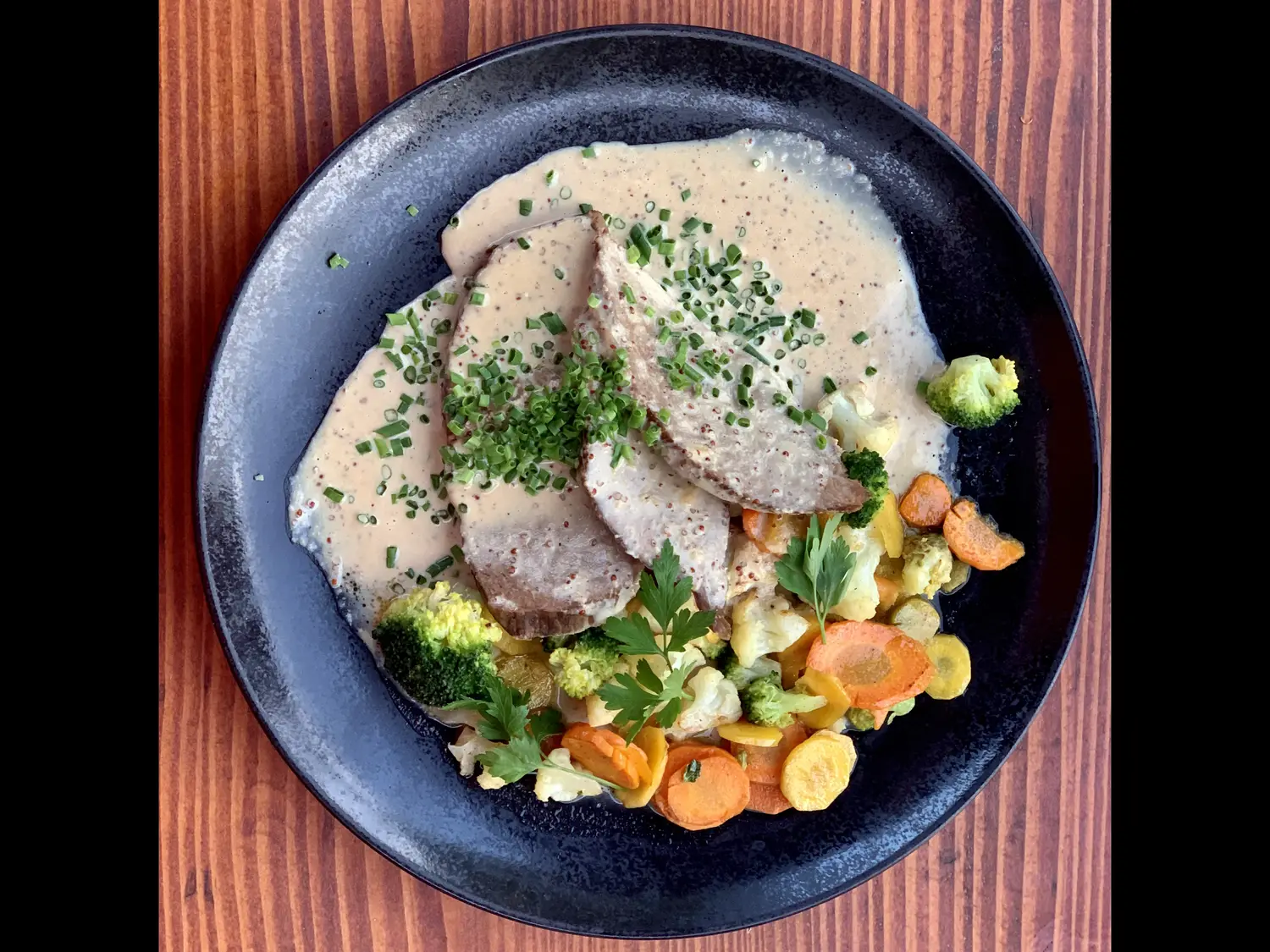
Slices of boiled beef in horseradish sauce with chives, served with carrots, cauliflower and broccoli on a dark plate Austria flag Austria 3h
Dinner •Vienna Heritage

Tafelspitz

Tafelspitz is Vienna's quiet masterpiece: a whole piece of beef simmered gently in broth with root vegetables until it is tender enough to slice with a spoon, then served with apple-horseradish sauce and chive sauce. This tafelspitz recipe is not a stew — the beef is boiled, sliced, and served with its sauces, the way Vienna has done it for generations. One serving is about 370 g.

Comfort & Warmth

Tender simmered beef with root vegetables, apple-horseradish and chive sauce — a gentle, warming Viennese dinner.

Pairs Well With
Serve with roasted potato slices, the simmered root vegetables, and both sauces — apple-horseradish and chive sour cream — with a cup of the clear broth to start.
High Protein
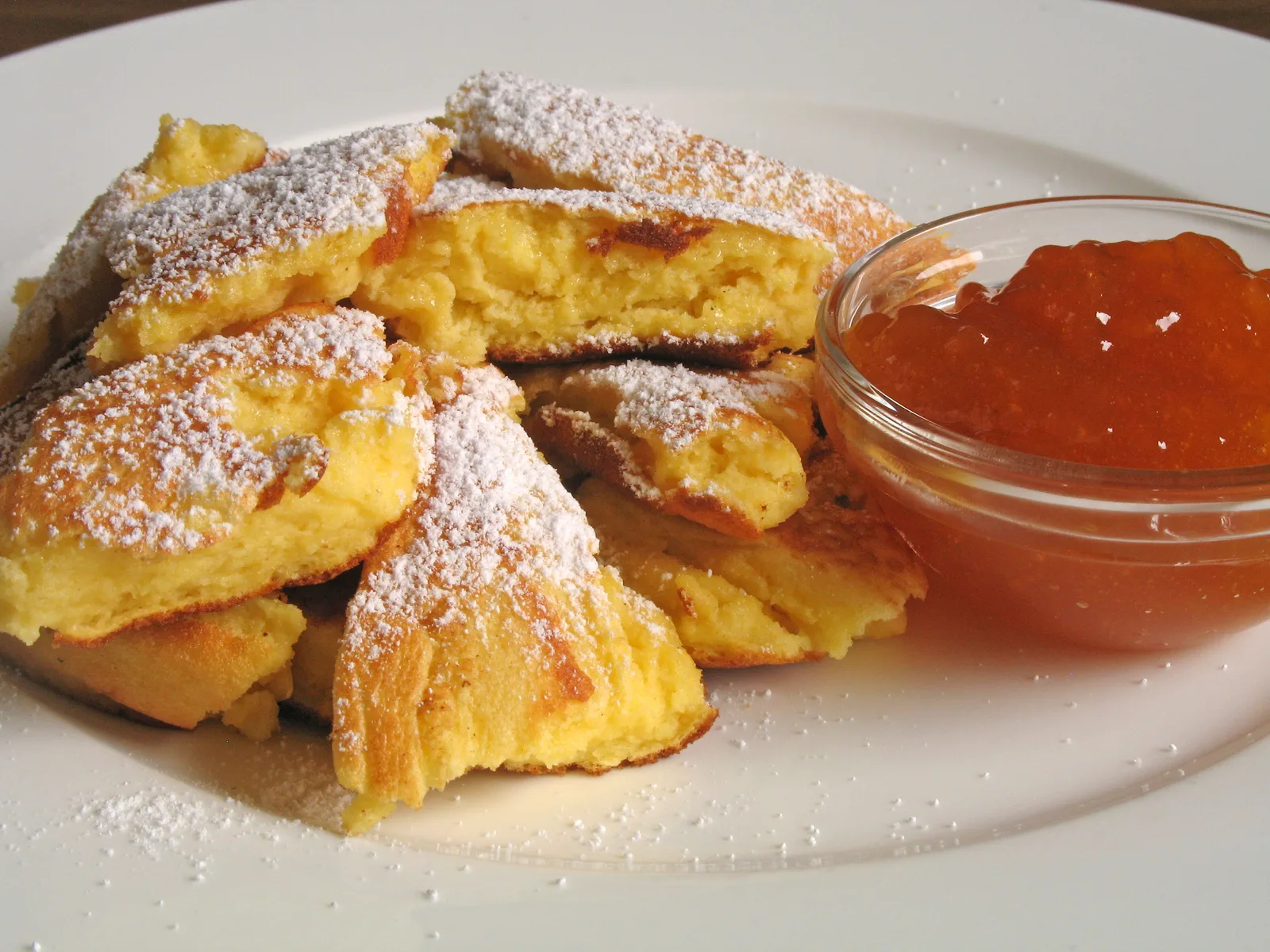
Golden shredded Kaiserschmarrn pieces dusted with icing sugar on a white plate, with a small bowl of plum compote Austria flag Austria 35m
Snack & Tea •Vienna Heritage

Kaiserschmarrn

Kaiserschmarrn is Austria's most charming dessert: a thick, fluffy pancake fried in butter, torn into golden shreds in the pan, dusted with icing sugar and served with warm plum compote. This kaiserschmarrn recipe keeps the classic raisins, the whipped egg whites that make it so light, and the plum compote that every Viennese coffee house serves beside it. One serving is about 290 g.

Sweet Comfort

Fluffy torn pancake with raisins and warm plum compote — a light, sweet Austrian treat.

Pairs Well With
Serve with warm plum compote and a pot of coffee or a glass of milk; a dollop of whipped cream is the traditional coffee-house extra.
Bœuf bourguignon — French beef braised in red wine France flag France 4h
Dinner •Burgundy Terroir

Bœuf Bourguignon

Beef braised gently in red wine until the connective tissue melts into a velvet, gelatin-rich sauce — the classic Burgundy Sunday dinner.

Cellular Repair

Beef braised in red wine until spoon-tender, with mushrooms and pearl onions.

Pairs Well With
Parsnip Purée & Steamed French Haricots Verts
High Protein
Vietnamese braised pork belly with golden eggs in caramel sauce Vietnam flag Vietnam 1h 45m
Dinner •One Pot

Vietnamese Braised Pork and Eggs

Pork belly slowly braised in coconut water and caramel until meltingly tender, with golden eggs that soak up the sweet-savoury sauce — the Vietnamese family dish that tastes better the next day.

Comfort & Sustained Energy

Slow-braised pork belly and eggs in coconut water and caramel.

Pairs Well With
Steamed rice & pickled mustard greens
High Protein

The Dinner Gazette

Never wonder what’s for dinner again

One email a week with easy dinner ideas from around the world — ingredients, steps and nutrition, tested in our kitchen first.

Delivered every Thursday morning. Unsubscribe anytime.



