
Curated recipes from 193 countries  •  New seasonal Mediterranean issue out now

Overview

Kapana

Otete, Namibian Grilled Beef Strips

This kapana recipe brings Windhoek's famous market grill home: beef strips seared over fierce heat until smoky at the edges, then dipped in chilli-salt and eaten with a bright tomato and onion salsa. It takes 35 minutes from cutting board to plate, needs no marinade time, and works on a charcoal grill, a gas grill or a cast-iron grill pan. One serving is about 270 g.

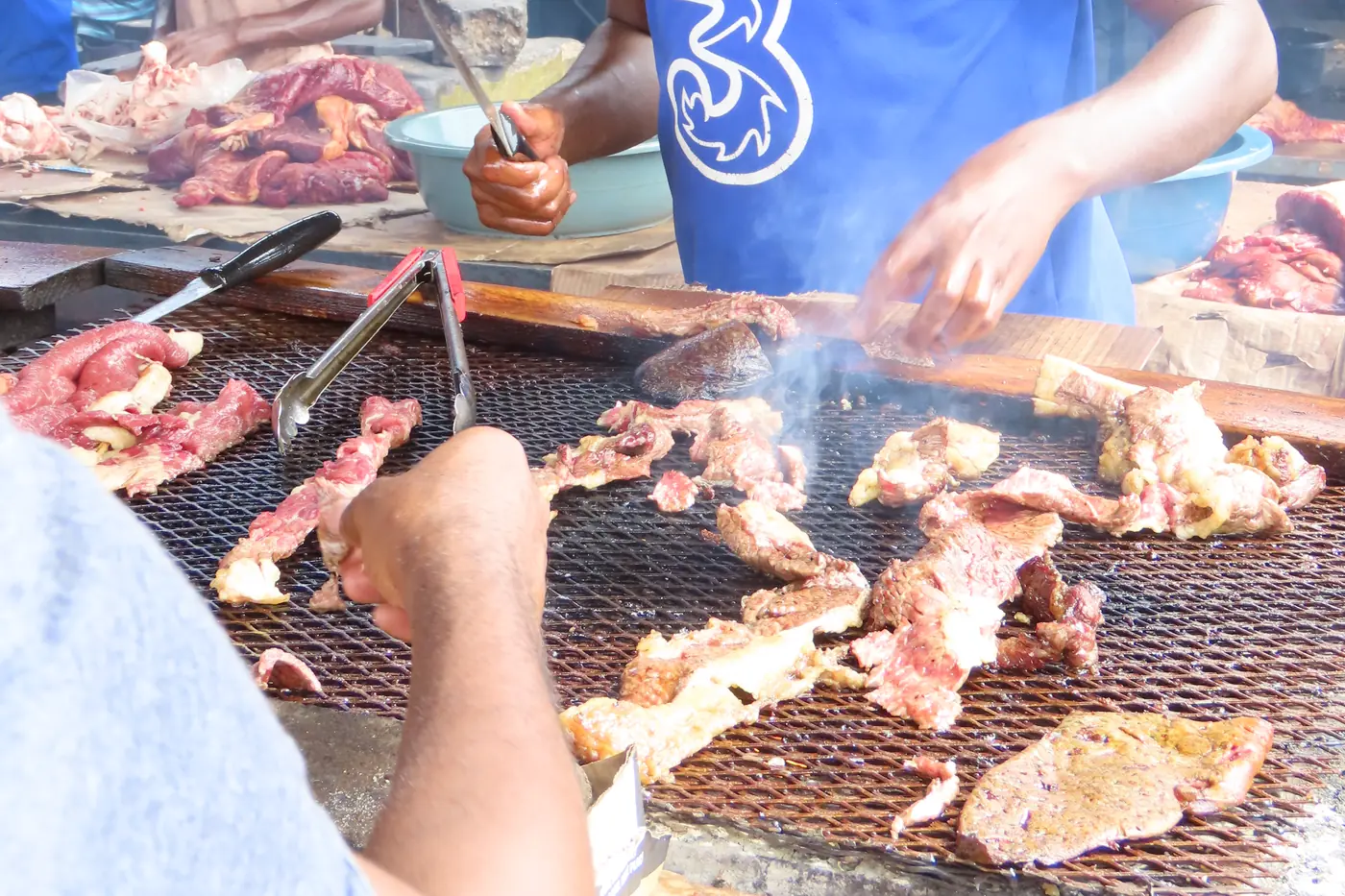
Kapana is the taste of Windhoek's Single Quarters market in Katutura, where grill masters work long charcoal grills made from old oil drums and cut the meat to order with a long knife. The township was established in the late 1950s, and its Oshetu (Single Quarters) market grew into the city's most famous place to eat grilled beef: you point at the meat, the vendor grills it over open coals, and you eat it standing up with chilli-salt and salsa. Today kapana is eaten by Namibians of every background and is the first food most visitors are told to try in the capital.

Pairs well with: Fresh white rolls, tomato-onion salsa and a cold drink

Provenance

Namibia flag Namibia

Namibian Heritage

African Heritage

Time Dedication

35m

15m prep • 20m cook

Batch Yield

4 Servings

429 kcal per serving

1 serving ≈ 270 g

Technical Skill

Easy

Easy (Grill)

Meal Timing & Digestive Fit

Breakfast

Not Advised

Lunch

Prime Metabolic Fit

Dinner

Ideal Hearty Main

Snack & Tea

Inappropriate

High ProteinQuick Prep (<30m) Occasions: Weekend lunch, braai with friends, market-style street food at home Cost: Low — about $3–4 per serving at home
Beef strips grilling over charcoal at a Windhoek market stall, with the vendor turning the meat by hand

Namibian Heritage

Photo: Martin Hipangwa, CC BY-SA 4.0, via Wikimedia Commons

The Heritage Formulary

Measured Ingredients

Estimated cost: Low — about $3–4 per serving at home (USD)

Good kapana is charred at the edges, juicy inside, and seasoned after grilling with chilli-salt — never boiled, never drowned in sauce.

Execution Methodology & Culinary Technique

Step-by-Step Cooking Guide

Active 35m
P

Prep Stage: Cut, Spice, Salsa

15 Mins • Cutting Board

Cut the beef into strips and toss them with the oil and half the spice mix. While the meat sits, dice the tomatoes and onion, mince the chilli and garlic, and stir them together with the lemon juice and a pinch of salt for the salsa. Mix the remaining spice with a little extra salt in a separate small bowl — that is the chilli-salt dip, and it goes on the table, not on the grill.

Maestro Tip: Cut the strips across the grain, not along it — that one choice decides whether the meat is tender or chewy.

  1. 1

    Season the Beef

    5 Mins • Room Temperature Room temperature, about 20°C (68°F)

    Put the beef strips in a bowl, drizzle over the oil and sprinkle over half the kapana spice mix. Toss with your hands until every strip is lightly coated, then leave the bowl on the counter while you make the salsa — 10 minutes is enough; this is a rub, not a marinade, and the meat should not sit in salt for hours or it will dry out.

    Keep the remaining spice mix dry and separate — it becomes the table dip, and wet hands will clump it.

    Done when: Every strip evenly coated in oil and spice, no dry patches.

  2. 2

    Heat the Grill

    10 Mins • High Heat Grill surface about 230°C (450°F)

    Light a charcoal grill and let the coals burn until they are glowing and covered in grey ash, or heat a gas grill or cast-iron grill pan on high for 10 minutes. Brush the grate lightly with oil. Hold your hand 15 cm (6 in) above the grate — you should only manage about 2 seconds before the heat forces you back.

    A grill that is not hot enough is the usual reason kapana turns grey and tough instead of charred and juicy.

    Done when: Coals glowing with grey ash; the grate is too hot to hold your hand over.

  3. 3

    Grill the Beef Strips

    8 Mins • High Heat Grill about 230°C (450°F); beef to at least 63°C (145°F) inside

    Lay the strips on the hot grate in a single layer with space between them, and do not move them for 2 minutes so the charred crust can form. Turn once with tongs and grill for another 2 to 3 minutes for medium, or 4 minutes for well done. Work in batches if the grill is crowded — piling the meat up steams it instead of grilling it.

    One turn only. Every extra flip dries the meat out and stops the crust from forming.

    Done when: Dark brown, lightly charred edges; the centre reaches at least 63°C (145°F) and the juices run clear, not bloody.

  4. 4

    Rest and Slice

    5 Mins • Resting Resting off the heat, about 20°C (68°F)

    Move the grilled strips to a board and rest them for 3 minutes so the juices settle back into the meat. Slice the larger strips across the grain into bite-size pieces, about 3 cm (1 in) long, and sprinkle over the remaining spice mix while the meat is still hot so it sticks.

    Cutting into the meat straight off the grill lets the juices run out onto the board instead of staying in the meat.

    Done when: Slices are juicy inside with a crisp, spiced crust outside.

  5. 5

    Serve with Salsa and Chilli-Salt

    2 Mins • Plating Serve hot, meat about 60°C (140°F)

    Pile the hot beef onto a plate or a sheet of brown paper, the way it is served at the market. Put the tomato salsa and the chilli-salt dip alongside, with fresh white rolls for tearing. Eat with your fingers or a fork, dipping each piece in the chilli-salt first, then the salsa.

    Serve it the moment it is sliced — kapana is a standing-up, straight-off-the-grill food, and it cools fast.

    Done when: Hot, juicy beef with the salsa and dip on the side, ready to eat at once.

Finishing Touches & Plating

Serve the kapana piled high and still steaming, with the salsa, the chilli-salt dip and torn white rolls on the side. There is no gravy and no sauce on the meat itself — the dip and the salsa are the seasoning, added bite by bite.

Nutritional Physiology & Benefits

Nutrition

Energy

429

kcal / serving

Protein

55g

Complete AA

Carbs

10g

Complex

Fats

19g

Healthy

Per serving (4 servings · 1 serving ≈ 270 g)
Energy429 kcal
Protein55 g
Carbohydrates10 g
Fat19 g
Fibre2.5 g
Sugar4.3 g
Sodium603 mg
Per 100g
Energy159 kcal
Protein20.2 g
Carbohydrates3.8 g
Fat6.9 g
Fibre0.9 g
Sugar1.6 g
Sodium223 mg

Nutrition values are estimated — calculated from USDA FoodData Central values for the listed ingredients.

Vitamins & minerals: Iron, zinc and vitamin B12 from the beef, with vitamin C from the tomato, green chilli and lemon. Nutrition values are estimated.

Very High in Protein

One serving supplies about 55 g of protein, which supports muscle maintenance and keeps you full for hours after a small plate.

Rich in Iron and B12

Beef is one of the best food sources of iron and vitamin B12, nutrients that support healthy blood and energy levels.

Low in Carbohydrate

With about 10 g of carbohydrate per serving, the meat itself fits easily into a lower-carbohydrate lunch; the roll is the only real source of starch.

Food Pairings

What to Eat With

To optimize nutrient absorption and elevate the sensory depth, pair with these authentic accompaniments:

Sides

Fresh White Rolls

Soft rolls are the classic partner — they soak up the meat juices and give your hands something to hold the beef in, exactly as it is eaten at Single Quarters.

Oshifima (Mahangu Porridge)

A mound of stiff millet porridge turns the snack into a full meal, and its mild starch balances the salty, spicy meat.

Vegetables

Tomato-Onion Salsa

The sharp, juicy salsa cuts through the rich, smoky beef and cools the chilli heat, so each bite tastes fresh instead of heavy.

Drinks

Cold Lager or Sparkling Water

A cold, fizzy drink cleanses the palate between spicy bites and suits an open-fire meal far better than anything sweet.

Complete menu

Serve kapana piled on a plate with tomato salsa, chilli-salt, fresh white rolls and a cold drink — a full Windhoek market lunch for four.

Digestive Guardrails

What NOT to Combine

To prevent digestive distress, sluggishness, or palate clash, avoid pairing the dish with these elements:

Very Salty Dips and Sauces Together

The chilli-salt dip is already salty, so adding soy sauce or another salty sauce on top can push the sodium far higher than the meal needs. Choose one salty seasoning, not three. This is general nutrition information, not medical advice.

Eating Charred Meat Every Day

Meat cooked over very high heat can form compounds that are best eaten in moderation. Keep kapana as a treat a few times a week rather than a daily habit, and balance the plate with fresh vegetables. This is general nutrition information, not medical advice.

General information only, not medical advice — consult a doctor for personal dietary decisions.

Who Should Eat It

Who Should Eat

  • General adultsAn excellent high-protein lunch — balance it with the salsa and a roll rather than a second helping of meat.
  • ChildrenSuitable for children who eat beef; serve mild (skip the chilli dip), cut into small pieces, and watch for the hot grill.
  • ElderlyGood for protein, but choose tender sirloin and slice it small — tough, chewy strips are hard work for weaker teeth.
  • Pregnant womenGenerally suitable if the beef is cooked all the way through to at least 63°C (145°F) and eaten hot; skip any undercooked pieces.
  • Breastfeeding womenGenerally suitable; the iron and protein are useful, and the chilli is a matter of taste, not safety.
  • AthletesA strong post-training choice: about 55 g of protein per serving with little carbohydrate — add a roll for glycogen.
  • Weight gainA good choice — energy-dense and protein-rich; add rolls and a knob of butter on the side for extra calories.
  • Weight lossA good choice if you keep the portion to one serving, go easy on the chilli-salt, and fill half the plate with salsa and salad instead of a second roll.

Health Conditions — Adjust or Avoid

Conditions

  • DiabetesThe meat itself is very low in carbohydrate; the blood-sugar risk is the white roll, so keep that to one small roll — ask your clinician.
  • High blood pressureThe chilli-salt dip is the main source of sodium here; use it lightly and skip extra salt on the meat.
  • Kidney diseaseBeef is high in protein and potassium, so keep the portion modest and ask your clinician.
  • GoutRed meat is moderately high in purines; a small portion occasionally is safer than a large plate often — ask your clinician.
  • Stomach issuesChilli and charred, fatty meat can irritate a sensitive stomach; choose lean strips, go easy on the chilli, and eat slowly.
  • Cardiovascular diseaseChoose lean sirloin, trim visible fat, and keep portions moderate; the saturated fat adds up quickly with a large serving.
  • Fatty liverGrilled lean beef in a moderate portion is fine, but keep the fat trimmed and the alcohol out of the meal.
  • Food allergiesContains no common allergens as written. Check any ready-made spice rub for wheat, mustard or celery, and note the roll contains gluten.
  • Special therapeutic dietsIf you follow a prescribed low-sodium, low-purine or low-fat diet, keep the portion small, skip the salt dip and check with your clinician.

If you have a medical condition, consult your doctor before changing your diet.

Storage & Use

Storage & Use

How to store
Cool quickly, then store in an airtight container; keep the salsa separate.
In the fridge
2 days, in an airtight container.
In the freezer
2 months, sliced, in a freezer bag with the air pressed out.
How to reheat
Reheat in a hot pan or under the grill until steaming hot all the way through, to 74°C (165°F); do not microwave it for long or it turns rubbery.
Freezing recommended
Yes for the grilled meat; the salsa does not freeze well.
Signs it has spoiled
Sour or off smell, slimy surface, or grey-green patches.

More recipes to explore

A black cast-iron potjie filled with Namibian potjiekos: beef, corn on the cob, green beans and carrots Namibia flag Namibia 3h 15m
Dinner •Namibian Heritage

Namibian Potjiekos

This namibian potjiekos recipe is the slow, layered stew of southern Africa: beef browned in a cast-iron potjie, then potatoes, carrots, butternut, beans and corn stacked in layers and left to simmer, lid on and never stirred, until everything is tender and the gravy is rich. It takes 3 hours 15 minutes, most of it hands-off, and feeds six generously. One serving is about 480 g.

Slow Comfort & Warmth

Beef and vegetables layered in a cast-iron pot and simmered slowly until tender — a one-pot dinner built for sharing.

Pairs Well With
Crusty bread, a green salad and a cold drink
High Protein
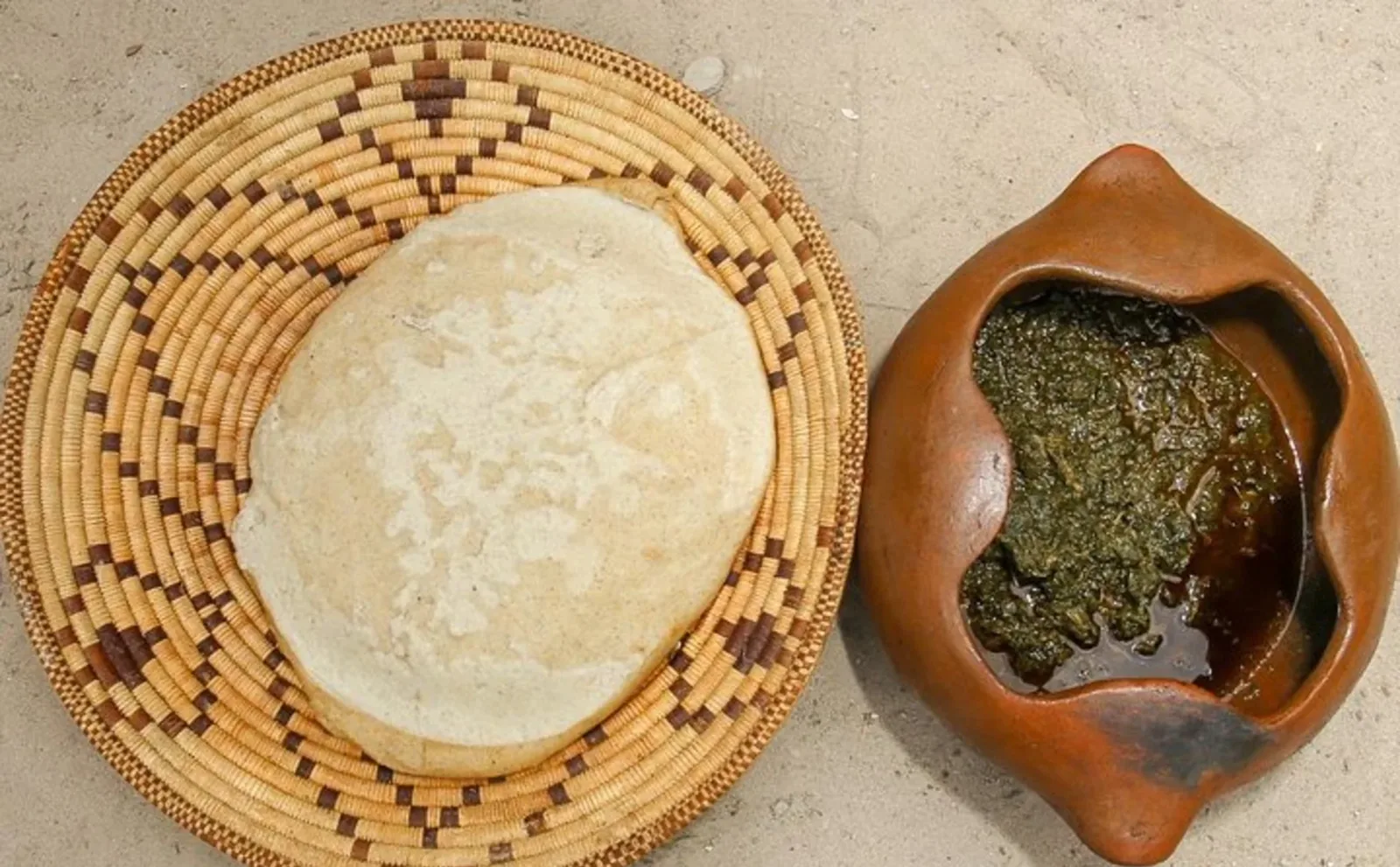
A mound of pale mahangu porridge on a woven basket beside a clay pot of ombidi spinach Namibia flag Namibia 30m
Dinner •Namibian Heritage

Oshifima

This oshifima recipe is the stiff mahangu porridge of northern Namibia: pearl millet flour stirred into boiling water until it turns into a firm, smooth, greyish mound that is torn into pieces and used to scoop up stew, greens or soured milk. It takes 30 minutes and one pot, uses just three ingredients, and is the staple food of more than half of Namibia. One serving is about 290 g.

Everyday Energy

Pearl millet flour stirred into boiling water until firm — the quiet, filling staple that carries stews, greens and soured milk.

Pairs Well With
Ombidi spinach, beef stew or oshikandela (soured milk)
Tagliatelle al ragù Bolognese in a bowl with Parmigiano-Reggiano Italy flag Italy 4h 25m
Lunch •Emilia-Romagna

Tagliatelle al Ragù Bolognese

Slow-braised soffritto and coarse ground heritage meats layered over handmade egg yolk dough for mid-day stamina.

Lean Protein

Slow-simmered beef ragù tossed through fresh egg tagliatelle.

Pairs Well With
Bitter Radicchio & Aged Balsamico di Modena
Pasta & Noodles • High Protein
Pad kra pao gai — Thai holy basil chicken with fried egg and rice Thailand flag Thailand 30m
Lunch •Bangkok Street Flame

Pad Kra Pao Gai

High-heat wok flash of holy basil and crushed chillies over minced chicken, served over jasmine rice with a crispy-edged fried egg.

High Energy

Capsaicin brings the heat; holy basil adds a peppery, clove-like aroma.

Pairs Well With
Chilled Cucumber Salad & Fish Sauce Lime Dip
High Protein • Quick Prep (<30m)

The Dinner Gazette

Never wonder what’s for dinner again

One email a week with easy dinner ideas from around the world — ingredients, steps and nutrition, tested in our kitchen first.

Delivered every Thursday morning. Unsubscribe anytime.