Curated recipes from 193 countries  •  New seasonal Mediterranean issue out now

Overview

Lahpet Thoke

Laphet Thoke; Lahpet Thohk; Burmese Tea Leaf Salad; Pickled Tea Salad

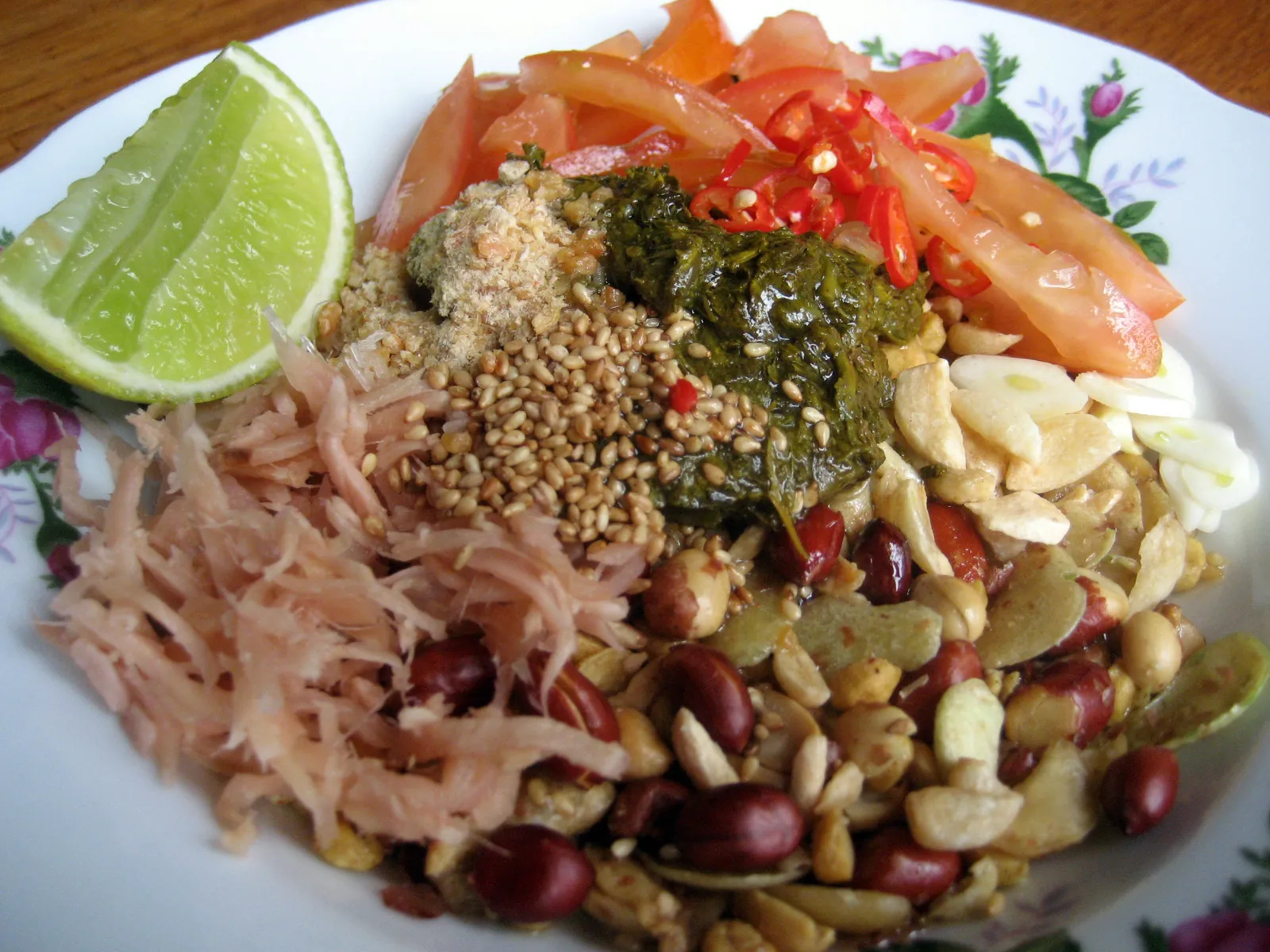
This lahpet thoke recipe is Myanmar's most distinctive snack: dark, tangy fermented tea leaves tossed by hand with shredded cabbage, tomato, roasted peanuts, toasted sesame, fried garlic and crisp yellow split peas, then dressed with lime juice, soy sauce and sesame oil. It is sour, salty, crunchy and fresh all at once, and it comes together in 30 minutes with only a few minutes of frying. One serving is about 178 g.

Lahpet — fermented tea — is one of the oldest foods of Myanmar, and in ancient times the pickled leaves were exchanged as a symbol of peace to settle disputes between kingdoms. The tea itself comes from the hills of Shan State, around Namhsan and Kyaukme, where Palaung growers have long picked, steamed and packed young leaves to ferment for months. Lahpet is still a gesture of hospitality, offered to guests in a lacquered box with its accompaniments in separate compartments; the mixed Yangon-style salad, lahpet thoke, adds tomato, shredded cabbage, lime and fish sauce to the same leaves, peanuts and sesame, and is now a favourite snack across the country.

Pairs well with: Hot green tea & steamed rice

Provenance

Myanmar flag Myanmar

Burmese National Dish

East & South Asia

Time Dedication

30m

20m prep • 10m cook

Batch Yield

4 Servings

257 kcal per serving

1 serving ≈ 178 g

Technical Skill

Intermediate

Easy (Light Frying & Mixing)

Meal Timing & Digestive Fit

Breakfast

Not Advised

Lunch

Inappropriate

Dinner

Inappropriate

Snack & Tea

Ideal Light Bite

Fermented / Gut Health Occasions: Afternoon snacks, tea-shop gatherings, light lunches, study snacks, sharing plates Cost: Low — about $2–3 per serving at home
Lahpet thoke — Burmese fermented tea leaf salad with peanuts, sesame seeds, tomato, chilli and lime on a plate

Burmese National Dish

Photo: Wagaung, CC BY-SA 3.0, via Wikimedia Commons

The Heritage Formulary

Measured Ingredients

Estimated cost: Low — about $2–3 per serving at home (USD)

Burmese home and tea-shop cooking: ready-fermented tea leaves tossed by hand with cabbage, tomato, peanuts, sesame and lime, served fresh.

Execution Methodology & Culinary Technique

Step-by-Step Cooking Guide

Active 30m
P

Prep Stage: Leaves Rinsed, Vegetables Shredded, Garlic Sliced

20 Mins • Rinsing, Shredding & Slicing

Drain the fermented tea leaves, rinse once and squeeze dry. Shred the cabbage finely, dice the tomatoes, slice the garlic thinly and the chillies into rings. Toast the sesame seeds in a dry pan until golden, measure out the oils, soy sauce and lime juice, and set the peanuts and fried split peas in small bowls ready to toss.

Maestro Tip: Do the fiddly prep first — once the garlic is fried, everything comes together in five minutes, so have every pile ready before the pan goes on.

  1. 1

    Fry the Garlic Until Golden

    5 Mins • Frying Oil about 160°C (320°F); garlic fried, not burnt

    Put 15g of the peanut oil in a small pan over medium heat. When it shimmers, add the sliced garlic and fry for 2–3 minutes, stirring often, until the slices turn pale gold. Lift them out at once with a slotted spoon and drain on paper towel — they keep darkening off the heat, so do not wait for deep brown. Set the oil aside; it is flavoured now and goes into the dressing.

    Fry the garlic before anything else so it has time to cool and crisp while you prep the vegetables. Burnt garlic turns bitter and will spoil the whole salad.

    Done when: Garlic slices pale gold and crisp; they should snap, not bend.

  2. 2

    Prep the Vegetables

    8 Mins • Shredding & Dicing No heat — room temperature, about 20°C (68°F)

    Shred the cabbage as finely as you can, dice the tomatoes, and slice the chillies into thin rings. Put the cabbage and tomatoes in a large mixing bowl — wide enough to toss everything by hand without spilling. Keep the chillies, peanuts, sesame seeds, split peas and fried garlic in small piles nearby, ready to add.

    Cut everything small and even so every spoonful gets a little of each ingredient — that mix of sour, salty, crunchy and fresh is the whole point of the dish.

    Done when: Cabbage in fine, even shreds; tomatoes in small dice.

  3. 3

    Rinse and Squeeze the Tea Leaves

    5 Mins • Rinsing No heat — cold water rinse, about 20°C (68°F)

    Tip the drained fermented tea leaves into a sieve, rinse once under cold running water, then squeeze them gently in your hands to press out the excess brine. Taste a leaf: it should be tangy and faintly bitter, not mouth-puckeringly salty. If it is very salty, rinse once more. Chop the leaves roughly so they mix through the salad instead of clumping.

    Do not skip the squeeze — wet leaves water down the dressing and make the salad soggy within minutes.

    Done when: Leaves damp, not dripping; tangy but not harshly salty.

  4. 4

    Whisk the Lime and Soy Dressing

    3 Mins • Whisking No heat — room temperature, about 20°C (68°F)

    In a small bowl, whisk the lime juice, soy sauce, sugar and salt until the sugar dissolves. Add the sesame oil, the remaining 15g of peanut oil and the reserved garlic-frying oil, and whisk again until the dressing looks lightly cloudy and combined. Taste it: it should be sour first, salty second, with a warm sesame finish.

    Taste the dressing before it meets the salad — the tea leaves are already salty, so the dressing should lean sour rather than salty.

    Done when: Sugar dissolved; dressing sour, salty and aromatic.

  5. 5

    Toss by Hand and Serve at Once

    3 Mins • Tossing Serve at room temperature, about 20°C (68°F)

    Add the tea leaves to the bowl of cabbage and tomatoes and pour over the dressing. Mix with your hands or two spoons, lifting and turning until every shred is coated. Fold in the peanuts, sesame seeds, split peas and chillies, then pile the salad onto a serving plate and scatter the fried garlic over the top. Serve at once, while the cabbage is still crisp and the nuts still crunch.

    Mix with your hands, as Burmese cooks do — you can feel when the leaves are evenly spread through the cabbage. Serve within 15 minutes of tossing, before the salt draws water out of the vegetables.

    Done when: Everything coated and evenly mixed; nuts and garlic still crisp on top.

Finishing Touches & Plating

Scatter the fried garlic over the top at the very last moment so it stays crisp, and set the plate in the middle of the table with small bowls so everyone can take a spoonful. Eat it fresh — lahpet thoke is at its best in the first 15 minutes, while the cabbage crunches and the tea leaves still taste bright and tangy.
Nutritional Physiology & Benefits

Nutrition

Energy

257

kcal / serving

Protein

8g

Complete AA

Carbs

15g

Complex

Fats

20g

Healthy

Per serving (4 servings · 1 serving ≈ 178 g)
Energy257 kcal
Protein8 g
Carbohydrates15 g
Fat20 g
Fibre5.2 g
Sugar5.3 g
Sodium336 mg
Per 100g
Energy144 kcal
Protein4.4 g
Carbohydrates8.5 g
Fat11.4 g
Fibre2.9 g
Sugar3 g
Sodium189 mg

Nutrition values are estimated — calculated from USDA FoodData Central values for the listed ingredients.

Vitamins & minerals: Vitamin C and folate (cabbage, tomato, lime), vitamin E and magnesium (peanuts, sesame seeds), iron and calcium (sesame seeds, tea leaves), and B vitamins including niacin and folate (peanuts, split peas). Nutrition is estimated.

Crunchy, Whole Ingredients

Cabbage, tomato, peanuts, sesame seeds and split peas — nothing processed, and every spoonful carries fibre and plant protein from real food.

A Light Snack That Satisfies

At 257 kcal a serving with 5.2 g of fibre and 7.8 g of protein, it is filling enough for an afternoon snack without feeling heavy.

Useful Fats and Vitamin C

Peanuts and sesame bring mostly unsaturated fats, while cabbage, tomato and lime add vitamin C; the fermented tea leaves add a small amount of caffeine and polyphenols from the tea itself.

Food Pairings

What to Eat With

To optimize nutrient absorption and elevate the sensory depth, pair with these authentic accompaniments:

Drinks

Hot Green Tea

Tea with tea sounds odd, but a plain cup of hot green tea is the classic partner — it cleanses the palate between sour, salty spoonfuls and matches the dish's own tea-leaf heart.

Sides

Steamed Jasmine Rice

A small bowl of plain rice turns the snack into a light meal; the mild rice soaks up the lime-soy dressing and softens the tang of the tea leaves.

Vegetables

Cucumber and Fresh Herbs

Cool cucumber slices and a few coriander sprigs on the side give a fresh, watery contrast to the salty crunch, and they calm the chilli for anyone who finds it hot.

Full Menus

As Part of a Burmese Tea-Shop Spread

In Myanmar this salad is served alongside mohinga or Shan noodles at tea shops; the light, sour salad balances the rich, hot noodle soups, so a small plate of lahpet thoke makes the whole table feel complete.

Complete menu

Serve the lahpet thoke in the middle of the table with hot green tea, a small bowl of steamed jasmine rice and a plate of cucumber slices, and finish the spread with a bowl of mohinga for anyone still hungry.

Digestive Guardrails

What NOT to Combine

To prevent digestive distress, sluggishness, or palate clash, avoid pairing the dish with these elements:

Leaving the Dressed Salad Out for Hours

Once dressed, the salt draws water out of the cabbage and tomato and the nuts go soft; left at room temperature for hours it also sits in the range where bacteria grow fastest. Serve within 15 minutes and refrigerate any leftovers within 2 hours. This is general food-safety information, not medical advice.

Drowning It in Fish Sauce or Extra Salt

The tea leaves are already salty from fermenting, so a heavy hand with fish sauce or salt overwhelms their flavour and pushes the sodium far above the 336 mg a serving this recipe gives. Taste the leaves first, then season lightly. This is a cooking note, not medical advice.

Using Brewed Tea Bags Instead of Fermented Leaves

Tea bags and loose-leaf tea are not fermented, so they taste bitter and papery rather than tangy and savoury — the result is not lahpet thoke at all. Wait until you can buy a jar of real fermented tea leaves. This is a cooking note, not medical advice.

General information only, not medical advice — consult a doctor for personal dietary decisions.

Who Should Eat It

Who Should Eat

  • General adultsA light, flavour-packed snack — one serving of about 178 g is a good afternoon bite; the fermented tea leaves contain caffeine, so it is best earlier in the day.
  • ChildrenChildren can try a small portion, but keep it mild: leave out the chillies, and remember the tea leaves contain caffeine, so a small serving is enough.
  • ElderlySoft leaves and vegetables, but the peanuts and split peas are hard and crunchy — crush the nuts for anyone who has trouble chewing, and serve a modest portion.
  • Pregnant womenServe freshly made with rinsed leaves, and keep the portion small — fermented tea leaves contain caffeine and the salad is salty. Ask your clinician about caffeine and sodium for your pregnancy.
  • Breastfeeding womenA light, iron- and folate-containing snack; the caffeine in the tea leaves passes into breast milk in small amounts, so enjoy it earlier in the day and ask your clinician if you are unsure.
  • AthletesAt 257 kcal with 7.8 g of protein it is a light recovery snack rather than a full post-training meal — pair it with rice or a protein-rich main dish after a hard session.
  • Weight gainA light snack at 257 kcal — add an extra handful of peanuts and a bowl of rice alongside if you want more energy from the meal.
  • Weight lossAt 257 kcal a serving with 5.2 g of fibre it is a satisfying snack; keep the peanuts to the recipe amount and skip a second helping of the oily dressing.

Health Conditions — Adjust or Avoid

Conditions

  • DiabetesAbout 15.2 g of carbohydrate and 5.3 g of sugar per serving — a modest amount for a snack, but check the sugar and soy sauce if you dress it more heavily. Ask your clinician about portion size.
  • High blood pressureAbout 336 mg of sodium per serving, mostly from the soy sauce and the fermented leaves — rinse the leaves well and use low-sodium soy sauce to bring it down. Ask your clinician about sodium for your condition.
  • Kidney diseaseTomatoes, cabbage, peanuts and soy sauce all add potassium, phosphorus and sodium, which matter in kidney disease — keep the portion small and ask your clinician before eating it regularly.
  • GoutPeanuts and split peas contain moderate amounts of purines, and the portion here is small, but the soy sauce adds salt — eat it occasionally rather than daily if gout is a concern. Ask your clinician about your diet.
  • Stomach issuesSour fermented leaves, lime juice and raw chillies can irritate a sensitive stomach — leave out the chillies, rinse the leaves well, and take a small portion. Ask your clinician if symptoms persist.
  • Cardiovascular diseaseThe fats here are mostly unsaturated from peanuts, sesame and oils, which is a good profile, but the salad is salty — keep the soy sauce light and the portion modest. Ask your clinician about sodium and fats for your condition.
  • Fatty liverA light, low-sugar salad at 257 kcal with plenty of vegetables — a reasonable snack choice, as long as the oil and peanuts stay at the recipe amounts. Ask your clinician about your overall diet.
  • Food allergiesContains major allergens: peanut, sesame and soy (and wheat, if the soy sauce is brewed with wheat — use tamari for a gluten-free version). Do not serve to anyone with a peanut or sesame allergy, and check every label. Ask your clinician about allergy management.
  • Special therapeutic dietsVegetarian and vegan as written, since this version uses soy sauce instead of fish sauce and no dried shrimp; it is not gluten-free unless tamari replaces the soy sauce. Check the diet with your clinician or dietitian before relying on it.

If you have a medical condition, consult your doctor before changing your diet.

Storage & Use

Storage & Use

How to store
Store the undressed components separately where possible: tea leaves in their brine in a sealed jar, and the chopped vegetables, nuts and garlic in separate sealed containers.
In the fridge
2 days for the dressed salad; 3 days for the separate components, in sealed containers.
In the freezer
Not recommended — the cabbage and tomato turn limp and the nuts lose their crunch.
How to reheat
Do not reheat — this is a cold salad; serve at room temperature and discard leftovers after 2 days.
Freezing recommended
No.
Signs it has spoiled
A sour smell stronger than the normal tang, slimy or grey tea leaves, soft and wet nuts, or any mould on the vegetables.

More recipes to explore

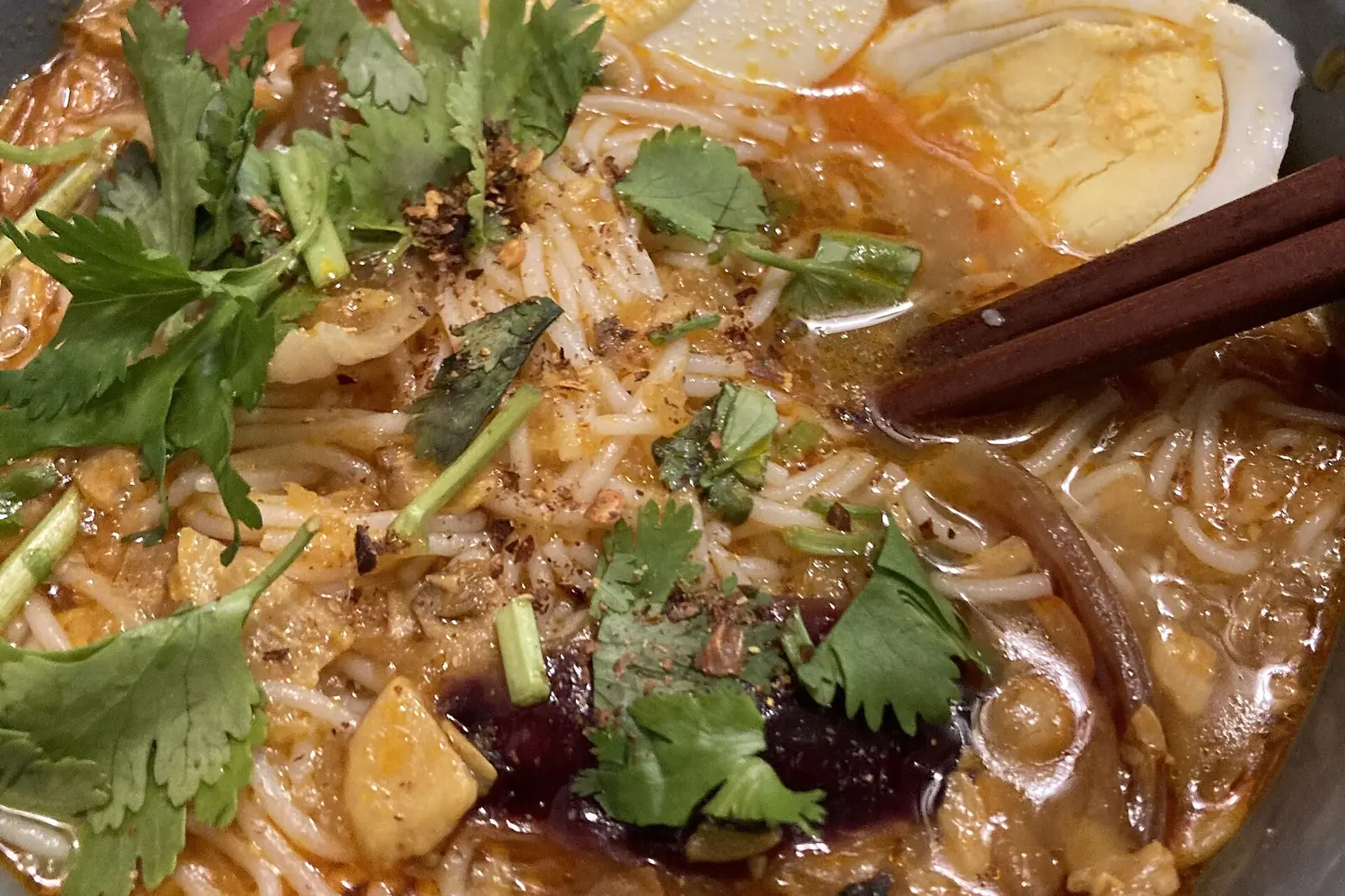
A bowl of mohinga — rice noodles in thick golden fish broth with a halved boiled egg, fresh cilantro and chilli flakes, chopsticks resting on the bowl Myanmar flag Myanmar 1h 45m
Breakfast •Myanmar National Dish

Mohinga

This mohinga recipe simmers catfish with lemongrass, ginger and turmeric into a fragrant broth, then thickens it with toasted chickpea and rice flour until it coats the spoon. It is ladled over soft rice vermicelli with flaked fish, tender banana stem, a halved boiled egg, crisp fried shallots, cilantro and lime. One serving is about 600 g, broth, noodles and toppings together.

Warm & Comforting

A thick, lemongrass-scented catfish broth ladled over rice noodles with egg, herbs and lime — Myanmar's classic breakfast bowl.

Pairs Well With
Fried shallots, fresh herbs, lime wedges and chilli flakes at the table.
Soups & Broths • Pasta & Noodles
A bowl of Shan noodles — rice noodles tossed in tomato sauce with pickled mustard greens, crushed peanuts, spring onions, coriander and tofu Myanmar flag Myanmar 50m
Lunch •Shan State Classic

Shan Noodles

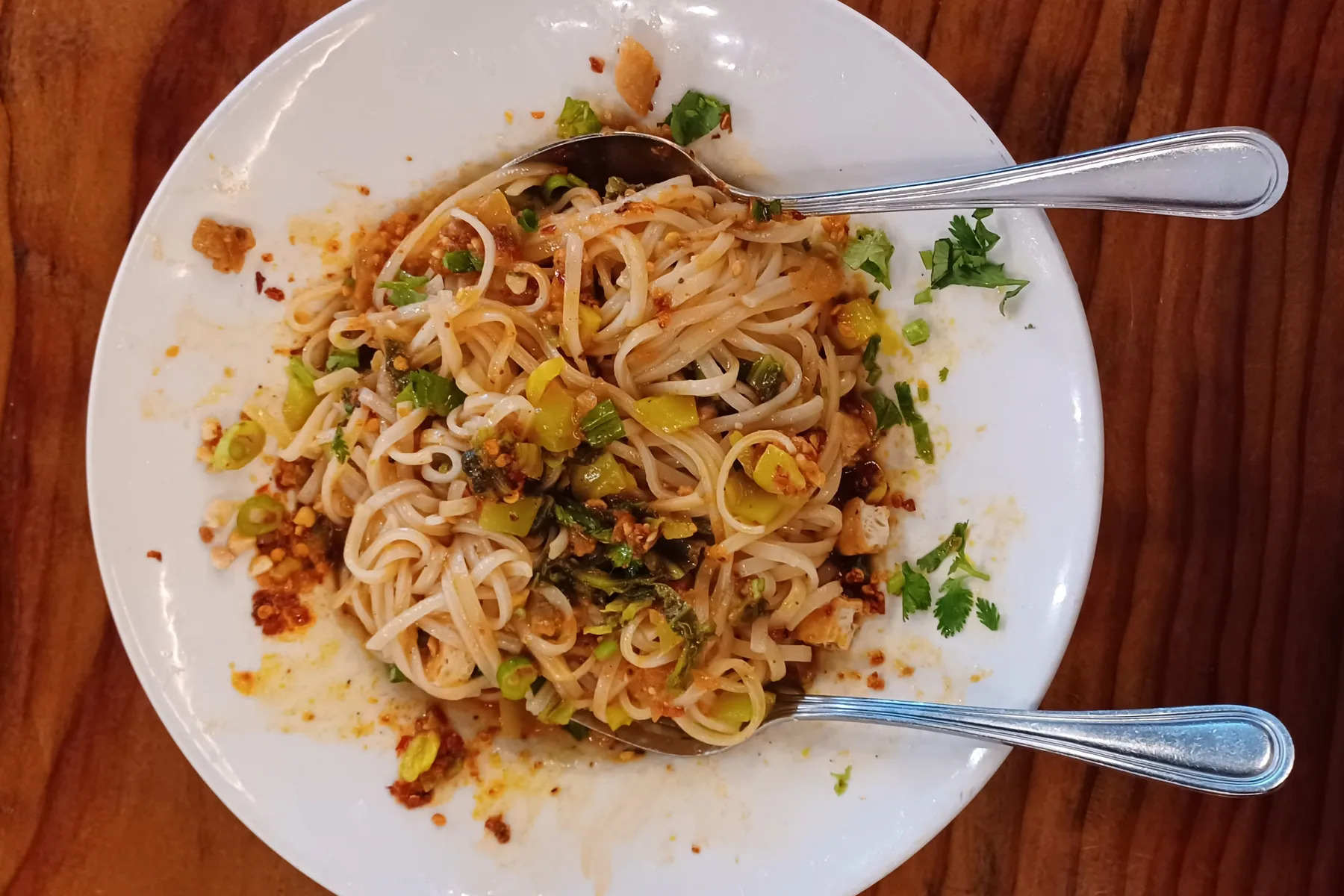
This shan noodles recipe is Shan State's beloved bowl: soft rice noodles topped with a rich tomato chicken sauce, then finished with pickled mustard greens, crushed peanuts, spring onions and fresh coriander. The sauce is tangy and savoury rather than creamy, and every bowl is seasoned to taste at the table with soy sauce, chilli oil and lime. One serving is about 570 g.

Comfort & Warmth

Warm rice noodles in a tangy tomato chicken sauce with crunchy pickled greens and peanuts — a comforting Shan lunch.

Pairs Well With
Light chicken broth, pickled mustard greens & green tea
Pasta & Noodles
Pan con tomate with jamón ibérico on toasted bread Spain flag Spain 15m
Snack & Tea •Catalan Aperitivo

Pan con Tomate & Jamón Ibérico

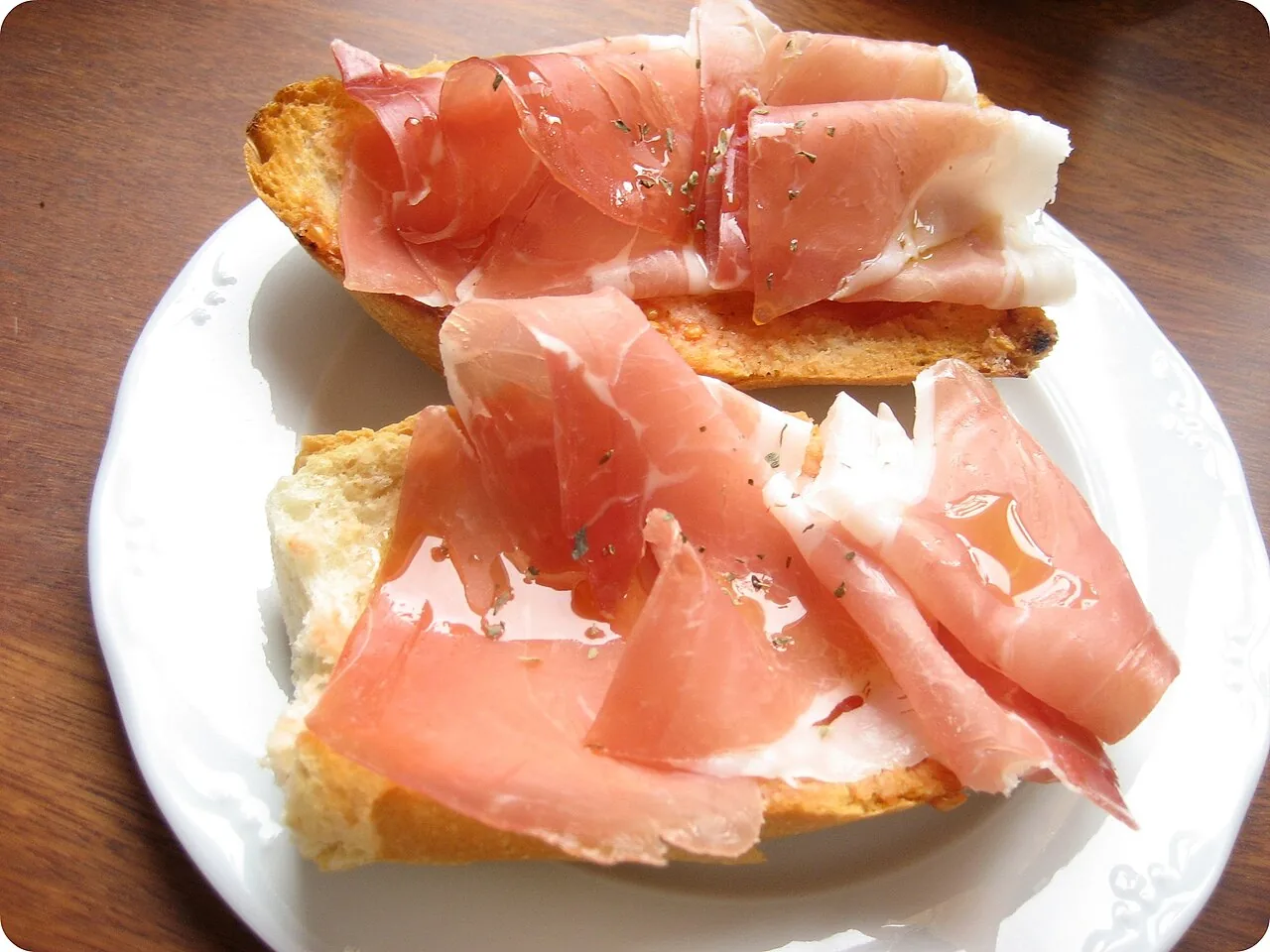
Country bread rubbed with ripe Ramallet tomato, drizzled with cold-pressed Arbequina olive oil and topped with jamón ibérico.

Vascular Health

Toasted tomato bread with jamón ibérico, olive oil and olives.

Pairs Well With
Castelvetrano Olives & Sparkling Mineral Water
Quick Prep (<30m)
Gỏi cuốn — Vietnamese fresh spring rolls with prawn and pork Vietnam flag Vietnam 1h 5m
Snack & Tea •Saigon Refresh

Gỏi Cuốn Tôm Thịt

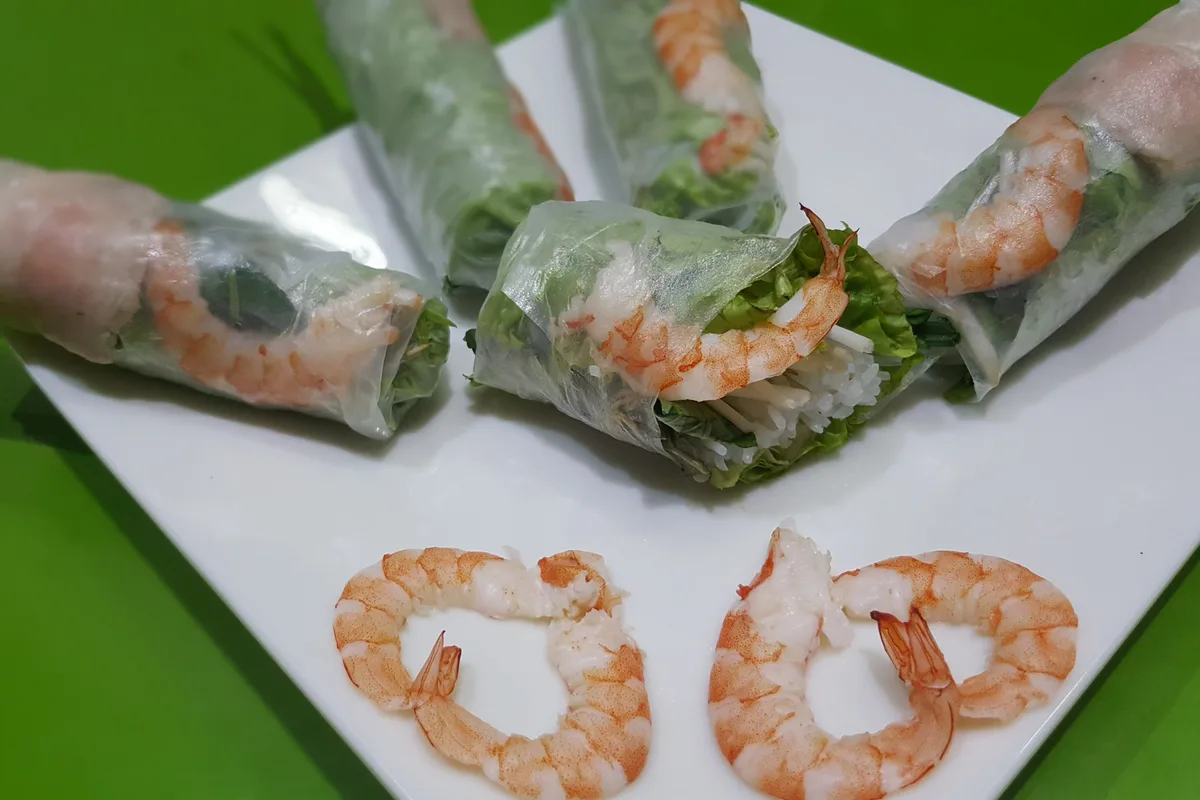
Fresh rice paper rolls filled with poached prawns, tender pork, rice vermicelli, lettuce, herbs and carrot, served with a peanut dipping sauce.

Light Digestion

Nothing is fried, so the rolls stay light and fresh — a cool, herb-filled snack for hot days.

Pairs Well With
Artisanal Peanut Dip & Fresh Lotus Root Water
High Protein

The Dinner Gazette

Never wonder what’s for dinner again

One email a week with easy dinner ideas from around the world — ingredients, steps and nutrition, tested in our kitchen first.

Delivered every Thursday morning. Unsubscribe anytime.