Curated recipes from 193 countries  •  New seasonal Mediterranean issue out now

Overview

Mohinga

Mohinga; Mote Hin Khar; Burmese fish noodle soup

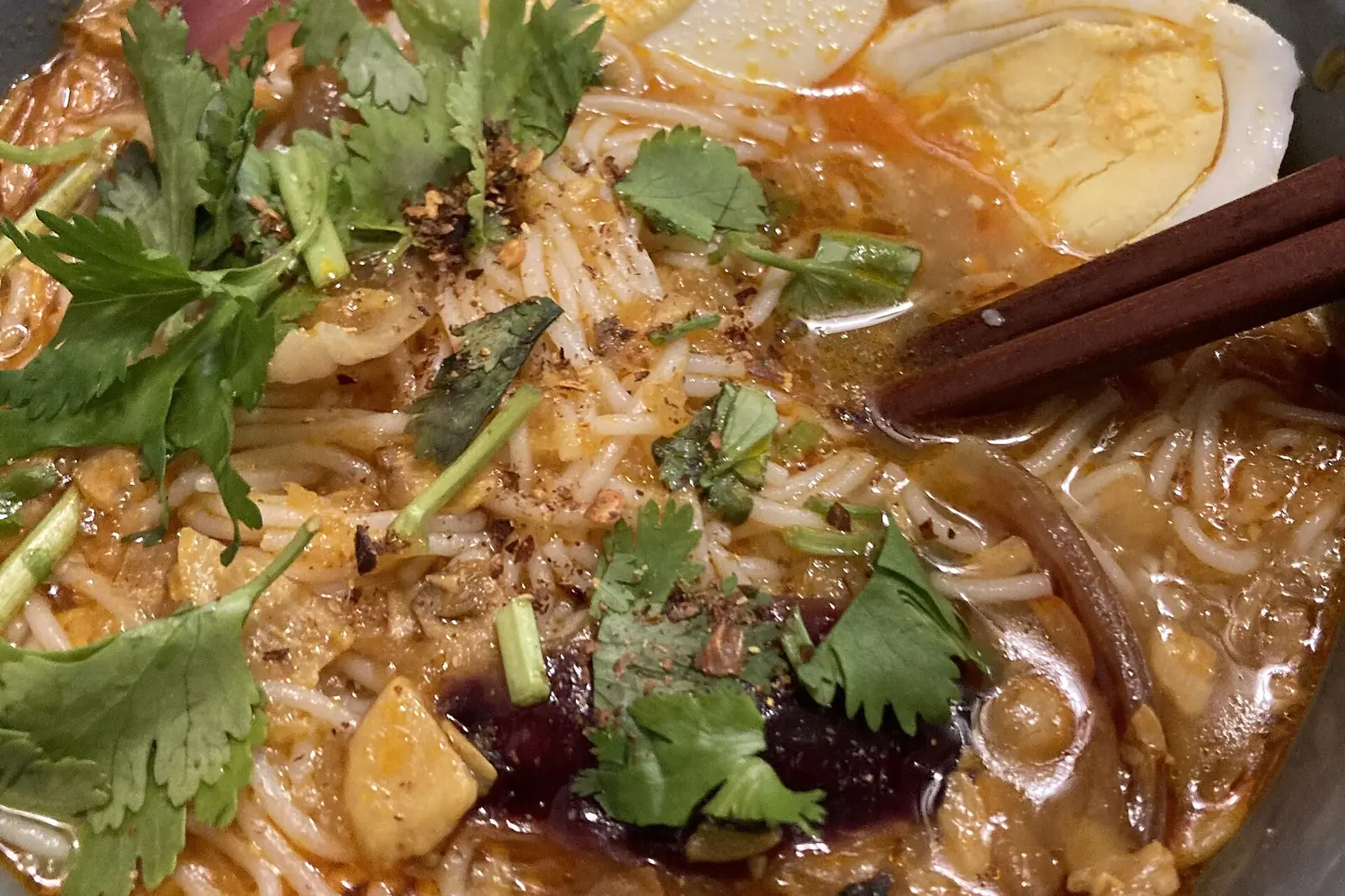
This mohinga recipe simmers catfish with lemongrass, ginger and turmeric into a fragrant broth, then thickens it with toasted chickpea and rice flour until it coats the spoon. It is ladled over soft rice vermicelli with flaked fish, tender banana stem, a halved boiled egg, crisp fried shallots, cilantro and lime. One serving is about 600 g, broth, noodles and toppings together.

Mohinga is widely regarded as Myanmar's national dish, and for most Burmese people it is breakfast: vendors ladle it from large pots at morning markets and street stalls, and families eat it before school or work. Its roots are traced to the Mon people of southern Myanmar, and the dish travelled up the Irrawaddy with traders and migrants until it became the morning bowl of the whole country. The defining touches — a fish broth thickened with toasted chickpea flour, lemongrass, banana stem and a halved boiled egg — have stayed the same while every region adds its own garnish, from split pea fritters in Yangon to extra herbs in Mandalay.

Pairs well with: Fried shallots, fresh herbs, lime wedges and chilli flakes at the table.

Provenance

Myanmar flag Myanmar

Myanmar National Dish

East & South Asia

Time Dedication

1h 45m

30m prep • 75m cook

Batch Yield

6 Servings

482 kcal per serving

1 serving ≈ 600 g

Technical Skill

Intermediate

Medium (Slow Broth)

Meal Timing & Digestive Fit

Breakfast

Prime Morning Fit

Lunch

Inappropriate

Dinner

Inappropriate

Snack & Tea

Inappropriate

Soups & BrothsPasta & Noodles Occasions: Breakfast, weekend mornings, market mornings, cold-weather comfort Cost: Low — about $3–4 per serving at home
A bowl of mohinga — rice noodles in thick golden fish broth with a halved boiled egg, fresh cilantro and chilli flakes, chopsticks resting on the bowl

Myanmar National Dish

Photo: Junosang, CC0 1.0, via Wikimedia Commons

The Heritage Formulary

Measured Ingredients

Estimated cost: Low — about $3–4 per serving at home (USD)

A thick catfish broth scented with lemongrass and thickened with toasted chickpea flour, ladled over rice noodles with egg and herbs.

Execution Methodology & Culinary Technique

Step-by-Step Cooking Guide

Active 1h 45m
P

Prep Stage: Toasting Flour, Paste & Garnishes

30 Mins • Toasting & Chopping

Toast the chickpea and rice flours in a dry pan until tan and fragrant, then cool them — this is what keeps the broth nutty instead of floury. While they cool, pound the shallots, garlic, ginger and sliced lemongrass into a rough paste, slice the shallots for frying, and set out the cilantro, green onions, lime wedges and chilli flakes for the table. The eggs can boil while the fish simmers.

Maestro Tip: Toast the flours before anything else — they need to cool before they are whisked into the broth, or they clump.

  1. 1

    Simmer the Catfish

    25 Mins • Simmering Gentle simmer, about 95°C (200°F); fish cooked through to at least 63°C (145°F)

    Put the catfish fillets in a large pot with 2 litres of cold water, the bruised lemongrass stalk, the halved onion and the shrimp paste. Bring to a gentle simmer — never a hard boil — and cook for about 20 minutes, skimming any foam, until the fish flakes easily. Lift the fish out onto a plate and flake it into large pieces, discarding any bones. Strain the broth through a fine sieve back into the pot and keep it at a low simmer.

    A hard boil clouds the broth and toughens the fish; a few lazy bubbles is right.

    Done when: Fish flakes easily with a fork; broth clear, pale gold and fragrant.

  2. 2

    Pound the Aromatic Paste

    10 Mins • Pounding Room temperature, about 20°C (68°F)

    Pound the chopped shallots, garlic, ginger and finely sliced lemongrass in a mortar — or blitz in a small food processor — with the turmeric and a pinch of salt, until you have a rough, fragrant paste. It does not need to be smooth; a little texture is traditional.

    Pound the lemongrass first, as it is the toughest, then add the softer shallots and garlic.

    Done when: A coarse, golden, strongly fragrant paste.

  3. 3

    Build and Thicken the Broth

    20 Mins • Simmering Gentle simmer, about 95°C (200°F)

    Stir the aromatic paste into the strained broth and simmer for 5 minutes. Whisk the toasted chickpea and rice flours with 120 ml (1/2 cup) of cold water until smooth, then pour the slurry into the pot in a thin stream, whisking all the time. Add the flaked fish and the banana stem, then simmer for 10–12 minutes, stirring often, until the broth thickens enough to coat the back of a spoon. Season with the fish sauce and salt, tasting as you go.

    Whisk the flours with cold water first — adding dry flour straight to the pot makes lumps that never come out.

    Done when: Broth thick, silky and golden, coating a spoon; fish flakes and banana stem spread through it.

  4. 4

    Cook the Noodles and Eggs

    10 Mins • Boiling Rolling boil, 100°C (212°F)

    Boil the eggs for 10 minutes, cool in cold water, peel and halve them. In a separate large pot of boiling water, cook the rice vermicelli according to the packet — usually 3–4 minutes — until just tender, then drain and rinse briefly under cold water so the strands stay separate.

    Cook the noodles separately, never in the broth — they would soak up the soup and turn it starchy and thin.

    Done when: Eggs firm and halved cleanly; noodles tender but still springy.

  5. 5

    Fry the Shallots

    5 Mins • Frying Medium heat, about 175°C (350°F)

    Heat the oil in a small pan and fry the thinly sliced shallots, stirring, for 3–4 minutes until crisp and golden brown. Lift them out with a slotted spoon and drain on paper towel. They will crisp further as they cool.

    Watch them closely in the last minute — shallots go from golden to burnt in seconds.

    Done when: Crisp, golden-brown shallot curls.

  6. 6

    Build the Bowls

    5 Mins • Assembling Serving hot, above 60°C (140°F)

    Divide the warm noodles between six deep bowls. Ladle the hot, thick fish broth over each one, making sure every bowl gets flaked fish and banana stem. Top with half a boiled egg, a pinch of fried shallots, cilantro and green onions, and serve at once with lime wedges and chilli flakes on the table so each person seasons their own bowl.

    Ladle the broth last and serve immediately — the noodles keep soaking it up and will soften if the bowl waits.

    Done when: A steaming bowl with noodles visible under golden broth, egg, herbs and crisp shallots on top.

Finishing Touches & Plating

Hand each bowl with lime wedges and chilli flakes on the side, and let everyone squeeze and sprinkle to taste. Street stalls often add a crisp split pea fritter (pe kyaw) on top — if you have them, add one per bowl for crunch.
Nutritional Physiology & Benefits

Nutrition

Energy

482

kcal / serving

Protein

28g

Complete AA

Carbs

72g

Complex

Fats

8g

Healthy

Per serving (6 servings · 1 serving ≈ 600 g)
Energy482 kcal
Protein28 g
Carbohydrates72 g
Fat8 g
Fibre5.3 g
Sugar5.2 g
Sodium1174 mg
Per 100g
Energy80 kcal
Protein4.7 g
Carbohydrates12 g
Fat1.4 g
Fibre0.9 g
Sugar0.9 g
Sodium196 mg

Nutrition values are estimated — calculated from USDA FoodData Central values for the listed ingredients.

Vitamins & minerals: Vitamin B12, iron and selenium (catfish), vitamin B12 and choline (egg), vitamin C and folate (cilantro, lime and green onions), potassium (banana stem and onion).

Protein to Start the Day

One serving carries about 28.1 g of protein from catfish and egg, which keeps a breakfast eater full until lunch.

Whole, Pantry-Friendly Ingredients

Fish, rice noodles, chickpea flour, lemongrass and banana stem — nothing processed, and the broth is built from scratch rather than from a packet.

Iron and B12 from Fish and Egg

Catfish and egg supply iron, vitamin B12 and selenium, and the lime squeezed in at the table adds vitamin C to the bowl.

Food Pairings

What to Eat With

To optimize nutrient absorption and elevate the sensory depth, pair with these authentic accompaniments:

Sides

Crispy Split Pea Fritters (Pe Kyaw)

The classic mohinga topping: a crunchy fritter broken over the bowl gives the silky, thick broth something crisp to play against.

Vegetables

Extra Herbs, Sprouts & Lime

A second plate of cilantro, green onions and bean sprouts lets everyone pile their bowl high, keeping the rich broth fresh and bright.

Drinks

Burmese Milk Tea

Sweet, milky Burmese tea is the standard morning drink with mohinga, and its gentle sweetness balances the salty, savoury broth.

Full Menus

Fresh Fruit to Finish

Mango or papaya after the soup gives the meal a light, sweet finish without another cooked course.

Complete menu

Serve the mohinga with a crispy split pea fritter on each bowl, a big plate of herbs and lime, and Burmese milk tea, finishing with fresh mango or papaya.

Digestive Guardrails

What NOT to Combine

To prevent digestive distress, sluggishness, or palate clash, avoid pairing the dish with these elements:

Swapping the Fish Broth for a Meat Stock

A pork or chicken stock turns this into a different noodle soup altogether — the fish, chickpea flour and lemongrass are what make it mohinga. This is a cooking note, not medical advice.

Leaving the Soup Out All Morning

Fish broth left at room temperature cools into the range where bacteria grow fastest. Serve hot and refrigerate leftovers within 2 hours. This is general food-safety information, not medical advice.

General information only, not medical advice — consult a doctor for personal dietary decisions.

Who Should Eat It

Who Should Eat

  • General adultsA satisfying breakfast — about 28.1 g protein per serving, best eaten hot in a sensible portion.
  • ChildrenChildren usually love the noodles and egg; serve their bowl with less chilli flakes and pick out the banana stem if they dislike it.
  • ElderlyWarm, soft and easy to eat; a modest bowl with plenty of herbs is the comfortable choice.
  • Pregnant womenFine as an occasional breakfast when the fish and egg are cooked right through; keep the portion modest. Ask your clinician about portion size.
  • Breastfeeding womenA hearty, iron-rich breakfast; the fish and egg are useful, but one bowl is enough because it is filling.
  • AthletesGood fuel for training days, with about 28.1 g protein and plenty of carbohydrate per serving.
  • Weight gainEnergy-rich and easy to eat in a good amount, so it suits weight gain when served with a fritter on top.
  • Weight lossRich at about 482 kcal a bowl; ask for half noodles and load up on herbs and lime to lighten it.

Health Conditions — Adjust or Avoid

Conditions

  • DiabetesAbout 71.8 g carbohydrate per serving, mostly from the noodles, so keep the noodle portion as stated. Ask your clinician about portion size.
  • High blood pressureOne serving carries about 1,174 mg sodium, so keep other salty foods out of the same meal and do not add extra fish sauce. Ask your clinician about portion size.
  • Kidney diseasePortions should stay modest, and the salt and protein content matter for some kidney diets. Ask your clinician about portion size.
  • GoutFish and shrimp paste are rich in purines, so keep to one modest bowl and drink water with the meal. Ask your clinician about portion size.
  • Stomach issuesA gentle, warm broth is usually kind to the stomach; go light on the chilli flakes if spice bothers you. Ask your clinician about portion size.
  • Cardiovascular diseaseThe dish carries about 8.1 g fat per serving, so one modest bowl with a big plate of herbs is a better balance than a second helping. Ask your clinician about portion size.
  • Fatty liverEnergy-dense, so keep portions modest and avoid eating it late at night. Ask your clinician about portion size.
  • Food allergiesContains fish, egg and shellfish (shrimp paste). People with fish, egg or shellfish allergy should not eat it unless a safe substitute is used. Ask your clinician about safe alternatives.
  • Special therapeutic dietsNot suitable for a low-sodium therapeutic diet as written; the fish sauce and shrimp paste can be reduced. Ask your clinician or dietitian before adapting it.

If you have a medical condition, consult your doctor before changing your diet.

Storage & Use

Storage & Use

How to store
Cool the broth quickly and store it apart from the noodles and toppings, in covered containers.
In the fridge
Broth keeps 3 days in the fridge at 4°C (40°F) or below; noodles and toppings keep 1 day.
In the freezer
Broth only, up to 2 months; noodles and toppings do not freeze well.
How to reheat
Bring the broth back to a boil, then simmer until steaming hot, to 74°C (165°F); cook fresh noodles.
Freezing recommended
Yes — the broth only, without noodles or toppings.
Signs it has spoiled
Sour smell, cloudy broth that was clear, or slimy fish pieces.

More recipes to explore

A bowl of Shan noodles — rice noodles tossed in tomato sauce with pickled mustard greens, crushed peanuts, spring onions, coriander and tofu Myanmar flag Myanmar 50m
Lunch •Shan State Classic

Shan Noodles

This shan noodles recipe is Shan State's beloved bowl: soft rice noodles topped with a rich tomato chicken sauce, then finished with pickled mustard greens, crushed peanuts, spring onions and fresh coriander. The sauce is tangy and savoury rather than creamy, and every bowl is seasoned to taste at the table with soy sauce, chilli oil and lime. One serving is about 570 g.

Comfort & Warmth

Warm rice noodles in a tangy tomato chicken sauce with crunchy pickled greens and peanuts — a comforting Shan lunch.

Pairs Well With
Light chicken broth, pickled mustard greens & green tea
Pasta & Noodles
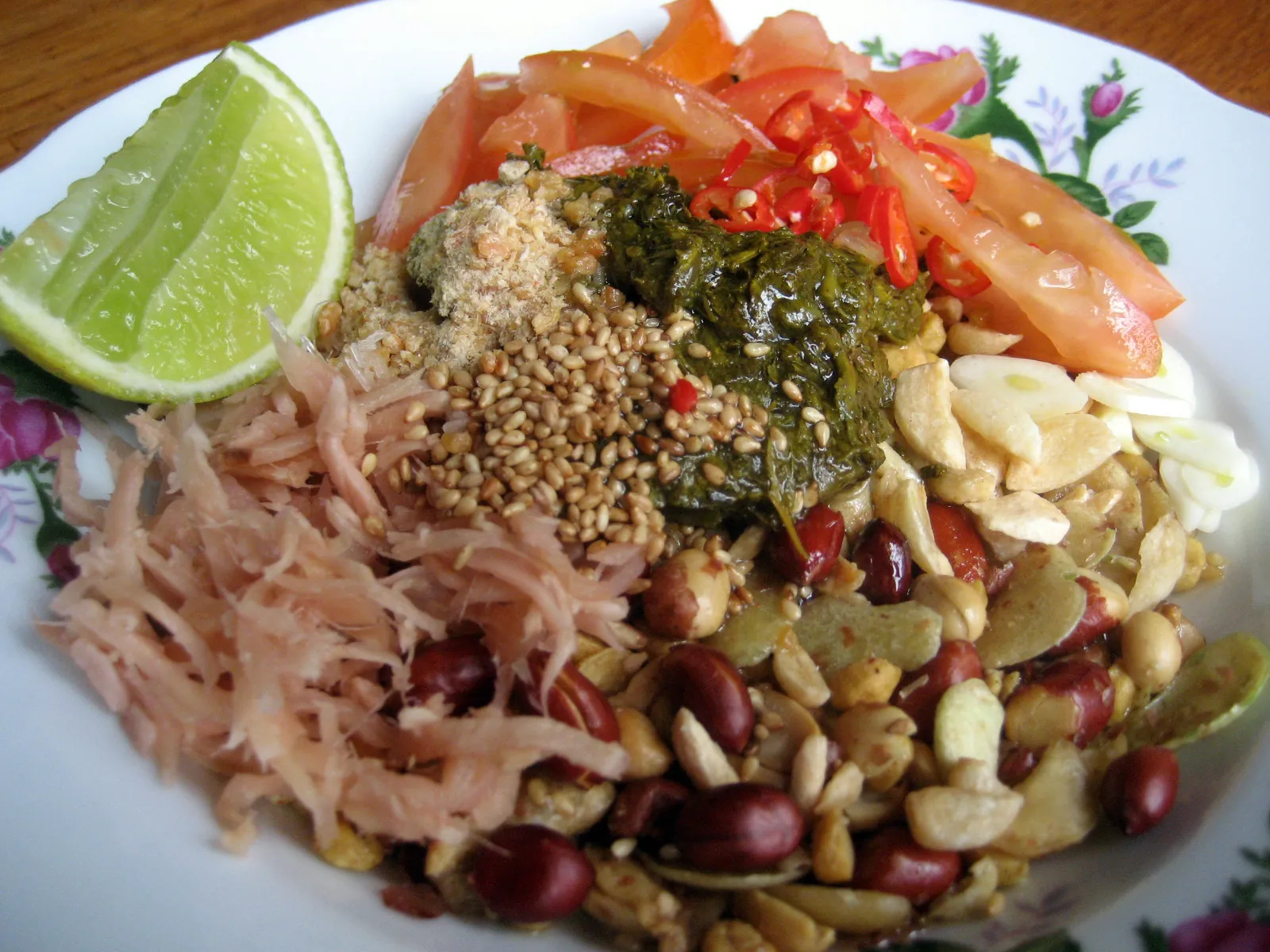
Lahpet thoke — Burmese fermented tea leaf salad with peanuts, sesame seeds, tomato, chilli and lime on a plate Myanmar flag Myanmar 30m
Snack & Tea •Burmese National Dish

Lahpet Thoke

This lahpet thoke recipe is Myanmar's most distinctive snack: dark, tangy fermented tea leaves tossed by hand with shredded cabbage, tomato, roasted peanuts, toasted sesame, fried garlic and crisp yellow split peas, then dressed with lime juice, soy sauce and sesame oil. It is sour, salty, crunchy and fresh all at once, and it comes together in 30 minutes with only a few minutes of frying. One serving is about 178 g.

Tangy & Crunchy

Fermented tea leaves tossed with crunchy peanuts, sesame and fresh vegetables — a sour, savoury Burmese snack that is eaten, not drunk.

Pairs Well With
Hot green tea & steamed rice
Fermented / Gut Health
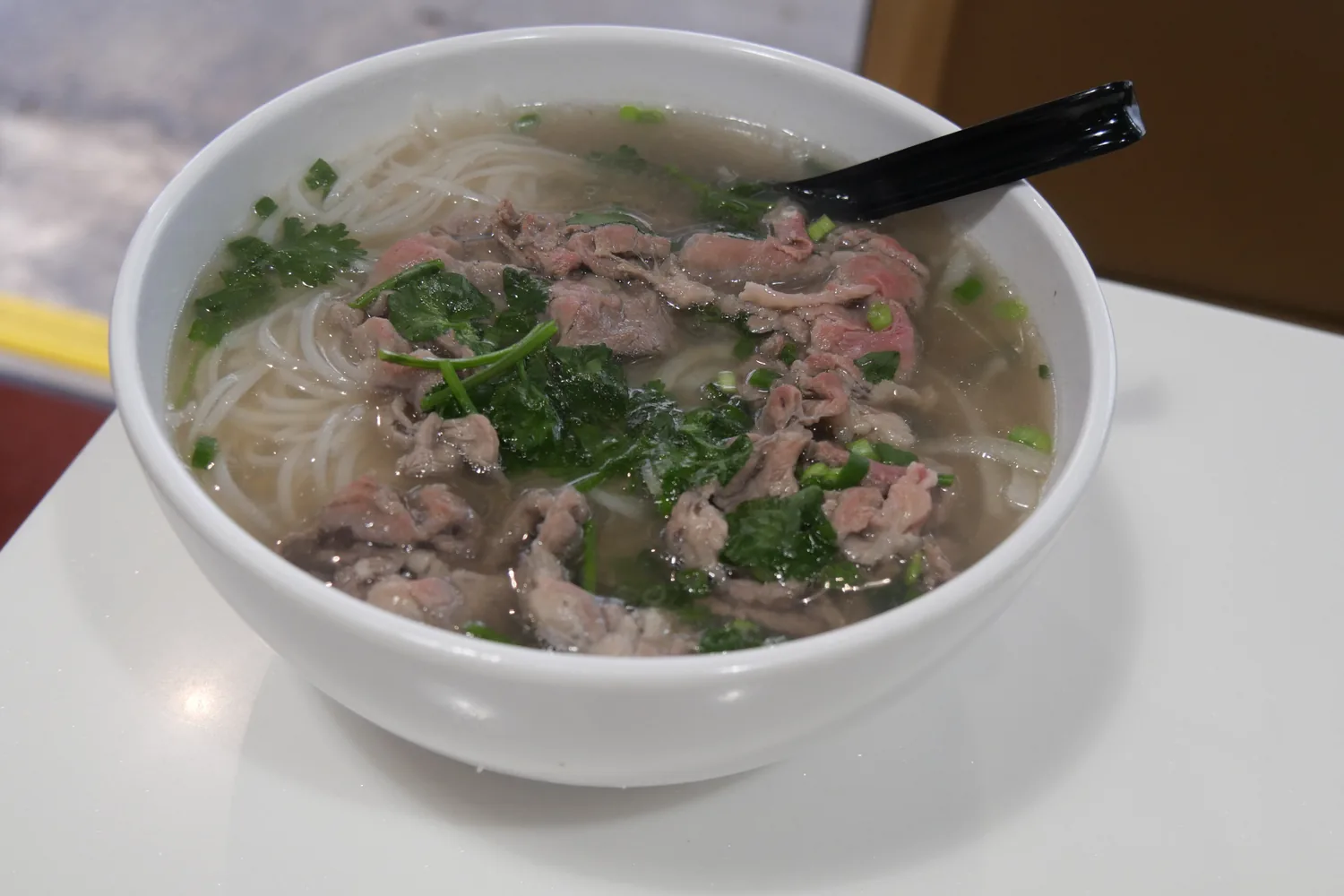
A bowl of Vietnamese phở bò with rare beef, rice noodles and fresh herbs Vietnam flag Vietnam 3h 30m
Breakfast •Hanoi Heritage

Phở Bò Tái Nạm

Slow-simmered star anise and cinnamon bone broth with hand-cut rice noodles, supplying clean restorative warmth and collagen. One serving is about 775 g.

Immunity & Warming

Slow-simmered bone broth with rice noodles, rare beef and fresh herbs.

Pairs Well With
Crispy quẩy, fresh lime & sawtooth coriander
Soups & Broths • High Protein
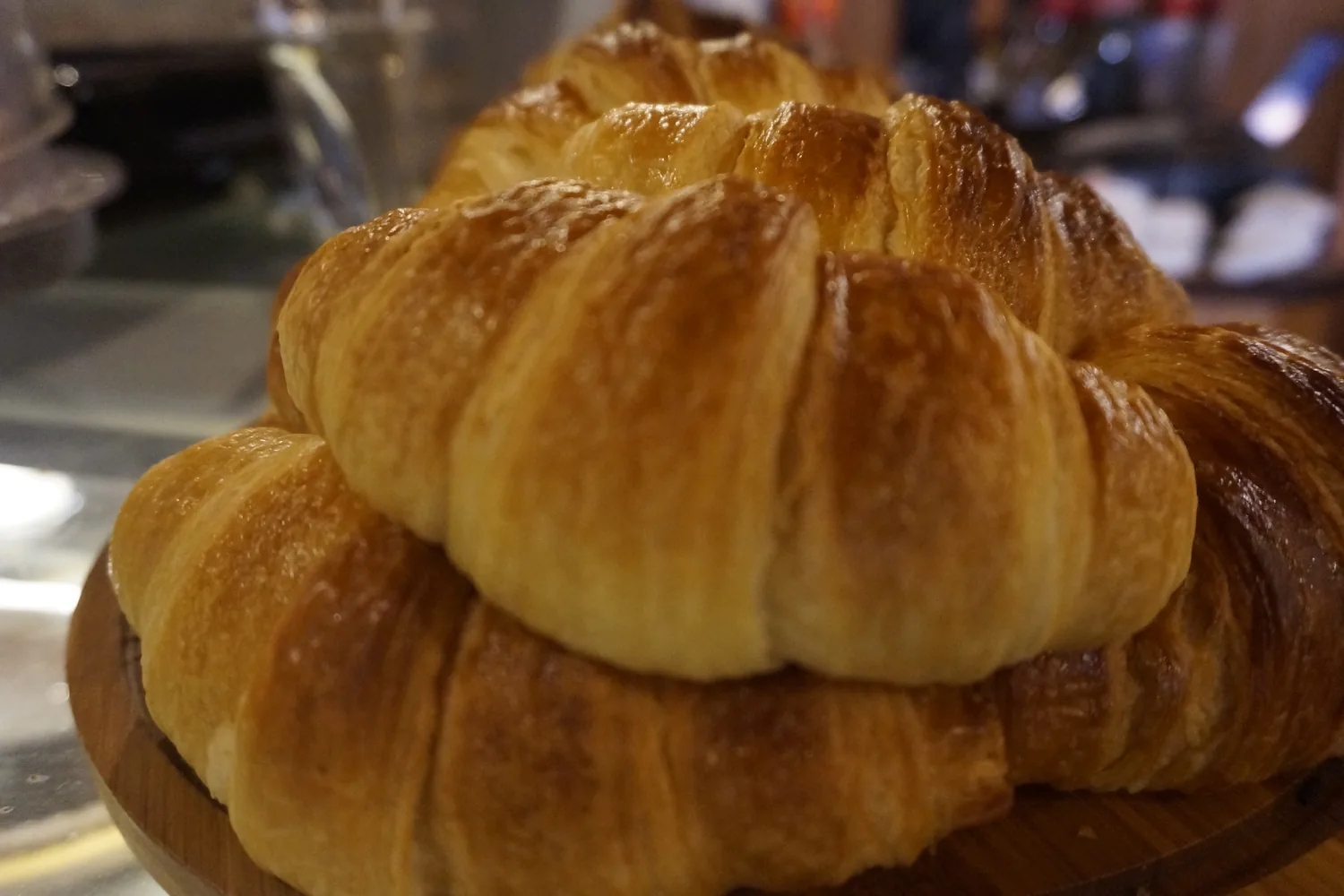
Golden butter croissants on a wooden board France flag France 20m
Breakfast •Parisian Boulangerie

Croissant au Beurre & Café

Laminated cultured butter pastry paired with washed Arabica, for a slow, pleasurable Parisian morning — best with a little protein alongside. One serving is about 390 g.

Sustained Focus

Flaky all-butter croissant with café au lait, Comté and green apple.

Pairs Well With
Comté cheese wedge & Green apple slices
Quick Prep (<30m)

The Dinner Gazette

Never wonder what’s for dinner again

One email a week with easy dinner ideas from around the world — ingredients, steps and nutrition, tested in our kitchen first.

Delivered every Thursday morning. Unsubscribe anytime.