Curated recipes from 193 countries  •  New seasonal Mediterranean issue out now

Overview

Lasagna Bolognese

Lasagne alla Bolognese

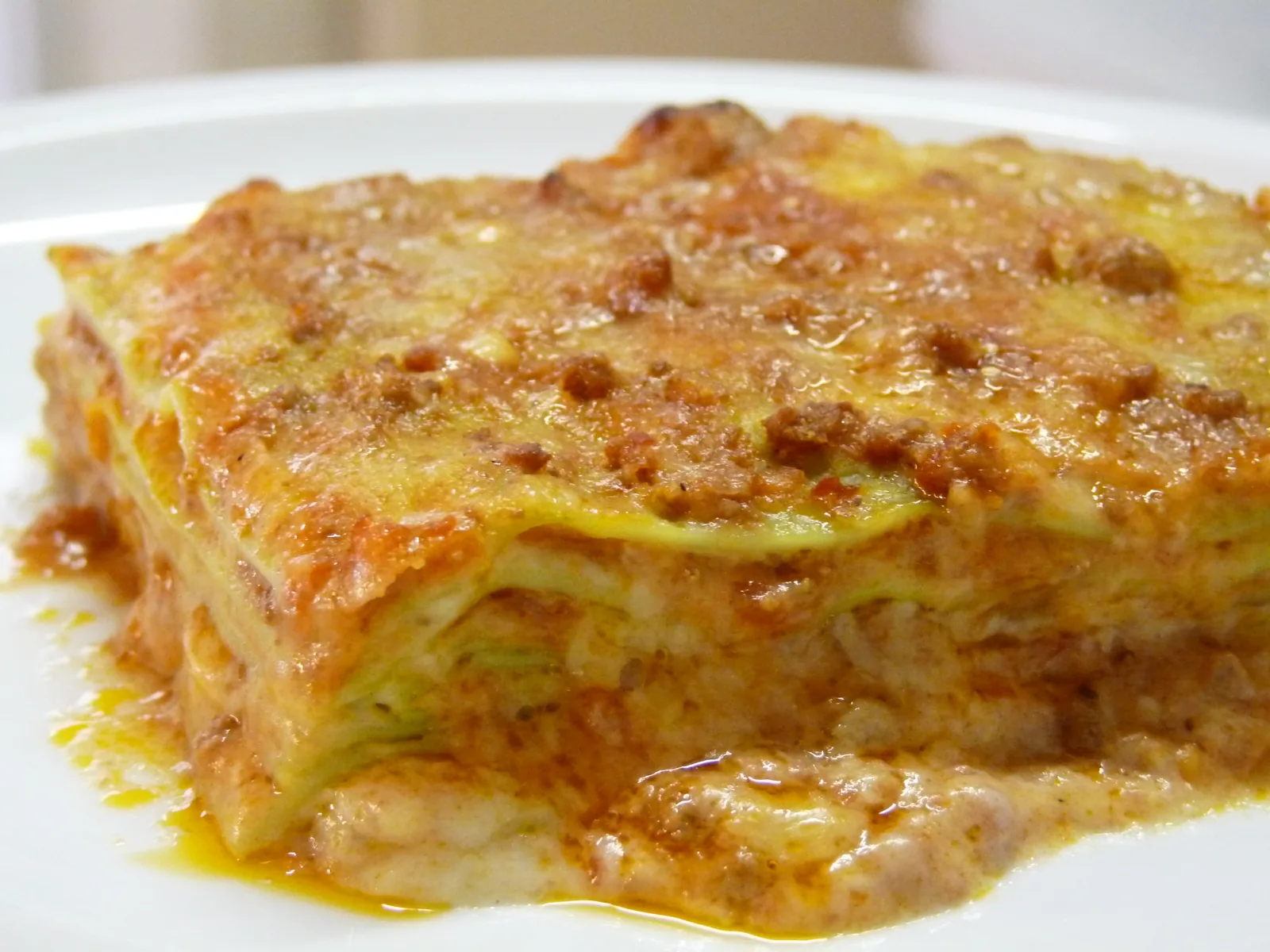
This lasagna bolognese recipe layers a slow-simmered beef and pork ragù, creamy béchamel and pasta sheets, then bakes them until golden and bubbling. One serving is about 275 g.

Lasagna takes its name from the Latin lasanum, a cooking pot, and layered pasta dishes have been eaten in Italy for centuries — but the lasagna bolognese of today, with ragù and béchamel, is a dish of Emilia-Romagna. The ragù alla Bolognese was formally deposited by the Accademia Italiana della Cucina at the Bologna Chamber of Commerce on 17 October 1982, and the Academy published an updated version in April 2023; this recipe follows the classic slow-simmered spirit of that ragù, with beef, pork, pancetta, milk and wine, layered with béchamel the Bolognese way.

Pairs well with: A green salad and a glass of Sangiovese

Provenance

Italy flag Italy

Bologna Classic

Mediterranean & Italy

Time Dedication

3h 30m

30m prep • 180m cook

Batch Yield

8 Servings

608 kcal per serving

1 serving ≈ 275 g

Technical Skill

Advanced

Advanced (Slow Ragù)

Meal Timing & Digestive Fit

Breakfast

Not Advised

Lunch

Hearty Midday Main

Dinner

Ideal Hearty Main

Snack & Tea

Inappropriate

Pasta & Noodles Occasions: Sunday lunch, family dinner, celebration meal Cost: Medium — about $4–5 per serving at home
A square of lasagna bolognese on a white plate, showing layers of pasta, ragù and béchamel

Bologna Classic

Photo: Sambawamba, CC BY-SA 4.0, via Wikimedia Commons

The Heritage Formulary

Measured Ingredients

Estimated cost: Medium — about $4–5 per serving at home (USD)

A good lasagna bolognese is moist but holds its shape when cut — distinct layers, a golden top, never dry or soupy.

Execution Methodology & Culinary Technique

Step-by-Step Cooking Guide

Active 3h 30m
P

Prep Stage: Dice the Soffritto

30 Mins • Knife Work

Dice the onion, carrot and celery very small and even — about 5 mm — so they melt into the ragù instead of standing out. Cut the pancetta into small cubes. Grate the parmesan. Measure out the wine, milk and passata so the long simmer runs without interruption.

Maestro Tip: The soffritto is the flavour base of the whole dish: small, even dice is worth the time.

  1. 1

    Brown the Meat

    15 Mins Medium-high heat, ~200°C (400°F)

    Heat the olive oil in a large, heavy pot over medium-high heat. Add the pancetta and cook for 3 minutes until it releases its fat, then add the beef and pork. Brown for 8–10 minutes, breaking the meat up with a wooden spoon, until no pink remains and the edges start to crisp.

    Do not crowd the pot — if the meat steams instead of browning, cook it in two batches.

    Done when: The meat is browned in small, separate pieces with no pink left.

  2. 2

    Build the Soffritto

    10 Mins Medium heat, ~180°C (350°F)

    Push the meat to one side, add the onion, carrot and celery to the pot, and cook for 8–10 minutes until soft and sweet. Stir in the tomato paste and cook for 1 minute more, then pour in the red wine and scrape up the browned bits from the bottom.

    The wine must bubble and reduce by half before the tomatoes go in — that is what removes the raw alcohol taste.

    Done when: The vegetables are soft and the wine has reduced to a syrupy glaze.

  3. 3

    Simmer the Ragù

    120 Mins Low heat, gentle simmer ~95°C (200°F)

    Add the passata and 125 ml of the milk, season with salt, and bring to a gentle simmer. Cover loosely and cook on the lowest heat for 2 hours, stirring every 20 minutes and adding a splash of water if it gets too thick. The ragù is ready when it is rich, dark and thick enough to coat a spoon.

    A slow, barely bubbling simmer is the whole secret — a hard boil makes the meat tough.

    Done when: The sauce is thick, glossy and dark red; a spoon dragged through it leaves a trail.

  4. 4

    Make the Béchamel

    15 Mins Medium heat, ~170°C (340°F)

    While the ragù simmers, melt the butter in a saucepan, stir in the flour and cook for 1 minute. Pour in the remaining 125 ml of milk a little at a time, whisking constantly, until smooth. Simmer for 3–4 minutes until thick enough to coat a spoon, then season with salt and a pinch of nutmeg.

    Add the milk slowly and whisk without stopping — that is how you avoid lumps.

    Done when: The sauce is smooth, thick and coats the back of a spoon.

  5. 5

    Layer and Bake

    50 Mins Oven 190°C (375°F)

    Heat the oven to 190°C (375°F). Spread a thin layer of ragù in a 30 x 20 cm baking dish, then layer pasta, ragù, béchamel and a sprinkle of parmesan. Repeat for 4–5 layers, finishing with béchamel and a generous layer of parmesan. Cover with foil and bake for 30 minutes, then uncover and bake for 15 minutes more until golden and bubbling.

    End with béchamel on top — it browns beautifully and keeps the pasta moist.

    Done when: The top is golden with browned spots and the edges bubble.

  6. 6

    Rest and Serve

    15 Mins Off the heat (resting, ~60°C / 140°F)

    Rest the lasagna for 15 minutes before cutting. Cut into 8 squares with a sharp knife, wiping the blade between cuts, and serve with extra parmesan.

    Resting is not optional — it is what turns a sliding pile into clean layers.

    Done when: The squares hold their shape and the layers are clearly visible.

Finishing Touches & Plating

Rest the lasagna for 15 minutes after baking — the layers settle and it cuts into clean squares instead of sliding apart. Serve with extra parmesan and a simple green salad.

Nutritional Physiology & Benefits

Nutrition

Energy

608

kcal / serving

Protein

35g

Complete AA

Carbs

42g

Complex

Fats

34g

Healthy

Per serving (8 servings · 1 serving ≈ 275 g)
Energy608 kcal
Protein35 g
Carbohydrates42 g
Fat34 g
Fibre3.2 g
Sugar6.9 g
Sodium659 mg
Per 100g
Energy221 kcal
Protein12.6 g
Carbohydrates15.1 g
Fat12.4 g
Fibre1.2 g
Sugar2.5 g
Sodium240 mg

Nutrition values are estimated — calculated from USDA FoodData Central values for the listed ingredients.

Vitamins & minerals: Vitamin A (carrot), B12 and iron (beef), calcium (milk, parmesan), vitamin D (butter).

Serious, Lasting Energy

About 35 g of protein per serving from beef, pork and parmesan — a main course that keeps you full for hours.

Vegetables Cooked Into the Sauce

Onion, carrot and celery simmer for two hours in the ragù, adding fibre, vitamin A and sweetness to a rich dish.

Built on Real Ingredients

Meat, milk, pasta and vegetables, cooked slowly — no jars, no powders, nothing hidden.

Food Pairings

What to Eat With

To optimize nutrient absorption and elevate the sensory depth, pair with these authentic accompaniments:

Vegetables

A Sharp Green Salad

A lemon-dressed green salad cuts the richness of the ragù and béchamel and adds freshness to a heavy plate.

Drinks

A Glass of Sangiovese

A medium-bodied Italian red stands up to the tomato and meat without overpowering the delicate béchamel.

Sides

Crusty Bread

Crusty bread is made for the sauce left on the plate — and for the golden edges of the lasagna itself.

Full Menus

A Sunday Lunch

Serve as the main course of a slow Sunday lunch, with salad first, lasagna second, and fruit or gelato to finish.

Complete menu

Serve lasagna bolognese with a sharp green salad and crusty bread, and a glass of Sangiovese to drink.

Digestive Guardrails

What NOT to Combine

To prevent digestive distress, sluggishness, or palate clash, avoid pairing the dish with these elements:

A Heavy Garlic Bread Side

Buttery garlic bread on top of a rich lasagna doubles the fat and salt and leaves no room for the dish itself — plain crusty bread is enough. This is general guidance, not medical advice.

Cutting It Straight from the Oven

Cutting a lasagna the moment it leaves the oven makes the layers slide apart into a puddle; fifteen minutes of rest lets it set and slice cleanly.

General information only, not medical advice — consult a doctor for personal dietary decisions.

Who Should Eat It

Who Should Eat

  • General adultsA rich, satisfying main course — best as the centre of a slow dinner, not a quick weekday meal.
  • ChildrenSuitable from age 3+; the long simmer makes the meat soft and mild. Cut into small pieces and skip the wine in the sauce for very young children.
  • ElderlyGood in a modest portion — soft, warm and easy to chew; the sauce is gentle and the pasta is soft.
  • Pregnant womenGenerally suitable if the ragù is cooked long enough for the wine to evaporate; keep the salt moderate.
  • Breastfeeding womenGenerally suitable; the protein, iron and calcium support recovery — a generous, warming portion.
  • AthletesAn excellent post-training meal: protein plus carbs for recovery, with the pasta replenishing glycogen.
  • Weight gainA good choice — take a generous square with bread.
  • Weight lossA rich dish — take a small square with a large salad and skip the bread.

Health Conditions — Adjust or Avoid

Conditions

  • DiabetesThe pasta is the main source of carbs — keep to one square and ask your clinician about portion size.
  • High blood pressureMost of the sodium comes from the pancetta and parmesan; use less of both. Ask your clinician about a suitable portion.
  • Kidney diseaseLimit the portion (potassium from the tomato and phosphorus from the cheese); ask your clinician about portion size.
  • GoutEat occasionally and in smaller portions — beef and pork are high in purines.
  • Stomach issuesUsually gentle when cooked long and slow; the tomato sauce can trouble sensitive stomachs, so keep the portion modest.
  • Cardiovascular diseaseKeep the portion modest and favour the lean meat and vegetables; the dish is rich in saturated fat.
  • Fatty liverKeep to a small square and add a large salad instead of extra bread or cheese.
  • Food allergiesContains wheat (pasta), milk (béchamel, parmesan) and sulphites (wine). Use gluten-free pasta and a dairy-free béchamel to avoid wheat and milk.
  • Special therapeutic dietsIf you follow a prescribed low-sodium diet, use less pancetta, parmesan and salt, and check with your clinician.

If you have a medical condition, consult your doctor before changing your diet.

Storage & Use

Storage & Use

How to store
Cool quickly and store in an airtight container.
In the fridge
3 days.
In the freezer
Up to 3 months, in portions wrapped tightly in foil.
How to reheat
Warm covered in the oven at 180°C (350°F) for 20 minutes, or in the microwave; reheat to 74°C (165°F).
Freezing recommended
Yes — it freezes and reheats very well.
Signs it has spoiled
Sour smell, slimy surface, or mould.

More recipes to explore

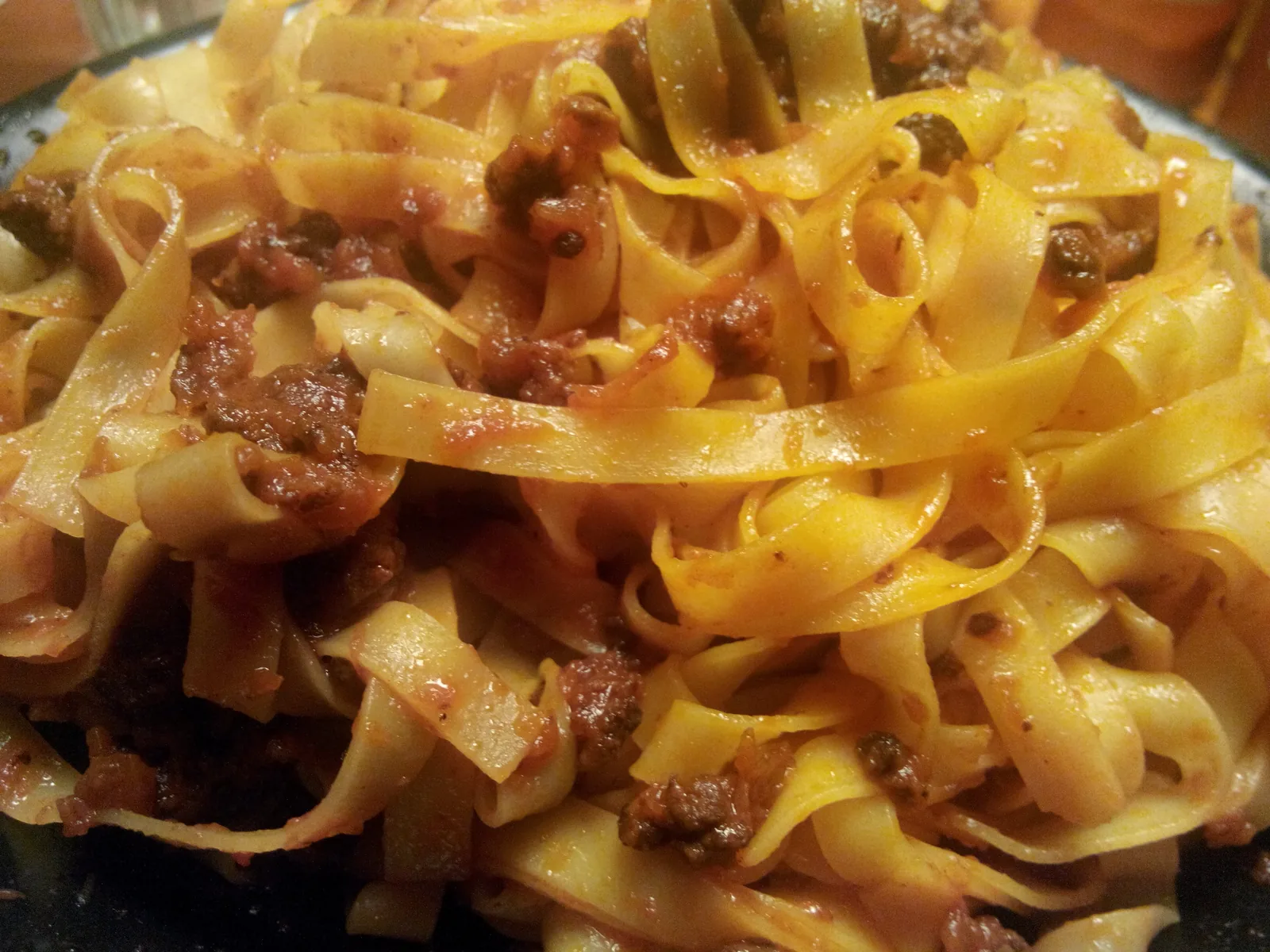
Tagliatelle al ragù Bolognese in a bowl with Parmigiano-Reggiano Italy flag Italy 4h 25m
Lunch •Emilia-Romagna

Tagliatelle al Ragù Bolognese

Slow-braised soffritto and coarse ground heritage meats layered over handmade egg yolk dough for mid-day stamina.

Lean Protein

Slow-simmered beef ragù tossed through fresh egg tagliatelle.

Pairs Well With
Bitter Radicchio & Aged Balsamico di Modena
Pasta & Noodles • High Protein
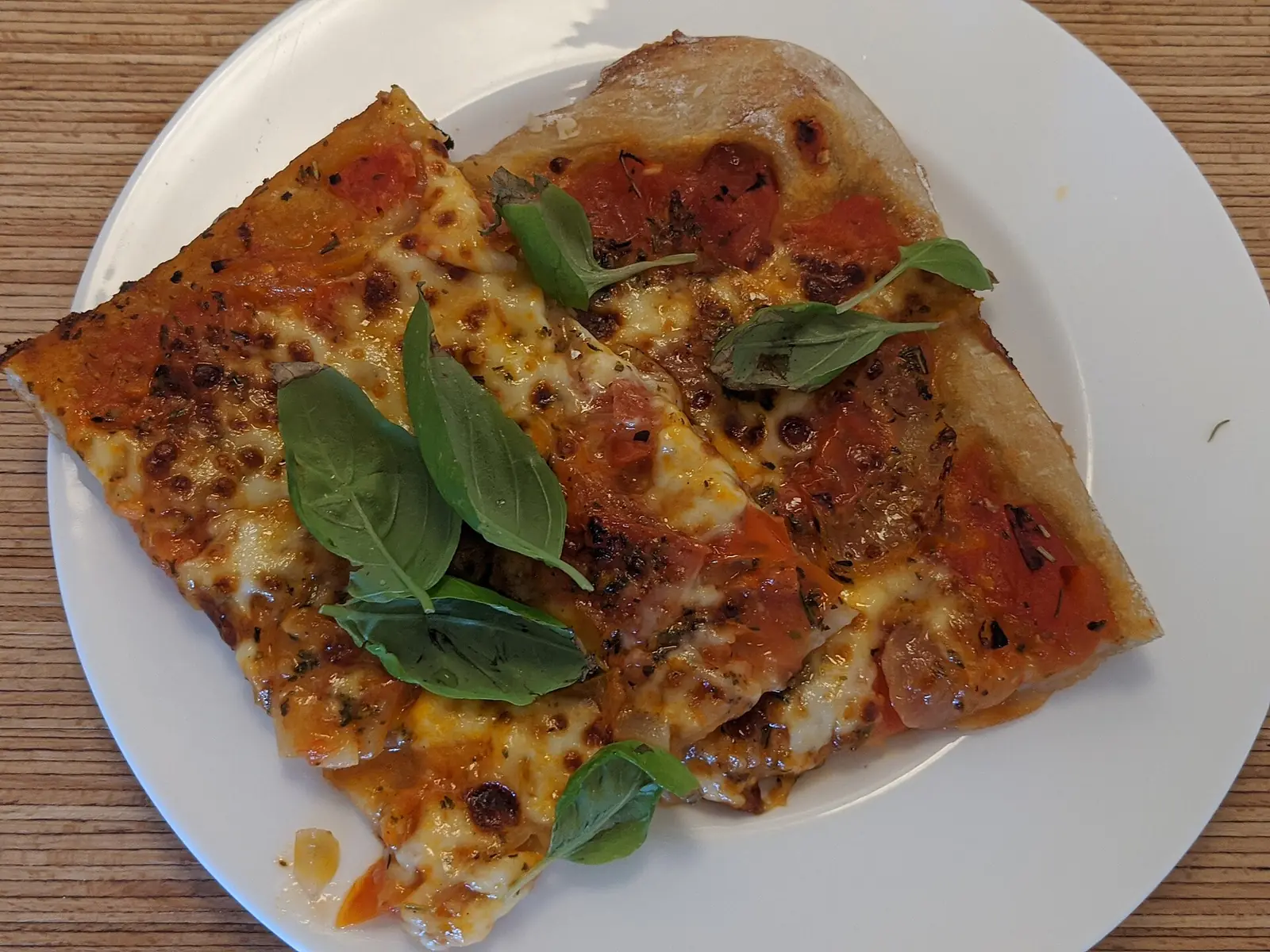
Two slices of pizza margherita with tomato, melted mozzarella and fresh basil on a white plate Italy flag Italy 45m
Dinner •Naples Classic

Pizza Margherita

This pizza margherita recipe makes a proper Neapolitan-style pizza at home: a soft, airy dough, San Marzano tomato sauce, fior di latte mozzarella and fresh basil. One serving is about 325 g — two slices.

Simple & Satisfying

Wood-fired-style pizza with tomato, fior di latte mozzarella and basil — three ingredients, done properly.

Pairs Well With
A simple green salad and a glass of Chianti or sparkling water
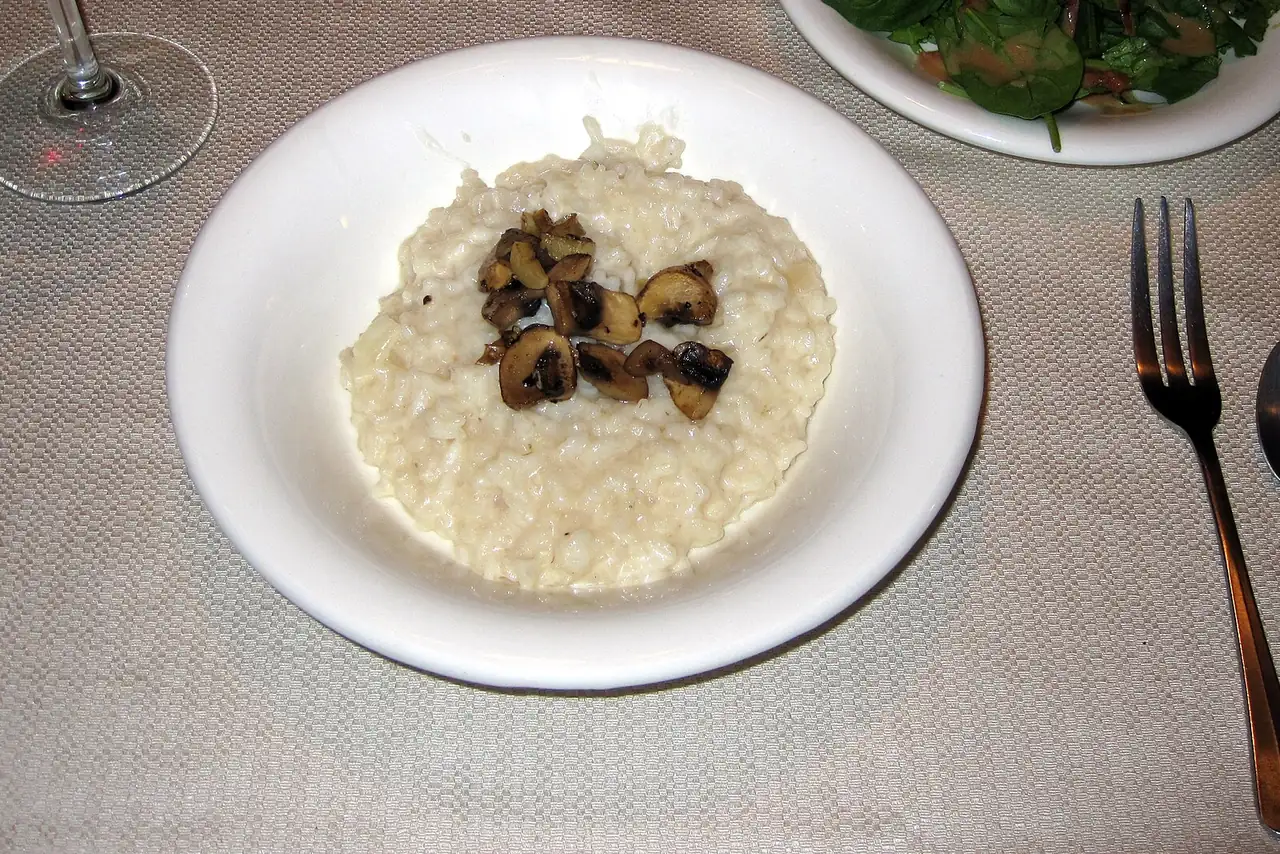
A bowl of creamy mushroom risotto topped with sautéed mushrooms, with a spinach salad beside it Italy flag Italy 50m
Dinner •Milanese Classic

Mushroom Risotto

This mushroom risotto recipe stirs Arborio rice slowly with hot stock, white wine and two kinds of mushrooms, then finishes it the Milanese way with cold butter and Parmesan. One serving is about 500 g.

Comfort & Warmth

Creamy Arborio rice, slowly stirred with mushrooms, white wine and Parmesan.

Pairs Well With
A rocket and Parmesan salad and a glass of dry white wine
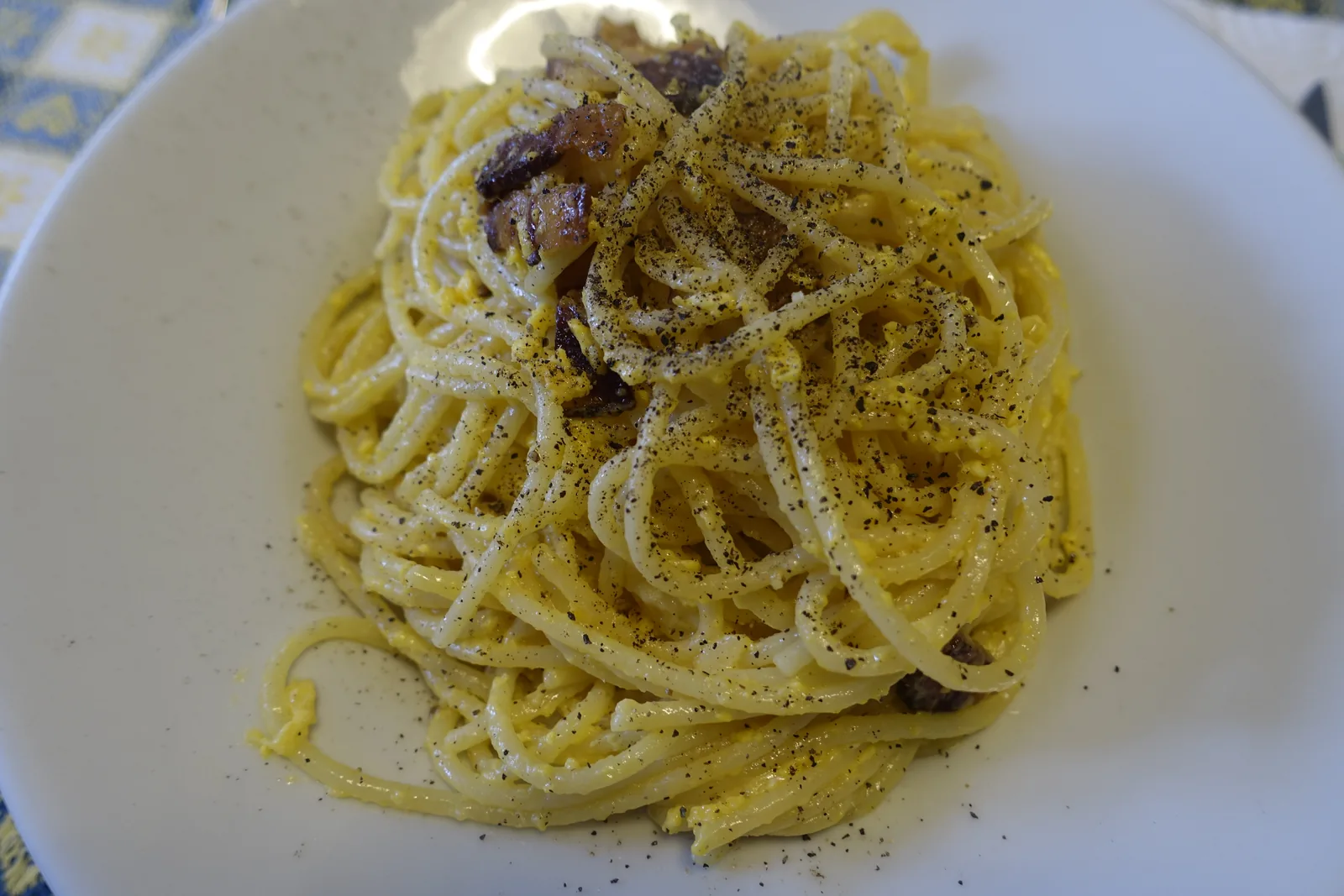
A plate of spaghetti carbonara with golden egg sauce, crisp guanciale and black pepper Italy flag Italy 30m
Dinner •Roman Classic

Spaghetti Carbonara

This spaghetti carbonara recipe is the Roman classic as it should be: spaghetti tossed with crisp guanciale, egg yolks, Pecorino Romano and black pepper — no cream, no bacon, no garlic. One serving is about 275 g. It takes 30 minutes, and the sauce comes together in the time the pasta cooks.

Comfort & Rich

Silky egg-and-cheese sauce over spaghetti with crisp guanciale and black pepper, ready in 30 minutes.

Pairs Well With
Pecorino Romano, black pepper & a crisp white wine
Pasta & Noodles • Quick Prep (<30m)

The Dinner Gazette

Never wonder what’s for dinner again

One email a week with easy dinner ideas from around the world — ingredients, steps and nutrition, tested in our kitchen first.

Delivered every Thursday morning. Unsubscribe anytime.