
Curated recipes from 193 countries  •  New seasonal Mediterranean issue out now

Overview

Malawian Mandasi

Mandazi, Maandazi, African Doughnuts

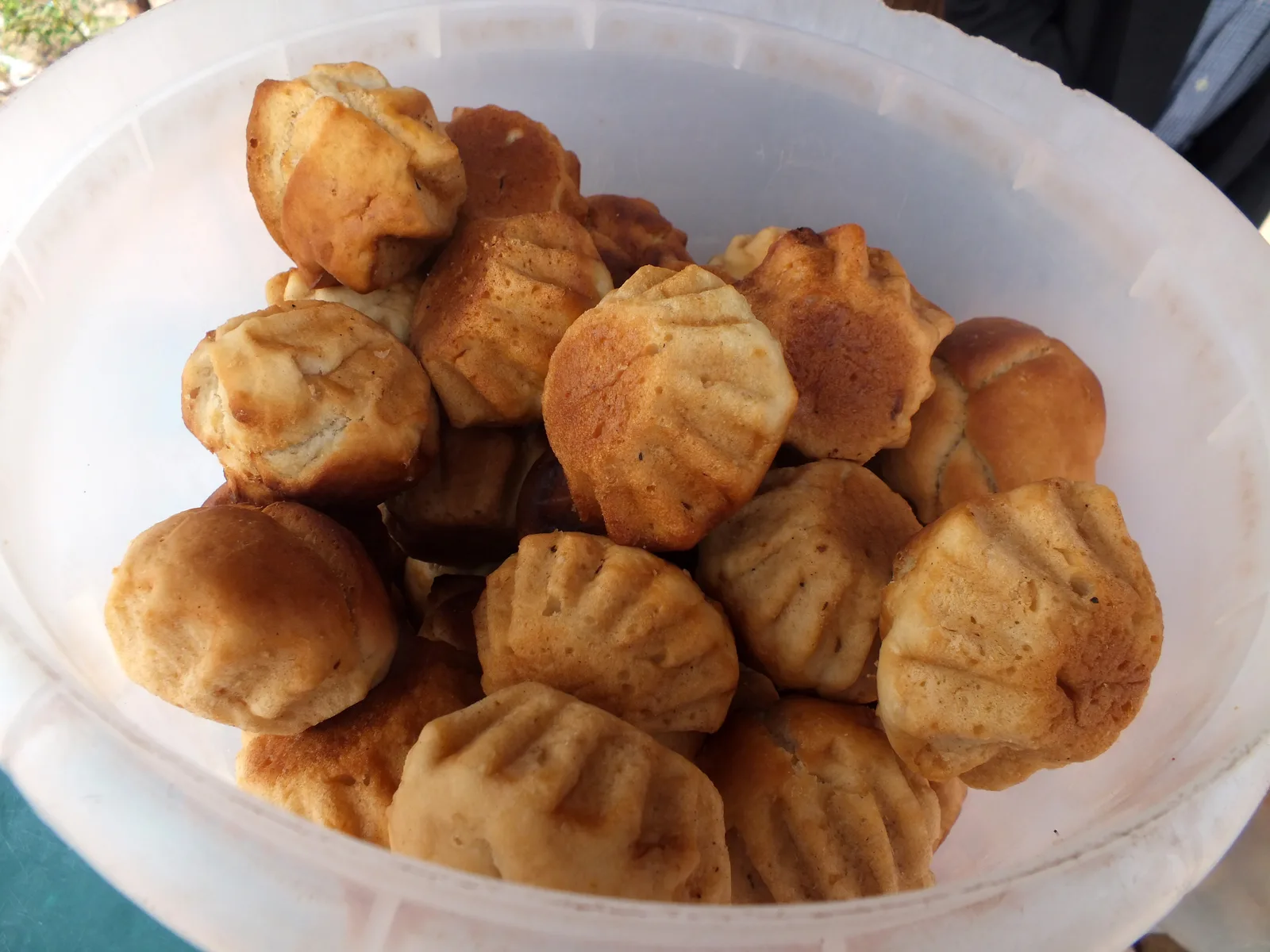
This mandasi recipe makes Malawi's beloved breakfast fritters: soft, puffy yeast dough cakes, lightly sweet and scented with cardamom, fried until deep golden and eaten warm with tea. One serving is about 170 g (3 mandasi).

Mandasi — called mandazi across East Africa — are the fried dough cakes sold at dawn from market stalls and roadside stands all over Malawi, where they are eaten for breakfast with hot tea. The recipe travelled with Swahili coastal trade and Indian Ocean merchants, and every Malawian cook has their own version: some use yeast, some baking powder, some add coconut or cardamom. In Zomba and Blantyre, vendors fry them in big pans in the early morning and sell them warm in paper bags to schoolchildren and workers on their way to the day.

Pairs well with: Hot sweet tea with milk, or strong black coffee

Provenance

Malawi flag Malawi

Malawian Breakfast Fritter

African Heritage

Time Dedication

1h 40m

85m prep • 15m cook

Batch Yield

4 Servings

496 kcal per serving

1 serving ≈ 170 g

Technical Skill

Intermediate

Medium (Yeast Dough)

Meal Timing & Digestive Fit

Breakfast

Prime Morning Fit

Lunch

Inappropriate

Dinner

Inappropriate

Snack & Tea

Inappropriate

Quick Prep (<30m) Occasions: Breakfast, tea time, school mornings, market food, family weekends Cost: Low — about $1–2 per serving at home
Malawian mandasi — a bowl of golden, puffy fried dough cakes

Malawian Breakfast Fritter

Photo: Orrling, CC BY-SA 3.0, via Wikimedia Commons

The Heritage Formulary

Measured Ingredients

Estimated cost: Low — about $1–2 per serving at home (USD)

A good mandasi is judged by its puff: deep golden outside, soft and steamy inside, with no raw dough at the centre.

Execution Methodology & Culinary Technique

Step-by-Step Cooking Guide

Active 1h 40m
P

Prep Stage: Mix, Knead and Let the Dough Rise

85 Mins • Mixing + Rising

Whisk the flour, sugar, yeast, salt and cardamom together, then work in the beaten egg and warm milk until a soft dough forms. Knead for about 8 minutes until smooth and elastic, cover, and leave in a warm place for 60 minutes until doubled in size, then knock back and shape into 12 rounds.

Maestro Tip: The dough should be soft and slightly tacky, not stiff — a stiff dough makes heavy, dense mandasi.

  1. 1

    Mix and Knead the Dough

    15 Mins • Mixing Room temperature, about 20°C (68°F)

    Sift the flour into a large bowl and stir in the sugar, yeast, salt and cardamom. Make a well, add the beaten egg and warm milk, and mix to a soft dough. Turn out and knead for about 8 minutes until smooth, soft and elastic.

    If the dough sticks to your hands, oil them lightly instead of adding more flour — extra flour makes the mandasi heavy.

    Done when: The dough is smooth, elastic and springs back when pressed.

  2. 2

    Let the Dough Rise

    60 Mins • Rising Warm place, about 28°C (82°F)

    Shape the dough into a ball, place in a lightly oiled bowl, cover with a clean cloth or cling film, and leave in a warm place for about 60 minutes until it has doubled in size.

    A turned-off oven with the light on is a perfect warm spot for rising dough on a cool day.

    Done when: The dough has doubled in size and holds a dent when poked gently.

  3. 3

    Shape the Mandasi

    10 Mins • Shaping Room temperature, about 20°C (68°F)

    Knock the air out of the dough and divide it into 12 equal pieces. Roll each piece into a ball, then flatten gently with your palm into a round about 7 cm across and 1 cm thick.

    Keep the rounds even in size and thickness so they all fry in the same time.

    Done when: 12 even rounds, ready for the oil.

  4. 4

    Fry Until Golden

    15 Mins • Frying Medium heat, oil at 175°C (350°F)

    Heat the oil in a deep pan over medium heat until it shimmers. Fry the mandasi in batches of 3–4 for about 2 minutes per side, turning once, until deep golden and puffed. Do not crowd the pan.

    If the mandasi brown in under a minute the oil is too hot and the centres will stay doughy — turn the heat down and wait a minute.

    Done when: The mandasi are deep golden, puffed up and sound hollow when tapped.

  5. 5

    Drain, Dust and Serve

    5 Mins • Serving Serve warm, about 60°C (140°F)

    Lift the mandasi out with a slotted spoon and drain on paper for a minute. Dust lightly with sugar if you like and serve warm with hot tea.

    Mandasi are at their best in the first 20 minutes, while the outside is crisp and the inside is soft and steamy.

    Done when: The mandasi are hot, golden and lightly dusted with sugar.

Finishing Touches & Plating

Drain the mandasi on paper, dust lightly with sugar, and serve warm with a pot of hot sweet tea — that is how breakfast tastes in Malawi.

Nutritional Physiology & Benefits

Nutrition

Energy

496

kcal / serving

Protein

13g

Complete AA

Carbs

82g

Complex

Fats

13g

Healthy

Per serving (4 servings · 1 serving ≈ 170 g)
Energy496 kcal
Protein13 g
Carbohydrates82 g
Fat13 g
Fibre3.0 g
Sugar12.6 g
Sodium331 mg
Per 100g
Energy292 kcal
Protein7.6 g
Carbohydrates48.2 g
Fat7.4 g
Fibre1.8 g
Sugar7.4 g
Sodium195 mg

Nutrition values are estimated — calculated from USDA FoodData Central values for the listed ingredients.

Vitamins & minerals: Thiamin, folate and iron (enriched wheat flour), vitamin B12 and calcium (egg and milk), potassium (milk).

Warm, Filling Breakfast Energy

A serving of three mandasi gives about 496 kcal with carbohydrate from the flour and milk, so it keeps you full through a busy morning.

Simple, Everyday Ingredients

Flour, yeast, sugar, egg and milk — nothing fancy, nothing processed. A home-made breakfast you can make from pantry staples.

Gentle Warm Spice

A pinch of cardamom gives a warm, fragrant note without any heat, so the fritters suit children and adults alike.

Food Pairings

What to Eat With

To optimize nutrient absorption and elevate the sensory depth, pair with these authentic accompaniments:

Drinks

Hot Sweet Tea with Milk

The classic Malawian pairing: milky, sweet tea softens the fried richness of the mandasi and is the drink they were made to be dunked in.

Strong Black Coffee

A small cup of strong coffee cuts through the sweetness and the fried crust — the grown-up breakfast combination.

Sides

Fresh Mango or Banana

Slices of ripe mango or banana add a cool, juicy freshness next to the hot, sweet fritters and make the breakfast feel lighter.

Vegetables

Peanut Butter for Spreading

A smear of peanut butter on a warm mandasi adds protein and a salty, nutty contrast to the sweet dough — a filling school-morning breakfast.

Complete menu

Serve the mandasi warm for breakfast with a pot of hot milky tea and slices of fresh mango; for a fuller morning, add a smear of peanut butter and a boiled egg on the side.

Digestive Guardrails

What NOT to Combine

To prevent digestive distress, sluggishness, or palate clash, avoid pairing the dish with these elements:

Eating Them Cold and Stale

Mandasi firm up and turn dry as they cool, and cold fried dough can feel heavy and greasy. Eat them warm, within about 20 minutes of frying. This is general information, not medical advice.

Very Sweet Drinks on the Side

Each serving already carries about 13 g of sugar, so a sweet soda or heavily sugared juice on the side adds a lot of sugar at once. Unsweetened tea or black coffee is the better partner. This is general information, not medical advice.

General information only, not medical advice — consult a doctor for personal dietary decisions.

Who Should Eat It

Who Should Eat

  • General adultsA warm, filling breakfast — three mandasi with tea is a full morning meal; keep it to one serving.
  • ChildrenChildren love mandasi; serve one or two, torn into pieces, cooled to a safe temperature, and skip the extra sugar dusting.
  • ElderlySoft and easy to chew when warm; eat a small portion and pair with milky tea rather than a sweet drink.
  • Pregnant womenEat a small portion only — the fritters are sweet and fried. Ask your clinician about fried and sugary foods during pregnancy.
  • Breastfeeding womenA small portion is fine as a filling breakfast; the milk and egg add protein and calcium. Ask your clinician if you are watching your sugar intake.
  • AthletesA handy energy-dense breakfast before a long training day, with carbohydrate and some protein; add fruit or peanut butter for balance.
  • Weight gainA good choice — add a second serving with peanut butter or a glass of milk for extra energy.
  • Weight lossAn occasional treat rather than an everyday breakfast: about 496 kcal per serving, so keep the portion to two mandasi and skip the sugar dusting.

Health Conditions — Adjust or Avoid

Conditions

  • DiabetesEach serving carries about 82 g of carbohydrate and 13 g of sugar — a small portion only, and ideally not on an empty stomach. Ask your clinician about your carbohydrate target.
  • High blood pressureThe mandasi are moderate in sodium as written; skip the extra salt and watch sweet drinks on the side. Ask your clinician about your sodium limit.
  • Kidney diseaseA small portion is usually fine, but the dough is made with enriched flour and milk; ask your clinician whether this breakfast fits your plan.
  • GoutEat occasionally and in a small portion — the sugar and fried oil add up quickly. Ask your clinician about frequency.
  • Stomach issuesFried dough can be heavy on a sensitive stomach; eat a small portion while warm and stop if it feels uncomfortable. If symptoms persist, ask your clinician.
  • Cardiovascular diseaseAn occasional small portion is fine, but the fried oil and sugar add up — keep it a treat, not a daily breakfast. Ask your clinician about your fat intake.
  • Fatty liverA small occasional portion is fine, but this is a sweet fried breakfast — not a good everyday choice. Ask your clinician for guidance.
  • Food allergiesContains wheat (gluten), egg and milk. The cardamom is optional. Use gluten-free flour and skip the egg if you need to, but the texture will change.
  • Special therapeutic dietsIf you follow a prescribed low-sugar or gluten-free diet, keep the portion small or use a suitable flour, and check with your clinician first.

If you have a medical condition, consult your doctor before changing your diet.

Storage & Use

Storage & Use

How to store
Cool completely, then store in an airtight container lined with paper.
In the fridge
1 day at 4°C (39°F) or below; they firm up in the fridge.
In the freezer
Up to 1 month in a sealed bag; thaw at room temperature.
How to reheat
Reheat in a hot oven at 180°C (350°F) for 5 minutes until warm through to 74°C (165°F), or 20 seconds in the microwave.
Freezing recommended
Yes — freeze the cooled mandasi in a sealed bag and reheat in the oven.
Signs it has spoiled
Sour smell, mould spots, or a hard, dry crumb that does not soften on reheating.

More recipes to explore

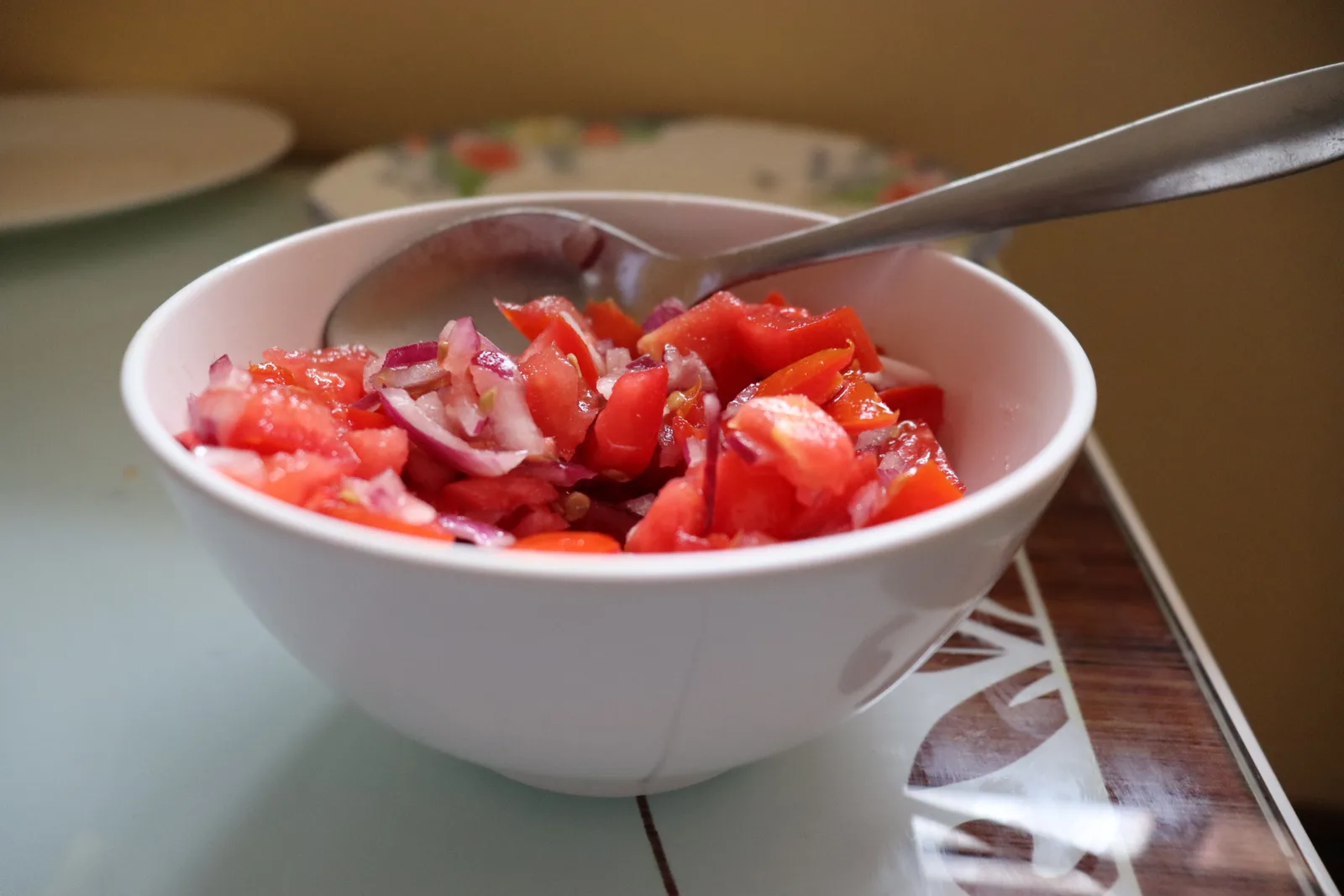
Malawian kachumbari — a white bowl of chopped tomato and red onion salad with a spoon Malawi flag Malawi 15m
Lunch •East African Tomato Onion Salad

Malawian Kachumbari

This kachumbari recipe is the fresh East African tomato and onion salad that sits beside grilled fish and meat all across Malawi: ripe tomatoes, sharp red onion, cilantro and lemon, tossed raw and served cool. One serving is about 171 g.

Fresh & Bright

Ripe tomatoes, red onion, cilantro and lemon tossed raw — the cool, sharp salad served with grilled fish and meat across East and Southern Africa.

Pairs Well With
Grilled fish, grilled meat, or rice dishes
Quick Prep (<30m)
Malawian zitumbuwa — golden fried banana fritter balls dusted with sugar, stacked on wooden skewers Malawi flag Malawi 30m
Snack & Tea •Malawian Banana Fritter

Malawian Zitumbuwa

This zitumbuwa recipe makes Malawi's banana fritters: ripe bananas mashed with cornmeal and flour into a thick batter, spooned into hot oil and fried into golden cakes, crisp outside and soft inside. One serving is about 185 g (4 cakes).

Sweet & Golden

Ripe banana mashed with cornmeal and flour, fried into golden cakes — Malawi's warm, sweet snack, crisp outside and soft inside.

Pairs Well With
Milky tea, or a glass of cold milk
Quick Prep (<30m)
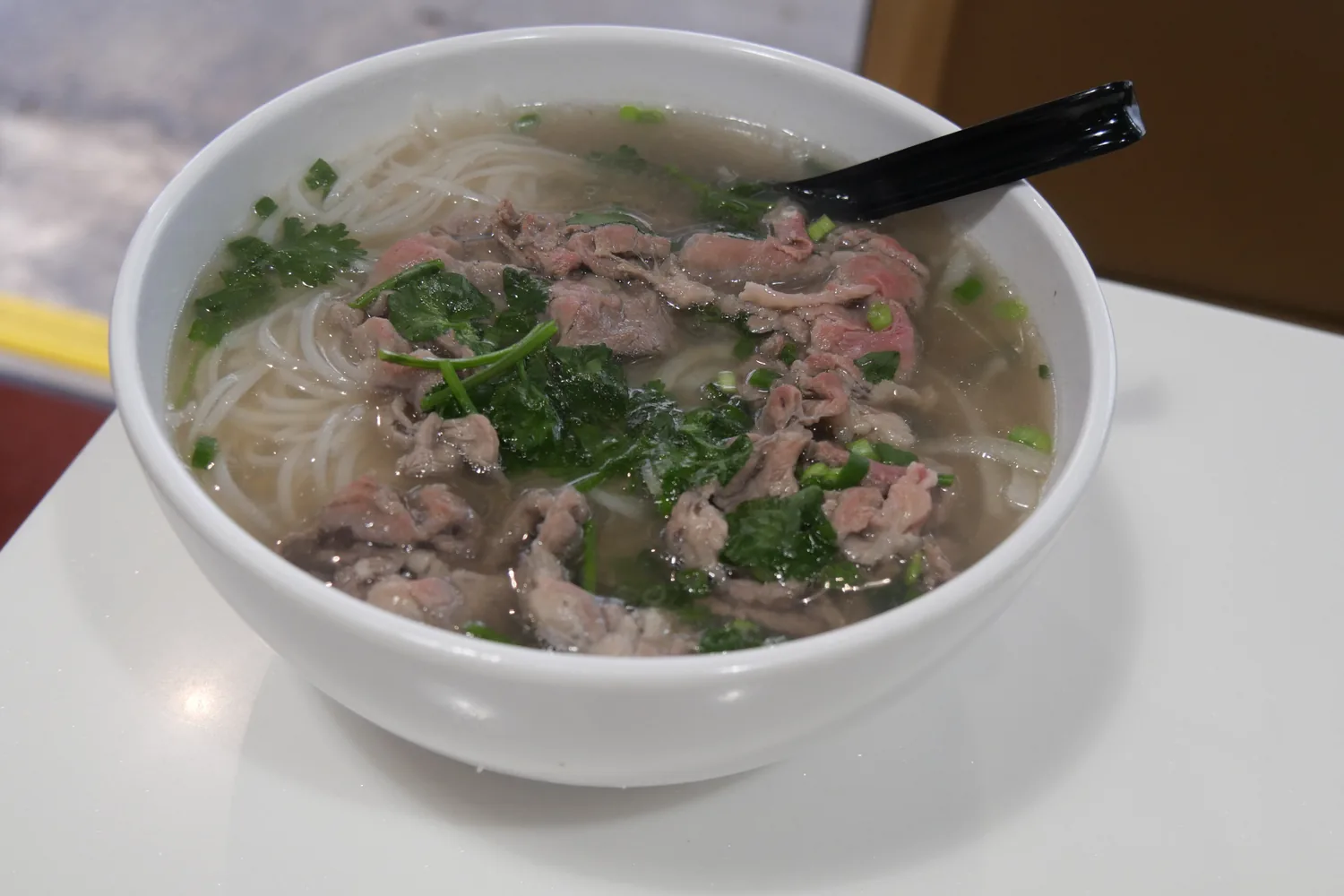
A bowl of Vietnamese phở bò with rare beef, rice noodles and fresh herbs Vietnam flag Vietnam 3h 30m
Breakfast •Hanoi Heritage

Phở Bò Tái Nạm

Slow-simmered star anise and cinnamon bone broth with hand-cut rice noodles, supplying clean restorative warmth and collagen. One serving is about 775 g.

Immunity & Warming

Slow-simmered bone broth with rice noodles, rare beef and fresh herbs.

Pairs Well With
Crispy quẩy, fresh lime & sawtooth coriander
Soups & Broths • High Protein
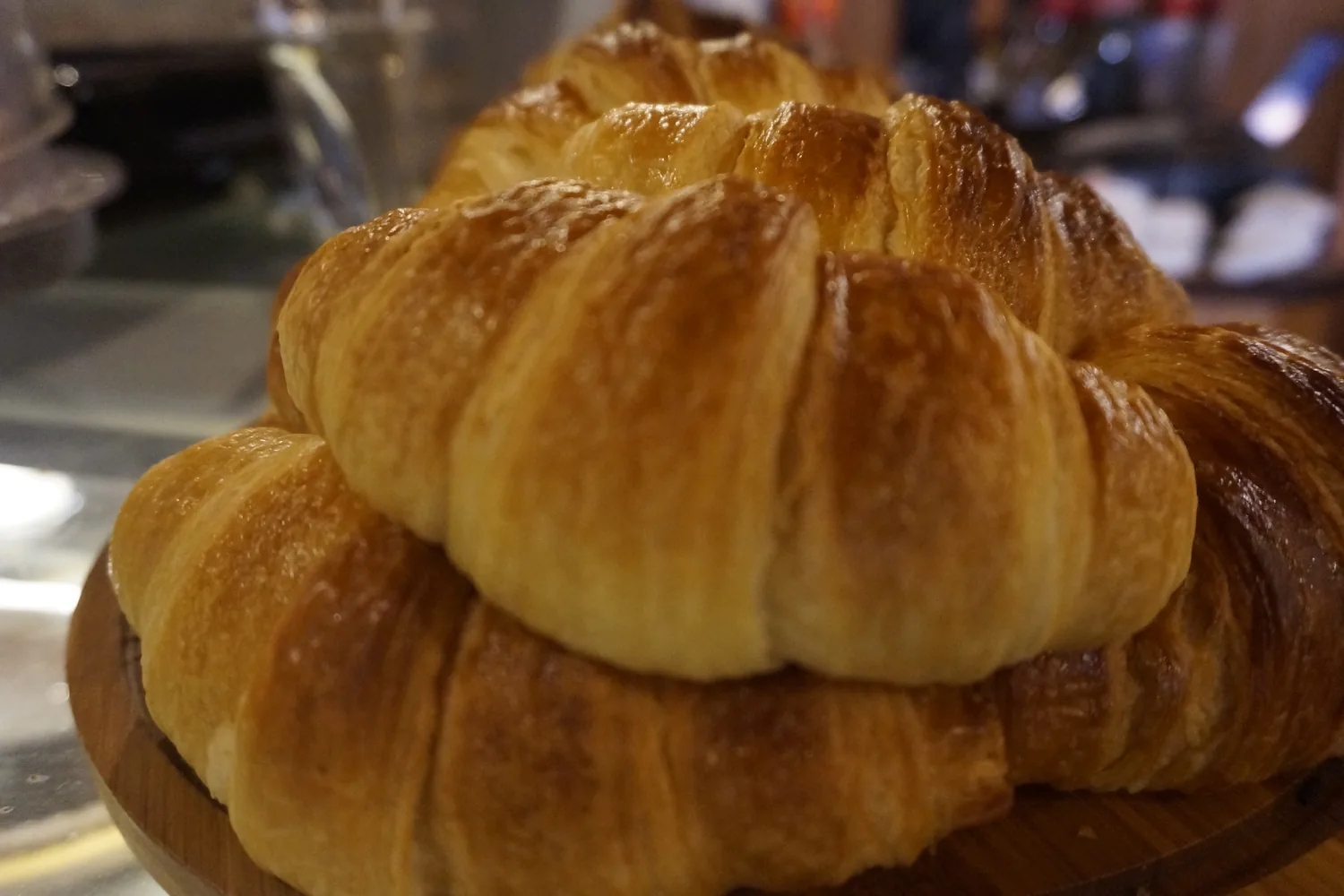
Golden butter croissants on a wooden board France flag France 20m
Breakfast •Parisian Boulangerie

Croissant au Beurre & Café

Laminated cultured butter pastry paired with washed Arabica, for a slow, pleasurable Parisian morning — best with a little protein alongside. One serving is about 390 g.

Sustained Focus

Flaky all-butter croissant with café au lait, Comté and green apple.

Pairs Well With
Comté cheese wedge & Green apple slices
Quick Prep (<30m)

The Dinner Gazette

Never wonder what’s for dinner again

One email a week with easy dinner ideas from around the world — ingredients, steps and nutrition, tested in our kitchen first.

Delivered every Thursday morning. Unsubscribe anytime.