Curated recipes from 193 countries  •  New seasonal Mediterranean issue out now

Overview

Mansaf

Mansaf bil Jameed; Jordanian Lamb Mansaf

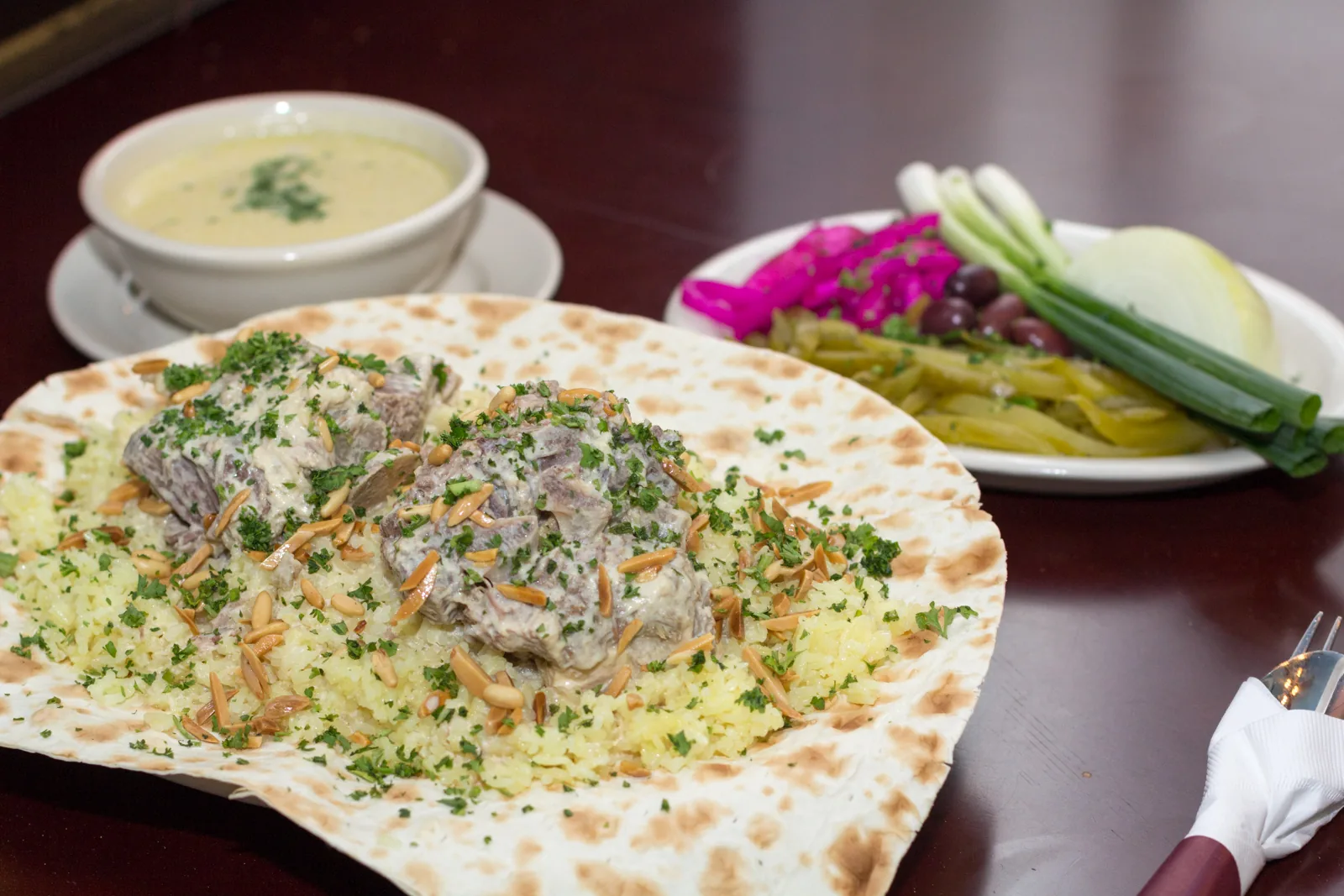
Mansaf is Jordan's national dish and its grandest gesture of hospitality: bone-in lamb simmered until it falls off the bone, bathed in jameed — a sharp, salty sauce made from dried fermented yogurt — and piled over turmeric-gold rice on sheets of markouk flatbread, then scattered with toasted almonds, pine nuts and parsley. One serving is about 420 g. Traditionally the whole platter goes in the middle of the table and everyone eats together, with extra jameed sauce poured over each helping.

Mansaf is the national dish of Jordan, and its roots run back to the Bedouin herders of the region, who cooked lamb in the fermented, dried yogurt they could carry across the desert — jameed keeps for months without refrigeration. The dish as it is served today, with rice and paper-thin markouk bread under the meat, took shape in the 20th century as the Bedouin dish became the shared feast of the whole country, served at weddings, Eid and any gathering that matters. To serve mansaf is, in Jordan, to offer the highest form of hospitality.

Pairs well with: Extra jameed sauce, pickled vegetables and fresh spring onions

Provenance

Jordan flag Jordan

Jordan National Dish

Middle Eastern

Time Dedication

3h 10m

40m prep • 150m cook

Batch Yield

8 Servings

948 kcal per serving

1 serving ≈ 420 g

Technical Skill

Advanced

Advanced (Jameed & Lamb)

Meal Timing & Digestive Fit

Breakfast

Not Advised

Lunch

Hearty Midday Main

Dinner

Ideal Hearty Main

Snack & Tea

Inappropriate

High Protein Occasions: Family feasts, Eid and celebrations, Friday gatherings, weddings, welcoming guests Cost: Medium — about $6–7 per serving at home
Mansaf — tender lamb in creamy jameed sauce over yellow rice on flatbread, with a bowl of jameed and pickles

Jordan National Dish

Photo: EvanCarroll, CC BY-SA 4.0, via Wikimedia Commons

The Heritage Formulary

Measured Ingredients

Estimated cost: Medium — about $6–7 per serving at home (USD)

A true mansaf is judged by its jameed: smooth, sharply tangy and generous — never grainy, never shy.

Execution Methodology & Culinary Technique

Step-by-Step Cooking Guide

Active 3h 10m
P

Prep Stage: Jameed Soaking, Lamb Cut, Rice Rinsed

40 Mins • Soaking & Knife Work

Start the jameed first: break the hard balls into chunks, cover with warm water and leave for 2 hours, then blend and strain into a smooth, pourable sauce the thickness of single cream. While it soaks, cut the lamb into large pieces, rinse the rice until the water runs clear, tear the flatbread, and toast the almonds and pine nuts in a dry pan until golden. Jameed is the whole character of mansaf, so take the soaking seriously — gritty, lumpy sauce cannot be fixed later.

Maestro Tip: If you can only find ready-made liquid jameed, use 900 g of it and skip the soaking step entirely.

  1. 1

    Simmer the Lamb Until Tender

    90 Mins • Stovetop Gentle simmer, about 95°C (200°F); lamb must reach at least 74°C (165°F) inside

    Put the lamb, onion halves, bay leaves and salt in a large pot with 1.5 litres (6 cups) of cold water. Bring slowly to a boil, skim off the grey foam, then turn the heat down to the gentlest simmer, cover, and cook for about 90 minutes until the meat is spoon-tender and nearly falling off the bone. Keep the broth — it cooks the rice and loosens the sauce.

    Skim well in the first 15 minutes; a cloudy broth makes a cloudy sauce.

    Done when: Lamb pulls easily from the bone with a fork; internal temperature at least 74°C (165°F), typically around 90°C (195°F) when fully tender.

  2. 2

    Blend and Warm the Jameed Sauce

    15 Mins • Stovetop Warm to about 85°C (185°F) — never let it boil

    Blend the soaked jameed with its soaking water until completely smooth, then strain through a fine sieve into a clean pan. Stir in a ladle of the hot lamb broth to loosen it, then warm over low heat, stirring constantly, until it is hot and pourable — about 85°C (185°F). Taste and add a pinch of salt only if it needs it; good jameed is already salty and sharply tangy.

    If the sauce splits or goes grainy, it got too hot. Take it off the heat and whisk in a spoonful of cold water.

    Done when: Sauce coats the back of a spoon and tastes sharply tangy, salty and creamy, with no grit.

  3. 3

    Cook the Saffron Rice

    25 Mins • Stovetop Boil, then lowest heat, about 95°C (200°F), covered

    Melt half the ghee in a pot, stir in the turmeric for 30 seconds, then add the drained rice and 750 ml (3 cups) of the hot lamb broth. Bring to a boil, cover tightly, turn to the lowest heat and cook for 18 minutes without lifting the lid. Rest off the heat for 5 minutes, then fluff with a fork — the grains should be separate and golden.

    Lifting the lid lets the steam out and the top layer stays hard. Leave it alone.

    Done when: Rice is tender, separate and evenly golden; no wet puddle at the bottom of the pot.

  4. 4

    Build the Platter

    10 Mins • Assembly Room temperature, about 20°C (68°F), for the bread; sauce and rice piping hot, about 85°C (185°F)

    Lay the flatbread sheets over a large round platter so they cover it completely. Spoon a ladle of hot jameed sauce over the bread so it softens, then pile the rice in a wide mound. Arrange the lamb pieces on top, pour over more jameed sauce, and scatter with the toasted almonds, pine nuts and parsley. Put the rest of the hot sauce in a jug on the table — everyone pours more over their own helping.

    Warm the platter first with hot water so the dish does not cool while you build it.

    Done when: Bread is soft and sauce-soaked at the edges, rice is a golden mound, lamb sits proud on top with nuts and green parsley.

  5. 5

    Serve and Eat Together

    5 Mins • Serving Serve immediately, sauce at about 85°C (185°F)

    Carry the platter to the middle of the table and serve at once, with the jug of extra jameed, pickles and spring onions alongside. Traditionally mansaf is eaten by hand from the shared platter, rolling a little rice and lamb together — but a spoon and a plate work just as well, and nobody will mind.

    Mansaf waits for no one: the bread goes soggy if it sits, so serve the moment it is built.

    Done when: Everyone is eating from one warm, fragrant platter, with sauce to spare.

Finishing Touches & Plating

Pour the last of the hot jameed over the lamb just before the platter reaches the table, and scatter the final handful of parsley so the green is bright against the gold. Mansaf is a feast dish — make it when the table is full, and make plenty of sauce.
Nutritional Physiology & Benefits

Nutrition

Energy

948

kcal / serving

Protein

49g

Complete AA

Carbs

81g

Complex

Fats

47g

Healthy

Per serving (8 servings · 1 serving ≈ 420 g)
Energy948 kcal
Protein49 g
Carbohydrates81 g
Fat47 g
Fibre3.0 g
Sugar10.3 g
Sodium1102 mg
Per 100g
Energy226 kcal
Protein11.6 g
Carbohydrates19.3 g
Fat11.1 g
Fibre0.7 g
Sugar2.5 g
Sodium262 mg

Nutrition values are estimated — calculated from USDA FoodData Central values for the listed ingredients.

Vitamins & minerals: Vitamin B12 and zinc (lamb), calcium and B2 (jameed yogurt), vitamin E (almonds and pine nuts), vitamin K (parsley).

Serious Protein for a Feast

A serving carries around 48 g of protein from lamb, jameed and nuts, which is why one plate of mansaf keeps a table of hungry people full for hours.

Calcium From Fermented Yogurt

Jameed is dried fermented yogurt, so the sauce brings calcium and the kind of tangy, cultured flavour that plain cream sauces do not have.

Nuts, Herbs and Whole Spices

Almonds and pine nuts add vitamin E and healthy fats, parsley adds vitamin K, and the turmeric and bay in the broth add flavour without any sugar.

Food Pairings

What to Eat With

To optimize nutrient absorption and elevate the sensory depth, pair with these authentic accompaniments:

Drinks

Mint Tea

Hot, sweet mint tea is the classic finish: its freshness cuts the richness of the lamb and jameed, and it is what Jordanian hosts pour the moment the plates are cleared.

Vegetables

Pickled Cucumbers and Chillies

Sharp, vinegary pickles are the essential counterpoint — their acidity slices through the creamy, salty sauce and resets the palate between bites.

Spring Onions

Whole spring onions are served on the side and bitten into raw; their clean, peppery crunch stands up to the rich lamb in a way a soft salad cannot.

Full Menus

Fresh Fruit to Finish

A plate of melon, grapes or oranges after the platter gives a light, juicy ending to a very rich meal, and needs no cooking at all.

Complete menu

Set the mansaf platter in the centre of the table with a jug of extra hot jameed sauce, a plate of pickled cucumbers and chillies, and spring onions on the side; finish with mint tea and a small plate of fresh fruit.

Digestive Guardrails

What NOT to Combine

To prevent digestive distress, sluggishness, or palate clash, avoid pairing the dish with these elements:

Boiling the Jameed Sauce

Boiling jameed splits it into grainy curds and whey, and the sauce cannot be rescued once it has split. Warm it gently to about 85°C (185°F) and keep it below a boil. This is a cooking note, not medical advice.

Very Salty Foods on the Same Plate

Jameed is already salty, so piling on other very salty foods (salted cheeses, soy sauce, salty snacks) in the same meal can push sodium far higher than intended. Keep the sides fresh and lightly seasoned. This is general nutrition information, not medical advice.

General information only, not medical advice — consult a doctor for personal dietary decisions.

Who Should Eat It

Who Should Eat

  • General adultsA rich celebration dish for healthy adults; one generous helping is a full meal.
  • ChildrenChildren usually love the tender lamb and rice; serve a small helping with extra rice and less sauce, and watch the salt.
  • ElderlyGood in a small portion — the lamb is soft and easy to chew, but the dish is salty and rich, so keep the helping modest.
  • Pregnant womenGenerally suitable when the lamb is cooked through and the jameed is made from pasteurised yogurt; keep the portion modest because of the salt. Ask your clinician about portion size.
  • Breastfeeding womenGenerally suitable; the protein and calcium support recovery, but the salt is high — one modest helping with plenty of rice.
  • AthletesAn excellent post-training meal: about 48 g protein and plenty of carbohydrate per serving; eat within a couple of hours of training.
  • Weight gainA good choice — energy-dense, protein-rich and easy to eat in quantity; have a full helping with extra bread.
  • Weight lossNot the easiest choice: about 950 kcal per serving. Take half a helping, load the plate with pickles and spring onions, and skip the extra bread.

Health Conditions — Adjust or Avoid

Conditions

  • DiabetesOne serving carries about 81 g of carbohydrate, mostly from rice and bread; take half a helping and fill the rest of the plate with pickles and salad. Ask your clinician about portion size.
  • High blood pressureJameed is very salty — about 1,100 mg sodium per serving. Skip the added salt, keep to one modest helping, and ask your clinician about portion size.
  • Kidney diseaseHigh in sodium and protein (jameed, lamb), so portion size matters a great deal; ask your clinician before eating a full serving.
  • GoutLamb and jameed are moderate in purines; an occasional modest helping is usually fine, but keep portions small. Ask your clinician if you have frequent flares.
  • Stomach issuesThe dish is rich and fatty, which can feel heavy on a sensitive stomach; eat slowly, take a small helping and skip the pickled chillies.
  • Cardiovascular diseaseLamb and ghee are high in saturated fat; keep to a modest helping and load the plate with pickles and onions. Ask your clinician about portion size.
  • Fatty liverKeep to half a serving, skip the extra ghee on the rice, and balance the plate with fresh vegetables. Ask your clinician about portion size.
  • Food allergiesContains milk (jameed, ghee) and tree nuts (almonds, pine nuts); the flatbread contains wheat (gluten). Do not serve to anyone with a milk or tree-nut allergy.
  • Special therapeutic dietsThis is a high-sodium, high-protein celebration dish; anyone on a prescribed low-sodium or kidney diet should ask their clinician before eating it.

If you have a medical condition, consult your doctor before changing your diet.

Storage & Use

Storage & Use

How to store
Store lamb, sauce, rice and bread separately in covered containers; the bread goes soggy if stored under the sauce.
In the fridge
Lamb and sauce 3 days; rice 2 days, covered.
In the freezer
Cooked lamb in sauce freezes well for 2 months; rice freezes for 1 month. Do not freeze the flatbread.
How to reheat
Reheat lamb and sauce gently in a pan to 74°C (165°F), stirring; do not boil the sauce. Reheat rice with a splash of water, covered, to 74°C (165°F).
Freezing recommended
Yes for lamb and sauce; no for the assembled platter or the bread.
Signs it has spoiled
Sour smell beyond the normal tang of jameed, slimy lamb, or mould on the rice or bread.

More recipes to explore

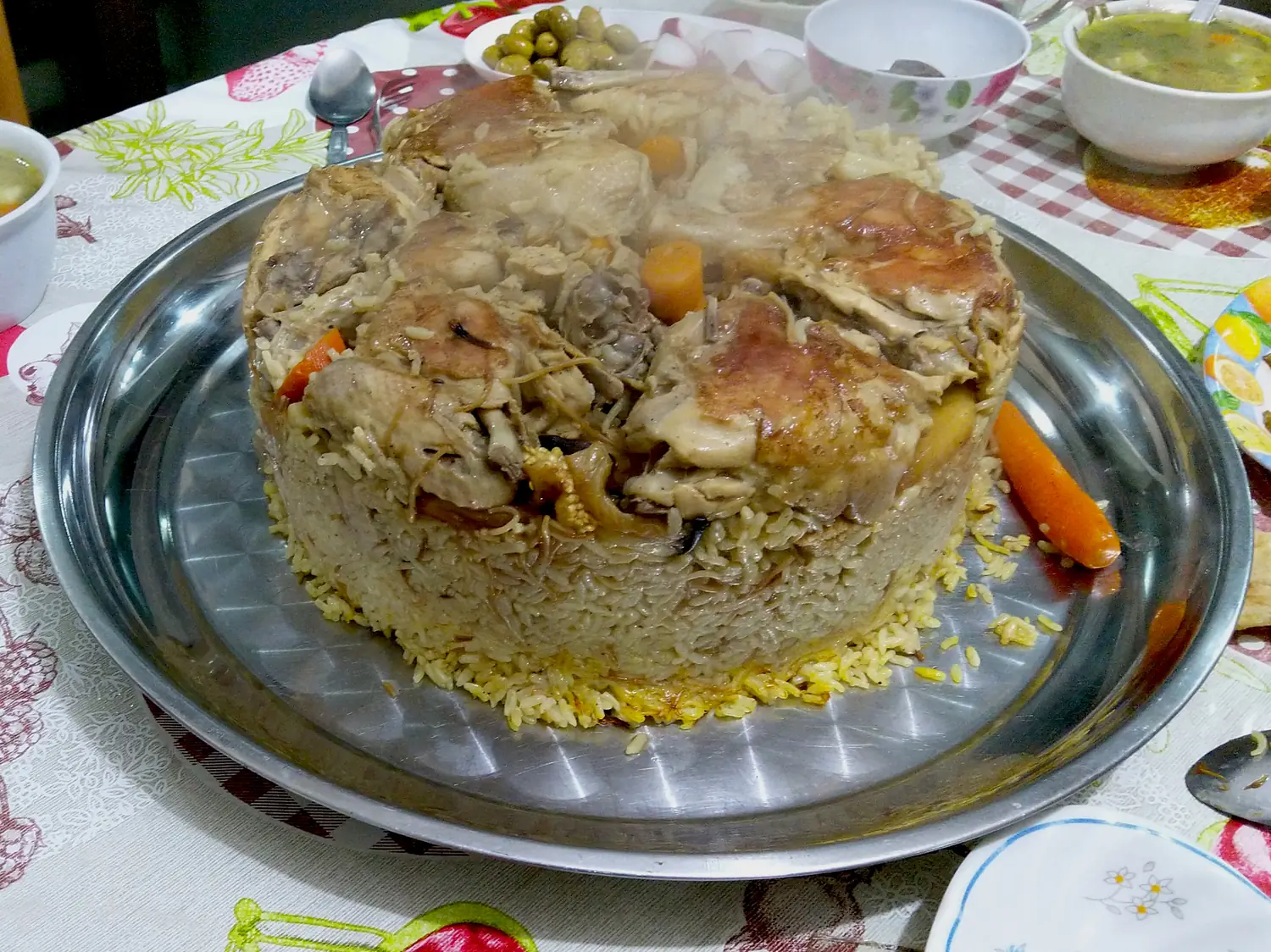
Jordanian maqluba — a golden dome of rice topped with chicken pieces and carrots, just flipped from the pot Jordan flag Jordan 2h 15m
Dinner •Jordanian Family Classic

Jordanian Maqluba

Maqluba means 'upside-down', and that flip is the whole drama of the dish: chicken, fried eggplant, cauliflower, carrots and potato are layered in a pot with spiced basmati rice, cooked slowly until the rice is tender and fragrant, then the whole pot is turned out onto a platter in one golden, steaming dome. One serving is about 550 g. In Jordan it is a Friday family dish, made in a big pot and eaten straight from the platter it was flipped onto.

Comfort & Togetherness

Chicken, eggplant, cauliflower and carrots layered with spiced rice, cooked in one pot and flipped into a golden dome.

Pairs Well With
Plain yogurt and a chopped cucumber-tomato salad
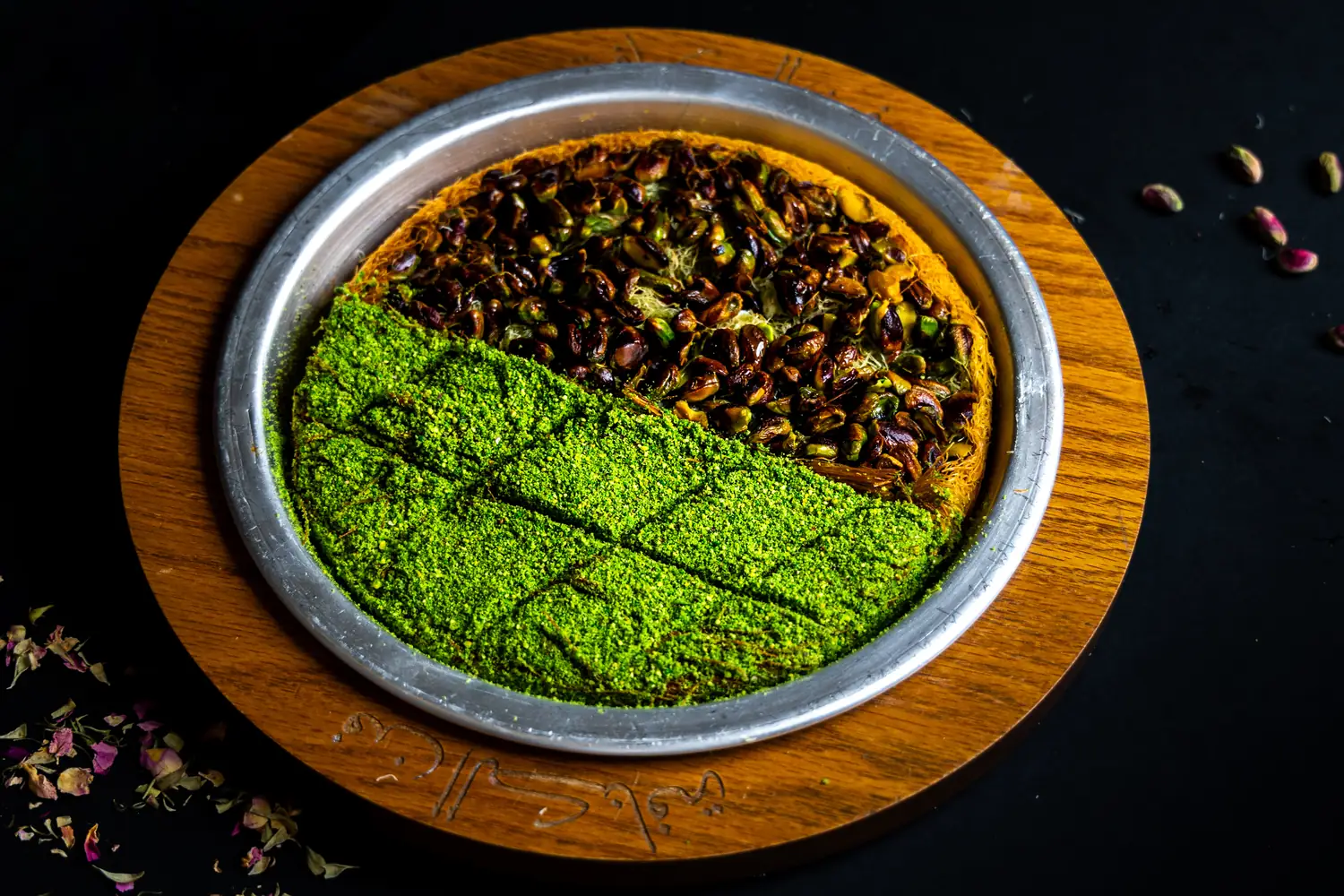
Kunafa — a golden round of crisp shredded pastry topped with ground pistachios and whole pistachios Jordan flag Jordan 1h 10m
Snack & Tea •Levantine Sweet Classic

Jordanian Kunafa

Kunafa is the Levant's most beloved sweet: fine shredded kataifi pastry, tossed in melted butter and pressed into a pan around a layer of soft, stretchy cheese, baked until the top is deep gold and crisp, then drowned in warm lemon-orange syrup and scattered with ground pistachios. One serving is about 180 g. Eaten warm, the cheese pulls in long strings with every spoonful, and the syrup soaks into the crisp pastry without ever making it soggy.

Sweet Comfort

Crisp golden kataifi pastry wrapped around stretchy melted cheese, soaked in lemon-orange syrup and crowned with pistachios.

Pairs Well With
Arabic coffee and a glass of cold water
Bœuf bourguignon — French beef braised in red wine France flag France 4h
Dinner •Burgundy Terroir

Bœuf Bourguignon

Beef braised gently in red wine until the connective tissue melts into a velvet, gelatin-rich sauce — the classic Burgundy Sunday dinner.

Cellular Repair

Beef braised in red wine until spoon-tender, with mushrooms and pearl onions.

Pairs Well With
Parsnip Purée & Steamed French Haricots Verts
High Protein
Vietnamese braised pork belly with golden eggs in caramel sauce Vietnam flag Vietnam 1h 45m
Dinner •One Pot

Vietnamese Braised Pork and Eggs

Pork belly slowly braised in coconut water and caramel until meltingly tender, with golden eggs that soak up the sweet-savoury sauce — the Vietnamese family dish that tastes better the next day.

Comfort & Sustained Energy

Slow-braised pork belly and eggs in coconut water and caramel.

Pairs Well With
Steamed rice & pickled mustard greens
High Protein

The Dinner Gazette

Never wonder what’s for dinner again

One email a week with easy dinner ideas from around the world — ingredients, steps and nutrition, tested in our kitchen first.

Delivered every Thursday morning. Unsubscribe anytime.