Curated recipes from 193 countries  •  New seasonal Mediterranean issue out now

Overview

Matcha Ice Cream

Green Tea Ice Cream, Matcha Aisu

This matcha ice cream recipe turns cream, milk, egg yolks and ceremonial-grade matcha into a smooth, pale-green scoop with a gentle bitter edge under the sweetness. One serving is about 120 g. This matcha ice cream recipe makes 8 servings in 45 minutes of active work, plus at least 4 hours in the freezer.

Matcha has been whisked in Japanese tea ceremony for centuries, and green-tea ice cream grew out of Japan's tea shops, where the same powder was folded into frozen desserts. It spread through Japan as a cafe and restaurant dessert and is now one of the country's most recognised sweets abroad, sold everywhere from temple-town tea houses to supermarket freezers. The best versions use real matcha, not green food colouring, so the flavour is gently bitter rather than just sweet.

Pairs well with: A pot of hot sencha or hojicha, and a few butter cookies.

Provenance

Japan flag Japan

Japanese Tea Dessert

East & South Asia

Time Dedication

45m

30m prep • 15m cook

Batch Yield

8 Servings

330 kcal per serving

1 serving ≈ 120 g

Technical Skill

Intermediate

Medium (Custard Base)

Meal Timing & Digestive Fit

Breakfast

Not Advised

Lunch

Inappropriate

Dinner

Inappropriate

Snack & Tea

Ideal Light Bite

Occasions: Summer desserts, Japanese dinners, afternoon tea, hot days Cost: Medium — about $2–3 per serving at home
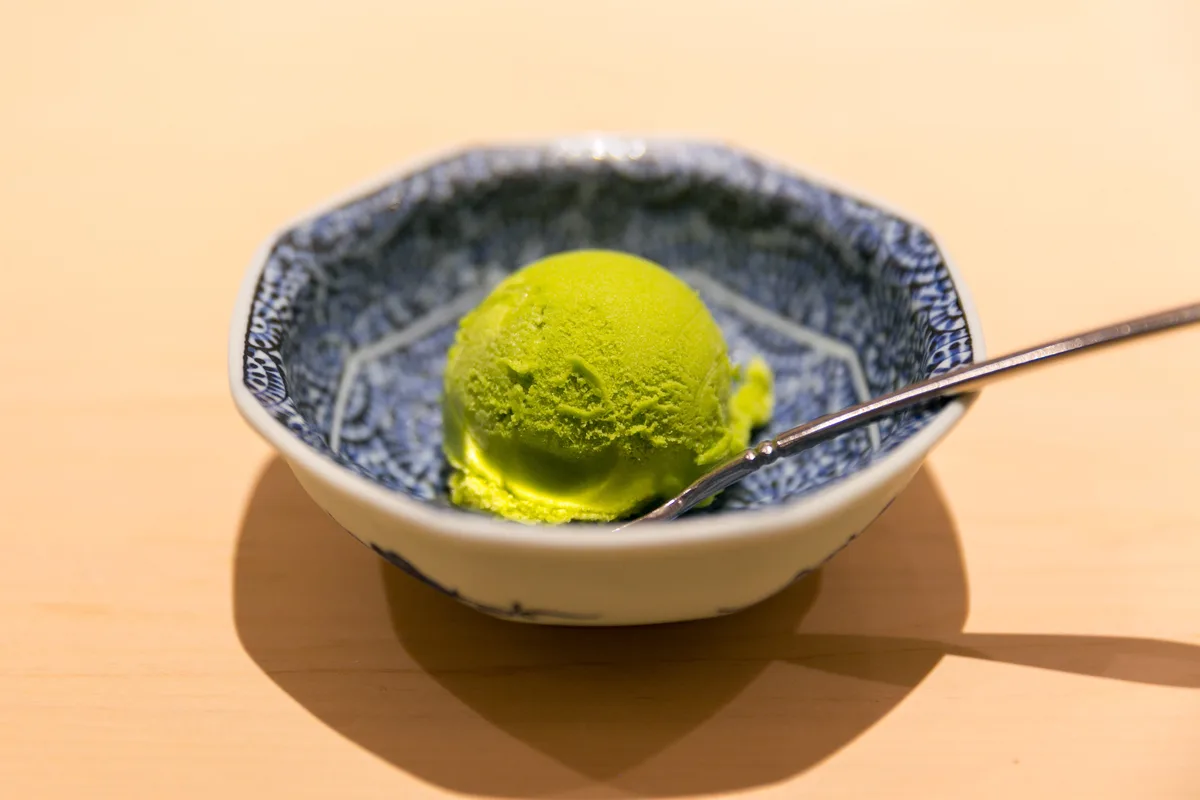
A scoop of bright green matcha ice cream in a blue-patterned Japanese bowl with a spoon

Japanese Tea Dessert

Photo: City Foodsters, CC BY 2.0, via Wikimedia Commons

The Heritage Formulary

Measured Ingredients

Estimated cost: Medium — about $2–3 per serving at home (USD)

Made the tea-shop way: matcha whisked smooth first, custard cooked gently, never boiled, so the colour stays bright green.

Execution Methodology & Culinary Technique

Step-by-Step Cooking Guide

Active 45m
P

Prep Stage: Sift, Separate & Whisk the Matcha

10 Mins • Sifting & Whisking

Sift the matcha through a fine sieve, separate the egg yolks, and whisk the matcha with 60ml of warm milk until completely smooth with no specks. A lumpy matcha paste now means a speckled ice cream later.

Maestro Tip: Whisk the matcha paste with a small bamboo whisk or a fork in a zigzag motion — it breaks up lumps far better than stirring in circles.

  1. 1

    Whisk the Matcha Paste

    5 Mins Warm milk, ~40°C (104°F)

    Warm 60ml of the milk until just warm to the touch, then whisk it into the sifted matcha a little at a time until you have a smooth, thick green paste with no lumps at all.

    Sifting first is not optional — unsifted matcha clumps and will not dissolve in the custard.

    Done when: A glossy green paste, smooth as paint, with no dry specks.

  2. 2

    Warm the Cream and Milk

    5 Mins Medium heat, ~70°C (158°F)

    Put the cream and the remaining 180ml of milk in a saucepan over medium heat and warm until steaming and small bubbles form at the edge — about 70°C (158°F). Do not let it boil.

    Boiling scorches the milk and dulls the matcha colour, so pull the pan off the heat as soon as it steams.

    Done when: Steaming, with tiny bubbles at the edge and no rolling boil.

  3. 3

    Make the Custard

    10 Mins Low heat, up to 80°C (176°F)

    Whisk the sugar into the yolks until pale. Pour the hot cream in slowly, whisking all the time, then return everything to the pan with the matcha paste, vanilla and salt. Cook over low heat, stirring constantly with a wooden spoon, until the custard coats the back of the spoon and reaches 80°C (176°F) — never above 82°C (180°F), or the yolks will scramble.

    If the custard starts to thicken in streaks, lift the pan off the heat at once and keep stirring — it will even out.

    Done when: A custard that coats the spoon and leaves a clean line when you draw a finger across it.

  4. 4

    Chill the Base

    25 Mins Fridge, 4°C (40°F) or below

    Pour the custard through a fine sieve into a clean bowl, press cling film directly onto the surface, and chill in the fridge until completely cold — at least 25 minutes in an ice bath, or 2 hours in the fridge.

    The film stops a skin forming on the custard while it chills.

    Done when: A cold, thick custard with no skin on top.

  5. 5

    Churn the Ice Cream

    25 Mins Frozen bowl, -18°C (0°F)

    Churn the cold base in an ice cream maker following the maker's instructions, usually 20–25 minutes, until it holds soft peaks. Without a maker, freeze the base in a shallow tray and beat it with a fork every 30 minutes for 3 hours to break up ice crystals.

    A fully cold base churns in half the time and freezes smoother than a lukewarm one.

    Done when: Soft-serve texture that holds its shape on a spoon.

  6. 6

    Freeze Until Firm

    240 Mins Freezer, -18°C (0°F) or below

    Spoon the churned ice cream into a freezer-safe container, press film onto the surface, seal, and freeze for at least 4 hours until firm enough to scoop.

    Let the tub sit on the counter for 5 minutes before scooping — it cuts cleanly instead of shattering.

    Done when: Firm, scoopable ice cream that keeps its shape in the bowl.

Finishing Touches & Plating

Scoop into chilled bowls and serve at once, while the ice cream is firm and cold. This matcha ice cream recipe needs 45 minutes of active work, plus at least 4 hours in the freezer — plan it the morning of the day you want to serve it.

Nutritional Physiology & Benefits

Nutrition

Energy

330

kcal / serving

Protein

5g

Complete AA

Carbs

23g

Complex

Fats

25g

Healthy

Per serving (8 servings · 1 serving ≈ 120 g)
Energy330 kcal
Protein5 g
Carbohydrates23 g
Fat25 g
Fibre0.0 g
Sugar22.0 g
Sodium89 mg
Per 100g
Energy275 kcal
Protein3.8 g
Carbohydrates19.2 g
Fat20.8 g
Fibre0 g
Sugar18.3 g
Sodium74 mg

Nutrition values are estimated — calculated from USDA FoodData Central values for the listed ingredients.

Vitamins & minerals: Matcha supplies vitamin K and small amounts of B vitamins, egg yolks add vitamin D and choline, and milk adds calcium.

Real Matcha, Not Colouring

The green colour comes from real matcha powder, which adds a gentle bitter note that balances the sweet cream instead of just looking green.

Protein from Egg and Milk

Each serving carries 4.6 g of protein from the yolks, milk and cream, so it satisfies more than a plain water ice.

No Artificial Flavours

Seven everyday ingredients and nothing artificial — cream, milk, sugar, yolk, matcha, vanilla and a pinch of salt.

Food Pairings

What to Eat With

To optimize nutrient absorption and elevate the sensory depth, pair with these authentic accompaniments:

Drinks

Hot Sencha

Warm, grassy green tea echoes the matcha and cuts the richness of the cream between spoonfuls.

Sides

Butter Cookies

A crisp, plain cookie gives a buttery crunch against the cold, smooth scoop.

More Pairings

Sweet Red Bean Paste

A spoonful of anko next to the scoop is the classic Japanese pairing — earthy, sweet beans against bitter matcha.

Full Menus

After Grilled Fish and Rice

A light Japanese meal first means the rich ice cream lands as a proper dessert, not a heavy course.

Complete menu

Serve two scoops after a light Japanese meal of grilled fish, rice and miso soup, with hot sencha — the warm tea balances the cold, rich ice cream.

Digestive Guardrails

What NOT to Combine

To prevent digestive distress, sluggishness, or palate clash, avoid pairing the dish with these elements:

Very Sweet Toppings

One serving already carries 22.0 g of sugar, so chocolate sauce or caramel on top makes the dessert far sweeter than the matcha can balance. Serve it plain. This is general food information, not medical advice.

Leaving It Out to Melt

Once scooped, matcha ice cream softens fast at room temperature and refreezing it makes it icy. Scoop only what you will eat. This is general food information, not medical advice.

General information only, not medical advice — consult a doctor for personal dietary decisions.

Who Should Eat It

Who Should Eat

  • General adultsA rich dessert — 330 kcal per serving, best as an occasional treat after a light meal.
  • ChildrenChildren usually love the colour and the mild sweetness; keep to one scoop, as it is rich and sweet.
  • ElderlySoft and easy to eat, but it is cold and sweet, so a small scoop suits better than a large one.
  • Pregnant womenFine in normal amounts when made with fresh eggs and pasteurised cream and milk; the custard is cooked to 80°C (176°F). Ask your clinician about portions.
  • Breastfeeding womenA small scoop is fine; the calcium and protein are useful, but the sugar adds up quickly. Ask your clinician about portions.
  • AthletesA quick source of energy after training, but at 330 kcal with 22.0 g of sugar it is a treat, not recovery food.
  • Weight gainAt 330 kcal per serving it can help add energy, but it is mostly sugar and fat, so pair it with a proper meal.
  • Weight lossAt 330 kcal and 22.0 g of sugar per serving, this is an occasional dessert — one small scoop, not a daily bowl.

Health Conditions — Adjust or Avoid

Conditions

  • DiabetesOne serving carries 22.0 g of sugar and 23.0 g of carbohydrate, so keep to one small scoop. Ask your clinician about portions.
  • High blood pressureOne serving carries only 89 mg of sodium, so salt is not the issue here — the sugar is. Ask your clinician about portions.
  • Kidney diseaseModerate in protein at 4.6 g per serving; the sugar and dairy are the bigger concerns. Ask your clinician about portions.
  • GoutLow in purines, so gout is not a concern with this dessert; the sugar is the thing to watch. Ask your clinician about portions.
  • Stomach issuesCold, creamy and sweet — usually gentle on the stomach, but the fat can feel heavy if eaten fast. Ask your clinician if unsure.
  • Cardiovascular diseaseHigh in saturated fat at 24.9 g of fat per serving, mostly from cream, so this is an occasional dessert. Ask your clinician about portions.
  • Fatty liverAt 330 kcal with 22.0 g of sugar per serving, keep to one small scoop. Ask your clinician about portions.
  • Food allergiesContains milk, cream and egg — all major allergens. Do not serve to anyone with a milk or egg allergy.
  • Special therapeutic dietsNot suitable for a low-sugar or low-fat therapeutic diet as written; a clinician would need to approve any lighter version.

If you have a medical condition, consult your doctor before changing your diet.

Storage & Use

Storage & Use

How to store
Store in a sealed freezer-safe container with cling film pressed onto the surface.
In the fridge
The unchurned custard base keeps 2 days in the fridge at 4°C (40°F) or below.
In the freezer
The finished ice cream keeps up to 2 weeks in the freezer at -18°C (0°F) or below; after that it turns icy.
How to reheat
No reheating — serve frozen. If it is too hard to scoop, leave the tub on the counter for 5 minutes; do not microwave it.
Freezing recommended
Yes — freezing is part of making it, and the finished ice cream must stay frozen.
Signs it has spoiled
Large ice crystals, a dull grey-green colour, or any sour or off smell.

More recipes to explore

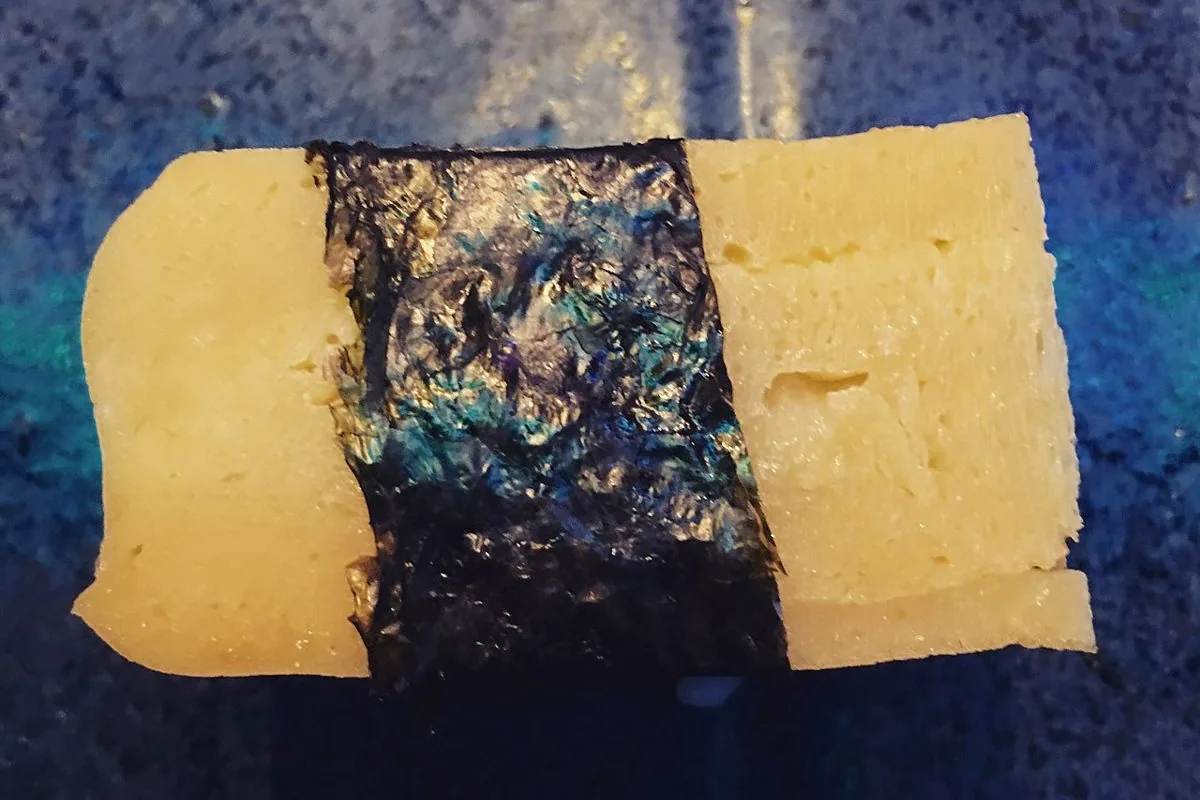
Sliced tamagoyaki rolled omelette wrapped in nori on a blue plate Japan flag Japan 25m
Breakfast •Edo Traditional

Tamagoyaki, Miso & Gohan

Dashi-infused rolled omelet served with live cultured miso broth and sea kelp for foundational gastrointestinal conditioning. One serving is about 580 g.

Digestive Gut Health

Silky rolled omelette with miso soup and steamed rice.

Pairs Well With
Fermented Natto & Sencha Green Tea
High Protein • Fermented / Gut Health • Quick Prep (<30m)
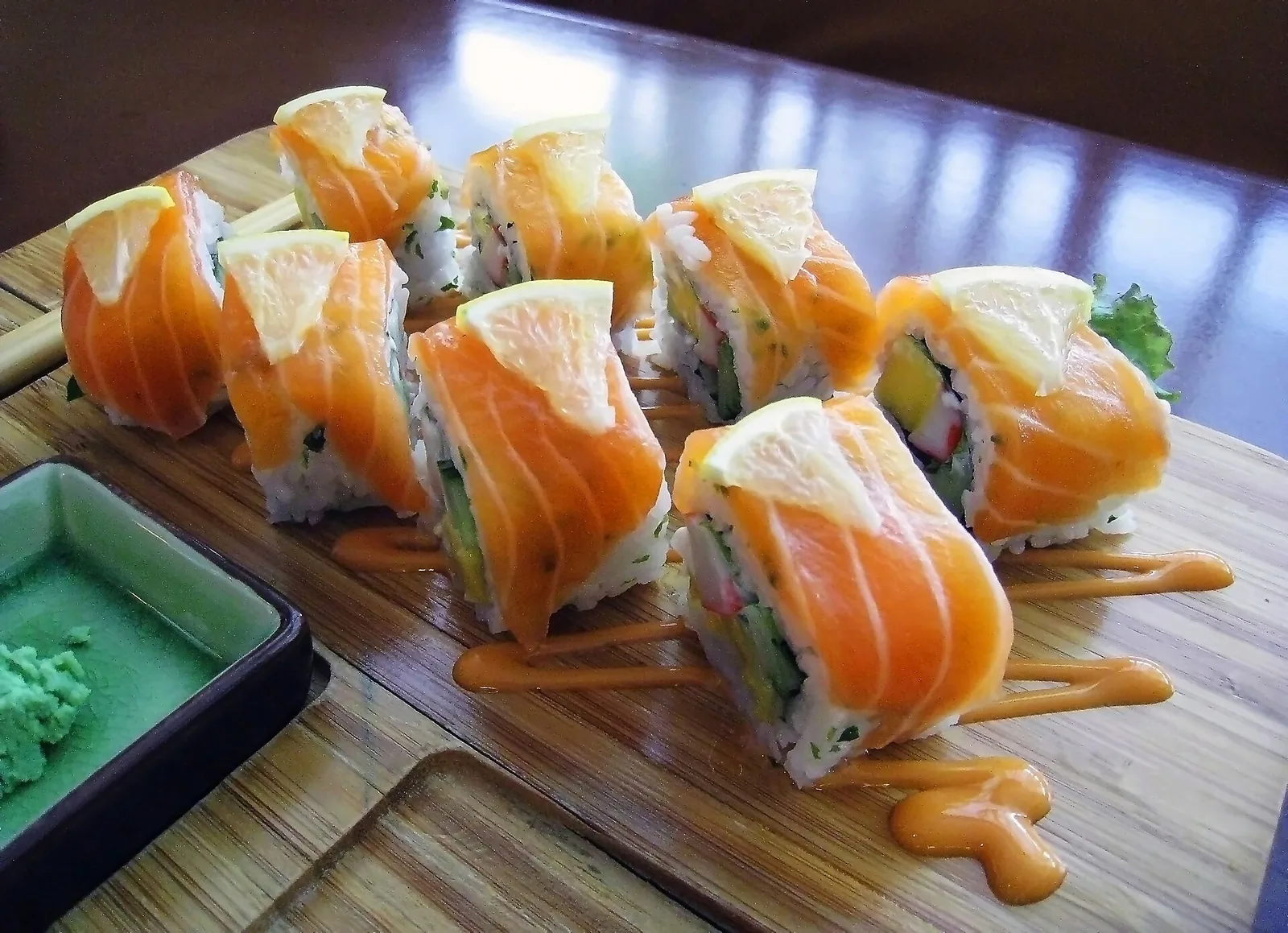
Salmon sushi rolls topped with salmon and lemon wedges on a wooden board, with wasabi Japan flag Japan 1h
Lunch •Edo-Style Sushi

Salmon Sushi Rolls (Maki)

This salmon sushi rolls recipe shows how to season sushi rice, slice sashimi-grade salmon and roll neat maki with cucumber and avocado. One serving is about 393 g — one full roll, cut into 8 pieces.

Light & Fresh

Sushi rice, sashimi-grade salmon and cucumber rolled in nori — light, fresh and protein-rich.

Pairs Well With
Miso soup, pickled ginger and a pot of green tea
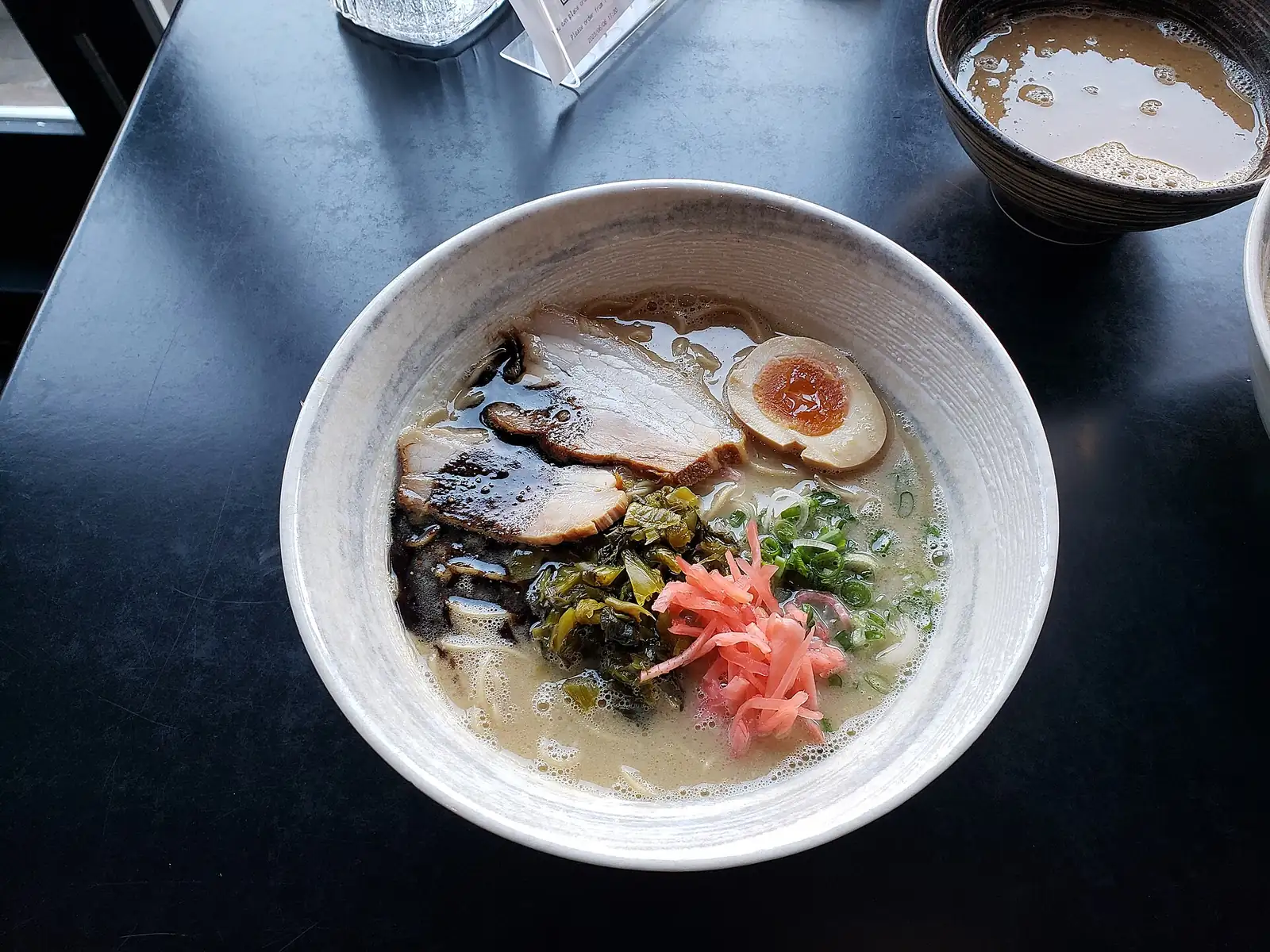
A bowl of tonkotsu ramen with chashu pork, a soft egg, spring onion and pickled ginger Japan flag Japan 3h 30m
Lunch •Hakata Yatai Style

Tonkotsu Ramen

This tonkotsu ramen recipe uses a pressure cooker to get the milky, pork-bone broth that normally takes all day, then builds the bowl with thin noodles, chashu pork and a soft egg. One serving is about 760 g.

Rich & Warming

Milky pork-bone broth, thin noodles, chashu pork and a soft egg — the richest bowl in ramen.

Pairs Well With
Gyoza, pickled ginger and a cold beer or iced barley tea
Soups & Broths • High Protein
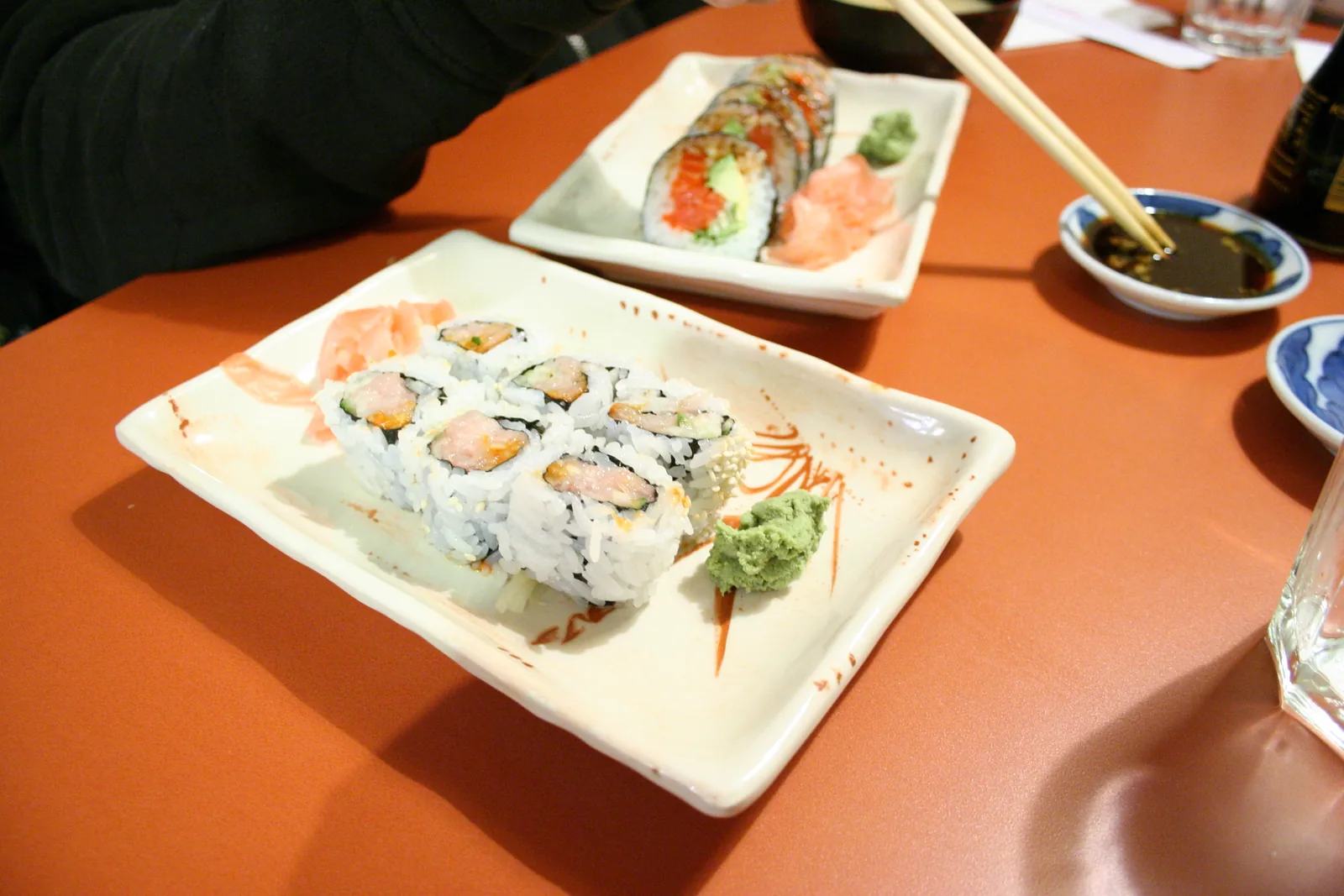
A plate of spicy tuna uramaki rolls with pickled ginger and wasabi, the pink tuna filling visible in the cut rolls Japan flag Japan 1h
Lunch •American Sushi Classic

Spicy Tuna Roll

This spicy tuna roll recipe shows how to season sushi rice, chop sashimi-grade tuna with spicy mayo, and roll neat rice-outside uramaki with cucumber and avocado. One serving is about 355 g — one full roll, cut into 8 pieces.

Light & Fresh

A cool, light sushi roll with raw tuna, cucumber and avocado — fresh, filling and quick to assemble once the rice is ready.

Pairs Well With
Miso soup, pickled ginger and iced green tea

The Dinner Gazette

Never wonder what’s for dinner again

One email a week with easy dinner ideas from around the world — ingredients, steps and nutrition, tested in our kitchen first.

Delivered every Thursday morning. Unsubscribe anytime.