
Curated recipes from 193 countries  •  New seasonal Mediterranean issue out now

Overview

Mauritanian Fataya

Fataya, West African Beef Pastries

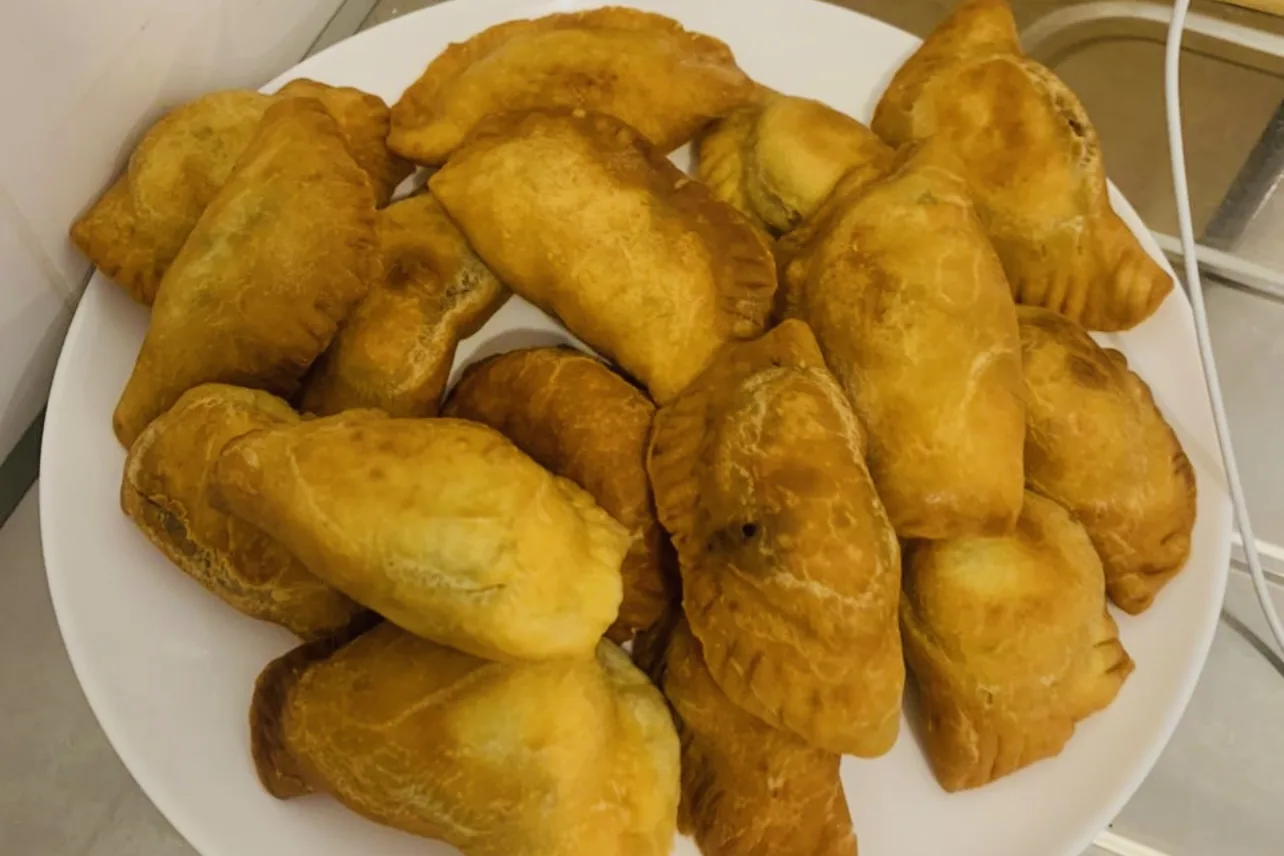
This fataya recipe makes golden, crisp Mauritanian pastries from a soft yeasted dough, filled with spiced ground beef, onion, tomato, carrot and parsley, then deep-fried until puffed and golden. Fataya are the hand-held snack sold at market stalls across Mauritania. One serving (two pastries) is about 172 g.

Fataya is a street-food staple across West Africa, from Senegal and Mauritania to Mali and Guinea, where vendors sell the golden half-moon pastries from market stalls and roadside stands. The name comes from the Arabic fatayer, the small filled pies of the Levant, which travelled to West Africa with trade and migration across the Sahara. In Mauritania, fataya are a popular snack at any time of day, often eaten with a spicy onion sauce or a hot chilli sauce.

Pairs well with: Spicy onion sauce, a tomato and cucumber salad, and hot mint tea

Provenance

Mauritania flag Mauritania

Nouakchott Street Snack

Middle Eastern

Time Dedication

2h 5m

95m prep • 30m cook

Batch Yield

8 Servings

429 kcal per serving

1 serving ≈ 172 g

Technical Skill

Intermediate

Intermediate (Yeasted Dough)

Meal Timing & Digestive Fit

Breakfast

Not Advised

Lunch

Inappropriate

Dinner

Inappropriate

Snack & Tea

Ideal Light Bite

Occasions: Afternoon snack, market-day food, family gatherings, party finger food, Ramadan evenings Cost: Low — about $1 per serving at home
A plate of golden fried Mauritanian fataya, half-moon pastries with crimped edges

Nouakchott Street Snack

Photo: Cheikh cherif, CC BY-SA 4.0, via Wikimedia Commons

The Heritage Formulary

Measured Ingredients

Estimated cost: Low — about $1 per serving at home (USD)

A good fataya puffs up in the oil, turns deep golden, and keeps its seam sealed — dry filling and a cool rise are what make it work.

Execution Methodology & Culinary Technique

Step-by-Step Cooking Guide

Active 2h 5m
P

Prep Stage: Dough, Rise and Filling

1 Hour 35 Mins • Dough, Filling

Mix the flour, yeast, sugar and 8 g of salt, then work in 30 ml of oil and the warm water and knead into a soft, smooth dough. Cover and leave it in a warm place for about 60 minutes, until doubled. While it rises, cook the beef with the onion, tomato, carrot, garlic and spices, then cool the filling completely — a cool filling is essential, because warm filling melts the dough and leaks in the hot oil.

Maestro Tip: Make the filling while the dough rises; by the time the dough has doubled, the filling is cool and ready to use.

  1. 1

    Make the Dough

    15 mins Room temperature, water about 40°C (104°F)

    Put 400 g of flour, 7 g of yeast, 10 g of sugar and 8 g of salt in a large bowl and stir. Add 30 ml of oil and 240 ml of warm water a little at a time, mixing until a shaggy dough forms. Turn it onto a lightly floured surface and knead for 8–10 minutes until smooth, soft and slightly tacky. Shape into a ball, rub with a little oil, cover the bowl and set aside.

    The dough should feel soft and supple, like an earlobe — add water a spoonful at a time if it feels stiff.

    Done when: Smooth, soft dough that springs back slowly when poked.

  2. 2

    Let the Dough Rise

    60 mins Warm place, about 27°C (80°F)

    Leave the covered dough in a warm spot — on top of the fridge or inside an oven with just the light on — for about 60 minutes, until it has doubled in size. Do not rush this: the rise is what makes fataya puff up in the oil instead of turning out flat and dense.

    In a cool kitchen, put the bowl over a pan of warm water to keep the rise moving.

    Done when: Doubled in size; a finger pressed in leaves a dent that fills back slowly.

  3. 3

    Cook the Beef Filling

    15 mins Medium heat, about 180°C (350°F) pan surface

    Heat 15 ml of oil in a large pan, soften the diced onion for 4–5 minutes, then add the garlic and cook for 30 seconds. Add 400 g of ground beef and cook, breaking it up, until browned all through — about 6–7 minutes, and the beef must reach 71°C (160°F). Stir in the diced tomato, carrot, cumin, paprika, chilli flakes, 4 g of salt and the black pepper, and cook 3–4 minutes more until the tomato has softened and the pan is nearly dry. Take off the heat, fold in the chopped parsley, and spread the filling on a plate to cool completely.

    Cook the filling until the pan looks dry — wet filling soaks the dough and bursts open while frying.

    Done when: Beef fully browned with no pink remaining, filling dry and fragrant, cooled to room temperature.

  4. 4

    Shape the Fataya

    20 mins Room temperature

    Punch the risen dough down and divide it into 16 equal pieces, about 43 g each. Roll each piece on a lightly floured surface into a round about 12 cm (5 in) across. Put a heaped tablespoon of the cooled filling — about 40 g — on one half, leaving a 1 cm border. Fold the other half over, press out the air, and seal the edge firmly, then crimp with the tines of a fork. Keep the shaped fataya under a cloth so they do not dry out.

    Do not overfill — a heaped tablespoon is enough; too much filling forces the seam open in the oil.

    Done when: Neat half-moons with tightly sealed, fork-crimped edges and no filling peeking out.

  5. 5

    Fry Until Golden

    15 mins 180°C (350°F) oil

    Heat the 500 ml of frying oil in a deep, heavy pot to 180°C (350°F). Fry the fataya in batches of 4, without crowding the pot, for about 3–4 minutes per batch, turning once, until puffed and deep golden on both sides. Lift out with a slotted spoon and drain on paper towels. Let the oil come back to 180°C (350°F) between batches.

    If the oil is too cool the pastries soak up grease; too hot and they brown before the dough inside is cooked — a small piece of dough should sizzle and rise at once.

    Done when: Puffed, deep golden and crisp on the outside; the inside is hot all the way through.

Finishing Touches & Plating

Pile the fataya on a plate lined with paper towels, let them rest for 2 minutes so the crust sets, and serve hot with a spicy onion sauce or hot chilli sauce for dipping.

Nutritional Physiology & Benefits

Nutrition

Energy

429

kcal / serving

Protein

19g

Complete AA

Carbs

44g

Complex

Fats

19g

Healthy

Per serving (8 servings · 1 serving ≈ 172 g)
Energy429 kcal
Protein19 g
Carbohydrates44 g
Fat19 g
Fibre2.7 g
Sugar3.1 g
Sodium628 mg
Per 100g
Energy249 kcal
Protein11.2 g
Carbohydrates25.6 g
Fat11.3 g
Fibre1.6 g
Sugar1.8 g
Sodium365 mg

Nutrition values are estimated — calculated from USDA FoodData Central values for the listed ingredients.

Vitamins & minerals: Vitamin A (carrot), vitamin C (tomato, parsley), iron and zinc (beef), B vitamins (flour, beef). Nutrition is estimated.

Beef for Protein

Each serving carries about 19 g of protein from the ground beef, which makes two fataya a genuinely filling snack rather than an empty one.

Vegetables in Every Bite

Onion, tomato, carrot and parsley are cooked into the filling, so every pastry brings fibre, vitamin A and vitamin C along with the beef.

A Snack That Satisfies

The combination of protein, fibre and a little frying fat keeps you full for hours — two pieces are enough for most people between meals.

Food Pairings

What to Eat With

To optimize nutrient absorption and elevate the sensory depth, pair with these authentic accompaniments:

Sauces

Spicy Onion Sauce

Thinly sliced onions simmered with chilli and a little vinegar are the classic Mauritanian partner — their sharp heat and acidity cut through the rich fried pastry.

Vegetables

Tomato and Cucumber Salad

A cool, crisp salad with lemon brings freshness and crunch to a plate of hot, soft, fried pastry, and lightens the whole snack.

Drinks

Hot Mint Tea

Sweet mint tea is the everyday drink of Mauritania, and its hot, herbal sweetness is the traditional finish to a plate of fataya.

Full Menus

As a Snack Spread

Set the fataya out with the onion sauce, salad and tea as a sharing spread — the pastries are hand-held, so everyone helps themselves.

Complete menu

Serve the fataya hot with a spicy onion sauce and a tomato and cucumber salad on the side, and finish with hot mint tea.

Digestive Guardrails

What NOT to Combine

To prevent digestive distress, sluggishness, or palate clash, avoid pairing the dish with these elements:

A Second Fried Main

Fataya are already deep-fried, so serving them beside fries, fried chicken or another fried dish makes the meal heavy and greasy. Pair them with a fresh salad or a light soup instead. This is general guidance, not medical advice.

Very Hot Sauce on a Sensitive Stomach

The chilli flakes in the filling plus a fiery dipping sauce can be a lot for a sensitive stomach — taste the sauce first and use a small spoonful. This is general guidance, not medical advice.

General information only, not medical advice — consult a doctor for personal dietary decisions.

Who Should Eat It

Who Should Eat

  • General adultsA satisfying snack — two pieces with salad and tea make a light lunch.
  • ChildrenVery suitable from age 3+; the pastries are soft inside and easy to hold. Leave the chilli flakes out of their batch and serve a mild dipping sauce.
  • ElderlySuitable — the filling is soft and easy to chew. Serve warm, not piping hot, and keep portions to one or two pieces.
  • Pregnant womenGenerally suitable; the beef is cooked right through to 71°C (160°F) and the dish is served fresh and hot. Skip the chilli sauce if it causes heartburn.
  • Breastfeeding womenGenerally suitable; the protein and energy support recovery — take a full serving with salad.
  • AthletesA useful post-training snack: protein from the beef plus carbs from the dough help recovery, eaten within a couple of hours of exercise.
  • Weight gainA good choice — take an extra piece or two; the fried dough and beef are energy-dense.
  • Weight lossBest as an occasional treat in a measured portion — one piece with a big salad, since frying adds a lot of energy.

Health Conditions — Adjust or Avoid

Conditions

  • DiabetesThe dough is the main source of carbs — keep to one piece and load the plate with salad. Ask your clinician about portion size.
  • High blood pressureMost of the sodium comes from the added salt; season lightly and skip salty dipping sauces. Ask your clinician about a suitable portion.
  • Kidney diseaseLimit the beef and tomato (potassium and protein load); ask your clinician about portion size.
  • GoutEat occasionally and in smaller portions — beef is moderately high in purines.
  • Stomach issuesFried food and chilli can irritate a sensitive stomach — eat a small portion, skip the hot sauce, and avoid eating late at night.
  • Cardiovascular diseaseBest as an occasional treat — the pastries are deep-fried and the beef adds saturated fat. Ask your clinician about how often it fits your diet.
  • Fatty liverKeep the portion to one piece, favour the salad on the side, and do not make fried snacks a daily habit.
  • Food allergiesContains wheat (gluten). Not suitable for coeliac disease. The filling contains no nuts, egg or dairy — check the oil label if you have a seed-oil allergy.
  • Special therapeutic dietsIf you follow a prescribed low-sodium or low-fat diet, use less salt and bake the fataya instead of frying, and check with your clinician.

If you have a medical condition, consult your doctor before changing your diet.

Storage & Use

Storage & Use

How to store
Cool completely on a rack, uncovered, so the crust stays crisp, then store in a paper bag or a loosely covered container.
In the fridge
3 days, in a covered container.
In the freezer
Up to 3 months, wrapped individually; freeze shaped but unfried for the best result and fry from frozen, adding 2–3 minutes.
How to reheat
Reheat in a 180°C (350°F) oven for 8–10 minutes until hot all the way through, to 74°C (165°F); the oven re-crisps the crust — the microwave makes it soft.
Freezing recommended
Yes — shaped but unfried fataya freeze best; baked or fried ones also freeze well.
Signs it has spoiled
Sour or off smell, slimy or sticky pastry, mould, or a filling that smells stale — discard, do not taste to check.

More recipes to explore

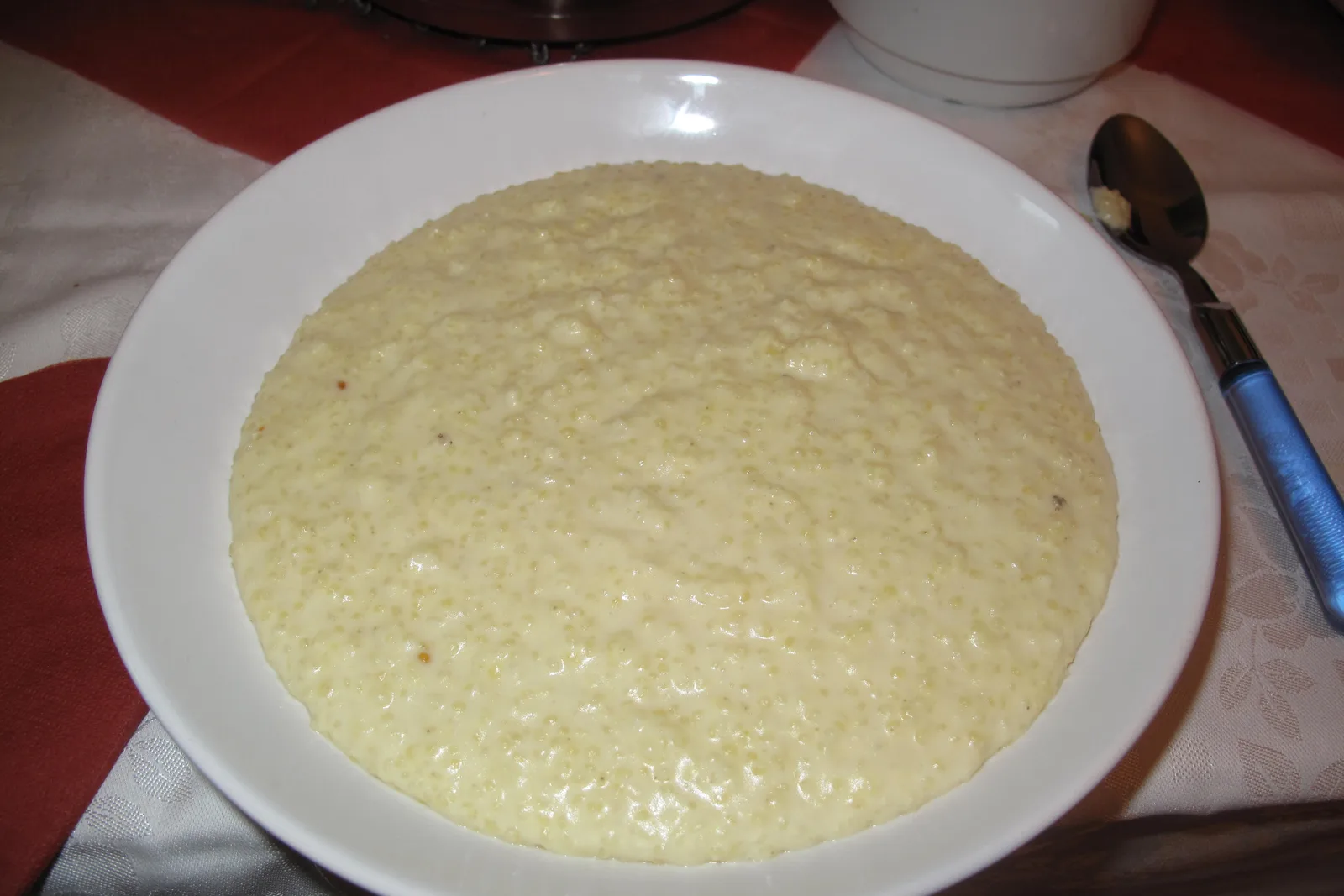
A bowl of thick, creamy millet porridge with milk, served with a spoon Mauritania flag Mauritania 40m
Breakfast •Mauritanian Breakfast

Mauritanian Millet Porridge

This Mauritanian millet porridge recipe makes bouille de mil, the millet porridge Mauritanians wake up to: whole pearl millet simmered in water until soft and creamy, sweetened with a little sugar, and served warm with milk poured over the top. It is simple, filling, and kind to the stomach. One serving is about 335 g.

Slow Morning Energy

A warm bowl of whole-grain millet with milk gives steady, gentle energy to start the day.

Pairs Well With
Serve with hot mint tea and a few dates on the side.
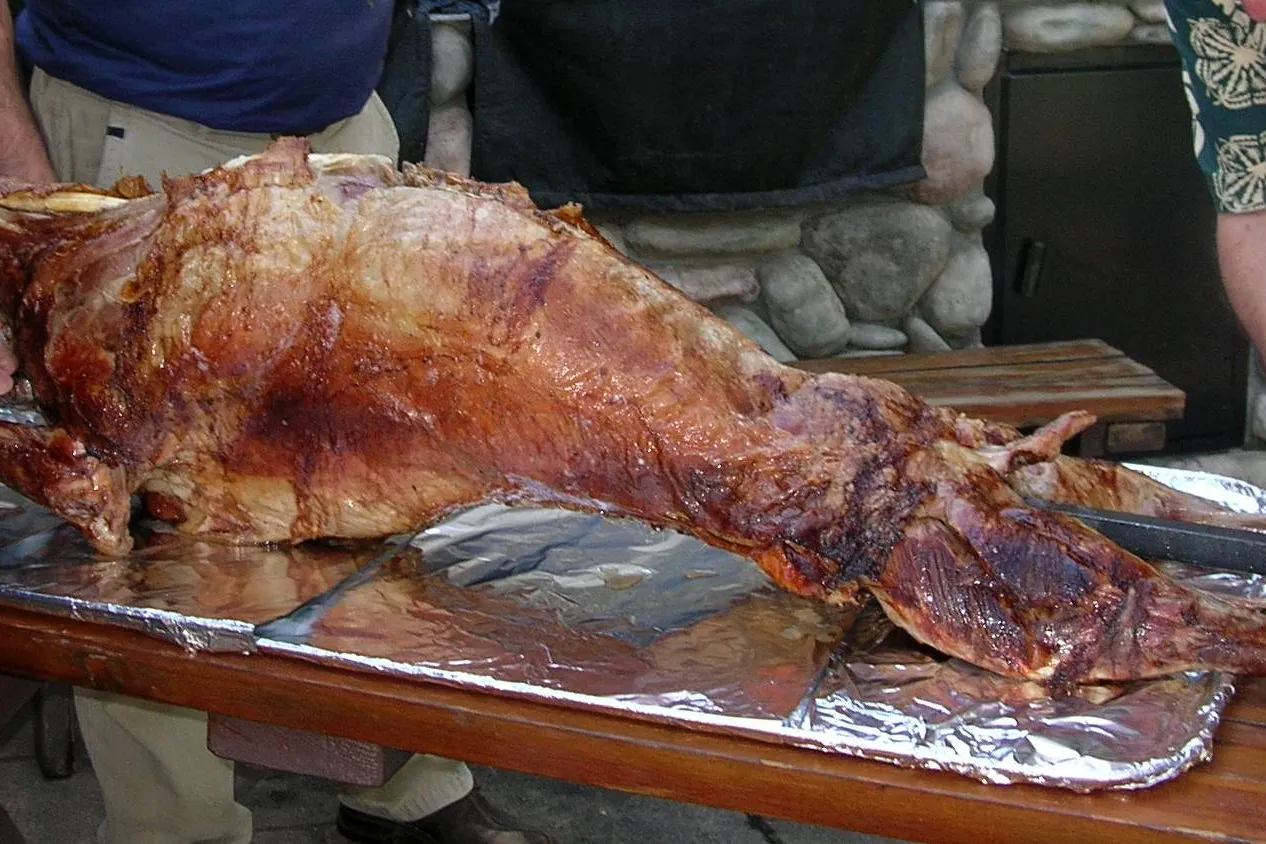
A whole spit-roasted mechoui lamb, golden-brown and crisp, resting on its spit over a foil-covered table as hands begin to carve it Mauritania flag Mauritania 3h 40m
Dinner •Mauritanian Feast Dish

Mauritanian Mechoui

This mauritanian mechoui recipe turns a cumin-, coriander- and garlic-rubbed leg of lamb slowly on a spit beside glowing charcoal embers until the skin crisps and the meat pulls apart by hand, served with a bowl of toasted cumin salt for dipping. Unlike Omani shuwa, which is sealed in banana leaves and buried in an underground pit for a day or two, mechoui cooks in the open air, turned by hand and basted with butter so the outside browns while the inside stays juicy. One serving is about 250 g.

Festive Feast

A slow spit-roasted leg of lamb with cumin, garlic and paprika, made for sharing at a celebration.

Pairs Well With
Toasted cumin salt, couscous and mint tea
High Protein
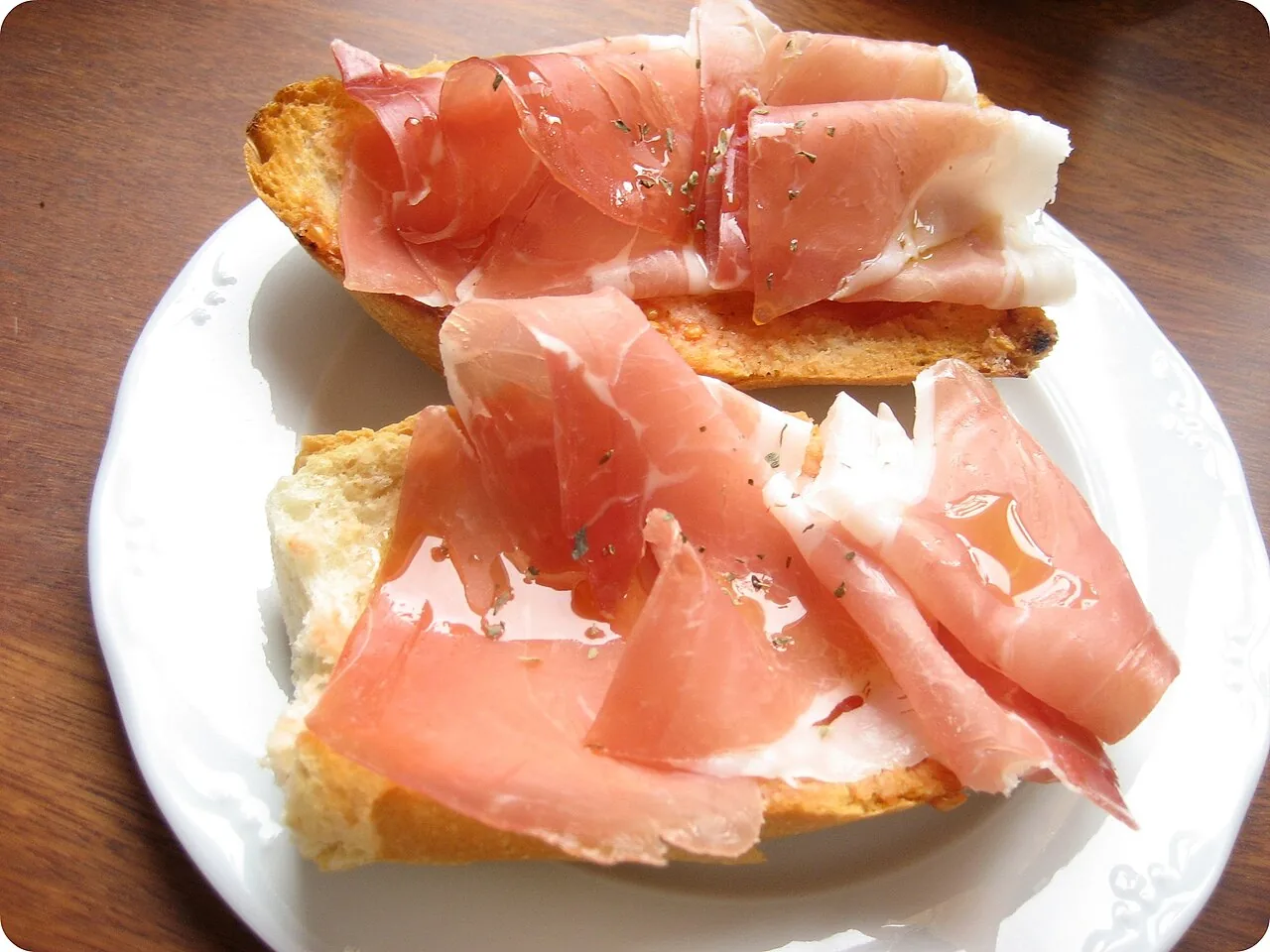
Pan con tomate with jamón ibérico on toasted bread Spain flag Spain 15m
Snack & Tea •Catalan Aperitivo

Pan con Tomate & Jamón Ibérico

Country bread rubbed with ripe Ramallet tomato, drizzled with cold-pressed Arbequina olive oil and topped with jamón ibérico.

Vascular Health

Toasted tomato bread with jamón ibérico, olive oil and olives.

Pairs Well With
Castelvetrano Olives & Sparkling Mineral Water
Quick Prep (<30m)
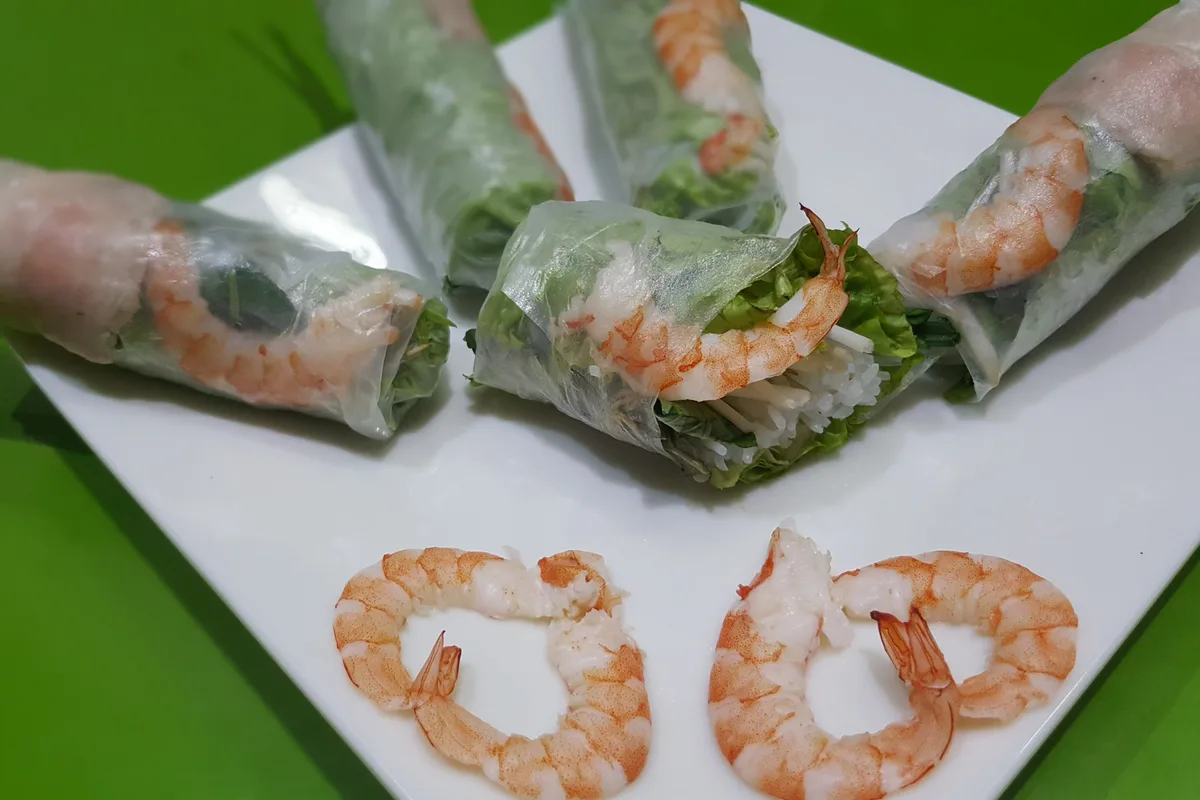
Gỏi cuốn — Vietnamese fresh spring rolls with prawn and pork Vietnam flag Vietnam 1h 5m
Snack & Tea •Saigon Refresh

Gỏi Cuốn Tôm Thịt

Fresh rice paper rolls filled with poached prawns, tender pork, rice vermicelli, lettuce, herbs and carrot, served with a peanut dipping sauce.

Light Digestion

Nothing is fried, so the rolls stay light and fresh — a cool, herb-filled snack for hot days.

Pairs Well With
Artisanal Peanut Dip & Fresh Lotus Root Water
High Protein

The Dinner Gazette

Never wonder what’s for dinner again

One email a week with easy dinner ideas from around the world — ingredients, steps and nutrition, tested in our kitchen first.

Delivered every Thursday morning. Unsubscribe anytime.