
Curated recipes from 193 countries  •  New seasonal Mediterranean issue out now

Overview

Mauritanian Millet Porridge

Bouille de Mil, Millet Porridge with Milk

This Mauritanian millet porridge recipe makes bouille de mil, the millet porridge Mauritanians wake up to: whole pearl millet simmered in water until soft and creamy, sweetened with a little sugar, and served warm with milk poured over the top. It is simple, filling, and kind to the stomach. One serving is about 335 g.

Pearl millet is one of the oldest cultivated grains of the Sahel, grown in dry lands where rice and wheat struggle, and it remains the everyday grain of Mauritania. A bowl of bouille — millet porridge thinned with milk and sweetened with sugar — is a familiar Mauritanian breakfast, cooked at home in the early morning and sold by street vendors, eaten warm before the heat of the day. The name comes from the French bouillie, meaning a boiled porridge.

Pairs well with: Serve with hot mint tea and a few dates on the side.

Provenance

Mauritania flag Mauritania

Mauritanian Breakfast

Middle Eastern

Time Dedication

40m

5m prep • 35m cook

Batch Yield

4 Servings

301 kcal per serving

1 serving ≈ 335 g

Technical Skill

Easy

Easy (One Pot)

Meal Timing & Digestive Fit

Breakfast

Prime Morning Fit

Lunch

Inappropriate

Dinner

Inappropriate

Snack & Tea

Inappropriate

Occasions: Slow weekday breakfast, family morning meal, Ramadan suhoor Cost: Low — about $1–2 per serving at home
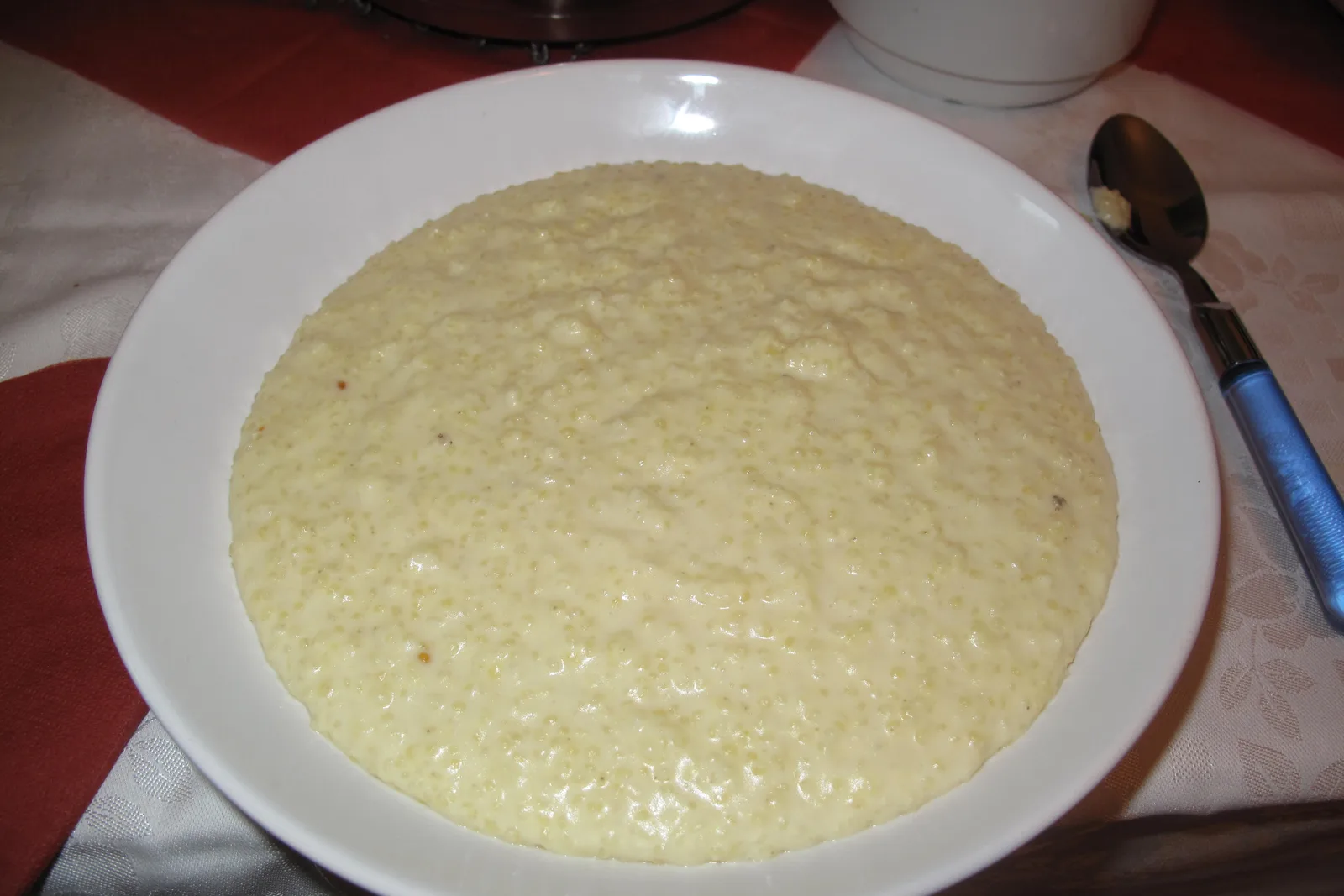
A bowl of thick, creamy millet porridge with milk, served with a spoon

Mauritanian Breakfast

Photo: Dezidor, CC BY 3.0, via Wikimedia Commons

The Heritage Formulary

Measured Ingredients

Estimated cost: Low — about $1–2 per serving at home (USD)

A simple one-pot breakfast of whole pearl millet, milk and sugar, cooked until thick and creamy and served warm.

Execution Methodology & Culinary Technique

Step-by-Step Cooking Guide

Active 40m
P

Prep Stage: Rinse the Millet

5 Mins • Rinsing

Tip the millet into a fine sieve and rinse under cold running water, rubbing the grains gently with your fingers until the water runs clear. Pick out any tiny stones or dark grains as you go, then drain well. Measure the water, sugar and salt so everything is ready before the pot goes on the heat.

Maestro Tip: Rinsing is not optional — it washes away dust and the bitter coating on the grains, and it is how you spot the small stones that sometimes hide in a bag of millet.

  1. 1

    Rinse the Millet

    5 Mins Cold water

    This Mauritanian millet porridge recipe starts with a good rinse: rinse the 200 g of pearl millet in a fine sieve under cold running water until the water runs clear, picking out any stones or dark grains. Drain well and set aside.

    Rub the grains gently as you rinse — the friction helps the rinse water carry the dust away.

    Done when: The rinse water runs clear and no stones or dark grains remain.

  2. 2

    Bring the Water to a Boil

    5 Mins Rolling boil, 100°C (212°F)

    Pour the 720 ml of water into a medium saucepan with a lid and bring it to a rolling boil over high heat. Add the pinch of salt.

    Use a pot with a heavy base — millet porridge sticks and scorches easily in a thin pan.

    Done when: The water is bubbling hard across the whole surface.

  3. 3

    Simmer the Millet Until Tender

    20 Mins Gentle simmer, about 95°C (203°F)

    Tip the rinsed millet into the boiling water, stir once, then turn the heat down to low and put the lid on ajar. Simmer gently for 20 minutes, stirring every 5 minutes so the grains do not settle and stick. The millet will drink up most of the water and swell soft.

    Keep the heat low and stir on a schedule — a porridge left unstirred catches on the bottom in minutes, and a burnt taste cannot be stirred out.

    Done when: The grains are swollen and tender with no hard white centre when you bite one, and the porridge is thick enough to hold a spoon upright for a second.

  4. 4

    Stir in the Milk and Sugar

    5 Mins Low heat, about 85°C (185°F)

    Pour in the warmed 240 ml of milk and the 40 g of sugar, stirring steadily as the porridge loosens and turns creamy. Keep it on low heat for 5 minutes, stirring all the time, until the sugar has dissolved and the porridge is smooth and thick enough to coat the back of a spoon.

    Warm the milk before it goes in — cold milk dropped into hot porridge can make the grains seize up and go lumpy.

    Done when: The sugar has fully dissolved, the porridge is smooth and creamy, and it falls from the spoon in a slow, thick ribbon.

  5. 5

    Rest, Then Serve with Cold Milk

    5 Mins Off the heat — serve warm, about 65°C (150°F)

    Take the pan off the heat, put the lid on, and rest for 5 minutes — the porridge thickens a little more as it stands. Ladle into bowls and pour 60 ml of cold milk over each serving.

    The cold milk on hot porridge is the point of the dish: it cools the first spoonfuls to eating temperature and gives the bowl its pale, creamy top.

    Done when: The porridge is thick and creamy, warm rather than piping hot, with a swirl of cold milk on top.

Finishing Touches & Plating

Eat the porridge from this Mauritanian millet porridge recipe warm, straight away, with a spoon. If it has thickened more than you like, loosen it with an extra splash of milk — it should flow slowly, not stand in a stiff mound.

Nutritional Physiology & Benefits

Nutrition

Energy

301

kcal / serving

Protein

9g

Complete AA

Carbs

52g

Complex

Fats

6g

Healthy

Per serving (4 servings · 1 serving ≈ 335 g)
Energy301 kcal
Protein9 g
Carbohydrates52 g
Fat6 g
Fibre4.3 g
Sugar15.6 g
Sodium145 mg
Per 100g
Energy90 kcal
Protein2.8 g
Carbohydrates15.5 g
Fat1.8 g
Fibre1.3 g
Sugar4.6 g
Sodium43 mg

Nutrition values are estimated — calculated from USDA FoodData Central values for the listed ingredients.

Vitamins & minerals: Estimated nutrition: millet supplies B vitamins (thiamine and niacin), magnesium, phosphorus, iron and manganese, while the milk adds calcium and vitamin B12.

Steady morning energy

Millet is a whole grain rich in complex carbohydrates and fibre, which break down slowly and help keep you feeling full through the morning.

Gentle on the stomach

A soft, warm porridge is one of the easiest breakfasts to digest, which is why it is a common first meal for children and older people.

Calcium and B vitamins

The milk adds calcium and vitamin B12, while millet contributes B vitamins, magnesium, phosphorus and iron.

Food Pairings

What to Eat With

To optimize nutrient absorption and elevate the sensory depth, pair with these authentic accompaniments:

Drinks

Mauritanian mint tea

Hot, sweet mint tea is the classic drink with this breakfast — its fresh mint cuts through the creamy richness of the porridge and warms you up for the day.

Sides

Dates

A few soft dates on the side add a chewy, caramel sweetness that lets you use less sugar in the porridge itself.

Bean fritters (kose)

Crisp, savoury bean fritters are the traditional West African partner for millet porridge — their saltiness balances the sweet, milky bowl.

Sliced banana

Banana stirred into the warm porridge melts slightly and adds natural sweetness and a soft texture that matches the millet.

Complete menu

Start with a bowl of millet porridge with cold milk, then Mauritanian mint tea and a few dates to finish — a light, traditional Mauritanian breakfast.

Digestive Guardrails

What NOT to Combine

To prevent digestive distress, sluggishness, or palate clash, avoid pairing the dish with these elements:

Extra sugar, honey or condensed milk on top

The bowl already carries 10 g of sugar per serving. Piling on more sweetener pushes the sugar load up sharply and can leave you with a fast energy crash an hour later. This is general information, not medical advice.

Very salty dried fish or cured meat alongside

Heavily salted foods eaten with a sweet porridge make for an unbalanced, high-sodium start to the day and leave you thirsty. Keep salty sides for a later meal instead. This is general information, not medical advice.

General information only, not medical advice — consult a doctor for personal dietary decisions.

Who Should Eat It

Who Should Eat

  • General adultsA filling, balanced breakfast as written; reduce the sugar to taste if you prefer it less sweet.
  • ChildrenVery suitable — soft, warm and easy to eat. Serve warm, not hot, and cut the sugar for younger children.
  • ElderlyWell suited — soft texture, easy to chew and digest, and the milk adds calcium.
  • Pregnant womenGenerally fine as a breakfast; use pasteurised milk and eat it freshly made and hot.
  • Breastfeeding womenA nourishing, energy-rich breakfast; keep the sugar modest and drink water alongside.
  • AthletesGood slow-release carbohydrate breakfast before a long morning session; add a boiled egg or nuts on the side for more protein.
  • Weight gainHelpful — an energy-dense bowl that is easy to eat in the morning; add extra milk or a knob of butter if you need more calories.
  • Weight lossKeep the portion to one bowl, skip the extra sugar, and use semi-skimmed milk — the fibre still keeps you full.

Health Conditions — Adjust or Avoid

Conditions

  • DiabetesThe porridge is high in carbohydrate and contains added sugar, so keep the portion small and consider leaving the sugar out. Ask your clinician or dietitian for advice on portions.
  • High blood pressureSodium is low as written (about 145 mg per serving), but keep any salty sides off the plate. Ask your clinician if you are unsure.
  • Kidney diseaseMillet and milk both contribute potassium and phosphorus, so portion size matters. Ask your clinician or renal dietitian before making this a regular breakfast.
  • GoutMillet is a moderate-purine grain and the dish contains no meat, so it is generally a low-risk breakfast. Ask your clinician if you are unsure.
  • Stomach issuesA soft, warm porridge is usually well tolerated. If milk upsets your stomach, try a lactose-free milk instead and ask your clinician for advice.
  • Cardiovascular diseaseWhole milk adds saturated fat; using semi-skimmed milk and skipping extra sugar keeps the bowl lighter. Ask your clinician or dietitian for advice.
  • Fatty liverKeep the added sugar out and use semi-skimmed milk — a plain, fibre-rich porridge fits better than a sweetened one. Ask your clinician for advice.
  • Food allergiesContains milk (dairy, lactose). Millet itself is naturally gluten-free, but check the packet for a gluten-free label if you have coeliac disease, as packing lines can cross-contaminate.
  • Special therapeutic dietsThe recipe is vegetarian and gluten-free as written, but not dairy-free. Adapt the milk and sugar to your prescribed diet and ask your clinician or dietitian first.

If you have a medical condition, consult your doctor before changing your diet.

Storage & Use

Storage & Use

How to store
Cool quickly, then store in a shallow airtight container in the fridge. The porridge thickens as it sits — stir in a splash of milk when reheating.
In the fridge
2–3 days.
In the freezer
Up to 1 month in a sealed container, though the texture turns grainy after thawing.
How to reheat
Reheat gently in a pan over low heat with a splash of milk, stirring often, until steaming hot throughout, to 74°C (165°F).
Freezing recommended
No — best eaten fresh; freezing is possible but the texture becomes grainy and the porridge loses its creaminess.
Signs it has spoiled
Sour smell, mould on the surface, or a slimy texture — throw it away if any of these appear.

More recipes to explore

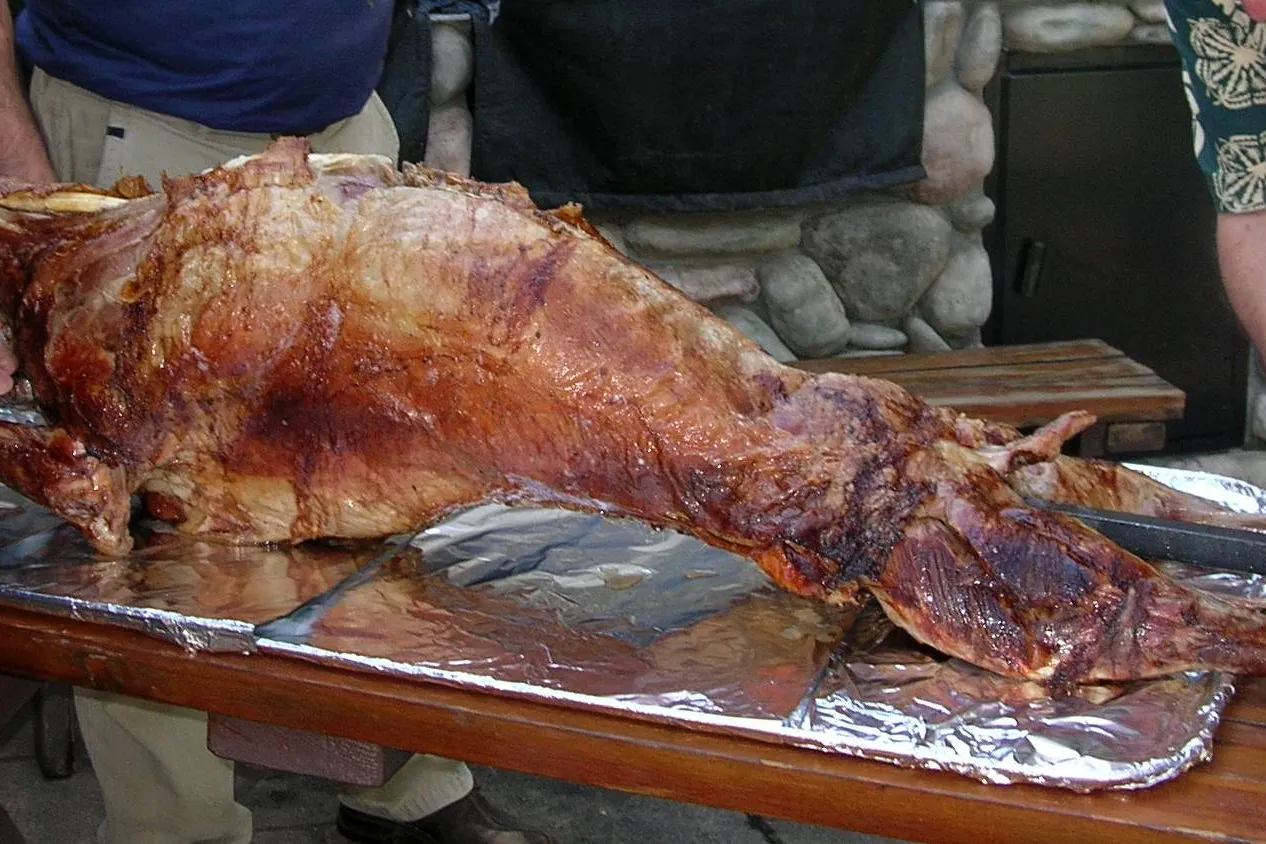
A whole spit-roasted mechoui lamb, golden-brown and crisp, resting on its spit over a foil-covered table as hands begin to carve it Mauritania flag Mauritania 3h 40m
Dinner •Mauritanian Feast Dish

Mauritanian Mechoui

This mauritanian mechoui recipe turns a cumin-, coriander- and garlic-rubbed leg of lamb slowly on a spit beside glowing charcoal embers until the skin crisps and the meat pulls apart by hand, served with a bowl of toasted cumin salt for dipping. Unlike Omani shuwa, which is sealed in banana leaves and buried in an underground pit for a day or two, mechoui cooks in the open air, turned by hand and basted with butter so the outside browns while the inside stays juicy. One serving is about 250 g.

Festive Feast

A slow spit-roasted leg of lamb with cumin, garlic and paprika, made for sharing at a celebration.

Pairs Well With
Toasted cumin salt, couscous and mint tea
High Protein

A plate of golden fried Mauritanian fataya, half-moon pastries with crimped edges Mauritania flag Mauritania 2h 5m
Snack & Tea •Nouakchott Street Snack

Mauritanian Fataya

This fataya recipe makes golden, crisp Mauritanian pastries from a soft yeasted dough, filled with spiced ground beef, onion, tomato, carrot and parsley, then deep-fried until puffed and golden. Fataya are the hand-held snack sold at market stalls across Mauritania. One serving (two pastries) is about 172 g.

Snack & Sharing

Crisp fried pastry with a spiced beef and vegetable filling, made for sharing.

Pairs Well With
Spicy onion sauce, a tomato and cucumber salad, and hot mint tea
A bowl of Vietnamese phở bò with rare beef, rice noodles and fresh herbs Vietnam flag Vietnam 3h 30m
Breakfast •Hanoi Heritage

Phở Bò Tái Nạm

Slow-simmered star anise and cinnamon bone broth with hand-cut rice noodles, supplying clean restorative warmth and collagen. One serving is about 775 g.

Immunity & Warming

Slow-simmered bone broth with rice noodles, rare beef and fresh herbs.

Pairs Well With
Crispy quẩy, fresh lime & sawtooth coriander
Soups & Broths • High Protein
Golden butter croissants on a wooden board France flag France 20m
Breakfast •Parisian Boulangerie

Croissant au Beurre & Café

Laminated cultured butter pastry paired with washed Arabica, for a slow, pleasurable Parisian morning — best with a little protein alongside. One serving is about 390 g.

Sustained Focus

Flaky all-butter croissant with café au lait, Comté and green apple.

Pairs Well With
Comté cheese wedge & Green apple slices
Quick Prep (<30m)

The Dinner Gazette

Never wonder what’s for dinner again

One email a week with easy dinner ideas from around the world — ingredients, steps and nutrition, tested in our kitchen first.

Delivered every Thursday morning. Unsubscribe anytime.