
Curated recipes from 193 countries  •  New seasonal Mediterranean issue out now

Overview

Melon Pan

Melonpan, Melon Bread

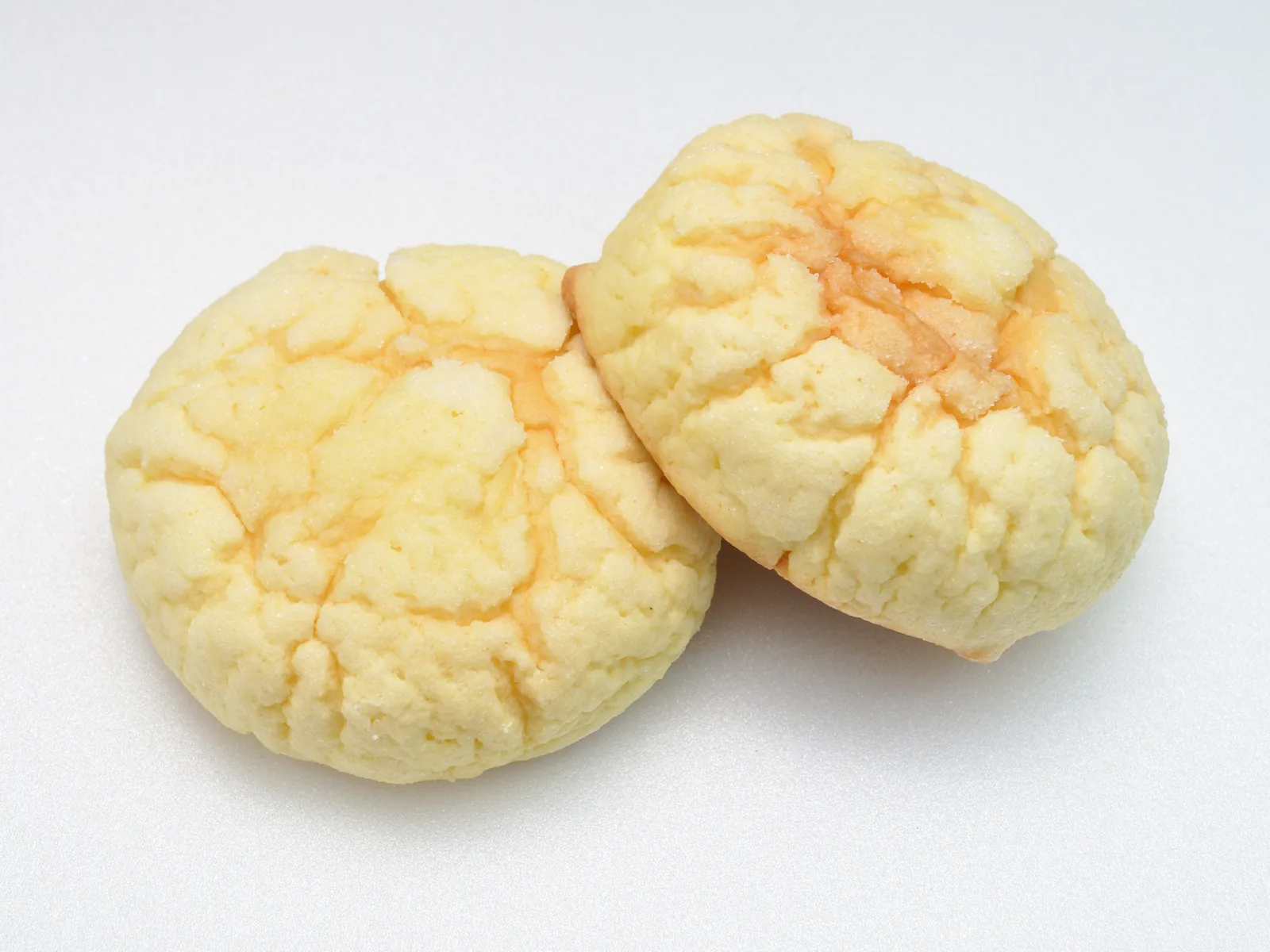
This melon pan recipe bakes soft, fluffy buns topped with a thin cookie crust scored in a crosshatch pattern, just like the buns in a Japanese bakery. One serving is about 120 g. The crust should be crisp and pale gold while the bun underneath stays light and tender.

Melon pan is a Japanese sweet bun topped with a thin cookie crust scored in a crosshatch pattern that resembles the rind of a melon — even though the bun contains no melon flavour at all. It has been sold in Japanese bakeries since the early 20th century and remains one of the country's most popular bakery buns, with flavours now ranging from chocolate chip to green tea.

Pairs well with: A cup of green tea or milky coffee, eaten warm from the oven.

Provenance

Japan flag Japan

Tokyo Bakery Classic

East & South Asia

Time Dedication

2h 15m

115m prep • 20m cook

Batch Yield

8 Servings

426 kcal per serving

1 serving ≈ 120 g

Technical Skill

Intermediate

Medium (Yeasted Baking)

Meal Timing & Digestive Fit

Breakfast

Not Advised

Lunch

Inappropriate

Dinner

Inappropriate

Snack & Tea

Ideal Light Bite

Occasions: Afternoon tea, bakery snack, lunchbox treat, Japanese baking weekend Cost: Low — about $1–2 per bun at home
Melon Pan — round golden Japanese sweet buns with a crosshatched cookie crust

Tokyo Bakery Classic

Photo: Ocdp, CC0, via Wikimedia Commons

The Heritage Formulary

Measured Ingredients

Estimated cost: Low — about $1–2 per bun at home (USD)

Made with a yeasted dough and a real butter cookie crust, baked until pale gold and crisp.

Execution Methodology & Culinary Technique

Step-by-Step Cooking Guide

Active 2h 15m
P

Prep Stage: Weigh, Warm & Mix

115 Mins • Mixing, Rising & Shaping

Weigh the flour, sugar and butter for the dough and the crust separately, warm the milk to lukewarm, and beat the eggs so both parts of the recipe come together without pauses. The dough then rises for about 60 minutes, the buns are shaped and topped, and they rest for a further 15 minutes before baking.

Maestro Tip: Keep the cookie dough chilled while the buns rise — a cold crust rolls out thin and scores cleanly.

  1. 1

    Make the Bun Dough

    15 Mins Lukewarm milk, about 35°C (95°F)

    Stir the yeast into the warm milk with 1 teaspoon of the sugar and leave for 5 minutes until foamy. Mix 400 g of the flour with 60 g of the sugar and the salt, then add the milk mixture and 1 beaten egg. Knead for 8 minutes, then work in 50 g of the butter until the dough is smooth and elastic.

    If the dough feels sticky, knead a little longer rather than adding flour — extra flour makes a heavy bun.

    Done when: Dough smooth, springy and pulling cleanly away from the bowl.

  2. 2

    First Rise

    60 Mins Warm room temperature, about 25°C (77°F)

    Cover the dough with a damp cloth and leave it in a warm place for about 60 minutes until doubled in size.

    A turned-off oven with the light on is a reliable warm spot.

    Done when: Dough doubled in size; a fingertip dent stays put.

  3. 3

    Make the Cookie Crust

    10 Mins Room temperature, about 22°C (72°F)

    While the dough rises, cream 50 g of the butter with 50 g of the sugar until pale, then beat in the remaining egg and the vanilla. Stir in 120 g of the flour and the baking powder until a soft dough forms. Wrap it and chill in the fridge.

    Do not overmix once the flour goes in, or the crust turns tough instead of crisp.

    Done when: Soft, smooth dough that holds its shape when rolled.

  4. 4

    Shape & Top the Buns

    15 Mins Room temperature, about 22°C (72°F)

    Divide the risen dough into 8 equal pieces and roll each into a smooth ball. Roll the chilled cookie dough into 8 thin discs, drape one over each bun, and press gently so it clings. Roll each topped bun in the coating sugar, then score a crosshatch pattern on the crust with the back of a knife.

    Score lightly — cutting through the crust lets the bun burst out during baking.

    Done when: Buns evenly topped, scored in a neat crosshatch, coated in sugar.

  5. 5

    Second Rise

    15 Mins Warm room temperature, about 25°C (77°F)

    Set the buns on a lined baking tray, well spaced, cover loosely and leave for 15 minutes to puff up slightly.

    Do not let them rise too long here or the crust cracks apart in the oven.

    Done when: Buns slightly puffed, crust still smooth and unbroken.

  6. 6

    Bake Until Golden

    20 Mins 180°C (350°F)

    Bake at 180°C (350°F) for 18–20 minutes until the crust is pale gold and crisp and the buns sound hollow when tapped underneath. Cool on a rack for 10 minutes before eating.

    Melon pan is best warm, while the crust is still crisp — it softens as it cools.

    Done when: Crust pale gold and crisp, buns light and hollow-sounding.

Finishing Touches & Plating

Serve the melon pan warm from the oven with green tea or coffee, while the cookie crust is still crisp against the soft bun.

Nutritional Physiology & Benefits

Nutrition

Energy

426

kcal / serving

Protein

10g

Complete AA

Carbs

67g

Complex

Fats

13g

Healthy

Per serving (8 servings · 1 serving ≈ 120 g)
Energy426 kcal
Protein10 g
Carbohydrates67 g
Fat13 g
Fibre2.0 g
Sugar17.8 g
Sodium390 mg
Per 100g
Energy355 kcal
Protein7.9 g
Carbohydrates56.2 g
Fat10.7 g
Fibre1.7 g
Sugar14.8 g
Sodium325 mg

Nutrition values are estimated — calculated from USDA FoodData Central values for the listed ingredients.

Vitamins & minerals: Provides B vitamins from the flour and eggs, calcium from the milk and butter, and a little vitamin A from the butter. Nutrition is estimated.

Made from Scratch

Flour, milk, eggs and butter — a simple bakery bun with no preservatives or mixes.

Steady Energy

About 426 kcal per bun makes this a filling afternoon snack that keeps you going.

A Lighter Sweet

The sweetness sits mostly in the thin crust, so the bun itself stays light and not overly rich.

Food Pairings

What to Eat With

To optimize nutrient absorption and elevate the sensory depth, pair with these authentic accompaniments:

Drinks

Green Tea

Unsweetened green tea balances the sweet crust and refreshes the palate between bites.

Milky Coffee

A soft milky coffee matches the buttery bun and turns the snack into a small cafe break.

Sides

Fresh Fruit

Sliced melon or berries add freshness and cut the richness of the butter crust.

Full Menus

As an Afternoon Snack

Serve after a light lunch or with tea in the afternoon — one bun is a satisfying snack on its own.

Complete menu

Serve a light soup or salad for lunch, then a warm melon pan with green tea as the afternoon snack.

Digestive Guardrails

What NOT to Combine

To prevent digestive distress, sluggishness, or palate clash, avoid pairing the dish with these elements:

Very Sweet Drinks

Sugary sodas or sweetened milk drinks alongside an already sweet bun can make the whole snack very sugary. This is general information, not medical advice.

Storing While Warm

Sealing warm buns in a bag traps steam and softens the crisp crust; cool them fully on a rack first.

General information only, not medical advice — consult a doctor for personal dietary decisions.

Who Should Eat It

Who Should Eat

  • General adultsOne bun is a satisfying snack; enjoy it warm with tea.
  • ChildrenKids love melon pan; one bun is plenty, and let it cool a little so the crust does not burn small mouths.
  • ElderlySoft and easy to eat, but the sugar means a small portion is wiser for those watching sugar.
  • Pregnant womenMade with fully baked dough and pasteurised milk; check with your clinician if you have concerns about sugar.
  • Breastfeeding womenFine in normal portions; the energy is useful, but keep the overall sugar in mind.
  • AthletesGood quick carbohydrate energy after training, though low in protein, so pair it with something protein-rich.
  • Weight gainEnergy-dense and easy to eat, so it can help add calories — a bun with milky coffee works well.
  • Weight lossAt about 426 kcal a bun, share one or eat half and save the rest; pair with unsweetened tea rather than a sweet drink.

Health Conditions — Adjust or Avoid

Conditions

  • DiabetesAbout 67 g of carbohydrate and 18 g of sugar per bun; count it carefully and ask your clinician about portion size.
  • High blood pressureModerate in sodium (about 390 mg per bun); a small portion is wiser. Ask your clinician for personal advice.
  • Kidney diseaseModerate in sodium and potassium; keep the portion small and ask your clinician.
  • GoutLow in purines; a small portion is usually fine — ask your clinician if you are unsure.
  • Stomach issuesSweet, buttery and yeasted, which can trigger reflux or bloating; a small portion eaten slowly is gentler. Ask your clinician if symptoms persist.
  • Cardiovascular diseaseContains butter and sugar; treat it as an occasional small treat rather than a regular snack. Ask your clinician.
  • Fatty liverThe sugar and energy density make large portions unhelpful; keep it occasional and small. Ask your clinician.
  • Food allergiesContains wheat (gluten), milk (butter, milk) and egg. Ask your clinician about any allergy concern.
  • Special therapeutic dietsNot suitable for low-sugar or gluten-free therapeutic diets; ask your clinician or dietitian before including it.

If you have a medical condition, consult your doctor before changing your diet.

Storage & Use

Storage & Use

How to store
Cool completely on a rack, then store in a paper bag or loosely covered container.
In the fridge
Keeps 2 days in the fridge at 4°C (40°F) or below, but the crust softens.
In the freezer
Freeze for up to 1 month in a sealed bag; thaw at room temperature.
How to reheat
Re-crisp in the oven at 180°C (350°F) for 5 minutes; do not microwave, which softens the crust.
Freezing recommended
Yes — freeze on the day of baking.
Signs it has spoiled
Stale, hard crumb, sour smell, or mould.

More recipes to explore

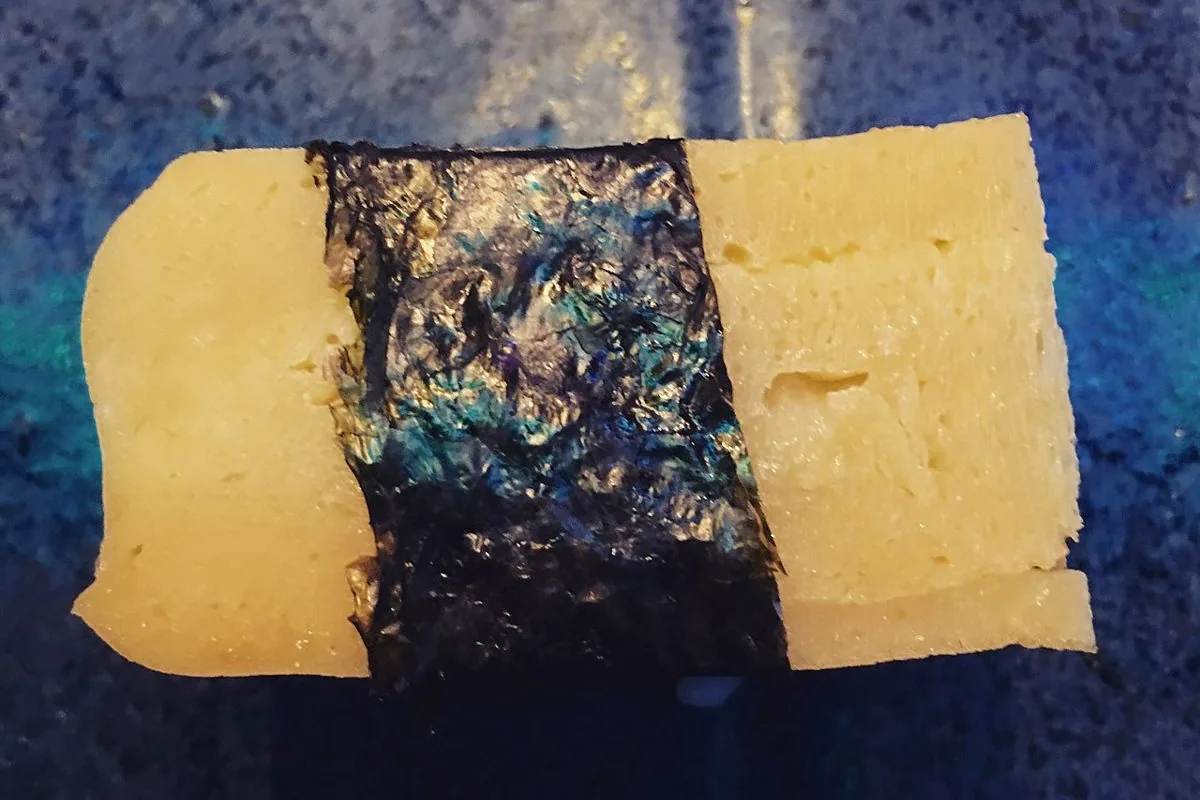
Sliced tamagoyaki rolled omelette wrapped in nori on a blue plate Japan flag Japan 25m
Breakfast •Edo Traditional

Tamagoyaki, Miso & Gohan

Dashi-infused rolled omelet served with live cultured miso broth and sea kelp for foundational gastrointestinal conditioning. One serving is about 580 g.

Digestive Gut Health

Silky rolled omelette with miso soup and steamed rice.

Pairs Well With
Fermented Natto & Sencha Green Tea
High Protein • Fermented / Gut Health • Quick Prep (<30m)
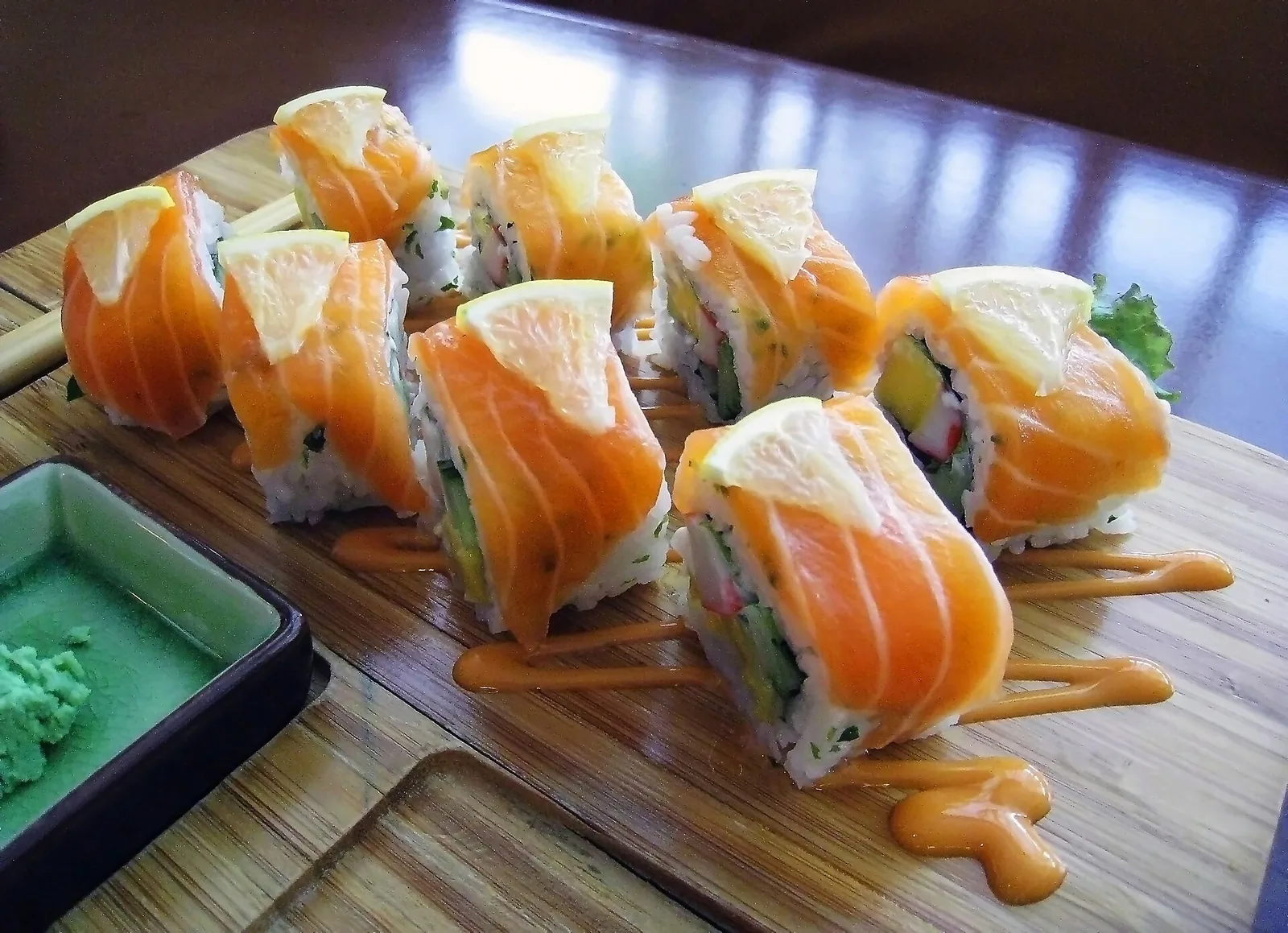
Salmon sushi rolls topped with salmon and lemon wedges on a wooden board, with wasabi Japan flag Japan 1h
Lunch •Edo-Style Sushi

Salmon Sushi Rolls (Maki)

This salmon sushi rolls recipe shows how to season sushi rice, slice sashimi-grade salmon and roll neat maki with cucumber and avocado. One serving is about 393 g — one full roll, cut into 8 pieces.

Light & Fresh

Sushi rice, sashimi-grade salmon and cucumber rolled in nori — light, fresh and protein-rich.

Pairs Well With
Miso soup, pickled ginger and a pot of green tea
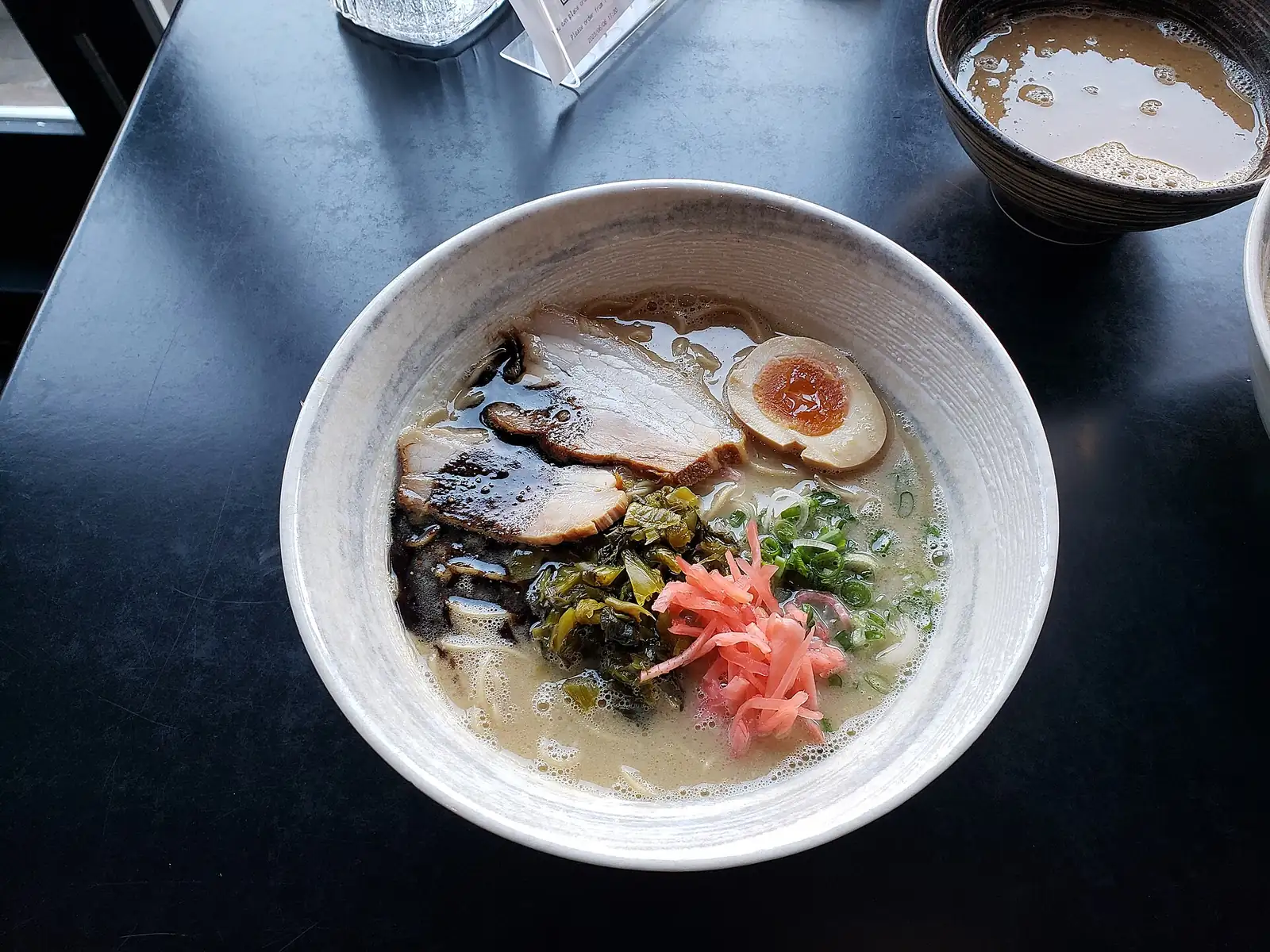
A bowl of tonkotsu ramen with chashu pork, a soft egg, spring onion and pickled ginger Japan flag Japan 3h 30m
Lunch •Hakata Yatai Style

Tonkotsu Ramen

This tonkotsu ramen recipe uses a pressure cooker to get the milky, pork-bone broth that normally takes all day, then builds the bowl with thin noodles, chashu pork and a soft egg. One serving is about 760 g.

Rich & Warming

Milky pork-bone broth, thin noodles, chashu pork and a soft egg — the richest bowl in ramen.

Pairs Well With
Gyoza, pickled ginger and a cold beer or iced barley tea
Soups & Broths • High Protein
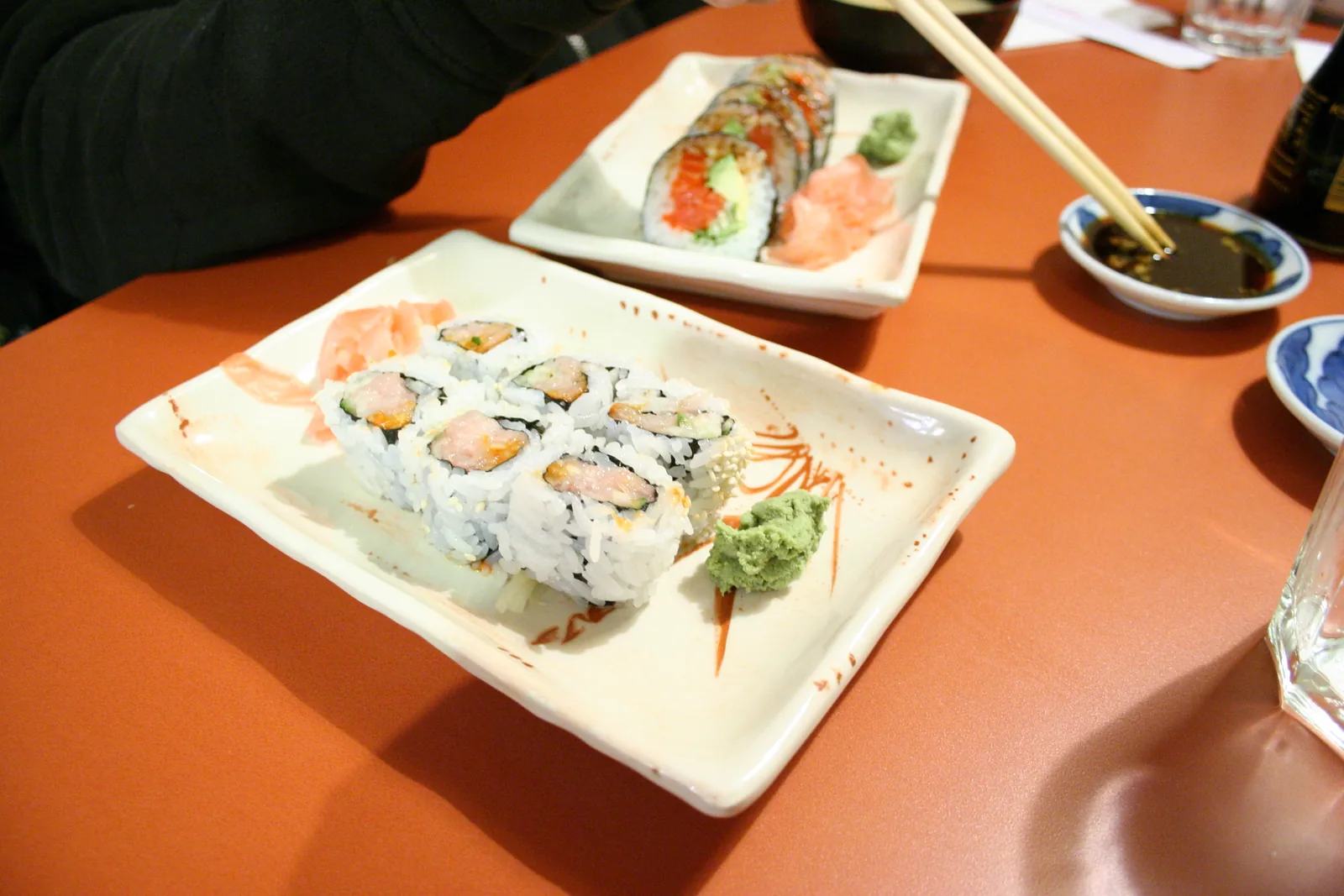
A plate of spicy tuna uramaki rolls with pickled ginger and wasabi, the pink tuna filling visible in the cut rolls Japan flag Japan 1h
Lunch •American Sushi Classic

Spicy Tuna Roll

This spicy tuna roll recipe shows how to season sushi rice, chop sashimi-grade tuna with spicy mayo, and roll neat rice-outside uramaki with cucumber and avocado. One serving is about 355 g — one full roll, cut into 8 pieces.

Light & Fresh

A cool, light sushi roll with raw tuna, cucumber and avocado — fresh, filling and quick to assemble once the rice is ready.

Pairs Well With
Miso soup, pickled ginger and iced green tea

The Dinner Gazette

Never wonder what’s for dinner again

One email a week with easy dinner ideas from around the world — ingredients, steps and nutrition, tested in our kitchen first.

Delivered every Thursday morning. Unsubscribe anytime.