

Curated recipes from 193 countries  •  New seasonal Mediterranean issue out now

Overview

Minestrone

Minestrone alla Genovese; Italian Vegetable Soup

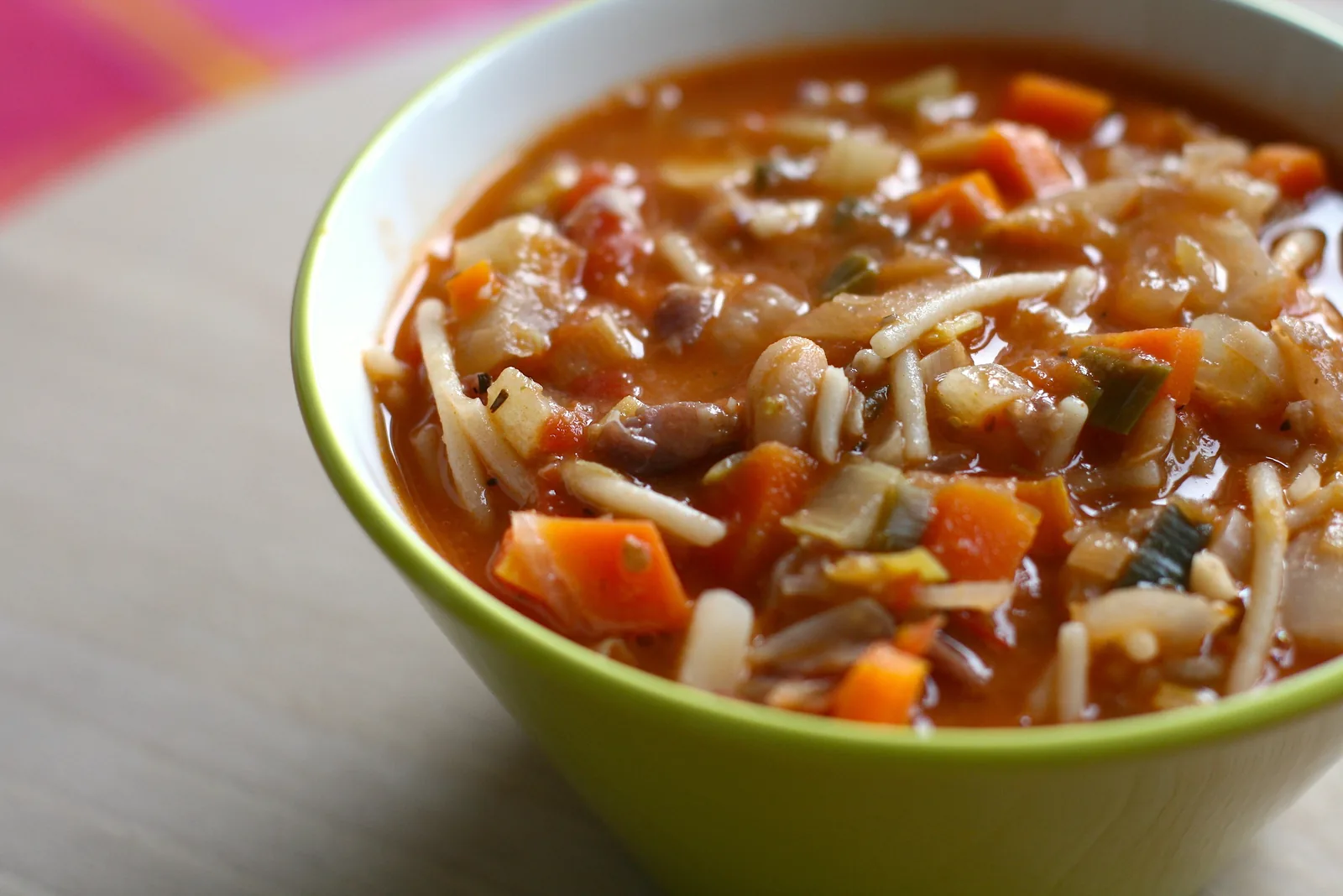
Minestrone is Italy's great vegetable soup: onion, carrot and celery softened in olive oil, then potatoes, zucchini, green beans, tomatoes and cannellini beans simmered in vegetable stock until everything is tender, with small pasta stirred in at the end. No two pots are ever the same — it is a soup built from whatever the garden has — but the shape is always this: a thick, brothy, spoon-standing bowl of vegetables, beans and pasta. One serving is about 410 g.

Minestrone is one of the oldest soups in Italy: the word comes from minestra, meaning soup, and the dish grew out of the Roman habit of cooking whatever vegetables were at hand in a pot with water and grain. It was never a fixed recipe — the Genoese version adds pesto, the Milanese version adds rice — and that flexibility is the point: minestrone is what an Italian kitchen makes from the garden, the pantry and the season.

Pairs well with: Crusty bread, olive oil & a green salad

Provenance

Italy flag Italy

Italian Classic

Mediterranean & Italy

Time Dedication

1h 5m

20m prep • 45m cook

Batch Yield

6 Servings

254 kcal per serving

1 serving ≈ 410 g

Technical Skill

Intermediate

Medium (One Pot)

Meal Timing & Digestive Fit

Breakfast

Not Advised

Lunch

Prime Metabolic Fit

Dinner

Ideal Hearty Main

Snack & Tea

Inappropriate

Soups & Broths Occasions: Family lunches, cold evenings, batch cooking, using up garden vegetables Cost: Low — about $2–3 per serving at home
A green bowl of minestrone soup with carrots, beans, pasta and tomato broth

Italian Classic

Photo: Katrin Morenz, CC BY-SA 2.0, via Wikimedia Commons

The Heritage Formulary

Measured Ingredients

Estimated cost: Low — about $2–3 per serving at home (USD)

A good minestrone is thick enough to stand a spoon in, with every vegetable still holding its shape and the beans creamy, not mushy.

Execution Methodology & Culinary Technique

Step-by-Step Cooking Guide

Active 1h 5m
P

Prep Stage: Dice the Soffritto and Vegetables

20 Mins • Prep

Dice the onion, carrots and celery small and even — this is the soffritto, the flavour base of the soup. Dice the potatoes larger, the zucchini and green beans smaller, and have the beans drained, the tomatoes open and the pasta measured before the pot gets hot. Minestrone is a soup of timing: the hard vegetables go in first, the soft ones later, and the pasta last of all.

Maestro Tip: Cut everything before you start cooking. Once the pot is on the heat, minestrone moves fast and there is no time to chop.

  1. 1

    Soften the Soffritto

    10 minutes Medium heat, about 160°C (320°F)

    Warm the olive oil in a large pot over medium heat, about 160°C (320°F). Add the onion, carrots and celery with a pinch of salt and cook, stirring, for 8 minutes until soft and sweet-smelling but not browned. Stir in the garlic and tomato paste and cook for 1 more minute.

    Do not rush the soffritto: these 10 minutes are where most of the soup's flavour comes from.

    Done when: Vegetables soft and glossy; tomato paste darkened slightly.

  2. 2

    Add Potatoes, Tomatoes and Stock

    20 minutes Gentle simmer, about 95°C (203°F)

    Add the potatoes, chopped tomatoes, vegetable stock and bay leaves. Bring to a gentle boil, then turn the heat down to a simmer, about 95°C (203°F), cover loosely and cook for 20 minutes until the potatoes are just tender.

    Keep it at a lazy simmer, not a rolling boil — hard boiling breaks the vegetables apart and clouds the broth.

    Done when: Potatoes yield easily to a fork but still hold their shape.

  3. 3

    Add the Zucchini, Beans and Green Beans

    10 minutes Gentle simmer, about 95°C (203°F)

    Stir in the zucchini, green beans and cannellini beans. Simmer for 10 more minutes until the zucchini is tender and the beans are heated through and creamy.

    The beans are already cooked, so they only need to heat through — adding them earlier would turn them to mush.

    Done when: Zucchini tender, beans creamy, broth rich and red.

  4. 4

    Stir in the Pasta

    10 minutes Gentle simmer, about 95°C (203°F)

    Stir in the ditalini and cook for 8 to 10 minutes, until the pasta is just tender. The soup will thicken as the pasta releases starch — that is exactly what you want. Fish out the bay leaves.

    Cook the pasta in the soup, not separately: the starch it releases is what gives minestrone its body.

    Done when: Pasta al dente; soup thick enough to coat a spoon.

  5. 5

    Season and Serve

    5 minutes Serving hot, about 74°C (165°F)

    Taste and season with salt. Ladle into wide bowls, drizzle with the remaining olive oil and scatter torn basil over the top. Serve hot, with crusty bread.

    Minestrone thickens as it sits, so if it rests before serving, loosen it with a splash of hot water or stock.

    Done when: Seasoned, hot and steaming, about 74°C (165°F) or above.

Finishing Touches & Plating

Ladle into wide bowls and finish with a thread of good olive oil and a few torn basil leaves. Minestrone tastes even better the next day, once the beans and pasta have soaked up the broth.

Nutritional Physiology & Benefits

Nutrition

Energy

254

kcal / serving

Protein

9g

Complete AA

Carbs

42g

Complex

Fats

6g

Healthy

Per serving (6 servings · 1 serving ≈ 410 g)
Energy254 kcal
Protein9 g
Carbohydrates42 g
Fat6 g
Fibre7.1 g
Sugar7.0 g
Sodium765 mg
Per 100g
Energy62 kcal
Protein2.2 g
Carbohydrates10.3 g
Fat1.4 g
Fibre1.7 g
Sugar1.7 g
Sodium187 mg

Nutrition values are estimated — calculated from USDA FoodData Central values for the listed ingredients.

Vitamins & minerals: Vitamin A and vitamin C (carrots, tomatoes, zucchini), folate and iron (cannellini beans), vitamin K (celery, basil).

Fibre and Slow Energy

Beans, pasta and potatoes give slow-release energy, and the 7 g of fibre per serving helps the meal keep you full for hours.

Beans, Vitamins and Iron

Cannellini beans bring plant protein and iron, while tomatoes and carrots add vitamin A and vitamin C to the same bowl.

A Pot Full of Vegetables

Seven different vegetables go into one pot, so a single bowl covers a large share of a day's vegetable intake.

Food Pairings

What to Eat With

To optimize nutrient absorption and elevate the sensory depth, pair with these authentic accompaniments:

Sides

Crusty Bread

Crusty bread is made for this soup: it soaks up the tomato broth and turns the last spoonfuls into the best part of the bowl.

Vegetables

Simple Green Salad

A sharp, lemon-dressed green salad cuts through the rich tomato broth and gives the meal a fresh, crisp contrast.

Drinks

Light Red Wine

A light, fruity red wine matches the tomato and bean richness without overpowering the vegetables.

Full Menus

Bread, Salad and Soup

The soup is the main event; a small salad and bread beside it make it a complete, unhurried lunch.

Complete menu

Serve the minestrone as the main bowl with crusty bread and olive oil for dipping, followed by a simple green salad; a glass of light red wine suits it in the evening.

Digestive Guardrails

What NOT to Combine

To prevent digestive distress, sluggishness, or palate clash, avoid pairing the dish with these elements:

A Huge Bowl on an Empty Stomach

A large bowl of high-fibre soup eaten very fast can cause bloating in people who are not used to beans; eat slowly and build up bean portions over time. This is general information, not medical advice.

Cheese on a Vegan Bowl

Adding grated cheese at the table makes the soup no longer vegan and adds a lot of salt; if you keep the dish vegan, leave the cheese off entirely. This is general information, not medical advice.

General information only, not medical advice — consult a doctor for personal dietary decisions.

Who Should Eat It

Who Should Eat

  • General adultsA filling, fibre-rich bowl that works as a whole lunch on its own, with vegetables, beans and pasta in one pot.
  • ChildrenGood for children: soft vegetables and pasta in a mild tomato broth; cut the vegetables small and go easy on the chilli flakes.
  • ElderlySoft-cooked vegetables and beans are easy to chew and digest; serve it warm rather than piping hot.
  • Pregnant womenA nourishing choice with folate from the beans and greens; make sure the soup is served steaming hot.
  • Breastfeeding womenA hearty, hydrating bowl with beans and vegetables; keep portions generous and drink water alongside.
  • AthletesGood recovery food: carbohydrate from pasta and potatoes plus protein and fibre from the beans.
  • Weight gainEasy to eat in a big bowl; add an extra ladle of pasta or a slice of bread with olive oil to raise the energy.
  • Weight lossA generous 410 g serving for about 254 kcal, with 7 g of fibre that keeps you full — a strong choice for lighter eating.

Health Conditions — Adjust or Avoid

Conditions

  • DiabetesThe pasta and potatoes raise blood sugar, so keep to one serving and load the bowl with vegetables; ask your clinician about your carbohydrate target.
  • High blood pressureUse low-sodium stock as written and do not add salt at the table; ask your clinician about your daily sodium target.
  • Kidney diseaseBeans, potatoes and tomatoes are high in potassium, so keep servings modest and ask your clinician about your potassium limit.
  • GoutBeans are moderately high in purines; a normal serving is usually fine, but ask your clinician if you have frequent flares.
  • Stomach issuesBeans and raw onion can cause gas; the long simmer helps, and soaking dried beans (if you use them) helps more — ask your clinician if symptoms persist.
  • Cardiovascular diseaseLow in saturated fat and rich in vegetables and fibre; keep the salt low and ask your clinician about your sodium target.
  • Fatty liverHigh in fibre and low in fat with no added sugar; ask your clinician about your overall diet.
  • Food allergiesContains gluten (pasta) and legumes; the soup is nut-free and dairy-free as written, but check your own triggers.
  • Special therapeutic dietsNaturally vegan and dairy-free; for a gluten-free version use gluten-free pasta, and check the stock label with your clinician if you follow a prescribed diet.

If you have a medical condition, consult your doctor before changing your diet.

Storage & Use

Storage & Use

How to store
Cool completely, then store in airtight containers with a lid.
In the fridge
Keeps 4 days in the fridge at 4°C (40°F) or below.
In the freezer
Up to 3 months in freezer-safe containers; thaw overnight in the fridge.
How to reheat
Reheat in a saucepan until steaming and bubbling, to 74°C (165°F); add a splash of water or stock, as the pasta absorbs broth overnight.
Freezing recommended
Yes — but freeze it before adding the pasta if you can, and cook fresh pasta when reheating.
Signs it has spoiled
Sour smell, slimy texture, mould on the surface, or fizzing.

More recipes to explore

Tagliatelle al ragù Bolognese in a bowl with Parmigiano-Reggiano Italy flag Italy 4h 25m
Lunch •Emilia-Romagna

Tagliatelle al Ragù Bolognese

Slow-braised soffritto and coarse ground heritage meats layered over handmade egg yolk dough for mid-day stamina.

Lean Protein

Slow-simmered beef ragù tossed through fresh egg tagliatelle.

Pairs Well With
Bitter Radicchio & Aged Balsamico di Modena
Pasta & Noodles • High Protein
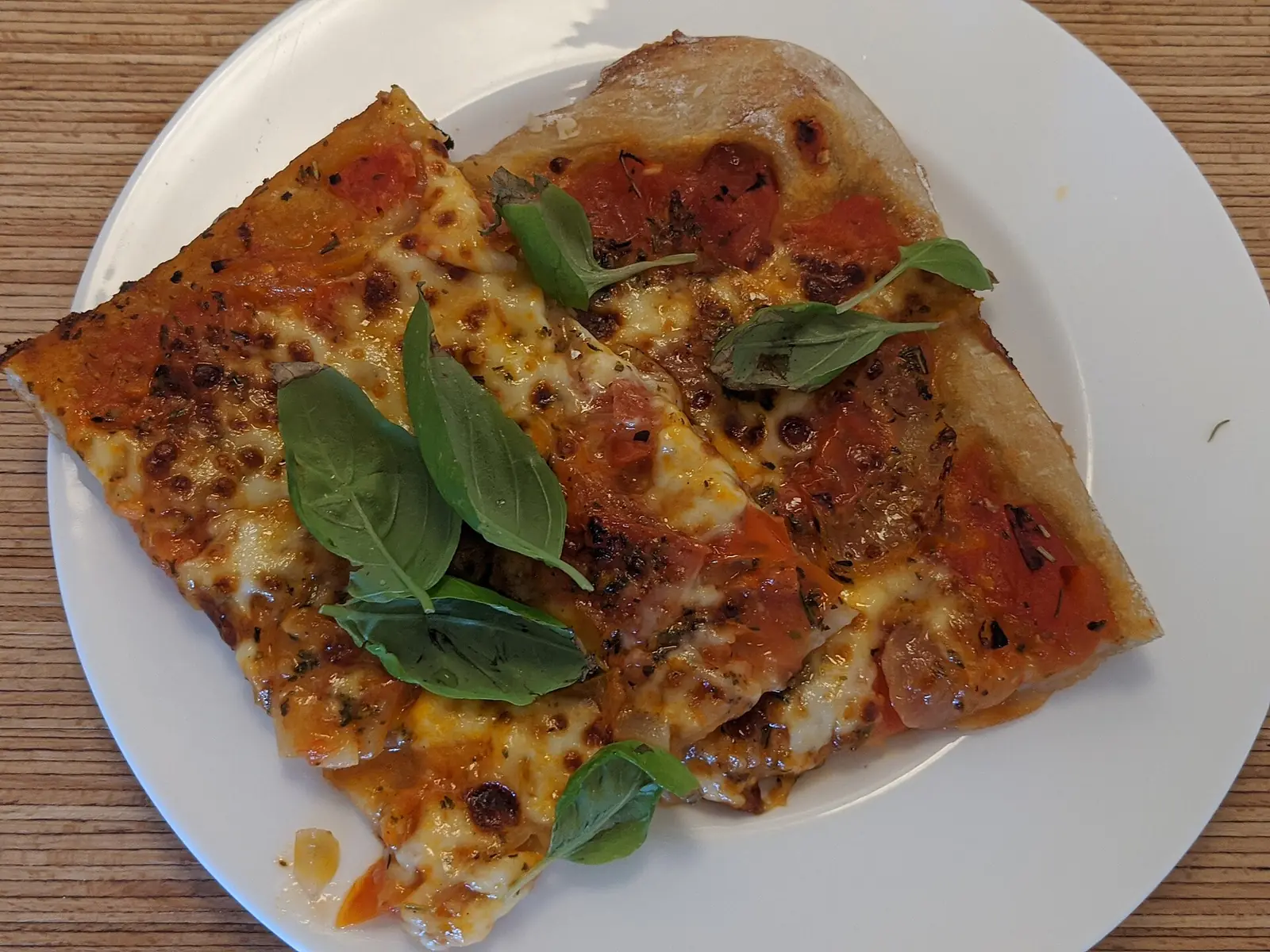
Two slices of pizza margherita with tomato, melted mozzarella and fresh basil on a white plate Italy flag Italy 45m
Dinner •Naples Classic

Pizza Margherita

This pizza margherita recipe makes a proper Neapolitan-style pizza at home: a soft, airy dough, San Marzano tomato sauce, fior di latte mozzarella and fresh basil. One serving is about 325 g — two slices.

Simple & Satisfying

Wood-fired-style pizza with tomato, fior di latte mozzarella and basil — three ingredients, done properly.

Pairs Well With
A simple green salad and a glass of Chianti or sparkling water
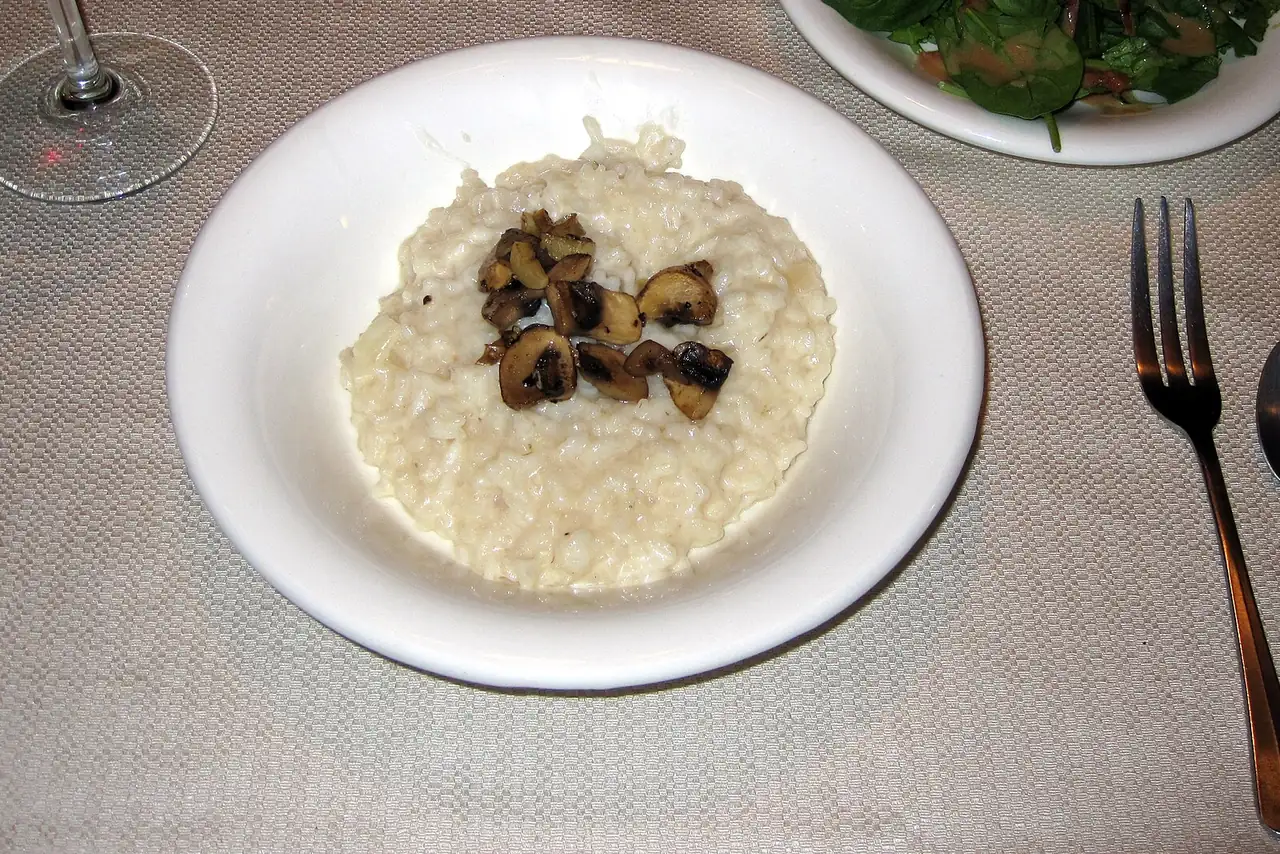
A bowl of creamy mushroom risotto topped with sautéed mushrooms, with a spinach salad beside it Italy flag Italy 50m
Dinner •Milanese Classic

Mushroom Risotto

This mushroom risotto recipe stirs Arborio rice slowly with hot stock, white wine and two kinds of mushrooms, then finishes it the Milanese way with cold butter and Parmesan. One serving is about 500 g.

Comfort & Warmth

Creamy Arborio rice, slowly stirred with mushrooms, white wine and Parmesan.

Pairs Well With
A rocket and Parmesan salad and a glass of dry white wine
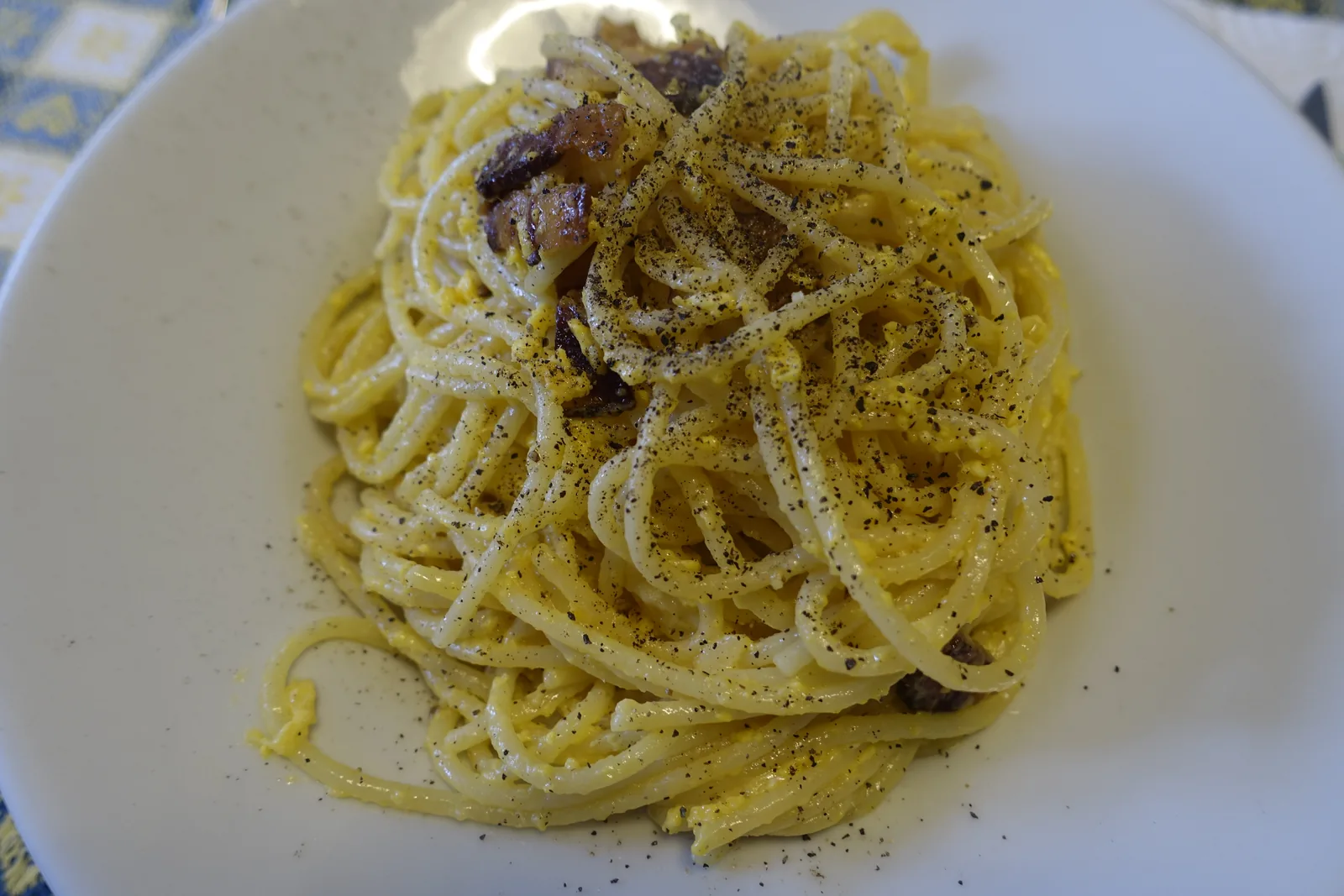
A plate of spaghetti carbonara with golden egg sauce, crisp guanciale and black pepper Italy flag Italy 30m
Dinner •Roman Classic

Spaghetti Carbonara

This spaghetti carbonara recipe is the Roman classic as it should be: spaghetti tossed with crisp guanciale, egg yolks, Pecorino Romano and black pepper — no cream, no bacon, no garlic. One serving is about 275 g. It takes 30 minutes, and the sauce comes together in the time the pasta cooks.

Comfort & Rich

Silky egg-and-cheese sauce over spaghetti with crisp guanciale and black pepper, ready in 30 minutes.

Pairs Well With
Pecorino Romano, black pepper & a crisp white wine
Pasta & Noodles • Quick Prep (<30m)

The Dinner Gazette

Never wonder what’s for dinner again

One email a week with easy dinner ideas from around the world — ingredients, steps and nutrition, tested in our kitchen first.

Delivered every Thursday morning. Unsubscribe anytime.