Curated recipes from 193 countries  •  New seasonal Mediterranean issue out now

Overview

Molotof

Pudim de Claras, Pudim Molotov, Portuguese Meringue Pudding

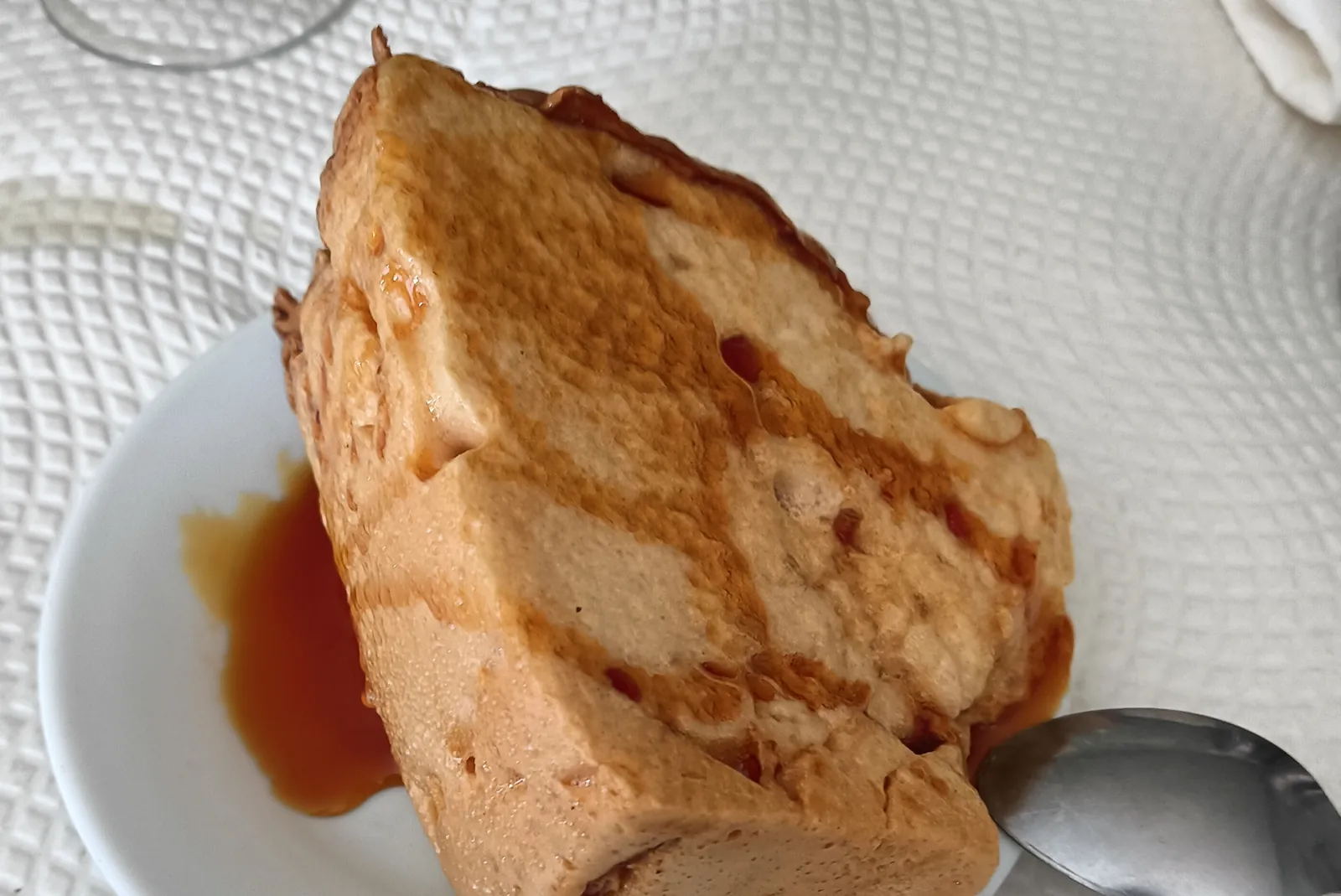
This molotof recipe is Portugal's airy meringue pudding: egg whites whipped to stiff peaks with sugar, folded with caramel and baked in a water bath until it rises high above the mould, then served cool in slices under golden caramel. One serving is about 82 g.

Molotof is Portugal's answer to a practical problem: the country's convent sweets are famously rich in egg yolks, and the whites had to go somewhere. The pudding was first called malakoff, after the Malakoff redoubt taken by the French in the Crimean War in 1855, and the name shifted to molotof in the Second World War years, when the Soviet foreign minister Vyacheslav Molotov's name was on everyone's lips. It is a Christmas and Easter favourite, when yolk-rich sweets leave plenty of whites behind.

Pairs well with: Espresso, fresh berries & a glass of port

Provenance

Portugal flag Portugal

Portuguese Convent Sweet

Mediterranean & Italy

Time Dedication

45m

25m prep • 20m cook

Batch Yield

8 Servings

193 kcal per serving

1 serving ≈ 82 g

Technical Skill

Intermediate

Medium (One Ring Mould)

Meal Timing & Digestive Fit

Breakfast

Not Advised

Lunch

Inappropriate

Dinner

Inappropriate

Snack & Tea

Ideal Light Bite

Occasions: Christmas, Easter, family celebrations, restaurant desserts Cost: Low — about $1 per serving at home
A slice of golden molotof pudding with caramel sauce on a white plate, with a spoon beside it

Portuguese Convent Sweet

Photo: Super nabla, CC BY-SA 4.0, via Wikimedia Commons

The Heritage Formulary

Measured Ingredients

Estimated cost: Low — about $1 per serving at home (USD)

A classic Portuguese meringue pudding: egg whites, sugar and caramel, baked in a water bath and served cool.

Execution Methodology & Culinary Technique

Step-by-Step Cooking Guide

Active 45m
P

Make the Caramel & Whip the Whites

25 Mins • One Ring Mould

Melt 150g of the sugar to a deep amber caramel, loosen it with the water and swirl it around a 22 cm ring mould so it coats the base and sides. In a spotless, dry bowl, beat the egg whites with a pinch of salt, adding 200g of sugar a spoonful at a time, until the meringue is stiff and glossy, then fold in a spoonful of the warm caramel and the vanilla.

Maestro Tip: Any grease or speck of yolk in the bowl will stop the whites whipping — wipe the bowl with lemon juice first.

  1. 1

    Make the Caramel

    10 Mins Medium-low heat, about 170°C (340°F)

    Put 150g of the sugar in a small heavy pan over medium-low heat and cook without stirring, swirling the pan now and then, until it melts to a deep amber caramel. Take it off the heat, carefully stir in the 45ml of water — it will hiss and steam — and swirl the hot caramel around the inside of a 22 cm ring mould so it coats the base and sides.

    Do not stir the sugar while it melts, or it can crystallise and turn grainy.

    Done when: The caramel is deep amber, smooth and coats the mould in a thin even layer.

  2. 2

    Whip the Egg Whites

    10 Mins Room temperature, about 22°C (72°F)

    Put the egg whites in a spotless, dry bowl with the pinch of salt and the vanilla, and beat on low until foamy. Add 200g of the sugar a tablespoon at a time, then raise the speed and beat for 6 to 8 minutes until the meringue is stiff and glossy — tip the bowl and nothing should slide.

    Stop beating at stiff, glossy peaks; overbeaten whites turn dry and grainy and will not fold smoothly.

    Done when: The meringue holds a firm peak when the whisk is lifted and looks shiny, not dull.

  3. 3

    Fold and Fill the Mould

    5 Mins Room temperature, about 22°C (72°F)

    Fold 3 tablespoons of the warm caramel from the mould into the meringue with a large metal spoon — this gives the pudding its faint coffee colour and caramel note through the middle. Spoon the meringue into the caramel-lined mould, smooth the top and tap the mould once on the counter to settle it.

    Fold gently in wide strokes so you keep the air in the meringue.

    Done when: The mould is filled evenly with no large air pockets, and the top is smooth.

  4. 4

    Bake in a Water Bath

    20 Mins 200°C (400°F)

    Set the mould in a deep roasting tin, pour boiling water into the tin until it comes halfway up the mould, and bake at 200°C (400°F) for 18 to 20 minutes until the pudding has risen well above the rim and turned golden on top. Do not open the oven door while it bakes.

    The water bath keeps the heat gentle so the pudding rises evenly instead of cracking.

    Done when: The pudding is risen high, golden on top and firm to a gentle touch.

  5. 5

    Rest in the Turned-Off Oven

    30 Mins Cooling oven, about 100°C (210°F) falling

    Turn the oven off and leave the pudding inside with the door closed for 30 minutes. It will settle back down as it cools — this is normal and is what keeps it from collapsing suddenly.

    Opening the door early lets cold air in and the pudding can sink and wrinkle.

    Done when: The pudding has settled back to just above the rim, with a smooth golden top.

  6. 6

    Unmould, Chill and Serve

    10 Mins Room temperature, about 22°C (72°F)

    Run a thin knife around the edge, place a serving plate over the mould and flip it over in one confident movement. Lift the mould away so the caramel runs down over the pudding, then chill for at least 1 hour and serve in cool slices with the extra caramel spooned over.

    If the pudding sticks, dip the base of the mould briefly in hot water to loosen the caramel.

    Done when: The pudding stands tall on the plate, glossy with caramel, and slices cleanly.

Finishing Touches & Plating

Serve the molotof well chilled, in generous slices, with the caramel from the mould spooned over each portion and a strong espresso alongside.

Nutritional Physiology & Benefits

Nutrition

Energy

193

kcal / serving

Protein

5g

Complete AA

Carbs

44g

Complex

Fats

0g

Healthy

Per serving (8 servings · 1 serving ≈ 82 g)
Energy193 kcal
Protein5 g
Carbohydrates44 g
Fat0 g
Fibre0.0 g
Sugar44.0 g
Sodium118 mg
Per 100g
Energy234 kcal
Protein5.5 g
Carbohydrates53.5 g
Fat0.1 g
Fibre0 g
Sugar53.5 g
Sodium143 mg

Nutrition values are estimated — calculated from USDA FoodData Central values for the listed ingredients.

Vitamins & minerals: B vitamins and selenium (egg whites), small amounts of calcium and iron (egg whites).

Almost Fat-Free

With about 0.1 g of fat per serving, molotof is one of the lightest desserts you can bake.

Light Protein

About 4.5 g of protein per serving from the egg whites, in a pudding that feels like eating a cloud.

No Butter, No Cream

Egg whites, sugar and caramel are all it takes — there is no butter, cream or flour in the pudding.

Food Pairings

What to Eat With

To optimize nutrient absorption and elevate the sensory depth, pair with these authentic accompaniments:

Drinks

Espresso

A short, strong espresso is the Portuguese way to eat molotof — its bitterness cuts the sweetness of the caramel.

Port Wine

A small glass of tawny port echoes the caramel notes and turns the pudding into a proper celebration dessert.

Sides

Fresh Berries

A few raspberries or strawberries add tartness and colour, and their juice balances the sweet caramel.

More Pairings

Egg-Yolk Sauce

The classic Portuguese accompaniment is a thin yolk sauce, made from the yolks left over from other sweets — it is the other half of the same eggs.

Complete menu

Molotof with espresso, fresh berries and a small glass of tawny port.

Digestive Guardrails

What NOT to Combine

To prevent digestive distress, sluggishness, or palate clash, avoid pairing the dish with these elements:

A Second Helping on Top of a Sweet Slice

One slice already carries about 44.0 g of sugar; a second slice doubles the sugar without adding anything new. This is general nutrition information, not medical advice.

Opening the Oven Door While It Bakes

A blast of cold air makes the risen pudding sink and wrinkle — leave the door shut until the baking time is done. This is general food information, not medical advice.

General information only, not medical advice — consult a doctor for personal dietary decisions.

Who Should Eat It

Who Should Eat

  • General adultsA light, fat-free dessert to enjoy in moderation; one slice is a reasonable portion.
  • ChildrenChildren usually love the sweet, airy texture; serve a small slice, as it is very sweet.
  • ElderlySoft, light and easy to swallow; a small slice suits most older adults.
  • Pregnant womenAbout 44.0 g of carbohydrate and 44.0 g of sugar per serving; keep to one small slice and ask your clinician about portion size.
  • Breastfeeding womenFine as an occasional treat in a small portion; the egg whites are fully baked through.
  • AthletesA light dessert after training; pair it with a protein-rich meal, as the pudding itself is low in protein.
  • Weight gainAbout 193 kcal per slice makes it a light sweet; one slice can add energy without much fat.
  • Weight lossBest kept to an occasional small slice; the sugar adds up quickly, so ask your clinician about fitting it into your plan.

Health Conditions — Adjust or Avoid

Conditions

  • DiabetesAbout 44.0 g of carbohydrate and 44.0 g of sugar per serving; keep to one small slice and ask your clinician about portion size.
  • High blood pressureAbout 118 mg of sodium per serving is modest, but the sugar means a small portion is wise; ask your clinician if you follow a low-sodium plan.
  • Kidney diseaseThe pudding is low in protein and high in sugar, so it fits only as an occasional small treat; ask your clinician about portion size.
  • GoutEgg whites are very low in purines, but the sugar adds calories without much nutrition; enjoy rarely and ask your clinician if unsure.
  • Stomach issuesThe sweet, airy pudding is usually gentle on the stomach, but a large portion can feel too sweet; eat slowly and ask your clinician if symptoms flare.
  • Cardiovascular diseaseAbout 0.1 g of fat per serving is very low; the sugar is the main concern, so keep to one small slice and ask your clinician about your overall sugar intake.
  • Fatty liverThe sugar adds up quickly; keep to one small slice and ask your clinician about how often it fits your plan.
  • Food allergiesContains egg. Do not serve to anyone with an egg allergy; ask your clinician if you are unsure.
  • Special therapeutic dietsNot suitable as a regular food for therapeutic diets that limit sugar; ask your clinician before including it.

If you have a medical condition, consult your doctor before changing your diet.

Storage & Use

Storage & Use

How to store
Keep covered in the mould or on its plate in the fridge.
In the fridge
Up to 3 days in the fridge, covered; serve chilled.
In the freezer
Do not freeze — the airy meringue collapses and turns watery on thawing.
How to reheat
Do not reheat — molotof is served chilled.
Freezing recommended
No — freezing ruins the light, airy texture.
Signs it has spoiled
Sour smell, weeping liquid or a slimy surface mean the pudding should be thrown away.

More recipes to explore

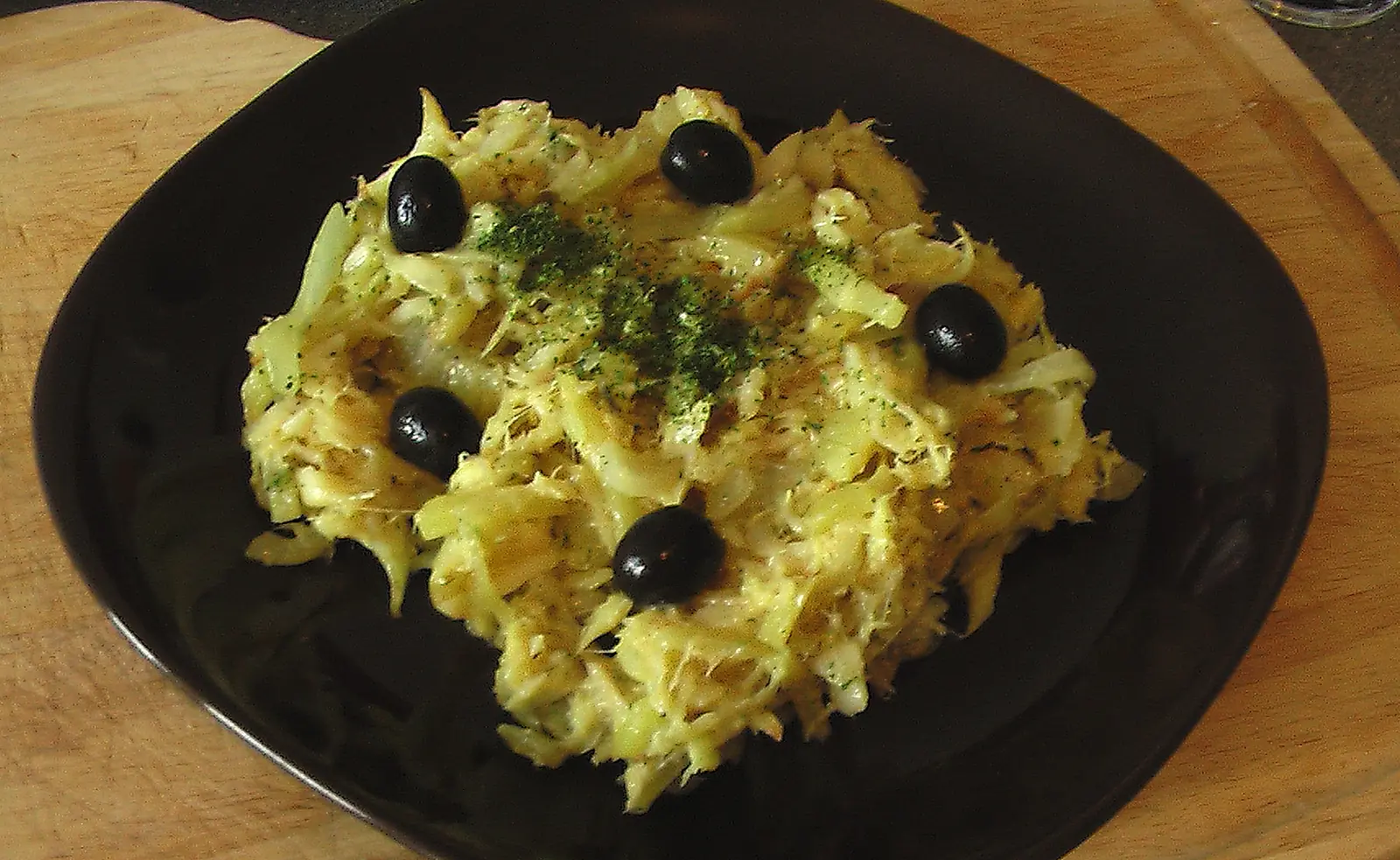
A plate of bacalhau à brás — shredded salt cod with egg and matchstick potatoes, black olives and parsley Portugal flag Portugal 50m
Dinner •Lisbon Tavern Classic

Bacalhau à Brás

Bacalhau à brás recipe: desalted shredded cod, golden matchstick potatoes and softly scrambled egg, finished with black olives and parsley. One serving is about 350 g.

Comfort & Protein

Shredded salt cod folded with egg and crisp matchstick potatoes — a filling, protein-rich Lisbon supper.

Pairs Well With
A simple green salad and a glass of vinho verde
High Protein
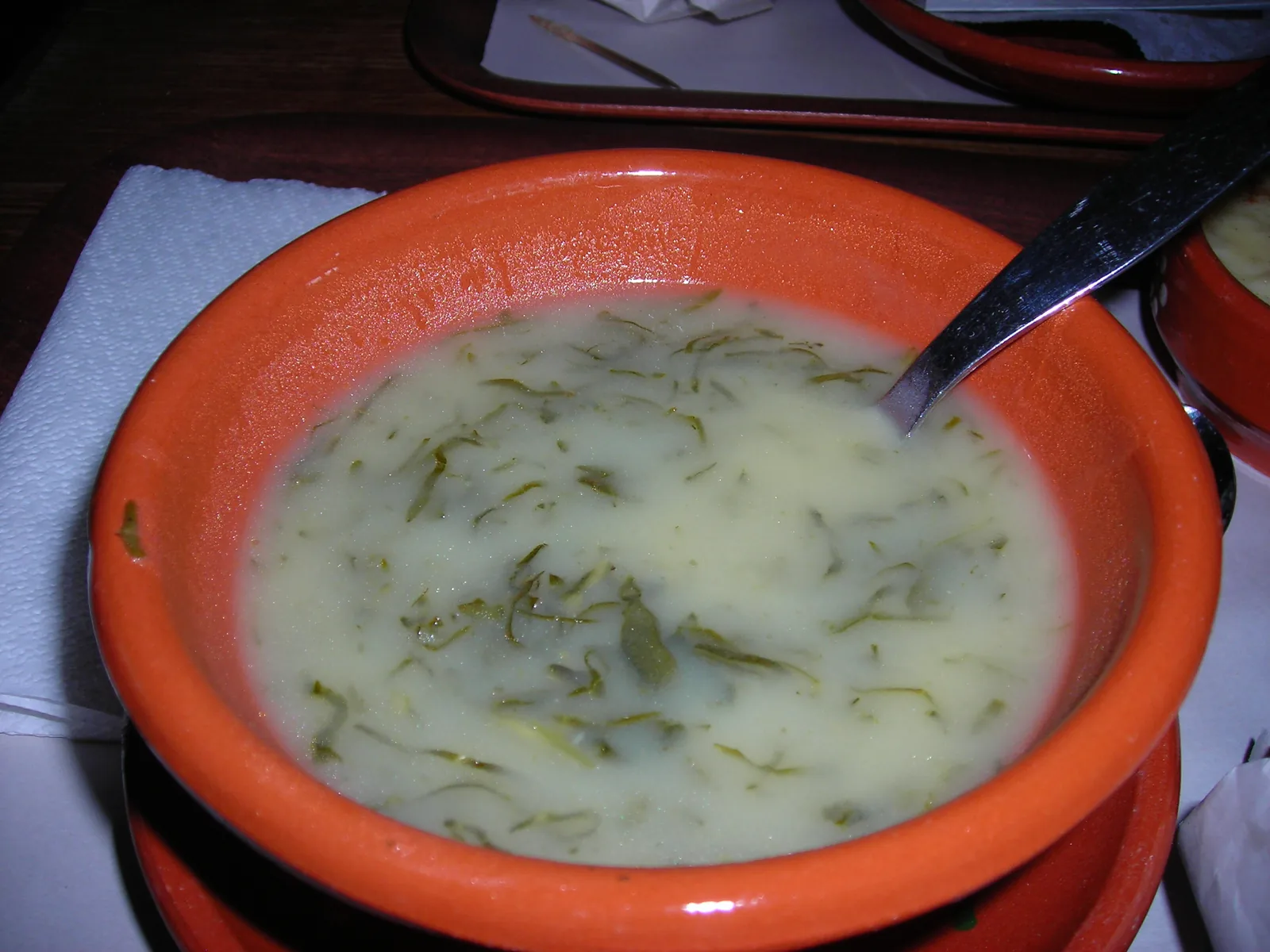
A terracotta bowl of caldo verde — pale potato soup with shredded green kale and a spoon Portugal flag Portugal 50m
Dinner •Minho National Soup

Caldo Verde

Caldo verde recipe: creamy potato soup blended smooth, with ribbons of kale and slices of chouriço, finished with a thread of olive oil. One serving is about 590 g.

Comfort & Warmth

Silky potato soup with finely shredded kale and smoky chouriço — Portugal's best-loved bowl.

Pairs Well With
Crusty broa bread and a glass of vinho verde
Soups & Broths
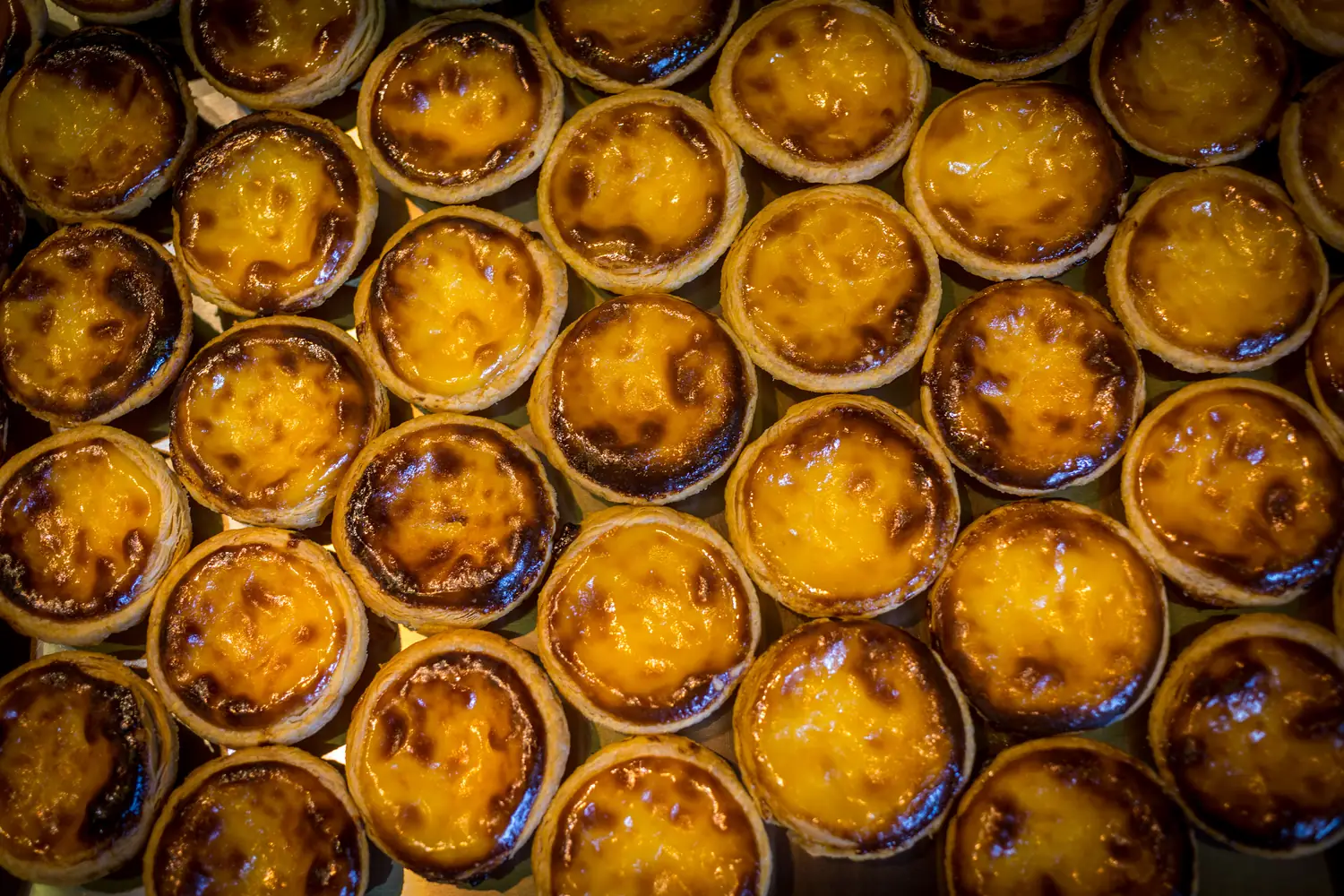
A tray of pastel de nata — golden custard tarts with blistered, caramelised tops in flaky pastry Portugal flag Portugal 50m
Snack & Tea •Belém Monastery Tart

Pastel de Nata

Pastel de nata recipe: shatteringly crisp puff pastry shells filled with warm, vanilla-cinnamon egg custard, baked until blistered on top. One serving is about 187 g (2 tarts).

Sweet Treat

Crisp, flaky pastry cups filled with cinnamon-scented egg custard, blistered in a very hot oven.

Pairs Well With
A small strong coffee (bica) and a dusting of cinnamon
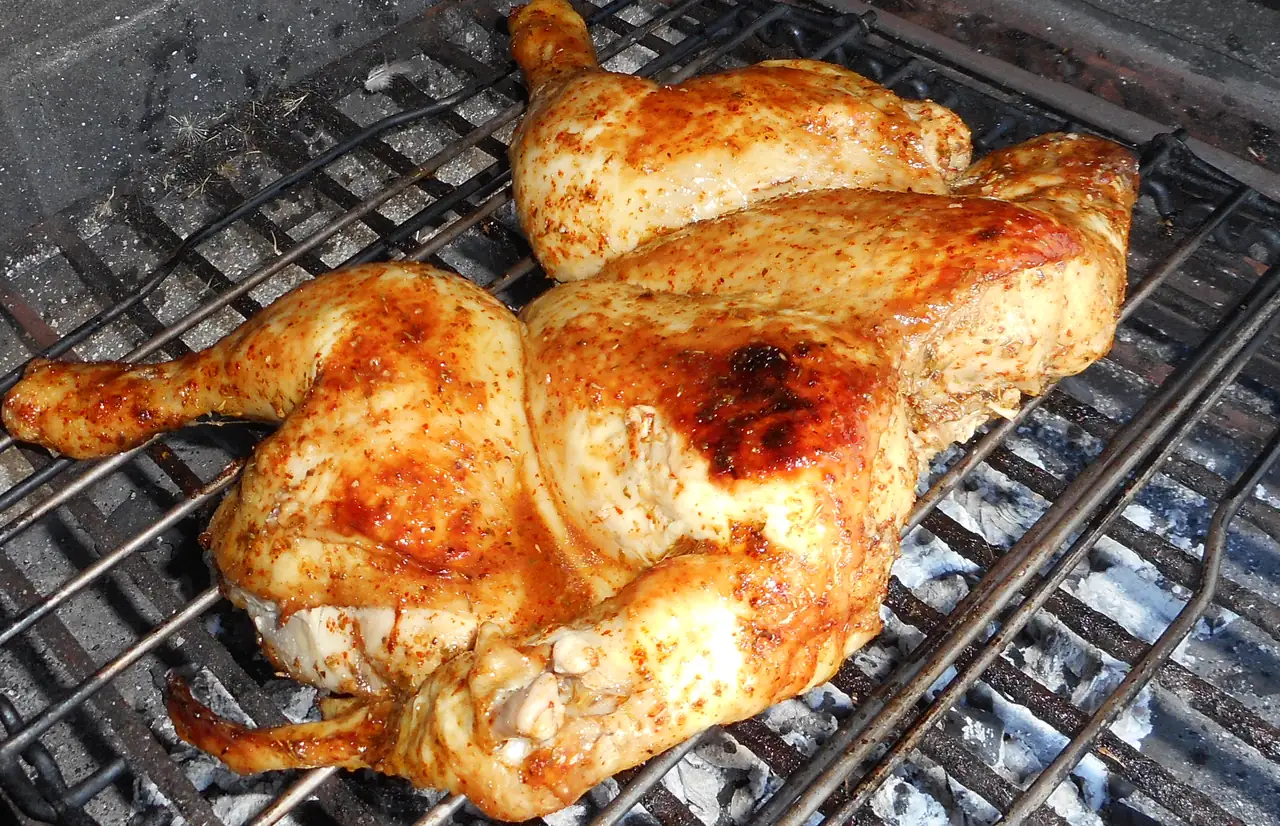
Butterflied piri piri chicken grilling over charcoal, golden-red with chilli spice Portugal flag Portugal 55m
Dinner •Algarve Heritage

Frango Piri Piri

Frango piri piri is Portugal's most famous chicken: a whole bird butterflied flat, rubbed with a fiery paste of piri piri chillies, garlic, lemon and paprika, then grilled over charcoal until the skin turns crisp and red-gold. This piri piri chicken recipe is the Algarve way — an overnight marinade, a hot grill, and a warm butter baste at the end. One serving is about 210 g.

Spicy Char-Grill

A butterflied chicken marinated in piri piri chilli, garlic and lemon, grilled over charcoal until the skin is crisp and reddened.

Pairs Well With
Chips, tomato-onion salad and a cold beer.
High Protein

The Dinner Gazette

Never wonder what’s for dinner again

One email a week with easy dinner ideas from around the world — ingredients, steps and nutrition, tested in our kitchen first.

Delivered every Thursday morning. Unsubscribe anytime.