
Curated recipes from 193 countries  •  New seasonal Mediterranean issue out now

Overview

Mooncakes

Yue Bing — Mid-Autumn Mooncakes

This mooncakes recipe shows how to make classic Cantonese-style mooncakes at home — a golden syrup dough wrapped around lotus seed paste and a salted egg yolk, pressed in a mould and baked until glossy. One serving is about 111 g — one whole mooncake.

Mooncakes have been eaten at the Mid-Autumn Festival — the fifteenth day of the eighth lunar month, when the moon is at its fullest — for centuries, and the round cake with its golden yolk is a symbol of the full moon and of family reunion. The Cantonese baked version, with its thin, dark, syrup-based crust and dense lotus or bean filling, became the best-known style, and families still give boxes of mooncakes as gifts each autumn.

Pairs well with: Hot Chinese tea, fresh fruit and good company

Provenance

China flag China

Mid-Autumn Festival Classic

East & South Asia

Time Dedication

1h 55m

90m prep • 25m cook

Batch Yield

8 Servings

434 kcal per serving

1 serving ≈ 111 g

Technical Skill

Advanced

Advanced (Moulding & Baking)

Meal Timing & Digestive Fit

Breakfast

Not Advised

Lunch

Inappropriate

Dinner

Inappropriate

Snack & Tea

Ideal Light Bite

Occasions: Mid-Autumn Festival, family gatherings, festive gifts, afternoon tea Cost: Medium — about $2–3 per mooncake at home
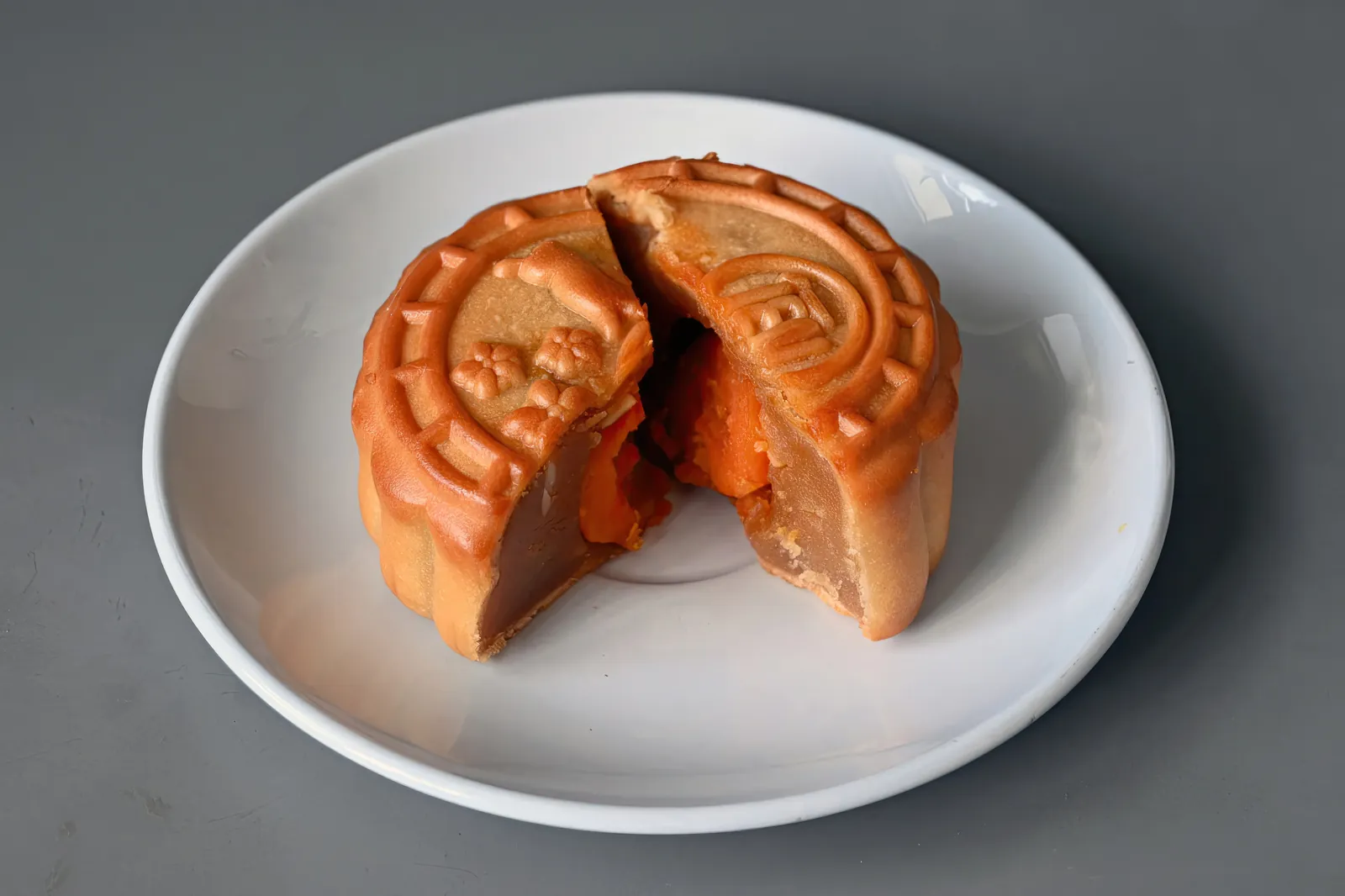
A golden-brown mooncake cut open on a white plate, showing lotus paste and a bright orange salted egg yolk

Mid-Autumn Festival Classic

Photo: Choo Yut Shing, CC BY 2.0, via Wikimedia Commons

The Heritage Formulary

Measured Ingredients

Estimated cost: Medium — about $2–3 per mooncake at home (USD)

The dough rests, the cakes are moulded and baked until golden, then rested again so the crust softens.

Execution Methodology & Culinary Technique

Step-by-Step Cooking Guide

Active 1h 55m
P

Prep Stage: Make the Dough and Shape the Filling

60 Mins • Dough Work

Stir the golden syrup, peanut oil and alkaline water together, fold in the sifted flour to a soft dough, and leave it to rest for 1 hour. While it rests, bake the salted yolks briefly to firm them, then wrap each yolk in a ball of lotus paste. The dough must rest — skip it and the crust cracks in the mould.

Maestro Tip: Weigh the dough and filling: each cake is 45 g of dough around 72 g of filling.

  1. 1

    Make and Rest the Dough

    70 Mins Room temperature, 20°C (68°F)

    Whisk the golden syrup, peanut oil and alkaline water until smooth, then fold in the sifted flour until a soft dough forms. Cover and rest for 60 minutes at room temperature so the dough relaxes and darkens.

    Do not knead hard — overworked dough shrinks and cracks in the mould.

    Done when: The dough is soft, smooth and slightly darker after resting.

  2. 2

    Prepare the Yolks and Filling

    10 Mins 160°C (320°F)

    Rinse the salted yolks, pat dry and bake for 5 minutes at 160°C (320°F) until just firm. Let them cool, then press each yolk into the centre of a 60 g ball of lotus paste and roll it smooth.

    Warm yolks are fragile — let them cool before wrapping, or they break through the paste.

    Done when: Each filling ball is smooth, round and 72 g, with the yolk hidden inside.

  3. 3

    Wrap and Mould the Cakes

    15 Mins Room temperature, 20°C (68°F)

    Divide the dough into 8 pieces of about 45 g. Flatten each piece, place a filling ball in the centre and wrap the dough up and around it, pinching the seam closed. Dust lightly with flour, press into a 100 g mooncake mould, and push the cake out onto a lined baking tray.

    Keep the dough thin on top and thicker at the base, so the pattern presses cleanly.

    Done when: Each cake holds a sharp moulded pattern and sits level on the tray.

  4. 4

    Bake Until Golden

    25 Mins 180°C (350°F)

    Bake at 180°C (350°F) for 8 minutes, then take the tray out, brush the tops very lightly with egg wash, and bake for 12–15 minutes more until deep golden brown. The egg wash must be thin — a thick coat blurs the pattern.

    Brush once, lightly, with a soft brush; puddles of egg wash spoil the moulded design.

    Done when: The cakes are deep golden with a crisp pattern and smell of baked syrup.

  5. 5

    Cool and Rest for a Day

    24 Hours Room temperature, 20°C (68°F)

    Cool the mooncakes completely on a wire rack, then store them in a sealed container for 1–2 days before eating. During this rest the oil returns to the crust, which softens, darkens and turns glossy — fresh from the oven the crust is too crisp.

    Resist cutting one open on the day you bake them; the second day is when a mooncake tastes like a mooncake.

    Done when: The crust is soft, shiny and dark amber, and the cake cuts cleanly into wedges.

Finishing Touches & Plating

Let the mooncakes rest for a day after baking — the crust softens and turns glossy, and the flavours settle.

Nutritional Physiology & Benefits

Nutrition

Energy

434

kcal / serving

Protein

7g

Complete AA

Carbs

68g

Complex

Fats

15g

Healthy

Per serving (8 servings · 1 serving ≈ 111 g)
Energy434 kcal
Protein7 g
Carbohydrates68 g
Fat15 g
Fibre2.5 g
Sugar37.8 g
Sodium130 mg
Per 100g
Energy391 kcal
Protein6.4 g
Carbohydrates61.2 g
Fat13.2 g
Fibre2.2 g
Sugar34.1 g
Sodium117 mg

Nutrition values are estimated — calculated from USDA FoodData Central values for the listed ingredients.

Vitamins & minerals: Vitamin A (egg yolk), B vitamins (flour, egg yolk), iron and magnesium (lotus seed paste).

A Festive Treat to Share

Mooncakes are made to be cut into wedges and shared, so one rich cake becomes a small sweet moment for the whole table rather than a heavy portion alone.

Sustained Energy

Lotus paste, syrup and egg yolk make a dense, energy-rich cake — a quarter of a mooncake with tea is a satisfying afternoon lift.

Made with Simple Ingredients

Flour, syrup, oil, lotus paste and egg — a short, honest ingredient list with nothing artificial in the classic version.

Food Pairings

What to Eat With

To optimize nutrient absorption and elevate the sensory depth, pair with these authentic accompaniments:

Drinks

Hot Chinese Tea

Unsweetened tea is the classic partner — its bitterness cuts the sweetness of the lotus paste and cleanses the palate between bites.

Sides

Fresh Fruit

Pomelo, pear or grapes add freshness and water to a rich, dense cake, so the meal feels balanced rather than heavy.

Full Menus

With a Light Soup

A clear soup before the mooncake keeps the meal light overall, since the cake itself is the rich part of the table.

Cut into Wedges

Cutting each mooncake into 4–8 wedges is the traditional way to serve it — everyone tastes the yolk, and no one has to finish a whole rich cake.

Complete menu

Serve a quartered mooncake with a pot of hot tea and fresh fruit, and finish with a light soup or salad.

Digestive Guardrails

What NOT to Combine

To prevent digestive distress, sluggishness, or palate clash, avoid pairing the dish with these elements:

Eating a Whole Cake at Once

A whole mooncake is very rich and sweet — about 430 kcal — so eating one alone in a sitting can leave you uncomfortably full. Share it in wedges and pair it with tea. This is general guidance, not medical advice.

Skipping the Resting Day

Fresh from the oven the crust is hard and dry, and the cake tastes flat — the one-day rest is what makes the crust soft and the flavour round.

General information only, not medical advice — consult a doctor for personal dietary decisions.

Who Should Eat It

Who Should Eat

  • General adultsA festive treat — enjoy a wedge or two with tea, not a whole cake at once.
  • ChildrenA good occasional treat in a small wedge — the cake is sweet and rich, so keep the portion small.
  • ElderlyA good occasional treat — a small wedge with tea; the cake is soft and easy to eat.
  • Pregnant womenEnjoy a small wedge only, and in moderation — the cake is high in sugar. Ask your clinician if you are unsure.
  • Breastfeeding womenA small wedge is fine — the cake is rich, so keep the portion small.
  • AthletesA dense, energy-rich snack — a quarter cake with tea works as quick fuel, but it is mostly sugar and fat, not a training meal.
  • Weight gainA good choice in a small portion — a whole cake is about 430 kcal, so share it.
  • Weight lossA good choice in a small portion — cut the cake into wedges and have one wedge with tea instead of a whole cake.

Health Conditions — Adjust or Avoid

Conditions

  • DiabetesHigh in sugar and carbohydrate — one wedge, not a whole cake, and ask your clinician about portion size.
  • High blood pressureThe cake is low in salt, but the salted yolk adds sodium — one wedge is enough. Ask your clinician about a suitable portion.
  • Kidney diseaseThe cake is low in salt; ask your clinician about portion size.
  • GoutEat occasionally — egg yolk is a source of purines; one wedge is enough.
  • Stomach issuesThe rich, sweet cake can sit heavily on a sensitive stomach — eat a small wedge with tea, slowly.
  • Cardiovascular diseaseA rich, sweet treat — enjoy a small wedge occasionally rather than a whole cake.
  • Fatty liverHigh in sugar and fat — one wedge only, and not every day.
  • Food allergiesContains gluten (flour), egg (yolk and wash) and peanut oil. Use sunflower oil if peanut is a problem, and check the lotus paste label for nuts.
  • Special therapeutic dietsIf you follow a prescribed low-sugar diet, have a small wedge only on festive days, and check with your clinician.

If you have a medical condition, consult your doctor before changing your diet.

Storage & Use

Storage & Use

How to store
Cool completely, then store in a sealed container at room temperature for the resting day, then refrigerate if keeping longer.
In the fridge
Up to 2 weeks in a sealed container; bring back to room temperature before eating.
In the freezer
Up to 3 months, well wrapped; thaw overnight in the fridge.
How to reheat
Warm in a 160°C (320°F) oven for 5 minutes if you like the crust crisp again; do not microwave — it turns soggy.
Freezing recommended
Yes — mooncakes freeze well before the resting day.
Signs it has spoiled
Sour or rancid smell, mould on the crust, or a sticky, weeping surface. When in doubt, throw it out.

More recipes to explore

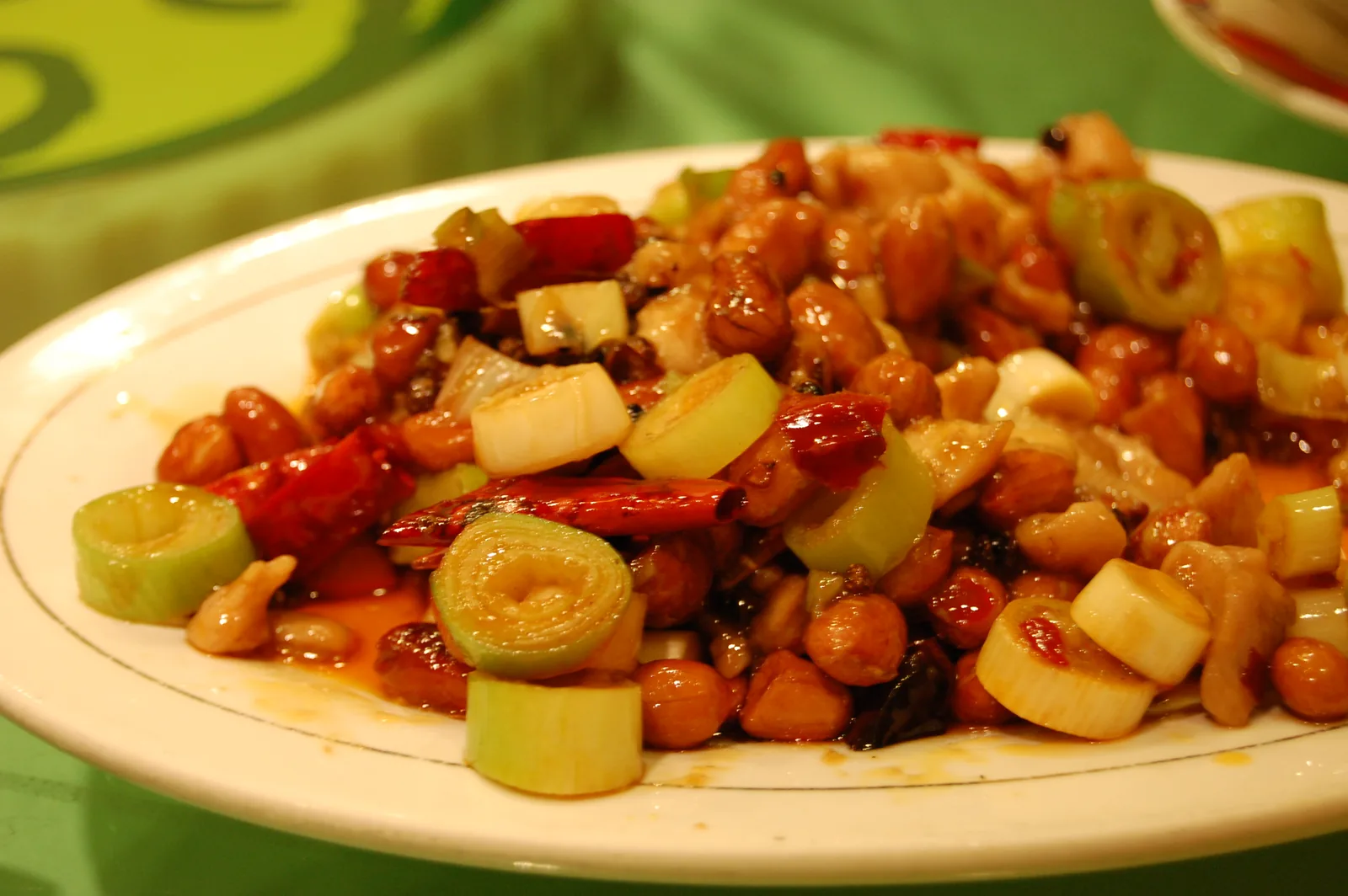
Kung pao chicken in a white dish: diced chicken, roasted peanuts, dried red chillies and scallions in a glossy sauce China flag China 35m
Dinner •Sichuan Heritage

Kung Pao Chicken

This kung pao chicken recipe is the Sichuan original: bite-sized chicken wok-fried with dried red chillies, tingling Sichuan peppercorns, scallions and crisp roasted peanuts, all glossed with a sweet-sour soy and black vinegar sauce. It is hot, numbing, a little sweet and deeply savoury — the mala flavour that defines Sichuan cooking. One serving is about 200 g, served with rice.

Bold & Satisfying

A fast wok stir-fry of chicken, peanuts and dried chillies with Sichuan peppercorns, ready in about 35 minutes.

Pairs Well With
Steamed jasmine rice and a cool cucumber salad to balance the heat.
High Protein • Quick Prep (<30m)
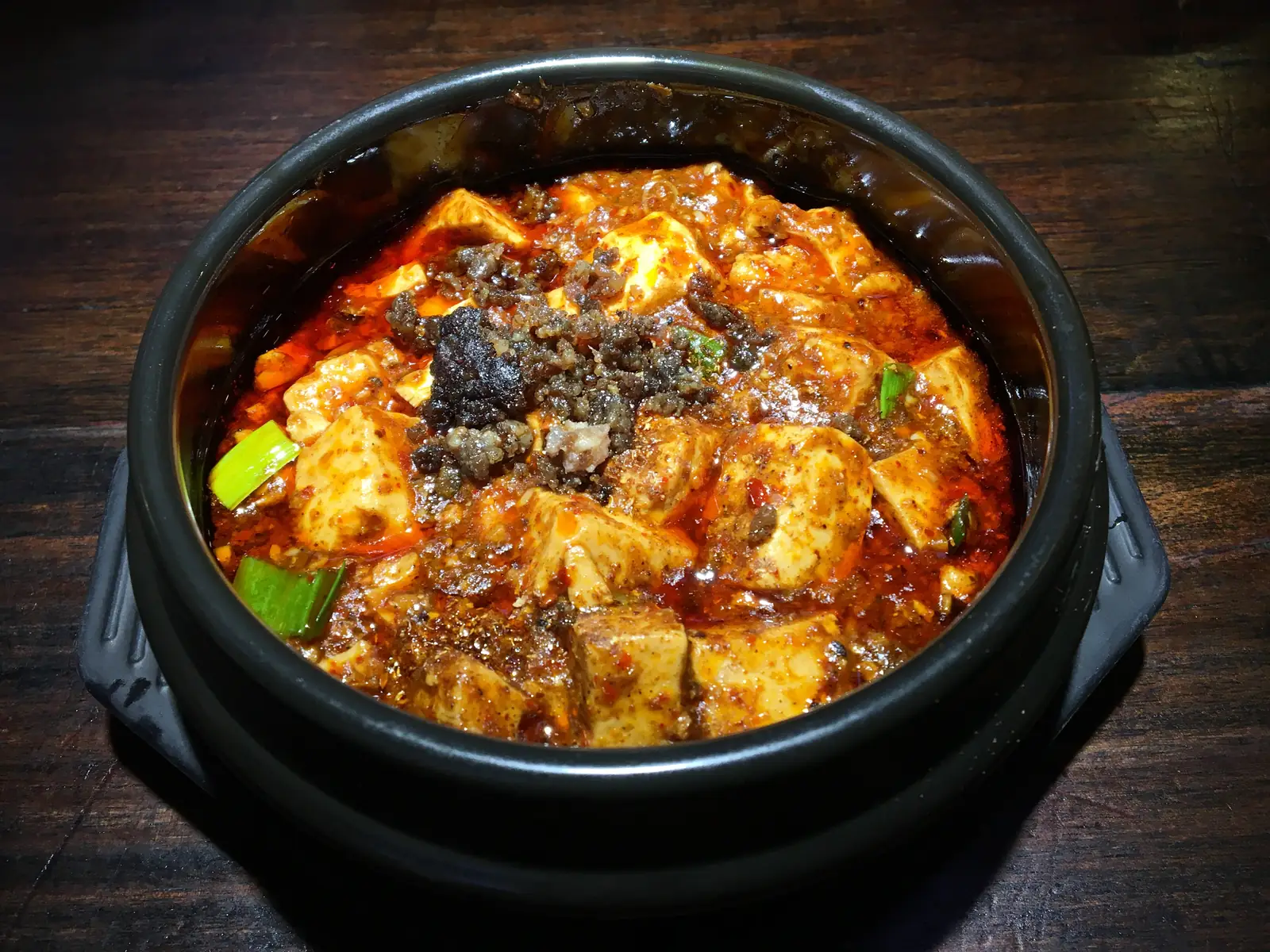
Mapo tofu in a black pot: silken tofu cubes in a bright red mala sauce with minced beef and scallions China flag China 35m
Dinner •Chengdu Heritage

Mapo Tofu

This mapo tofu recipe is the Chengdu classic: cubes of silken tofu simmered in a bright red mala sauce of doubanjiang, fermented black beans and Sichuan peppercorns, with crisp minced beef scattered through it. The sauce is numbing, hot, salty and fragrant all at once — and it is the sauce, not the tofu, that makes the dish. One serving is about 220 g, served with rice.

Bold & Warming

Silken tofu simmered in a numbing-spicy doubanjiang sauce with minced beef, ready in about 35 minutes.

Pairs Well With
Steamed jasmine rice and a cool cucumber salad to balance the mala heat.
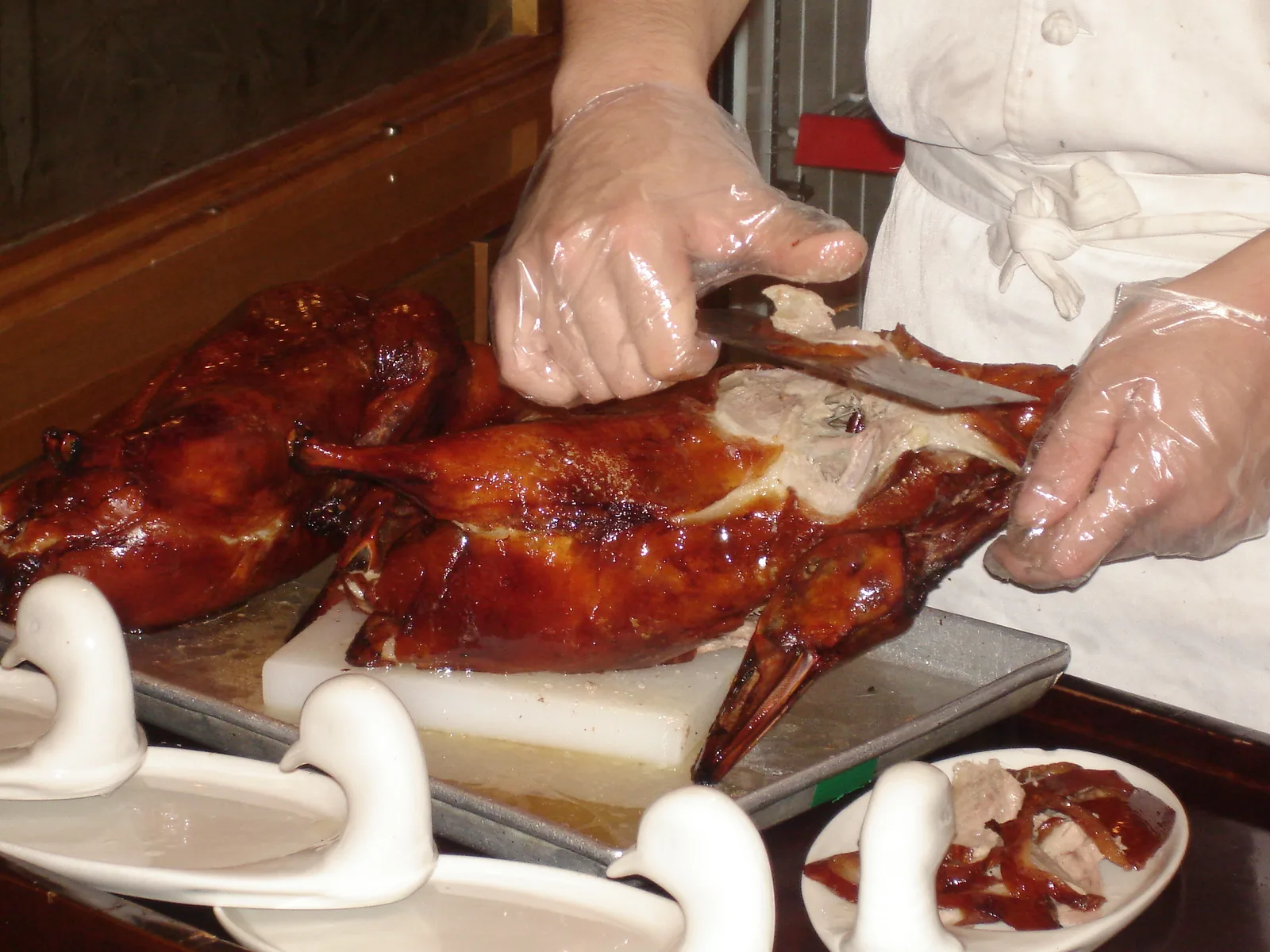
A whole lacquered Peking duck being carved at the table by a chef, with sliced crisp skin on a plate China flag China 2h 20m
Dinner •Beijing Heritage

Peking Duck

This peking duck recipe is the Beijing classic: a whole duck blanched, glazed with maltose and honey, air-dried until the skin is taut, then roasted until the skin turns deep mahogany and shatters like glass. It is carved at the table and eaten wrapped in thin pancakes with hoisin, scallion and cucumber. One serving is about 395 g, duck, pancakes and condiments together.

Celebration & Feast

A whole duck glazed, air-dried and roasted until the skin is lacquered and crisp, carved at the table with pancakes.

Pairs Well With
Thin pancakes, hoisin, scallion and cucumber — the classic wrap.
High Protein
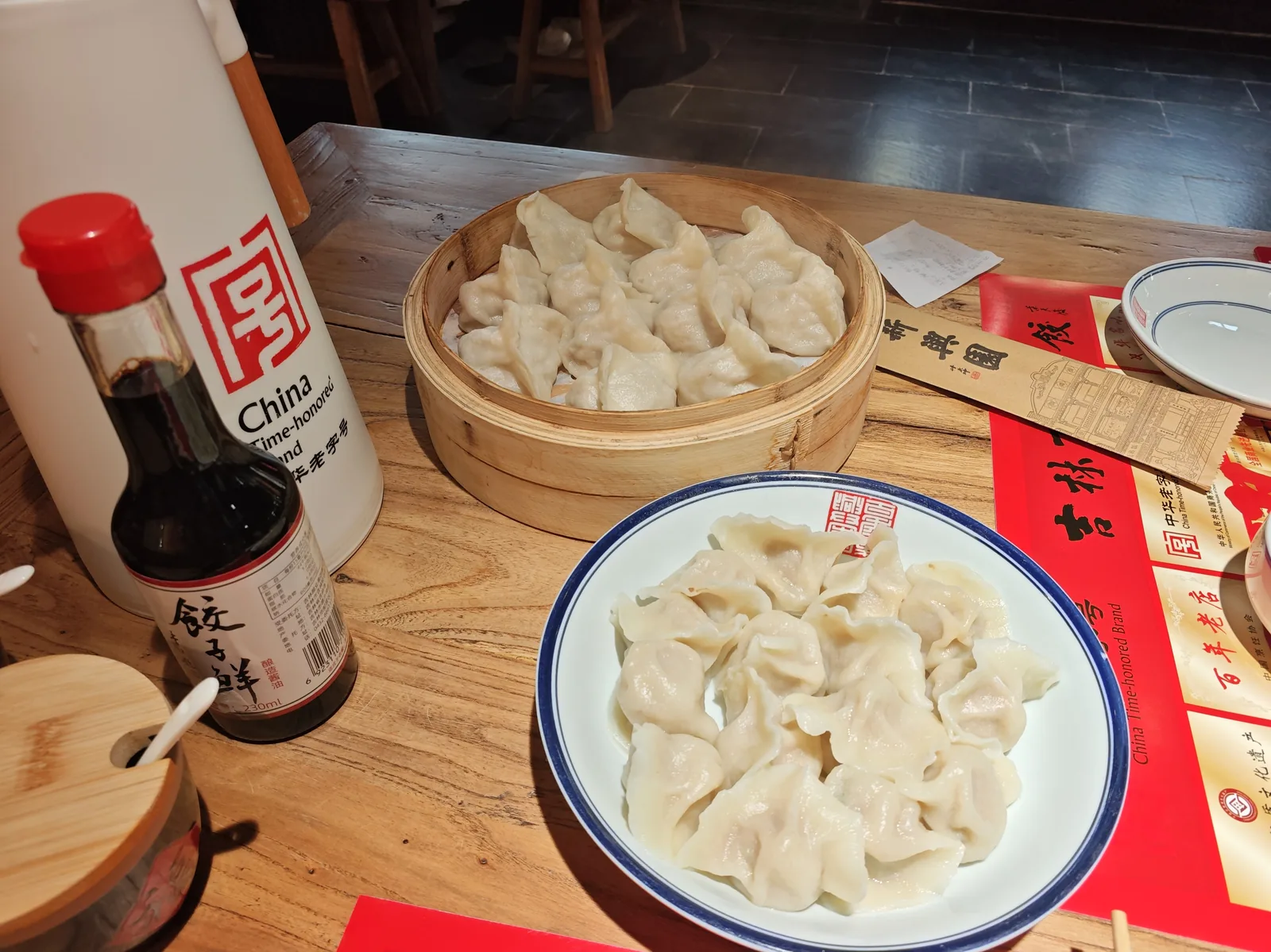
A bamboo steamer of steamed jiaozi beside a plate of boiled jiaozi, with a bottle of black vinegar China flag China 1h 15m
Dinner •Northern Chinese Classic

Steamed Pork Jiaozi

This steamed pork jiaozi recipe shows how to mix and roll the dough, fill it with seasoned pork and Chinese cabbage, and steam the dumplings until the pork is cooked through. One serving is about 275 g — 8 dumplings with dipping sauce.

Comfort & Warmth

Soft, hand-rolled dumplings filled with juicy pork and cabbage, steamed until tender and dipped in black vinegar — a northern Chinese family staple.

Pairs Well With
Hot and sour soup and a pot of jasmine tea

The Dinner Gazette

Never wonder what’s for dinner again

One email a week with easy dinner ideas from around the world — ingredients, steps and nutrition, tested in our kitchen first.

Delivered every Thursday morning. Unsubscribe anytime.