
Curated recipes from 193 countries  •  New seasonal Mediterranean issue out now

Overview

Moroccan Fennel and Orange Salad

Salade de Fenouil et Oranges, Moroccan Orange Fennel Salad, Fennel Orange Salad

This moroccan fennel and orange salad recipe pairs shaved fennel with sweet orange segments, salty black olives and fresh mint, dressed with olive oil, lemon and a whisper of cinnamon. One serving is about 245 g and carries 189 calories. It is the bright, crunchy salad Moroccans serve beside tagines and grilled fish.

In Morocco, salads are not an afterthought: a spread of small salads opens the meal, and citrus salads are among the oldest of them, because Morocco grows some of the world's finest oranges. Fennel brings a cool anise crunch, orange brings sweetness, olives bring salt, and cinnamon and orange blossom water — two seasonings Morocco uses the way other kitchens use pepper — tie it together. It is the salad served beside rich tagines and grilled fish, there to cut through the richness.

Pairs well with: Mint tea or sparkling water, served cold beside a tagine or grilled fish.

Provenance

Morocco flag Morocco

Moroccan Citrus Salad

Middle Eastern

Time Dedication

20m

20m prep • 0m cook

Batch Yield

4 Servings

189 kcal per serving

1 serving ≈ 245 g

Technical Skill

Easy

Easy (No Cook)

Meal Timing & Digestive Fit

Breakfast

Not Advised

Lunch

Prime Metabolic Fit

Dinner

Ideal Hearty Main

Snack & Tea

Inappropriate

Occasions: Lunch beside a tagine, summer picnics, Ramadan tables, light starters Cost: Low — about $2–3 per serving at home
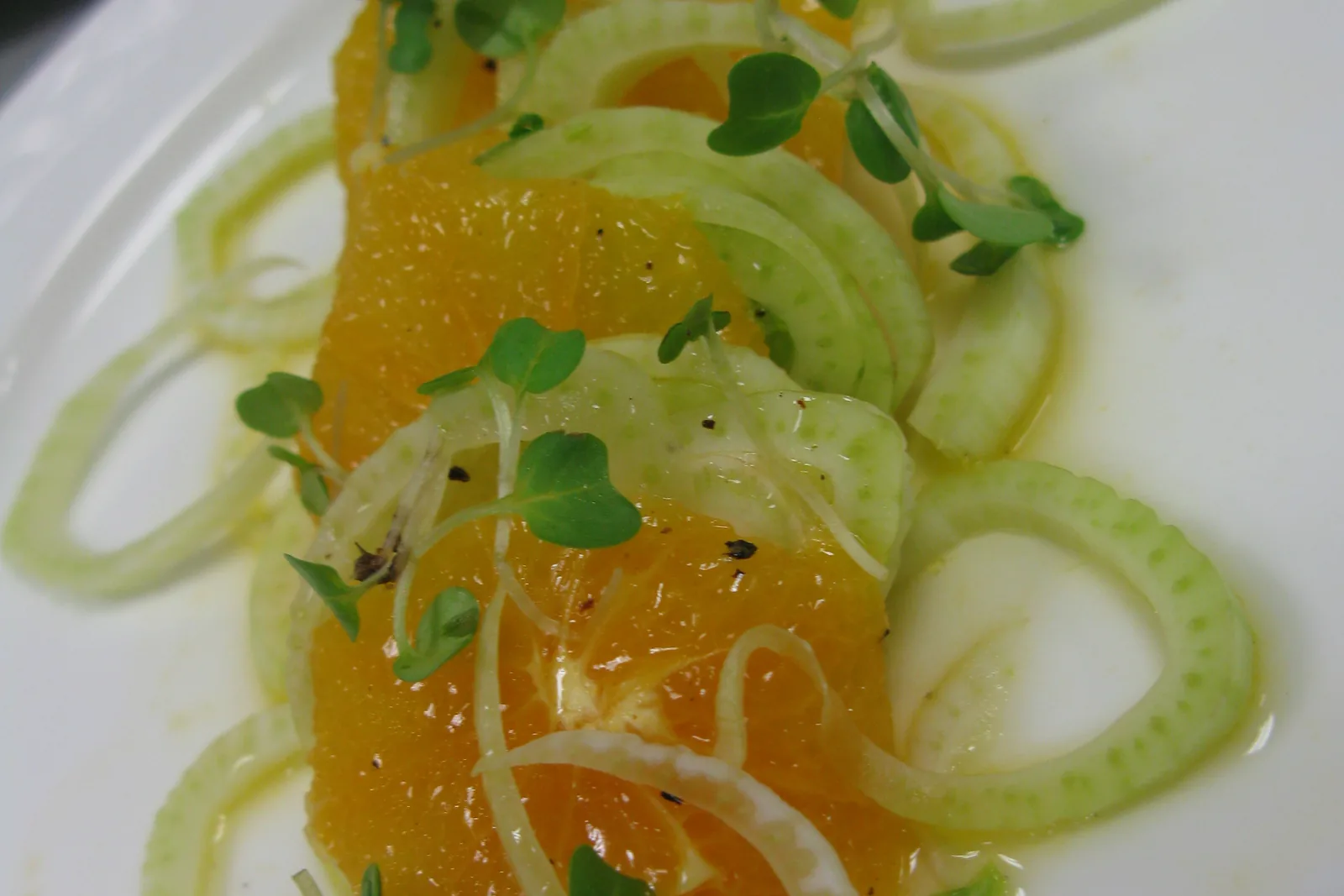
Shaved fennel and orange segments with green microherbs on a white plate

Moroccan Citrus Salad

Photo: Jonathan, CC BY 2.0, via Wikimedia Commons

The Heritage Formulary

Measured Ingredients

Estimated cost: Low — about $2–3 per serving at home (USD)

This version keeps the classic Moroccan build — fennel, orange, olives, mint, olive oil, lemon, cinnamon and orange blossom water — with no honey and no dairy, so it is vegan as written.

Execution Methodology & Culinary Technique

Step-by-Step Cooking Guide

Active 20m
P

Prep Stage: Fennel, Oranges and Dressing

20 Mins • Fennel, Oranges and Dressing

Trim the fennel bulbs, halve them and shave into paper-thin slices. Peel the oranges fully, cut into segments and catch any juice in a bowl. Slice the red onion into thin half-rings, halve the pitted olives, and pick the mint leaves. Whisk the olive oil, lemon juice, orange blossom water, cinnamon and salt into a dressing.

Maestro Tip: Shave the fennel as thin as you can — thick slices are tough and woody, while paper-thin slices turn silky in the dressing.

  1. 1

    Shave the fennel

    8 Mins Room temperature, about 20°C (68°F)

    Trim the stalks and the tough base from the fennel bulbs, halve them, and slice as thinly as you can — a mandoline helps, but a sharp knife and a steady hand work too. Put the shavings in a large bowl and keep the feathery fronds for garnish.

    Cut the fennel just before serving: it browns and softens if it sits sliced for hours.

    Done when: Paper-thin, pale green shavings with no thick chunks.

  2. 2

    Segment the oranges

    5 Mins Room temperature, about 20°C (68°F)

    Cut the top and bottom off each orange, stand it up, and slice the peel away in strips, taking the white pith with it. Cut between the membranes to free the segments, letting any juice fall into a small bowl. Add the segments to the fennel.

    Take all the pith off — even a little white pith makes the salad bitter.

    Done when: Clean, bright orange segments with no peel or pith.

  3. 3

    Whisk the dressing

    4 Mins Room temperature, about 20°C (68°F)

    Whisk the olive oil, lemon juice, orange blossom water, cinnamon and salt together until they come together into a light dressing. Stir in a spoonful of the saved orange juice to soften the lemon's edge.

    Taste the dressing before it meets the salad: it should be bright and lightly salty, with the cinnamon in the background, not the front.

    Done when: A light, golden dressing that tastes bright, salty and faintly floral.

  4. 4

    Toss, chill and serve

    3 Mins + 15 Mins chill Chilled, about 4°C (39°F)

    Pour the dressing over the fennel and oranges, add the red onion and olives, and toss gently. Chill for 15 minutes so the flavours meet, then scatter the torn mint and the fennel fronds over the top and serve cold.

    Dress it close to serving: fennel dressed hours ahead goes limp, and the oranges weep juice into the bowl.

    Done when: Crisp fennel, glossy orange segments, and a light dressing that coats rather than pools.

Finishing Touches & Plating

Serve cold, with the mint scattered over the top at the last moment — the salad is at its best within an hour of making.

Nutritional Physiology & Benefits

Nutrition

Energy

189

kcal / serving

Protein

3g

Complete AA

Carbs

22g

Complex

Fats

12g

Healthy

Per serving (4 servings · 1 serving ≈ 245 g)
Energy189 kcal
Protein3 g
Carbohydrates22 g
Fat12 g
Fibre6.4 g
Sugar14.0 g
Sodium339 mg
Per 100g
Energy77 kcal
Protein1 g
Carbohydrates9 g
Fat4.8 g
Fibre2.6 g
Sugar5.7 g
Sodium138 mg

Nutrition values are estimated — calculated from USDA FoodData Central values for the listed ingredients.

Vitamins & minerals: Vitamin C (orange, fennel, lemon), vitamin K (fennel, mint), folate (orange, fennel), potassium (fennel, orange), vitamin E (olive oil).

Crisp, Raw and Fresh

Nothing here is cooked, so the fennel stays crunchy and the oranges keep their vitamin C — a genuinely fresh plate.

Fibre From Fennel and Orange

Each serving carries about 6.4 g of fibre from the fennel, oranges and olives, which is a solid share of a day's fibre in one light salad.

Light But Satisfying

At about 189 calories a serving with olive oil for staying power, the salad fills the plate without weighing the meal down.

Food Pairings

What to Eat With

To optimize nutrient absorption and elevate the sensory depth, pair with these authentic accompaniments:

Sides

Chicken Tagine

The salad's crunch and citrus cut through a rich, slow-cooked tagine — that contrast is exactly why Moroccans serve it beside one.

Khobz Bread

Warm flatbread soaks up the citrus dressing left in the bowl, so nothing bright is wasted.

Vegetables

Grilled Sardines

Oily grilled fish and a bright fennel-orange salad are a classic Moroccan pairing: the lemon and fennel freshen the fish.

Drinks

Mint Tea

Sweet mint tea is the traditional drink with the meal, and its cool mint echoes the mint scattered over the salad.

Complete menu

Serve the salad cold as a starter or beside a chicken tagine or grilled sardines, with khobz bread and mint tea to follow.

Digestive Guardrails

What NOT to Combine

To prevent digestive distress, sluggishness, or palate clash, avoid pairing the dish with these elements:

Extra Salt in the Dressing

The olives already bring plenty of salt, and the salad carries about 339 mg of sodium per serving; more salt makes it harsh and thirsty work. This is general nutrition information, not medical advice.

Dressing It Hours Ahead

Fennel dressed hours ahead goes limp and the oranges weep, leaving a watery bowl; dress it within 15 minutes of serving. This is general food information, not medical advice.

General information only, not medical advice — consult a doctor for personal dietary decisions.

Who Should Eat It

Who Should Eat

  • General adultsA light, fresh salad — a full serving works as a starter or a side.
  • ChildrenCrisp, sweet and fun to eat; slice the fennel extra thin for small children.
  • ElderlySoft enough when shaved thin; serve a modest portion and skip the raw onion if it is too sharp.
  • Pregnant womenFresh, light and safe as written; the oranges and fennel are a good fresh choice.
  • Breastfeeding womenA fresh, hydrating salad with vitamin C and folate — a good light lunch.
  • AthletesLight and hydrating after training, with about 189 calories per serving.
  • Weight gainA light choice — pair it with bread and a tagine rather than eating it alone.
  • Weight lossA good choice — low in calories, high in fibre, and the dressing is mostly olive oil.

Health Conditions — Adjust or Avoid

Conditions

  • DiabetesAbout 22 g of carbohydrate per serving, mostly from the oranges — a reasonable portion, and ask a clinician about your overall meal.
  • High blood pressureSodium is about 339 mg per serving, mostly from the olives — keep the salt as written and skip extra salty food; ask a clinician for personal advice.
  • Kidney diseaseFennel and oranges add potassium, which some kidney diets limit — ask a clinician about portion size before eating it regularly.
  • GoutNo purine-rich food here; the salad is light and vegetable-based — ask a clinician if you have questions about your overall diet.
  • Stomach issuesRaw onion and citrus can bother sensitive stomachs; a smaller portion, well chilled, is usually easier — ask a clinician if symptoms persist.
  • Cardiovascular diseaseAbout 12 g of fat per serving, mostly heart-healthy olive oil — a good fresh choice; ask a clinician about your overall eating pattern.
  • Fatty liverLight, low in calories and rich in fibre — a good fresh choice; ask a clinician for personal guidance.
  • Food allergiesNaturally free of gluten, milk, egg, nuts, fish and soy. Contains olives and citrus.
  • Special therapeutic dietsVegan and gluten-free as written; if you follow a restricted diet, ask a clinician or dietitian before adapting it.

If you have a medical condition, consult your doctor before changing your diet.

Storage & Use

Storage & Use

How to store
Keep the fennel and oranges undressed in separate sealed containers; keep the dressing in a small jar.
In the fridge
1 day in the fridge at 4°C (39°F) or below, undressed; once dressed, eat within a few hours.
In the freezer
Not suitable for freezing.
How to reheat
Do not reheat — serve cold.
Freezing recommended
No — the salad turns limp and watery in the freezer.
Signs it has spoiled
Limp, brown fennel, sour or off smell, or weeping juice in the bowl — discard it.

More recipes to explore

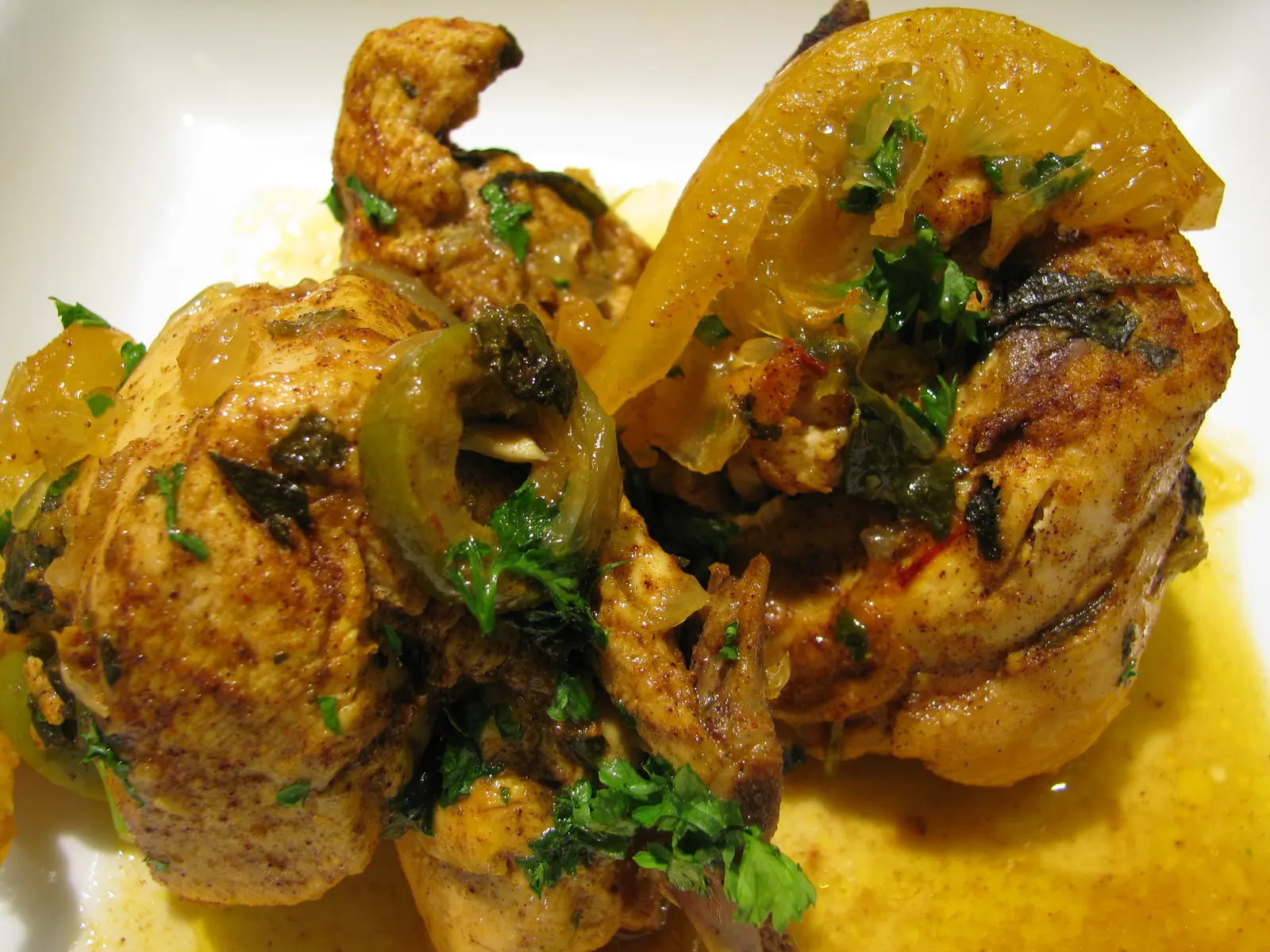
Moroccan lamb and prune tagine with almonds and sesame Morocco flag Morocco 2h 35m
Lunch •Atlas Mountains

Lamb & Prune Tagine

Clay vessel braised lamb shoulder infused with Ras el Hanout, saffron stamens, and natural sun-dried fruit pectins.

Immunity & Warming

Slow-braised lamb with prunes, almonds and couscous.

Pairs Well With
Spiced Couscous & Preserved Lemon Salad
High Protein
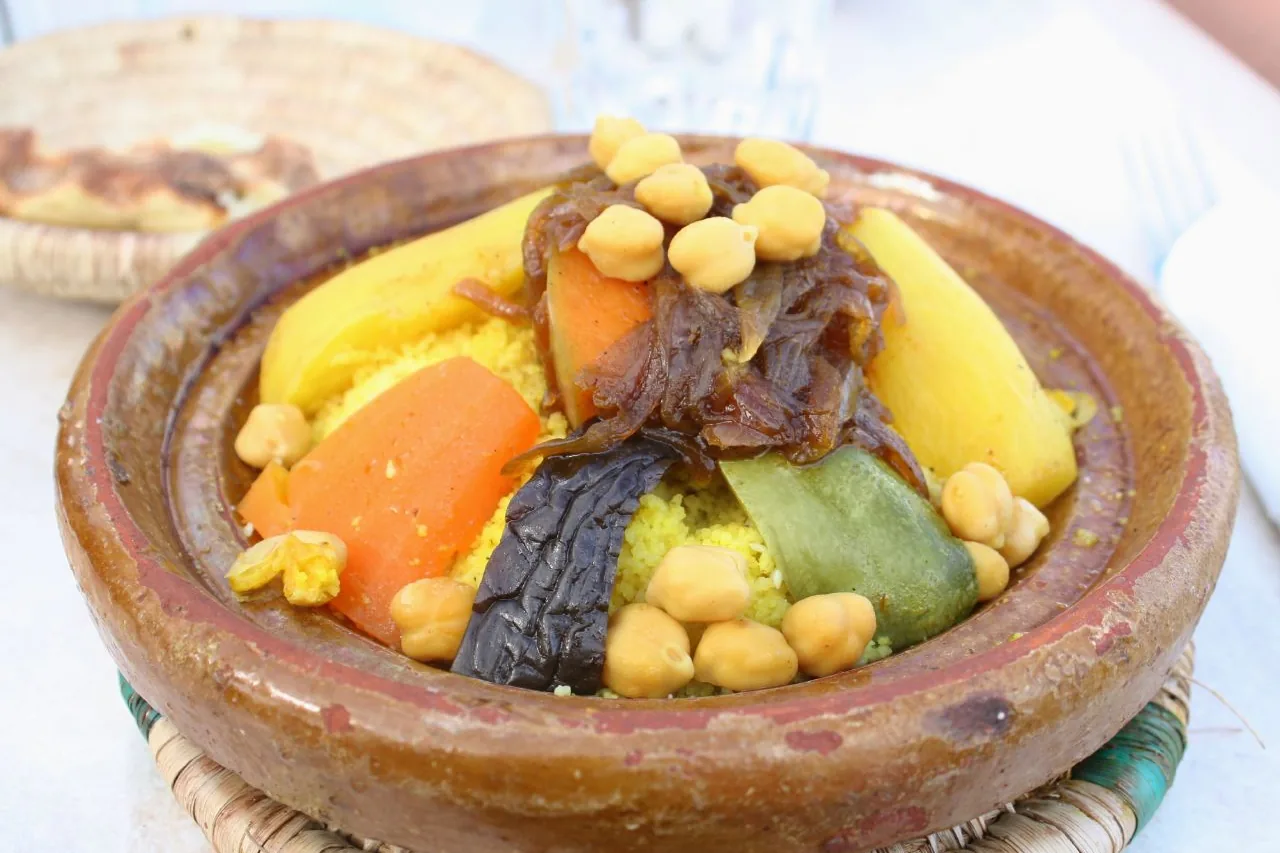
A clay bowl of Moroccan couscous with vegetables, chickpeas, carrot and pumpkin Morocco flag Morocco 1h 15m
Dinner •Maghreb Friday Table

Moroccan Couscous with Vegetables

This moroccan couscous recipe steams fine semolina until fluffy, then ladles over a slow-cooked stew of seven vegetables, chickpeas and warm spices. One serving is about 475 g.

Comfort & Warmth

Fluffy steamed semolina with a slow vegetable stew and chickpeas.

Pairs Well With
Harissa, mint tea and crusty bread
Quick Prep (<30m)
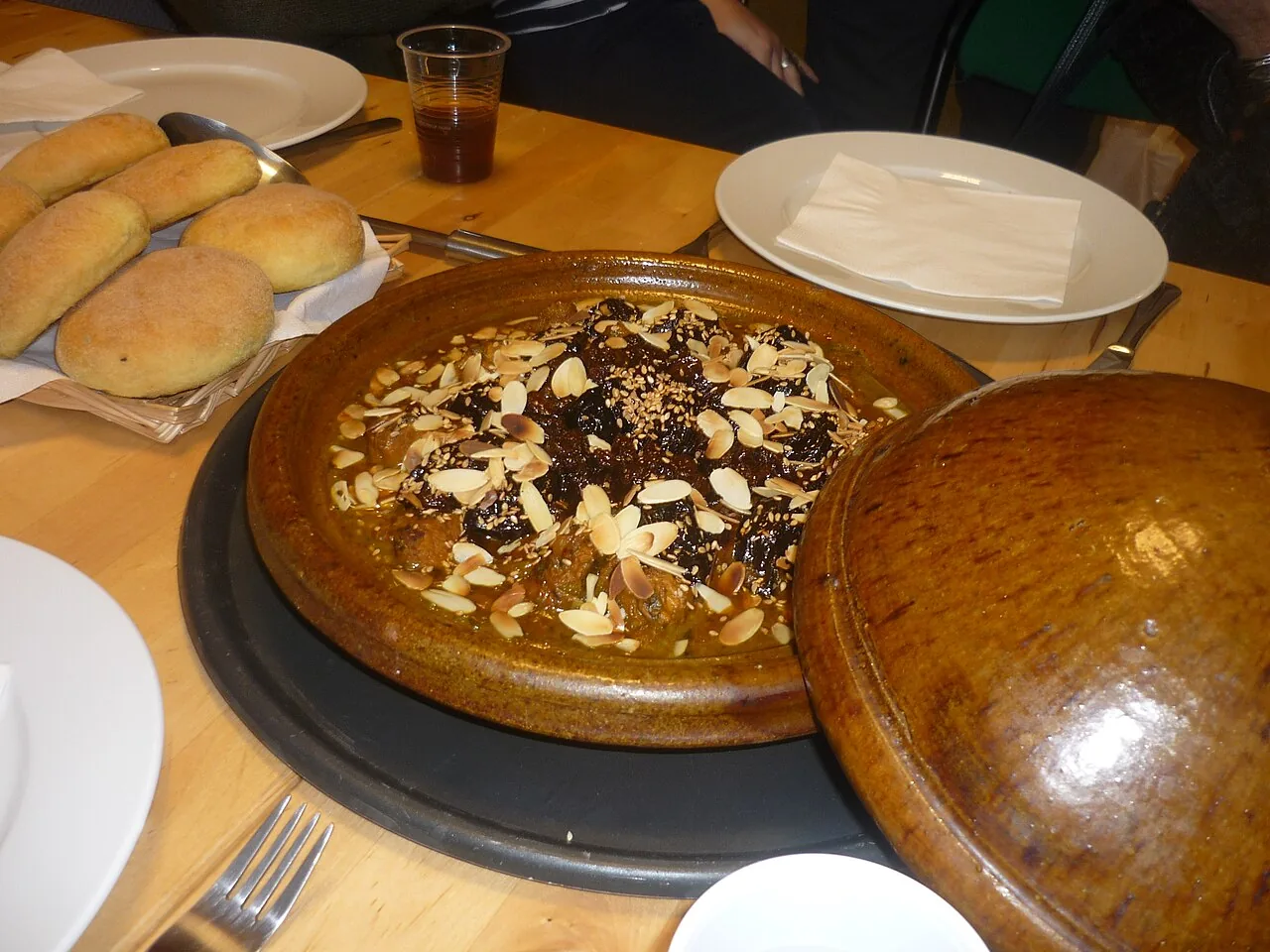
A bowl of Moroccan harira soup with chickpeas, noodles and fresh herbs Morocco flag Morocco 1h 15m
Lunch •Ramadan Iftar Table

Harira Soup

This harira soup recipe simmers lentils, chickpeas, tomatoes and lamb with ginger, cinnamon and fresh herbs, then thickens it the traditional way with a flour slurry. One serving is about 450 g.

Comfort & Warmth

A thick, warming tomato and lentil soup, the soup Moroccans break their fast with.

Pairs Well With
Dates, chebakia and mint tea
Soups & Broths • High Protein
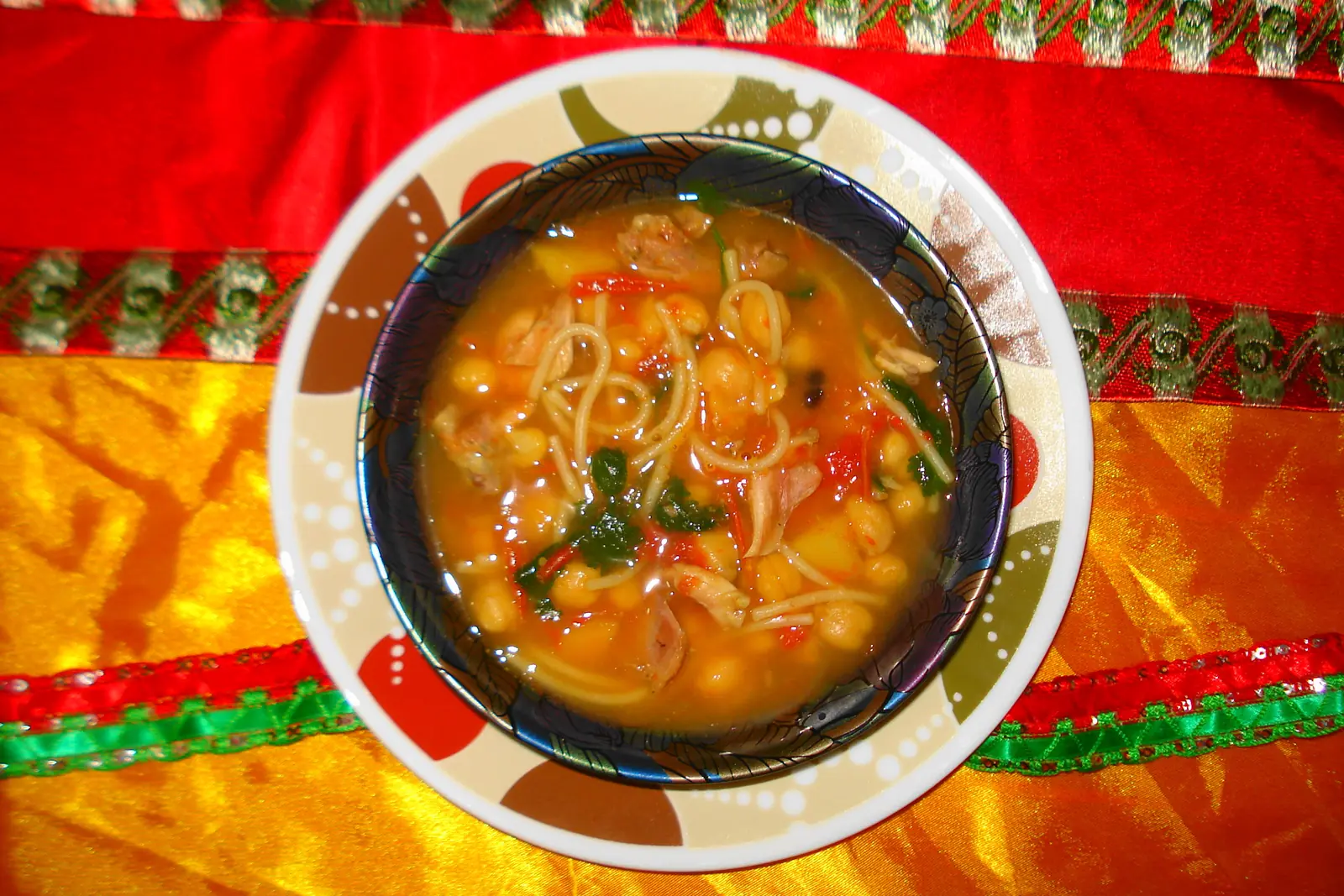
Moroccan chicken tagine with preserved lemon slices, green olives and fresh parsley Morocco flag Morocco 1h 15m
Dinner •Moroccan Heritage

Moroccan Chicken Tagine

Moroccan chicken tagine is the dish Morocco is best known for: chicken braised slowly with onions, ginger and saffron, then finished with salty preserved lemon and green olives. This moroccan chicken tagine recipe uses a heavy pot instead of a clay tagine, so anyone can make it — the conical lid's job is done by a tight-fitting lid and a gentle flame. One serving is about 315 g.

Slow-Cooked Comfort

Chicken braised slowly with ginger, saffron, preserved lemon and green olives until the meat falls from the bone.

Pairs Well With
Couscous, khobz bread and mint tea.
High Protein

The Dinner Gazette

Never wonder what’s for dinner again

One email a week with easy dinner ideas from around the world — ingredients, steps and nutrition, tested in our kitchen first.

Delivered every Thursday morning. Unsubscribe anytime.