Lamb & Prune Tagine
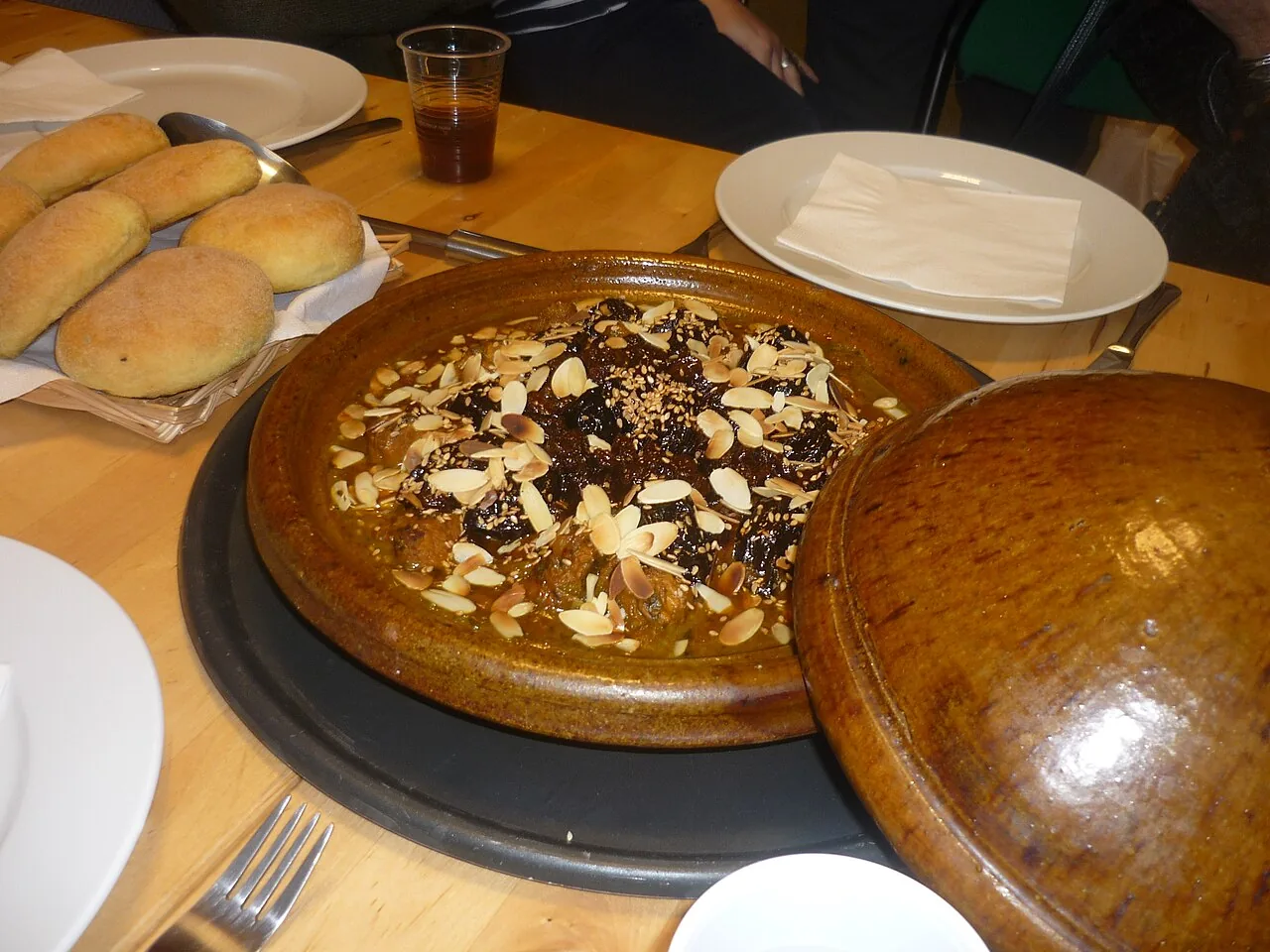
Clay vessel braised lamb shoulder infused with Ras el Hanout, saffron stamens, and natural sun-dried fruit pectins.
Immunity & Warming
Slow-braised lamb with prunes, almonds and couscous.
Spiced Couscous & Preserved Lemon Salad
Khlii, Khliaa, Khlea B'Daid, Gueddid
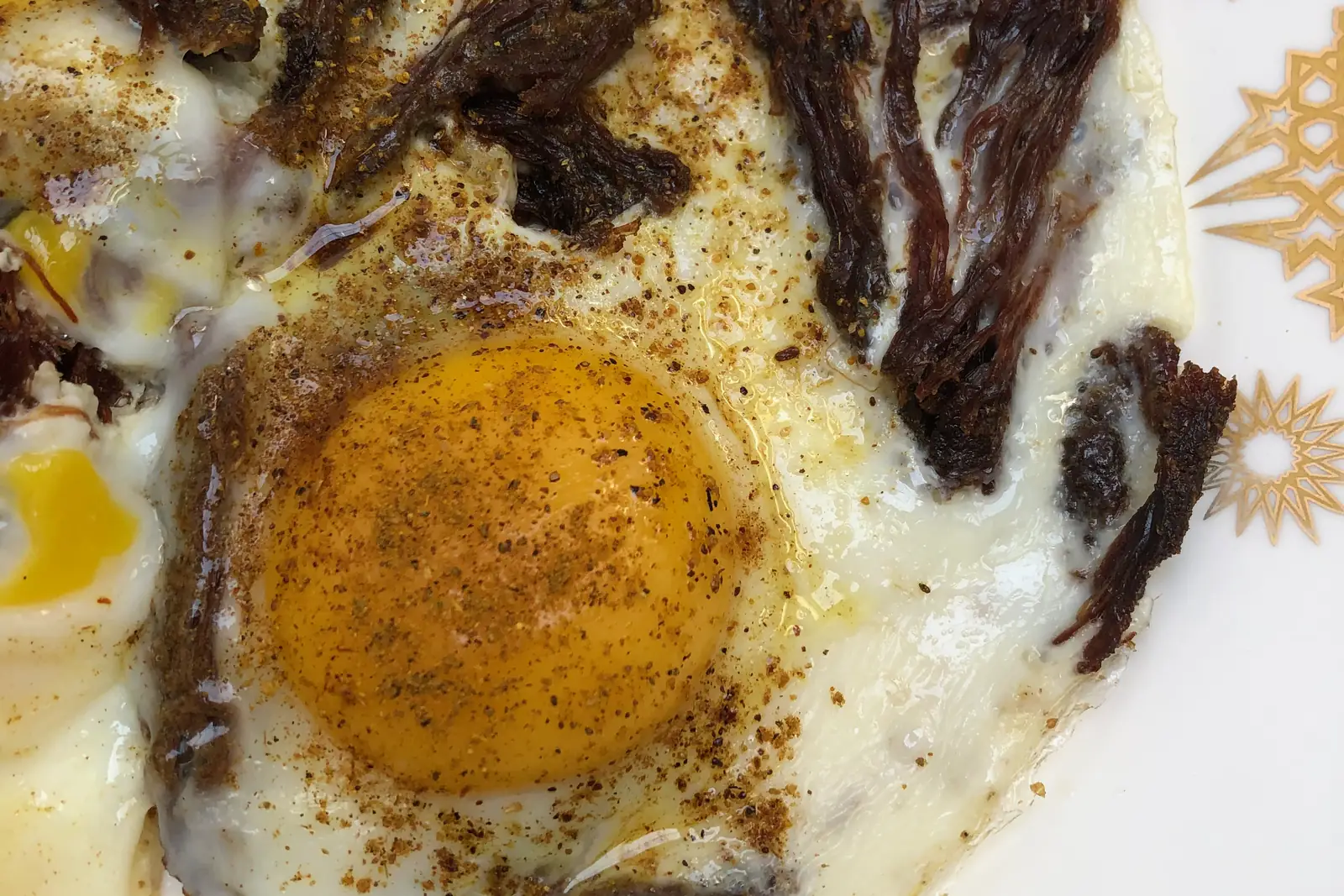
This moroccan khlea recipe starts with Morocco's preserved beef: beef rubbed with salt, cumin, coriander and garlic, dried in the sun, then cooked in fat until it keeps for months. To serve it, the khlea is fried in a pan and eggs are beaten in — the classic Moroccan breakfast. One serving is about 170 g.
Khlea, also spelled khlii, is Morocco's answer to keeping meat without refrigeration: beef is rubbed with salt and spices, dried in the sun, then cooked in fat and stored in jars, where it keeps for months. It was the food of travellers, shepherds and Ramadan mornings, and it comes most famously from Fes. The classic way to eat it is fried in a pan with eggs beaten in, scooped up with bread and washed down with mint tea.
Pairs well with: Mint tea, flatbread & fresh tomatoes
Provenance
Morocco
Moroccan Pantry Staple
Middle Eastern
Time Dedication
1h
40m prep • 20m cook
Batch Yield
4 Servings
485 kcal per serving
1 serving ≈ 170 g
Technical Skill
Intermediate
Medium (Cured Meat)
Meal Timing & Digestive Fit
Breakfast
Prime Morning Fit
Lunch
Inappropriate
Dinner
Inappropriate
Snack & Tea
Inappropriate
Moroccan Pantry Staple
Photo: إيان, CC BY-SA 4.0, via Wikimedia Commons
The Heritage Formulary
Estimated cost: Medium — about $3–4 per serving at home (USD)
Moroccan khlea with salt-cured dried beef, cumin and coriander, fried with eggs.
Execution Methodology & Culinary Technique
Prep Stage: Cure, Dry and Confit
40 Mins • Curing & Drying
Cut the beef into long thin strips and rub them all over with the salt, cumin, coriander, crushed garlic and black pepper. Leave the strips to cure in the fridge for 24 hours, then brush off the excess salt and hang them to dry in the sun for 2–3 days — or in a low oven — until they are leathery and dark. The dried meat, called gueddid, is then simmered in water and oil until the water has gone and only fat remains, and stored covered in fat. The drying days are not counted in the active time below.
Maestro Tip: Keep the drying meat covered with fine mesh so flies cannot reach it, and bring it in at night — damp night air undoes a day of drying.
20 Mins + 24 Hours Fridge, about 4°C (39°F)
Mix the salt, cumin, coriander, crushed garlic and black pepper, and rub the mixture all over the beef strips. Lay them in a dish, cover, and leave in the fridge for 24 hours, turning once. The salt draws out moisture and the spices sink in.
Rub the cure into every strip — bare patches are where spoilage starts.
Done when: Beef strips evenly coated, with liquid drawn out in the dish.
10 Mins + 2–3 Days Sun drying, or oven at 60°C (140°F)
Brush the excess salt off the strips and hang them on a clean line in direct sun for 2–3 days, or dry them in an oven at 60°C (140°F) for 6–8 hours, until they are dark, leathery and bend without snapping. This dried meat is gueddid.
The meat must be fully dry and leathery — any soft, damp spot will spoil in the jar.
Done when: Dark, dry, leathery strips that bend without breaking.
20 Mins Low heat, about 150°C (300°F)
Cut the dried meat into bite-sized pieces and put it in a heavy pot with 500 ml of water, half the olive oil and a pinch of cumin. Simmer gently for 1–1.5 hours, stirring now and then, until all the water has evaporated and only clear fat remains. Pack the khlea into a clean glass jar and pour the warm fat over it until the meat is covered.
Do not rush this step: every drop of water must evaporate, or the khlea will not keep.
Done when: Tender, dark meat coated in clear fat, with no water left in the pot.
5 Mins Medium heat, about 170°C (340°F)
Spoon 60 g of khlea per serving into a frying pan with the remaining olive oil and warm it over medium heat for 3–5 minutes, until the fat melts and bubbles and the meat is hot through.
If the khlea looks dry, add a spoonful of its own jar fat — it should glisten, not fry dry.
Done when: Hot, glistening khlea with melted fat bubbling round it.
5 Mins Medium heat, about 170°C (340°F)
Beat the eggs lightly with a pinch of salt, pour them over the hot khlea and stir gently, letting the egg set, then stirring again, for about 5 minutes, until the eggs are just set and creamy. The eggs must be cooked through — whites and yolks firm, about 74°C (165°F).
Stir, let it set, stir again: that stop-start is what keeps the eggs creamy instead of rubbery.
Done when: Soft, creamy curds of egg wrapped around the dark khlea.
2 Mins Serving temperature, about 60°C (140°F)
Dust the pan with the remaining cumin, grind over a little black pepper and serve straight from the pan with warm flatbread and mint tea.
Serve immediately — the eggs firm up fast once they leave the heat.
Done when: A steaming pan of khlea and eggs, dusted with cumin.
Finishing Touches & Plating
Serve the moroccan khlea straight from the pan, dusted with cumin, with warm flatbread to scoop it up and a glass of mint tea.

Nutritional Physiology & Benefits
Energy
485
kcal / serving
Protein
33g
Complete AA
Carbs
8g
Complex
Fats
35g
Healthy
| Energy | 485 kcal |
| Protein | 33 g |
| Carbohydrates | 8 g |
| Fat | 35 g |
| Fibre | 1.4 g |
| Sugar | 5.8 g |
| Sodium | 1394 mg |
| Energy | 285 kcal |
| Protein | 19.3 g |
| Carbohydrates | 4.8 g |
| Fat | 20.8 g |
| Fibre | 0.9 g |
| Sugar | 3.4 g |
| Sodium | 820 mg |
Nutrition values are estimated — calculated from USDA FoodData Central values for the listed ingredients.
Vitamins & minerals: Iron, zinc and vitamin B12 (beef), vitamin D and choline (eggs), vitamin E (olive oil).
Very High in Protein
About 32.9 g of protein per serving comes from the dried beef and the two eggs.
Iron and Vitamin B12
The beef and eggs give iron, zinc and vitamin B12 — the nutrients that make this a sustaining breakfast.
Keeps for Months
Properly covered in fat in a sealed jar, khlea keeps for 6–12 months without refrigeration — it was made for exactly that.
Food Pairings
To optimize nutrient absorption and elevate the sensory depth, pair with these authentic accompaniments:
Drinks
Moroccan Mint Tea
Sweet mint tea is the classic partner — its freshness cuts the salt and richness of the preserved meat.
Sides
Warm Flatbread
Warm flatbread is how khlea is eaten — torn and used to scoop up the eggs and meat straight from the pan.
Olives
A small dish of green olives is a traditional Moroccan breakfast side and echoes the salty, savoury flavours.
Vegetables
Fresh Tomatoes
Sliced fresh tomato with a little salt adds juice and acidity that balance the salty, fatty khlea.
Complete menu
Moroccan khlea with eggs, warm flatbread and mint tea.
Digestive Guardrails
To prevent digestive distress, sluggishness, or palate clash, avoid pairing the dish with these elements:
Leaving Water in the Khlea
Any water left in the jar will spoil the khlea — simmer until only clear fat remains, and keep the meat fully covered in fat. This is general food information, not medical advice.
Eating It Every Day
Khlea is very salty and rich, so it is a sometimes breakfast rather than an everyday one — a small portion with eggs, bread and tea is the traditional way. This is general food information, not medical advice.
General information only, not medical advice — consult a doctor for personal dietary decisions.
Who Should Eat It
Health Conditions — Adjust or Avoid
If you have a medical condition, consult your doctor before changing your diet.
Storage & Use
Clay vessel braised lamb shoulder infused with Ras el Hanout, saffron stamens, and natural sun-dried fruit pectins.
Immunity & Warming
Slow-braised lamb with prunes, almonds and couscous.
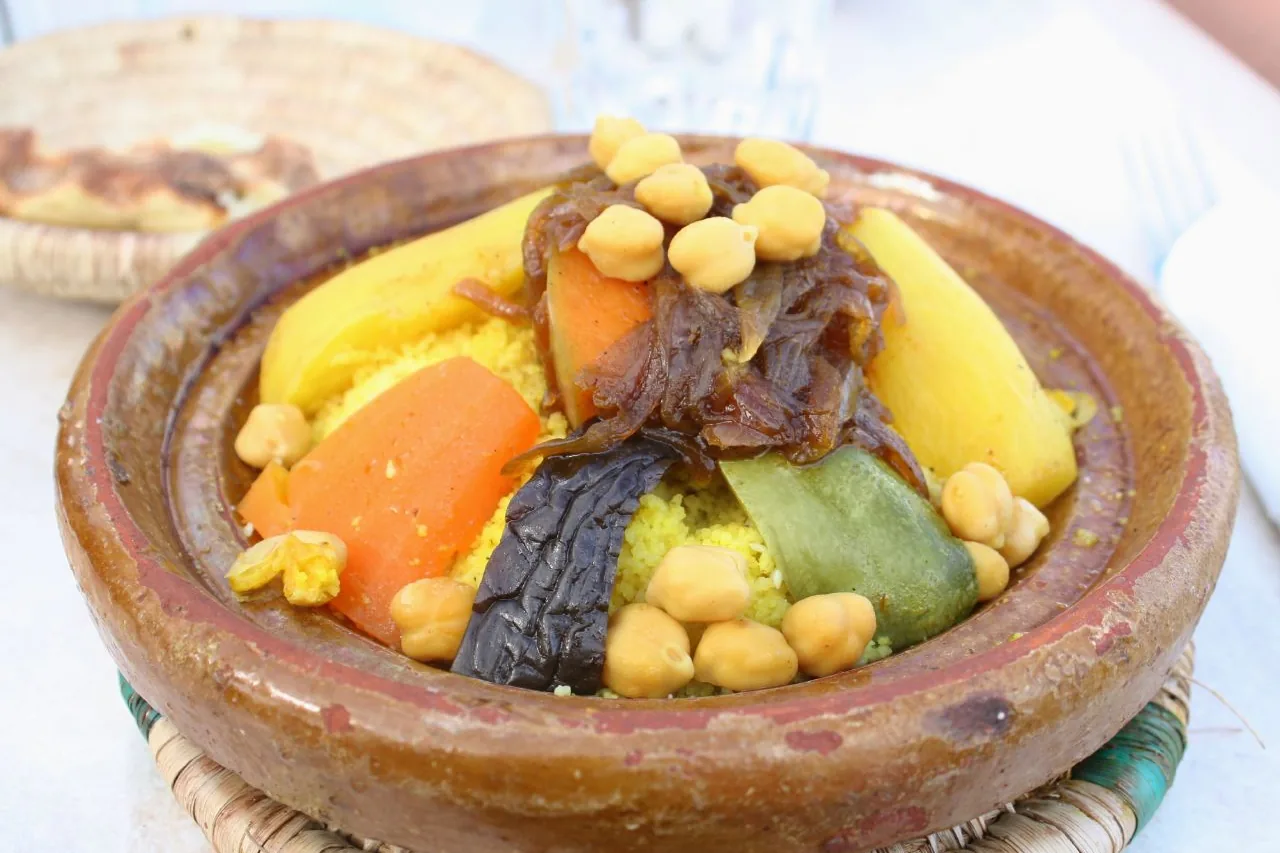
This moroccan couscous recipe steams fine semolina until fluffy, then ladles over a slow-cooked stew of seven vegetables, chickpeas and warm spices. One serving is about 475 g.
Comfort & Warmth
Fluffy steamed semolina with a slow vegetable stew and chickpeas.
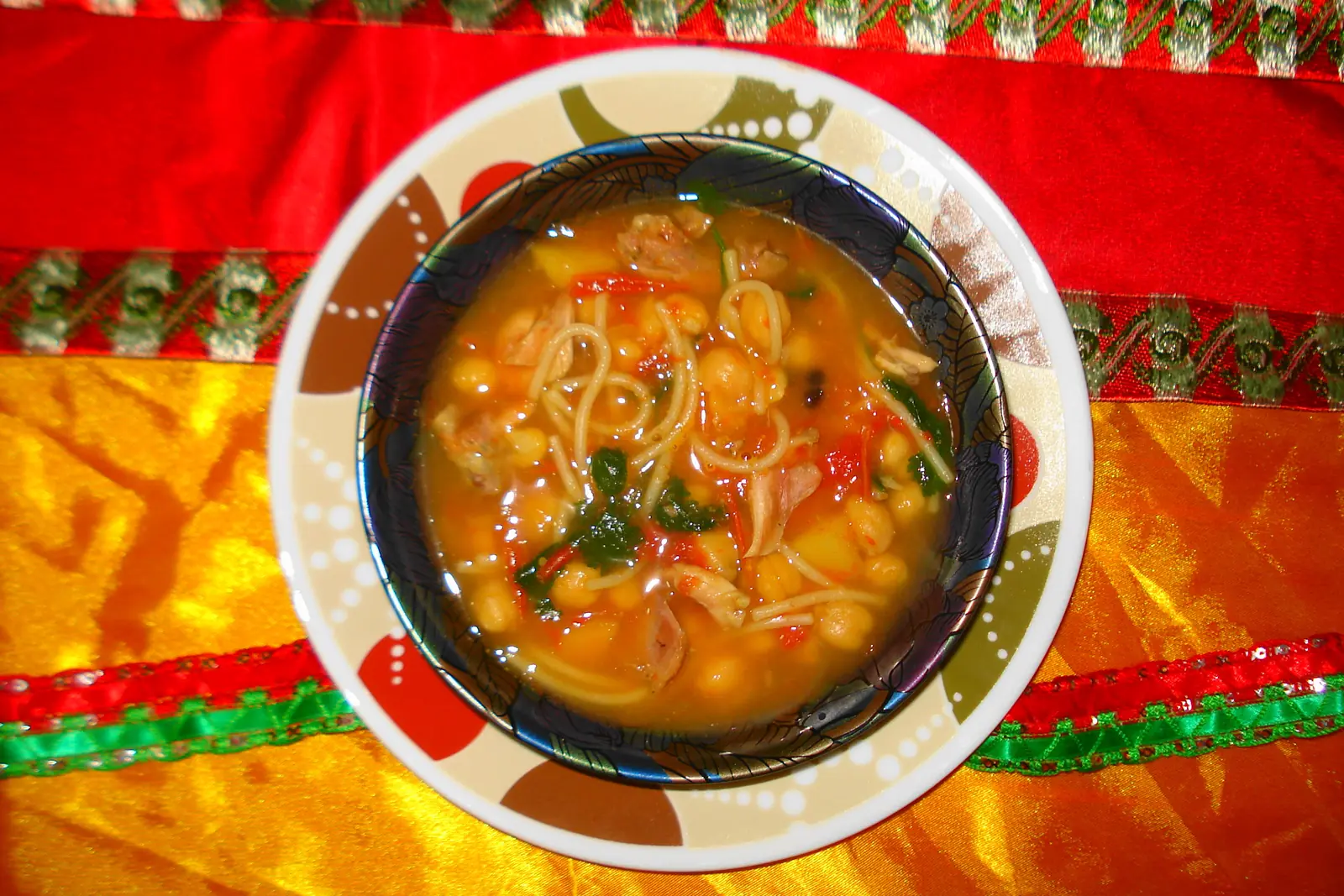
This harira soup recipe simmers lentils, chickpeas, tomatoes and lamb with ginger, cinnamon and fresh herbs, then thickens it the traditional way with a flour slurry. One serving is about 450 g.
Comfort & Warmth
A thick, warming tomato and lentil soup, the soup Moroccans break their fast with.
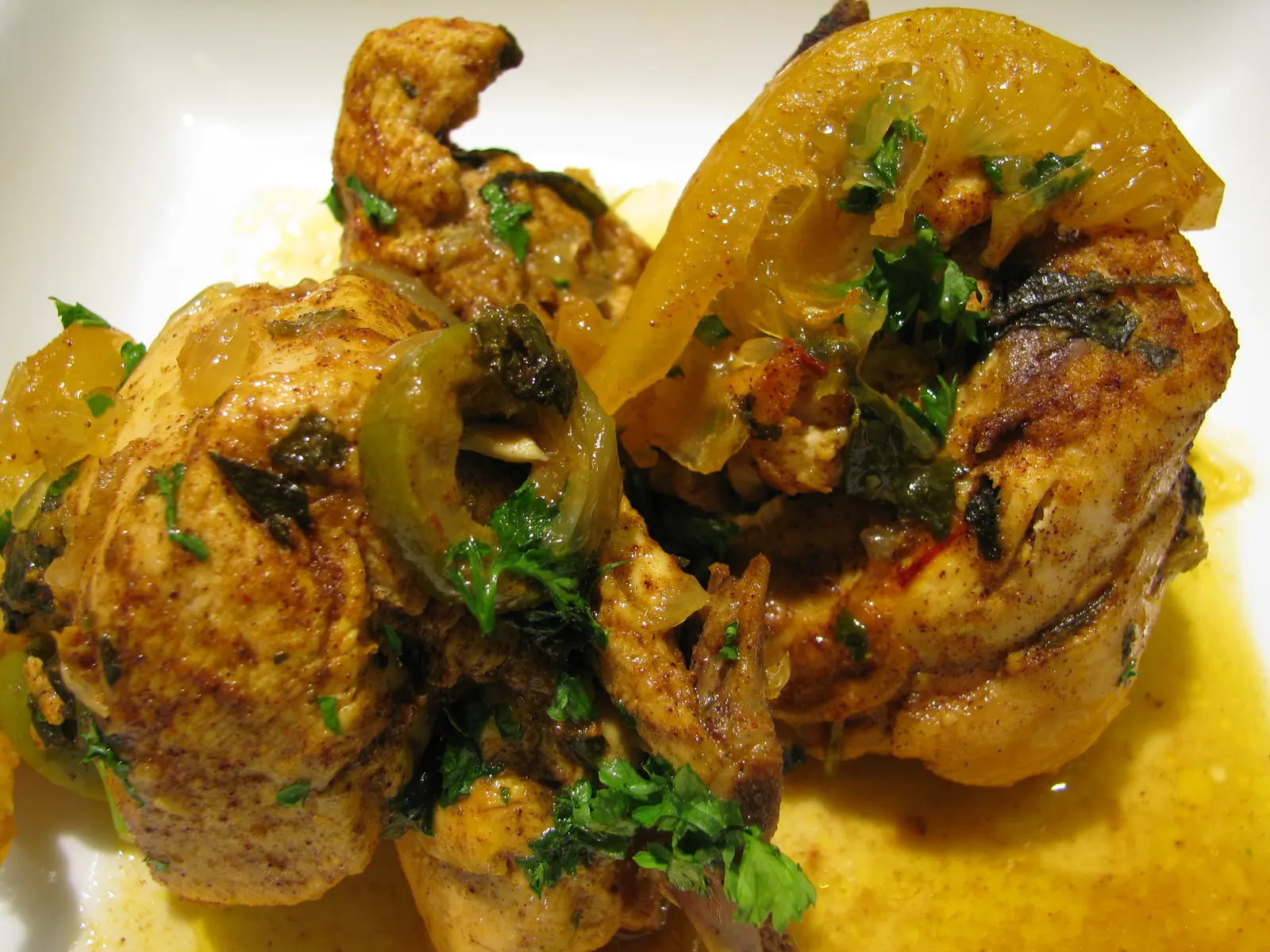
Moroccan chicken tagine is the dish Morocco is best known for: chicken braised slowly with onions, ginger and saffron, then finished with salty preserved lemon and green olives. This moroccan chicken tagine recipe uses a heavy pot instead of a clay tagine, so anyone can make it — the conical lid's job is done by a tight-fitting lid and a gentle flame. One serving is about 315 g.
Slow-Cooked Comfort
Chicken braised slowly with ginger, saffron, preserved lemon and green olives until the meat falls from the bone.