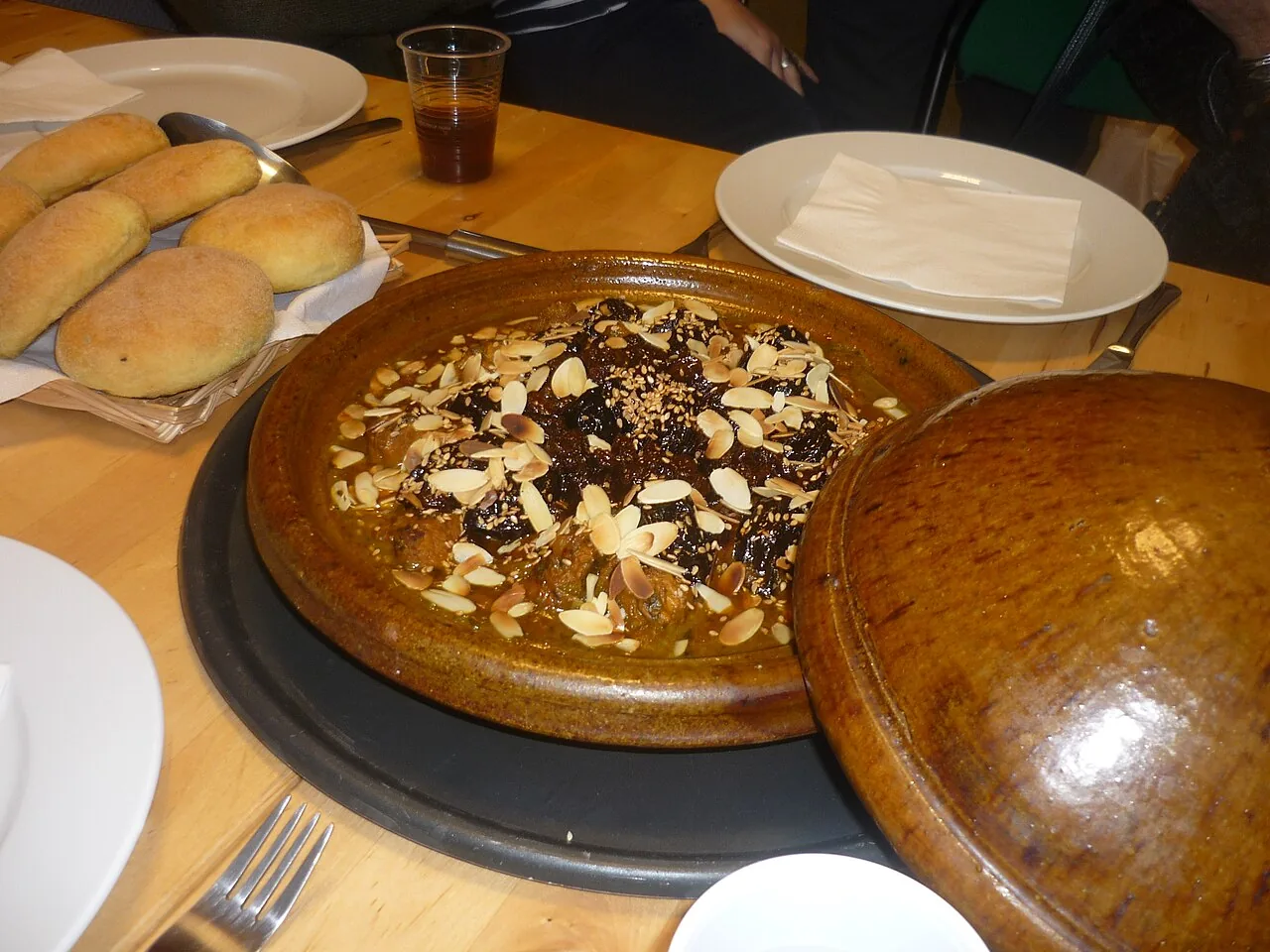

Lamb & Prune Tagine
Clay vessel braised lamb shoulder infused with Ras el Hanout, saffron stamens, and natural sun-dried fruit pectins.
Immunity & Warming
Slow-braised lamb with prunes, almonds and couscous.
Spiced Couscous & Preserved Lemon Salad
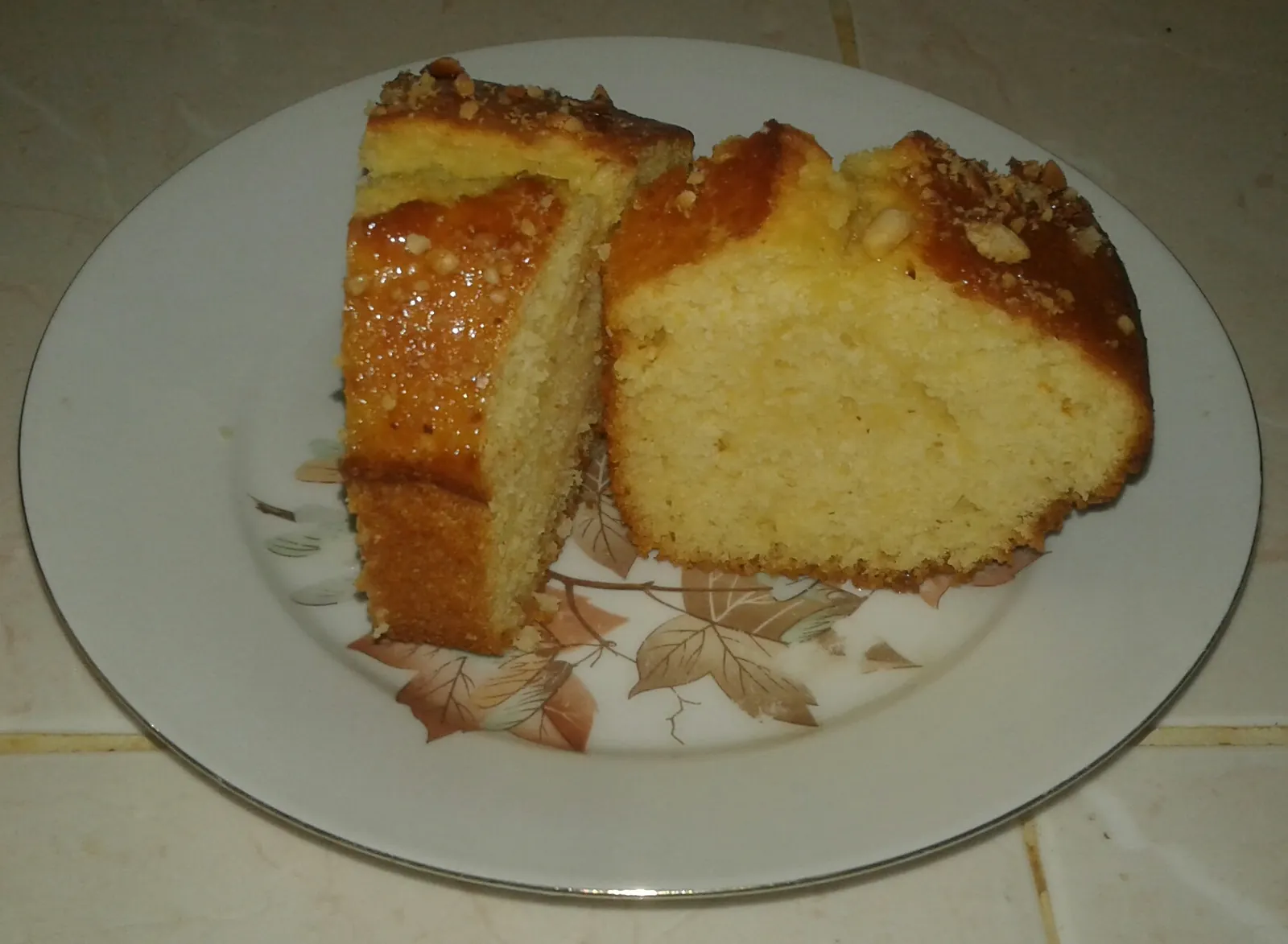
Meskouta, Moroccan Orange Meskouta, Orange Meskouta Cake
Moroccan orange cake, or meskouta, is the home cake of Morocco: a soft, golden sponge made with fresh orange juice and zest, olive oil and yogurt, with no frosting needed. One serving is about 110 g, a thick slice with mint tea.
Meskouta is the everyday home cake of Morocco, traditionally made in winter when the oranges ripen. Orange is the best-known variation, and the cake is made with oil rather than butter, which keeps it moist for days. It is served with hot mint tea at the afternoon atay, the tea table at the heart of Moroccan family life.
Pairs well with: Serve with hot Moroccan mint tea and a few orange slices.
Provenance
Morocco
Moroccan Tea-Time Classic
Middle Eastern
Time Dedication
1h
15m prep • 45m cook
Batch Yield
8 Servings
370 kcal per serving
1 serving ≈ 110 g
Technical Skill
Easy
Easy (One Bowl)
Meal Timing & Digestive Fit
Breakfast
Not Advised
Lunch
Inappropriate
Dinner
Inappropriate
Snack & Tea
Ideal Light Bite
Moroccan Tea-Time Classic
Photo: TALAYWA, CC BY-SA 4.0, via Wikimedia Commons
The Heritage Formulary
Estimated cost: Low — about $1–2 per serving at home (USD)
The batter is mixed in one bowl, baked at 175°C (350°F) until a skewer comes out clean, and glazed while warm.
Execution Methodology & Culinary Technique
Prep Stage: Oranges Zested, Pan Ready
15 Mins • Hands On
Zest the oranges before you juice them, then squeeze out 120 ml of juice plus 15 ml for the glaze. Grease and flour a 22 cm round cake tin, or line it with baking paper. Measure everything into bowls — the batter comes together in minutes once the oven is hot.
Maestro Tip: Zest only the orange skin, not the white pith underneath, or the cake turns bitter.
5 Mins • Hands On Oven 175°C (350°F)
Heat the oven to 175°C (350°F). Grease a 22 cm round cake tin with a little oil, dust it with flour, and tap out the excess, or line the base with baking paper.
A light tin bakes more evenly than a dark one for this pale sponge.
Done when: The oven is hot and the tin is coated and ready.
5 Mins • Hands On Room temperature, about 21°C (70°F)
In a large bowl, whisk the eggs and sugar for 2 minutes until pale and slightly thick. Whisk in the orange zest, the 120 ml of orange juice and the vanilla — the batter should smell bright and citrusy.
Room-temperature eggs whisk up lighter than cold ones.
Done when: The mixture is pale, foamy and smells of fresh orange.
5 Mins • Hands On Room temperature, about 21°C (70°F)
Whisk in the olive oil and yogurt until smooth, then sift in the flour, baking powder and salt. Fold gently with a spatula until just combined — a few small lumps are fine.
Stop folding as soon as the flour disappears; overmixing makes a tough cake.
Done when: The batter is smooth, thick and pourable.
45 Mins • Oven Oven 175°C (350°F)
Pour the batter into the tin and smooth the top. Bake 40–45 minutes until deep golden and a skewer pushed into the centre comes out clean, with just a few moist crumbs.
If the top browns too fast, cover loosely with foil for the last 10 minutes.
Done when: The cake is risen, golden, and springs back when pressed lightly.
15 Mins • Hands On Warm cake, about 60°C (140°F)
While the cake is still warm, prick the top lightly with a skewer and drizzle over the 15 ml of orange juice so it soaks in. Leave 10 minutes in the tin, then turn out onto a rack, cool, and dust with powdered sugar.
Glazing while warm is what keeps the crumb moist for days.
Done when: The top glistens, the cake smells of orange, and it slices cleanly.
Finishing Touches & Plating
Drizzle the orange glaze over the warm cake, let it soak in for 10 minutes, then dust with powdered sugar and serve in thick slices.
Nutritional Physiology & Benefits
Energy
370
kcal / serving
Protein
6g
Complete AA
Carbs
53g
Complex
Fats
15g
Healthy
| Energy | 370 kcal |
| Protein | 6 g |
| Carbohydrates | 53 g |
| Fat | 15 g |
| Fibre | 1.1 g |
| Sugar | 27.3 g |
| Sodium | 265 mg |
| Energy | 336 kcal |
| Protein | 5.7 g |
| Carbohydrates | 47.7 g |
| Fat | 13.8 g |
| Fibre | 1 g |
| Sugar | 24.8 g |
| Sodium | 241 mg |
Nutrition values are estimated — calculated from USDA FoodData Central values for the listed ingredients.
Vitamins & minerals: Vitamin C (orange juice and zest), calcium (yogurt), vitamin E (olive oil).
Quick Energy, No Frosting
About 370 kcal a slice makes meskouta a satisfying tea-time snack without the extra sugar of a frosted cake.
Olive Oil Keeps It Moist
Olive oil gives the crumb a tender, moist texture and brings vitamin E and monounsaturated fats.
Real Orange, Real Vitamin C
Fresh orange juice and zest bring vitamin C and bright flavour — no artificial flavouring needed.
Food Pairings
To optimize nutrient absorption and elevate the sensory depth, pair with these authentic accompaniments:
Drinks
Moroccan Mint Tea
Hot mint tea is the true home of meskouta — the sweet, minty tea balances the cake’s citrus richness.
Strong Coffee
A small strong coffee cuts the sweetness and is a fine partner for a morning slice.
More Pairings
Fresh Orange Slices
Fresh orange segments echo the cake’s flavour and add bright acidity and juice.
Vanilla Ice Cream
A scoop of vanilla ice cream turns a warm slice into dessert — cold cream against the citrus sponge.
Complete menu
Serve the orange cake with mint tea and fresh orange slices as an afternoon snack, or with coffee after a Moroccan dinner.
Digestive Guardrails
To prevent digestive distress, sluggishness, or palate clash, avoid pairing the dish with these elements:
Underbaked Centre
The centre must be fully baked — a skewer should come out clean. An underbaked cake can carry raw egg, which is a food-safety risk, especially for children and pregnant women. This is general food-safety information, not medical advice.
Wheat, Egg and Milk Allergens
This cake contains wheat (flour), egg and milk (yogurt) — all major allergens. Anyone with one of these allergies must not eat it. Ask your clinician if you are unsure. This is general food-safety information, not medical advice.
General information only, not medical advice — consult a doctor for personal dietary decisions.
Who Should Eat It
Health Conditions — Adjust or Avoid
If you have a medical condition, consult your doctor before changing your diet.
Storage & Use
Clay vessel braised lamb shoulder infused with Ras el Hanout, saffron stamens, and natural sun-dried fruit pectins.
Immunity & Warming
Slow-braised lamb with prunes, almonds and couscous.
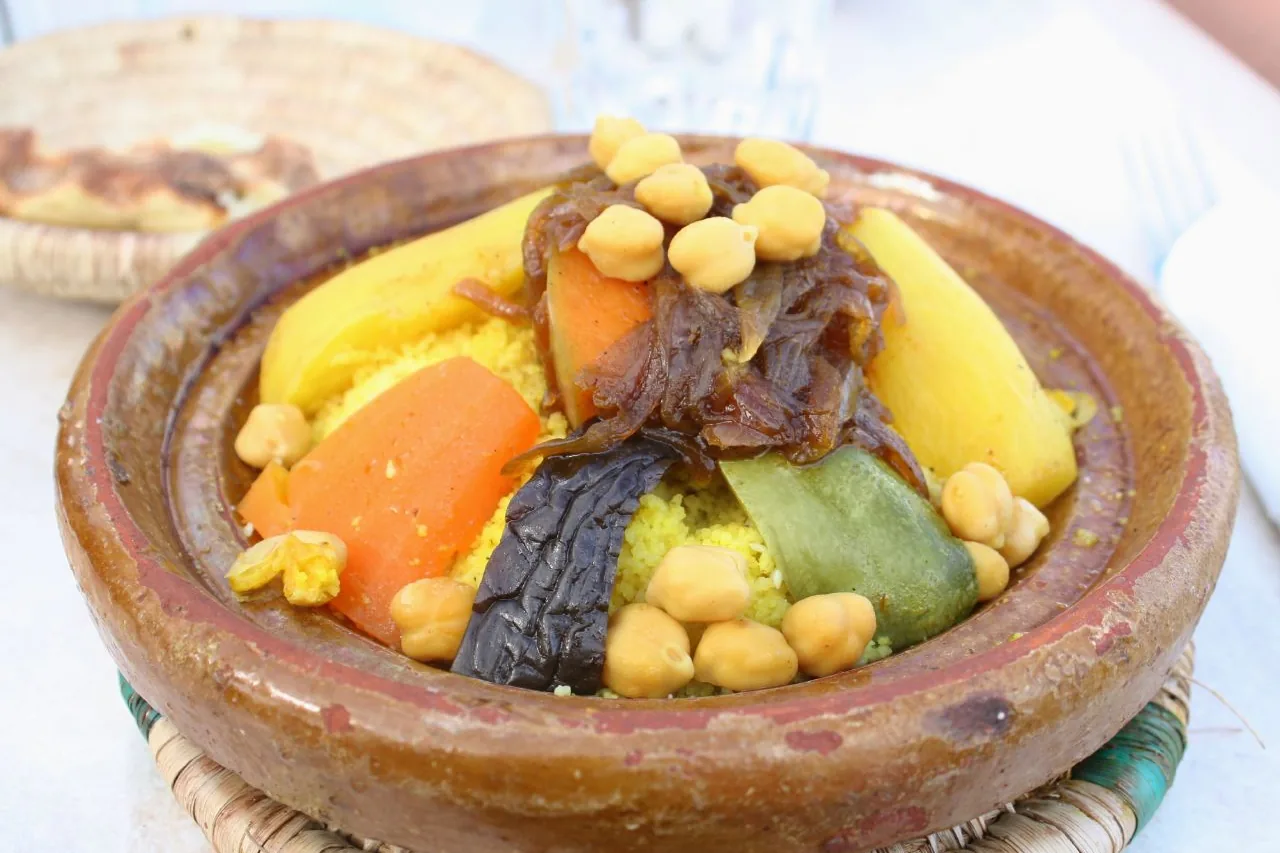
This moroccan couscous recipe steams fine semolina until fluffy, then ladles over a slow-cooked stew of seven vegetables, chickpeas and warm spices. One serving is about 475 g.
Comfort & Warmth
Fluffy steamed semolina with a slow vegetable stew and chickpeas.
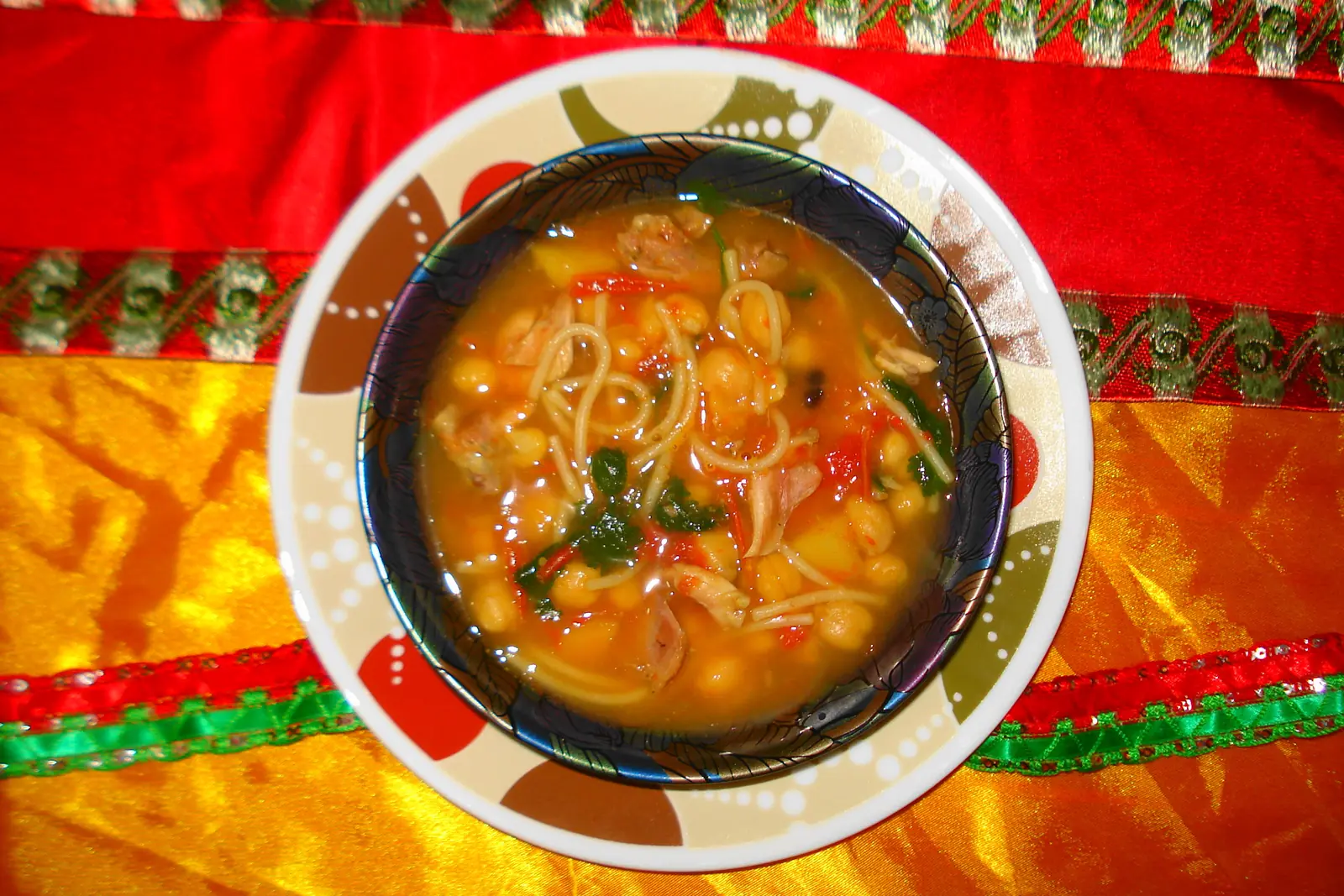
This harira soup recipe simmers lentils, chickpeas, tomatoes and lamb with ginger, cinnamon and fresh herbs, then thickens it the traditional way with a flour slurry. One serving is about 450 g.
Comfort & Warmth
A thick, warming tomato and lentil soup, the soup Moroccans break their fast with.
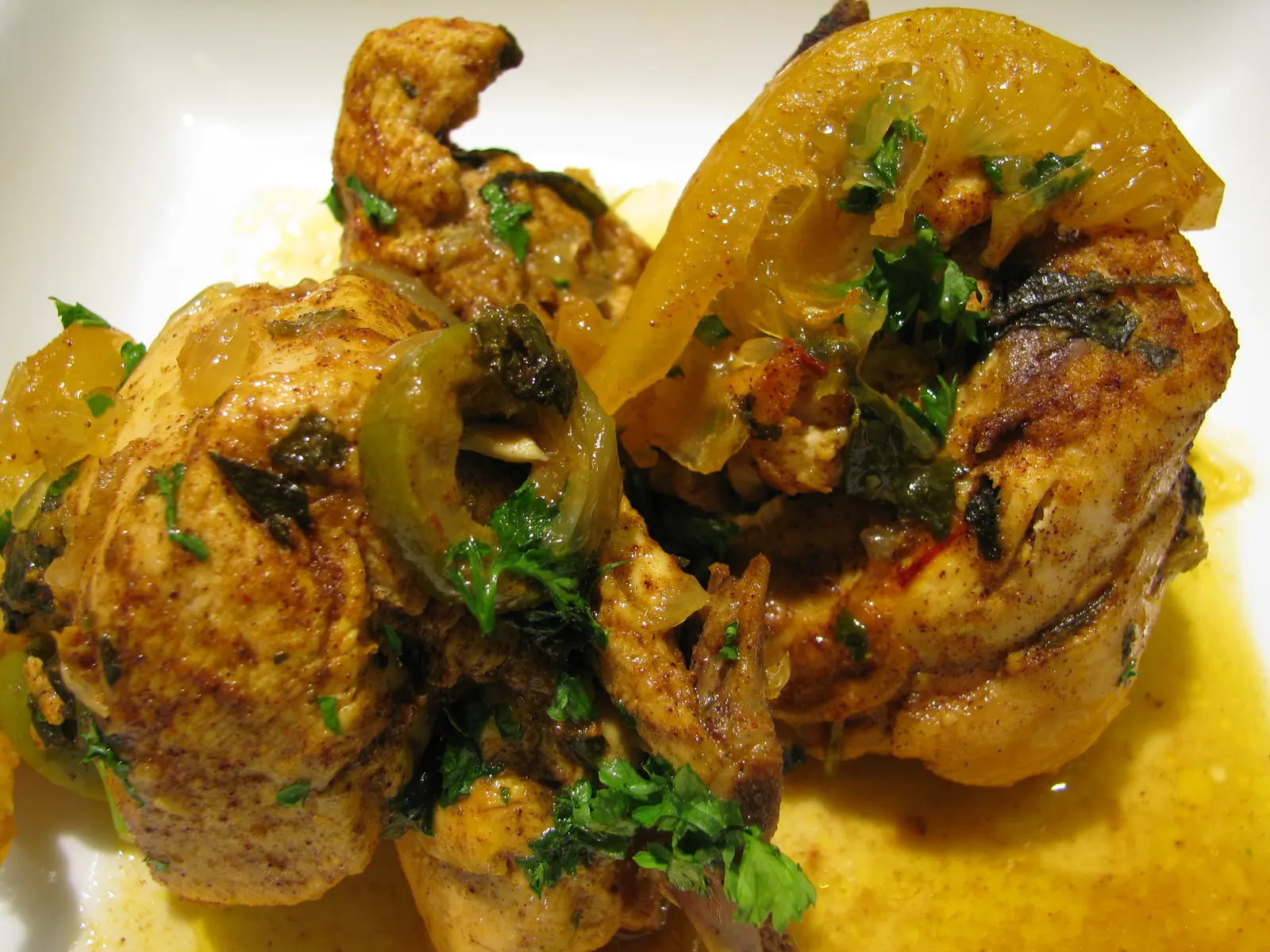
Moroccan chicken tagine is the dish Morocco is best known for: chicken braised slowly with onions, ginger and saffron, then finished with salty preserved lemon and green olives. This moroccan chicken tagine recipe uses a heavy pot instead of a clay tagine, so anyone can make it — the conical lid's job is done by a tight-fitting lid and a gentle flame. One serving is about 315 g.
Slow-Cooked Comfort
Chicken braised slowly with ginger, saffron, preserved lemon and green olives until the meat falls from the bone.