Curated recipes from 193 countries  •  New seasonal Mediterranean issue out now

Overview

Moroccan Roast Chicken

Djaj Mhammer, Djaj Mhamar, Dajaj Mhamer, Moroccan Roast Chicken with Dghmira

Moroccan roast chicken, or djaj mhammer, is the celebration roast of Morocco: a whole chicken rubbed with ginger, saffron, turmeric and preserved lemon, roasted until the skin is crisp and golden, then served in its own thick onion sauce, dghmira, with olives and almonds. One serving is about 360 g.

Djaj mhammer, 'roast chicken', is the celebration roast of Morocco, cooked for weddings, christenings and Eid. The bird is rubbed with ginger, saffron and preserved lemon, cooked gently until tender, then roasted until the skin turns crisp and mahogany. The pan juices and onions are reduced into dghmira, a thick golden sauce, and the chicken is served with almonds, olives and strips of preserved lemon — the garnish that marks a feast.

Pairs well with: Fluffy couscous, khobz bread and sweet mint tea.

Provenance

Morocco flag Morocco

Moroccan Heritage

Middle Eastern

Time Dedication

2h

30m prep • 90m cook

Batch Yield

4 Servings

867 kcal per serving

1 serving ≈ 360 g

Technical Skill

Intermediate

Medium (Roast & Reduce)

Meal Timing & Digestive Fit

Breakfast

Not Advised

Lunch

Hearty Midday Main

Dinner

Ideal Hearty Main

Snack & Tea

Inappropriate

High Protein Occasions: Weddings, Eid, christenings, Sunday family lunch, celebration dinners Cost: Medium — about $4–5 per serving at home

Two whole Moroccan roast chickens with herb sauce, almonds and French fries on a blue patterned platter

Moroccan Heritage

Photo: Tendre han, CC BY-SA 4.0, via Wikimedia Commons

The Heritage Formulary

Measured Ingredients

Estimated cost: Medium — about $4–5 per serving at home (USD)
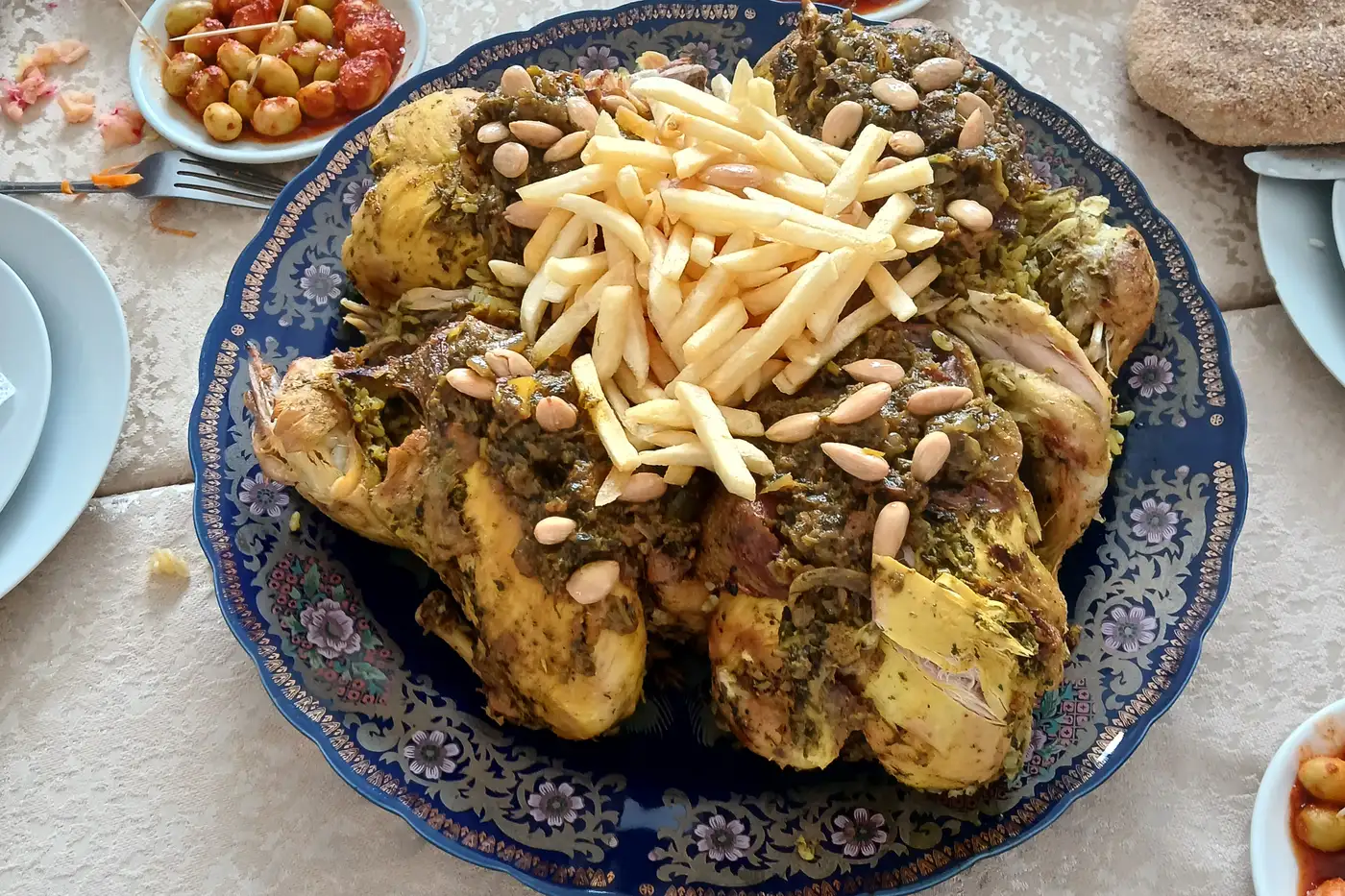
Made with a whole chicken, ginger, saffron, preserved lemon and green olives, roasted until crisp and served with reduced onion sauce.

Execution Methodology & Culinary Technique

Step-by-Step Cooking Guide

Active 2h
P

Prep Stage: Rub, Slice & Bloom the Saffron

30 Mins • Knife & Bowl Work

Crush the saffron into warm water and leave it to bloom. Slice the onions, grate the garlic and ginger, rinse and chop the preserved lemon, and rinse the olives. Mix the saffron water with the lemon juice, garlic, ginger, ground spices, olive oil and salt, then rub the mixture all over the chicken and under the skin. Leave it to marinate for at least 2 hours, or overnight in the fridge for the best flavour.

Maestro Tip: Rub the spice paste under the skin as well as over it — that is where the flavour reaches the meat.

  1. 1

    Marinate the Chicken

    10 Mins No heat — marinating

    Mix the bloomed saffron water with the lemon juice, garlic, fresh and ground ginger, turmeric, cinnamon, cumin, paprika, olive oil and salt. Rub the paste all over the chicken and under the breast skin, then leave it to marinate for at least 2 hours, or overnight in the fridge.

    Overnight marinating gives the deepest flavour; 2 hours is the minimum.

    Done when: Chicken is evenly coated, skin stained golden.

  2. 2

    Roast Covered

    45 Mins 200°C (400°F)

    Heat the oven to 200°C (400°F). Set the chicken breast-up in a roasting pan, scatter the sliced onions around it with 120 ml of water, and cover tightly with foil. Roast for 45 minutes.

    Tuck the wing tips under the bird so they do not burn.

    Done when: Skin is pale gold, onions are soft, pan juices are fragrant.

  3. 3

    Roast Uncovered Until Crisp

    30 Mins 200°C (400°F)

    Remove the foil, baste the chicken with the pan juices, and roast uncovered for 25–30 minutes more, basting twice, until the skin is deep golden and crisp and the thickest part of the thigh reads at least 74°C (165°F).

    If the skin browns too fast, lay a loose sheet of foil over the breast only.

    Done when: Skin is deep golden and crisp; thigh reads 74°C (165°F) or above.

  4. 4

    Make the Dghmira

    10 Mins Medium heat, ~175°C (350°F)

    Lift the chicken onto a board to rest. Set the roasting pan over medium heat, add the chopped preserved lemon and the olives, and simmer the pan juices and onions, stirring and scraping the base, until they reduce to a thick, glossy sauce that coats a spoon.

    That dark layer on the base of the pan is flavour — scrape it up into the sauce.

    Done when: Sauce is thick, glossy and golden-brown; onions have melted into it.

  5. 5

    Rest, Garnish and Serve

    10 Mins Resting — no heat

    Rest the chicken for 10 minutes, then carve it and arrange it on a large platter. Spoon the dghmira and olives over and around it, and scatter the toasted almonds, chopped cilantro and strips of preserved lemon over the top. Serve with couscous and bread for the sauce.

    Resting keeps the juices in the meat instead of on the board.

    Done when: Chicken is juicy, sauce is glossy, garnish is bright.

Finishing Touches & Plating

Spoon the dghmira over the carved chicken at the table, not in the kitchen, so everyone sees the golden bird first. The sauce is the point of the dish — make sure there is bread to catch it.

Nutritional Physiology & Benefits

Nutrition

Energy

867

kcal / serving

Protein

62g

Complete AA

Carbs

14g

Complex

Fats

63g

Healthy

Per serving (4 servings · 1 serving ≈ 360 g)
Energy867 kcal
Protein62 g
Carbohydrates14 g
Fat63 g
Fibre4.3 g
Sugar3.8 g
Sodium1100 mg
Per 100g
Energy241 kcal
Protein17.1 g
Carbohydrates3.9 g
Fat17.4 g
Fibre1.2 g
Sugar1.1 g
Sodium306 mg

Nutrition values are estimated — calculated from USDA FoodData Central values for the listed ingredients.

Vitamins & minerals: Chicken provides niacin, vitamin B6 and iron; olives and olive oil add vitamin E; cilantro and lemon add vitamin C and vitamin K.

High in Protein

Each serving carries about 62 g of protein from the chicken, which supports muscle maintenance and keeps you full for hours.

Olives and Olive Oil

Olive oil and green olives bring monounsaturated fats and vitamin E, while ginger, garlic and herbs add flavour without extra salt.

Iron and B Vitamins

Chicken provides niacin, vitamin B6 and iron, and the fresh cilantro and lemon add vitamin C and vitamin K.

Food Pairings

What to Eat With

To optimize nutrient absorption and elevate the sensory depth, pair with these authentic accompaniments:

Sides

Couscous

Fluffy couscous soaks up the dghmira like nothing else — it is the reason the sauce is made in the first place.

Khobz Bread

Torn pieces of khobz are made for scooping up sauce and olives, and they turn the roast into a hands-on, sharing meal.

Drinks

Mint Tea

Sweet mint tea cleanses the palate after the rich, salty roast and is the traditional Moroccan finish to the meal.

Vegetables

Tomato and Cucumber Salad

A simple salad with a sharp lemon dressing cuts through the richness and adds a fresh, crunchy contrast.

Complete menu

Moroccan Roast Chicken with couscous, khobz bread and a tomato salad, followed by mint tea with pastries for dessert — a full Moroccan menu.

Digestive Guardrails

What NOT to Combine

To prevent digestive distress, sluggishness, or palate clash, avoid pairing the dish with these elements:

High Sodium — Watch Portions if You Limit Salt

Preserved lemons and green olives are both very salty, and one serving carries about 1100 mg of sodium. People on a low-sodium plan should eat a smaller portion and skip extra bread. This is general information, not medical advice.

Do Not Undercook the Chicken

The thigh must reach at least 74°C (165°F) at its thickest point, and the juices must run clear. Never serve chicken that is pink at the bone. This is general information, not medical advice.

Do Not Skip the Rest

Carving the chicken straight from the oven spills its juices onto the board and leaves dry meat. Rest it for 10 minutes first. This is general information, not medical advice.

General information only, not medical advice — consult a doctor for personal dietary decisions.

Who Should Eat It

Who Should Eat

  • General adultsA satisfying, celebratory dinner for most adults — about 867 kcal per serving, so it suits a feast rather than an everyday meal.
  • ChildrenChildren usually like the mild, savoury chicken; pick out the olives and lemon rind for small children, and serve the sauce over couscous.
  • ElderlyGood protein and very tender once roasted, but the olives make it salty, so a smaller portion suits smaller appetites.
  • Pregnant womenSafe when the chicken is cooked through to at least 74°C (165°F) and served hot; the preserved lemon is salty, so keep the portion moderate.
  • Breastfeeding womenFine as part of a varied diet; the protein and iron are genuinely useful, just keep this rich, salty dish occasional.
  • AthletesExcellent post-training protein at about 62 g per serving; pair with couscous or bread for the carbohydrate recovery needs.
  • Weight gainA helpful choice — energy-dense from the skin and oil, high in protein, and easy to eat in a full portion with bread.
  • Weight lossA rich dish at 867 kcal; remove the skin before eating and go easy on the bread — the sauce is the treat, and the chicken is the lean part.

Health Conditions — Adjust or Avoid

Conditions

  • DiabetesAbout 14 g of carbohydrate per serving, so it fits easily into a diabetes-friendly plate; watch the couscous or bread served alongside. Ask your clinician about portions.
  • High blood pressureOne serving carries about 1100 mg of sodium, mostly from the preserved lemon and olives — a large share of a daily limit. Keep portions small and skip extra salt. Ask your clinician about your daily sodium limit.
  • Kidney diseaseHigh in protein and high in sodium, so portion control matters a great deal. Ask your clinician whether this fits your plan.
  • GoutChicken is a moderate-purine meat, so large or frequent portions can raise uric acid. Keep portions modest and infrequent. Ask your clinician about your limits.
  • Stomach issuesA rich, oily, salty roast can worsen reflux and gastritis; eat a smaller portion earlier in the evening and skip the lemon rind. Ask your clinician if symptoms persist.
  • Cardiovascular diseaseThe skin-on chicken, oil and olives make this energy-dense, so this is an occasional dish rather than a regular one, and removing the skin helps. Ask your clinician about how often it fits your diet.
  • Fatty liverThe rich roast adds energy and fat that the liver must process; keep portions small, remove the skin, and pair with vegetables rather than bread. Ask your clinician for personalised advice.
  • Food allergiesContains tree nuts (almonds) and sesame is not present; check your olives and preserved lemons for hidden additives. Ask your clinician about safe alternatives.
  • Special therapeutic dietsNot suitable for low-sodium or low-fat therapeutic diets as written, because of the preserved lemon and olives. Ask your clinician or dietitian before adapting it.

If you have a medical condition, consult your doctor before changing your diet.

Storage & Use

Storage & Use

How to store
Cool quickly and store the chicken and sauce together in an airtight container.
In the fridge
Up to 3 days.
In the freezer
Up to 3 months (freeze the chicken and sauce without the fresh herbs and almonds).
How to reheat
Reheat gently in a covered pan over low heat for 12–15 minutes until steaming hot throughout, to 74°C (165°F). Add a splash of water if the sauce is too thick.
Freezing recommended
Yes — the roast and sauce freeze very well.
Signs it has spoiled
Sour or off smell, slimy surface, or mould on the sauce.

More recipes to explore

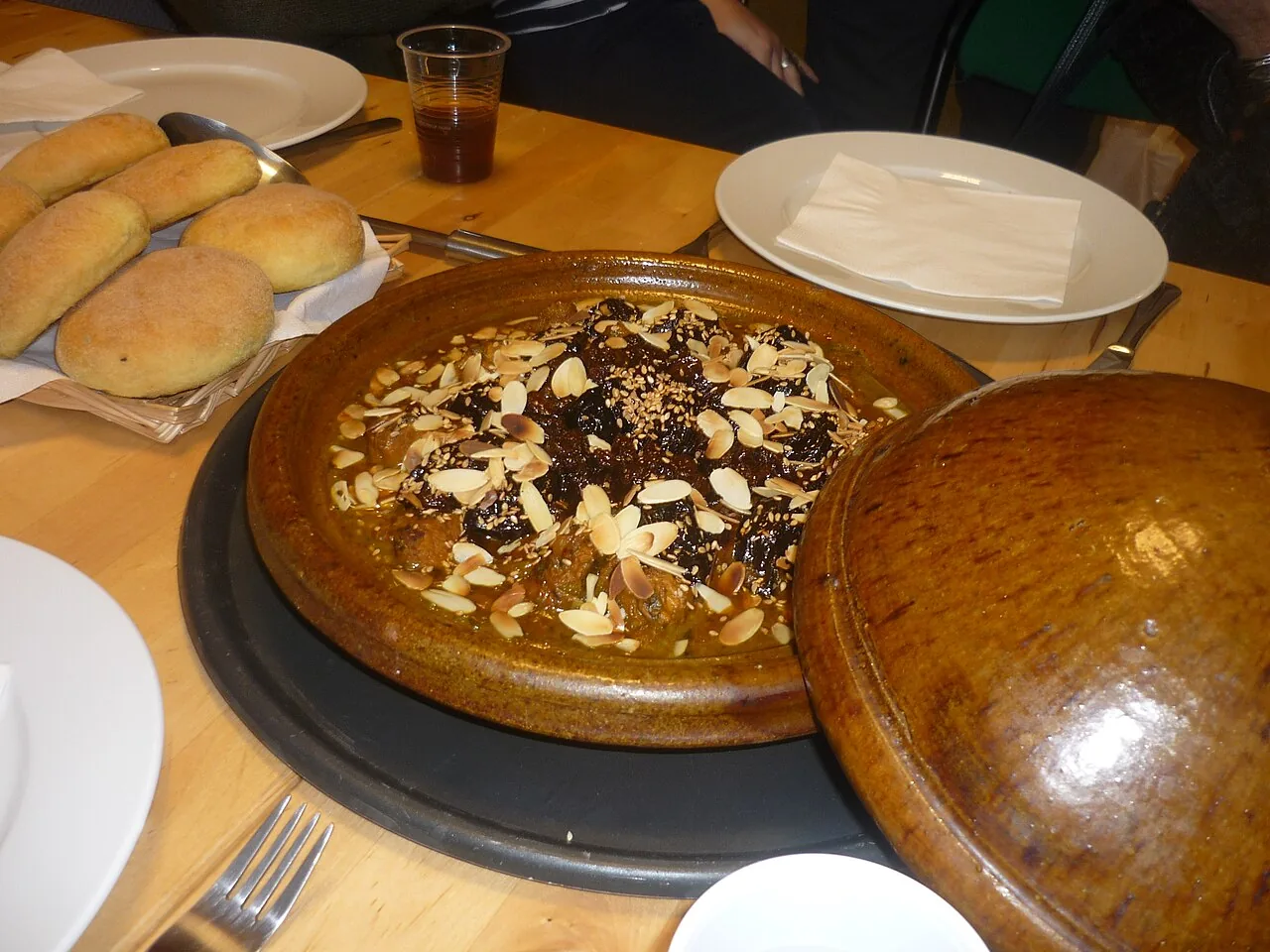
Moroccan lamb and prune tagine with almonds and sesame Morocco flag Morocco 2h 35m
Lunch •Atlas Mountains

Lamb & Prune Tagine

Clay vessel braised lamb shoulder infused with Ras el Hanout, saffron stamens, and natural sun-dried fruit pectins.

Immunity & Warming

Slow-braised lamb with prunes, almonds and couscous.

Pairs Well With
Spiced Couscous & Preserved Lemon Salad
High Protein
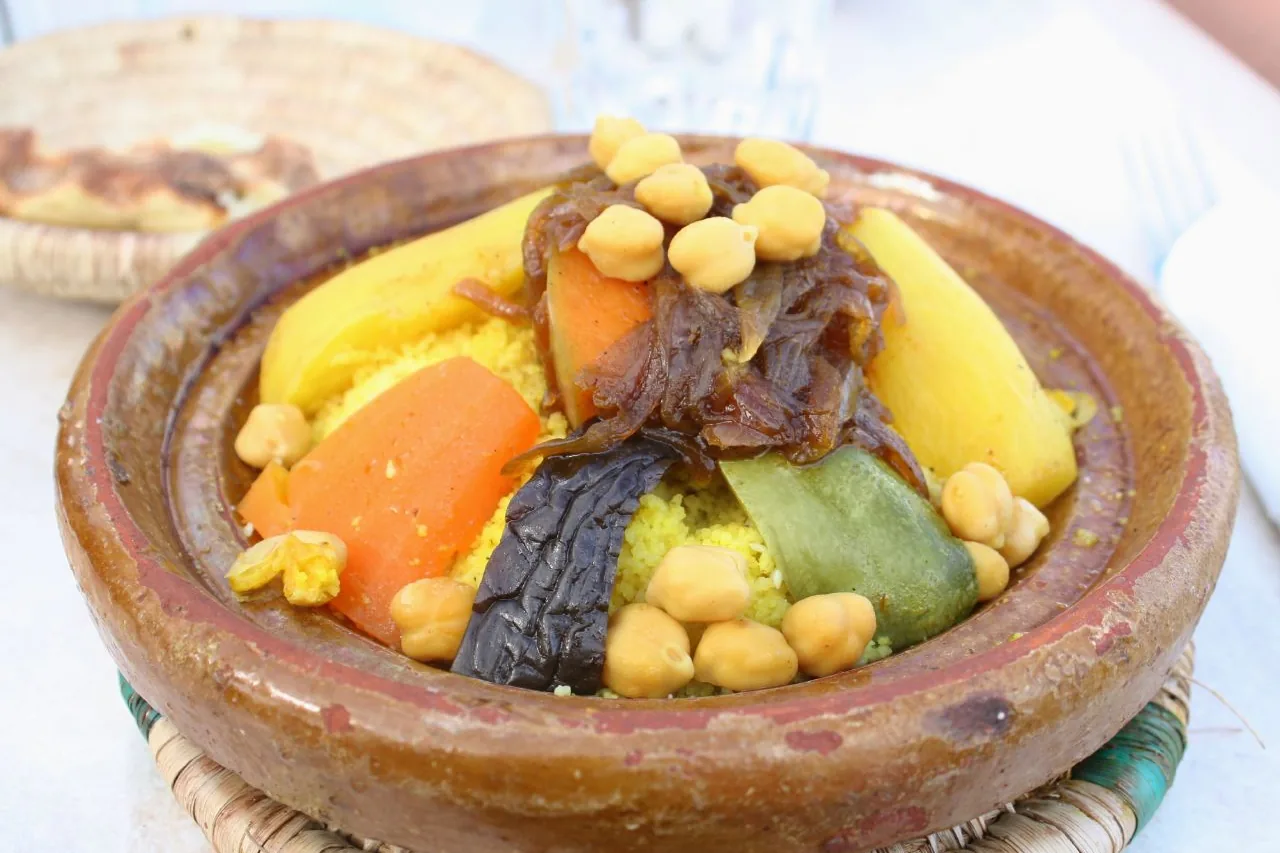
A clay bowl of Moroccan couscous with vegetables, chickpeas, carrot and pumpkin Morocco flag Morocco 1h 15m
Dinner •Maghreb Friday Table

Moroccan Couscous with Vegetables

This moroccan couscous recipe steams fine semolina until fluffy, then ladles over a slow-cooked stew of seven vegetables, chickpeas and warm spices. One serving is about 475 g.

Comfort & Warmth

Fluffy steamed semolina with a slow vegetable stew and chickpeas.

Pairs Well With
Harissa, mint tea and crusty bread
Quick Prep (<30m)
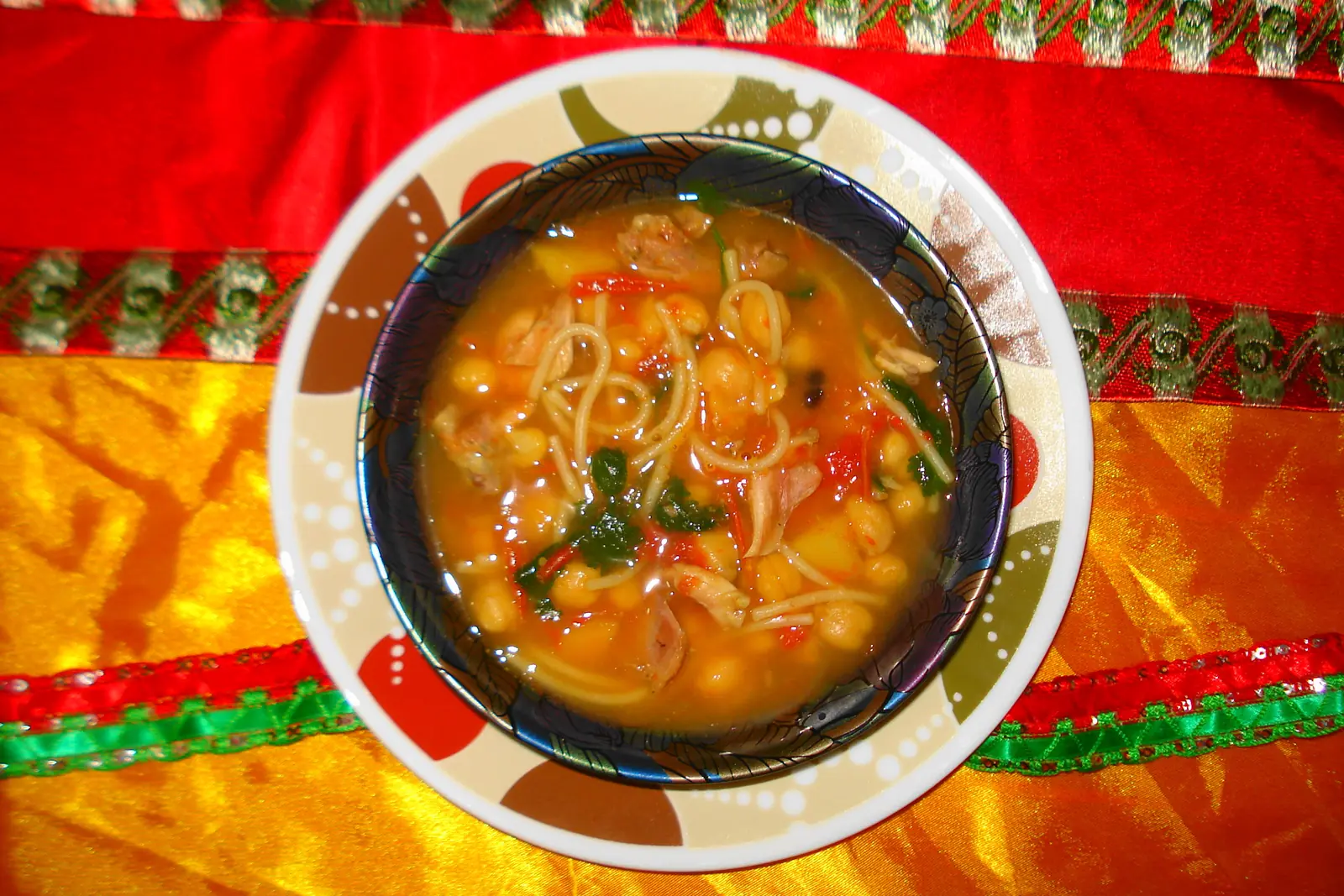
A bowl of Moroccan harira soup with chickpeas, noodles and fresh herbs Morocco flag Morocco 1h 15m
Lunch •Ramadan Iftar Table

Harira Soup

This harira soup recipe simmers lentils, chickpeas, tomatoes and lamb with ginger, cinnamon and fresh herbs, then thickens it the traditional way with a flour slurry. One serving is about 450 g.

Comfort & Warmth

A thick, warming tomato and lentil soup, the soup Moroccans break their fast with.

Pairs Well With
Dates, chebakia and mint tea
Soups & Broths • High Protein
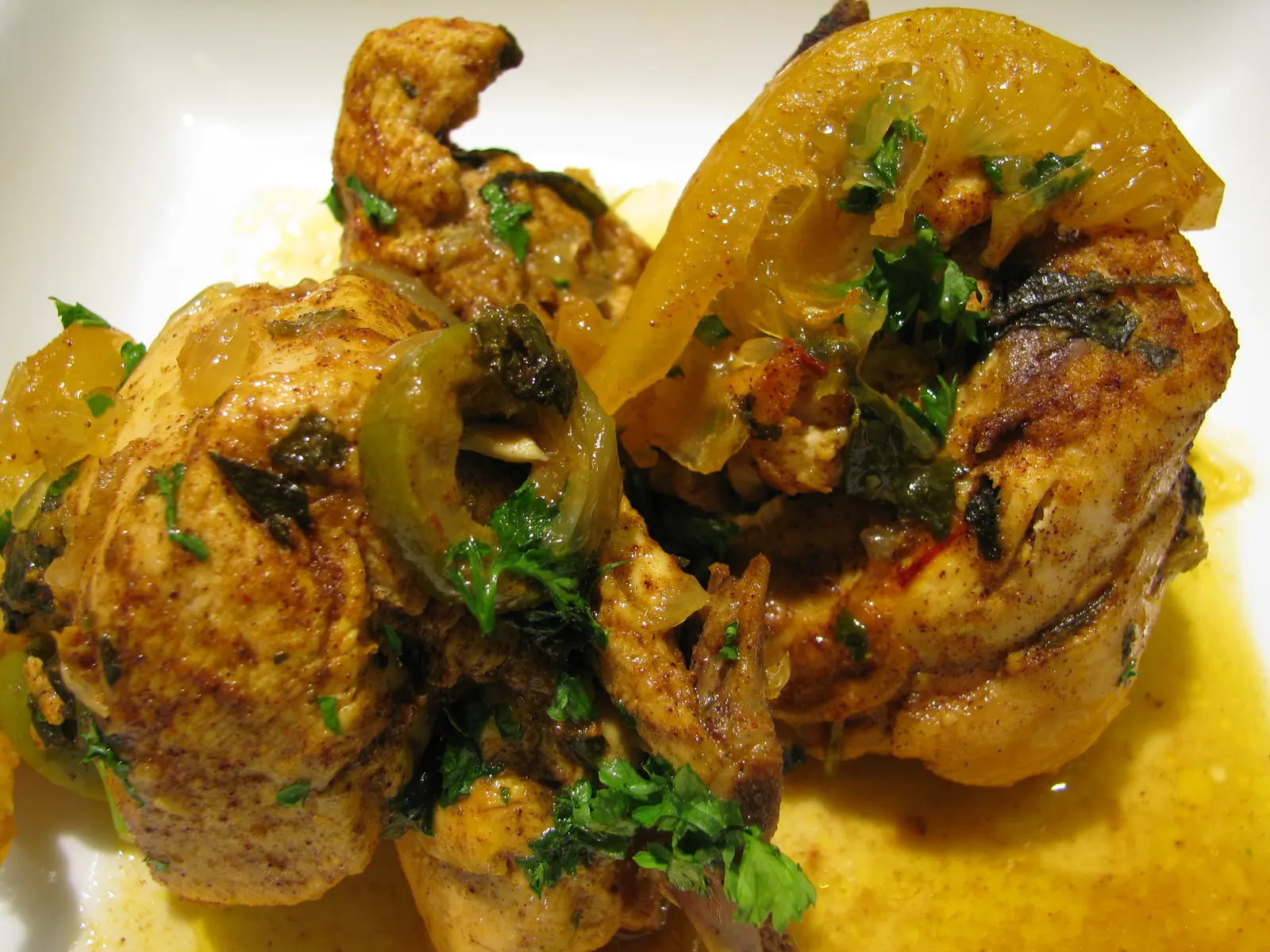
Moroccan chicken tagine with preserved lemon slices, green olives and fresh parsley Morocco flag Morocco 1h 15m
Dinner •Moroccan Heritage

Moroccan Chicken Tagine

Moroccan chicken tagine is the dish Morocco is best known for: chicken braised slowly with onions, ginger and saffron, then finished with salty preserved lemon and green olives. This moroccan chicken tagine recipe uses a heavy pot instead of a clay tagine, so anyone can make it — the conical lid's job is done by a tight-fitting lid and a gentle flame. One serving is about 315 g.

Slow-Cooked Comfort

Chicken braised slowly with ginger, saffron, preserved lemon and green olives until the meat falls from the bone.

Pairs Well With
Couscous, khobz bread and mint tea.
High Protein

The Dinner Gazette

Never wonder what’s for dinner again

One email a week with easy dinner ideas from around the world — ingredients, steps and nutrition, tested in our kitchen first.

Delivered every Thursday morning. Unsubscribe anytime.