
Curated recipes from 193 countries  •  New seasonal Mediterranean issue out now

Overview

Morogo

Morogo wa Dinawa; African Wild Spinach

This morogo recipe cooks wild spinach leaves — amaranth or cowpea leaves — with sweet onion, tomato and a little oil until they turn silky and deep green. One serving is about 210 g.

Morogo — also called moroho or African spinach — is not one plant but a group of at least three dark green leafy vegetables gathered across Southern Africa: amaranth, cleome and cowpea leaves. In Botswana the leaves are picked wild or grown in home gardens, then cooked fresh in the rainy season or dried for the dry months. The dried form, morogo wa dinawa, is made by boiling cowpea leaves, pounding them soft and sun-drying them, and it keeps for about a year.

Pairs well with: Stiff pap, seswaa and a squeeze of lemon

Provenance

Botswana flag Botswana

Botswana Everyday Greens

African Heritage

Time Dedication

35m

15m prep • 20m cook

Batch Yield

4 Servings

129 kcal per serving

1 serving ≈ 210 g

Technical Skill

Easy

Easy (One Pan)

Meal Timing & Digestive Fit

Breakfast

Not Advised

Lunch

Prime Metabolic Fit

Dinner

Ideal Hearty Main

Snack & Tea

Inappropriate

Occasions: Everyday lunch, family meals, celebration plates Cost: Low — about $1–2 per serving at home
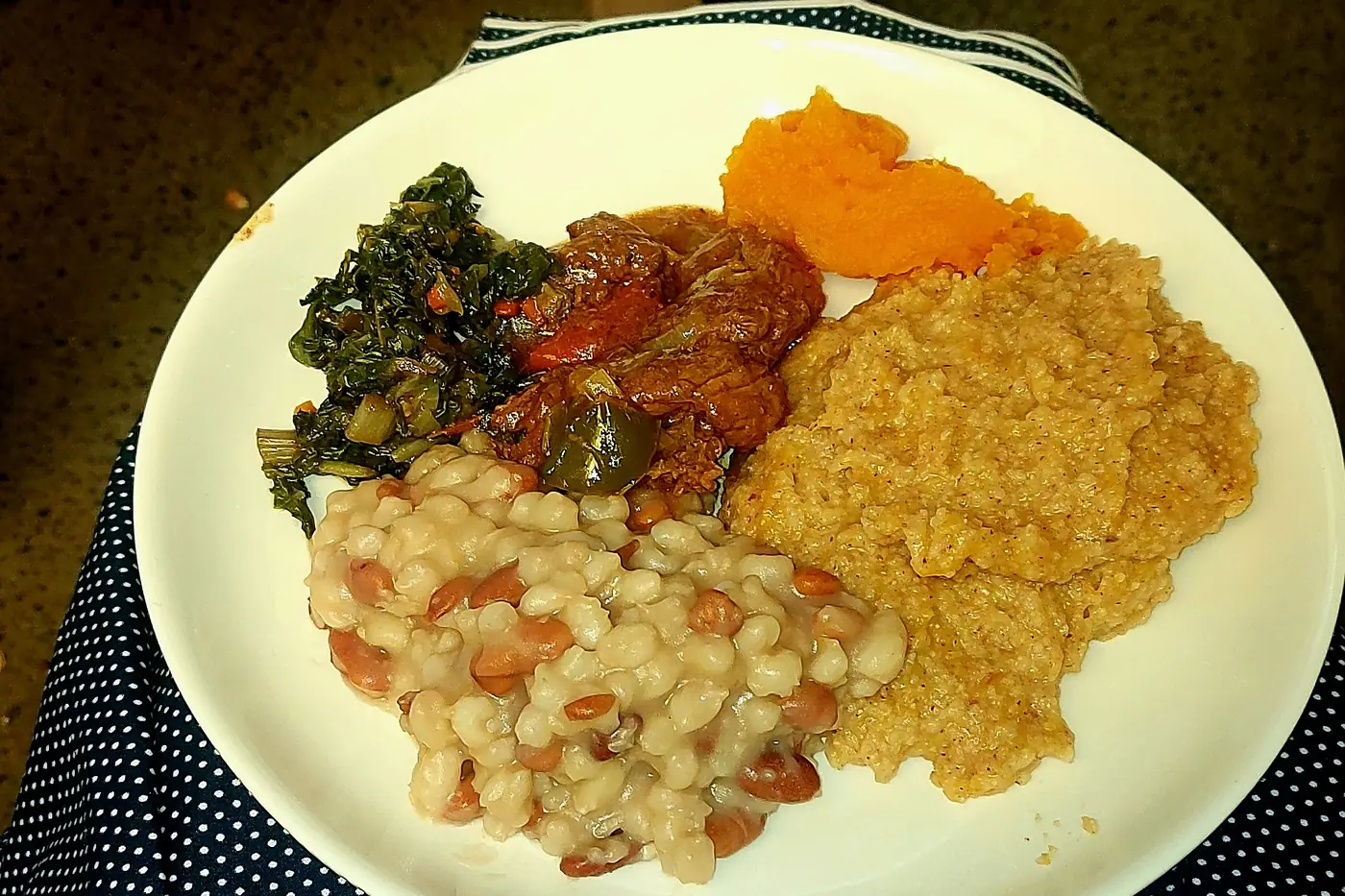
A Botswana plate with cooked morogo greens, beef, beans, pumpkin and bogobe

Botswana Everyday Greens

Photo: Deborah Tjituka, CC0, via Wikimedia Commons

The Heritage Formulary

Measured Ingredients

Estimated cost: Low — about $1–2 per serving at home (USD)

Good morogo is vivid green and silky, never grey or watery — the colour tells you it was cooked just long enough.

Execution Methodology & Culinary Technique

Step-by-Step Cooking Guide

Active 35m
P

Prep Stage: Wash, Wash, Wash Again

15 Mins • Knife Work

Morogo is the dish where washing matters most: swish the leaves in a big bowl of cold water, lift them out, and repeat until the water runs completely clear — grit hides between the leaves. Strip out any thick, woody stems, chop the leaves coarsely, and dice the onion and tomatoes.

Maestro Tip: Lift the leaves out of the water instead of pouring them through a sieve: the grit stays at the bottom of the bowl.

  1. 1

    Soften the Onion

    5 Mins Medium heat, ~160°C (320°F)

    Heat the sunflower oil in a wide pan over medium heat. Add the onion with a pinch of salt and cook for 5 minutes, stirring, until soft, sweet and starting to turn golden. Stir in the garlic and cook for 1 minute more.

    Do not rush this step — a properly softened onion is the whole flavour base of the dish.

    Done when: The onion is soft, translucent and sweet-smelling.

  2. 2

    Cook the Tomatoes Down

    5 Mins Medium heat, ~160°C (320°F)

    Add the diced tomatoes with their juices and cook for 5 minutes, stirring, until they collapse into a thick, jammy sauce. If the pan looks dry, add 2 tablespoons of water.

    The sauce should coat the spoon, not run — that concentration is what seasons the greens.

    Done when: The tomatoes have lost their raw shape and smell sweet, not sharp.

  3. 3

    Wilt the Greens

    5 Mins Medium heat, then a gentle simmer, ~95°C (203°F)

    Pile the washed morogo into the pan — it will look like far too much, then shrink by half within a minute. Stir to coat the leaves in the tomato sauce, cover, and cook for 5 minutes, stirring once. The leaves steam in their own juices.

    Do not add water yet: the leaves release plenty of their own liquid as they wilt.

    Done when: The leaves have collapsed, turned a deep, glossy green, and the pan holds a little dark juice.

  4. 4

    Simmer and Season

    5 Mins Low heat, gentle simmer, ~95°C (203°F)

    Uncover and simmer for 5 minutes more, stirring, until the leaves are tender and silky and most of the liquid has cooked away. Taste and add the remaining salt. If the greens taste flat or bitter, a squeeze of lemon at the end lifts them immediately.

    Stop while the greens are still vivid green — overcooked morogo turns dull and muddy.

    Done when: The greens are tender and glossy, not soupy, with a soft, velvety bite.

Finishing Touches & Plating

Serve hot in a bowl with lemon wedges on the side, next to pap and whatever meat is on the table — morogo is the green that ties a Botswana plate together.

Nutritional Physiology & Benefits

Nutrition

Energy

129

kcal / serving

Protein

4g

Complete AA

Carbs

13g

Complex

Fats

8g

Healthy

Per serving (4 servings · 1 serving ≈ 210 g)
Energy129 kcal
Protein4 g
Carbohydrates13 g
Fat8 g
Fibre5.2 g
Sugar4.1 g
Sodium522 mg
Per 100g
Energy61 kcal
Protein2.1 g
Carbohydrates6.2 g
Fat3.8 g
Fibre2.5 g
Sugar2 g
Sodium249 mg

Nutrition values are estimated — calculated from USDA FoodData Central values for the listed ingredients.

Vitamins & minerals: Vitamin A and vitamin C (greens, tomato), folate and iron (amaranth leaves), calcium (greens), potassium (greens, tomato).

Leafy-Green Nutrition

Amaranth leaves are rich in vitamin A, vitamin C, folate, calcium and iron — the nutrients that maize-based meals are often short of.

Light but Filling

About 129 kcal a serving with 5 g of fibre: morogo fills the plate and the stomach without weighing the meal down.

Gentle and Simple

Steamed in its own juices with a little oil, morogo is easy to digest and kind to a tired stomach.

Food Pairings

What to Eat With

To optimize nutrient absorption and elevate the sensory depth, pair with these authentic accompaniments:

Sides

Stiff Pap (Phaletshe)

Morogo is almost always eaten with pap — the soft, starchy porridge is the perfect vehicle for scooping up the saucy greens.

Seswaa (Pounded Beef)

The classic trio is seswaa, pap and morogo: rich beef, mild pap and bitter greens balance each other on one plate, and the vitamin C in the greens helps absorb the beef's iron.

Drinks

Rooibos Tea

A hot, unsweetened rooibos is the everyday Botswana drink with lunch — it refreshes without competing with the earthy greens.

Vegetables

Pumpkin Leaves or Lerotse

A spoonful of cooked pumpkin or lerotse melon beside the morogo adds sweetness that softens the greens' pleasant bitterness.

Complete menu

Serve morogo hot beside stiff pap and seswaa, with lemon wedges and rooibos tea to finish.

Digestive Guardrails

What NOT to Combine

To prevent digestive distress, sluggishness, or palate clash, avoid pairing the dish with these elements:

Dairy Cream Stirred Through

Stirring cream or cheese into morogo dulls its fresh, green flavour and adds saturated fat the dish does not need. Keep it as it is, with just oil and tomato. This is general guidance, not medical advice.

Under-Washed Leaves

Wild greens grow close to the ground and carry grit and soil. Skipping the wash does not just add crunch — soil can carry microbes, so wash until the water runs clear.

General information only, not medical advice — consult a doctor for personal dietary decisions.

Who Should Eat It

Who Should Eat

  • General adultsA light, nourishing lunch — greens, fibre and vitamins with very little fat.
  • ChildrenSuitable from age 2+; chop the greens fine, go easy on the salt, and skip the lemon if it is too sharp.
  • ElderlyExcellent — soft, easy to chew and rich in calcium, iron and folate; keep salt moderate.
  • Pregnant womenGenerally suitable; wash the leaves very thoroughly and cook them fully through.
  • Breastfeeding womenGenerally suitable; the iron and folate support recovery — cook fully and wash well.
  • AthletesA useful recovery side: iron, potassium and folate with slow carbs from pap.
  • Weight gainA good choice — eat a generous portion with pap and a protein main.
  • Weight lossIdeal — a large, filling portion for very few calories; keep the oil to the recipe amount.

Health Conditions — Adjust or Avoid

Conditions

  • DiabetesVery low in carbs and sugars — a safe, filling side; the pap portion is what matters, so ask your clinician about the meal as a whole.
  • High blood pressureNaturally low in sodium as cooked here — keep the salt to the recipe amount and it fits well.
  • Kidney diseaseLeafy greens are rich in potassium, so keep portions moderate and ask your clinician.
  • GoutGreens are low in purines — a good choice alongside a small portion of meat.
  • Stomach issuesUsually gentle, but the tomato and lemon can bother a sensitive stomach — use less tomato if needed.
  • Cardiovascular diseaseLow in fat and sodium, high in potassium and fibre — a heart-friendly side dish.
  • Fatty liverA light, low-fat side that fits well; keep the oil to the recipe amount.
  • Food allergiesContains no major allergens. Naturally gluten-free and dairy-free. Wash leaves thoroughly to remove soil.
  • Special therapeutic dietsIf you follow a prescribed low-potassium diet, keep the portion moderate and check with your clinician.

If you have a medical condition, consult your doctor before changing your diet.

Storage & Use

Storage & Use

How to store
Cool quickly and store in an airtight container.
In the fridge
2 days.
In the freezer
Up to 2 months; the texture softens further on thawing.
How to reheat
Warm gently in a covered pan with a splash of water until steaming hot, at least 74°C (165°F).
Freezing recommended
Yes — cooked morogo freezes well for up to 2 months.
Signs it has spoiled
Sour smell, slimy leaves, or a dull grey colour.

More recipes to explore

Close-up of seswaa, pounded shredded beef with a soft fibrous texture Botswana flag Botswana 4h 20m
Dinner •Botswana National Dish

Seswaa

This seswaa recipe simmers bone-in beef for hours in salted water with onion and bay, then pounds it into soft, juicy fibres the way Batswana cooks have done it for generations. One serving is about 263 g.

Celebration & Comfort

Slow-simmered bone-in beef, pounded by hand into soft, rich fibres.

Pairs Well With
Stiff pap, morogo greens and a tomato-onion relish
High Protein
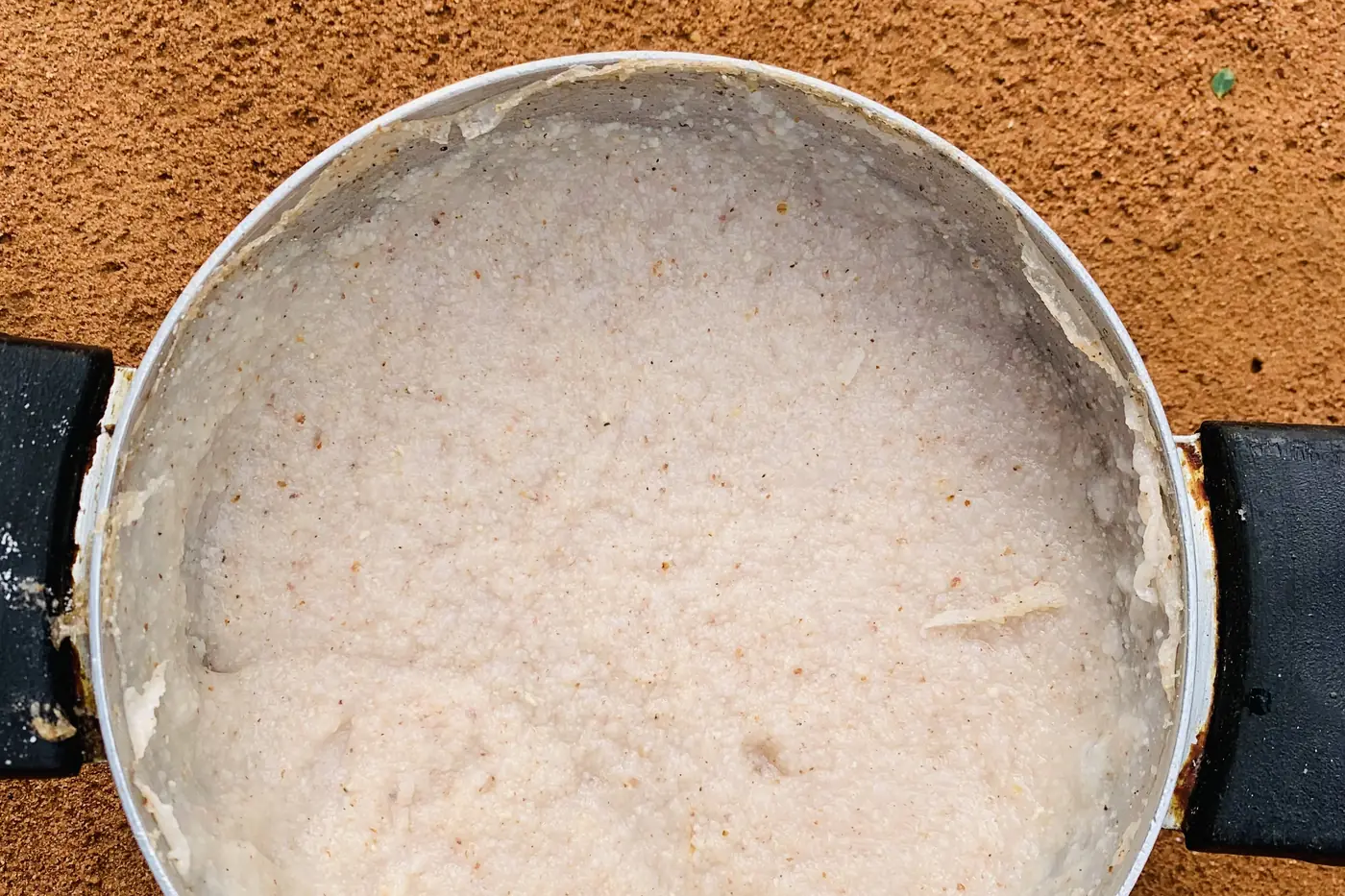
A pot of freshly cooked soft sorghum porridge (bogobe) in Botswana Botswana flag Botswana 40m
Breakfast •Botswana Morning Porridge

Bogobe jwa Logala

This bogobe jwa logala recipe stirs sorghum meal into hot milk and water, then cooks it gently for 35 minutes until it turns into a soft, creamy breakfast porridge. One serving is about 600 g.

Gentle Morning Energy

Soft sorghum porridge slowly cooked in fresh milk until creamy.

Pairs Well With
A knob of butter, honey and fresh fruit
Tagliatelle al ragù Bolognese in a bowl with Parmigiano-Reggiano Italy flag Italy 4h 25m
Lunch •Emilia-Romagna

Tagliatelle al Ragù Bolognese

Slow-braised soffritto and coarse ground heritage meats layered over handmade egg yolk dough for mid-day stamina.

Lean Protein

Slow-simmered beef ragù tossed through fresh egg tagliatelle.

Pairs Well With
Bitter Radicchio & Aged Balsamico di Modena
Pasta & Noodles • High Protein
Pad kra pao gai — Thai holy basil chicken with fried egg and rice Thailand flag Thailand 30m
Lunch •Bangkok Street Flame

Pad Kra Pao Gai

High-heat wok flash of holy basil and crushed chillies over minced chicken, served over jasmine rice with a crispy-edged fried egg.

High Energy

Capsaicin brings the heat; holy basil adds a peppery, clove-like aroma.

Pairs Well With
Chilled Cucumber Salad & Fish Sauce Lime Dip
High Protein • Quick Prep (<30m)

The Dinner Gazette

Never wonder what’s for dinner again

One email a week with easy dinner ideas from around the world — ingredients, steps and nutrition, tested in our kitchen first.

Delivered every Thursday morning. Unsubscribe anytime.