
Curated recipes from 193 countries  •  New seasonal Mediterranean issue out now

Overview

Seswaa

Chotlho; Botswana Pounded Beef

This seswaa recipe simmers bone-in beef for hours in salted water with onion and bay, then pounds it into soft, juicy fibres the way Batswana cooks have done it for generations. One serving is about 263 g.

Seswaa — also called chotlho in Setswana — is Botswana's national dish, cooked in three-legged iron pots over open fires for weddings, funerals and Independence Day. The meat is simmered for hours, then pounded with wooden pestles, traditionally by the men of the family, until it falls into soft fibres. The oldest version needs only meat, water and salt; onion, bay and pepper are later additions.

Pairs well with: Stiff pap, morogo greens and a tomato-onion relish

Provenance

Botswana flag Botswana

Botswana National Dish

African Heritage

Time Dedication

4h 20m

20m prep • 240m cook

Batch Yield

4 Servings

453 kcal per serving

1 serving ≈ 263 g

Technical Skill

Intermediate

Intermediate (Slow Simmer)

Meal Timing & Digestive Fit

Breakfast

Not Advised

Lunch

Hearty Midday Main

Dinner

Ideal Hearty Main

Snack & Tea

Inappropriate

High Protein Occasions: Weddings, funerals, Independence Day, family celebrations Cost: Moderate — about $4–5 per serving at home
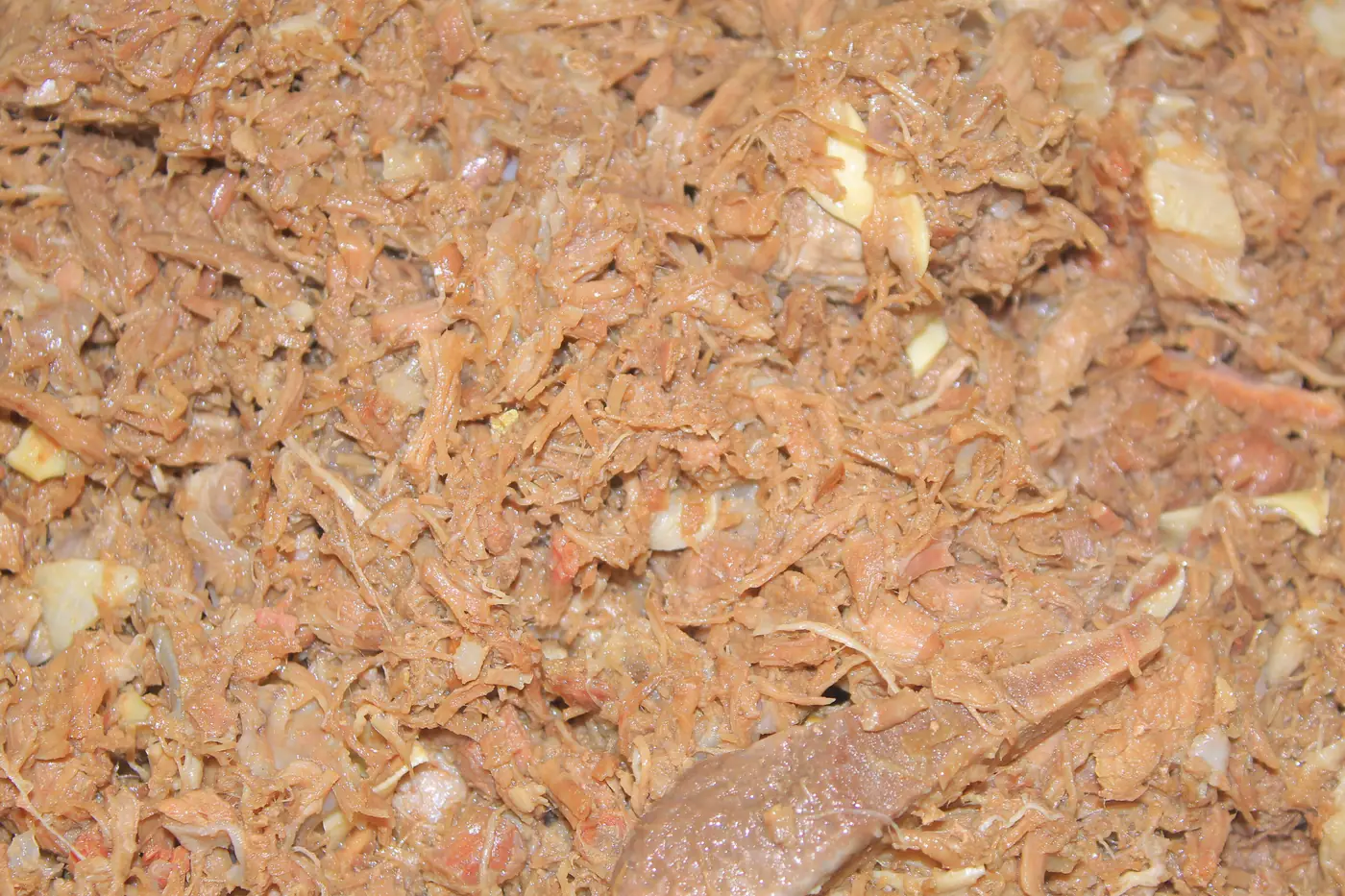
Close-up of seswaa, pounded shredded beef with a soft fibrous texture

Botswana National Dish

Photo: Jay Superthato, CC0, via Wikimedia Commons

The Heritage Formulary

Measured Ingredients

Estimated cost: Moderate — about $4–5 per serving at home (USD)

True seswaa is judged by its texture: fine, soft fibres that melt on the tongue, never dry shreds or neat slices.

Execution Methodology & Culinary Technique

Step-by-Step Cooking Guide

Active 4h 20m
P

Prep Stage: Cut the Beef, Fill the Pot

20 Mins • Knife Work

Cut the bone-in chuck into large chunks, halve the onion, and crack the pepper. Put the meat in a heavy pot, cover with cold water by about 3 cm, and add the onion, bay leaves, pepper and salt. Everything goes in at once — seswaa asks for patience, not fuss.

Maestro Tip: Keep the pieces large: small pieces dry out over four hours, while big chunks stay juicy inside.

  1. 1

    Bring to the Boil and Skim

    15 Mins High heat, rolling boil, 100°C (212°F)

    Set the pot over high heat and bring to a rolling boil. Skim off the grey foam that rises for the first 10 minutes — this is what keeps the finished meat clean-tasting rather than muddy.

    Skim patiently now and you will not have to do it again later.

    Done when: The surface is clear of foam and the water runs almost clear.

  2. 2

    Simmer Low and Slow

    3 Hours 45 Mins Bare simmer, ~95°C (203°F)

    Reduce the heat to the gentlest simmer, with only the occasional bubble breaking the surface. Cover the pot with the lid ajar and cook for 3 hours 45 minutes, turning the meat once halfway. Top up with a little boiling water if the level drops below the meat. The meat must stay well above 74°C (165°F) throughout — after hours at a simmer it will be far past that.

    Never let the pot boil hard: a rolling boil toughens the fibres and clouds the cooking liquid.

    Done when: The meat slips easily off the bone when nudged with a fork, and the bones feel loose.

  3. 3

    Lift Out and Rest

    10 Mins Off the heat

    Lift the meat into a large bowl or mortar and reserve about 250 ml of the cooking liquid. Pick out the bones and the bay leaves, and set the marrow aside — it gets pounded back in. Let the meat cool just enough to handle, about 10 minutes.

    Keep that cooking liquid: a splash of it is what makes the pounded meat moist instead of dry.

    Done when: The meat is cool enough to hold but still warm and steaming.

  4. 4

    Pound to Fibres

    15 Mins Warm, off the heat

    Using a heavy wooden pestle, a sturdy wooden spoon or a potato masher, pound the meat in the bowl until it breaks into fine, soft fibres. Work in batches, turning the meat as you go, and stir the reserved marrow through as it melts in. Moisten with 2–3 spoonfuls of the reserved cooking liquid until the seswaa is soft and juicy but not wet. Taste and add a little more salt only if it needs it.

    Pound, do not chop: pounding separates the fibres and works the melted fat and marrow through the meat, which is what gives seswaa its melting texture.

    Done when: The meat has fallen into fine, fluffy shreds that hold together in a soft mound.

Finishing Touches & Plating

Mound the warm seswaa on a platter and serve at once with stiff pap and morogo, so everyone can take a spoonful of meat over the pap.

Nutritional Physiology & Benefits

Nutrition

Energy

453

kcal / serving

Protein

74g

Complete AA

Carbs

4g

Complex

Fats

16g

Healthy

Per serving (4 servings · 1 serving ≈ 263 g)
Energy453 kcal
Protein74 g
Carbohydrates4 g
Fat16 g
Fibre0.8 g
Sugar1.6 g
Sodium1021 mg
Per 100g
Energy172 kcal
Protein28 g
Carbohydrates1.5 g
Fat6.1 g
Fibre0.3 g
Sugar0.6 g
Sodium389 mg

Nutrition values are estimated — calculated from USDA FoodData Central values for the listed ingredients.

Vitamins & minerals: Vitamin B12 and iron (beef), zinc (beef), vitamin C and potassium (onion).

Serious Protein

About 74 g of protein per serving makes seswaa one of the most protein-rich dishes on the site — a genuine feast-day meal.

Iron and B12

Slow-cooked beef is a rich source of haem iron and vitamin B12, the nutrients that support healthy red blood cells.

Just Three Ingredients at Heart

Meat, water and salt: nothing fried, no sauce, no additives — the flavour comes entirely from time and good beef.

Food Pairings

What to Eat With

To optimize nutrient absorption and elevate the sensory depth, pair with these authentic accompaniments:

Sides

Stiff Pap (Phaletshe)

Seswaa is traditionally piled on top of stiff maize porridge — the mild, starchy pap soaks up the meat juices and gives every bite a soft base.

Vegetables

Morogo Greens

The bitter, earthy greens balance the richness of the beef, and their vitamin C helps the body absorb the iron from the meat.

Sauces

Tomato-Onion Relish

A fresh, sharp relish of tomato, onion and a little chilli cuts through the fat of the pounded meat and brightens the whole plate.

Drinks

Ginger Beer or Rooibos Tea

A cold, lightly spiced ginger beer or a hot cup of rooibos is the classic companion at Botswana celebrations — both refresh the palate between rich mouthfuls.

Complete menu

Serve seswaa piled over stiff pap with morogo and a tomato-onion relish on the side, and finish with rooibos tea.

Digestive Guardrails

What NOT to Combine

To prevent digestive distress, sluggishness, or palate clash, avoid pairing the dish with these elements:

A Very Salty Side Dish

Seswaa is already seasoned through with salt, so a salty gravy or heavily salted relish on the same plate can push the meal's sodium too high. Keep the accompaniments lightly salted. This is general guidance, not medical advice.

Chopping Instead of Pounding

Cutting the cooked meat with a knife gives clean slices, not seswaa — the pounding is what makes the texture. If you have no pestle, pull the meat apart with two forks instead.

General information only, not medical advice — consult a doctor for personal dietary decisions.

Who Should Eat It

Who Should Eat

  • General adultsA complete, hearty dinner — protein-rich with pap and greens on the side.
  • ChildrenSuitable from age 3+; serve a small, well-pounded portion with plenty of pap and skip the chilli relish.
  • ElderlyExcellent — soft, easy to chew and rich in iron and B12; keep the portion moderate if sodium is a concern.
  • Pregnant womenGenerally suitable; the beef is cooked long past safe temperatures. Keep portions moderate and pair with greens.
  • Breastfeeding womenGenerally suitable; the iron and protein support recovery — choose a modest portion and plenty of morogo.
  • AthletesA strong post-training meal: about 74 g protein per serving with slow carbs from pap.
  • Weight gainA good choice — take a generous serving with a second helping of pap.
  • Weight lossA rich dish: take a smaller portion, load the plate with morogo, and go easy on the pap.

Health Conditions — Adjust or Avoid

Conditions

  • DiabetesVery low in carbs on its own — the pap is what carries the carbs, so control the pap portion and ask your clinician about the meal as a whole.
  • High blood pressureSeswaa is salty by tradition; take a smaller portion, skip extra salt in the relish, and ask your clinician about portion size.
  • Kidney diseaseBeef and salt both need care here — keep the portion small and ask your clinician before eating it regularly.
  • GoutEat occasionally and in smaller portions — beef is high in purines.
  • Stomach issuesThe meat itself is gentle, but the chilli relish can irritate a sensitive stomach — skip it if needed.
  • Cardiovascular diseaseChoose leaner chuck and trim visible fat; the pounded meat is otherwise low in fat for a beef dish.
  • Fatty liverKeep the portion modest, favour lean meat, and fill half the plate with morogo.
  • Food allergiesContains beef. Naturally gluten-free and dairy-free — just check that the pap and relish are too.
  • Special therapeutic dietsIf you follow a prescribed low-sodium or low-purine diet, take a smaller portion and check with your clinician.

If you have a medical condition, consult your doctor before changing your diet.

Storage & Use

Storage & Use

How to store
Cool quickly and store in an airtight container with a spoonful of the reserved cooking liquid to keep it moist.
In the fridge
Cooked seswaa 3 days.
In the freezer
Up to 3 months in a sealed bag, pressed flat.
How to reheat
Warm gently in a covered pan with a splash of water or cooking liquid until steaming hot, at least 74°C (165°F).
Freezing recommended
Yes — it freezes very well for up to 3 months.
Signs it has spoiled
Sour or off smell, slimy texture, or grey discolouration.

More recipes to explore

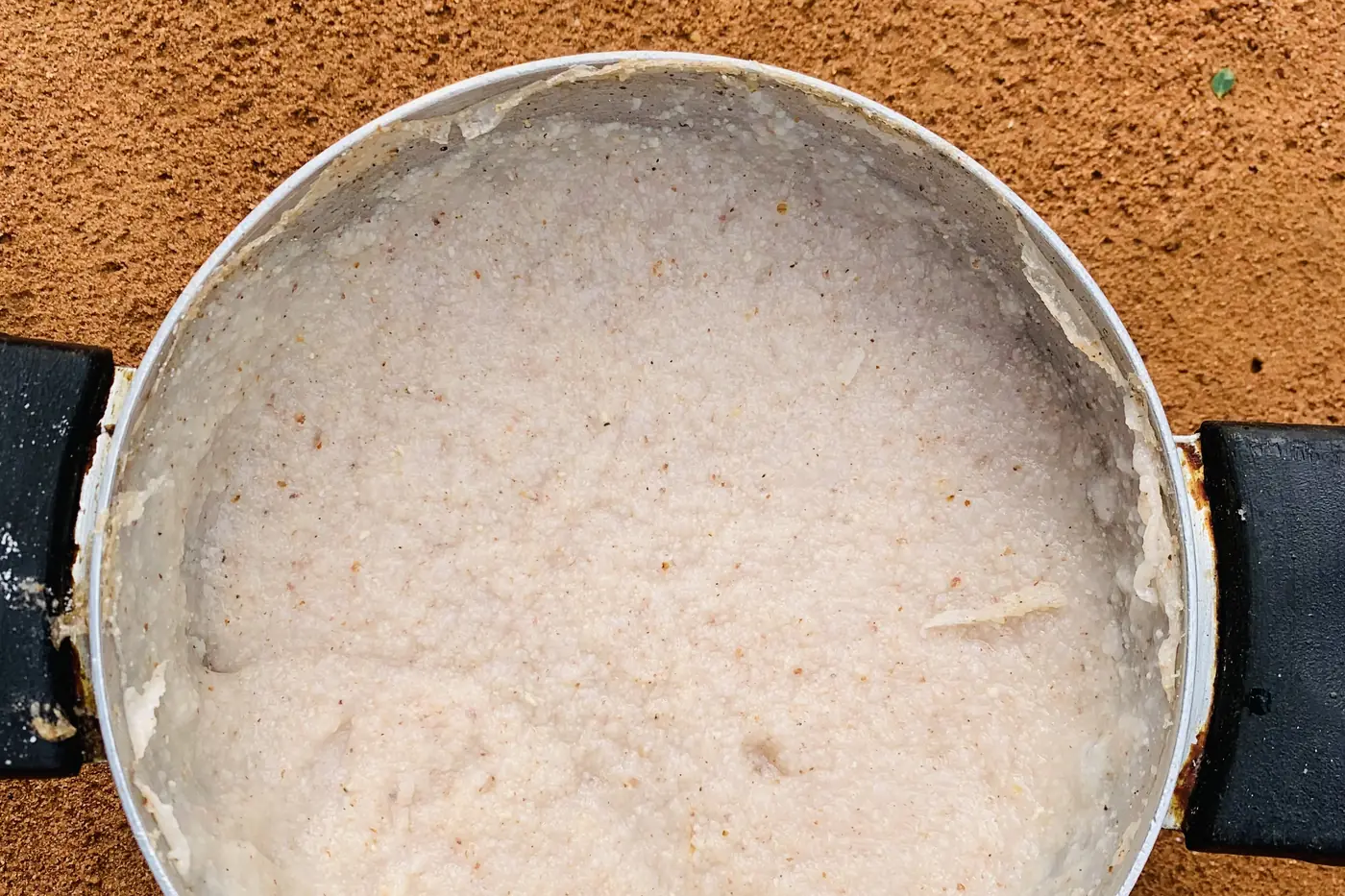
A pot of freshly cooked soft sorghum porridge (bogobe) in Botswana Botswana flag Botswana 40m
Breakfast •Botswana Morning Porridge

Bogobe jwa Logala

This bogobe jwa logala recipe stirs sorghum meal into hot milk and water, then cooks it gently for 35 minutes until it turns into a soft, creamy breakfast porridge. One serving is about 600 g.

Gentle Morning Energy

Soft sorghum porridge slowly cooked in fresh milk until creamy.

Pairs Well With
A knob of butter, honey and fresh fruit
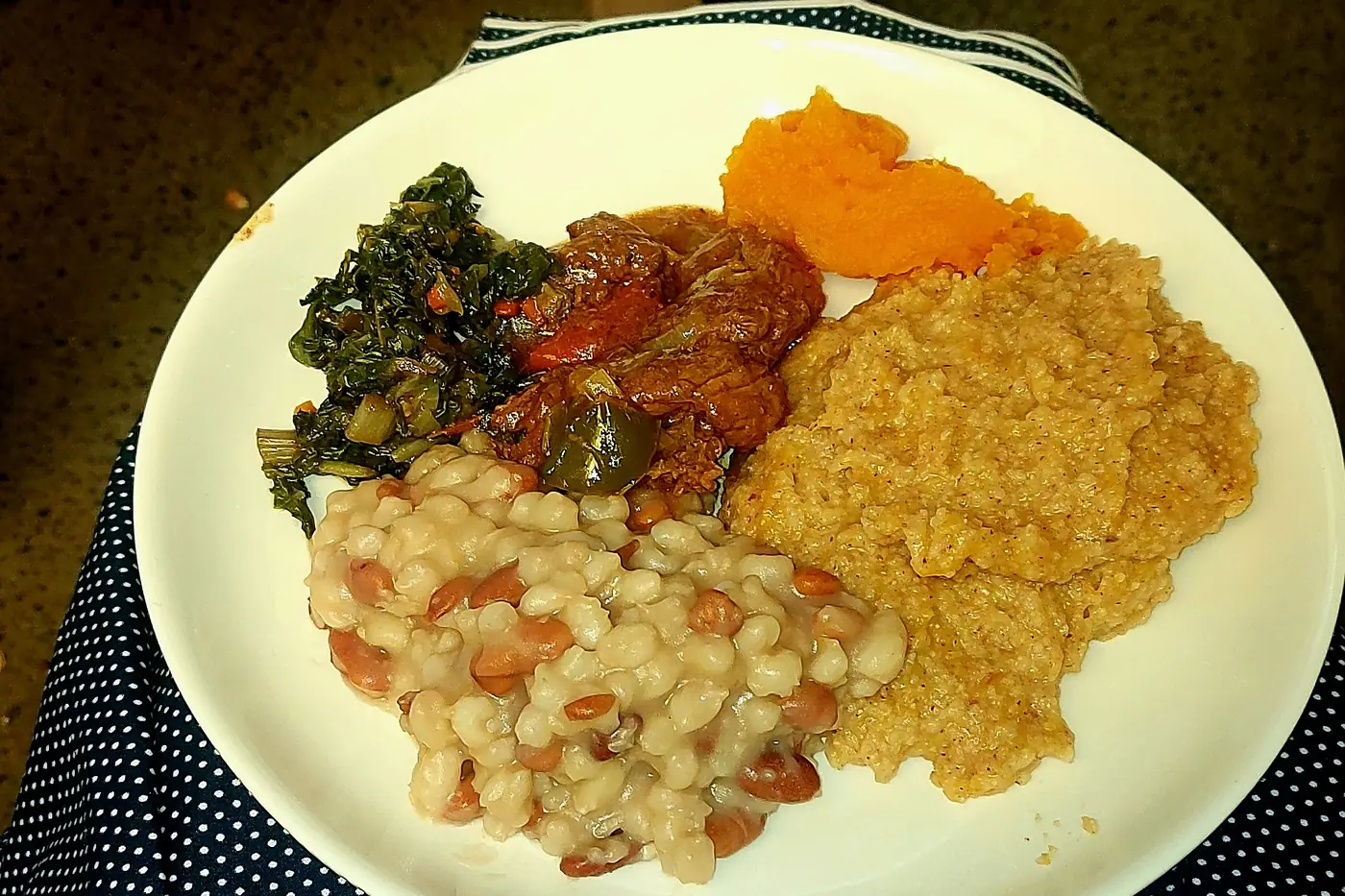
A Botswana plate with cooked morogo greens, beef, beans, pumpkin and bogobe Botswana flag Botswana 35m
Lunch •Botswana Everyday Greens

Morogo

This morogo recipe cooks wild spinach leaves — amaranth or cowpea leaves — with sweet onion, tomato and a little oil until they turn silky and deep green. One serving is about 210 g.

Everyday Nourishment

Wild leafy greens gently steamed with onion, tomato and garlic.

Pairs Well With
Stiff pap, seswaa and a squeeze of lemon
Bœuf bourguignon — French beef braised in red wine France flag France 4h
Dinner •Burgundy Terroir

Bœuf Bourguignon

Beef braised gently in red wine until the connective tissue melts into a velvet, gelatin-rich sauce — the classic Burgundy Sunday dinner.

Cellular Repair

Beef braised in red wine until spoon-tender, with mushrooms and pearl onions.

Pairs Well With
Parsnip Purée & Steamed French Haricots Verts
High Protein
Vietnamese braised pork belly with golden eggs in caramel sauce Vietnam flag Vietnam 1h 45m
Dinner •One Pot

Vietnamese Braised Pork and Eggs

Pork belly slowly braised in coconut water and caramel until meltingly tender, with golden eggs that soak up the sweet-savoury sauce — the Vietnamese family dish that tastes better the next day.

Comfort & Sustained Energy

Slow-braised pork belly and eggs in coconut water and caramel.

Pairs Well With
Steamed rice & pickled mustard greens
High Protein

The Dinner Gazette

Never wonder what’s for dinner again

One email a week with easy dinner ideas from around the world — ingredients, steps and nutrition, tested in our kitchen first.

Delivered every Thursday morning. Unsubscribe anytime.



