Curated recipes from 193 countries  •  New seasonal Mediterranean issue out now

Overview

New Zealand Hokey Pokey Ice Cream

Hokey Pokey Ice Cream, Honeycomb Ice Cream

This hokey pokey ice cream recipe starts with a silky no-churn vanilla base — whipped cream, sweetened condensed milk and vanilla — then folds in shards of homemade hokey pokey, the golden honeycomb toffee New Zealanders have loved for generations. The honeycomb stays crunchy against the cold cream, giving every spoonful a caramel snap. One serving is about 146 g.

Hokey pokey is the New Zealand name for honeycomb toffee — sugar and golden syrup boiled hard, then foamed up with baking soda into a crisp, airy slab. The ice cream flavour is believed to have been created in 1953 by Brian Simon at his father's Newjoy Ice Cream Co. factory in Dunedin, when he folded pieces of a honeycomb chocolate bar into vanilla ice cream. Tip Top later made it a supermarket staple, and it has been New Zealand's second most popular ice cream flavour, after plain vanilla, ever since — a standard example of Kiwiana.

Pairs well with: Crisp wafers or a waffle cone, with a cup of black tea or flat white coffee

Provenance

New Zealand flag New Zealand

New Zealand Kiwiana Classic

Oceania & Pacific

Time Dedication

6h 30m

25m prep • 365m cook

Batch Yield

8 Servings

494 kcal per serving

1 serving ≈ 146 g

Technical Skill

Intermediate

Medium (Hot Sugar)

Meal Timing & Digestive Fit

Breakfast

Not Advised

Lunch

Inappropriate

Dinner

Inappropriate

Snack & Tea

Ideal Light Bite

Occasions: Summer afternoons, beach days, birthday desserts, festive treats, after-school snacks Cost: Low — about $2–3 per serving at home
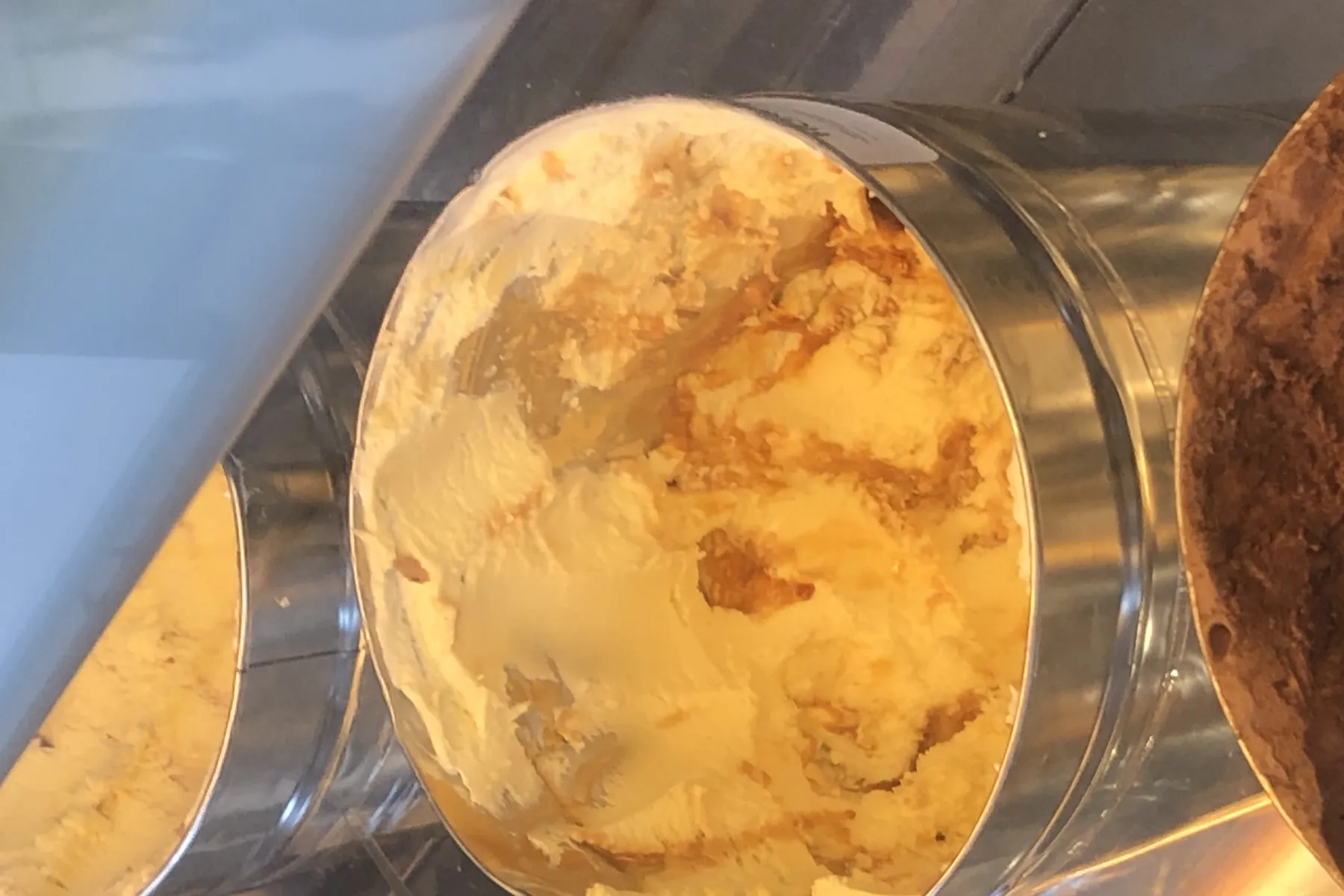
A tub of hokey pokey ice cream in a parlour display — pale vanilla ice cream swirled with golden honeycomb toffee pieces

New Zealand Kiwiana Classic

Photo: Finbar.concaig, CC BY-SA 4.0, via Wikimedia Commons

The Heritage Formulary

Measured Ingredients

Estimated cost: Low — about $2–3 per serving at home (USD)

A good hokey pokey ice cream is judged by the crunch: the honeycomb must stay crisp against the cold cream, and the base should be smooth and scoopable, never icy.

Execution Methodology & Culinary Technique

Step-by-Step Cooking Guide

Active 6h 30m
P

Prep Stage: Chill, Measure & Line the Tin

25 Mins • Chilling & Measuring

Put a 2-litre loaf tin or freezer-safe container and the mixing bowl in the freezer for 15 minutes, and line the tin with baking paper. Measure out every ingredient: the cream stays in the fridge until you whip it, the condensed milk and vanilla go in one bowl, and the sugar, golden syrup and sifted baking soda are ready beside the stove — once the sugar syrup is hot, there is no time to go looking for anything.

Maestro Tip: A cold bowl and cold cream whip faster and hold more air, which is what keeps this no-churn ice cream light instead of dense.

  1. 1

    Make the Hokey Pokey Honeycomb

    10 Mins 150°C (302°F) — hard-crack stage

    Put the 200 g sugar and 80 g golden syrup in a heavy-based saucepan over medium heat. Stir once to combine, then leave it alone — do not stir again — until it melts into a deep amber syrup and a sugar thermometer reads 150°C (302°F), about 8 minutes. Take the pan off the heat at once, tip in the sifted baking soda, and whisk hard for 3–4 seconds: the mixture will foam up dramatically, doubling or tripling in volume. Pour it immediately onto a baking-paper-lined tray and leave it completely alone for 20 minutes until cold and brittle.

    Hot sugar burns badly — keep children away from the stove, use a long-handled spoon, and never touch the syrup. If the syrup goes past amber toward brown, it will taste bitter; start again rather than using it.

    Done when: Deep amber, not dark brown; the foam rises fast and sets into a crisp, glassy slab that snaps cleanly.

  2. 2

    Crush the Honeycomb

    5 Mins Room temperature, about 20°C (68°F)

    Once the honeycomb slab is cold and hard, break it into rough pieces about 1–2 cm across: put it in a sturdy freezer bag and tap it gently with a rolling pin. You want a mix of pea-sized chunks and smaller crumbs — the chunks give the crunch, the crumbs spread the caramel flavour through the cream. Set aside 100 g of the crushed honeycomb for folding in, and keep the rest in a sealed jar for topping.

    Crush it just before you fold it in — honeycomb left out in humid air goes sticky and soft.

    Done when: Mostly pea-sized pieces with some crumbs; no fine dust, which would dissolve and make the ice cream gritty-sweet instead of crunchy.

  3. 3

    Whip the Vanilla Cream Base

    10 Mins Chilled, 4°C (39°F)

    In the chilled bowl, whip the 480 ml cold cream with the vanilla extract and the pinch of salt until soft peaks form — the cream should hold its shape when you lift the whisk, but still look smooth and glossy, not stiff or grainy. In a second bowl, whisk the condensed milk until smooth, then fold the whipped cream into it in three additions, using a large spatula and gentle scooping strokes so you keep the air in. Stop as soon as the mixture is even and pale ivory.

    Do not over-whip: stiff, grainy cream makes a buttery, heavy ice cream. Soft peaks are the goal.

    Done when: Thick, smooth and airy, like softly whipped cream; it should ribbon off the spatula and hold a soft peak.

  4. 4

    Fold in the Honeycomb & Freeze

    360 Mins Freezer, -18°C (0°F) or below

    Scatter 100 g of the crushed honeycomb over the cream base and fold it through with just 4–5 gentle strokes — you want the pieces evenly spread, not pulverised. Scrape the mixture into the lined loaf tin, smooth the top, press a sheet of baking paper directly onto the surface to stop ice crystals forming, and cover tightly. Freeze at -18°C (0°F) or below for at least 6 hours, or overnight, until firm right through.

    The paper pressed on the surface is the trick that keeps homemade ice cream smooth — without it, the top dries out and turns icy.

    Done when: Firm to the touch all the way to the centre; a knife pushed in meets solid resistance.

  5. 5

    Serve

    5 Mins Serve at -12°C to -15°C (10°F to 5°F)

    Move the tin to the fridge for 5–10 minutes before serving so the ice cream softens just enough to scoop cleanly. Scoop into bowls or cones and sprinkle the reserved crushed honeycomb over the top for extra crunch. Serve at once — it melts fast at room temperature.

    Dip the scoop in hot water between servings for clean, round scoops.

    Done when: Scoops hold their shape with visible golden honeycomb pieces, soft enough to cut with a spoon.

Finishing Touches & Plating

Spoon into chilled bowls or crisp cones, shower with the reserved crushed honeycomb, and eat straight away while the toffee is still crunchy against the cold cream.
Nutritional Physiology & Benefits

Nutrition

Energy

494

kcal / serving

Protein

6g

Complete AA

Carbs

62g

Complex

Fats

26g

Healthy

Per serving (8 servings · 1 serving ≈ 146 g)
Energy494 kcal
Protein6 g
Carbohydrates62 g
Fat26 g
Fibre0.0 g
Sugar61.5 g
Sodium252 mg
Per 100g
Energy338 kcal
Protein3.8 g
Carbohydrates42 g
Fat17.7 g
Fibre0 g
Sugar42.1 g
Sodium172 mg

Nutrition values are estimated — calculated from USDA FoodData Central values for the listed ingredients.

Vitamins & minerals: Calcium and vitamin A (cream and condensed milk), vitamin B2 and vitamin B12 (dairy), with small amounts of potassium from the dairy base.

Simple, Honest Ingredients

Made at home from cream, milk, sugar and vanilla, this ice cream has no artificial colours, flavours or stabilisers — you know exactly what is in every scoop.

A Genuine Energy Treat

A small scoop delivers quick energy from its sugars and fats, which is why it works so well as an afternoon treat or a dessert after a light meal.

Calcium from the Dairy Base

The dairy base supplies calcium and vitamin B12, and because you make the honeycomb yourself, you control the sweetness — no hidden syrups or extra additives.

Food Pairings

What to Eat With

To optimize nutrient absorption and elevate the sensory depth, pair with these authentic accompaniments:

Sides

Waffle Cone or Crisp Wafers

A crisp waffle cone or wafer adds crunch that echoes the honeycomb, and it gives you something to hold while the ice cream melts — the classic New Zealand way to eat it at the beach.

Fresh Berries

Fresh berries cut through the richness with acidity and cold juice, and their colour makes a plain scoop look like a proper dessert.

Drinks

Black Tea or Flat White

Unsweetened black tea or a flat white balances the sweetness without competing with the vanilla and caramel — the bitterness of the drink makes the honeycomb taste even richer.

Full Menus

After a Light Summer Meal

Serve small scoops after a light summer meal of grilled fish or a salad: the cold, sweet finish closes the meal without the heaviness of a baked dessert.

Complete menu

Start with a light summer meal of grilled fish and salad, then finish with a scoop of hokey pokey ice cream in a waffle cone with fresh berries and a flat white coffee — a relaxed, fully Kiwi summer menu.

Digestive Guardrails

What NOT to Combine

To prevent digestive distress, sluggishness, or palate clash, avoid pairing the dish with these elements:

Piling Sweet on Sweet

This ice cream is very high in sugar (about 61 g per serving) and saturated fat, so it is not a good choice alongside other very sweet desserts or sugary drinks in the same sitting — the sugar load adds up fast. Enjoy one serving on its own. This is general information, not medical advice.

Refreezing Melted Ice Cream

Once melted, ice cream must never be refrozen — bacteria can grow in the melted dairy and freezing does not kill them. Serve what you need, return the tub to the freezer at -18°C (0°F) immediately, and discard any ice cream left sitting out for more than 2 hours. This is general information, not medical advice.

General information only, not medical advice — consult a doctor for personal dietary decisions.

Who Should Eat It

Who Should Eat

  • General adultsA rich dessert to enjoy in the stated serving — one 146 g scoop is plenty, and it is best as an occasional treat rather than an everyday food.
  • ChildrenChildren love the crunch, but keep portions to a small scoop — the sugar is high (about 61 g per serving) — and keep them away from the stove while the hot sugar syrup is cooking.
  • ElderlyFine in a small serving, but the sugar and saturated fat mean it should stay an occasional treat; people who need to watch their blood sugar should take a half serving.
  • Pregnant womenSafe in moderation — the cream and condensed milk are pasteurised and there are no raw eggs — but the high sugar means a small serving is the sensible choice.
  • Breastfeeding womenA small serving is fine; the calcium in the dairy base is useful, but the sugar and fat mean it should not replace more nutritious snacks.
  • AthletesA useful quick-energy dessert after a long training session, when the body needs fast carbohydrate — but it is low in protein (about 5.6 g per serving), so it is not a recovery food on its own.
  • Weight gainA practical choice: at 494 kcal per serving it adds meaningful energy, and the small serving size makes it easy to add after a meal.
  • Weight lossBest kept as a rare, small treat — a half serving (about 73 g) still gives the full flavour for roughly 247 kcal. Skip the extra honeycomb topping.

Health Conditions — Adjust or Avoid

Conditions

  • DiabetesVery high in sugar (about 61 g per serving) and fast-digesting carbohydrate, so it will raise blood sugar quickly. A half serving is the safer choice, and it is best eaten after a meal containing protein and fibre rather than on an empty stomach; ask your clinician about your personal limit.
  • High blood pressureModerate in sodium (about 252 mg per serving, mostly from the baking soda in the honeycomb). One serving fits most sodium budgets, but skip salty snacks at the same sitting; ask your clinician about your sodium target.
  • Kidney diseaseHigh in sugar and potassium from dairy, and the baking soda adds sodium, which some kidney diets limit — keep the portion small and occasional, and ask your clinician before making it a regular treat.
  • GoutIce cream itself is low in purines, but the high sugar content — especially fructose from the golden syrup — can raise uric acid, so keep servings small and occasional; ask your clinician about your personal limit.
  • Stomach issuesRich, cold and very sweet, which can trigger discomfort for some people — eat slowly, in a small portion, and avoid it if cold dairy foods upset your stomach. Ask your clinician if symptoms persist.
  • Cardiovascular diseaseHigh in saturated fat (about 26 g of fat per serving, mostly saturated from cream) and sugar, so it is an occasional treat, not a regular food. A half serving with fresh berries is a lighter way to enjoy it; ask your clinician about your fat and sugar intake.
  • Fatty liverHigh in added sugar and saturated fat, both of which most fatty-liver eating patterns limit — keep it rare and small, and choose fresh fruit desserts most of the time; ask your clinician for guidance.
  • Food allergiesContains milk (cream, condensed milk). Naturally gluten-free and egg-free, but check the golden syrup and vanilla labels if you have other allergies, and confirm the cream is not produced in a facility that handles nuts.
  • Special therapeutic dietsIf you follow a prescribed low-sugar, low-saturated-fat or low-sodium diet, this recipe does not fit it as written — a half serving is the most that fits, and you should check with your clinician first.

If you have a medical condition, consult your doctor before changing your diet.

Storage & Use

Storage & Use

How to store
Store in the lined loaf tin or a sealed freezer container, with baking paper pressed directly on the surface to stop ice crystals, and keep it at -18°C (0°F) or below.
In the fridge
Do not store in the fridge — it melts within an hour. Move it to the fridge for only 5–10 minutes before serving to soften it for scooping.
In the freezer
Keeps for up to 2 months in the freezer at -18°C (0°F) or below; the honeycomb stays crunchy for the first 2–3 weeks, then slowly softens.
How to reheat
Do not reheat. If it melts, do not refreeze it — discard melted ice cream that has sat at room temperature for more than 2 hours.
Freezing recommended
Yes — freezing is the whole point: freeze for at least 6 hours, and store frozen for up to 2 months.
Signs it has spoiled
Off or sour smell, large ice crystals throughout, a slimy or separated texture after partial melting, or a rancid taste from the cream.

More recipes to explore

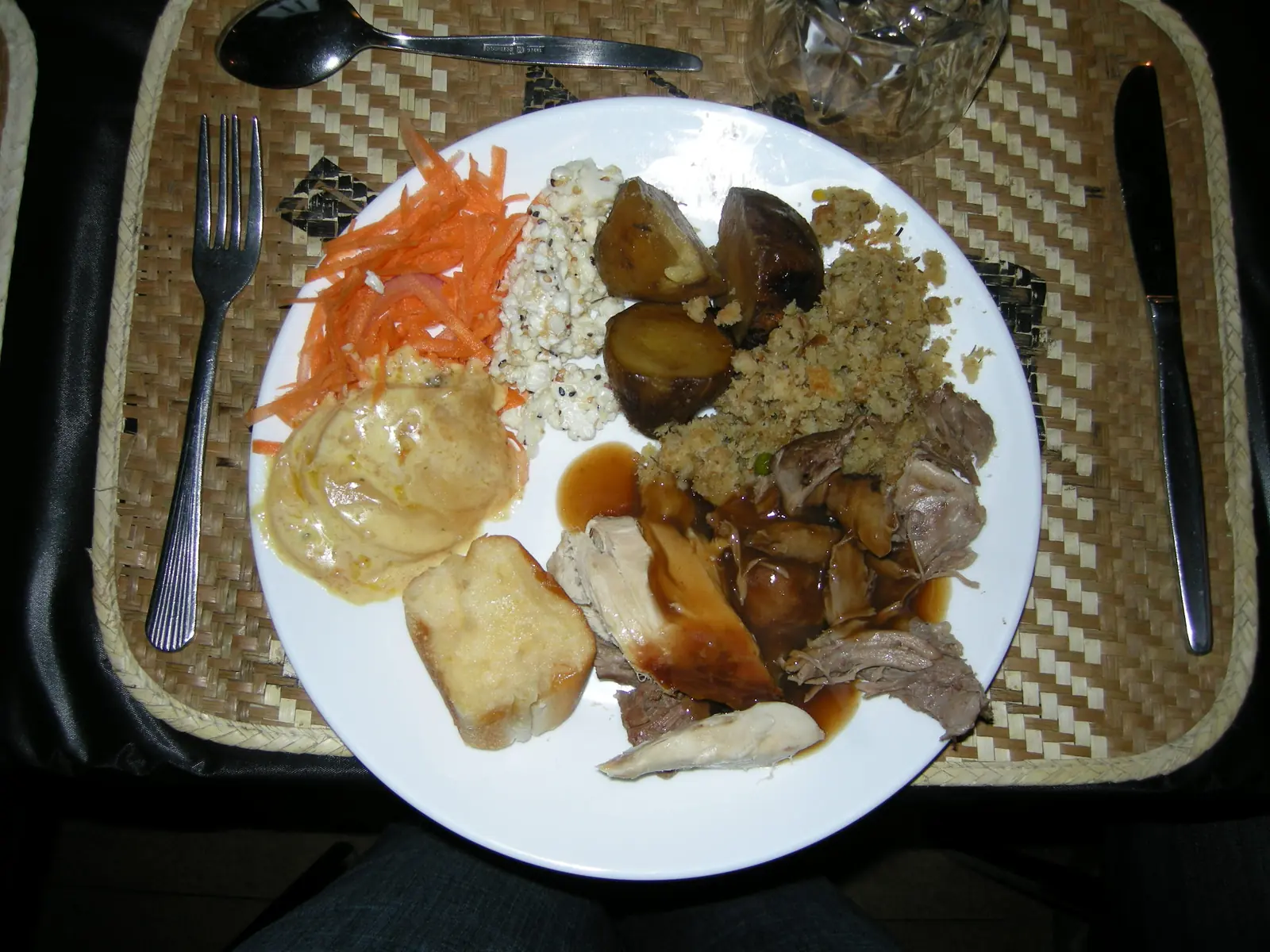
A plated hāngī dinner — slow-cooked meat with gravy, sage stuffing, roast potato and kūmara, and carrot salad on a woven flax placemat New Zealand flag New Zealand 4h
Dinner •Māori Earth-Oven Feast

New Zealand Hāngī

This hangi recipe brings New Zealand's Māori earth-oven feast into a home kitchen: pork, lamb and chicken rubbed with garlic and salt, layered with kūmara, potato, pumpkin, cabbage and carrots in cabbage-leaf-lined parcels with sage stuffing, then slow-roasted until everything is tender and smoky. Traditionally the food goes into flax baskets over white-hot stones in a pit dug in the ground and is buried under wet sacks and earth; here a low oven and foil do the same job, and the recipe says so plainly. One serving is about 773 g.

Hearty & Communal

Pork, lamb and chicken slow-roasted with kūmara, potato, pumpkin and cabbage, cooked the Māori way and built for sharing.

Pairs Well With
Watercress salad and rewena bread on the side, with gravy from the pan juices
High Protein
Golden New Zealand whitebait fritters on a white plate, tiny whitebait visible curled through the egg batter New Zealand flag New Zealand 22m
Lunch •New Zealand Seasonal Classic

New Zealand Whitebait Fritters

This whitebait fritters recipe folds tiny New Zealand whitebait through lightly beaten egg with just a spoonful of flour, then pan-fries spoonfuls in butter until golden. The fish stay clearly visible, curled through the egg — the classic Kiwi way to eat the seasonal catch. One serving is about 173 g.

Delicate & Savoury

Tiny whole whitebait folded through egg with just a spoonful of flour, pan-fried in butter — high in protein and light on the stomach.

Pairs Well With
Buttered white bread and lemon wedges, with a crisp green salad
Pan con tomate with jamón ibérico on toasted bread Spain flag Spain 15m
Snack & Tea •Catalan Aperitivo

Pan con Tomate & Jamón Ibérico

Country bread rubbed with ripe Ramallet tomato, drizzled with cold-pressed Arbequina olive oil and topped with jamón ibérico.

Vascular Health

Toasted tomato bread with jamón ibérico, olive oil and olives.

Pairs Well With
Castelvetrano Olives & Sparkling Mineral Water
Quick Prep (<30m)
Gỏi cuốn — Vietnamese fresh spring rolls with prawn and pork Vietnam flag Vietnam 1h 5m
Snack & Tea •Saigon Refresh

Gỏi Cuốn Tôm Thịt

Fresh rice paper rolls filled with poached prawns, tender pork, rice vermicelli, lettuce, herbs and carrot, served with a peanut dipping sauce.

Light Digestion

Nothing is fried, so the rolls stay light and fresh — a cool, herb-filled snack for hot days.

Pairs Well With
Artisanal Peanut Dip & Fresh Lotus Root Water
High Protein

The Dinner Gazette

Never wonder what’s for dinner again

One email a week with easy dinner ideas from around the world — ingredients, steps and nutrition, tested in our kitchen first.

Delivered every Thursday morning. Unsubscribe anytime.