Curated recipes from 193 countries  •  New seasonal Mediterranean issue out now

Overview

New Zealand Whitebait Fritters

Whitebait Fritters, Kiwi Whitebait Fritters

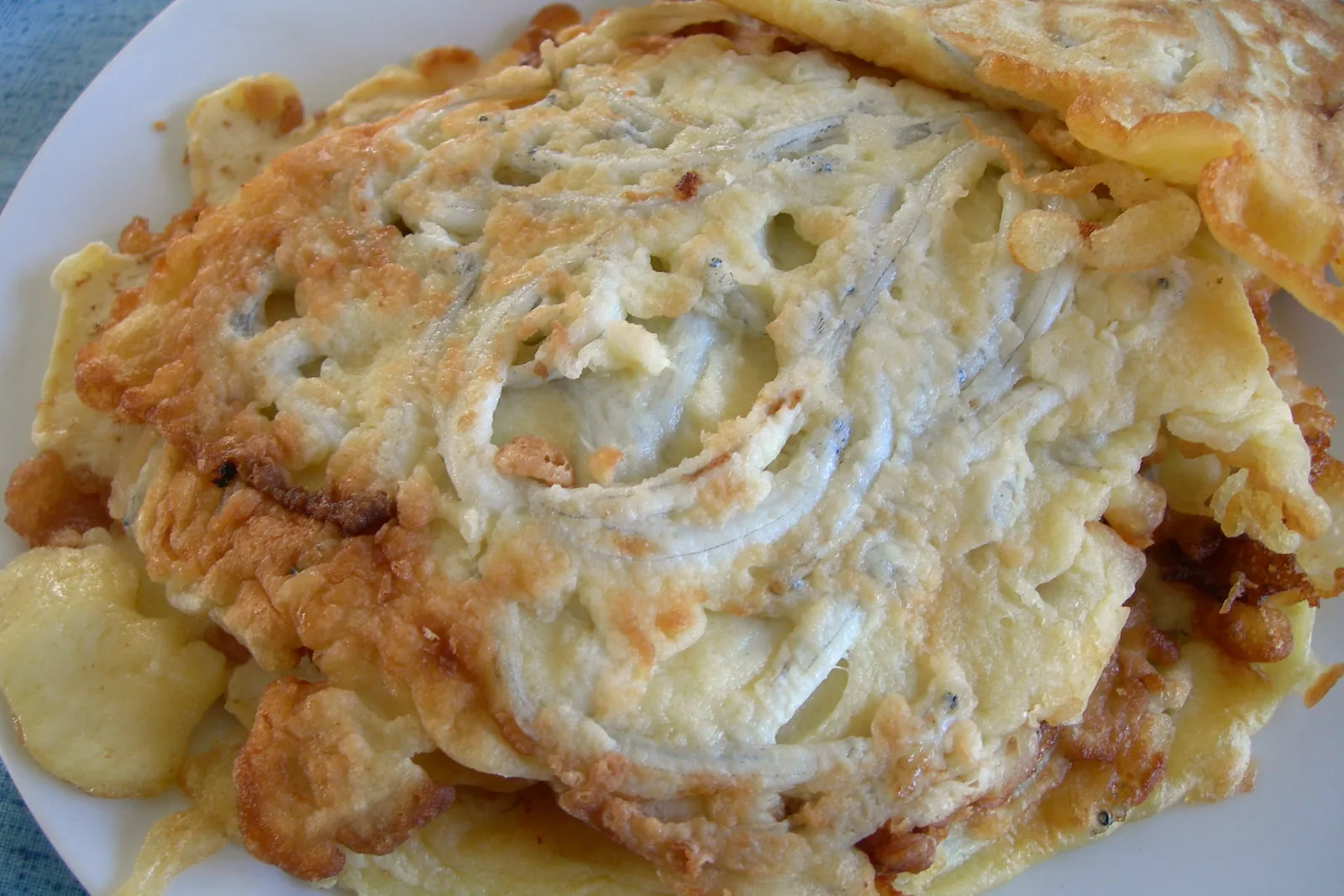
This whitebait fritters recipe folds tiny New Zealand whitebait through lightly beaten egg with just a spoonful of flour, then pan-fries spoonfuls in butter until golden. The fish stay clearly visible, curled through the egg — the classic Kiwi way to eat the seasonal catch. One serving is about 173 g.

Whitebait is a traditional food for Māori, and was widely eaten by European settlers in New Zealand in the 19th century. By the 20th century the price had risen and whitebait became a delicacy, with the fritter — essentially an omelette containing whitebait — the most popular way to cook it; purists use only the egg white so nothing interferes with the taste of the fish. New Zealand whitebait are the juveniles of five galaxiid species, the īnanga being the most common, caught in a seasonal fishery with a legally fixed season; four of the five species are classified as endangered, which is why the catch is so strictly controlled.

Pairs well with: Buttered white bread and lemon wedges, with a crisp green salad

Provenance

New Zealand flag New Zealand

New Zealand Seasonal Classic

Oceania & Pacific

Time Dedication

22m

10m prep • 12m cook

Batch Yield

4 Servings

248 kcal per serving

1 serving ≈ 173 g

Technical Skill

Easy

Easy (One Pan)

Meal Timing & Digestive Fit

Breakfast

Not Advised

Lunch

Prime Metabolic Fit

Dinner

Ideal Hearty Main

Snack & Tea

Inappropriate

Occasions: Lunch, summer gatherings, riverside picnics, seasonal celebrations, light weekend lunches Cost: High — about $9–11 per serving at home (whitebait is a pricey seasonal delicacy)
Golden New Zealand whitebait fritters on a white plate, tiny whitebait visible curled through the egg batter

New Zealand Seasonal Classic

Photo: Inanga, Public Domain, via Wikimedia Commons

The Heritage Formulary

Measured Ingredients

Estimated cost: High — about $9–11 per serving at home (whitebait is a pricey seasonal delicacy) (USD)

A good whitebait fritter is judged by the fish: the tiny whitebait should still be clearly visible, curled through the egg, not buried under flour.

Execution Methodology & Culinary Technique

Step-by-Step Cooking Guide

Active 22m
P

Prep Stage: Rinse the Whitebait

10 Mins • Rinse & Measure

Rinse the whitebait gently in a colander and drain it very well — wet fish makes a soggy batter, so shake the colander and pat the fish dry on paper towels. Slice the spring onions, cut the lemon into wedges, and measure out the flour, salt and butter so everything is ready before the pan is hot.

Maestro Tip: Keep the whitebait chilled until the moment it goes into the batter — cold fish fries better and stays safe.

  1. 1

    Rinse and Drain the Whitebait

    5 Mins Chilled, 4°C (39°F)

    Tip the whitebait into a colander and rinse very gently under cold running water. Drain well, shake the colander to throw off the water, then spread the fish on paper towels and pat dry. Return the fish to a chilled bowl and keep it in the fridge while you make the batter.

    Wet whitebait is the most common reason fritters turn soggy — take the extra minute to dry them properly.

    Done when: Fish are clean, dry to the touch, and smell fresh and sea-like, never fishy.

  2. 2

    Whisk the Light Batter

    3 Mins Room temperature, about 20°C (68°F)

    Crack the eggs into a medium bowl and whisk lightly until just combined. Sift in the flour, add the salt and a few grinds of black pepper, and whisk again until smooth. Stir in the sliced spring onions. The batter should be thin and loose, barely thicker than beaten egg — it is there to bind the fish, not to coat it.

    Resist adding more flour: a thick batter turns the dish into a pancake and buries the whitebait.

    Done when: A smooth, thin batter with no lumps of flour and the spring onion evenly mixed through.

  3. 3

    Fold in the Whitebait

    2 Mins Room temperature, about 20°C (68°F)

    Tip the drained whitebait into the batter and fold it through with a spoon, just until the fish are evenly coated. Work gently — the tiny fish break apart if you stir hard, and overmixing makes the fritters tough.

    Fold, don't stir: two or three gentle turns of the spoon are enough.

    Done when: Every fish is coated in batter, with the whitebait still whole and clearly visible.

  4. 4

    Fry the First Batch

    6 Mins Medium heat, about 175°C (350°F)

    Put a large frying pan over medium heat and melt the first knob of butter until it foams and just starts to smell nutty. Spoon in 4 heaped tablespoons of the mixture, spacing them well apart, and flatten each one gently into a thin round. Fry for about 3 minutes until the underside is golden and the egg is set, then flip once and fry 3 minutes more.

    Keep the fritters thin — thick ones stay runny in the middle while the outside burns. Do not press them down with the spatula.

    Done when: Golden on both sides, the egg fully set, and the fish inside cooked through to 63°C (145°F).

  5. 5

    Fry the Second Batch and Serve

    6 Mins Medium heat, about 175°C (350°F)

    Lift the fritters onto a warm plate and cover loosely. Wipe the pan if needed, melt the second knob of butter, and fry the remaining mixture the same way, 3 minutes a side. Serve all 8 fritters hot, with lemon wedges on the side and buttered white bread if you like.

    Fry in two batches so the pan stays hot — crowding the pan steams the fritters instead of frying them.

    Done when: All 8 fritters are golden, crisp at the edges, and hot through to the centre.

Finishing Touches & Plating

Serve the fritters straight from the pan, while the edges are still crisp and the centres are just set. A squeeze of lemon over the top and a grind of pepper are all they need — eat them hot, in buttered white bread if you like.
Nutritional Physiology & Benefits

Nutrition

Energy

248

kcal / serving

Protein

25g

Complete AA

Carbs

7g

Complex

Fats

13g

Healthy

Per serving (4 servings · 1 serving ≈ 173 g)
Energy248 kcal
Protein25 g
Carbohydrates7 g
Fat13 g
Fibre0.4 g
Sugar0.4 g
Sodium468 mg
Per 100g
Energy144 kcal
Protein14.4 g
Carbohydrates3.8 g
Fat7.5 g
Fibre0.2 g
Sugar0.2 g
Sodium271 mg

Nutrition values are estimated — calculated from USDA FoodData Central values for the listed ingredients.

Vitamins & minerals: Vitamin B12, selenium and vitamin D (whitebait and egg), choline (egg), and calcium from the tiny fish eaten whole, bones and all.

High Protein, Light Meal

Each serving carries about 24.9 g of protein for 248 kcal, so two fritters fill you up without feeling heavy — a lunch that leaves you ready for the afternoon.

B12, Selenium and Calcium

Whitebait and egg supply vitamin B12, selenium and vitamin D, and the tiny fish are eaten whole, bones and all, which adds calcium to the meal.

Delicate, Not Stodgy

The batter is deliberately minimal — just egg and a spoonful of flour — so the fish stays the star and the fritter stays light rather than stodgy.

Food Pairings

What to Eat With

To optimize nutrient absorption and elevate the sensory depth, pair with these authentic accompaniments:

Sides

Buttered White Bread

The classic Kiwi way to eat them: soft white bread spread with butter holds the hot fritter, soaks up the pan butter, and lets the delicate fish flavour come through without competing with it.

More Pairings

Lemon Wedges

A squeeze of lemon cuts through the butter and brightens the fish — the sharpness is the perfect counterpoint to a rich, savoury fritter.

Vegetables

Crisp Green Salad

Cool, crunchy leaves and a sharp dressing give the plate freshness and crunch next to the soft, golden fritters, and keep the meal light.

Drinks

Cold Lager or Sparkling Water

A cold lager or sparkling water cleanses the palate between bites of buttery fritter without adding sweetness or heaviness to the meal.

Complete menu

Start with the fritters hot from the pan with lemon wedges, follow with buttered white bread and a crisp green salad, and finish with a cold lager or sparkling water — a simple, fully Kiwi lunch.

Digestive Guardrails

What NOT to Combine

To prevent digestive distress, sluggishness, or palate clash, avoid pairing the dish with these elements:

Undercooked Whitebait Fritters

Whitebait are eaten whole, so the fritters must be cooked right through — the fish should reach 63°C (145°F) and the egg should be fully set, never runny in the middle. Undercooked fritters are not suitable for pregnant women, young children, older adults or anyone with a weakened immune system. This is general information, not medical advice.

Leaving Fritters Out of the Fridge

Cooked egg-and-fish fritters spoil quickly at room temperature. Serve them hot, refrigerate leftovers within two hours at 4°C (39°F) or below, and reheat to 74°C (165°F) before eating. Discard fritters left out longer than two hours — do not taste-test to decide.

General information only, not medical advice — consult a doctor for personal dietary decisions.

Who Should Eat It

Who Should Eat

  • General adultsA light, protein-rich lunch: about 24.9 g of protein for 248 kcal per serving, with the delicate flavour of the fish front and centre.
  • ChildrenSuitable for older children once the fritters are cooked through to 63°C (145°F); the tiny fish are eaten whole, bones and all, and the bones are soft. Skip for any child with a fish or egg allergy, and keep portions small.
  • ElderlyA good soft-textured choice, easy to chew, but only when the fritters are freshly cooked and piping hot; older adults should avoid any fritter that has sat out or been undercooked.
  • Pregnant womenFine when the fritters are cooked right through so the fish reaches 63°C (145°F) and the egg is fully set — never eat the batter raw or a fritter that is still runny in the middle.
  • Breastfeeding womenGenerally fine: the fish and egg supply protein, B12 and selenium. Keep the butter and salty sides modest and eat the fritters freshly cooked.
  • AthletesA strong recovery lunch with about 24.9 g of protein per serving; pair it with buttered bread or a potato salad for more energy after training.
  • Weight gainAn easy way to add energy: eat the fritters in buttered white bread with an extra knob of butter, and add a starchy side.
  • Weight lossA good option at 248 kcal per serving with high protein to keep you full. Keep the bread to one slice and load up on salad rather than extra butter.

Health Conditions — Adjust or Avoid

Conditions

  • DiabetesLow in carbs (about 6.6 g per serving), so it has little effect on blood sugar. Watch the bread served with it, not the fritters; ask your clinician if you are unsure.
  • High blood pressureModerate in sodium (about 468 mg per serving, mostly from the added salt and the salted butter). Use unsalted butter and a little less salt if you need to; ask your clinician about your sodium target.
  • Kidney diseaseHigh in protein, which some kidney diets limit — keep the portion to one serving and ask your clinician before making it a regular meal.
  • GoutFish is a source of purines, so eat whitebait fritters occasionally and in modest portions if you have gout; ask your clinician about your personal limit.
  • Stomach issuesFried in butter, the fritters are rich and can bother a sensitive stomach; if yours is unsettled, eat a smaller portion with plain bread and skip the lemon and pepper. Ask your clinician if symptoms persist.
  • Cardiovascular diseaseThe fish itself is lean, but the butter adds saturated fat — keep to the stated 28 g for four servings and balance the meal with salad. Ask your clinician about your fat intake.
  • Fatty liverModerate in calories and high in protein, which suits most fatty-liver eating patterns, but the frying butter means portions matter; ask your clinician for guidance.
  • Food allergiesContains fish (whitebait), egg, gluten (wheat flour) and milk (butter). Do not serve to anyone with a fish or egg allergy; a gluten-free flour can replace the wheat flour.
  • Special therapeutic dietsIf you follow a prescribed low-sodium, low-purine or low-saturated-fat diet, adjust the salt and butter and check with your clinician first.

If you have a medical condition, consult your doctor before changing your diet.

Storage & Use

Storage & Use

How to store
Cool quickly, then store in a covered container in the fridge; keep lemon wedges separate.
In the fridge
Up to 2 days in a covered container at 4°C (39°F) or below.
In the freezer
Do not freeze — egg fritters turn rubbery and watery when thawed.
How to reheat
Reheat in a lightly buttered pan over medium heat until piping hot right through, reaching 74°C (165°F); the microwave makes them soggy.
Freezing recommended
No — freezing is not recommended for whitebait fritters.
Signs it has spoiled
Sour or fishy smell, slimy surface, or grey-looking fish — discard if any of these appear.

More recipes to explore

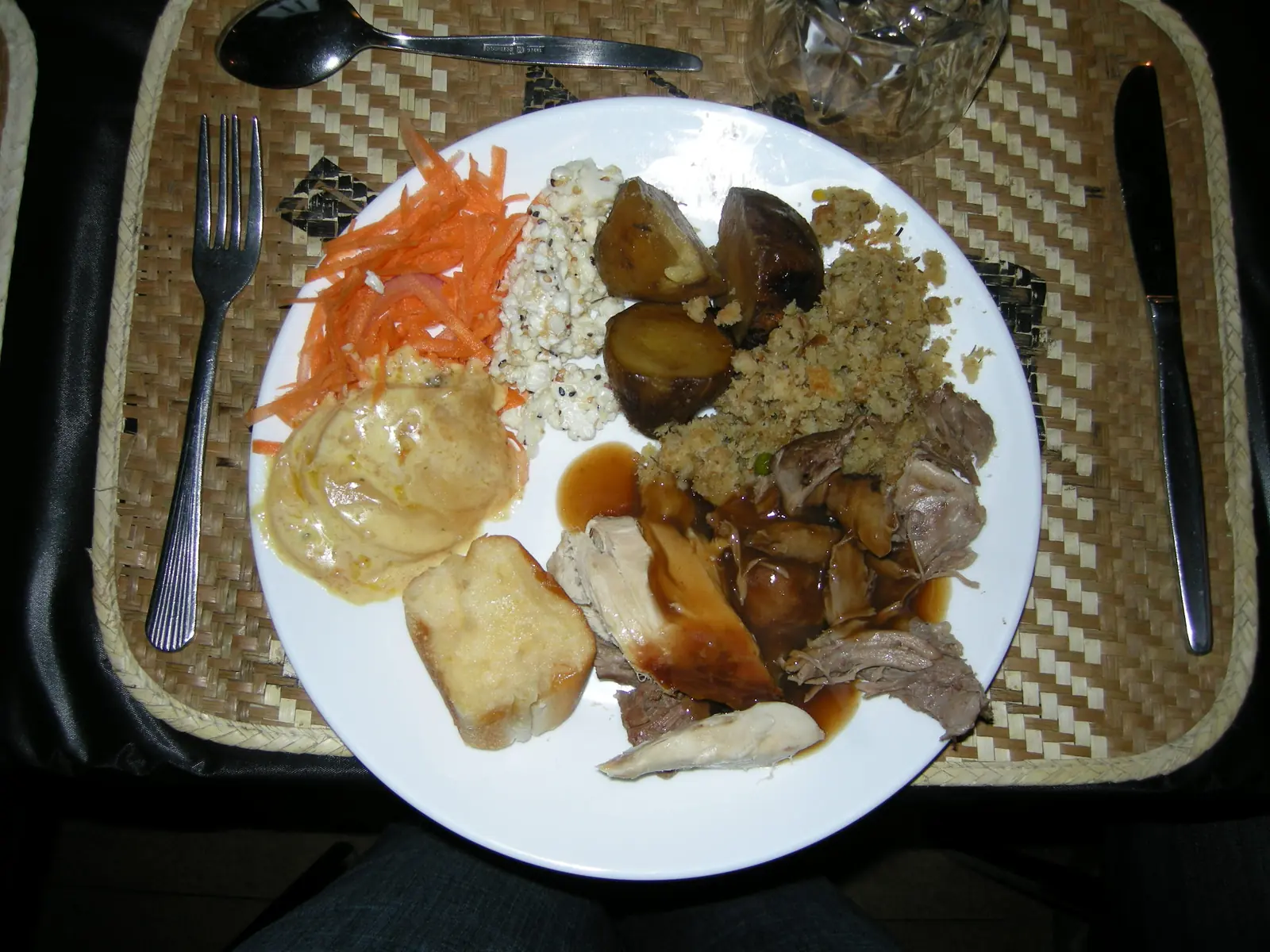
A plated hāngī dinner — slow-cooked meat with gravy, sage stuffing, roast potato and kūmara, and carrot salad on a woven flax placemat New Zealand flag New Zealand 4h
Dinner •Māori Earth-Oven Feast

New Zealand Hāngī

This hangi recipe brings New Zealand's Māori earth-oven feast into a home kitchen: pork, lamb and chicken rubbed with garlic and salt, layered with kūmara, potato, pumpkin, cabbage and carrots in cabbage-leaf-lined parcels with sage stuffing, then slow-roasted until everything is tender and smoky. Traditionally the food goes into flax baskets over white-hot stones in a pit dug in the ground and is buried under wet sacks and earth; here a low oven and foil do the same job, and the recipe says so plainly. One serving is about 773 g.

Hearty & Communal

Pork, lamb and chicken slow-roasted with kūmara, potato, pumpkin and cabbage, cooked the Māori way and built for sharing.

Pairs Well With
Watercress salad and rewena bread on the side, with gravy from the pan juices
High Protein
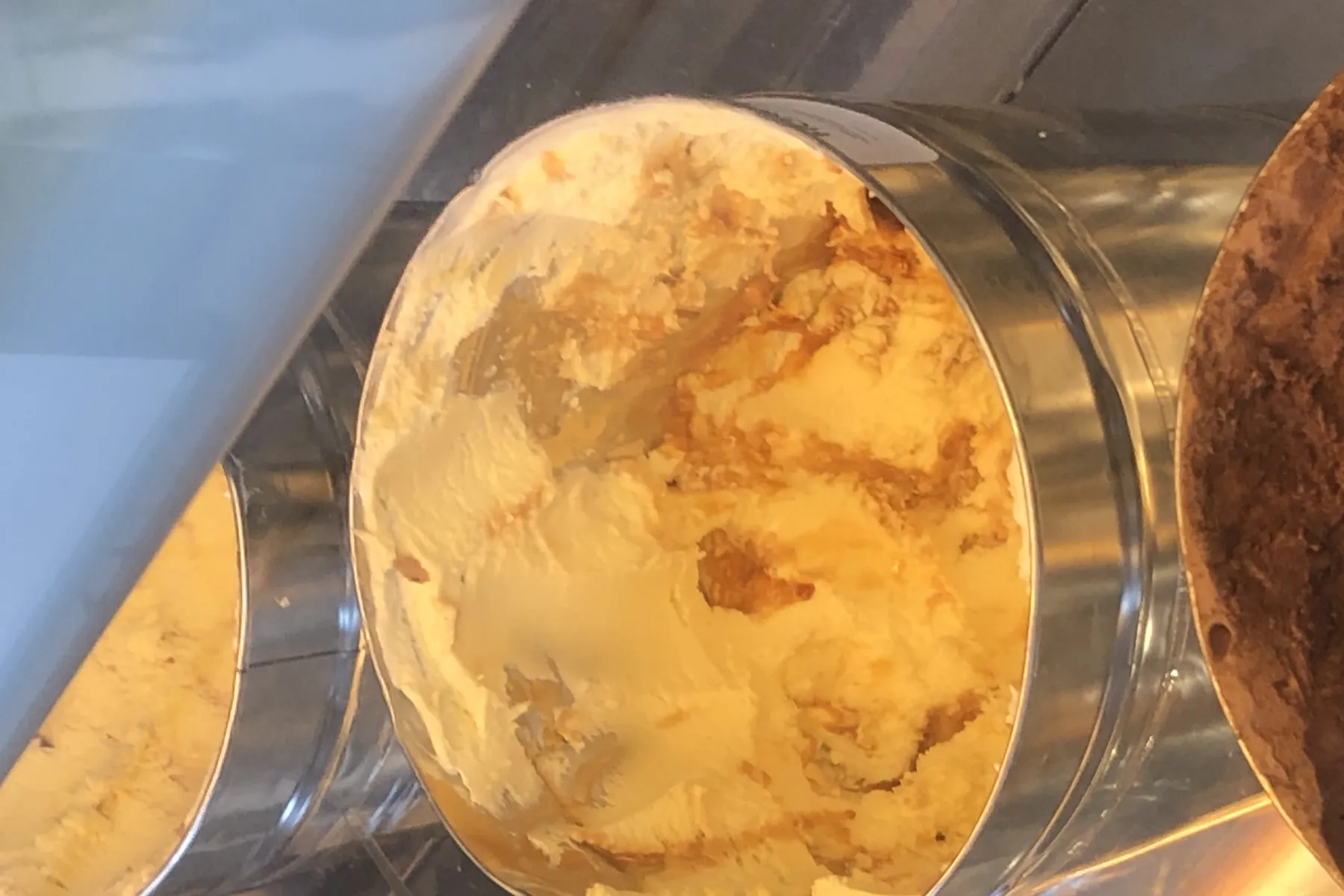
A tub of hokey pokey ice cream in a parlour display — pale vanilla ice cream swirled with golden honeycomb toffee pieces New Zealand flag New Zealand 6h 30m
Snack & Tea •New Zealand Kiwiana Classic

New Zealand Hokey Pokey Ice Cream

This hokey pokey ice cream recipe starts with a silky no-churn vanilla base — whipped cream, sweetened condensed milk and vanilla — then folds in shards of homemade hokey pokey, the golden honeycomb toffee New Zealanders have loved for generations. The honeycomb stays crunchy against the cold cream, giving every spoonful a caramel snap. One serving is about 146 g.

Sweet & Comforting

Creamy no-churn vanilla ice cream folded with crunchy homemade honeycomb toffee — a rich, sweet treat to enjoy in small scoops.

Pairs Well With
Crisp wafers or a waffle cone, with a cup of black tea or flat white coffee
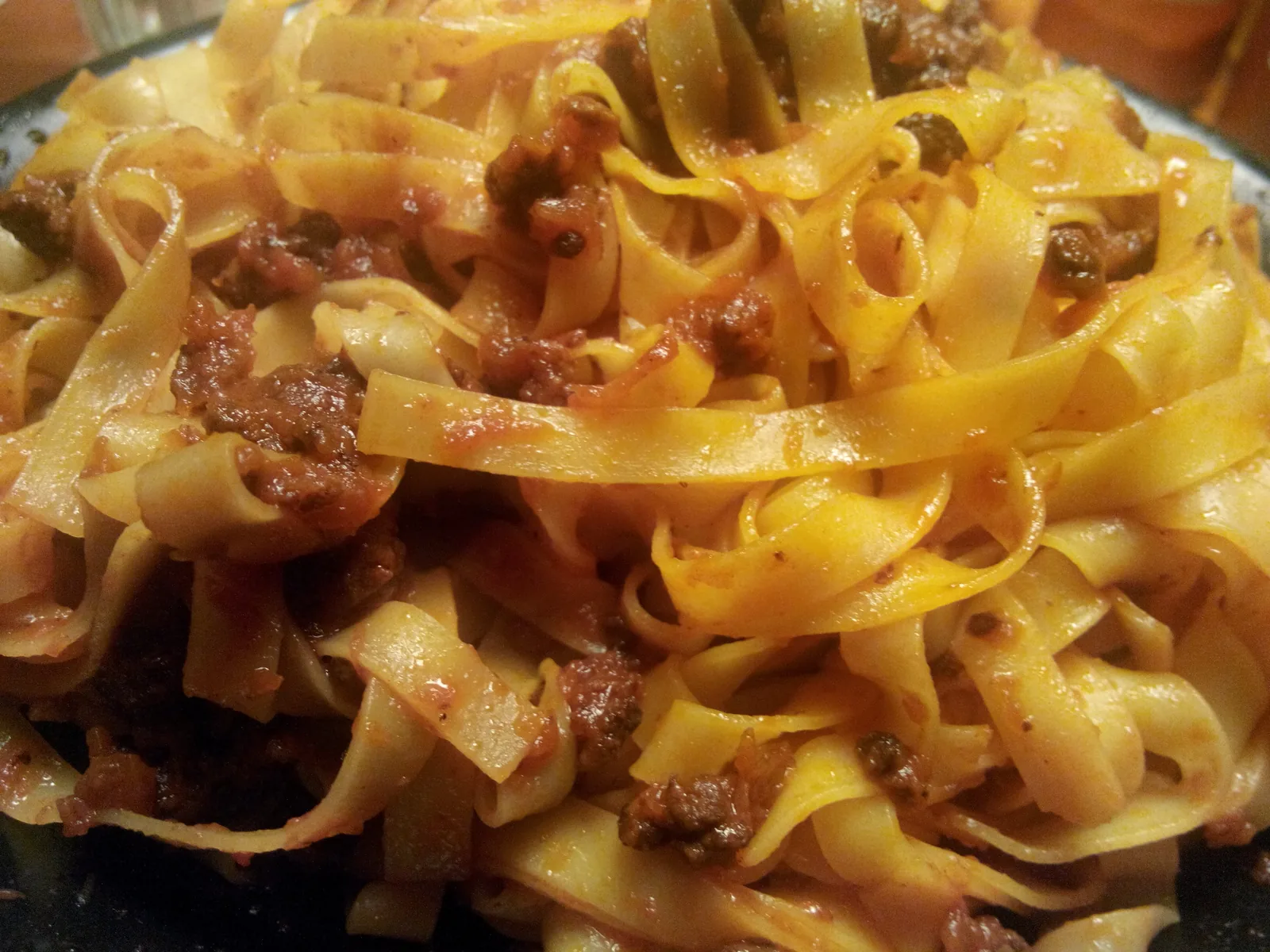
Tagliatelle al ragù Bolognese in a bowl with Parmigiano-Reggiano Italy flag Italy 4h 25m
Lunch •Emilia-Romagna

Tagliatelle al Ragù Bolognese

Slow-braised soffritto and coarse ground heritage meats layered over handmade egg yolk dough for mid-day stamina.

Lean Protein

Slow-simmered beef ragù tossed through fresh egg tagliatelle.

Pairs Well With
Bitter Radicchio & Aged Balsamico di Modena
Pasta & Noodles • High Protein
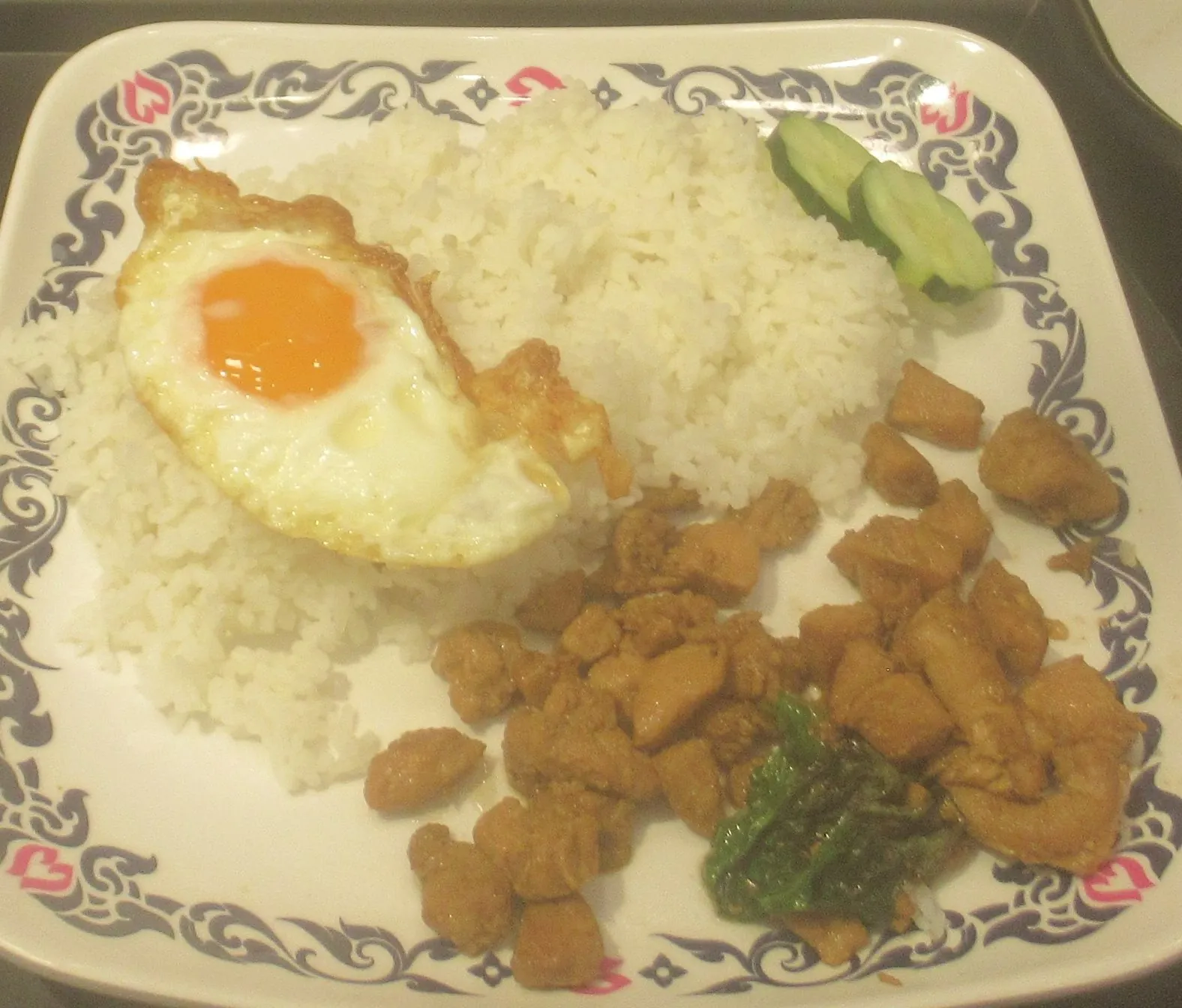
Pad kra pao gai — Thai holy basil chicken with fried egg and rice Thailand flag Thailand 30m
Lunch •Bangkok Street Flame

Pad Kra Pao Gai

High-heat wok flash of holy basil and crushed chillies over minced chicken, served over jasmine rice with a crispy-edged fried egg.

High Energy

Capsaicin brings the heat; holy basil adds a peppery, clove-like aroma.

Pairs Well With
Chilled Cucumber Salad & Fish Sauce Lime Dip
High Protein • Quick Prep (<30m)

The Dinner Gazette

Never wonder what’s for dinner again

One email a week with easy dinner ideas from around the world — ingredients, steps and nutrition, tested in our kitchen first.

Delivered every Thursday morning. Unsubscribe anytime.