Curated recipes from 193 countries  •  New seasonal Mediterranean issue out now

Overview

North Korean Kimchi

Baek-kimchi, White Kimchi, Pyeongan-do Kimchi

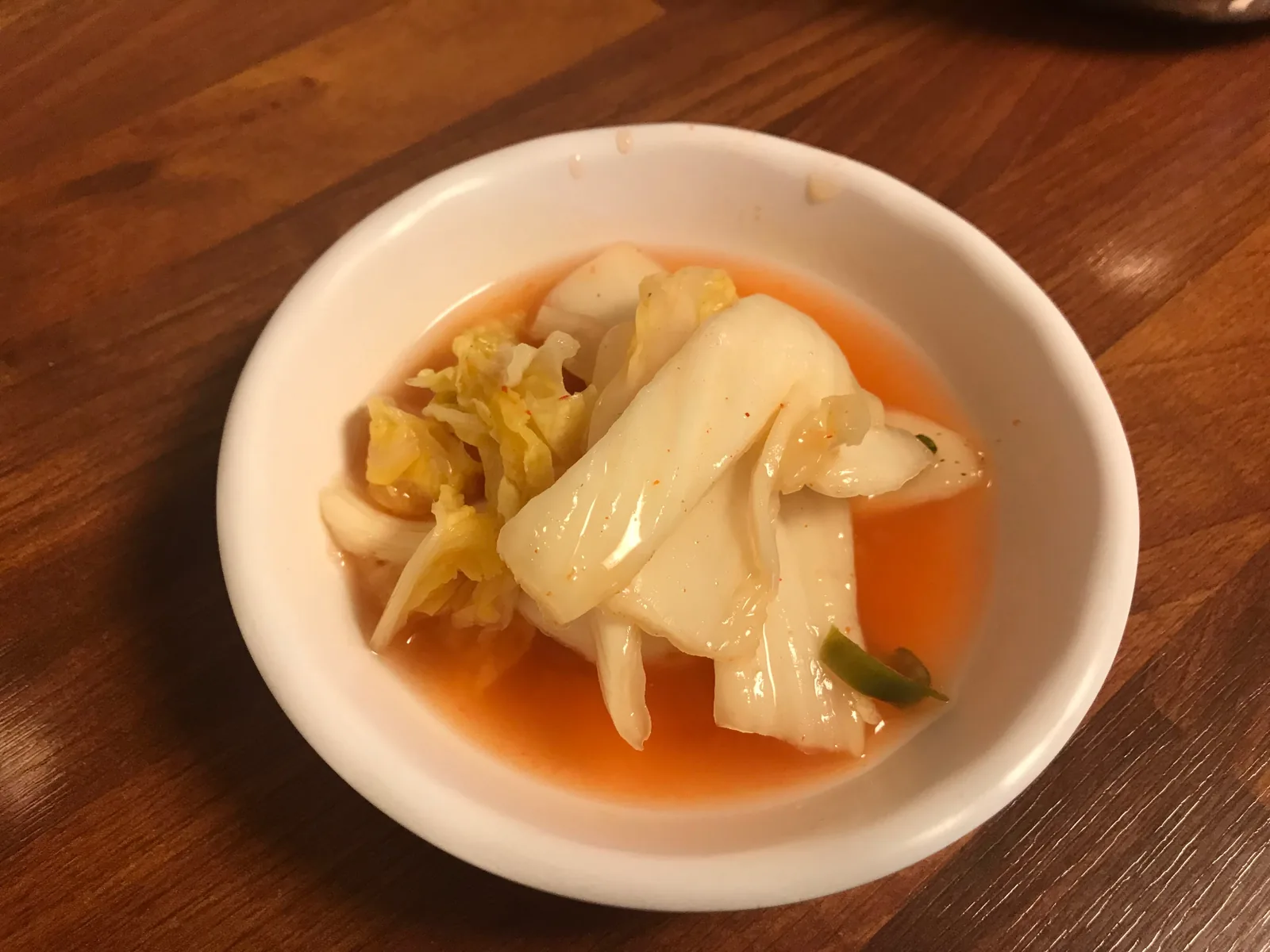
This north korean kimchi recipe is the northern, white style — baek-kimchi. Salted napa cabbage is stuffed with radish, Asian pear, garlic, ginger and chestnuts, then packed in its own pale brine with only a few red chilli threads for colour. It is nothing like the fiery red kimchi of the south: no chilli paste, far less heat, more brine, and a clean sweet-sour taste that lets the pear and ginger shine. One serving is about 195 g.

Kimchi in the north of the Korean peninsula stayed pale long after red chilli arrived in the late 16th century — the colder climate and the northern taste for clean, briny flavours kept the white style alive, while the south embraced the fiery red paste. Northern white kimchi is wetter, milder and sweeter-sour than southern kimchi, stuffed with pear, chestnut and jujube, and the brine itself is part of the dish. The tradition of kimchi-making in the Democratic People's Republic of Korea was inscribed on UNESCO's Representative List of the Intangible Cultural Heritage of Humanity in 2015.

Pairs well with: Steamed rice, pyongyang naengmyeon, and grilled pork

Provenance

North Korea flag North Korea

Pyeongan Heritage

East & South Asia

Time Dedication

2h 35m

150m prep • 5m cook

Batch Yield

8 Servings

70 kcal per serving

1 serving ≈ 195 g

Technical Skill

Intermediate

Medium (Salting & Fermenting)

Meal Timing & Digestive Fit

Breakfast

Not Advised

Lunch

Inappropriate

Dinner

Inappropriate

Snack & Tea

Ideal Light Bite

Fermented / Gut Health Occasions: Snacks, banchan with rice, summer meals, kimchi-making days Cost: Low — about $1–2 per serving at home
North Korean-style white kimchi — pale napa cabbage leaves in a light brine, served in a small white bowl

Pyeongan Heritage

Photo: lazy fri13th, CC BY 2.0, via Wikimedia Commons

The Heritage Formulary

Measured Ingredients

Estimated cost: Low — about $1–2 per serving at home (USD)

Good white kimchi stays pale and crisp, its brine clear and pleasantly sour, with pear and ginger you can actually taste.

Execution Methodology & Culinary Technique

Step-by-Step Cooking Guide

Active 2h 35m
P

Prep Stage: Salting the Cabbage and Mixing the Filling

2 Hrs 30 Mins • Salting, Rinsing & Stuffing

Toss the cut cabbage with the 45 g salt in a big bowl and leave it for 2 hours, turning it once, until the leaves bend without snapping. Rinse it twice in cold water and squeeze it gently dry. Meanwhile mix the daikon, pear, garlic, ginger, spring onions, chestnuts, jujubes and chilli threads into a loose filling, and boil then cool the 300 ml brine water with the kelp in it.

Maestro Tip: Do not skip the rinse — unrinsed cabbage makes a brine so salty nobody can eat it.

  1. 1

    Salt the Cabbage

    2 Hrs Room temperature, about 22°C (72°F)

    Put the 900 g cut cabbage in a large bowl, sprinkle over the 45 g salt and toss well so every leaf is coated. Leave at room temperature for 2 hours, turning the cabbage once halfway through. It is ready when a thick white stem bends in half without snapping.

    Taste a stem after 2 hours — it should be salty but not painfully so. If it is, rinse a little longer.

    Done when: The leaves are wilted and bend easily; a pool of liquid has collected in the bowl.

  2. 2

    Rinse and Drain

    10 Mins Cold water, about 15°C (59°F)

    Rinse the salted cabbage twice in plenty of cold water, then squeeze it gently in handfuls until no more water runs out. Do not wring it hard or the leaves tear. Spread it on a clean tray while you finish the filling.

    Squeeze in small handfuls — a big squeezed lump bruises the leaves.

    Done when: The cabbage is damp but not dripping, and tastes pleasantly salty.

  3. 3

    Make the Filling — No Chilli Paste

    15 Mins Room temperature, about 22°C (72°F)

    In a bowl, mix the 200 g daikon, 150 g pear, 30 g garlic, 20 g ginger, 60 g spring onions, 60 g chestnuts, 30 g jujubes and 2 g chilli threads. Do not add any chilli paste or chilli powder — the northern style stays white, and the few red threads are only there for a blush of colour. This is the difference between northern white kimchi and the red kimchi of the south.

    Keep the garlic sliced, not crushed — crushed garlic turns the brine cloudy and harsh.

    Done when: A loose, colourful filling that smells of ginger and garlic.

  4. 4

    Pack the Jar and Cover with Brine

    15 Mins Room temperature, about 22°C (72°F)

    Layer the cabbage and filling in a clean 2-litre glass jar or crock, pressing down gently as you go. Pour over the 300 ml cooled brine water and lay the kelp on top, then press everything down so the vegetables sit below the liquid — anything poking out will spoil. Leave the lid slightly loose.

    Put a small clean plate or a zip bag of brine on top to hold everything under the liquid.

    Done when: The vegetables are fully submerged in pale brine.

  5. 5

    Ferment, Then Chill

    2 Days Ferment at 20°C (68°F), then store at 4°C (40°F)

    Leave the jar at room temperature, about 20°C (68°F), for 2 days, until the brine tastes pleasantly sour and tiny bubbles rise when you press the cabbage. Then tighten the lid, remove the kelp, and move the jar to the fridge at 4°C (40°F). It is ready to eat now and keeps improving for a week.

    Taste daily after day one — in a warm kitchen it can be ready in a day and a half.

    Done when: The brine is tangy and the cabbage is crisp and sour, not limp.

Finishing Touches & Plating

Taste after two days — it should be pleasantly sour and salty with a clean pear-ginger finish, and the brine should taste good enough to sip. Chill before serving so the cabbage is cold and crisp.
Nutritional Physiology & Benefits

Nutrition

Energy

70

kcal / serving

Protein

2g

Complete AA

Carbs

16g

Complex

Fats

1g

Healthy

Per serving (8 servings · 1 serving ≈ 195 g)
Energy70 kcal
Protein2 g
Carbohydrates16 g
Fat1 g
Fibre3.5 g
Sugar6.5 g
Sodium745 mg
Per 100g
Energy36 kcal
Protein1.2 g
Carbohydrates8 g
Fat0.3 g
Fibre1.8 g
Sugar3.3 g
Sodium382 mg

Nutrition values are estimated — calculated from USDA FoodData Central values for the listed ingredients.

Vitamins & minerals: Provides vitamin C and vitamin K from the cabbage and radish, plus potassium; fermentation adds live cultures. Nutrition is estimated.

Fermented, Live Cultures

Lactic fermentation fills the jar with live cultures as the cabbage sours — the same kind of fermentation that makes yoghurt and pickles.

Light and Low in Calories

Only 70 kcal a serving for a generous 195 g portion, so it brings big flavour to a meal without much energy.

Fiber-Rich Vegetables

Cabbage, radish, pear and spring onions give about 3.5 g of fiber a serving, and the chestnuts and jujubes add a little natural sweetness.

Food Pairings

What to Eat With

To optimize nutrient absorption and elevate the sensory depth, pair with these authentic accompaniments:

Sides

Steamed Rice

Plain steamed rice is the natural partner — the kimchi's sour brine seasons the rice, and the rice softens the salt.

Grilled Pork

Grilled pork loves something sour and crunchy beside it, and this pale kimchi cuts the fat without the burn of red kimchi.

Soups

Pyongyang Naengmyeon

A bowl of cold naengmyeon broth with a spoonful of white kimchi is the classic Pyongyang pairing: the kimchi's brine and the beef broth are made for each other.

Drinks

Barley Tea

Cold barley tea is nutty and unsweetened, so it refreshes the palate after the salty, sour bite of the kimchi.

Complete menu

Serve a small bowl of this white kimchi with steamed rice, grilled pork or a bowl of pyongyang naengmyeon — it is the cool, sour counterpoint the meal needs.

Digestive Guardrails

What NOT to Combine

To prevent digestive distress, sluggishness, or palate clash, avoid pairing the dish with these elements:

Sealing It Airtight While It Ferments

Fermentation makes carbon dioxide, and a jar sealed tight in the first days can build up enough pressure to leak or even burst. Leave the lid slightly loose for the first two days, then tighten it once the kimchi goes into the fridge. This is general food-safety information, not medical advice.

Leaving It Warm for a Week

Left warm for a week or more, white kimchi over-ferments fast — it turns mushy, sharply sour and loses the crisp pear and ginger flavours that make it special. Move it to the fridge after two days at room temperature. This is general food-safety information, not medical advice.

General information only, not medical advice — consult a doctor for personal dietary decisions.

Who Should Eat It

Who Should Eat

  • General adultsA small bowl with rice or noodles is the classic way to eat it — a little goes a long way because it is salty and sour.
  • ChildrenA good first kimchi for children: it is barely spicy, so the mild ones can try a small piece with rice.
  • ElderlySoft enough to chew easily and gentle on the stomach; keep portions small because of the salt.
  • Pregnant womenFermented and salty, so eat it in small amounts and make sure it has been kept cold; ask your clinician if you are unsure about fermented foods in pregnancy.
  • Breastfeeding womenFine in normal amounts as a side — the pear and ginger make it easy on the stomach.
  • AthletesA light, salty side that replaces some of the salt lost in sweat, with almost no calories.
  • Weight gainOnly 70 kcal a serving, so it will not add weight on its own — eat it alongside rice and protein.
  • Weight lossAt 70 kcal a serving with plenty of fiber and crunch, it adds flavour and bulk to a meal without adding much energy — watch the sodium.

Health Conditions — Adjust or Avoid

Conditions

  • DiabetesAbout 15.5 g of carbohydrate a serving, mostly from pear, jujube and chestnut — count it as part of the meal's carbohydrate; ask your clinician about portion size.
  • High blood pressureAt about 745 mg of sodium a serving, this is a salty food — keep portions small and do not drink the brine; ask your clinician if you are on a sodium limit.
  • Kidney diseaseHigh in sodium and potassium for a side dish — check with your clinician before eating it regularly.
  • GoutLow in purines and mostly vegetables, so it is a reasonable side — the main thing to watch is the salt; ask your clinician.
  • Stomach issuesFermented and acidic, so it can sting a sensitive stomach or trigger reflux — try a small amount first and skip it during a flare-up; ask your clinician if symptoms persist.
  • Cardiovascular diseaseLow in fat and calories, but the sodium is high — small portions only; ask your clinician about your salt limit.
  • Fatty liverVery low in fat and calories, which fits a liver-friendly pattern — the salt is the only concern; ask your clinician.
  • Food allergiesContains no gluten, egg, milk or nuts, but check the chestnuts and jujubes if you have a tree-nut or fruit allergy; ask your clinician if you are unsure.
  • Special therapeutic dietsSuitable for vegetarian, vegan and gluten-free diets as written, and low in fat; ask your clinician or dietitian about the sodium before making it a regular side.

If you have a medical condition, consult your doctor before changing your diet.

Storage & Use

Storage & Use

How to store
Keep in a clean glass jar with a tight lid in the fridge, vegetables always submerged in brine.
In the fridge
3 weeks in the jar, always keeping the vegetables under the brine.
In the freezer
Do not freeze — the cabbage turns limp and the live cultures die.
How to reheat
Do not reheat — serve cold, straight from the fridge.
Freezing recommended
No — freezing ruins the crunch.
Signs it has spoiled
Slimy leaves, a yeasty or alcoholic smell, pink mould, or a brine that turns dark and murky.

More recipes to explore

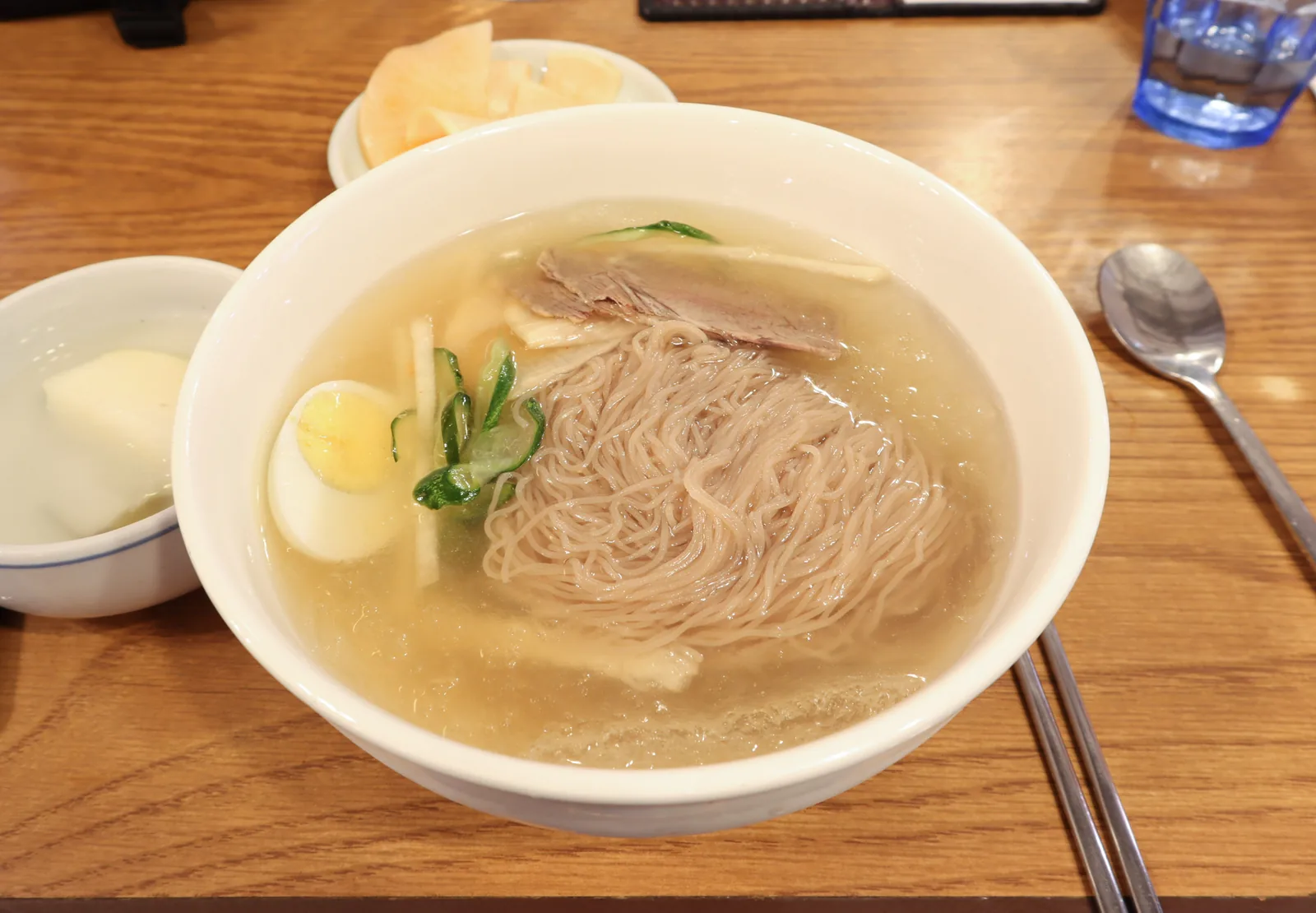
Pyongyang-style naengmyeon served in South Korea — cold buckwheat noodles in clear chilled beef broth with sliced beef, half a boiled egg and cucumber in a white bowl North Korea flag North Korea 2h 45m
Lunch •Pyongyang Heritage

Pyongyang Naengmyeon

This pyongyang naengmyeon recipe makes four icy bowls of springy buckwheat noodles in a clear chilled beef broth, topped with sliced brisket, half a boiled egg, cucumber and Asian pear. It is the Pyongyang way: mild and beefy, never fiery, with mustard and vinegar on the side so each person seasons their own bowl. One serving is about 632 g.

Light & Refreshing

Cold buckwheat noodles in a clear chilled beef broth — light, savory and refreshing on a hot day.

Pairs Well With
White kimchi, sliced Asian pear, and barley tea
Soups & Broths • Pasta & Noodles
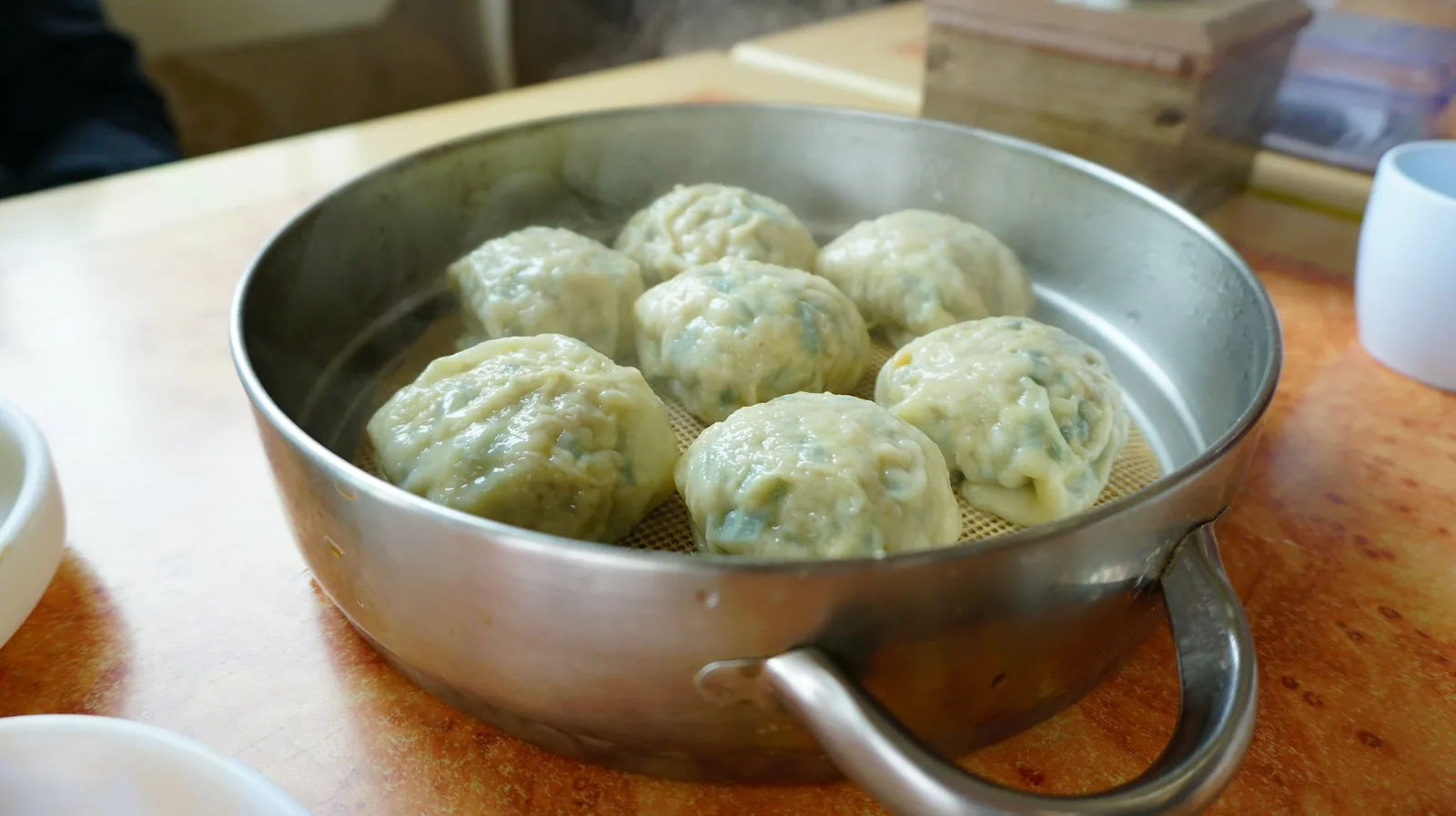
North Korean-style steamed mandu — plump jjin-mandu dumplings steaming in a metal steamer basket North Korea flag North Korea 1h 25m
Dinner •Korean Festive Classic

North Korean Mandu

This north korean mandu recipe makes 24 plump steamed dumplings filled with ground pork, well-fermented kimchi, firm tofu and garlic chives, served hot from the steamer with a sharp soy-vinegar dip. Northern mandu are bigger and more generously filled than most, and the kimchi in the filling is what makes them unmistakably Korean — tangy, savory and juicy, with no yoghurt sauce and no tomato sauce in sight. One serving is about 295 g.

Comfort & Warmth

Plump steamed dumplings filled with pork, kimchi, tofu and garlic chives, served hot with a soy-vinegar dip.

Pairs Well With
Soy-vinegar dip, white kimchi, and barley tea
High Protein
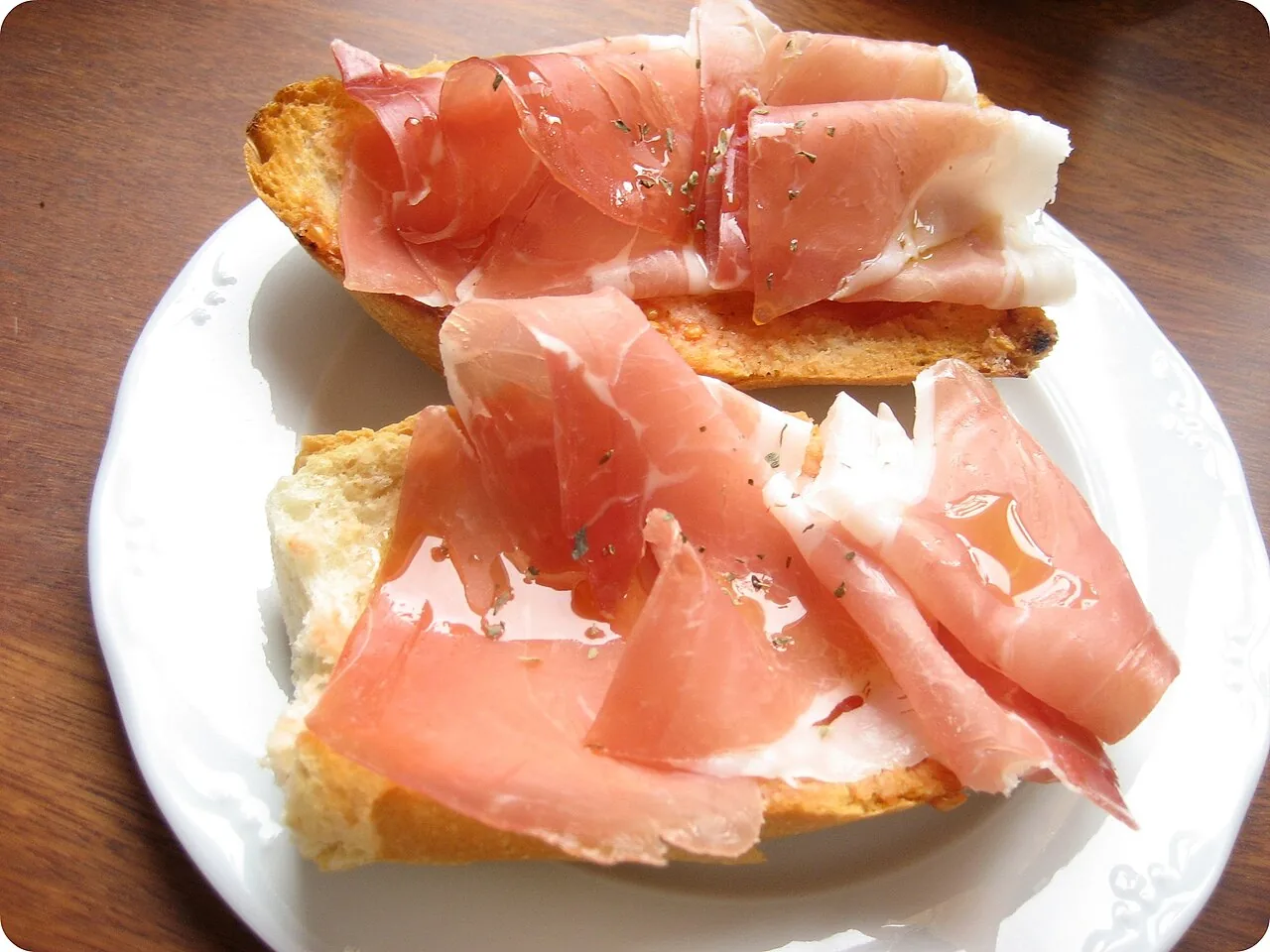
Pan con tomate with jamón ibérico on toasted bread Spain flag Spain 15m
Snack & Tea •Catalan Aperitivo

Pan con Tomate & Jamón Ibérico

Country bread rubbed with ripe Ramallet tomato, drizzled with cold-pressed Arbequina olive oil and topped with jamón ibérico.

Vascular Health

Toasted tomato bread with jamón ibérico, olive oil and olives.

Pairs Well With
Castelvetrano Olives & Sparkling Mineral Water
Quick Prep (<30m)
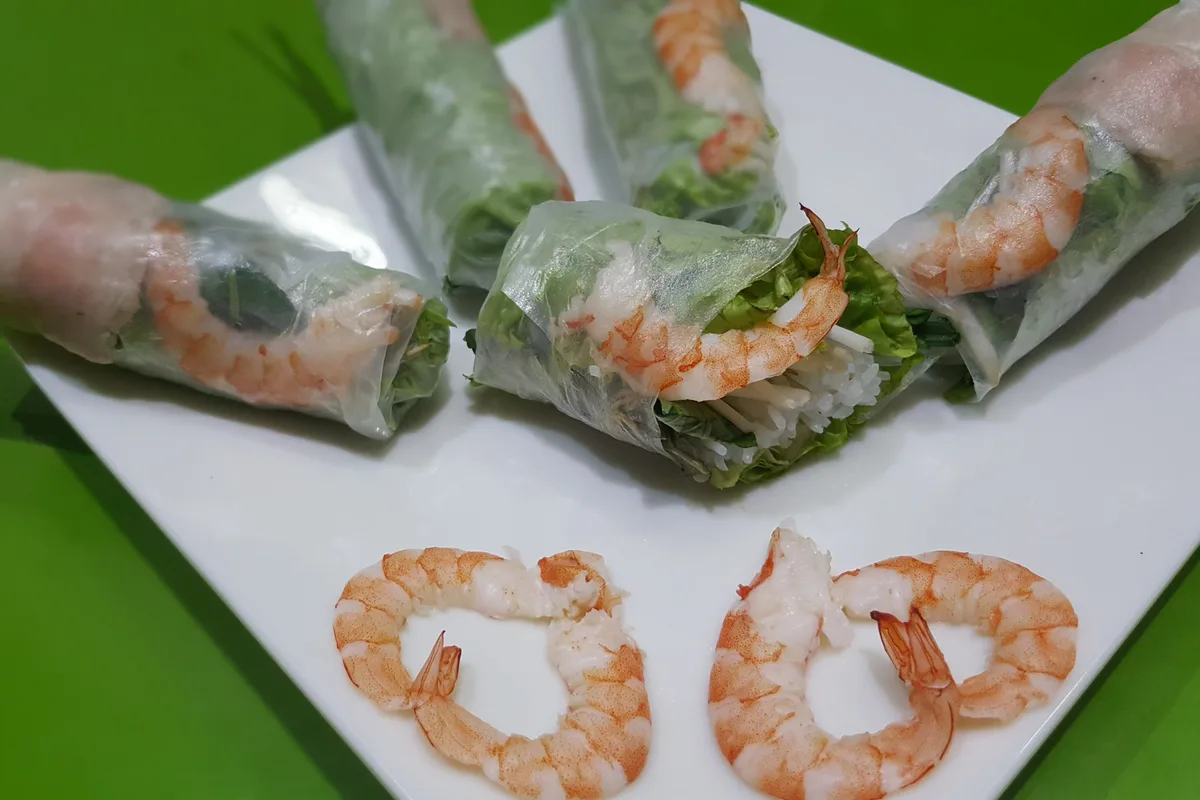
Gỏi cuốn — Vietnamese fresh spring rolls with prawn and pork Vietnam flag Vietnam 1h 5m
Snack & Tea •Saigon Refresh

Gỏi Cuốn Tôm Thịt

Fresh rice paper rolls filled with poached prawns, tender pork, rice vermicelli, lettuce, herbs and carrot, served with a peanut dipping sauce.

Light Digestion

Nothing is fried, so the rolls stay light and fresh — a cool, herb-filled snack for hot days.

Pairs Well With
Artisanal Peanut Dip & Fresh Lotus Root Water
High Protein

The Dinner Gazette

Never wonder what’s for dinner again

One email a week with easy dinner ideas from around the world — ingredients, steps and nutrition, tested in our kitchen first.

Delivered every Thursday morning. Unsubscribe anytime.