Curated recipes from 193 countries  •  New seasonal Mediterranean issue out now

Overview

Pakistani Chicken Handi

Murgh Handi, Chicken Handi, Punjabi Chicken Handi

This Pakistani chicken handi recipe is the restaurant classic named after the pot it is cooked in: bone-in chicken simmered low and slow in a clay handi, in a creamy sauce of browned onion, tomato and yoghurt, finished with cream and crushed kasuri methi. The long, gentle cook in the handi makes the chicken fall-off-the-bone tender and the sauce thick, glossy and deeply spiced. It is served still bubbling in the handi itself, with naan for scooping. One serving is about 425 g.

Handi is the name of the pot as much as the dish: a deep, narrow-mouthed clay or copper vessel used across Punjab for slow cooking, where the thick walls hold a gentle, even heat and the tight lid traps the steam. Chicken handi grew into a restaurant and dhaba classic in Lahore and across Pakistan, the dish ordered when a family eats out — bone-in chicken simmered slowly in an onion, tomato and yoghurt sauce, finished with cream and kasuri methi, and brought to the table still in the pot it was cooked in. Unlike the karahi, which is seared fast in a wok, a handi is defined by patience: low heat, a covered pot, and time.

Pairs well with: Hot naan & mint raita

Provenance

Pakistan flag Pakistan

Punjabi Heritage

East & South Asia

Time Dedication

1h 15m

20m prep • 55m cook

Batch Yield

4 Servings

653 kcal per serving

1 serving ≈ 425 g

Technical Skill

Intermediate

Medium (Slow Clay-Pot Cook)

Meal Timing & Digestive Fit

Breakfast

Not Advised

Lunch

Hearty Midday Main

Dinner

Ideal Hearty Main

Snack & Tea

Inappropriate

High Protein Occasions: Family dinners, weekend cooking, dinner parties, Eid gatherings Cost: Low — about $3–4 per serving at home
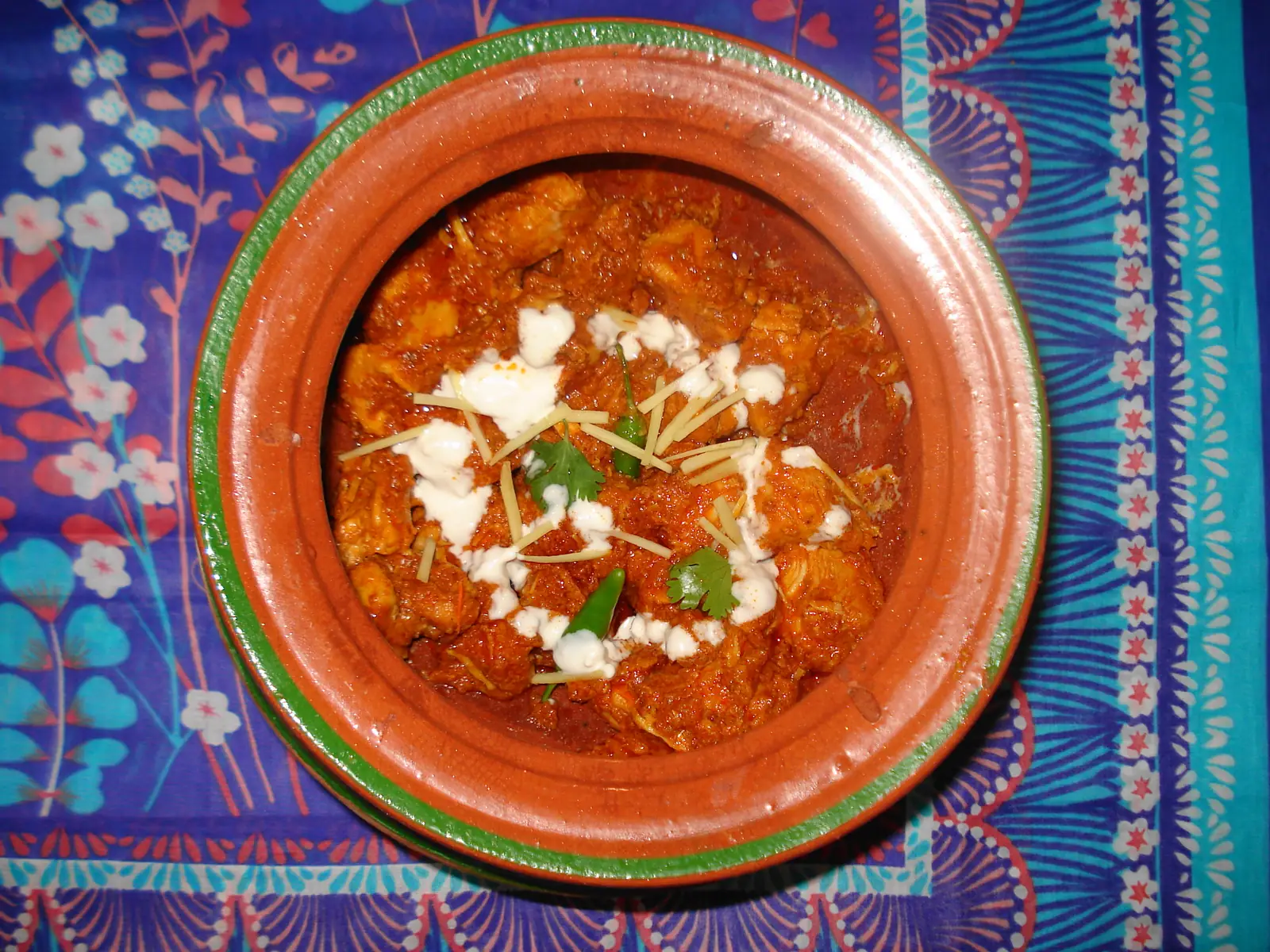
Pakistani chicken handi — bone-in chicken in a creamy red tomato sauce served in a clay handi pot, drizzled with cream and garnished with julienned ginger, green chillies and coriander

Punjabi Heritage

Photo: Miansari66, CC0, via Wikimedia Commons

The Heritage Formulary

Measured Ingredients

Estimated cost: Low — about $3–4 per serving at home (USD)

A true handi is judged by its sauce: thick, glossy and creamy, clinging to bone-in chicken that is tender enough to fall from the bone, with the scent of kasuri methi rising from the pot.

Execution Methodology & Culinary Technique

Step-by-Step Cooking Guide

Active 1h 15m
P

Prep Stage: Chop, Whisk & Measure

20 Mins

Cut the chicken into pieces and pat dry. Chop the onion and tomatoes finely, grate half the ginger and cut the rest into matchsticks, crush the garlic, chop 2 green chillies and slit 2 more, and chop the coriander. Whisk the yogurt smooth and leave it at room temperature, and measure out all the ground spices, the kasuri methi and the cream so everything is within reach — once the handi is on the heat, the cooking is slow but the additions come in quick succession.

Maestro Tip: Whisk the yogurt until completely smooth and let it warm to room temperature: cold, lumpy yogurt is the main reason a handi sauce splits.

  1. 1

    Brown the Onion in the Handi

    10 Mins Medium heat, ~180°C (350°F)

    Warm the handi gently over medium heat, add the ghee and let it melt. Add the chopped onion with a pinch of salt and cook, stirring often, for 8–10 minutes until soft, golden and sweet — this slow browning is the base of the whole dish, so do not rush it. Stir in the grated ginger and crushed garlic and fry for 1 minute until fragrant.

    If your handi is unglazed clay, never put it on a fierce flame: heat it gently from medium and let the pot warm through, or it can crack.

    Done when: The onion is soft, golden and sweet-smelling, not raw or browned dark.

  2. 2

    Build the Tomato-Yoghurt Masala

    10 Mins Medium heat, ~180°C (350°F)

    Add the chopped tomatoes, tomato paste, ground cumin, ground coriander, turmeric, red chilli powder, black pepper and the chopped green chillies. Cook, stirring and mashing the tomatoes with the spoon, for 8–10 minutes until the tomatoes have melted into a thick masala and the ghee separates at the edges. Lower the heat, then stir in the whisked yogurt one spoonful at a time, stirring constantly until each spoonful is absorbed before adding the next.

    Add the yogurt off the fiercest heat, a spoonful at a time — pouring cold yogurt into a boiling masala is what makes it curdle.

    Done when: A thick, deep-red masala with oil glistening at the edges; the yogurt is fully stirred in with no white streaks.

  3. 3

    Add the Chicken & Seal the Handi

    15 Mins Low heat, ~120°C (250°F)

    Lay the chicken pieces into the masala and turn them so every piece is coated. Add the remaining salt, cover the handi with its lid and lower the heat until the sauce is barely bubbling. Leave it to cook, undisturbed, for 15 minutes, then lift the lid, turn the pieces over and cover again.

    Resist lifting the lid every few minutes: the handi's tight lid traps the steam, and that trapped steam is what cooks the chicken tender.

    Done when: The chicken is coated in masala and the sauce is simmering gently, not boiling hard.

  4. 4

    Simmer Low & Slow

    15 Mins Low heat, ~120°C (250°F)

    Keep the handi covered on the lowest heat for another 15 minutes, until the chicken is cooked through and tender. Check the thickest piece: the meat must reach at least 74°C (165°F) inside and come away from the bone easily. If the sauce looks too thick, stir in a splash of hot water; if it looks thin, cook uncovered for 3–4 minutes.

    The handi holds its heat long after the flame is off, so take it off the heat while the sauce is still slightly looser than you want — it will thicken as it rests.

    Done when: Chicken is tender, cooked through to 74°C (165°F), and the sauce is thick enough to coat the back of a spoon.

  5. 5

    Finish with Cream & Kasuri Methi

    5 Mins Off the heat

    Take the handi off the heat. Pour in the cream in a slow stream, stirring gently, then crush the kasuri methi between your palms over the pot and sprinkle in the garam masala. Cover and rest for 5 minutes so the fenugreek perfumes the sauce, then uncover and scatter over the ginger matchsticks, the slit green chillies, the coriander and the lemon juice.

    Cream and kasuri methi always go in off the heat: boiling cream dulls its flavour, and the methi needs the resting steam, not the flame, to release its scent.

    Done when: The sauce is glossy and creamy, with the scent of fenugreek rising from the pot and fresh ginger and chillies on top.

Finishing Touches & Plating

Carry the handi straight to the table, lid on, and lift it at the table so the steam and the smell of fenugreek escape in front of everyone. Serve hot from the pot, with naan for scooping — the handi is the serving dish.

Nutritional Physiology & Benefits

Nutrition

Energy

653

kcal / serving

Protein

38g

Complete AA

Carbs

21g

Complex

Fats

47g

Healthy

Per serving (4 servings · 1 serving ≈ 425 g)
Energy653 kcal
Protein38 g
Carbohydrates21 g
Fat47 g
Fibre4.9 g
Sugar9.4 g
Sodium956 mg
Per 100g
Energy154 kcal
Protein9 g
Carbohydrates5 g
Fat11.1 g
Fibre1.1 g
Sugar2.2 g
Sodium225 mg

Nutrition values are estimated — calculated from USDA FoodData Central values for the listed ingredients.

Vitamins & minerals: Iron and zinc (chicken), vitamin B12 (chicken), vitamin B6 (chicken), vitamin C (tomatoes, green chillies), vitamin A (tomatoes), calcium (yoghurt, cream). Nutrition values are estimated.

High in Protein, Slow & Tender

Bone-in chicken gives a large amount of protein in every serving, and the long, gentle cook in the handi makes the meat tender without drying it out.

A Sauce Built from Real Ingredients

The sauce is onion, tomato, yoghurt and cream cooked down slowly — no stock cubes or shortcuts — so the flavour comes from the ingredients themselves.

Ginger, Chillies & Fenugreek

Fresh ginger, green chillies and kasuri methi bring warmth and a fresh, herbal lift to a rich sauce, and tomatoes and chillies add vitamin C to the plate.

Food Pairings

What to Eat With

To optimize nutrient absorption and elevate the sensory depth, pair with these authentic accompaniments:

Sides

Hot Naan

Naan is the classic partner for handi: its soft, chewy crumb scoops up the thick, creamy sauce far better than a spoon, and a hot naan straight off the griddle is part of the ritual.

Mint Raita

Cool mint raita tames the chilli heat and gives a creamy, cool counterpoint to the warm, spiced sauce.

Vegetables

Kachumber Salad

A crisp salad of onion, tomato and cucumber with lemon cuts through the rich cream sauce and gives the plate crunch and freshness.

Drinks

Sweet Lassi

A cold sweet lassi cools the palate after the spice and washes down the rich cream, which is why Lahore's handi restaurants serve it by the glass.

Complete menu

Serve the handi in its clay pot with hot naan, kachumber salad, mint raita and a glass of sweet lassi — the Lahore restaurant plate, with the fresh ginger and chilli garnish on top.

Digestive Guardrails

What NOT to Combine

To prevent digestive distress, sluggishness, or palate clash, avoid pairing the dish with these elements:

Cooking It Like a Karahi

High heat and a fast wok cook make a karahi, not a handi: the clay pot can crack from thermal shock, the yoghurt splits, and the chicken dries out instead of turning tender. A handi needs low heat and time. This is general cooking advice, not medical advice.

Boiling the Cream or Yoghurt

Adding cream or yoghurt to a boiling sauce makes it split into grainy curds and oil. Always take the handi off the heat first and stir them in gently. This is general cooking advice, not medical advice.

General information only, not medical advice — consult a doctor for personal dietary decisions.

Who Should Eat It

Who Should Eat

  • General adultsA rich, slow-cooked restaurant curry — best eaten hot from the handi, with naan and the fresh garnish.
  • ChildrenChildren love the creamy chicken; serve a small portion with less chilli and plenty of naan, and pick out the raw ginger.
  • ElderlyThe chicken is cooked until tender and easy to chew; serve a smaller portion, as it is rich.
  • Pregnant womenChicken cooked to at least 74°C (165°F) and served hot is fine; keep portions moderate and ask your clinician about rich, spicy meals if unsure.
  • Breastfeeding womenA filling, protein-rich meal that suits breastfeeding; the chicken, sauce and naan together make a complete meal.
  • AthletesHigh in protein, so it refuels well after training — eat it with naan for the carbohydrate to go with it.
  • Weight gainEnergy-dense with chicken, ghee and cream, so it suits people who need extra calories.
  • Weight lossEnergy-dense from the ghee and cream, so keep to one serving, remove the skin and eat more of the salad.

Health Conditions — Adjust or Avoid

Conditions

  • DiabetesLow in carbohydrate on its own, but the naan served with it adds a lot — keep the bread portion modest; ask your clinician about portions.
  • High blood pressureContains sodium from added salt; use less salt if you need to limit sodium, and ask your clinician.
  • Kidney diseaseHigh in protein from the chicken; people with kidney disease should watch portion size and ask their clinician.
  • GoutChicken is moderate in purines; a large portion may not suit people prone to gout — ask your clinician.
  • Stomach issuesThe dish is rich and spiced, and the raw ginger and chillies can irritate a sensitive stomach; eat a small portion and skip the raw chilli garnish if your stomach is sensitive.
  • Cardiovascular diseaseHigh in saturated fat from ghee, cream and chicken skin, so people with cardiovascular disease should eat a smaller portion with plenty of salad; ask your clinician.
  • Fatty liverRich and high in fat, so keep portions modest and balance the plate with salad; ask your clinician.
  • Food allergiesContains milk (yoghurt, cream) and ghee. If you have any food allergy, check every ingredient and ask your clinician.
  • Special therapeutic dietsNot suitable as a low-fat, low-sodium or low-purine therapeutic diet without changes (less ghee and cream, skin removed, less salt); discuss adaptations with your clinician or dietitian.

If you have a medical condition, consult your doctor before changing your diet.

Storage & Use

Storage & Use

How to store
Cool quickly and store in airtight containers in the fridge.
In the fridge
Cooked handi 3 days.
In the freezer
Up to 2 months.
How to reheat
Reheat gently on the stove until steaming hot throughout, to 74°C (165°F); add a splash of water or cream if the sauce has thickened.
Freezing recommended
Yes, up to 2 months; freeze the chicken and sauce without the fresh garnish and add it when serving.
Signs it has spoiled
Sour smell, slimy sauce, or mould.

More recipes to explore

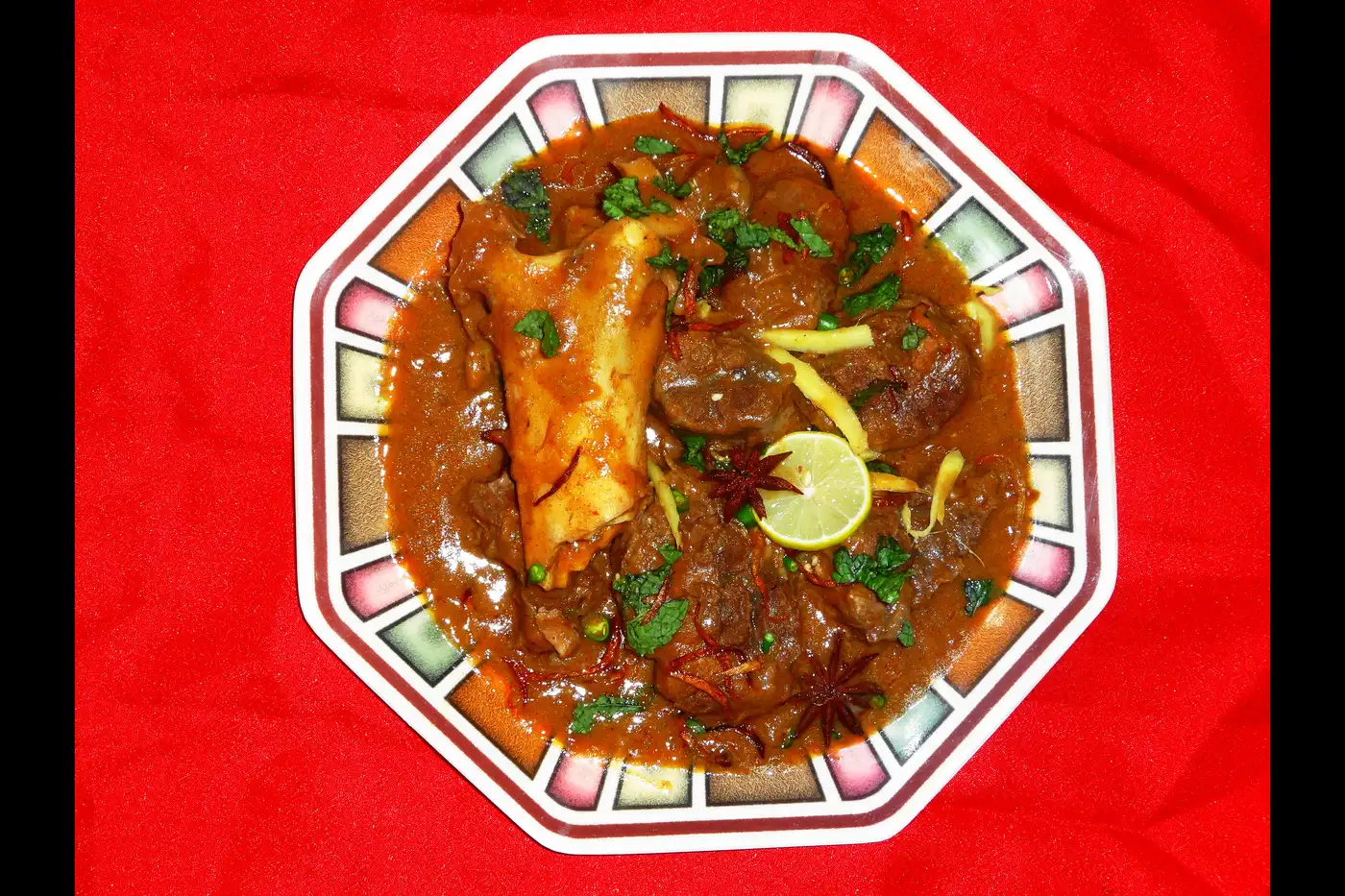
Beef nihari — tender beef shank in a thick glossy reddish-brown gravy, garnished with ginger, lemon and coriander Pakistan flag Pakistan 5h 30m
Dinner •Lahore Heritage

Nihari

This nihari recipe is Pakistan's great slow-cooked beef stew: beef shank on the bone, simmered for hours in ghee and spices until the meat falls apart and the marrow melts into a thick, glossy gravy. A spoonful of toasted wheat flour gives the sauce its silk, and the classic garnish — ginger matchsticks, green chillies, coriander and lemon — lifts the whole bowl. It is traditionally a breakfast dish in Lahore and Karachi, and it is just as good for dinner. One serving is about 380 g.

Slow Food, Worth the Wait

Beef shank simmered for hours with ginger, fennel and warm spices until it falls off the bone, the gravy thickened with a wheat-flour slurry and finished with ginger, lemon and green chillies — Pakistan's slow-cooked nihari.

Pairs Well With
Hot naan & ginger-lemon garnish
High Protein
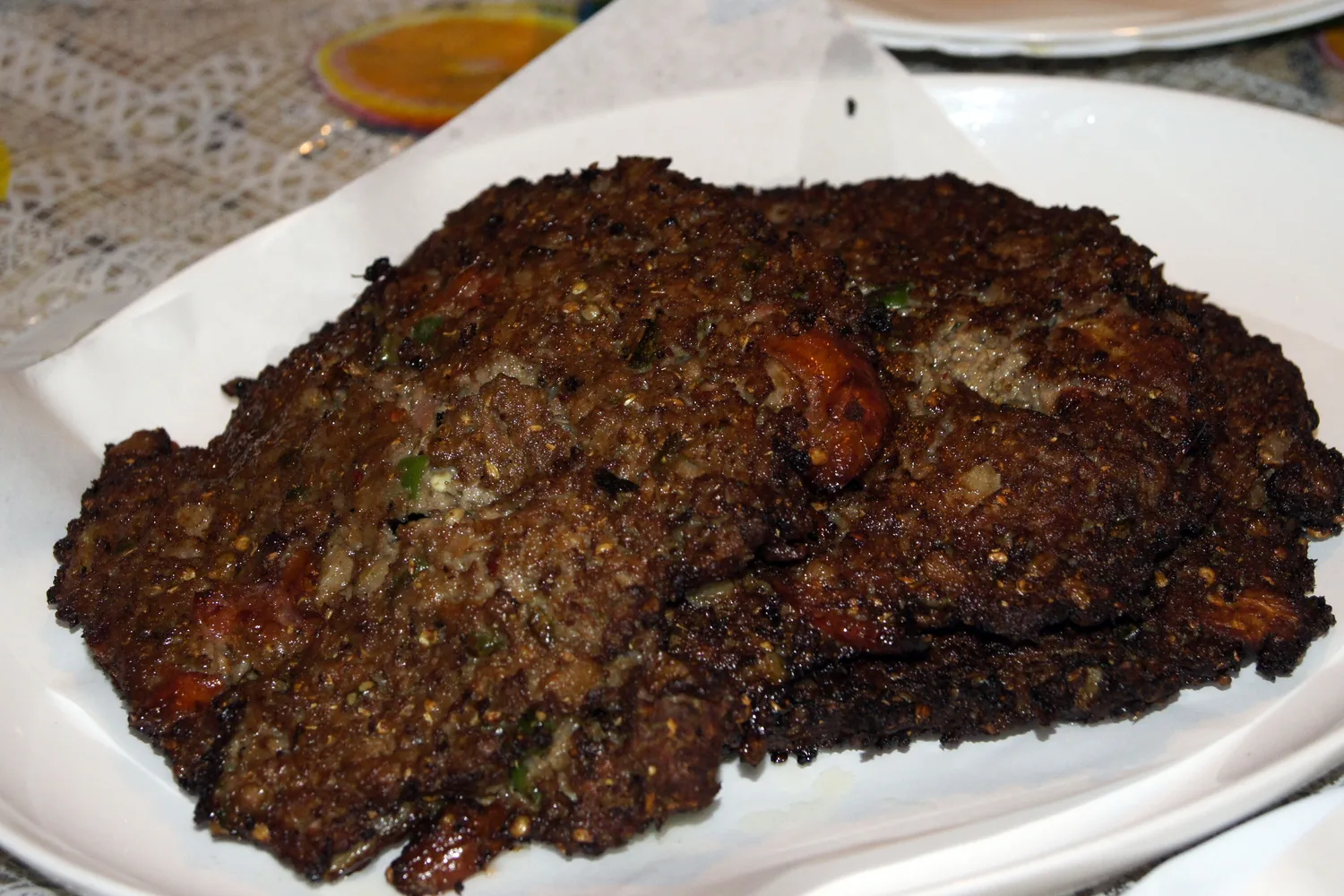
Chapli kebab — wide flat spiced beef patties, dark and crisp at the edges, with tomato and green chilli Pakistan flag Pakistan 45m
Dinner •Peshawar Heritage

Chapli Kebab

This chapli kebab recipe is Peshawar's famous street food: ground beef mixed with crushed coriander seed, dried pomegranate, tomato, onion and green chilli, pressed into wide, flat patties — the shape of a chapli sandal, which is where the name comes from — and shallow-fried in a hot pan until the edges turn crisp and dark. The outside crackles, the inside stays juicy, and every bite carries the sour pop of pomegranate and the warmth of whole spices. One serving is about 280 g.

Peshawar's Street-Food Icon

Coarsely ground beef mixed with crushed coriander seed, pomegranate, tomato and green chilli, pressed flat as a sandal and shallow-fried until crisp at the edges — Peshawar's chapli kebab.

Pairs Well With
Naan, raita & kachumber salad
High Protein
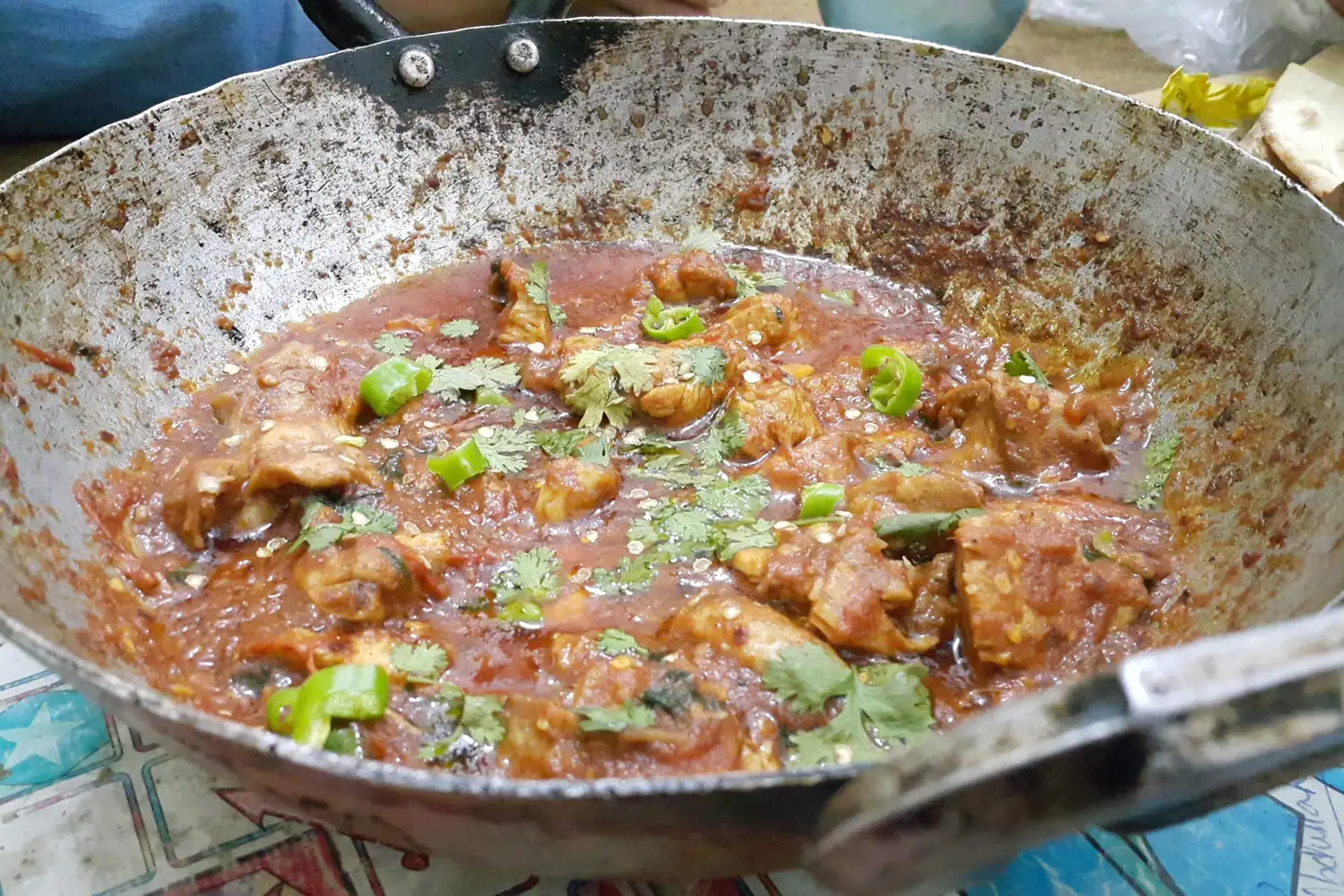
Pakistani chicken karahi — bone-in chicken in a thick red tomato sauce in a karahi wok, garnished with green chillies and coriander Pakistan flag Pakistan 55m
Dinner •Lahore Heritage

Pakistani Chicken Karahi

This Pakistani chicken karahi recipe is the Lahore street-stall classic: bone-in chicken seared hard in a karahi wok with ghee, then cooked down in a sauce made of tomatoes alone — no onion, no yoghurt, no stock — until the tomatoes melt into a thick, rust-red masala that clings to the meat. It finishes with a shower of raw julienned ginger, green chillies and fresh coriander, and it is served still sizzling in the wok. One serving is about 360 g.

High-Heat Wok Cooking

Bone-in chicken seared in a karahi wok with ghee, then simmered in a tomato-only sauce — no onion, no yoghurt — and finished with raw julienned ginger, green chillies and coriander.

Pairs Well With
Hot naan & ginger-chilli garnish
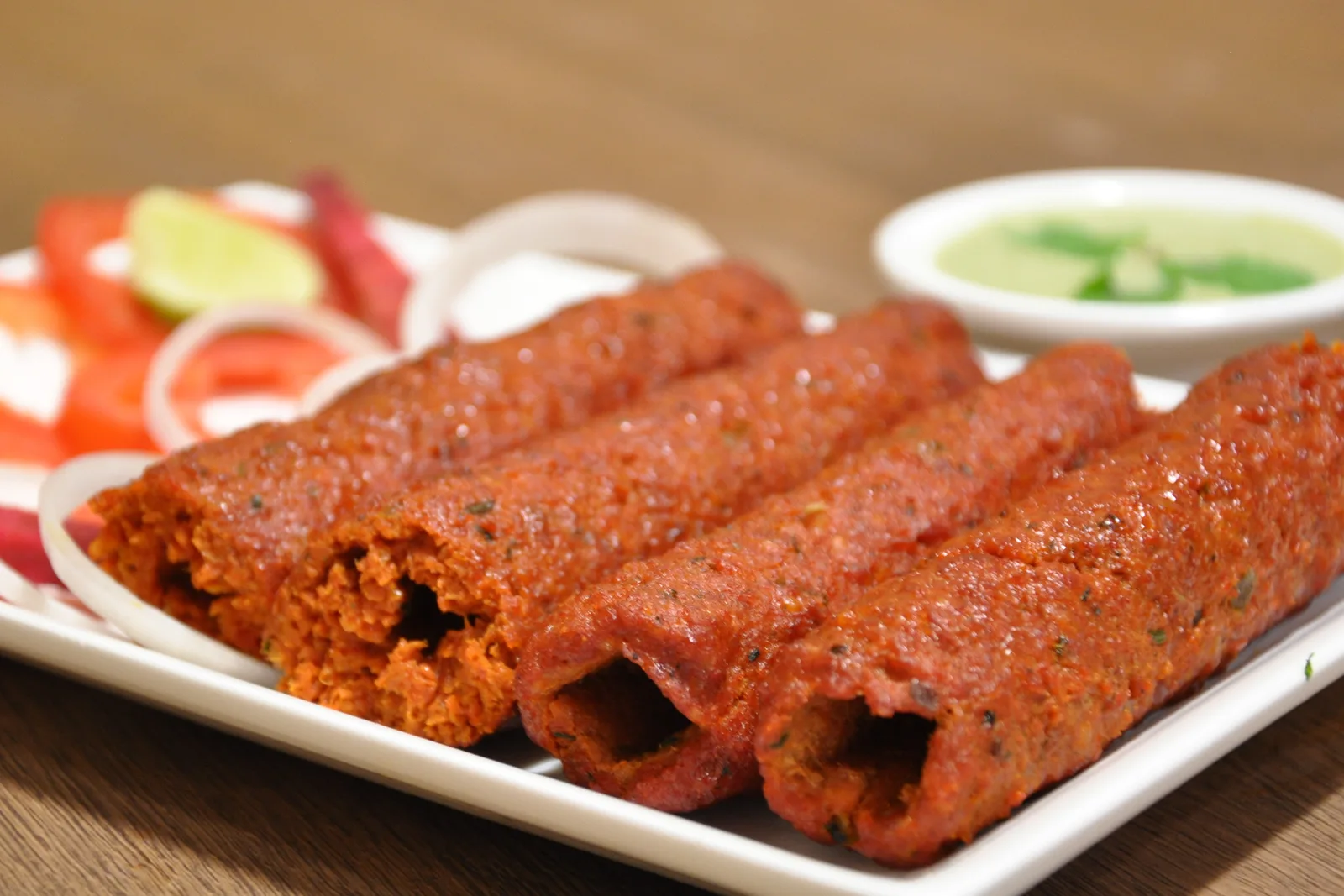
Four grilled mutton seekh kebabs on a white plate with onion rings, tomato, lime and a small bowl of green chutney Pakistan flag Pakistan 50m
Dinner •Lahore Heritage

Seekh Kebab

This seekh kebab recipe is Pakistan's favourite barbecue: spiced lamb and beef mince, kneaded with onion, green chilli, fresh coriander and garam masala, then moulded by hand into long cylinders on flat metal skewers and grilled over charcoal until the edges char. It is served hot with warm naan, cool mint raita and a crunchy onion and tomato salad. One serving is about 402 g.

Pakistan's Charcoal-Grilled Classic

Spiced lamb and beef mince moulded onto skewers and grilled over charcoal until charred at the edges — the kebab every Pakistani barbecue is built around.

Pairs Well With
Warm naan, mint raita & kachumber salad
High Protein

The Dinner Gazette

Never wonder what’s for dinner again

One email a week with easy dinner ideas from around the world — ingredients, steps and nutrition, tested in our kitchen first.

Delivered every Thursday morning. Unsubscribe anytime.