
Curated recipes from 193 countries  •  New seasonal Mediterranean issue out now

Overview

Pao de Lo

Pão de Ló, Portuguese Sponge Cake, Pão de Ló de Margaride

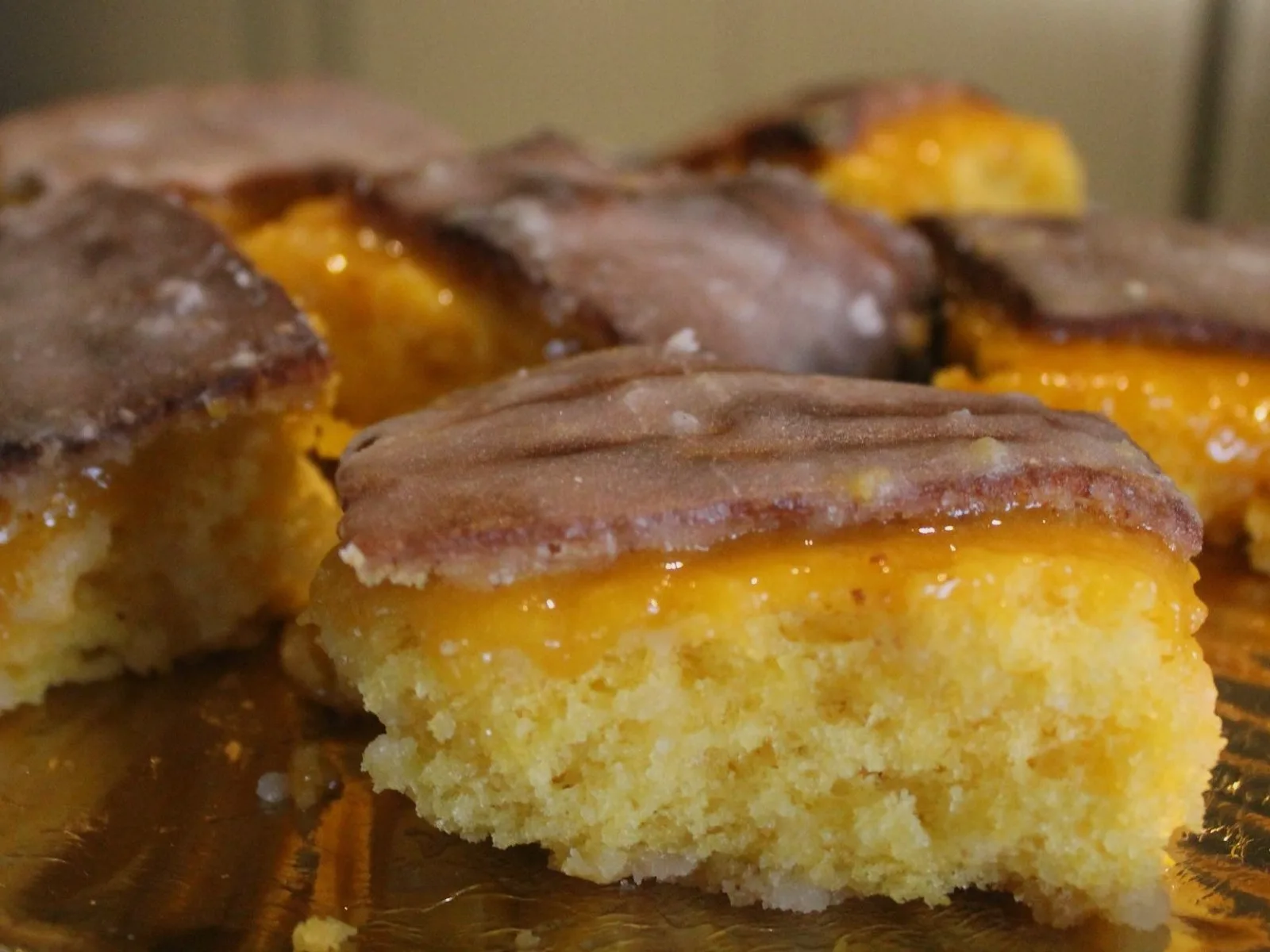
Pao de Lo is Portugal's classic sponge cake: just eggs, sugar and flour, beaten until pale and tripled in volume, then baked into a golden, airy loaf. No butter, no baking powder, no yeast — the lift comes entirely from the eggs. One serving is about 86 g.

The first written record of pão de ló, spelled 'pãoo de llo', appears in the manuscripts of Infanta Maria of Portugal in the mid-1500s, when it was a thick almond pudding rather than a sponge. The light cake of eggs, sugar and flour known today existed by 1773. It is one of Portugal's conventual sweets, baked by nuns who had egg yolks in abundance, and the Pão de Ló de Ovar version gained EU Protected Geographical Indication status in 2015.

Pairs well with: A pot of Portuguese tea and a bowl of fresh berries.

Provenance

Portugal flag Portugal

Portuguese Heritage

Mediterranean & Italy

Time Dedication

1h

25m prep • 35m cook

Batch Yield

8 Servings

267 kcal per serving

1 serving ≈ 86 g

Technical Skill

Intermediate

Medium (Beating & Folding)

Meal Timing & Digestive Fit

Breakfast

Not Advised

Lunch

Inappropriate

Dinner

Inappropriate

Snack & Tea

Ideal Light Bite

Occasions: Tea time, Easter, Christmas, birthdays, afternoon coffee Cost: Low — about $1–2 per serving at home
Slices of golden Portuguese sponge cake showing the moist, pale crumb

Portuguese Heritage

Photo: Chedlund808, CC BY-SA 4.0, via Wikimedia Commons

The Heritage Formulary

Measured Ingredients

Estimated cost: Low — about $1–2 per serving at home (USD)

Made with eggs, sugar and flour in the traditional weighed ratio, beaten until tripled, with no leavening.

Execution Methodology & Culinary Technique

Step-by-Step Cooking Guide

Active 1h
P

Prep Stage: Weigh, Line and Warm

25 Mins • Scale & Bowl Work

Weigh the eggs in their shells, then weigh out the same weight of sugar and half that weight of flour — the old Margaride rule that makes this cake work. Line a 20 cm round tin with baking paper and heat the oven to 180°C (350°F). Bring the eggs to room temperature; cold eggs will not whip to full volume.

Maestro Tip: Weigh, do not count cups — the egg-sugar-flour ratio is the whole recipe.

  1. 1

    Beat the Eggs and Sugar

    15 Mins No heat — beating

    Put the eggs, sugar, lemon zest and salt in a large bowl and beat with an electric mixer on high speed for 12–15 minutes, until the mixture is very pale, thick and tripled in volume. When you lift the beaters, the batter should fall in a ribbon that sits on the surface for a few seconds.

    Set the bowl over warm water for the first minutes — gentle warmth helps the eggs whip higher.

    Done when: Pale, thick batter that holds a ribbon for 3 seconds.

  2. 2

    Fold in the Flour

    5 Mins No heat — folding

    Sift half the flour over the batter and fold it in with a large spoon, cutting down the middle and lifting from the bottom. Repeat with the rest of the flour, and stop as soon as no dry streaks remain.

    Fold, never stir — stirring knocks out the air you just spent 15 minutes beating in.

    Done when: Even batter with no dry flour, still light and full of air.

  3. 3

    Fill the Tin

    2 Mins No heat

    Pour the batter into the paper-lined tin in one smooth stream and smooth the top lightly. Tap the tin once on the counter to pop any large bubbles.

    Pour from a low height so the batter does not splash and deflate.

    Done when: Tin is evenly filled, top is level.

  4. 4

    Bake Until Golden

    35 Mins 180°C (350°F)

    Bake for 30–35 minutes, without opening the oven door for the first 25 minutes, until the top is deep golden, the sides pull away from the paper, and a skewer comes out with just a few moist crumbs.

    Do not open the door early — the rush of cool air can sink the cake.

    Done when: Deep golden top, springy to the touch, skewer nearly clean.

  5. 5

    Cool and Slice

    10 Mins Cooling — no heat

    Leave the cake in the tin for 10 minutes, then lift it out by the paper and cool completely on a rack before slicing with a long serrated knife.

    Slice only when fully cool, or the soft crumb tears.

    Done when: Cake is cool, firm enough to slice cleanly.

Finishing Touches & Plating

Dust the cooled cake very lightly with sugar if you like, and slice it at the table. It is best the day it is baked, when the crumb is at its lightest.

Nutritional Physiology & Benefits

Nutrition

Energy

267

kcal / serving

Protein

7g

Complete AA

Carbs

52g

Complex

Fats

4g

Healthy

Per serving (8 servings · 1 serving ≈ 86 g)
Energy267 kcal
Protein7 g
Carbohydrates52 g
Fat4 g
Fibre0.5 g
Sugar37.6 g
Sodium102 mg
Per 100g
Energy311 kcal
Protein7.7 g
Carbohydrates60.6 g
Fat4.4 g
Fibre0.6 g
Sugar43.8 g
Sodium119 mg

Nutrition values are estimated — calculated from USDA FoodData Central values for the listed ingredients.

Vitamins & minerals: Eggs provide vitamin B12, vitamin D, riboflavin and selenium; lemon zest adds a little vitamin C.

Protein from Eggs

Each serving carries about 7 g of protein from the eggs, which supports muscle maintenance and keeps a tea-time slice satisfying.

No Butter, No Oil

This cake contains no butter or oil at all, so it stays light at about 267 kcal a serving with only 4 g of fat.

Simple, Recognisable Ingredients

Just eggs, sugar, flour, lemon and salt — nothing artificial, no preservatives, and nothing you cannot pronounce.

Food Pairings

What to Eat With

To optimize nutrient absorption and elevate the sensory depth, pair with these authentic accompaniments:

Drinks

Portuguese Tea

A pot of black tea is the traditional partner: its gentle bitterness balances the cake's sweetness and the two are made for each other.

Espresso

A short, strong espresso cuts the sweetness and is how the cake is often eaten standing at a Portuguese cafe counter.

Sides

Fresh Berries

Raspberries or strawberries add tartness and colour, and their juice soaks deliciously into the sponge.

More Pairings

Vanilla Ice Cream

A small scoop turns a tea-time slice into a dessert, and the cold cream against the soft sponge is a lovely contrast.

Complete menu

Pao de Lo with fresh berries and Portuguese tea, after a light lunch of soup and bread — a full Portuguese afternoon menu.

Digestive Guardrails

What NOT to Combine

To prevent digestive distress, sluggishness, or palate clash, avoid pairing the dish with these elements:

Very High in Sugar — Small Slices, Not Seconds

One serving carries about 38 g of sugar, so this is a treat to enjoy in a modest slice rather than a daily snack, especially if you watch sugar. This is general information, not medical advice.

Do Not Open the Oven Door Early

Opening the oven in the first 25 minutes lets the heat out and can sink the cake flat. Wait until it is set and golden. This is general information, not medical advice.

Egg Allergy — Eggs Are the Whole Cake

Eggs are the structure, the lift and the flavour here; there is no egg-free version of this cake. People with egg allergy must not eat it. This is general information, not medical advice.

General information only, not medical advice — consult a doctor for personal dietary decisions.

Who Should Eat It

Who Should Eat

  • General adultsA lovely light snack for most adults — about 267 kcal a slice, best with tea rather than as a meal.
  • ChildrenChildren usually love it, but it is very sweet, so one slice is enough; it is soft and easy to chew from a young age.
  • ElderlySoft, light and easy to chew, and the slice is modest; the sugar is the only thing to watch.
  • Pregnant womenSafe as an occasional treat; it contains well-cooked egg and no alcohol, but it is high in sugar, so keep the slice small.
  • Breastfeeding womenFine as an occasional treat; eggs provide protein and B12, but the sugar means it is not an everyday food.
  • AthletesA quick carbohydrate snack after training, with about 52 g of carbohydrate per serving; pair with fruit rather than a second slice.
  • Weight gainA helpful choice for adding energy — light, easy to eat, and a second slice is no hardship.
  • Weight lossA sweet treat at 267 kcal; one thin slice with berries and tea is the way to enjoy it without overdoing sugar.

Health Conditions — Adjust or Avoid

Conditions

  • DiabetesAbout 52 g of carbohydrate and 38 g of sugar per serving, so it needs to be counted carefully and eaten in a small slice. Ask your clinician about portions.
  • High blood pressureLow in sodium at about 102 mg per serving, so it fits a low-salt pattern well; the sugar is the concern, not the salt. Ask your clinician about your daily sugar limit.
  • Kidney diseaseLow in sodium and modest in protein, so it is not a problem food for most kidney diets in a small slice. Ask your clinician whether this fits your plan.
  • GoutEggs are a moderate-purine food, but one small slice is a modest amount. Keep it occasional. Ask your clinician about your limits.
  • Stomach issuesA sweet, acidic cake can trigger reflux in some people; eat a small slice earlier in the day rather than late at night. Ask your clinician if symptoms persist.
  • Cardiovascular diseaseLow in fat and sodium, so the cake itself is not a heavy food; the sugar is the main issue, so keep the slice thin. Ask your clinician about how often it fits your diet.
  • Fatty liverHigh in sugar and low in fibre, so it is best as a rare treat in a small portion, with berries instead of a second slice. Ask your clinician for personalised advice.
  • Food allergiesContains egg and wheat (gluten); check your flour if you need it gluten-free, and note the lemon zest. Ask your clinician about safe alternatives.
  • Special therapeutic dietsNot suitable for low-sugar therapeutic diets as written, because sugar is a main ingredient. Ask your clinician or dietitian before adapting it.

If you have a medical condition, consult your doctor before changing your diet.

Storage & Use

Storage & Use

How to store
Cool completely, then store in an airtight container or wrapped in baking paper.
In the fridge
Up to 5 days.
In the freezer
Up to 1 month, sliced and wrapped.
How to reheat
Bring to room temperature; do not microwave, or the crumb turns rubbery. Warm gently at 150°C (300°F) for 5 minutes if you like it warm.
Freezing recommended
Yes — slices freeze well.
Signs it has spoiled
Dry, stale crumb, sour smell, or mould.

More recipes to explore

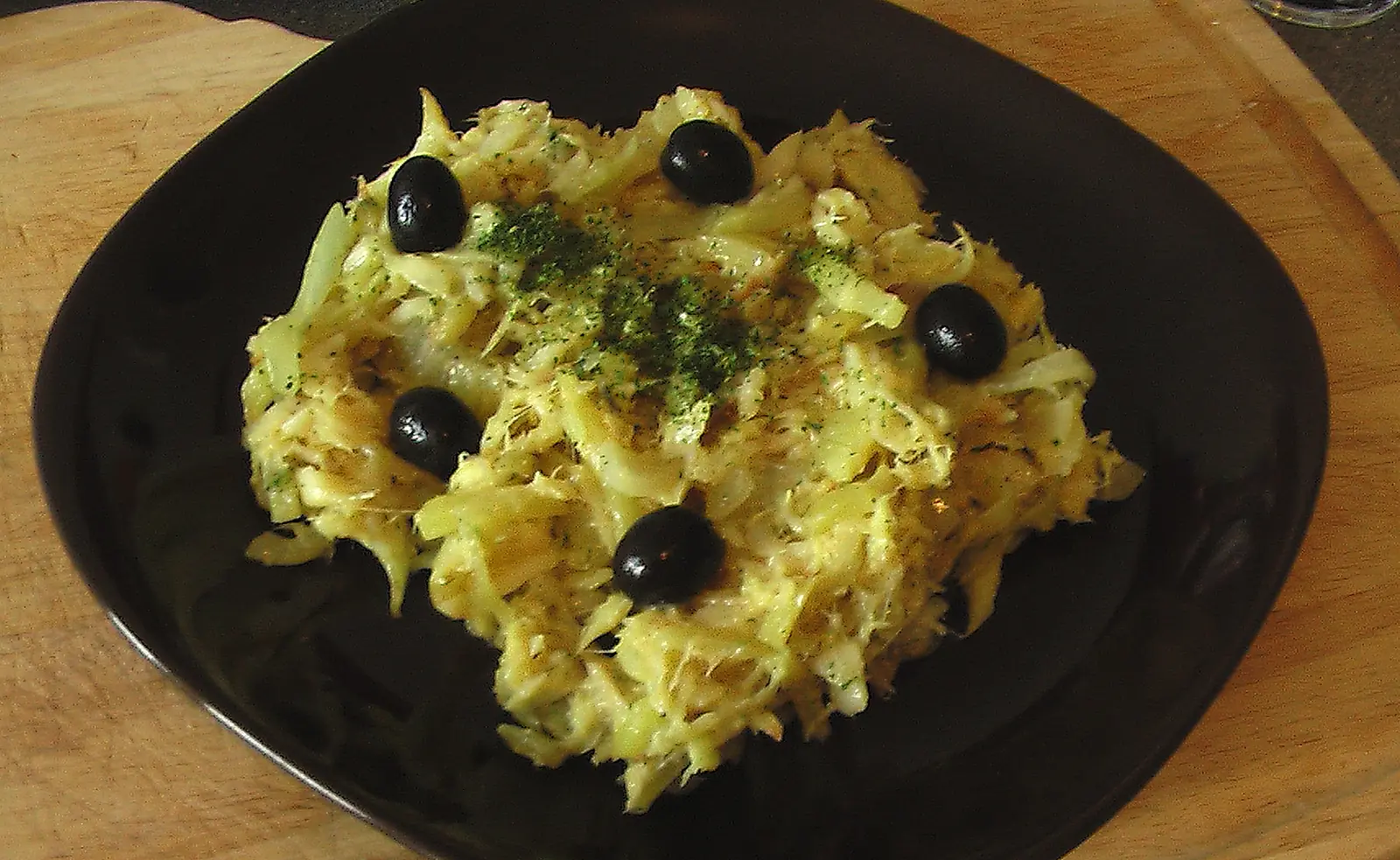
A plate of bacalhau à brás — shredded salt cod with egg and matchstick potatoes, black olives and parsley Portugal flag Portugal 50m
Dinner •Lisbon Tavern Classic

Bacalhau à Brás

Bacalhau à brás recipe: desalted shredded cod, golden matchstick potatoes and softly scrambled egg, finished with black olives and parsley. One serving is about 350 g.

Comfort & Protein

Shredded salt cod folded with egg and crisp matchstick potatoes — a filling, protein-rich Lisbon supper.

Pairs Well With
A simple green salad and a glass of vinho verde
High Protein
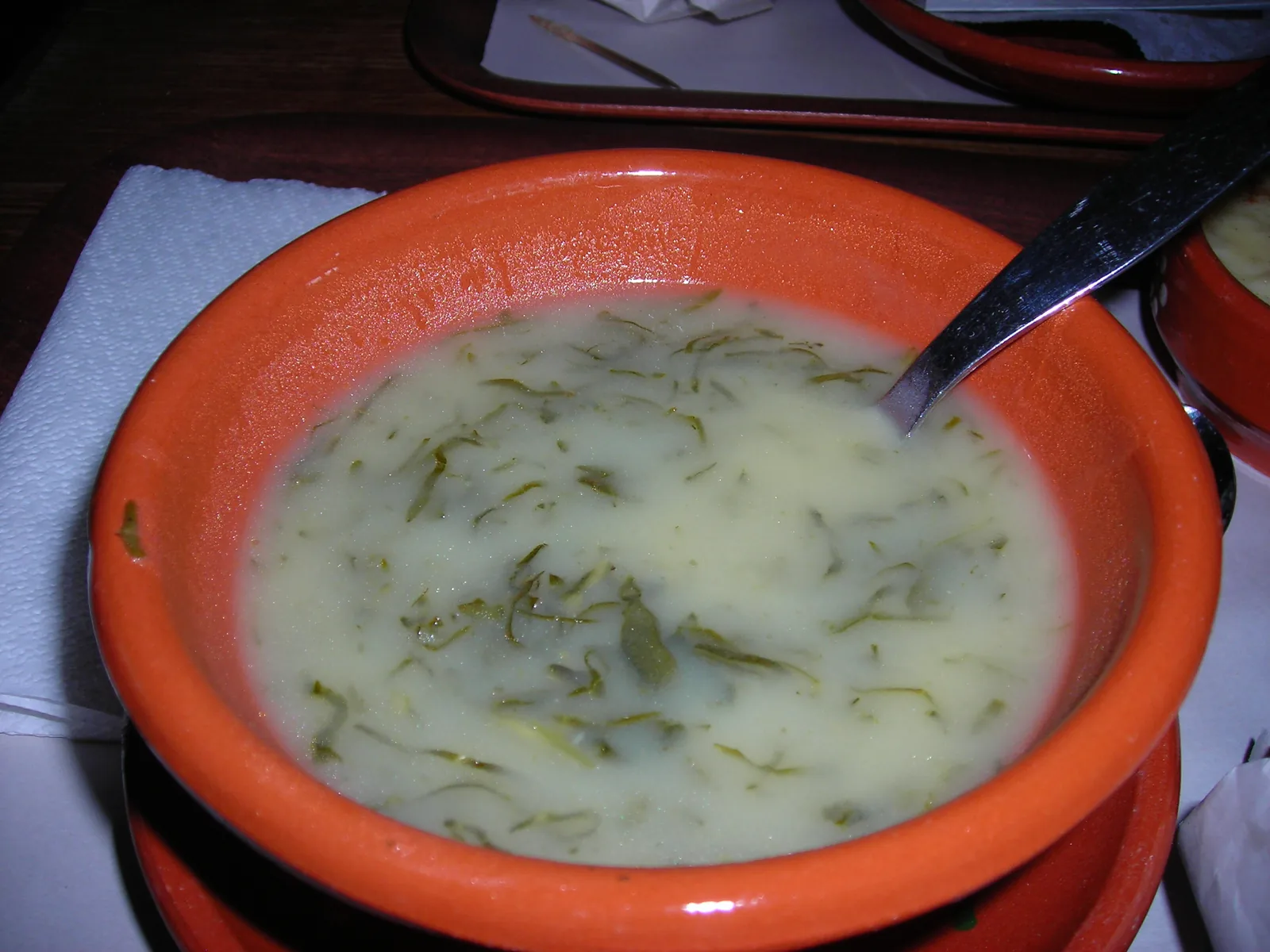
A terracotta bowl of caldo verde — pale potato soup with shredded green kale and a spoon Portugal flag Portugal 50m
Dinner •Minho National Soup

Caldo Verde

Caldo verde recipe: creamy potato soup blended smooth, with ribbons of kale and slices of chouriço, finished with a thread of olive oil. One serving is about 590 g.

Comfort & Warmth

Silky potato soup with finely shredded kale and smoky chouriço — Portugal's best-loved bowl.

Pairs Well With
Crusty broa bread and a glass of vinho verde
Soups & Broths
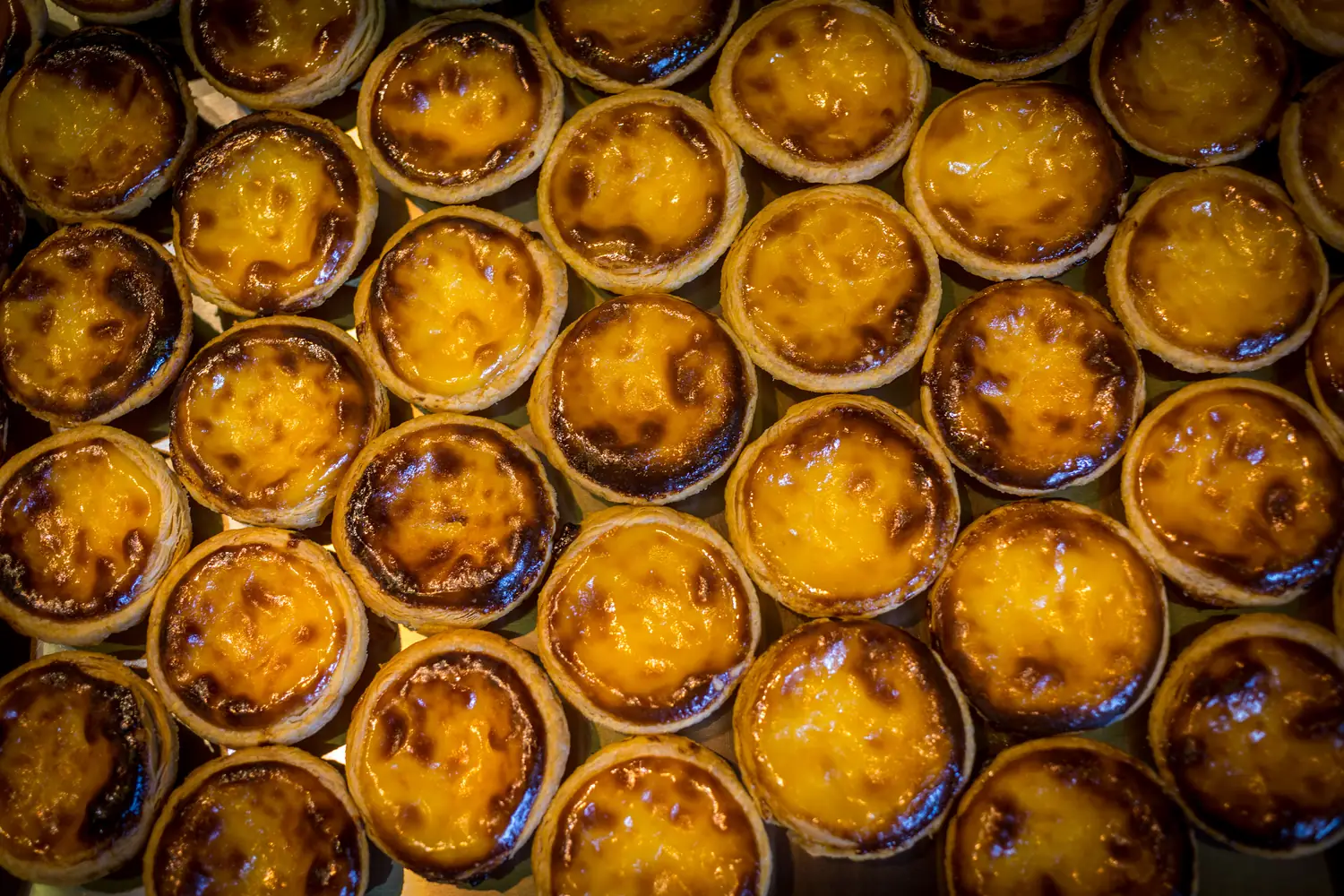
A tray of pastel de nata — golden custard tarts with blistered, caramelised tops in flaky pastry Portugal flag Portugal 50m
Snack & Tea •Belém Monastery Tart

Pastel de Nata

Pastel de nata recipe: shatteringly crisp puff pastry shells filled with warm, vanilla-cinnamon egg custard, baked until blistered on top. One serving is about 187 g (2 tarts).

Sweet Treat

Crisp, flaky pastry cups filled with cinnamon-scented egg custard, blistered in a very hot oven.

Pairs Well With
A small strong coffee (bica) and a dusting of cinnamon
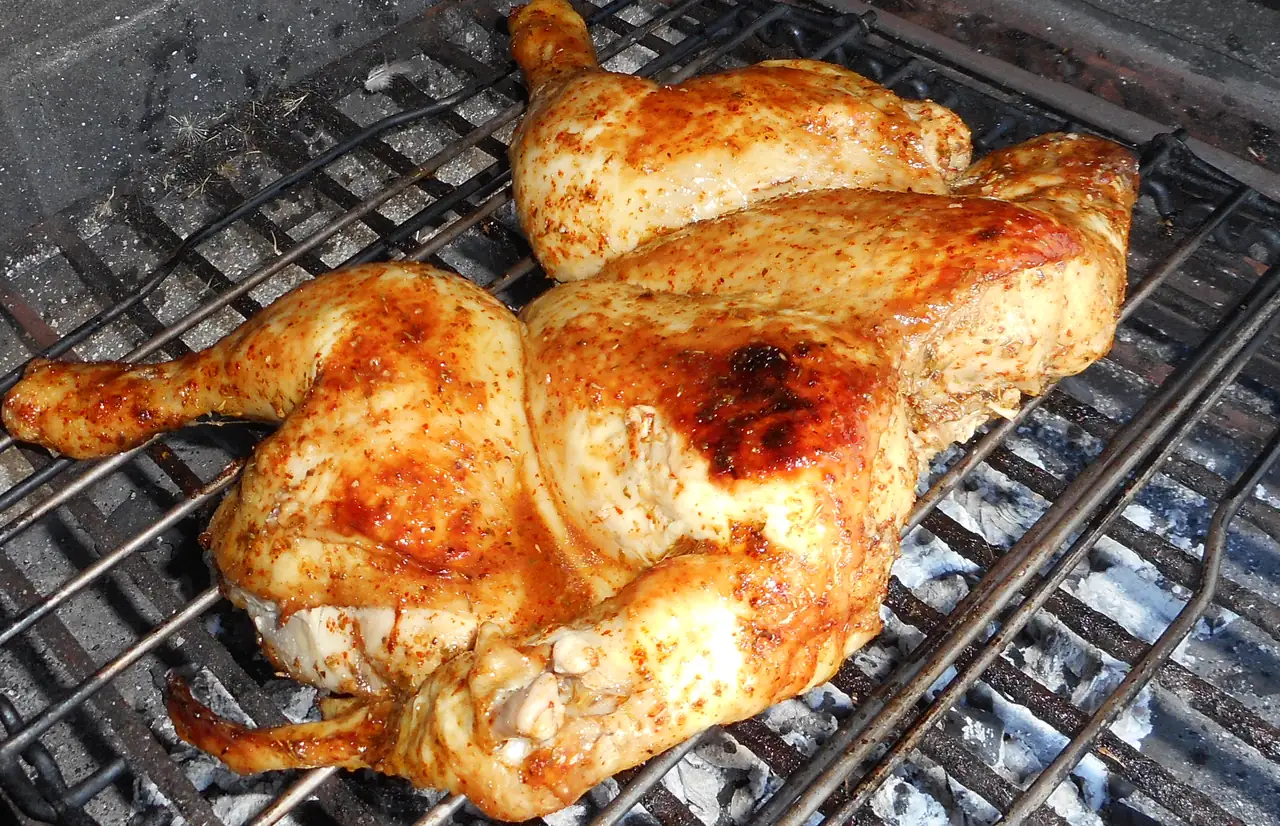
Butterflied piri piri chicken grilling over charcoal, golden-red with chilli spice Portugal flag Portugal 55m
Dinner •Algarve Heritage

Frango Piri Piri

Frango piri piri is Portugal's most famous chicken: a whole bird butterflied flat, rubbed with a fiery paste of piri piri chillies, garlic, lemon and paprika, then grilled over charcoal until the skin turns crisp and red-gold. This piri piri chicken recipe is the Algarve way — an overnight marinade, a hot grill, and a warm butter baste at the end. One serving is about 210 g.

Spicy Char-Grill

A butterflied chicken marinated in piri piri chilli, garlic and lemon, grilled over charcoal until the skin is crisp and reddened.

Pairs Well With
Chips, tomato-onion salad and a cold beer.
High Protein

The Dinner Gazette

Never wonder what’s for dinner again

One email a week with easy dinner ideas from around the world — ingredients, steps and nutrition, tested in our kitchen first.

Delivered every Thursday morning. Unsubscribe anytime.