-
1
Whip the Yolks Until Pale and Doubled
8 Mins • Hands-On
No heat — room temperature about 20°C (68°F)
Put the 10 sieved yolks in a large bowl and beat with an electric whisk on medium-high for 4–5 minutes, until they turn pale gold, thick and creamy, and have swollen to about double their volume — the whisk should leave a ribbon trail that holds for a second. In the clean bowl, beat the single egg white to stiff peaks, then fold it gently into the yolks with a spatula, cutting down the middle and lifting up, until just combined and no white streaks remain.
Do not rush this step: the whipped yolks are the only leavening in papos de anjo — there is no flour and no baking powder, so the volume you beat in now is all the rise the cakes will ever get.
Done when: Pale, thick, mousse-like batter that holds a ribbon trail; the folded white is fully mixed in with no streaks.
-
2
Fill the Tins and Bake in a Water Bath
15 Mins • Baking
Oven 180°C (350°F); water bath with boiling water
Spoon the batter into the buttered mini muffin tin, filling each well almost to the top — about 1 1/2 tablespoons per well, 12 cakes in all. Set the tin inside a deep roasting tray and pour boiling water into the tray until it comes about 2 cm up the sides of the tin. Bake at 180°C (350°F) for 12–15 minutes, until the tops are lightly golden and spring back when pressed gently. A skewer pushed into the centre should come out clean, and the centre should reach at least 74°C (165°F).
The water bath is what keeps these flourless cakes tender instead of rubbery — never bake them dry. Do not open the oven door in the first 10 minutes or the cakes may sink.
Done when: Lightly golden domes that spring back when pressed; a skewer comes out clean.
-
3
Make the Cinnamon-Orange Syrup
8 Mins • Hands-On
Boil, then simmer; syrup about 103°C (217°F)
While the cakes bake, put the 300 g of sugar and the 300 ml of water in a wide saucepan with the orange peel strips and the cinnamon stick. Bring to the boil over medium heat, stirring until the sugar dissolves, then boil gently for 5 minutes so the syrup thickens slightly and the orange and cinnamon perfume it. Lift out the cinnamon stick and the orange peel (keep one peel strip to slice for garnish) and keep the syrup hot — it should be simmering, not boiling hard, when the cakes go in.
A wide pan matters: the cakes need room to float in the syrup without crowding, so use the widest saucepan you have.
Done when: A clear, lightly thickened syrup that coats the back of a spoon, fragrant with orange and cinnamon.
-
4
Prick and Boil the Cakes in the Syrup
5 Mins • Hands-On
Gentle simmer, about 95°C (203°F)
Turn the warm cakes out of the tin onto a plate — they should slip out easily if the tin was well buttered. Prick each cake 3 or 4 times with a toothpick or a thin skewer, then slide them gently into the hot syrup, a few at a time. Let them simmer very gently for 2–3 minutes, turning once with a slotted spoon, until they have soaked up syrup and turned glossy and deep gold. Lift them out with the slotted spoon into a shallow dish.
Pricking the cakes is the secret to a proper papo de anjo: without the holes the syrup only coats the outside, and the middle stays dry and flavourless.
Done when: Glossy, deep-gold cakes that feel heavy with syrup and glisten all over.
-
5
Soak, Cool and Chill in Syrup
5 Mins • Hands-On, Plus 2 Hours Chilling
No heat; chill at 4°C (40°F) or below
Pour the remaining hot syrup over the cakes in the dish so they sit in a shallow pool, and leave them to cool to room temperature for about 30 minutes — they will keep drinking in syrup as they cool. Cover and chill in the fridge for at least 2 hours, or overnight: papos de anjo are at their best cold, after a long soak, when the syrup has reached right through to the centre of each cake.
Overnight is the traditional way — the cakes turn meltingly tender and the syrup flavour deepens. Make them the day before a gathering and they are ready to serve.
Done when: Cold cakes sitting in syrup, tender and soaked right through when cut open.
-
6
Serve Two Cakes per Person
5 Mins • Hands-On
Serve cold, at 4°C (40°F) or below
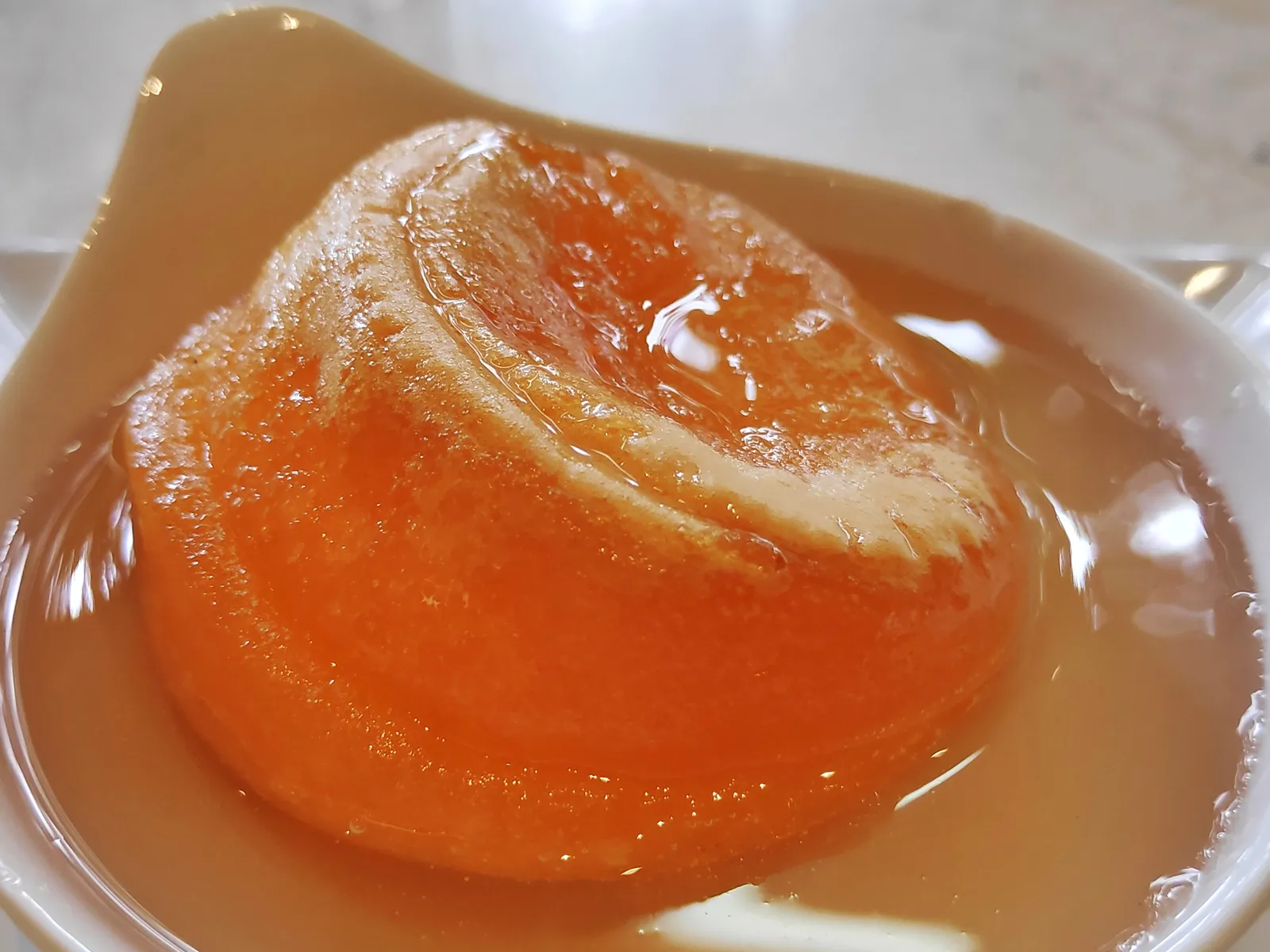
Set two cold papos de anjo in each small bowl or dessert glass and spoon plenty of the cinnamon-orange syrup over them. Slice the reserved orange peel into fine slivers and scatter a few over the top, with a light dusting of ground cinnamon if you like. Serve cold, with strong black coffee.
Two cakes per person is the Portuguese serving — one is never quite enough, and three is a feast. Keep the cakes in their syrup until the moment you serve them or they dry out.
Done when: Two glossy golden cakes per bowl, swimming in clear syrup, garnished and ready to eat.
auto_awesome Finishing Touches & Plating
Serve two papos de anjo per person in a small bowl or dessert glass with a generous spoonful of the cinnamon-orange syrup, a few slivers of the candied orange peel and a light dusting of ground cinnamon — cold, with strong coffee, the way Portuguese families serve them after Sunday lunch.

 Portugal
50m