
Curated recipes from 193 countries  •  New seasonal Mediterranean issue out now

Overview

Penne alla Vodka

Penne alla vodka

This penne alla vodka recipe simmers crushed tomatoes with vodka, then finishes the sauce with cream, butter and Parmigiano-Reggiano until it turns silky and blush-pink. One serving is about 420 g. The vodka is not there to taste — it sharpens the tomato and helps the cream and tomato hold together in one glossy sauce.

Penne alla vodka is a young dish by Italian standards, and its exact birthplace is still argued over. The first printed recipe appears in 1974, in the Italian actor Ugo Tognazzi's cookbook L'Abbuffone, where he called it pasta all'infuriata. Other claims point to a restaurant in Bologna, a Roman chef working for a vodka company, and to Luigi Franzese of Orsini restaurant in New York, who said he thinned a tomato and cream sauce with vodka from his flask and called it penne alla Russa. What is certain is that by the 1980s the pink sauce had become a fixture of Italian and Italian-American cooking — and that the vodka earns its place: alcohol releases flavour compounds in the tomato that neither water nor fat can reach.

Pairs well with: A simple green salad, warm bread and a glass of dry white wine

Provenance

Italy flag Italy

1970s Italian-American Classic

Mediterranean & Italy

Time Dedication

35m

10m prep • 25m cook

Batch Yield

4 Servings

814 kcal per serving

1 serving ≈ 420 g

Technical Skill

Easy

Easy (One Pan Sauce)

Meal Timing & Digestive Fit

Breakfast

Not Advised

Lunch

Hearty Midday Main

Dinner

Ideal Hearty Main

Snack & Tea

Inappropriate

Pasta & Noodles Occasions: Weeknight dinner, comfort food night, dinner party main, date night Cost: Low — about $3–4 per serving at home
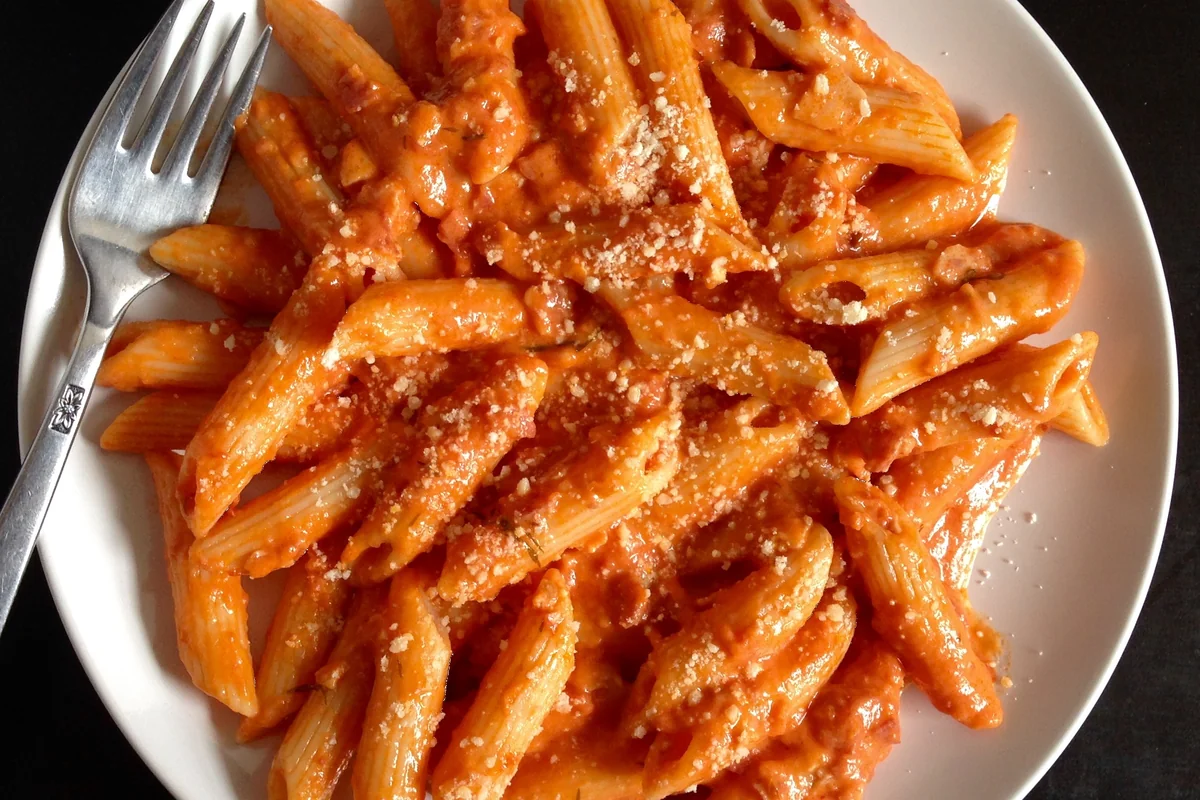
A plate of penne alla vodka in a creamy pink tomato sauce topped with grated Parmesan

1970s Italian-American Classic

Photo: Joy, CC BY 2.0, via Wikimedia Commons

The Heritage Formulary

Measured Ingredients

Estimated cost: Low — about $3–4 per serving at home (USD)

A proper vodka sauce is tomato, vodka and cream finished with butter and Parmigiano — the vodka is cooked off and the sauce turns blush-pink, never orange. Nutrition is estimated from USDA values.

Execution Methodology & Culinary Technique

Step-by-Step Cooking Guide

Active 35m
P

Prep Stage: Grate the Cheese and Measure the Sauce

10 Mins • Grating & Measuring

Grate the Parmigiano as finely as you can — almost a powder — and set it aside. Slice the garlic, measure the tomato paste, vodka and cream, and put a large pot of water on to boil. Have a mug ready by the stove: you will need the hot pasta water the moment the penne is ready.

Maestro Tip: Fine grating is the whole trick. Coarse shreds melt into stringy clumps; a fine powder melts into a smooth, glossy sauce.

  1. 1

    Boil the pasta

    12 Mins Boiling water, 100°C (212°F)

    Cook the penne in a large pot of well-salted boiling water until 1 minute short of the packet time — it will finish in the sauce. Before draining, scoop out a mug of the starchy pasta water, then drain.

    Salt the water like the sea; unsalted pasta water cannot fix a bland sauce later.

    Done when: Firm to the bite with a white dot at the centre — it finishes in the pan.

  2. 2

    Start the tomato base

    5 Mins Medium heat, about 175°C (350°F)

    Warm the olive oil in a wide pan, add the garlic and pepper flakes, and cook for 1 minute until fragrant. Stir in the tomato paste and cook for 2 minutes until it darkens, then pour in the crushed tomatoes and simmer gently.

    Cooking the paste until it darkens takes away its raw, tinny edge.

    Done when: The tomato bubbles gently and smells sweet and garlicky.

  3. 3

    Add the vodka and simmer

    3 Mins Medium heat, about 175°C (350°F)

    Pour in the vodka and let it bubble for 2–3 minutes until the sharp alcohol smell fades. The sauce will loosen, then thicken again as the alcohol cooks off.

    Do not skip the simmer — raw vodka tastes harsh and the sauce will not hold together.

    Done when: The sharp smell is gone and the sauce looks glossy and even.

  4. 4

    Finish with cream and butter

    5 Mins Low heat, about 120°C (250°F)

    Turn the heat low, pour in the cream and stir until the sauce turns blush-pink. Add the butter a cube at a time, stirring until it melts in, then season with salt.

    Low heat is essential: boiling cream can split and turn grainy.

    Done when: Silky, blush-pink, and it coats the back of a spoon.

  5. 5

    Toss, cheese and serve

    3 Mins Low heat, about 120°C (250°F)

    Tip the drained penne into the pan with a splash of pasta water and toss for 1–2 minutes until every tube is coated and the sauce clings. Take the pan off the heat, fold in the Parmigiano and torn basil, and serve at once.

    Off the heat for the cheese — Parmigiano added over high heat turns stringy.

    Done when: Every tube glossy and pink, with the sauce clinging rather than pooling.

Finishing Touches & Plating

Twist the glossy penne into warm bowls, spoon over every drop of sauce from the pan, and finish with torn basil and extra Parmigiano. Serve at once — the sauce sets within minutes, so the table should already be set.

Nutritional Physiology & Benefits

Nutrition

Energy

814

kcal / serving

Protein

23g

Complete AA

Carbs

88g

Complex

Fats

41g

Healthy

Per serving (4 servings · 1 serving ≈ 420 g)
Energy814 kcal
Protein23 g
Carbohydrates88 g
Fat41 g
Fibre5.9 g
Sugar10.6 g
Sodium755 mg
Per 100g
Energy194 kcal
Protein5.3 g
Carbohydrates21 g
Fat9.8 g
Fibre1.4 g
Sugar2.5 g
Sodium180 mg

Nutrition values are estimated — calculated from USDA FoodData Central values for the listed ingredients.

Vitamins & minerals: Calcium and phosphorus (Parmigiano-Reggiano), vitamin A (cream, butter, tomato), vitamin C (tomato), B vitamins (pasta). Nutrition is estimated.

Simple Pantry Cooking

Pasta, tomatoes, cream and cheese — a restaurant-style dinner from ingredients most kitchens already hold.

Calcium from Parmigiano

About 814 kcal per serving with calcium and phosphorus from the Parmigiano-Reggiano, which supports normal bones and teeth.

Weeknight Fast

On the table in 35 minutes, with one pan for the sauce and one pot for the pasta — a proper dinner, not a project.

Food Pairings

What to Eat With

To optimize nutrient absorption and elevate the sensory depth, pair with these authentic accompaniments:

Vegetables

Green Salad

A sharp, lemony green salad cuts the richness of the cream sauce and resets the palate between bites.

Sides

Warm Bread

Crusty bread is made for this sauce — it mops up every last pink drop that the pasta leaves behind.

Drinks

Dry White Wine

A crisp, dry white wine matches the tomato's acidity and keeps the rich sauce from feeling heavy.

Full Menus

Garlic Roasted Broccoli

Charred, garlicky broccoli adds a bitter green note and a little crunch against the soft, creamy pasta.

Complete menu

Start with a green salad, serve the penne alla vodka as the main with warm bread and garlic roasted broccoli, and finish with fresh fruit.

Digestive Guardrails

What NOT to Combine

To prevent digestive distress, sluggishness, or palate clash, avoid pairing the dish with these elements:

Go Easy on Extra Cheese

Parmigiano is very salty, so a second helping on top adds a lot of sodium to an already rich plate. One measured portion is the dish. This is general food information, not medical advice.

Do Not Pair with a Heavy Cream Soup First

A creamy starter on top of a cream sauce makes the meal very rich and heavy; start with a light salad or a clear broth instead. This is general food information, not medical advice.

General information only, not medical advice — consult a doctor for personal dietary decisions.

Who Should Eat It

Who Should Eat

  • General adultsA rich, comforting dinner — one serving with a green salad is a balanced plate for most adults.
  • ChildrenChildren usually love the pink sauce; keep the pepper flakes light and let them add cheese themselves.
  • ElderlySoft pasta and a smooth sauce are easy to eat; a smaller portion with extra salad suits older eaters.
  • Pregnant womenMost of the alcohol cooks off during simmering, but a small amount may remain; if you would rather avoid it, make the sauce without vodka. Ask your clinician about alcohol in cooking.
  • Breastfeeding womenBreastfeeding mothers can enjoy this dish; the alcohol is largely cooked off, but ask your clinician if you have concerns.
  • AthletesAbout 88.3 g of carbs per serving gives good energy after training; add a chicken breast if you need more protein.
  • Weight gainThe pasta, cream and cheese give plenty of energy; a second helping is an easy way to raise the calories.
  • Weight lossAbout 814 kcal a serving is a full dinner; a smaller portion with a big salad keeps it lighter. Ask your clinician about a plan that fits you.

Health Conditions — Adjust or Avoid

Conditions

  • DiabetesAbout 88.3 g of carbs per serving, mostly from the pasta. Keep the pasta portion modest and add extra vegetables. Ask your clinician about portion size.
  • High blood pressureAbout 755 mg of sodium per serving, mostly from the cheese and canned tomatoes. Use low-salt tomatoes and go light on extra cheese. Ask your clinician about sodium limits.
  • Kidney diseaseThe pasta and cream are rich; a smaller portion with extra salad is kinder. Ask your clinician about your diet.
  • GoutThe sauce is rich in saturated fat from the cream and butter; a small portion with plenty of salad is the safer way to enjoy it. Ask your clinician about fats in your diet.
  • Stomach issuesTomato, chilli flakes and cream can irritate a sensitive stomach; skip the flakes and keep the portion small. Ask your clinician if symptoms flare.
  • Cardiovascular diseaseThe cream, butter and cheese add saturated fat, so eat in moderation with a big salad. Ask your clinician about your diet.
  • Fatty liverThe cream and butter add fat without much fibre; a lighter version with half the cream and extra tomato is gentler. Ask your clinician about your diet.
  • Food allergiesContains wheat (gluten, in the pasta) and milk (cream, butter, Parmigiano). The dish is vegetarian only when the Parmigiano is made with vegetarian rennet. Check every label and ask your clinician about your allergies.
  • Special therapeutic dietsThis dish contains gluten and dairy. A gluten-free penne and dairy-free cream are possible, but check the swaps with your clinician or dietitian first.

If you have a medical condition, consult your doctor before changing your diet.

Storage & Use

Storage & Use

How to store
Store in a sealed container; the sauce thickens as it cools.
In the fridge
2 days, covered.
In the freezer
Not recommended — the cream sauce turns grainy on thawing.
How to reheat
Reheat gently in a pan over low heat with a splash of water until steaming and 74°C (165°F) through; stir constantly so the sauce loosens instead of clumping.
Freezing recommended
No — the cream sauce does not survive freezing.
Signs it has spoiled
Sour smell, dry or slimy pasta, or any mould.

More recipes to explore

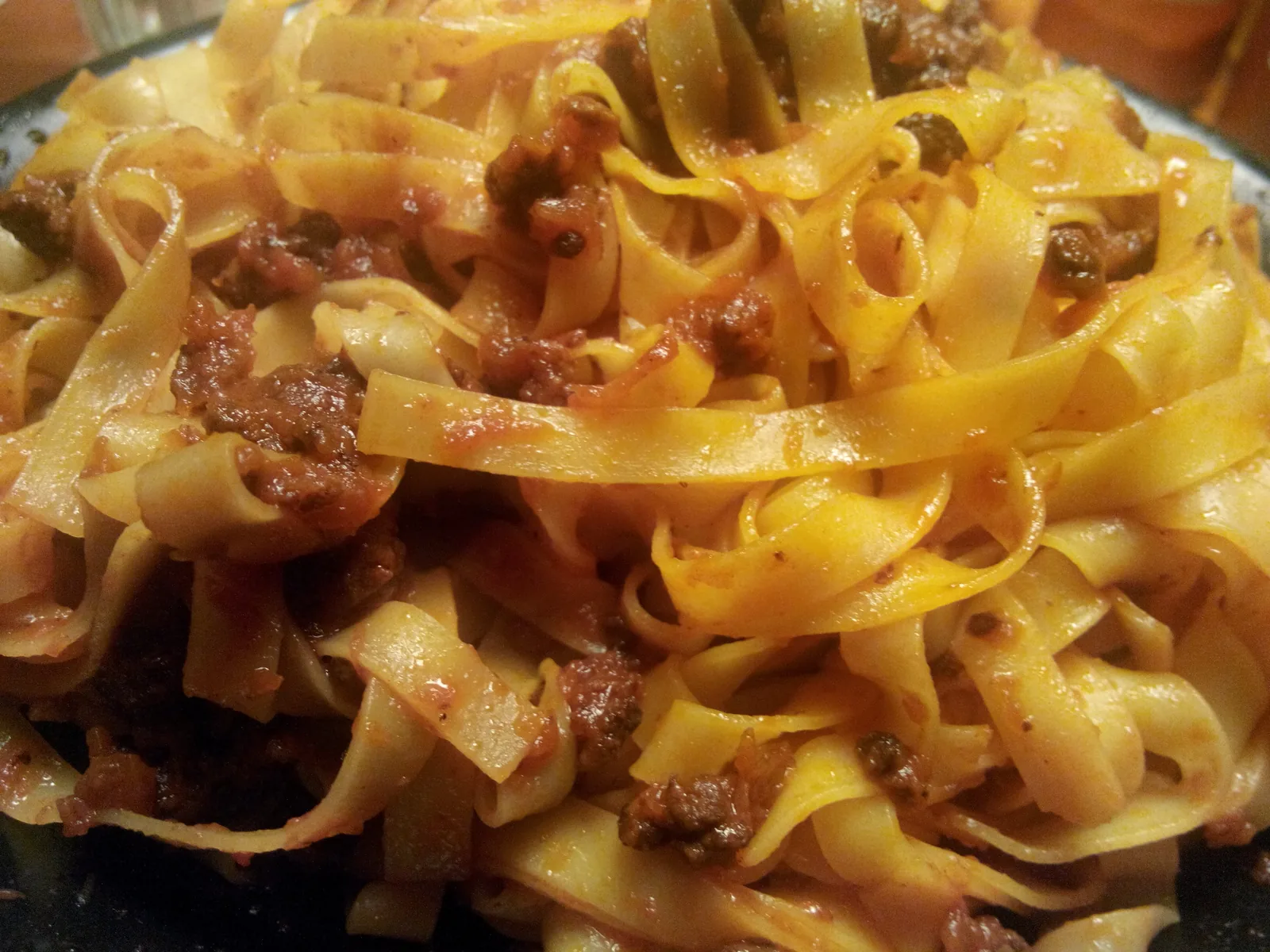
Tagliatelle al ragù Bolognese in a bowl with Parmigiano-Reggiano Italy flag Italy 4h 25m
Lunch •Emilia-Romagna

Tagliatelle al Ragù Bolognese

Slow-braised soffritto and coarse ground heritage meats layered over handmade egg yolk dough for mid-day stamina.

Lean Protein

Slow-simmered beef ragù tossed through fresh egg tagliatelle.

Pairs Well With
Bitter Radicchio & Aged Balsamico di Modena
Pasta & Noodles • High Protein
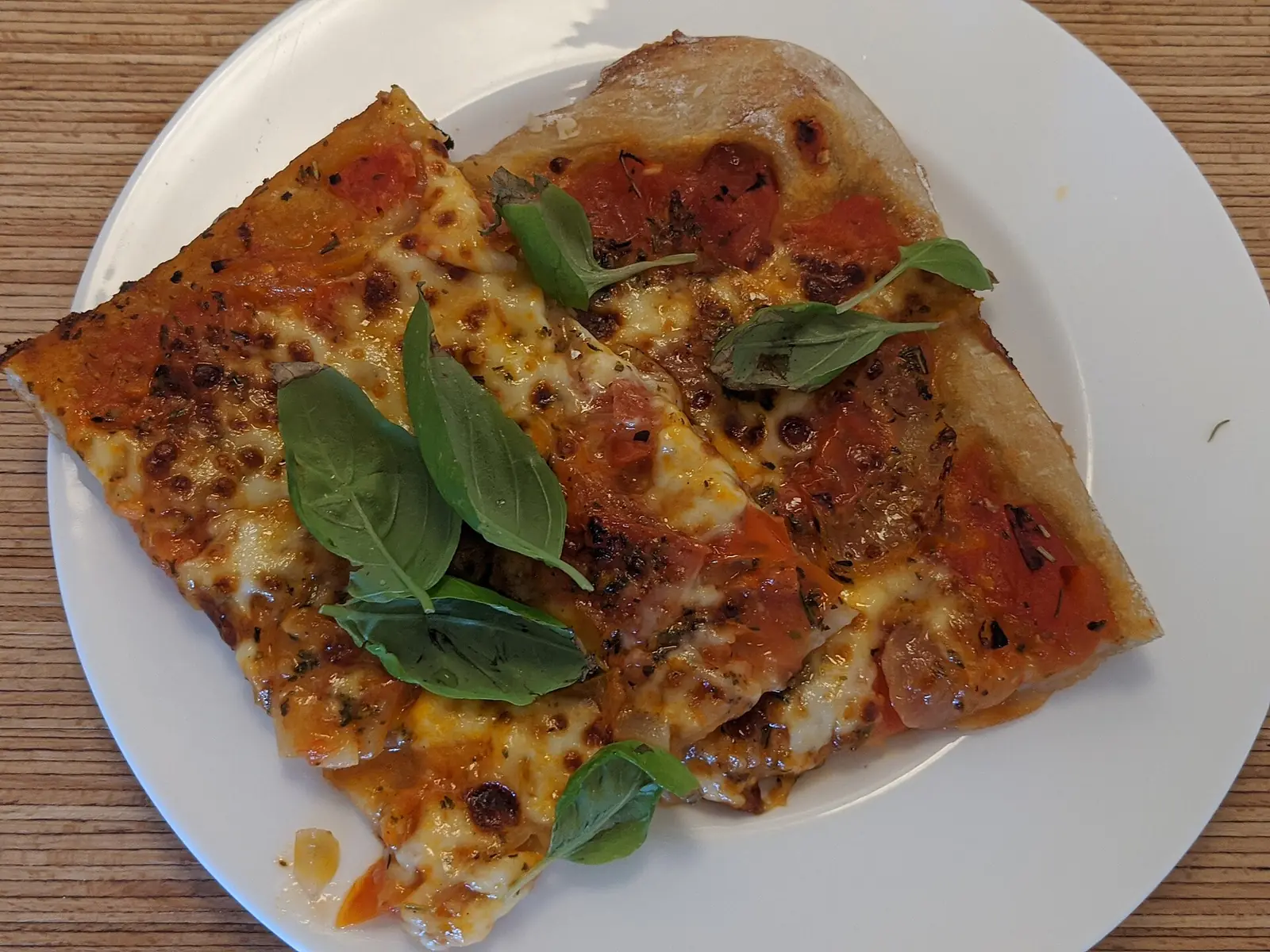
Two slices of pizza margherita with tomato, melted mozzarella and fresh basil on a white plate Italy flag Italy 45m
Dinner •Naples Classic

Pizza Margherita

This pizza margherita recipe makes a proper Neapolitan-style pizza at home: a soft, airy dough, San Marzano tomato sauce, fior di latte mozzarella and fresh basil. One serving is about 325 g — two slices.

Simple & Satisfying

Wood-fired-style pizza with tomato, fior di latte mozzarella and basil — three ingredients, done properly.

Pairs Well With
A simple green salad and a glass of Chianti or sparkling water
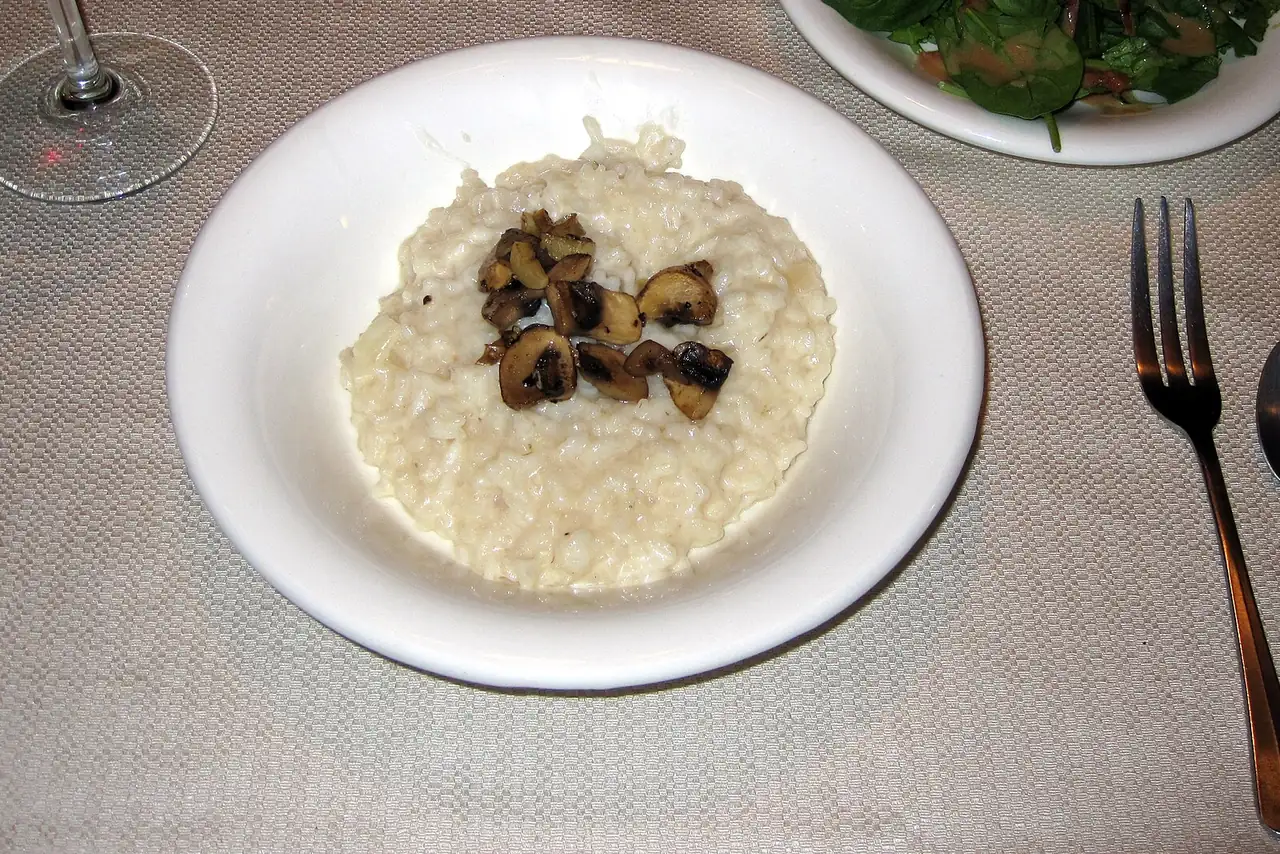
A bowl of creamy mushroom risotto topped with sautéed mushrooms, with a spinach salad beside it Italy flag Italy 50m
Dinner •Milanese Classic

Mushroom Risotto

This mushroom risotto recipe stirs Arborio rice slowly with hot stock, white wine and two kinds of mushrooms, then finishes it the Milanese way with cold butter and Parmesan. One serving is about 500 g.

Comfort & Warmth

Creamy Arborio rice, slowly stirred with mushrooms, white wine and Parmesan.

Pairs Well With
A rocket and Parmesan salad and a glass of dry white wine
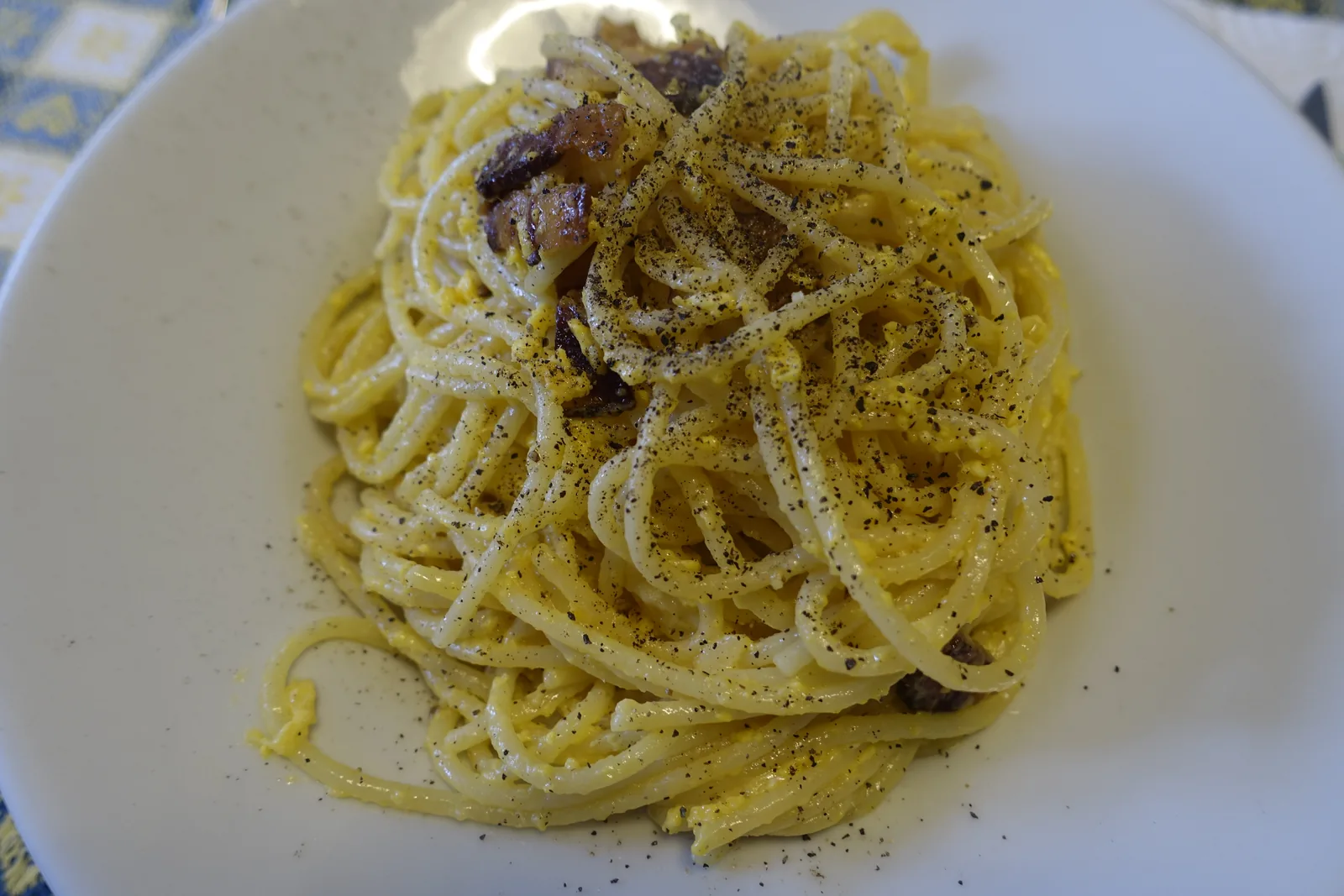
A plate of spaghetti carbonara with golden egg sauce, crisp guanciale and black pepper Italy flag Italy 30m
Dinner •Roman Classic

Spaghetti Carbonara

This spaghetti carbonara recipe is the Roman classic as it should be: spaghetti tossed with crisp guanciale, egg yolks, Pecorino Romano and black pepper — no cream, no bacon, no garlic. One serving is about 275 g. It takes 30 minutes, and the sauce comes together in the time the pasta cooks.

Comfort & Rich

Silky egg-and-cheese sauce over spaghetti with crisp guanciale and black pepper, ready in 30 minutes.

Pairs Well With
Pecorino Romano, black pepper & a crisp white wine
Pasta & Noodles • Quick Prep (<30m)

The Dinner Gazette

Never wonder what’s for dinner again

One email a week with easy dinner ideas from around the world — ingredients, steps and nutrition, tested in our kitchen first.

Delivered every Thursday morning. Unsubscribe anytime.