
Curated recipes from 193 countries  •  New seasonal Mediterranean issue out now

Overview

Piyaz

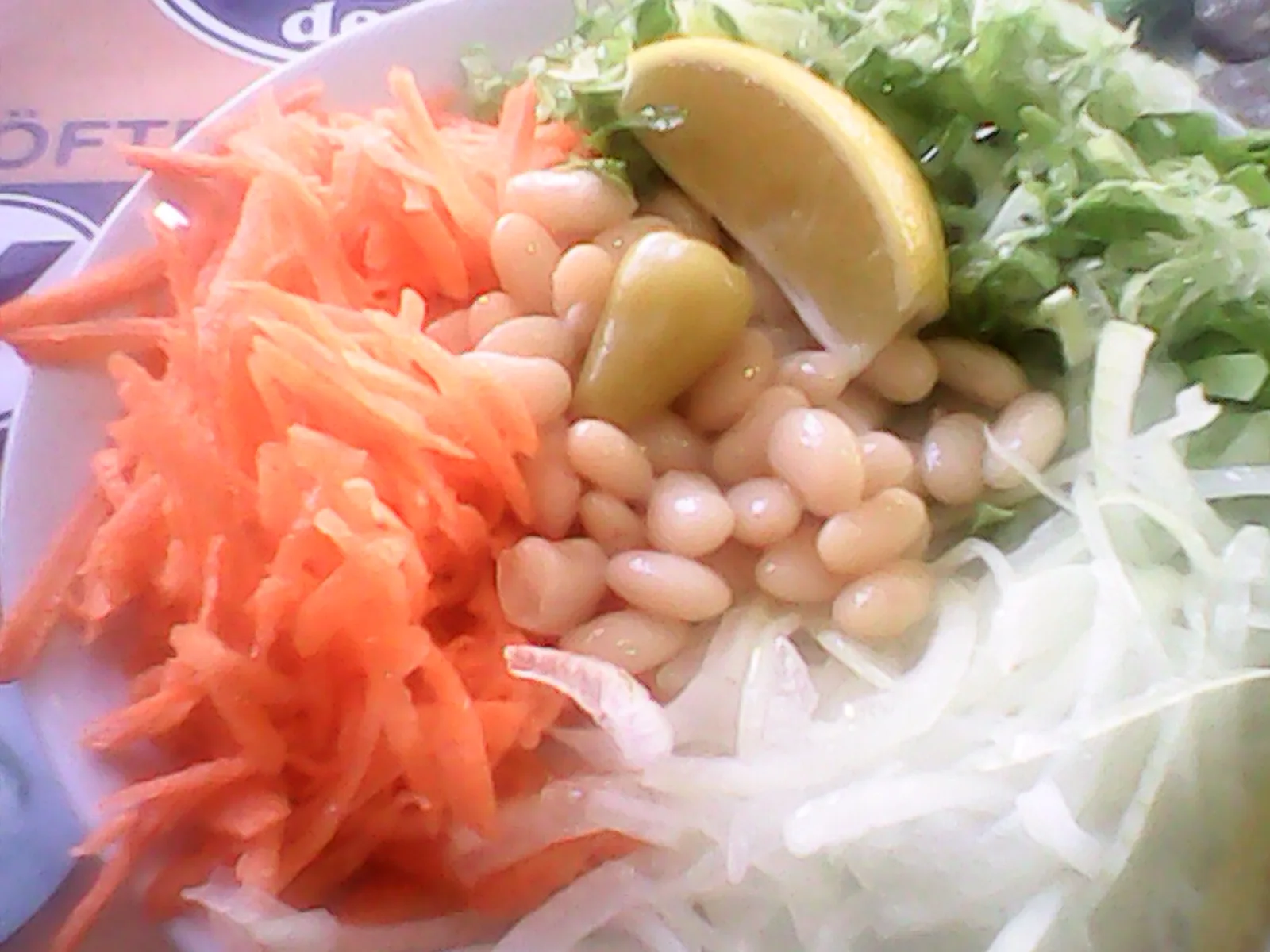
Fasulye Piyazı, Turkish White Bean Salad

This piyaz recipe tosses creamy cannellini beans with thinly sliced red onion, ripe tomato and flat-leaf parsley, then dresses them in lemon juice, olive oil and sumac. It needs no cooking at all, and after a short rest the onion softens and the flavours settle into one of Turkey's most loved salads. One serving is about 225 g.

Piyaz takes its name from the Persian word piyaz, meaning onion, and the salad has been part of the Turkish meze table for generations. The Antalya version, dressed with tahini, is the most famous regional style, while the simpler olive-oil version here is the everyday salad served across Turkey with grilled meat and fish. Some versions are topped with quarters of hard-boiled egg; this version leaves the egg out.

Pairs well with: Warm pide bread, grilled köfte & ayran

Provenance

Turkey flag Turkey

Antalya Meze Classic

Middle Eastern

Time Dedication

20m

20m prep • 0m cook

Batch Yield

4 Servings

283 kcal per serving

1 serving ≈ 225 g

Technical Skill

Easy

Easy (No-Cook)

Meal Timing & Digestive Fit

Breakfast

Not Advised

Lunch

Prime Metabolic Fit

Dinner

Ideal Hearty Main

Snack & Tea

Inappropriate

Occasions: Meze spreads, summer lunches, barbecues, picnics Cost: Low — about $2 per serving at home
A plate of Turkish piyaz with white beans, shredded carrot, sliced onion and a lemon wedge

Antalya Meze Classic

Photo: E4024, CC BY-SA 4.0, via Wikimedia Commons

The Heritage Formulary

Measured Ingredients

Estimated cost: Low — about $2 per serving at home (USD)

A classic Turkish white bean salad: cannellini beans, red onion, tomato and parsley in a lemon and olive-oil dressing, served cold.

Execution Methodology & Culinary Technique

Step-by-Step Cooking Guide

Active 20m
P

Rinse the beans and soften the onion

20 minutes

Drain and rinse the beans and set them aside. Slice the red onion as thinly as you can, then work the salt and sumac into the slices with your hands for about 30 seconds — this softens the onion and takes the raw bite out of it. Whisk the olive oil, lemon juice and red wine vinegar together for the dressing.

Maestro Tip: Massaging the onion with salt and sumac is the step that makes piyaz: raw onion slices stay harsh, but softened ones turn sweet and pink.

  1. 1

    Soften the onion in lemon

    10 minutes No heat

    Put the sliced red onion in a large bowl, sprinkle over the salt and sumac, and massage with your hands for about 30 seconds until the slices soften and turn pink. Pour over the lemon juice and leave to stand for 10 minutes.

    The lemon juice finishes what the salt starts — the onion should taste mild and tangy, not sharp.

    Done when: Onion slices are soft, pink and mild.

  2. 2

    Whisk the dressing

    2 minutes No heat

    In a small bowl, whisk the olive oil and red wine vinegar together with a pinch of black pepper until lightly combined.

    A loose, simple dressing is right here — the beans should glisten, not swim.

    Done when: Dressing is lightly emulsified and ready to pour.

  3. 3

    Add the beans and tomato

    3 minutes No heat

    Add the drained beans and diced tomato to the bowl with the onion and toss gently so the beans stay whole.

    Fold, do not stir hard — broken beans turn the salad cloudy and mushy.

    Done when: Beans are coated in the lemon dressing, still whole and glossy.

  4. 4

    Toss with parsley and sumac

    2 minutes No heat

    Add the chopped parsley and pour over the dressing. Toss once more, gently, then taste and adjust the salt, lemon or sumac.

    Taste before you serve: piyaz should be bright and lemony first, salty second.

    Done when: Salad is bright, lemony and well seasoned.

  5. 5

    Rest and serve

    3 minutes No heat

    Let the salad rest for at least 3 minutes so the flavours settle, then spoon onto a serving plate. Serve cold or at cool room temperature, with warm pide bread on the side.

    A short rest matters — the onion keeps softening and the dressing soaks into the beans.

    Done when: Salad is rested, chilled and ready to serve.

Finishing Touches & Plating

Serve the piyaz cold or at cool room temperature, with warm pide bread for scooping — and a glass of ayran if you have it.

Nutritional Physiology & Benefits

Nutrition

Energy

283

kcal / serving

Protein

11g

Complete AA

Carbs

37g

Complex

Fats

11g

Healthy

Per serving (4 servings · 1 serving ≈ 225 g)
Energy283 kcal
Protein11 g
Carbohydrates37 g
Fat11 g
Fibre14.2 g
Sugar3.0 g
Sodium599 mg
Per 100g
Energy125 kcal
Protein4.8 g
Carbohydrates16.6 g
Fat4.9 g
Fibre6.3 g
Sugar1.3 g
Sodium266 mg

Nutrition values are estimated — calculated from USDA FoodData Central values for the listed ingredients.

Vitamins & minerals: The beans supply folate, iron and magnesium, the tomatoes and parsley add vitamin C and vitamin K, and the lemon juice adds more vitamin C. All nutrition values are estimated.

Beans for steady energy

With about 11 g of protein and 14 g of fibre per serving, the beans digest slowly and keep you full for hours.

Naturally light, no cooking

A cold salad with no frying and no cream, the fat comes only from 3 tablespoons of olive oil across the whole batch.

Fresh vegetables in every bite

Tomato, onion and parsley bring vitamin C, vitamin K and folate, with lemon juice adding more vitamin C on top.

Food Pairings

What to Eat With

To optimize nutrient absorption and elevate the sensory depth, pair with these authentic accompaniments:

Sides

Warm pide bread

Soft, warm pide is the classic scoop for piyaz — it soaks up the lemony dressing at the bottom of the plate.

Grilled köfte

The cool, sharp salad cuts through rich grilled meat, which is why piyaz is served beside köfte across Turkey.

Drinks

Ayran

The cold, salty yoghurt drink cools the palate and balances the lemon and sumac in the salad.

Vegetables

Grilled peppers and olives

Sweet grilled peppers and salty olives add colour and contrast without competing with the beans.

Complete menu

Serve the piyaz as part of a meze spread with warm pide, grilled köfte and a bowl of olives, and ayran to drink.

Digestive Guardrails

What NOT to Combine

To prevent digestive distress, sluggishness, or palate clash, avoid pairing the dish with these elements:

Very salty sides

The salad already carries about 599 mg of sodium per serving. Salty cured meats or extra salty olives on the same plate can push sodium much higher, which matters for blood pressure. This is general information, not medical advice — ask a clinician about your own sodium limits.

Heavy creamy dressings

Mayonnaise or creamy dressings drown the lemon and sumac that define piyaz and add a lot of fat for no benefit. The olive-oil dressing is the dish.

General information only, not medical advice — consult a doctor for personal dietary decisions.

Who Should Eat It

Who Should Eat

  • General adultsA light, balanced lunch. One serving with bread and a grilled protein makes a complete meal.
  • ChildrenMild and soft enough for children once the onion has been massaged — the sumac gives a gentle lemony tang, not heat.
  • ElderlySoft beans and no hard textures make it easy to eat; serve at cool room temperature rather than fridge-cold.
  • Pregnant womenGenerally suitable — beans, vegetables and olive oil are a good combination. Keep portions normal; ask your clinician if unsure.
  • Breastfeeding womenA fibre-rich, protein-rich lunch that fits well between feeds. Drink water alongside it.
  • AthletesAbout 11 g of protein and 37 g of carbohydrates per serving make it a solid light lunch, especially with bread on the side.
  • Weight gainAt about 283 calories a serving, add a second helping or warm pide to raise the energy.
  • Weight lossA good choice — the beans and fibre are very filling for the calories, so a full serving with vegetables on the side works well.

Health Conditions — Adjust or Avoid

Conditions

  • DiabetesAbout 37 g of carbohydrates per serving come mostly from the beans, which digest slowly thanks to the fibre. Portion size still matters; ask your clinician or dietitian for a portion that fits your plan.
  • High blood pressureSodium is about 599 mg per serving, so skip extra salty sides and go easy on added salt. Ask your clinician about your own sodium limits.
  • Kidney diseaseThe dish is moderate in sodium and potassium from the beans and tomato, so portions should be normal and the salt kept as written. Ask your clinician or dietitian whether it fits your plan.
  • GoutBeans contain moderate purines, so people with gout should keep portions modest and not eat it every day. Ask your clinician for personal advice.
  • Stomach issuesThe raw onion and lemon can bother a sensitive stomach, though massaging the onion softens it a lot. Eat a small portion and skip the vinegar if needed; ask your clinician if symptoms persist.
  • Cardiovascular diseaseA bean and vegetable salad with olive oil is a heart-friendly choice — high in fibre, low in saturated fat. Ask your clinician about your own diet.
  • Fatty liverHigh in fibre and low in fat, this salad fits well in a liver-friendly pattern. Ask your clinician or dietitian for guidance.
  • Food allergiesNaturally free of gluten, egg, dairy, nuts and fish as written. Contains no major allergens — check the bean tin label if you have other allergies.
  • Special therapeutic dietsSuitable for vegan, gluten-free and most plant-based diets as written. Some versions of piyaz add boiled egg on top — this version leaves it out; ask your clinician or dietitian before adapting it.

If you have a medical condition, consult your doctor before changing your diet.

Storage & Use

Storage & Use

How to store
Store in an airtight container in the refrigerator, with any bread kept separate.
In the fridge
3 days in the refrigerator; the flavour improves on day two.
In the freezer
Not recommended — the tomatoes and onion turn soft and watery.
How to reheat
Do not reheat — serve cold or at cool room temperature.
Freezing recommended
No — this salad is meant to be eaten fresh.
Signs it has spoiled
Sour or off smell beyond the lemon, slimy beans, or soft, grey-looking tomato.

More recipes to explore

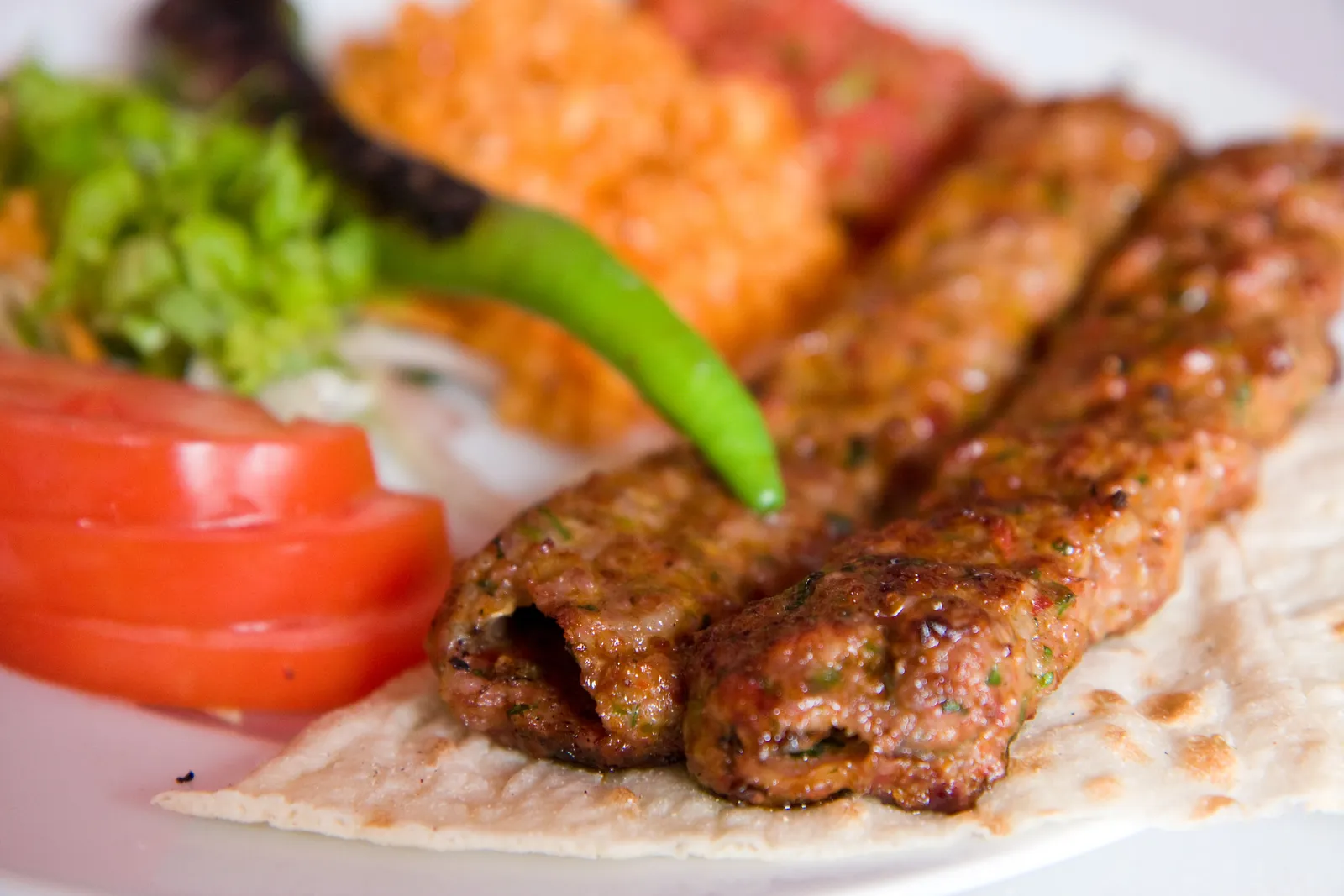
Adana kebab — long grilled minced-meat skewers on lavash with tomato, green chilli and salad Turkey flag Turkey 50m
Dinner •Adana Heritage

Adana Kebab

This adana kebab recipe is Adana's famous charcoal-grilled skewer: hand-minced lamb and beef mixed with lamb tail fat, sweet red pepper and pul biber, pressed onto wide flat skewers and grilled over glowing charcoal until the edges char and the juices run. It is served on warm lavash with grilled tomato, green chillies and a sharp sumac onion salad. One serving is about 439 g.

Adana's Charcoal-Grilled Icon

Hand-minced lamb and beef with tail fat and pul biber, pressed onto wide flat skewers and grilled over charcoal until charred at the edges — Adana's famous kebab.

Pairs Well With
Lavash, grilled tomato & sumac onion salad
High Protein
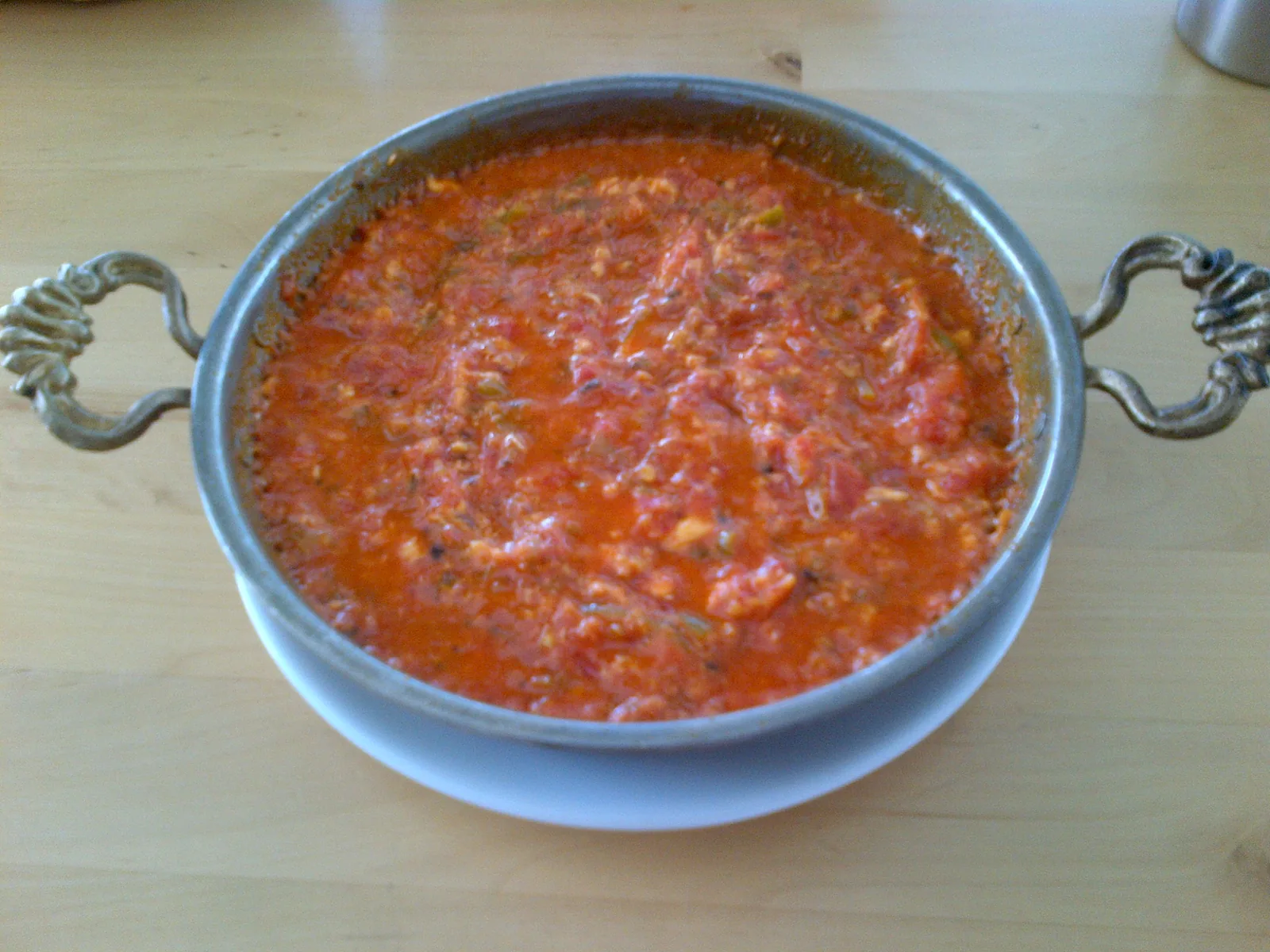
Menemen in a copper sahan pan — soft scrambled eggs stirred through a red tomato and green pepper sauce Turkey flag Turkey 30m
Breakfast •Izmir Breakfast Table

Menemen

This menemen recipe stirs beaten eggs into a soft tomato and green pepper sauce until they set into creamy curds — never poached whole, the way shakshuka does it. Cooked in one pan and served straight from it with bread, it is the classic Turkish breakfast. One serving is about 300 g.

Comfort & Warmth

Beaten eggs stirred into a soft tomato and green pepper sauce, scooped up with warm bread.

Pairs Well With
Crusty white bread, Turkish tea and sliced cucumber and tomato
Quick Prep (<30m)
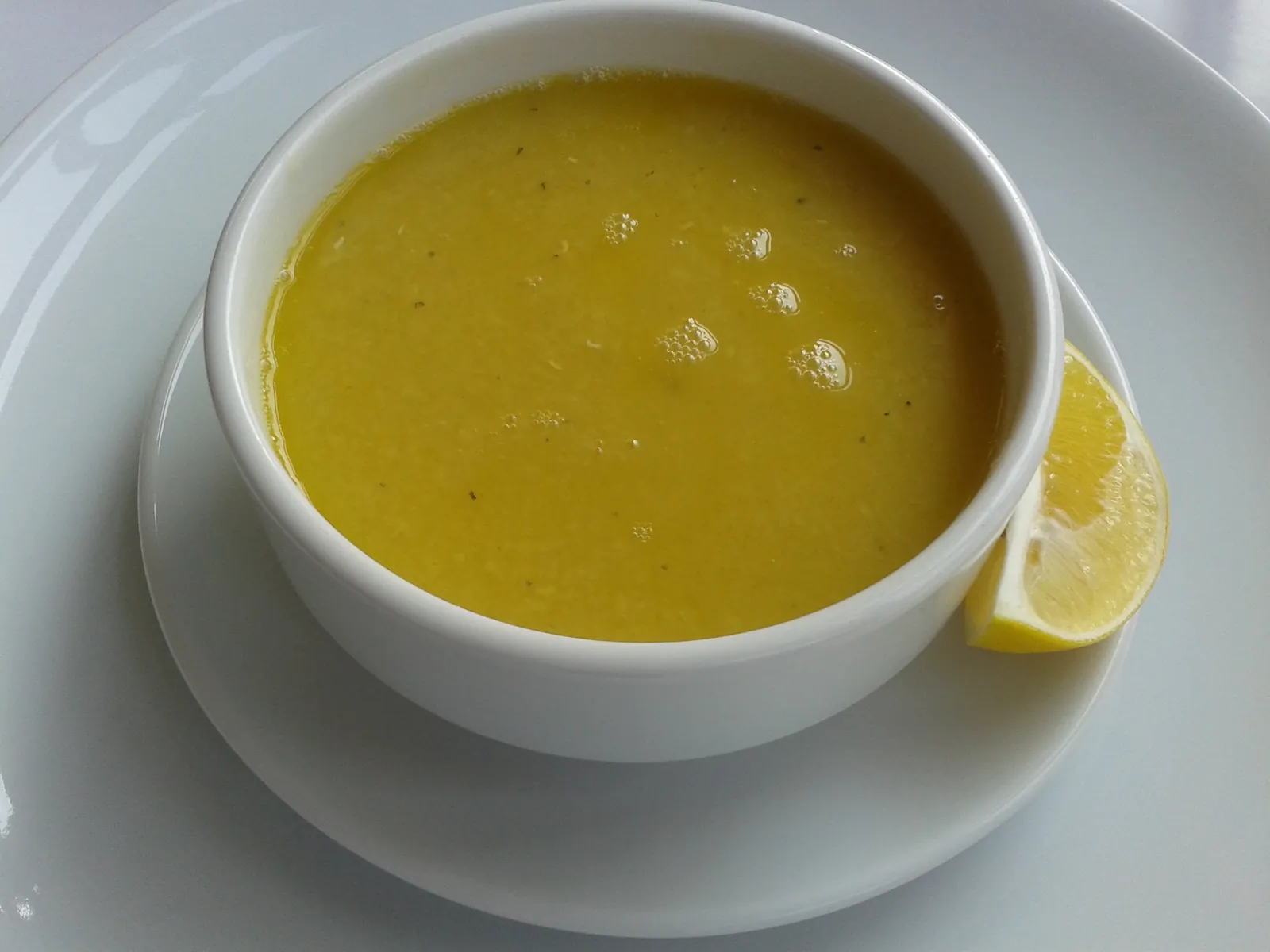
A white bowl of smooth golden Turkish lentil soup with a lemon wedge on the side Turkey flag Turkey 45m
Lunch •Ankara Lokanta Classic

Turkish Lentil Soup

This turkish lentil soup recipe turns red lentils, onion, carrot and potato into a smooth, golden soup, finished with lemon and a drizzle of paprika butter. One serving is about 325 g.

Comfort & Warmth

A silky red lentil soup, light enough for lunch and warm enough for a cold day.

Pairs Well With
Warm pide bread, lemon wedges and ayran
Soups & Broths
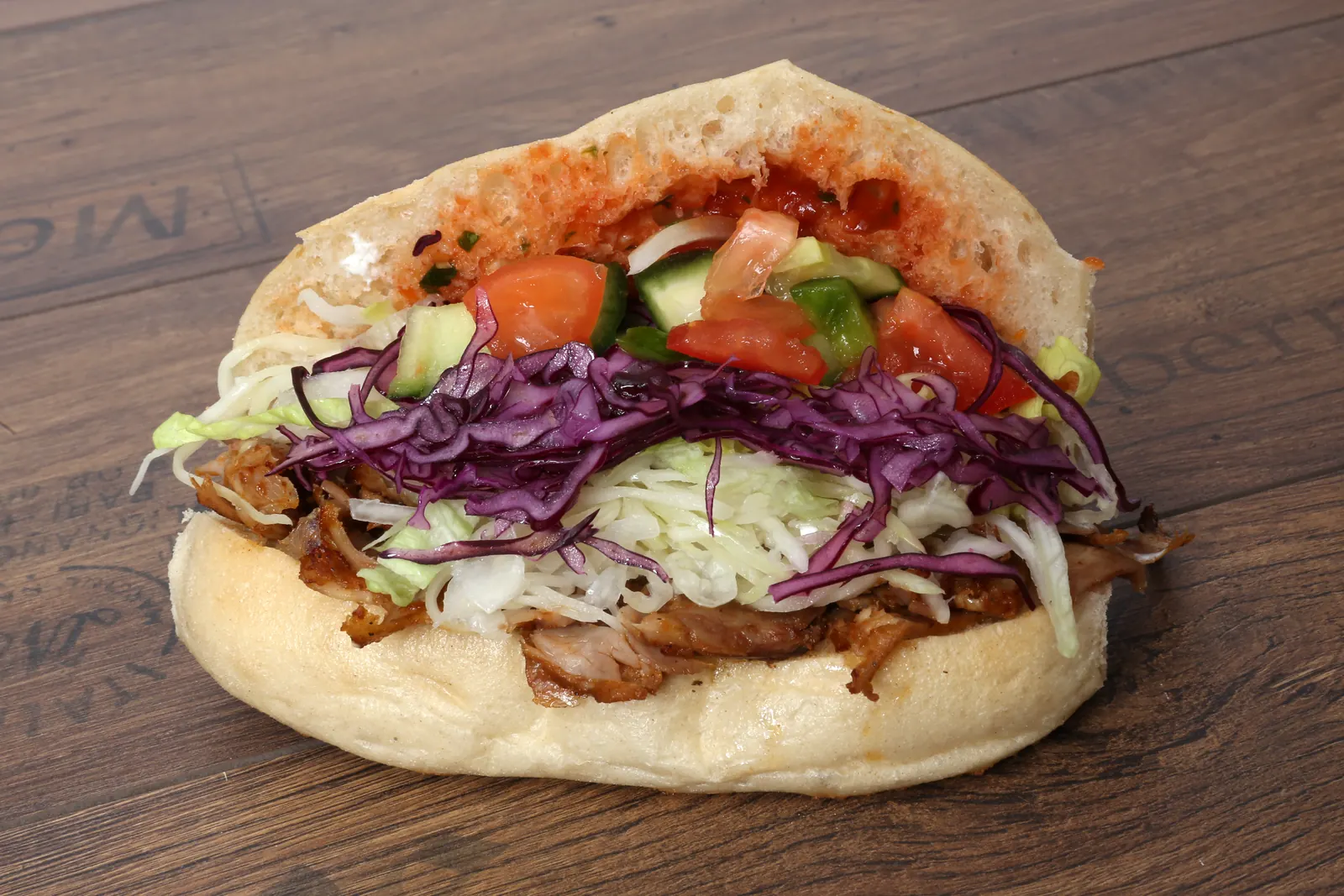
A doner kebab in flatbread filled with sliced lamb, red and white cabbage, tomato and cucumber Turkey flag Turkey 2h 55m
Dinner •Bursa Spit-Roast Heritage

Doner Kebab

This doner kebab recipe brings the Turkish spit-roast home: lamb leg marinated in yogurt, onion and spices, seared until charred at the edges, then sliced thin and tucked into warm pitta bread with crisp salad and a cool garlic yogurt sauce. No vertical spit needed — a ripping-hot pan does the job. One serving is about 415 g.

Charcoal-Grilled & Juicy

Home-style doner kebab — yogurt-marinated lamb, sliced thin and piled into warm pitta with salad and garlic sauce.

Pairs Well With
Serve in warm pitta with salad, garlic sauce and a little chilli sauce.
High Protein

The Dinner Gazette

Never wonder what’s for dinner again

One email a week with easy dinner ideas from around the world — ingredients, steps and nutrition, tested in our kitchen first.

Delivered every Thursday morning. Unsubscribe anytime.