
Curated recipes from 193 countries  •  New seasonal Mediterranean issue out now

Overview

Papua New Guinea Sago Pancake

Sago Pancake, PNG Sago Flatbread

This sago pancake recipe is Papua New Guinea's simplest breakfast: white sago starch mixed with water into a thick batter, spread thin on a hot plate and cooked until dry, crisp and lightly speckled. It has no banana, no coconut milk and no filling — just the clean, mild taste of sago itself, with a crackle that softens as it cools. In the Sepik River lowlands, where the sago palm is the staple food, flatbreads like this are cooked fresh every morning. One serving is about 160 g.

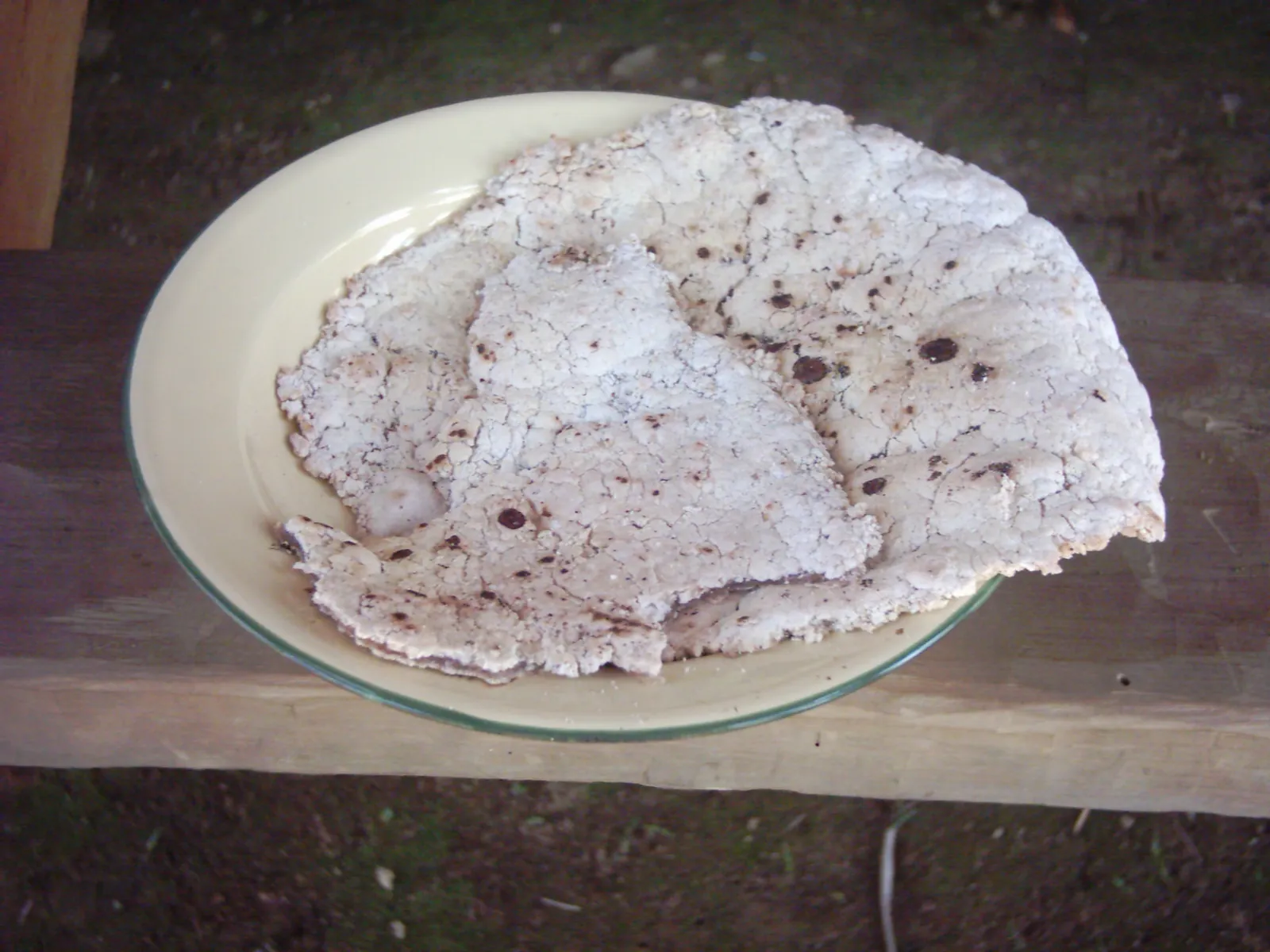
Sago is the staple starch of Papua New Guinea's lowland and river communities, above all along the Sepik River in East Sepik Province, where the sago palm (Metroxylon sagu) grows in swamps. Families wash the starch from the palm's pith, dry it, and store it for months; it is then cooked in many forms, and the thin griddle pancake is one of the simplest — starch and water, spread on a hot plate. The photograph for this recipe was taken in East Sepik Province and shows the pancakes as they are served there: plain, crisp and speckled from the hot plate.

Pairs well with: Hot tea and sliced tropical fruit, with the warm pancakes broken into pieces at the table

Provenance

Papua New Guinea flag Papua New Guinea

East Sepik Flatbread

Oceania & Pacific

Time Dedication

30m

10m prep • 20m cook

Batch Yield

4 Servings

332 kcal per serving

1 serving ≈ 160 g

Technical Skill

Easy

Easy (Griddle)

Meal Timing & Digestive Fit

Breakfast

Prime Morning Fit

Lunch

Inappropriate

Dinner

Inappropriate

Snack & Tea

Inappropriate

Occasions: Everyday breakfast, market mornings, village gatherings, simple family mornings Cost: Low — about $1–2 per serving at home
A plate of thin, crisp Papua New Guinea sago pancakes made from sago starch and water, lightly browned in spots, on a cream enamel plate

East Sepik Flatbread

Photo: Toksave, CC BY-SA 3.0, via Wikimedia Commons

The Heritage Formulary

Measured Ingredients

Estimated cost: Low — about $1–2 per serving at home (USD)

A good sago pancake is judged by its thinness: it should be dry and crisp right through, with brown speckles and no soft, gummy centre.

Execution Methodology & Culinary Technique

Step-by-Step Cooking Guide

Active 30m
P

Prep Stage: Mix the Batter

10 Mins • Mixing & Resting

Put the sago starch in a wide bowl and pour in the water a little at a time, stirring hard with a wooden spoon until you have a thick, smooth batter that falls slowly from the spoon — about the thickness of pancake batter, but heavier. Let it rest for 5 minutes so the starch hydrates evenly; stir once more before cooking. Meanwhile, set a heavy flat pan, griddle or cast-iron plate over the heat so it is ready when the batter is.

Maestro Tip: The batter should spread, not pour. If it runs like water, stir in a spoonful more starch; if it will not spread at all, add water a tablespoon at a time.

  1. 1

    Mix the Sago Batter

    5 Mins Room temperature

    Put the 400 g of sago starch in a wide bowl. Pour in the 300 ml of water a little at a time, stirring hard with a wooden spoon until the batter is thick, smooth and free of lumps. It should fall slowly from the spoon in a heavy ribbon.

    Stirring hard matters more than speed — sago starch clumps easily if the water is dumped in all at once.

    Done when: Batter is smooth, lump-free and thick enough to spread rather than pour.

  2. 2

    Rest the Batter and Heat the Plate

    5 Mins Medium-high heat

    Let the batter rest for 5 minutes so the starch hydrates, then stir once more. While it rests, heat a heavy flat pan, griddle or cast-iron plate over medium-high heat until a drop of water flicked onto it sizzles and evaporates at once — about 200°C (400°F). No oil is needed on a well-seasoned plate.

    A heavy plate holds steady heat and gives even browning; a thin pan scorches the centre before the edges set.

    Done when: Water flicked on the plate sizzles away instantly; the batter has thickened slightly.

  3. 3

    Spread the First Pancake Thin

    2 Mins 200°C (400°F)

    Ladle about a quarter of the batter onto the centre of the hot plate and spread it out fast with the back of the ladle or a flat spatula into a thin round about 20 cm across. Work quickly — the batter sets the moment it touches the hot plate.

    Thin is the whole point: a pancake thicker than a few millimetres stays soft and gummy in the middle instead of crisping.

    Done when: A thin, even round with no thick pools of batter.

  4. 4

    Cook Until Dry and Speckled

    3–4 Mins 200°C (400°F)

    Leave the pancake alone for 3–4 minutes. The surface turns from glossy to dry and matte, the edges lift and curl slightly, and brown speckles appear across the top. Slide a spatula underneath and flip it over for 1–2 minutes more so the second side dries out too. Lift it onto a wire rack — it crisps further as it cools.

    Do not press the pancake down while it cooks; pressing squeezes out steam and makes it tough instead of crisp.

    Done when: Both sides are dry to the touch, lightly speckled brown, and the pancake feels stiff when lifted.

  5. 5

    Cook the Rest and Serve Warm

    10 Mins 200°C (400°F)

    Stir the batter before each pancake — the starch settles fast — and repeat with the remaining batter to make 4 pancakes in total. Stack them loosely on a rack, not in a sealed pile, so the steam escapes and they stay crisp. Serve warm, broken into pieces at the table.

    If the plate starts to brown the pancakes too fast, lower the heat slightly; each pancake should take its full 3–4 minutes.

    Done when: 4 thin, dry, crisp pancakes; the last one is as speckled as the first.

Finishing Touches & Plating

Serve the pancakes warm from the rack, broken into hand-sized pieces. They are at their crispest in the first half hour — after that they soften, which is still good, just a different texture.

Nutritional Physiology & Benefits

Nutrition

Energy

332

kcal / serving

Protein

0g

Complete AA

Carbs

83g

Complex

Fats

0g

Healthy

Per serving (4 servings · 1 serving ≈ 160 g)
Energy332 kcal
Protein0 g
Carbohydrates83 g
Fat0 g
Fibre0.5 g
Sugar0.0 g
Sodium1 mg
Per 100g
Energy208 kcal
Protein0.1 g
Carbohydrates51.9 g
Fat0.1 g
Fibre0.3 g
Sugar0 g
Sodium1 mg

Nutrition values are estimated — calculated from USDA FoodData Central values for the listed ingredients.

Vitamins & minerals: Very few vitamins or minerals — sago is almost pure starch, with a small amount of zinc; pair the pancakes with fruit or greens for a fuller breakfast.

Naturally Gluten-Free

Sago starch contains no gluten at all, so this flatbread suits a gluten-free breakfast without any special flour blend.

Quick, Steady Energy

Almost pure starch, the pancake delivers fast, easily available energy — about 332 kcal per serving — which is why it is a working-morning staple in the Sepik lowlands.

Two Ingredients, Nothing Hidden

Sago starch and water only — no dairy, no egg, no nuts, no added fat and no added sugar, so there is nothing in the recipe to check against an allergy list.

Food Pairings

What to Eat With

To optimize nutrient absorption and elevate the sensory depth, pair with these authentic accompaniments:

Drinks

Hot Tea

Plain hot tea is the everyday partner — its warmth and slight bitterness balance the mild, starchy pancake without adding sweetness.

Sides

Sliced Pawpaw or Banana

Fresh fruit adds the sweetness, moisture and vitamins the pancake itself does not have, and turns a plain starch breakfast into a complete one.

Vegetables

Cooked Leafy Greens

A small pile of wilted greens alongside the pancake adds colour, fibre and minerals to a plate that is otherwise almost pure starch.

Full Menus

Sago Pancake Breakfast Plate

Build the plate around two pancakes with tea, fruit and greens — the crisp flatbread is the base, and the sides supply everything it lacks.

Complete menu

Serve two crisp sago pancakes per person with hot tea, sliced pawpaw or banana and a small pile of cooked leafy greens — the flatbread is the base, and the fruit and greens supply the sweetness, moisture and vitamins it lacks.

Digestive Guardrails

What NOT to Combine

To prevent digestive distress, sluggishness, or palate clash, avoid pairing the dish with these elements:

Very Sugary Spreads on Top

Sago is a fast-digesting starch, so piling on jam, syrup or sweetened condensed milk stacks fast sugar on fast starch and can spike blood sugar sharply. Fruit is the gentler sweetener. This is general information, not medical advice.

Sealing Warm Pancakes in Plastic

Trapped steam softens the crisp surface within minutes and can leave the stack damp and gummy. Cool the pancakes on an open rack and store them uncovered or loosely wrapped.

Eating the Batter Raw

Raw sago starch is hard to digest and must be cooked right through — never taste the uncooked batter, and make sure each pancake is fully dry and set before serving.

General information only, not medical advice — consult a doctor for personal dietary decisions.

Who Should Eat It

Who Should Eat

  • General adultsA plain, filling breakfast — best with fruit or greens on the side so the plate is not starch alone.
  • ChildrenSuitable from age 3+; break the crisp pancake into small pieces and serve with fruit so it is easy to chew.
  • ElderlyGood when freshly cooked and still slightly soft; if the pancake has gone very crisp and hard, dip it in tea or serve the softer centre pieces.
  • Pregnant womenGenerally suitable — a simple starch with no risky ingredients; pair it with fruit and greens for a more complete breakfast.
  • Breastfeeding womenGenerally suitable as an energy food; add fruit, greens or an egg on the side for protein, which the pancake itself lacks.
  • AthletesUseful as quick pre-training energy — about 83 g of carbohydrate per serving — but eat it with protein afterwards, as the pancake has almost none.
  • Weight gainA good choice — eat the full serving with fruit and, if you like, a little coconut milk for extra energy.
  • Weight lossEat one pancake rather than two and fill the rest of the plate with fruit and greens — the pancake is energy-dense with very little fibre.

Health Conditions — Adjust or Avoid

Conditions

  • DiabetesSago is a fast starch with a high glycaemic effect — keep to one pancake, eat it with greens and fruit rather than sweet spreads, and ask your clinician about portion size.
  • High blood pressureNaturally almost sodium-free (about 1 mg per serving), so the pancake itself is no concern — watch the saltiness of anything you serve with it.
  • Kidney diseaseVery low in potassium and protein, so the pancake itself is usually easy to fit in — ask your clinician, as your overall diet still matters.
  • GoutSago is low in purines, so the pancake itself is not a gout trigger — the risk comes from rich toppings, not the flatbread.
  • Stomach issuesPlain, bland and low in fat, so it is usually gentle on the stomach — eat it fresh and warm rather than cold and hard.
  • Cardiovascular diseaseNo fat and no cholesterol in the pancake itself; the concern is only the overall meal, so pair it with fruit and greens rather than fatty or salty sides.
  • Fatty liverKeep the portion to one pancake and skip sweet spreads — the starch is energy-dense and adds up fast.
  • Food allergiesContains no gluten, egg, milk, nuts, soy or fish as written. The only ingredient is sago starch, which comes from the sago palm — if you have a palm-related allergy, check with your clinician.
  • Special therapeutic dietsIf you follow a prescribed low-carbohydrate or low-glycaemic diet, this dish is mostly fast starch — ask your clinician whether a small portion fits your plan.

If you have a medical condition, consult your doctor before changing your diet.

Storage & Use

Storage & Use

How to store
Cool completely on a wire rack, then store loosely wrapped in a clean cloth or paper bag at room temperature — never sealed in plastic while warm.
In the fridge
Up to 2 days in a covered container; the pancakes soften in the fridge.
In the freezer
Not recommended — frozen and thawed sago pancakes turn rubbery and lose their crispness.
How to reheat
Re-crisp in a dry hot pan for 1–2 minutes per side until dry again; do not microwave, which makes them chewy.
Freezing recommended
No.
Signs it has spoiled
Sour or musty smell, damp or slimy patches, or any mould spots.

More recipes to explore

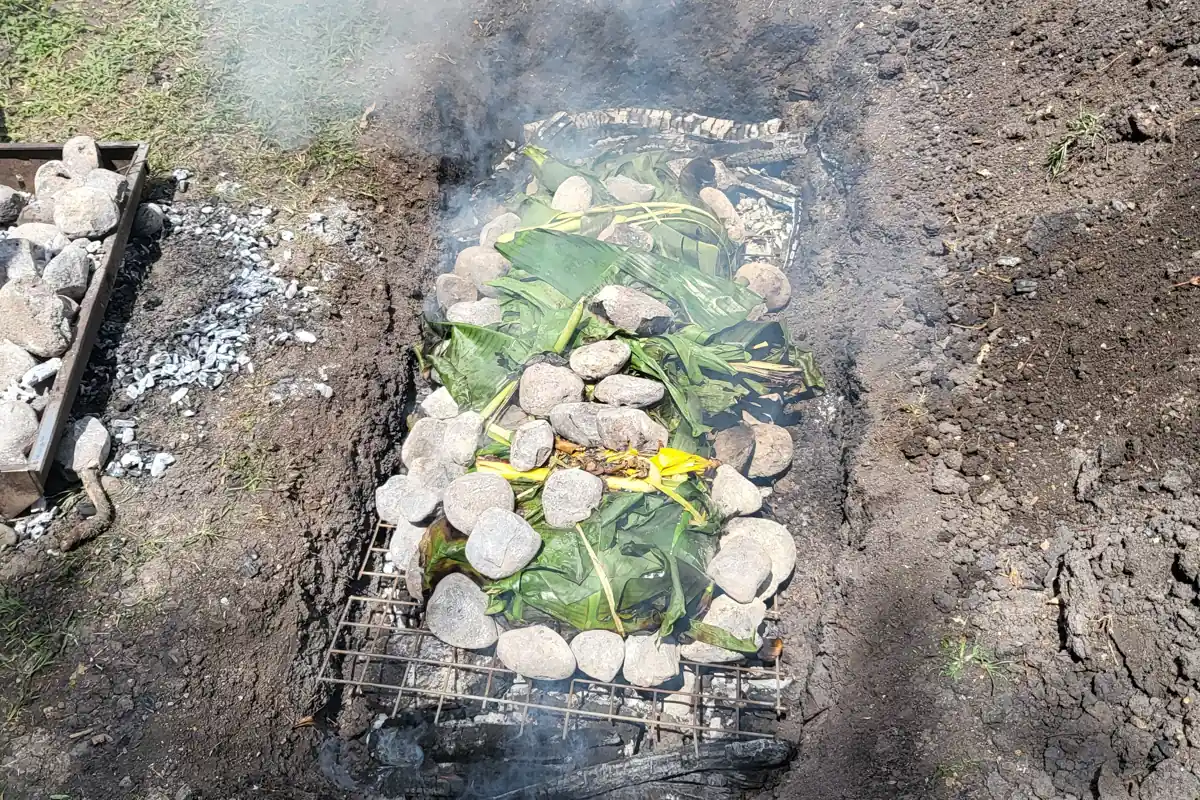
A traditional mumu earth oven in Papua New Guinea — banana-leaf parcels and hot stones steaming in a pit dug in the ground Papua New Guinea flag Papua New Guinea 3h 45m
Dinner •PNG Earth-Oven Feast

Papua New Guinea Mumu

This mumu recipe brings Papua New Guinea's earth-oven feast into a home kitchen: pork shoulder and chicken thighs rubbed with garlic, ginger and salt, layered with taro, sweet potato, green cooking banana and leafy greens in banana-leaf parcels, with coconut milk poured over the top, then slow-roasted until everything is tender and smoky. Traditionally the parcels go onto white-hot stones in a pit dug in the ground and are buried under leaves and earth; here a low oven and a covered Dutch oven do the same job, and the recipe says so plainly. One serving is about 595 g.

Hearty & Communal

Pork and chicken slow-cooked with taro, sweet potato and cooking banana in banana leaves, with coconut milk poured over the layers.

Pairs Well With
Steamed rice and lime wedges on the side, with the coconut cooking juices spooned over
High Protein
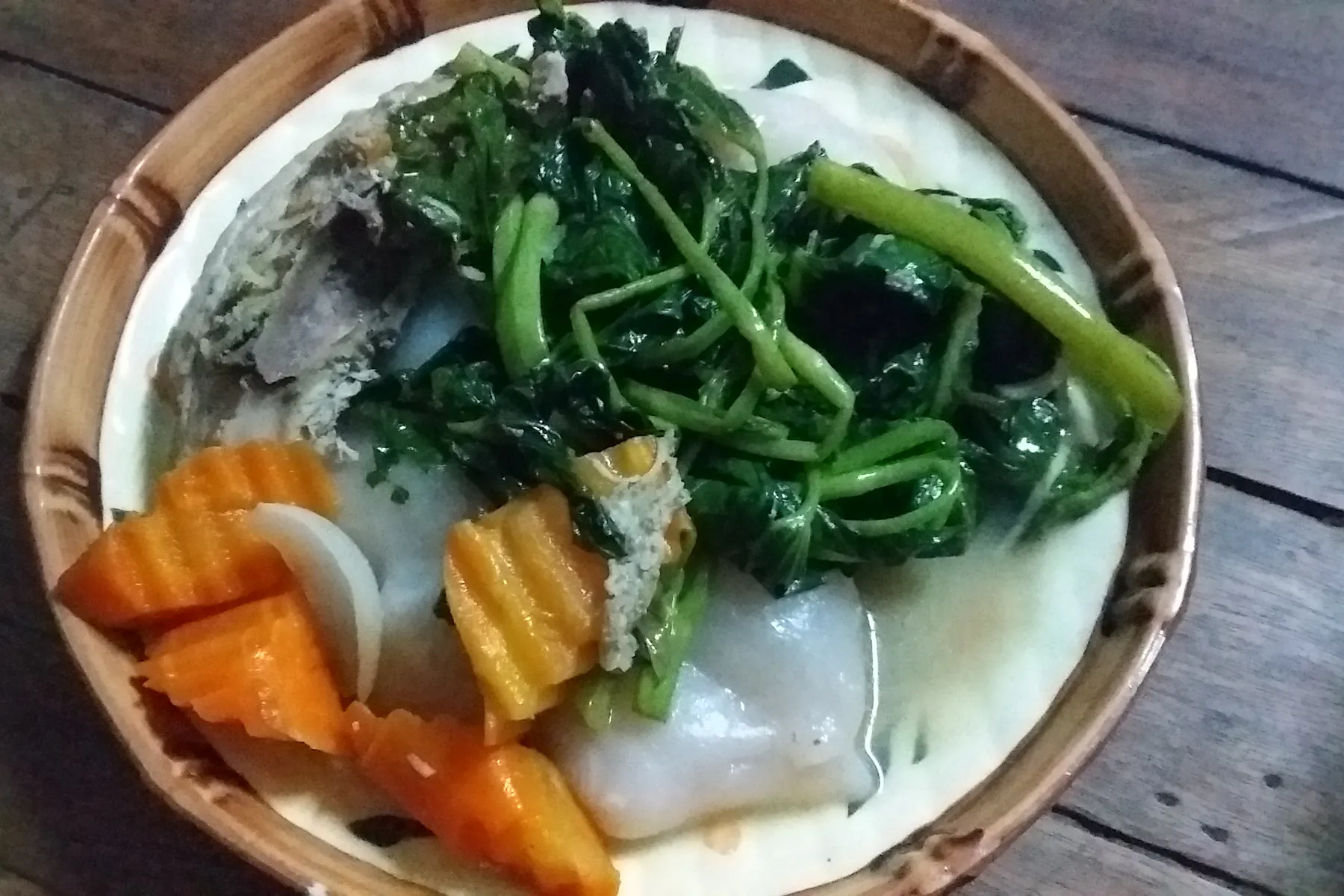
A bowl of translucent sago jelly (nangu) in coconut milk topped with cooked leafy greens and carrot, with a piece of what appears to be cooked fish at the side Papua New Guinea flag Papua New Guinea 35m
Dinner •PNG Sago Jelly Bowl

Papua New Guinea Nangu

This nangu recipe is Papua New Guinea's soft sago dish: white sago starch stirred with hot water until it turns into a smooth, translucent jelly, spooned into a bowl and served with warm coconut milk, wilted leafy greens and carrot. It is mild, soft and comforting — the opposite of the crisp sago pancake — and in the sago-palm lowlands it is an everyday dinner, often with a piece of cooked fish laid at the side of the bowl. The recipe as written is plant-based; the fish is an optional accompaniment. One serving is about 440 g.

Gentle & Comforting

Soft sago jelly in warm coconut milk with leafy greens and carrot — mild, filling and easy to eat.

Pairs Well With
Warm coconut milk with greens, and — as in Papua New Guinea — a piece of grilled or boiled fish at the side
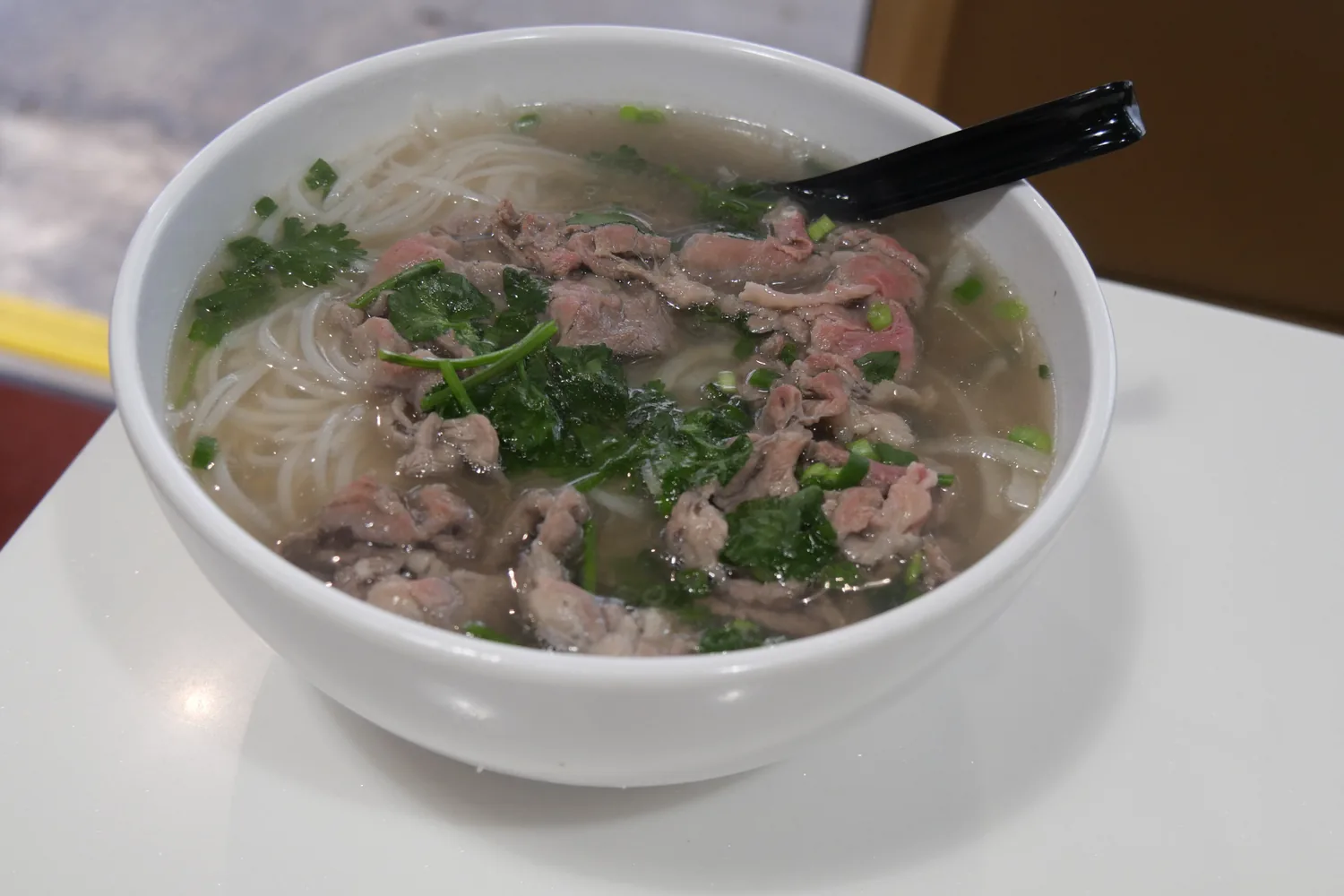
A bowl of Vietnamese phở bò with rare beef, rice noodles and fresh herbs Vietnam flag Vietnam 3h 30m
Breakfast •Hanoi Heritage

Phở Bò Tái Nạm

Slow-simmered star anise and cinnamon bone broth with hand-cut rice noodles, supplying clean restorative warmth and collagen. One serving is about 775 g.

Immunity & Warming

Slow-simmered bone broth with rice noodles, rare beef and fresh herbs.

Pairs Well With
Crispy quẩy, fresh lime & sawtooth coriander
Soups & Broths • High Protein
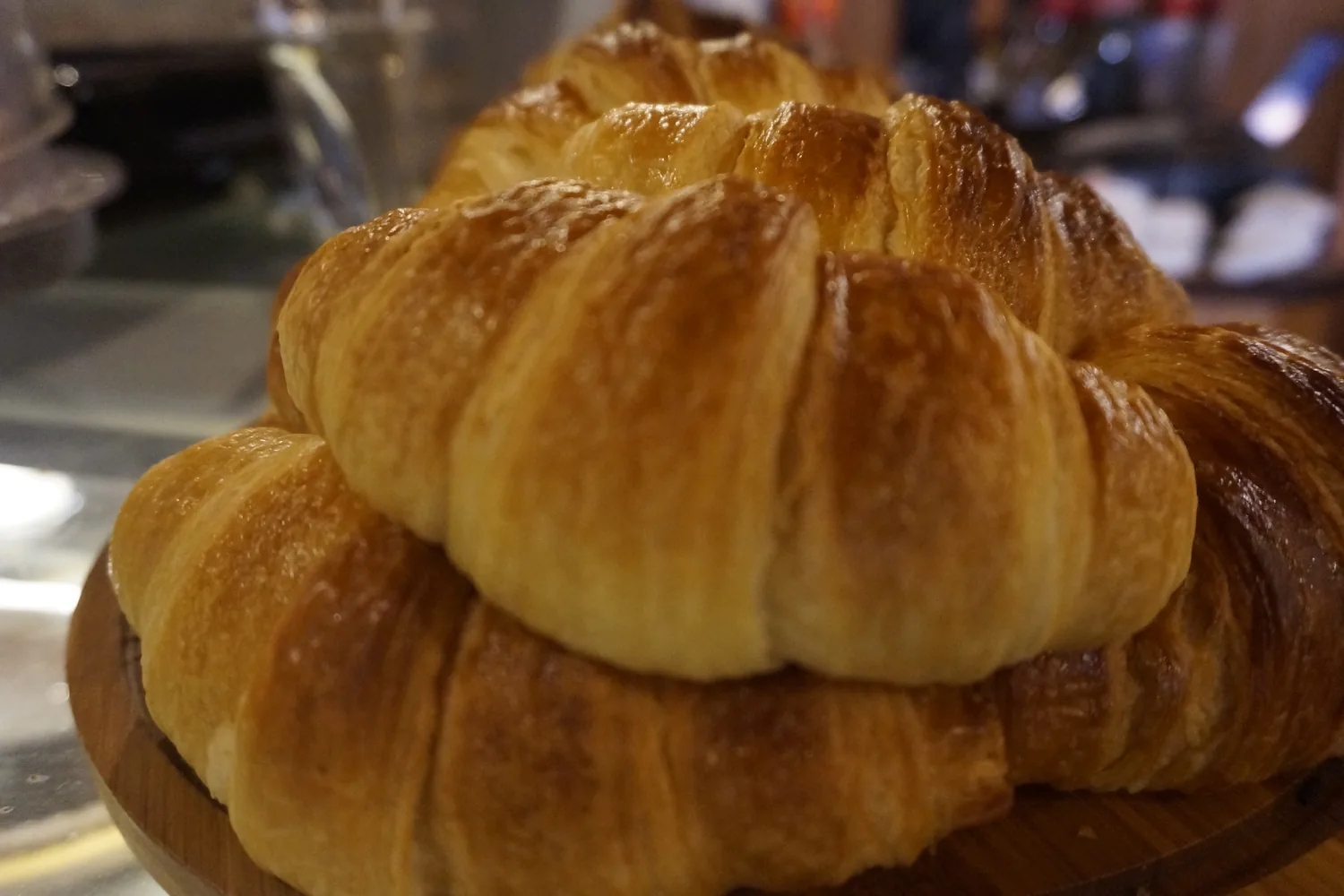
Golden butter croissants on a wooden board France flag France 20m
Breakfast •Parisian Boulangerie

Croissant au Beurre & Café

Laminated cultured butter pastry paired with washed Arabica, for a slow, pleasurable Parisian morning — best with a little protein alongside. One serving is about 390 g.

Sustained Focus

Flaky all-butter croissant with café au lait, Comté and green apple.

Pairs Well With
Comté cheese wedge & Green apple slices
Quick Prep (<30m)

The Dinner Gazette

Never wonder what’s for dinner again

One email a week with easy dinner ideas from around the world — ingredients, steps and nutrition, tested in our kitchen first.

Delivered every Thursday morning. Unsubscribe anytime.