
Curated recipes from 193 countries  •  New seasonal Mediterranean issue out now

Overview

Pol Sambol

Sri Lankan Coconut Sambol, Coconut Chilli Relish

This pol sambol recipe pounds fresh grated coconut with red onion, chillies and lime into a fiery, fragrant relish — the small bowl that sits beside almost every Sri Lankan meal, ready to wake up rice, dhal and hoppers. One serving is about 92 g.

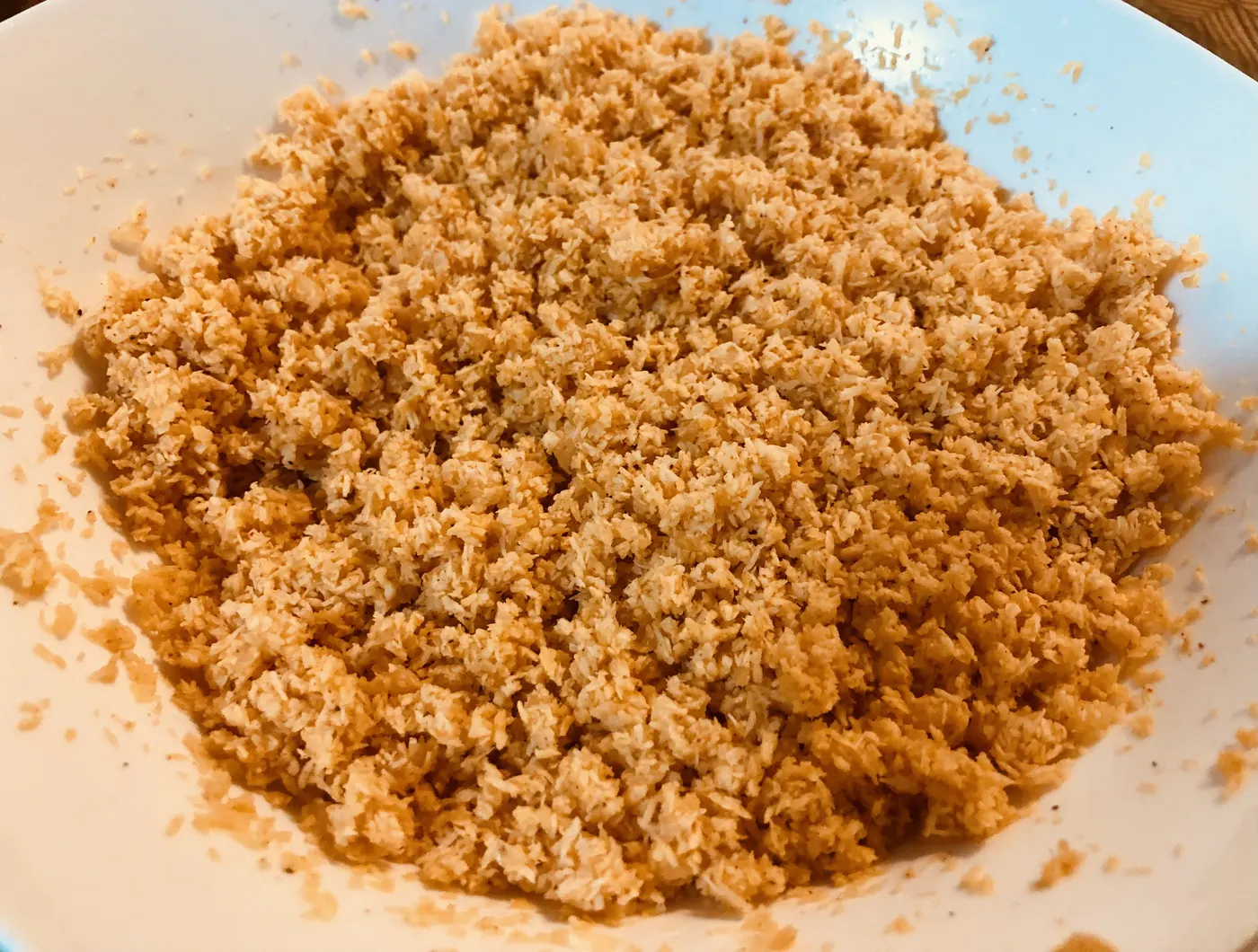
Pol sambol is the relish Sri Lanka reaches for at almost every meal: fresh coconut pounded with chilli, onion and lime, often with Maldive fish flakes in the classic version. This vegan version leaves the fish out and lets the coconut, chilli and lime carry the flavour. It is traditionally ground on a miris gala, a rectangular grinding stone, and served beside rice, curry, hoppers and string hoppers.

Pairs well with: Steamed rice, dhal curry & papadum

Provenance

Sri Lanka flag Sri Lanka

Sri Lankan Table Staple

East & South Asia

Time Dedication

15m

15m prep • 0m cook

Batch Yield

4 Servings

195 kcal per serving

1 serving ≈ 92 g

Technical Skill

Easy

Easy (No Cook)

Meal Timing & Digestive Fit

Breakfast

Not Advised

Lunch

Prime Metabolic Fit

Dinner

Ideal Hearty Main

Snack & Tea

Inappropriate

Occasions: Everyday lunches, rice and curry spreads, Sri Lankan breakfasts with hoppers Cost: Low — about $1–2 per serving at home
A bowl of freshly made pol sambol, orange-red grated coconut relish with chilli and onion

Sri Lankan Table Staple

Photo: Dan arndt, CC BY-SA 4.0, via Wikimedia Commons

The Heritage Formulary

Measured Ingredients

Estimated cost: Low — about $1–2 per serving at home (USD)

A good pol sambol is fluffy and evenly orange-red, hot and sour in balance, and made fresh the same day.

Execution Methodology & Culinary Technique

Step-by-Step Cooking Guide

Active 15m
P

Prep Stage: Grate & Chop

15 Mins • Knife Work

Grate the coconut finely and chop the onion and chillies as small as you can — pol sambol is all about texture, and coarse pieces never blend into the fluffy, even relish you want. Squeeze the lime last so its juice stays bright.

Maestro Tip: Wear gloves when handling the chillies, and keep your hands away from your eyes.

  1. 1

    Grate the Coconut

    5 Mins No cooking — room temperature, about 20°C (68°F)

    Grate 200g of fresh coconut flesh finely into a wide bowl. The shreds should be short and even, like damp breadcrumbs, so they take up the chilli and lime evenly.

    A food processor with the grating disc does in seconds what a hand grater does in minutes.

    Done when: The coconut is a fluffy, even pile with no long stringy shreds.

  2. 2

    Chop the Onion and Chillies

    5 Mins No cooking — room temperature, about 20°C (68°F)

    Chop 100g of red onion and 30g of deseeded red chillies as finely as you can, then add them to the coconut with 3g of chilli powder and 1g of black pepper.

    The finer the chop, the better the relish holds together — chunky pieces fall apart on the spoon.

    Done when: The bowl is flecked evenly with red and purple, with no large pieces standing out.

  3. 3

    Pound and Mix

    3 Mins No cooking — room temperature, about 20°C (68°F)

    Using clean hands or a pestle, squeeze and pound the mixture for 2 to 3 minutes, pressing the onion and chilli into the coconut until it turns a uniform orange-red and clumps together when pressed.

    Pounding, not just stirring, is what makes pol sambol: it releases the onion juice and chilli oils into the coconut.

    Done when: A squeezed handful holds its shape, and the colour is even throughout.

  4. 4

    Season with Lime and Salt

    2 Mins No cooking — serve at room temperature, about 20°C (68°F)

    Sprinkle over 30ml of lime juice and 4g of salt, mix once more and taste. It should be hot, salty and sour in balance, with the coconut coming through underneath. Rest for 5 minutes before serving so the flavours settle.

    Add the lime a spoonful at a time — you can always add more, but you cannot take it back.

    Done when: A spoonful tastes fiery first, then salty and sour, with a fresh coconut finish.

Finishing Touches & Plating

Serve a heaped spoonful beside rice and curry, or pile it onto hoppers and string hoppers. Pol sambol is best the day it is made, while the coconut is still fresh and the lime is bright.

Nutritional Physiology & Benefits

Nutrition

Energy

195

kcal / serving

Protein

2g

Complete AA

Carbs

12g

Complex

Fats

17g

Healthy

Per serving (4 servings · 1 serving ≈ 92 g)
Energy195 kcal
Protein2 g
Carbohydrates12 g
Fat17 g
Fibre5.4 g
Sugar4.7 g
Sodium400 mg
Per 100g
Energy212 kcal
Protein2.4 g
Carbohydrates12.7 g
Fat18.4 g
Fibre5.9 g
Sugar5.1 g
Sodium435 mg

Nutrition values are estimated — calculated from USDA FoodData Central values for the listed ingredients.

Vitamins & minerals: Vitamin C (lime, chillies), potassium and manganese (coconut), vitamin B6 and folate (onion).

Fresh, Uncooked Goodness

Nothing here is cooked, so the vitamin C from the lime and chillies and the fresh flavour of the coconut arrive intact.

Light but Satisfying

Coconut fat and fibre make a small spoonful feel substantial, so a little relish goes a long way beside a plate of rice.

Plant-Based by Nature

Coconut, onion, chilli and lime — a fully plant-based relish with no dairy, gluten or animal ingredients at all.

Food Pairings

What to Eat With

To optimize nutrient absorption and elevate the sensory depth, pair with these authentic accompaniments:

Sides

Steamed Rice & Dhal Curry

The classic partner: mild, soupy dhal cools the chilli heat while the sambol lifts the plain rice.

Hoppers (Appa)

The crisp-edged rice pancake is the perfect scoop for pol sambol — the traditional Sri Lankan breakfast pairing.

Vegetables

Gotukola Salad

A fresh, lemony leaf salad balances the rich coconut and adds crunch beside the soft relish.

Drinks

Plain Tea or King Coconut Water

A mild, unsweetened drink soothes chilli heat without competing with the relish.

Complete menu

Serve pol sambol as the bright relish in a Sri Lankan spread: steamed rice, dhal curry and gotukola salad, with hoppers for scooping and plain tea to finish.

Digestive Guardrails

What NOT to Combine

To prevent digestive distress, sluggishness, or palate clash, avoid pairing the dish with these elements:

Very Sweet Drinks Right After

Sugary drinks with a chilli-hot relish can make the heat feel sharper and leave the mouth sticky; plain water or tea is kinder. This is general information, not medical advice.

Storing It Warm for Hours

Fresh coconut spoils quickly at room temperature, so do not leave pol sambol sitting out all afternoon — refrigerate what you do not eat within 2 hours. This is general information, not medical advice.

General information only, not medical advice — consult a doctor for personal dietary decisions.

Who Should Eat It

Who Should Eat

  • General adultsA bright, fiery relish — a spoonful or two beside rice and curry is the classic way to enjoy it.
  • ChildrenToo hot for most young children as written; make a mild batch for them with one deseeded chilli and no chilli powder.
  • ElderlyEasy to eat and full of flavour; keep the chilli gentle if the stomach is sensitive.
  • Pregnant womenGenerally suitable in small amounts; the heat is the only concern, so taste a little first and keep portions modest.
  • Breastfeeding womenGenerally suitable; the coconut fat and fibre make a small serving satisfying — keep the chilli moderate.
  • AthletesA useful flavour booster for plain rice and lean protein; the coconut adds energy without heaviness.
  • Weight gainA good choice — the coconut fat and fibre add satisfying energy to a plate of rice and dhal.
  • Weight lossUse a small spoonful for flavour rather than a large mound — the coconut is energy-dense, so a little goes a long way.

Health Conditions — Adjust or Avoid

Conditions

  • DiabetesLow in carbohydrate per spoonful, but the coconut is energy-dense; keep to 1–2 tablespoons and ask your clinician about portions that fit your plan.
  • High blood pressureThe salt is modest per spoonful, but it adds up if you eat a large mound; keep portions small and ask your clinician if you follow a low-sodium plan.
  • Kidney diseaseCoconut is a source of potassium; if you follow a potassium-restricted diet, keep portions small and ask your clinician.
  • GoutCoconut is low in purines and this relish contains no meat or seafood, so it is generally a gentle choice; ask your clinician about your overall diet.
  • Stomach issuesFresh chilli and raw onion can irritate a sensitive stomach; make a mild version with less chilli and well-rested onion, and ask your clinician if symptoms persist.
  • Cardiovascular diseaseThe fat here is mostly saturated fat from coconut, so keep portions to a spoonful or two; ask your clinician about how it fits your eating pattern.
  • Fatty liverCoconut is high in saturated fat and energy, so a small spoonful for flavour is wiser than a large serving; ask your clinician about portions.
  • Food allergiesContains no gluten, dairy, egg, nuts or fish in this vegan version. It contains coconut, which is classed as a tree nut for labelling in some countries — check the label if you have a tree-nut allergy, and ask your clinician if unsure.
  • Special therapeutic dietsIf you follow a prescribed low-sodium, low-potassium or low-saturated-fat diet, use less salt and a smaller portion, and check with your clinician.

If you have a medical condition, consult your doctor before changing your diet.

Storage & Use

Storage & Use

How to store
Spoon into a clean airtight container, press the surface flat and seal.
In the fridge
2 days in the fridge at 4°C (39°F) or below.
In the freezer
Not recommended — thawed coconut turns watery and the lime flavour fades.
How to reheat
Do not reheat; pol sambol is served at room temperature, about 20°C (68°F).
Freezing recommended
No — make it fresh and eat within 2 days.
Signs it has spoiled
Sour or rancid smell, slimy texture, or any mould on the surface.

More recipes to explore

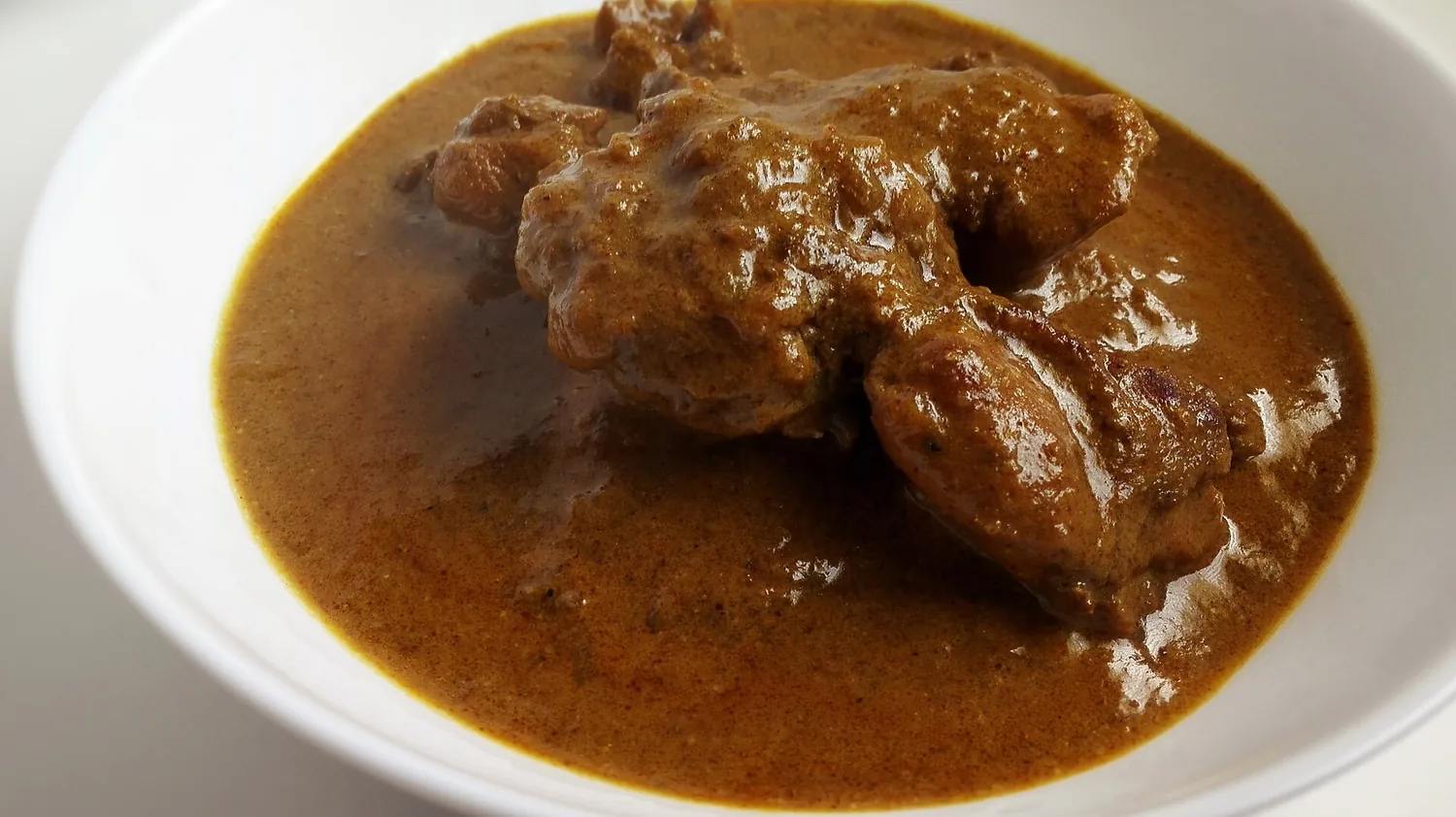
A bowl of dark Sri Lankan chicken curry in coconut milk sauce Sri Lanka flag Sri Lanka 1h 5m
Dinner •Sri Lankan Heritage

Sri Lankan Chicken Curry

Dark, roasted-spice chicken curry in rich coconut milk, soured gently with goraka and scented with curry leaves and lemongrass. This Sri Lankan chicken curry recipe is the everyday kukul mas of Sri Lankan homes: deeply savoury, warmly hot and spooned over rice. One serving is about 466 g.

Hearty & Comforting

Bone-in chicken simmered in coconut milk with dark roasted curry powder, goraka and curry leaves.

Pairs Well With
Steamed red rice and pol sambol
High Protein
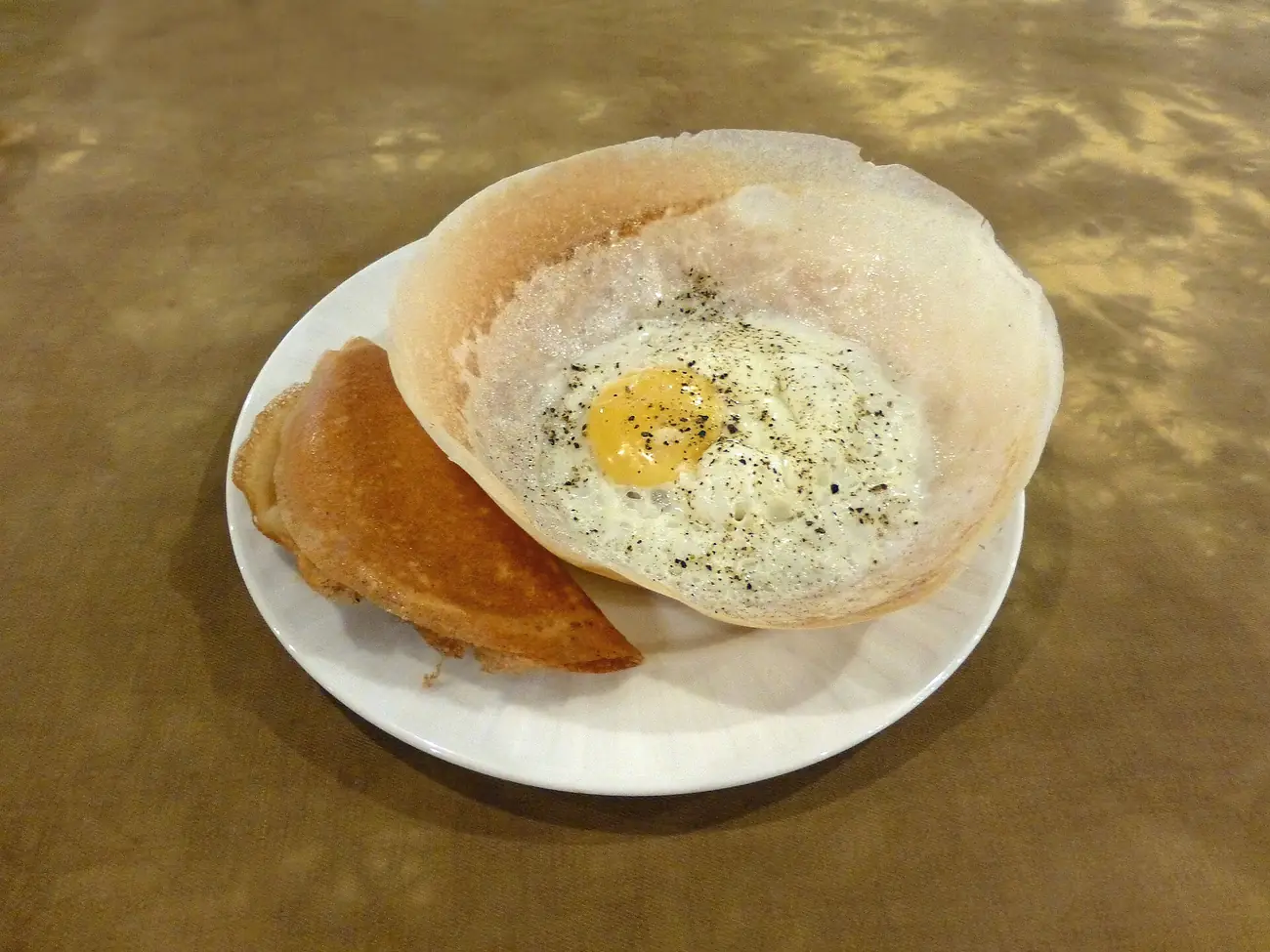
A Sri Lankan egg hopper, a bowl-shaped rice pancake with an egg in the centre Sri Lanka flag Sri Lanka 45m
Breakfast •Sri Lankan Heritage

Sri Lankan Hoppers

Bowl-shaped pancakes with lacy, crisp edges and a soft, spongy centre, made from fermented rice flour and coconut milk and cooked in a small wok-like appa pan. This Sri Lankan hoppers recipe makes the classic egg hopper — an appa with a whole egg gently steamed in its centre — the breakfast Sri Lanka is famous for. One serving is about 269 g (2 hoppers, one with egg).

Light & Fermented

Fermented rice-flour and coconut-milk batter cooked into crisp-edged bowls, each with a soft egg in the centre.

Pairs Well With
Lunu miris and pol sambol
Fermented / Gut Health
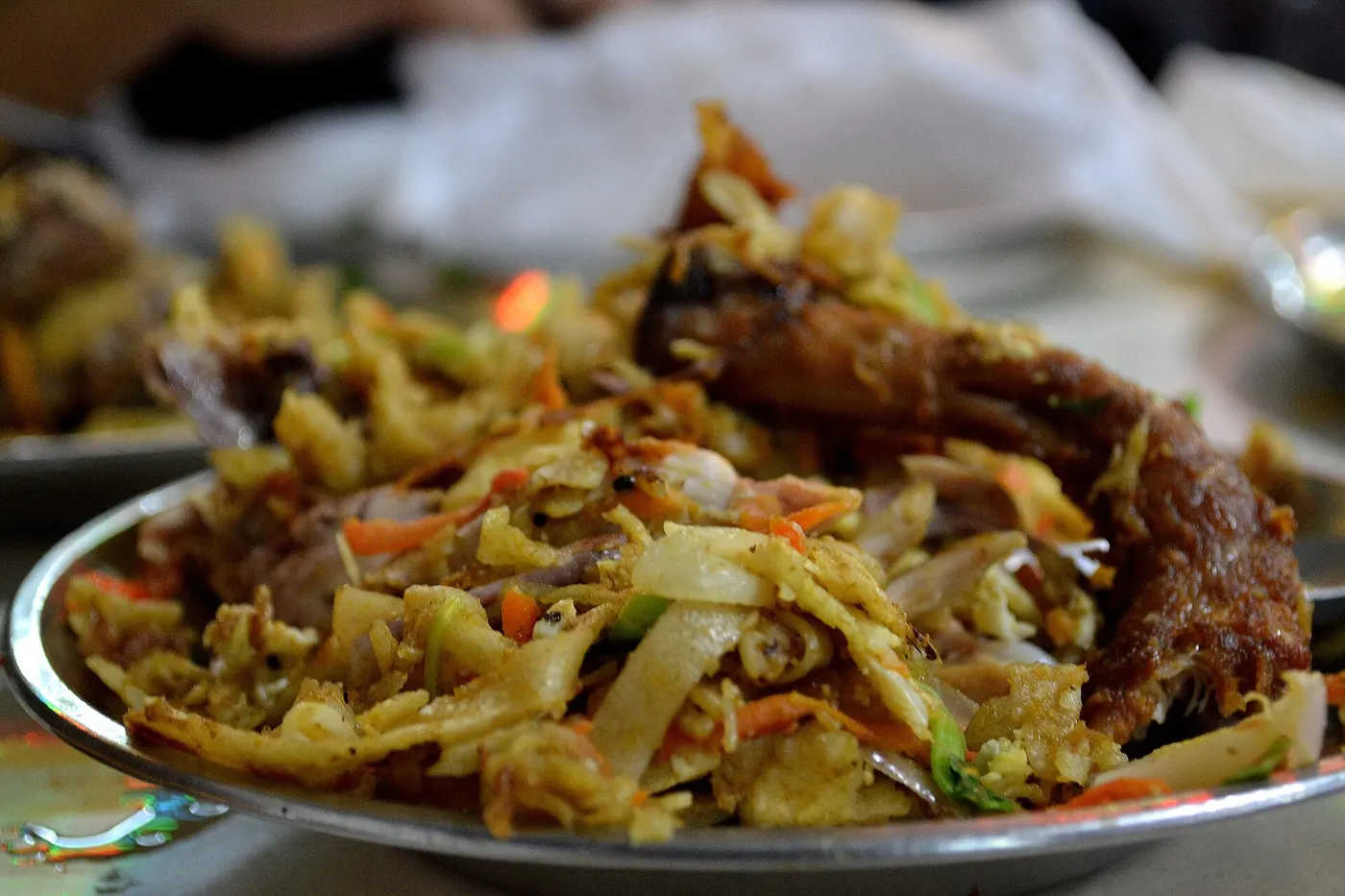
A plate of chicken kottu roti, chopped roti stir-fried with chicken and vegetables Sri Lanka flag Sri Lanka 45m
Dinner •Sri Lankan Heritage

Kottu Roti

Sri Lanka's famous late-night street food: godamba roti chopped and stir-fried on a hot griddle with chicken curry, egg, onion, carrot and cabbage, mixed with two steel blades in the rhythmic clanging every Sri Lankan knows. This kottu roti recipe makes chicken kottu at home — crisp-edged roti ribbons, saucy chicken and vegetables in every bite. One serving is about 394 g.

Hearty Street Food

Godamba roti chopped on a hot griddle with chicken curry, egg and vegetables.

Pairs Well With
Extra chicken curry gravy and pol sambol
Quick Prep (<30m)
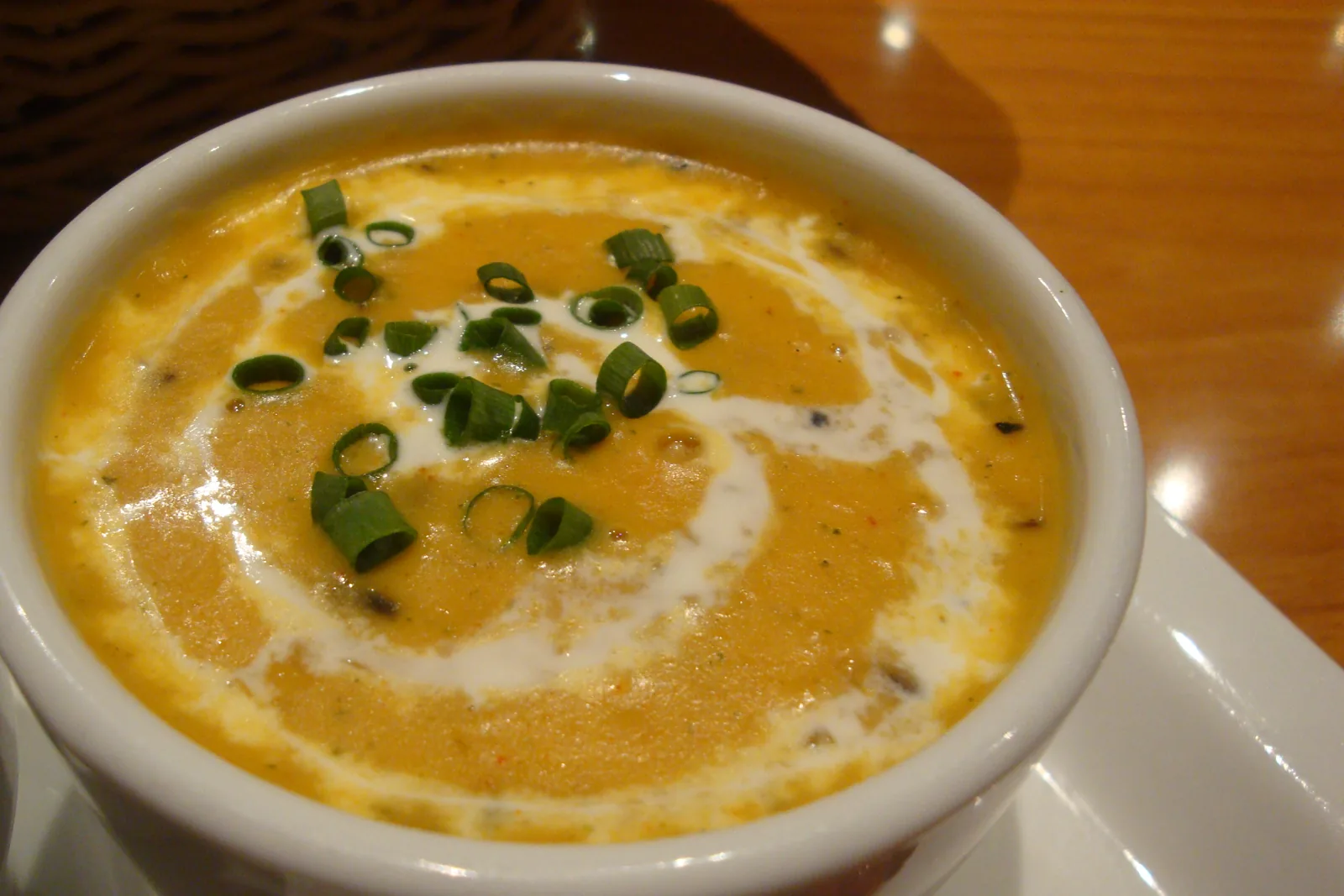
Creamy yellow Sri Lankan dhal curry in a white bowl with a coconut milk swirl and sliced spring onions Sri Lanka flag Sri Lanka 50m
Dinner •Sri Lankan Heritage

Sri Lankan Dhal Curry

This sri lankan dhal curry recipe makes Sri Lanka's everyday lentil curry: red lentils simmered soft with turmeric and cinnamon, finished with creamy coconut milk and a hot-oil tempering of mustard seeds, cumin, fenugreek and curry leaves. It is the gentle, golden curry that sits at the centre of most Sri Lankan rice-and-curry meals. One serving is about 400 g.

Comfort & Warmth

Red lentils simmered in coconut milk with curry leaves and a mustard-seed tempering, served warm with rice.

Pairs Well With
Steamed rice, roast paan or string hoppers, with pol sambol on the side.
High Protein

The Dinner Gazette

Never wonder what’s for dinner again

One email a week with easy dinner ideas from around the world — ingredients, steps and nutrition, tested in our kitchen first.

Delivered every Thursday morning. Unsubscribe anytime.