Curated recipes from 193 countries  •  New seasonal Mediterranean issue out now

Overview

Pot-au-Feu

French Boiled Beef

This pot au feu recipe slowly simmers beef chuck and marrow bones with carrots, leeks, turnips, potatoes and cabbage in a clear broth — France's national boiled dinner. Unlike boeuf bourguignon, which braises beef in red wine, pot-au-feu gently boils it in clear broth, and the broth is served as a first course. One serving is about 650 g.

Pot-au-feu means 'pot on the fire', and for centuries it was the staple of the French peasant diet in the colder months — a pot that sat by the fire all day, feeding the household from one piece of beef and the garden's vegetables. It was not until the 16th century that wealthier tables adopted it, and it became known as France's national dish. The writers of the 1867 Larousse Gastronomique called it the base of French cuisine. King Henri IV is famously said to have wished that every peasant in his kingdom could have a chicken in the pot on Sundays — the poule au pot, the dish's close cousin.

Pairs well with: Crusty bread, Dijon mustard, cornichons and a light red wine

Provenance

France flag France

French Family Classic

Nordic & European

Time Dedication

4h

30m prep • 210m cook

Batch Yield

6 Servings

535 kcal per serving

1 serving ≈ 650 g

Technical Skill

Intermediate

Intermediate (Long Simmer)

Meal Timing & Digestive Fit

Breakfast

Not Advised

Lunch

Hearty Midday Main

Dinner

Ideal Hearty Main

Snack & Tea

Inappropriate

Soups & BrothsHigh Protein Occasions: Sunday family dinners, cold winter evenings, slow weekend cooking, festive gatherings Cost: Medium — about $5–6 per serving at home
Tags: Beef Savory Soup
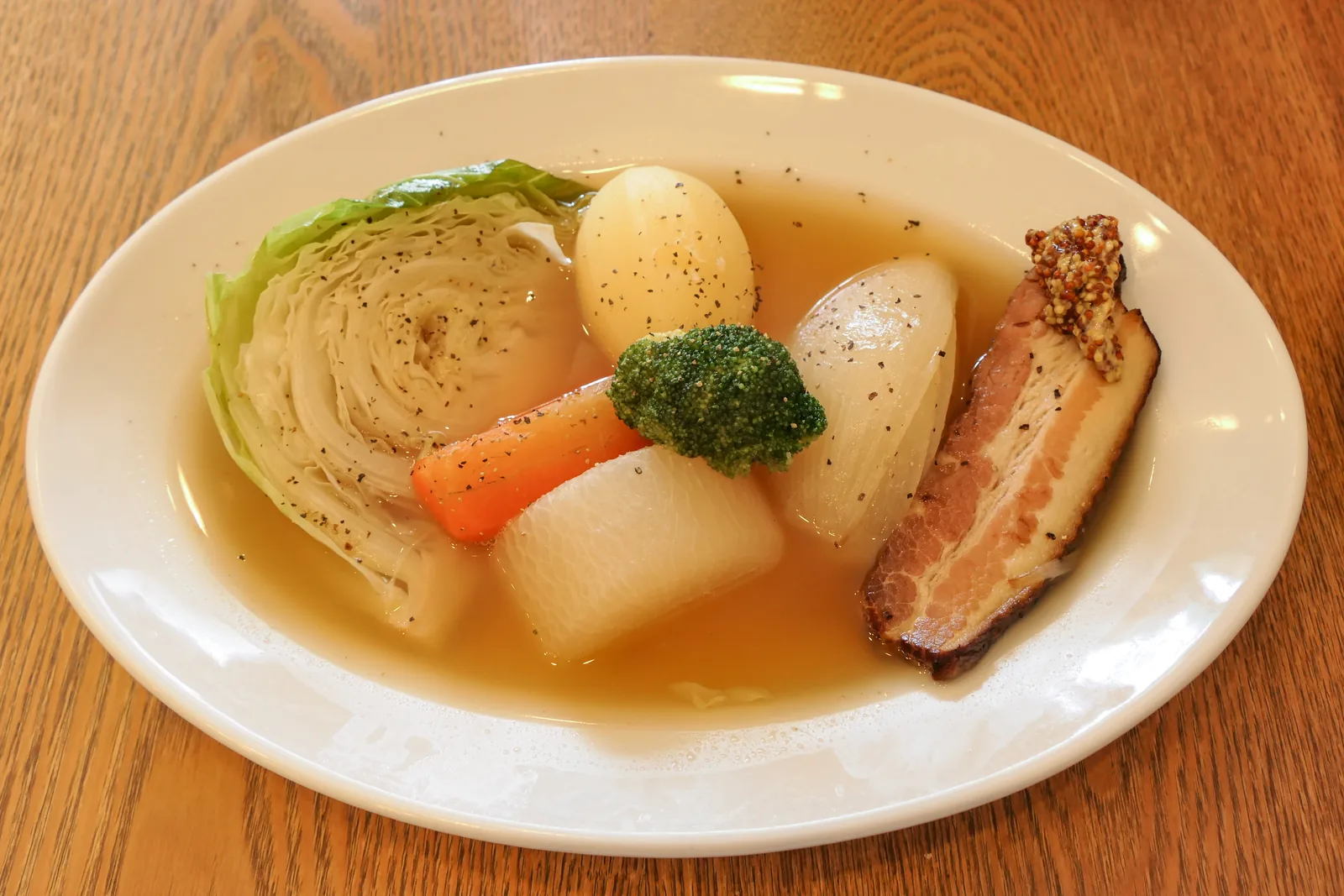
A plate of pot-au-feu with boiled meat and mustard, cabbage, carrot, potato and turnip in clear broth

French Family Classic

Photo: MaedaAkihiko, CC BY-SA 4.0, via Wikimedia Commons

The Heritage Formulary

Measured Ingredients

Estimated cost: Medium — about $5–6 per serving at home (USD)

A true pot-au-feu never boils hard — the pot should barely tremble for three hours, and the broth should be clear enough to see the bottom of the bowl.

Execution Methodology & Culinary Technique

Step-by-Step Cooking Guide

Active 4h
P

Prep Stage: Tie the Beef and Cut the Vegetables

30 Mins • Knife Work

Tie the chuck, rinse the bones, and cut all the vegetables into large, even chunks — anything small will dissolve in three hours. Tie the leeks in a bundle and press the cloves into the onion so nothing gets lost in the pot.

Maestro Tip: Cut the vegetables big. Small pieces turn to mush long before the beef is tender.

  1. 1

    Blanch and Skim the Beef

    15 Mins Boiling water, 100°C (212°F)

    Put the beef and marrow bones in the largest pot you own and cover with cold water. Bring slowly to a boil, skimming off the grey foam as it rises, for about 15 minutes. Drain, rinse the pot and the meat, and start again with fresh cold water — this second start is what makes the broth clear.

    Starting from cold water, twice, is the old trick for a crystal-clear bouillon — never skip the blanch.

    Done when: The water runs clear and no more foam rises.

  2. 2

    Simmer the Beef and Broth

    150 Mins Gentle simmer, about 95°C (203°F)

    Return the beef and bones to the clean pot with the onion, celery and half the salt. Cover with cold water, bring slowly to the gentlest simmer, and skim whenever foam appears. Cover partly and simmer for 2 hours and 30 minutes, skimming the fat from time to time.

    If the surface is jumping, the heat is too high — the pot should barely tremble.

    Done when: The broth is clear and golden, and the beef yields easily to a fork.

  3. 3

    Add the Vegetables in Stages

    60 Mins Gentle simmer, about 95°C (203°F)

    Lift out the beef and keep it warm under foil. Add the carrots, leeks, turnips and the rest of the salt to the pot and simmer for 30 minutes. Then add the potatoes and cabbage wedges and simmer for a further 30 minutes until everything is tender.

    Vegetables go in late and in order — roots first, potatoes and cabbage last — or they dissolve.

    Done when: The vegetables are tender when pierced with a knife but still hold their shape.

  4. 4

    Rest, Carve and Strain

    15 Mins Simmering broth, about 95°C (203°F)

    Return the beef to the pot for 10 minutes to heat through. Lift it out, untie it and slice it thickly across the grain. Strain the broth through a fine sieve and season with the remaining salt.

    Slice the beef thick — thin slices dry out in the time it takes to reach the table.

    Done when: The beef slices cleanly and the strained broth is clear and golden.

  5. 5

    Serve in Two Courses

    10 Mins Serve hot, above 74°C (165°F)

    Serve the hot broth first, in bowls, with bread. Then set the sliced beef, marrow bones and vegetables on a platter, with the Dijon mustard, cornichons and coarse salt passed at the table. Spread the marrow on toast if you like.

    Do not salt the whole pot at the end — let everyone season their own plate.

    Done when: The broth is steaming, the meat is hot through, and the table is set with mustard and cornichons.

Finishing Touches & Plating

Serve the broth first, in bowls, then the carved beef and vegetables on a platter with Dijon mustard, cornichons and coarse salt — two courses from one pot.

Nutritional Physiology & Benefits

Nutrition

Energy

535

kcal / serving

Protein

35g

Complete AA

Carbs

41g

Complex

Fats

27g

Healthy

Per serving (6 servings · 1 serving ≈ 650 g)
Energy535 kcal
Protein35 g
Carbohydrates41 g
Fat27 g
Fibre8.2 g
Sugar10.9 g
Sodium767 mg
Per 100g
Energy82 kcal
Protein5.4 g
Carbohydrates6.3 g
Fat4.1 g
Fibre1.3 g
Sugar1.7 g
Sodium118 mg

Nutrition values are estimated — calculated from USDA FoodData Central values for the listed ingredients.

Vitamins & minerals: Vitamin C and vitamin K (cabbage, leeks, carrots), vitamin A (carrots), potassium (potatoes, leeks) and iron and zinc (beef).

High in Protein and Iron

About 35 g of protein per serving from the beef and marrow bones, with iron and zinc that the body absorbs easily from red meat.

A Pot Full of Vegetables

Carrots, leeks, turnips, potatoes, celery and cabbage give fibre, potassium and vitamin C — the pot is as much vegetable as meat.

A Broth That Comforts

The long, slow simmer draws gelatine and minerals into the broth, which is why a bowl of bouillon on its own is so comforting.

Food Pairings

What to Eat With

To optimize nutrient absorption and elevate the sensory depth, pair with these authentic accompaniments:

Sides

Crusty Bread and Marrow Toast

Crusty bread is essential twice over — for the marrow, spread on toast, and for soaking up the bouillon.

Vegetables

A Simple Green Salad

A sharp, simple salad of lettuce and shallots after the rich meat course refreshes the palate the way French family meals always have.

Drinks

A Light Red Wine

A glass of light red wine stands up to the beef without fighting the delicate broth — a Beaujolais or a Loire red is the classic choice.

Full Menus

Broth First, Meat Second

Serve the clear broth as its own first course, then the meat and vegetables as the main — two courses from one pot is the whole tradition.

Complete menu

Serve the broth first with crusty bread, then the beef and vegetables with mustard and cornichons, and finish with a simple cheese course and fruit.

Digestive Guardrails

What NOT to Combine

To prevent digestive distress, sluggishness, or palate clash, avoid pairing the dish with these elements:

Boiling the Pot Hard

A rolling boil churns fat into the broth and turns it cloudy and greasy, and it toughens the meat. Pot-au-feu must barely tremble — if the surface is jumping, the heat is too high. This is general guidance, not medical advice.

Leaving the Foam in the Pot

The grey foam that rises in the first minutes is blood and impurities. Skim it away patiently, or it will settle back into the broth and cloud it.

General information only, not medical advice — consult a doctor for personal dietary decisions.

Who Should Eat It

Who Should Eat

  • General adultsA hearty, balanced family dinner — beef, a full set of vegetables and a clear broth in one pot.
  • ChildrenSuitable from age 2+; the beef is soft and the vegetables are sweet and tender. Serve the marrow bone only to older children, and keep the mustard on the side.
  • ElderlyExcellent — soft beef, tender vegetables and warm broth, all easy to chew and digest.
  • Pregnant womenGenerally suitable; the beef is cooked long past well done and the broth is served steaming hot.
  • Breastfeeding womenGenerally suitable; a nourishing, iron-rich meal with plenty of vegetables.
  • AthletesA very good post-training meal — about 35 g of protein and 41 g of carbohydrate per serving, with broth for fluids and salts.
  • Weight gainA good choice — energy-dense from the beef and marrow; take a second helping of meat and potatoes.
  • Weight lossA reasonable choice at about 535 kcal a serving; take more vegetables and broth and a smaller piece of beef, and skip the marrow.

Health Conditions — Adjust or Avoid

Conditions

  • DiabetesThe potatoes are the main carbohydrate — keep them to one or two pieces and fill the plate with the other vegetables and broth. Ask your clinician about a suitable portion.
  • High blood pressureKeep the added salt light and go easy on the mustard and cornichons, which are salty. Ask your clinician about a suitable portion.
  • Kidney diseaseHigh in protein and potassium from the meat and vegetables — keep the portion modest and ask your clinician whether it fits your plan.
  • GoutBeef and meat broth are high in purines, so this is a dish to enjoy occasionally and in a modest portion.
  • Stomach issuesUsually gentle — soft, boiled meat and vegetables are kind to the stomach; skip the mustard and cornichons if they bother you.
  • Cardiovascular diseaseA reasonable choice in a modest portion, but the marrow and the fattier cuts are high in saturated fat — take the leanest slices and less marrow.
  • Fatty liverA reasonable choice if you take lean beef and plenty of vegetables; skip the marrow and keep the potatoes to one piece.
  • Food allergiesContains mustard (Dijon) and celery. Naturally gluten-free and dairy-free — check the mustard label if you have a sulphite sensitivity.
  • Special therapeutic dietsIf you follow a prescribed low-sodium or low-purine diet, use less salt and a smaller portion of meat, and check with your clinician.

If you have a medical condition, consult your doctor before changing your diet.

Storage & Use

Storage & Use

How to store
Cool the broth quickly and store it separately from the meat and vegetables in airtight containers in the fridge.
In the fridge
Broth 4–5 days; cooked beef and vegetables 3–4 days, covered in a little broth so they do not dry out.
In the freezer
Broth 3 months; cooked beef and vegetables 2 months (the potatoes go soft).
How to reheat
Reheat the broth to a boil and the meat and vegetables in it until steaming throughout; reheat to 74°C (165°F).
Freezing recommended
Yes — the broth freezes very well; freeze the meat separately and the vegetables only if you do not mind them softening.
Signs it has spoiled
Sour smell in the broth, slimy meat or vegetables, or a dull grey film on the surface.

More recipes to explore

Golden butter croissants on a wooden board France flag France 20m
Breakfast •Parisian Boulangerie

Croissant au Beurre & Café

Laminated cultured butter pastry paired with washed Arabica, for a slow, pleasurable Parisian morning — best with a little protein alongside. One serving is about 390 g.

Sustained Focus

Flaky all-butter croissant with café au lait, Comté and green apple.

Pairs Well With
Comté cheese wedge & Green apple slices
Quick Prep (<30m)
Bœuf bourguignon — French beef braised in red wine France flag France 4h
Dinner •Burgundy Terroir

Bœuf Bourguignon

Beef braised gently in red wine until the connective tissue melts into a velvet, gelatin-rich sauce — the classic Burgundy Sunday dinner.

Cellular Repair

Beef braised in red wine until spoon-tender, with mushrooms and pearl onions.

Pairs Well With
Parsnip Purée & Steamed French Haricots Verts
High Protein
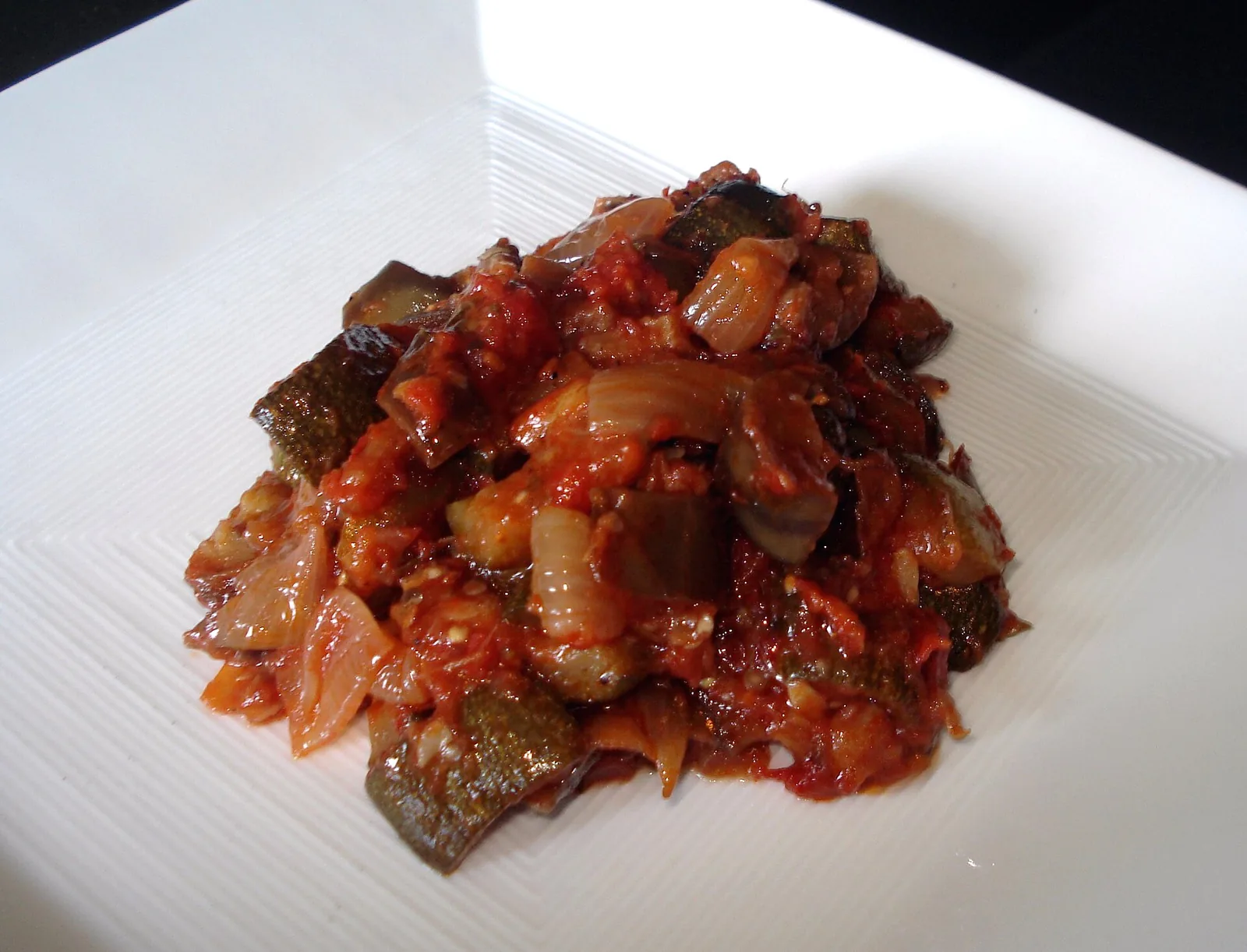
A mound of classic ratatouille with eggplant, zucchini, tomato and onion on a white plate France flag France 1h 15m
Dinner •Nice Provençal

Ratatouille

This ratatouille recipe cooks eggplant, zucchini, peppers and tomatoes separately first, so each vegetable keeps its own texture, then brings them together for a slow, fragrant simmer. One serving is about 400 g.

Light & Vegetable-Rich

Slow-simmered summer vegetables in olive oil — light, fragrant and full of fibre.

Pairs Well With
Crusty sourdough bread, grilled fish or a fried egg
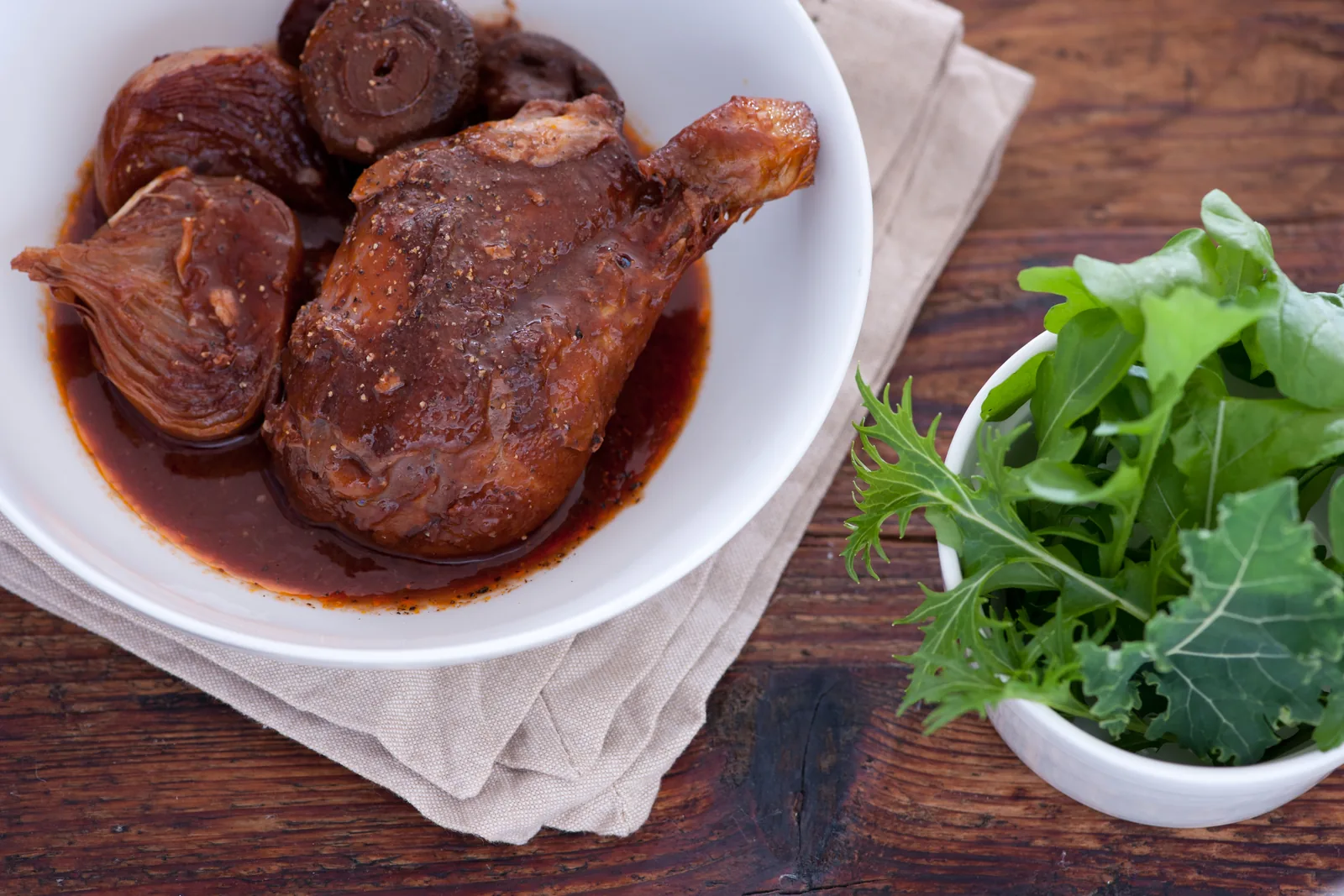
A bowl of coq au vin with a braised chicken leg in dark red wine sauce with mushrooms and onions, greens on the side France flag France 1h 40m
Dinner •Burgundy Classic

Coq au Vin

This coq au vin recipe is the Burgundy classic: chicken thighs browned with bacon, then braised in red wine with mushrooms, pearl onions and carrots until the meat is tender and the sauce is dark and glossy. One serving is about 375 g. It takes 1 hour 40 minutes, most of it hands-off while the pot simmers.

Comfort & Warmth

Chicken braised slowly in red wine with mushrooms, pearl onions and bacon until it falls off the bone.

Pairs Well With
Mashed potatoes, crusty bread & Burgundy wine

The Dinner Gazette

Never wonder what’s for dinner again

One email a week with easy dinner ideas from around the world — ingredients, steps and nutrition, tested in our kitchen first.

Delivered every Thursday morning. Unsubscribe anytime.