Curated recipes from 193 countries  •  New seasonal Mediterranean issue out now

Overview

Poulet Mayo

Congolese Chicken Mayo, Poulet Mayonnaise — Kinshasa Roast Chicken in Mayonnaise

Poulet mayo is Kinshasa's creamy roast-chicken street food: a whole chicken rubbed with paprika, thyme and rosemary, roasted until golden, then cut up and tossed in mayonnaise with mustard, lime, charred onion, green pepper, cucumber and spring onions, and roasted a second time in a parchment parcel. This poulet mayo recipe follows that two-roast method, so the chicken stays juicy and the mayonnaise turns into a warm, tangy coating rather than a cold sauce. One serving is about 367 g.

Poulet mayo became a Kinshasa street-food star in the late 2010s, when vendors in the Bandalungwa neighbourhood began serving wood-fired chicken tossed in mayonnaise with raw onions and peppers. The dish spread fast across the city — today it is sold on street corners and in small restaurants all over Kinshasa, eaten with chikwangue, fried plantains or fries, and every cook has their own version of the spice rub and the vegetables.

Pairs well with: Chikwangue (kwanga), fried plantains and a cold drink

Provenance

Democratic Republic of the Congo flag Democratic Republic of the Congo

Kinshasa Heritage

African Heritage

Time Dedication

1h 40m

25m prep • 75m cook

Batch Yield

4 Servings

764 kcal per serving

1 serving ≈ 367 g

Technical Skill

Intermediate

Intermediate (Two Roasts)

Meal Timing & Digestive Fit

Breakfast

Not Advised

Lunch

Hearty Midday Main

Dinner

Ideal Hearty Main

Snack & Tea

Inappropriate

High Protein Occasions: Family dinners, weekend cooking, street-food nights, gatherings with friends Cost: Low — about $3–4 per serving at home
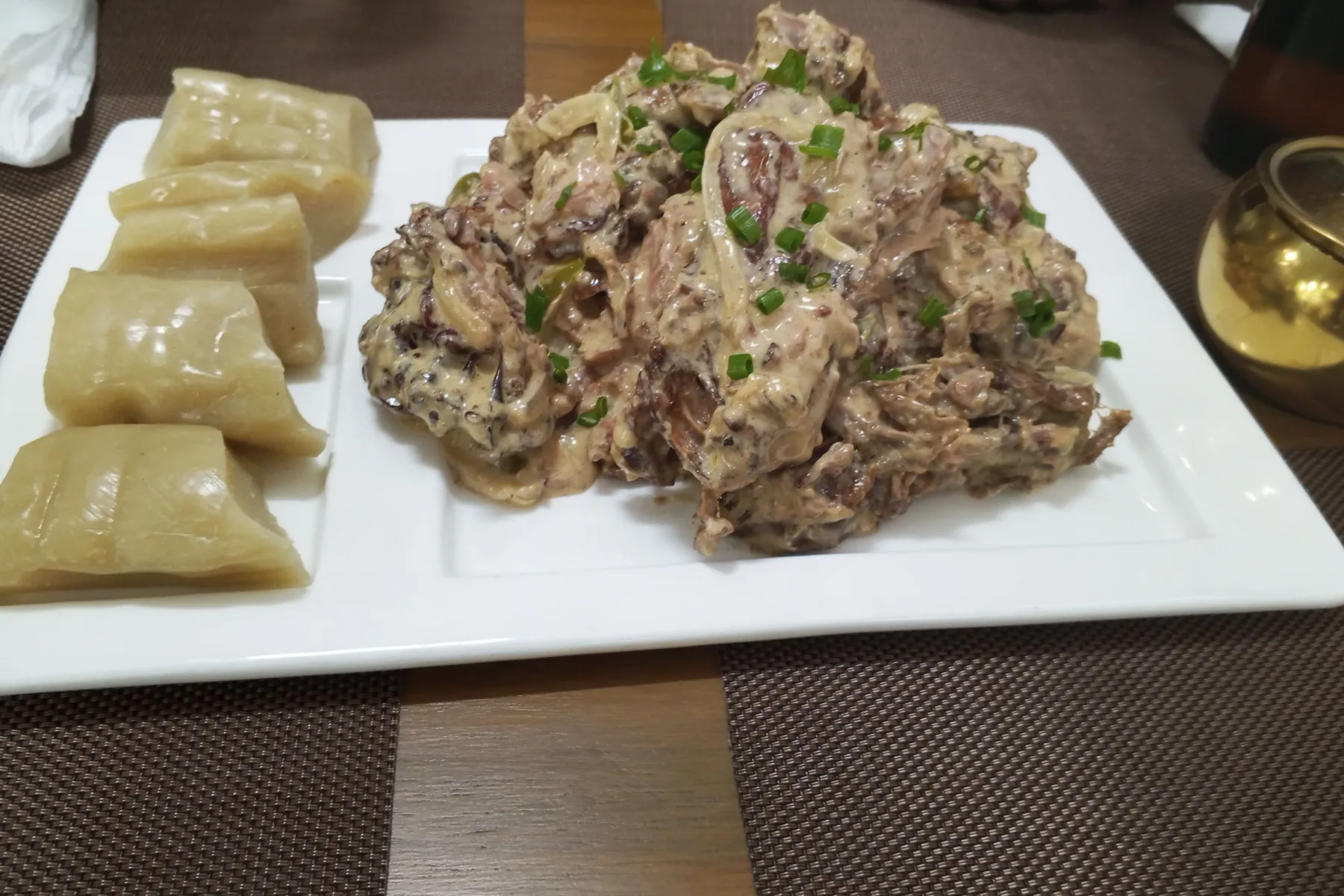
Poulet mayo — roast chicken pieces coated in creamy mayonnaise with spring onions, served on a white plate with sliced chikwangue (kwanga)

Kinshasa Heritage

Photo: Juliennekeren, CC0, via Wikimedia Commons

The Heritage Formulary

Measured Ingredients

Estimated cost: Low — about $3–4 per serving at home (USD)

A good poulet mayo is judged by the coating: the mayonnaise should be warm and glossy, clinging to juicy chicken, with the vegetables still crisp — never cold, greasy or split.

Execution Methodology & Culinary Technique

Step-by-Step Cooking Guide

Active 1h 40m
P

Prep Stage: Rub, Slice and Mix

25 Mins • Knife Work

Pat the chicken dry and rub it all over — and under the skin of the breast — with the olive oil, garlic, salt, smoked paprika, thyme, rosemary, nutmeg and half the black pepper. While the oven heats, slice the onion, green pepper, cucumber and spring onions, and whisk the mayonnaise with the Dijon mustard, lime juice and the rest of the black pepper. Everything is ready before the chicken goes in, because the second half of this dish moves fast.

Maestro Tip: Dry skin is the whole secret to the first roast — if the chicken is damp, it steams instead of browning.

  1. 1

    Roast the Chicken the First Time

    50 Mins • Roasting 180°C (350°F)

    Heat the oven to 180°C (350°F). Set the seasoned chicken on a rack in a roasting tin, breast-side up, and roast for 50 minutes, until the skin is deep golden and crisp. Check the thickest part of the thigh with a thermometer — it must read at least 74°C (165°F) — and let the juices run clear when pierced. Rest the chicken on a board for 10 minutes so the juices settle before you cut it.

    If the skin is browning too fast, tent it loosely with foil for the last 15 minutes; never turn the oven down, or the skin goes soft.

    Done when: Skin is crisp and deep golden; thigh reads 74°C (165°F) or higher and the juices run clear.

  2. 2

    Char the Onion and Toss the Chicken

    10 Mins • Hands-On Hot dry pan, about 200°C (390°F)

    While the chicken rests, heat a dry frying pan over high heat and char half the sliced onion for 2 minutes, tossing once, until the edges blacken in spots — this smoky note is part of the dish. Cut the rested chicken off the bone into bite-size pieces, keeping the crisp skin with the meat. Tip the warm chicken, the charred onion, the raw onion, green pepper, cucumber, spring onions and the whole scotch bonnet into the mayonnaise bowl and toss gently until every piece is coated.

    Toss while the chicken is still warm — the heat softens the vegetables slightly and helps the mayonnaise cling.

    Done when: Every piece of chicken is evenly coated in the pale, creamy mayonnaise and the vegetables are just starting to soften.

  3. 3

    Roast a Second Time in Parchment

    25 Mins • Roasting 180°C (350°F)

    Spoon the coated chicken onto a large sheet of baking parchment, fold it into a loose parcel and twist the ends closed. Set the parcel on a baking tray and roast at 180°C (350°F) for 25 minutes. The parcel steams gently inside, the mayonnaise warms through and turns into a tangy coating, and the vegetables soften without losing their bite. Open the parcel carefully — the steam is hot — and check the chicken is piping hot all the way through, at least 74°C (165°F).

    Do not wrap the parcel tightly: leave room for steam, or the mayonnaise squeezes out and the chicken stews instead of roasting.

    Done when: The parcel is puffed with steam, the chicken is piping hot at 74°C (165°F), and the mayonnaise is warm and glossy, not split.

  4. 4

    Rest and Serve

    5 Mins • Resting Off the heat, cooling from 180°C (350°F)

    Rest the opened parcel for 5 minutes, then fish out the whole scotch bonnet, taste, and adjust the salt and lime. Scatter the reserved spring onions over the top and serve hot, straight from the parchment, with chikwangue or fried plantains on the side for scooping up the creamy coating.

    Serve it hot and eat it while the coating is still warm — once it cools, the mayonnaise firms up and loses its shine.

    Done when: The chicken is hot, glossy and creamy, with bright green spring onions on top and the vegetables still crisp.

Finishing Touches & Plating

Serve the poulet mayo hot from its parchment parcel with chikwangue (kwanga) or fried plantains, as in the photo, and let everyone scoop the creamy chicken with the bread. The mayonnaise coating is the dish — do not serve it cold or the magic is gone.
Nutritional Physiology & Benefits

Nutrition

Energy

764

kcal / serving

Protein

57g

Complete AA

Carbs

11g

Complex

Fats

54g

Healthy

Per serving (4 servings · 1 serving ≈ 367 g)
Energy764 kcal
Protein57 g
Carbohydrates11 g
Fat54 g
Fibre2.9 g
Sugar3.8 g
Sodium792 mg
Per 100g
Energy208 kcal
Protein15.5 g
Carbohydrates3 g
Fat14.7 g
Fibre0.8 g
Sugar1 g
Sodium216 mg

Nutrition values are estimated — calculated from USDA FoodData Central values for the listed ingredients.

Vitamins & minerals: Vitamin C (green pepper, lime, cucumber), vitamin A (smoked paprika), vitamin K and folate (spring onions), vitamin B6 and niacin (chicken), selenium (chicken). Nutrition is estimated.

High-Protein Main

One serving carries about 57 g of protein from the chicken, which makes this a filling main that keeps hunger away for hours.

Fresh Crunch in Every Bite

Raw onion, green pepper, cucumber and spring onions add vitamin C, fibre and crunch, and they balance the richness of the mayonnaise.

Cooked Twice, Juicy Throughout

Roasting the chicken first, then warming it through in parchment, keeps the meat moist while the mayonnaise coating stays warm and glossy.

Food Pairings

What to Eat With

To optimize nutrient absorption and elevate the sensory depth, pair with these authentic accompaniments:

Sides

Chikwangue (Kwanga)

The classic partner, shown in the photo: soft, sour fermented cassava bread that scoops up the creamy chicken and soaks up the mayonnaise.

French Fries

The Kinshasa street-food way to eat it: crisp, salty fries with the warm, creamy chicken piled on top.

Vegetables

Fried Plantains

Their caramelised sweetness is the perfect counterpoint to the tangy, smoky mayonnaise and the heat of the scotch bonnet.

Drinks

Cold Hibiscus Drink or Lager

A cold, tart hibiscus drink cuts through the richness of the mayonnaise, and a cold lager does the same job at a barbecue.

More Pairings

Sliced Tomato and Onion Salad

A simple plate of sliced tomato and raw onion with a squeeze of lime refreshes the palate between bites of the rich chicken.

Complete menu

Serve the poulet mayo as the main dish straight from its parchment parcel, with sliced chikwangue and fried plantains on the side, a plate of sliced tomato and onion, and a cold hibiscus drink to cut through the richness.

Digestive Guardrails

What NOT to Combine

To prevent digestive distress, sluggishness, or palate clash, avoid pairing the dish with these elements:

Leaving Mayonnaise-Coated Chicken Standing Warm

Mayonnaise is an egg-based sauce, and cooked chicken coated in it should not sit at room temperature for hours — bacteria grow fastest between 4°C and 60°C (40°F and 140°F). Serve poulet mayo hot, straight from the oven, and refrigerate leftovers within 2 hours. This is general food-safety information, not medical advice.

Very Salty Sides With the Dish

One serving already carries about 792 mg of sodium from the mayonnaise, mustard and salt, so pairing it with salty sauces, stock-cube rice or heavily salted fries can push sodium very high in one meal. Keep the sides plain. This is general information, not medical advice.

General information only, not medical advice — consult a doctor for personal dietary decisions.

Who Should Eat It

Who Should Eat

  • General adultsA rich, satisfying dinner — high in protein and full of flavour, best as an occasional treat rather than an everyday meal.
  • ChildrenSuitable from age 5+ with the scotch bonnet left out and the chicken cut into small pieces; the creamy coating is usually a hit with children.
  • ElderlyGood choice — the chicken is soft, moist and easy to chew; keep the portion modest and the chilli out if spice is a problem.
  • Pregnant womenGenerally suitable if the chicken is cooked through to 74°C (165°F) and the mayonnaise is made from pasteurised eggs — check the jar label. Keep the chilli mild and check with your clinician.
  • Breastfeeding womenGenerally suitable; the protein and energy support recovery. Keep portions moderate and the chilli gentle.
  • AthletesA strong post-training plate with about 57 g of protein per serving — add chikwangue or rice for the carbohydrate to go with it.
  • Weight gainA good choice — energy-dense and satisfying; eat a full serving with chikwangue and fried plantains.
  • Weight lossEnjoy a smaller serving with a big tomato and cucumber salad instead of fries; the chicken itself is rich, so the starchy sides are where the calories are easiest to trim.

Health Conditions — Adjust or Avoid

Conditions

  • DiabetesThe chicken itself has about 11 g of carbohydrate per serving, mostly from the vegetables. Keep the chikwangue, plantains or fries small and load the plate with the chicken and salad; ask your clinician about your portion.
  • High blood pressureOne serving carries about 792 mg of sodium. Use low-sodium mayonnaise, skip the extra salt, and keep the sides plain; ask your clinician about your sodium limit.
  • Kidney diseaseThe dish is high in protein and sodium, and the chicken is rich in phosphorus. Keep portions small and ask your clinician whether this dish fits your protein and sodium limits.
  • GoutChicken is moderate in purines, so this is an occasional dish rather than an everyday one. Keep the portion modest and drink plenty of water; ask your clinician.
  • Stomach issuesThe dish is rich and fatty, which can feel heavy on a sensitive stomach. Leave the chilli out, eat a smaller portion, and chew slowly; ask your clinician if rich foods bother you.
  • Cardiovascular diseaseMayonnaise and chicken skin are high in fat, so this is an occasional treat rather than a regular meal. Remove the skin and use light mayonnaise for a lighter version; ask your clinician if you follow a low-fat plan.
  • Fatty liverThe dish is rich and energy-dense, so keep the portion to one serving and go easy on the fried sides; ask your clinician about fitting it into your eating plan.
  • Food allergiesContains egg (mayonnaise) and mustard — do not serve to anyone with an egg or mustard allergy. Naturally gluten-free; check that your mayonnaise and mustard are certified gluten-free if you have coeliac disease.
  • Special therapeutic dietsIf you follow a prescribed low-sodium, low-fat or low-protein diet, use less mayonnaise, remove the skin, and eat a smaller portion, and check with your clinician.

If you have a medical condition, consult your doctor before changing your diet.

Storage & Use

Storage & Use

How to store
Cool quickly and store in an airtight container in the fridge.
In the fridge
2 days.
In the freezer
Not recommended — the mayonnaise splits and turns oily when thawed.
How to reheat
Reheat gently in a covered dish in the oven at 160°C (320°F) until it reaches 74°C (165°F) all the way through; do not microwave on high, or the mayonnaise separates.
Freezing recommended
No — the mayonnaise coating does not survive freezing.
Signs it has spoiled
Sour or sharp smell, slimy coating, or the mayonnaise separating into oil.

More recipes to explore

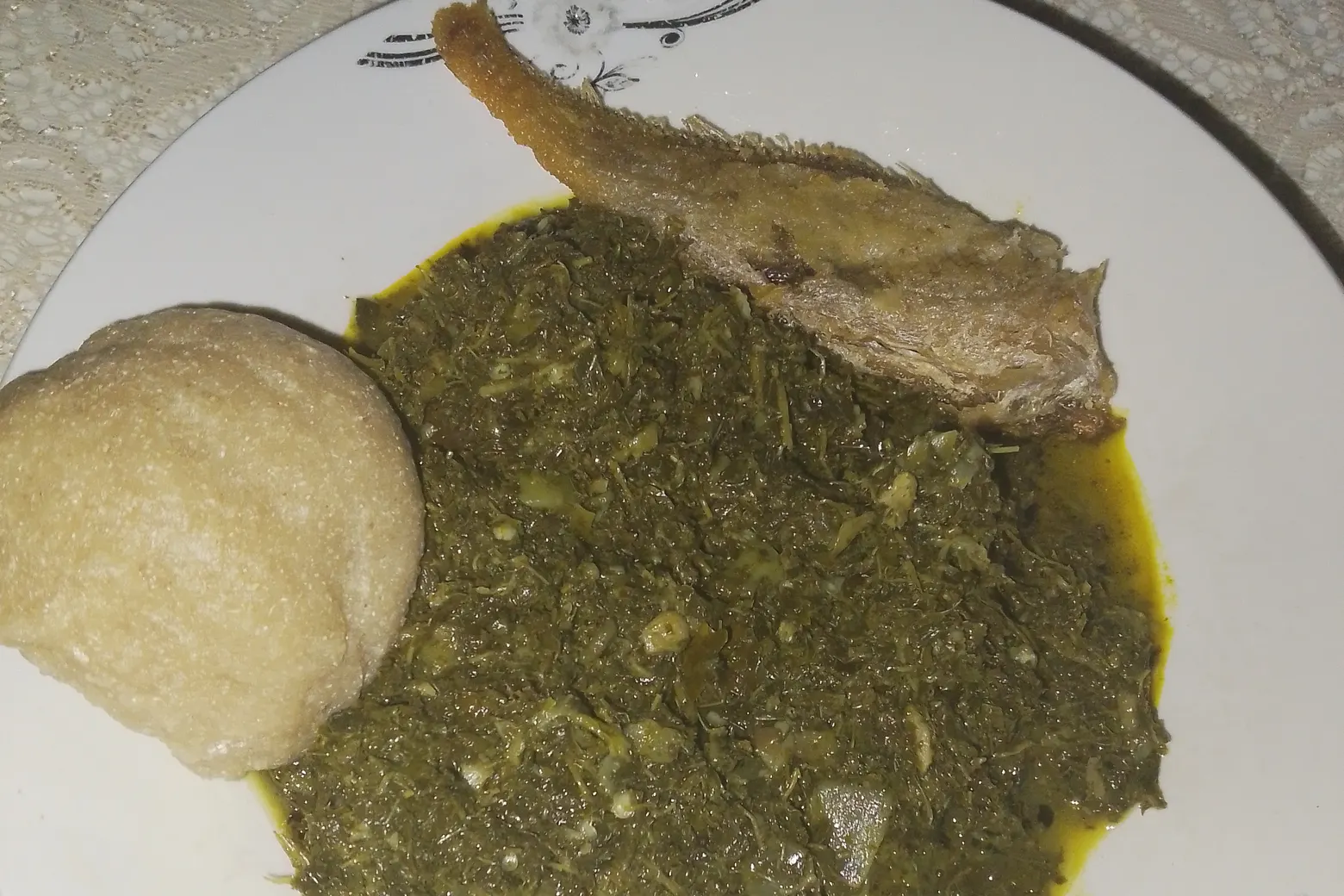
A plate of pondu (saka-saka) cassava leaf stew served with fufu and a piece of fried fish on the side Democratic Republic of the Congo flag Democratic Republic of the Congo 1h 55m
Dinner •Kinshasa Heritage

Pondu

Pondu is the deep-green cassava leaf stew of the Democratic Republic of the Congo: pounded leaves boiled long, then simmered low and slow in red palm oil with peanut butter, onion, garlic, tomato and eggplant until thick and glossy. This plant-based pondu recipe keeps the traditional method and flavour, with smoked fish left out so the pot stays vegan. One serving is about 425 g.

Comfort & Warmth

Slow-simmered pounded cassava leaves in red palm oil with peanut butter, onion and eggplant — a deep-green, hearty stew from the Congo Basin.

Pairs Well With
Fufu, boiled plantains and a spoonful of hot sauce
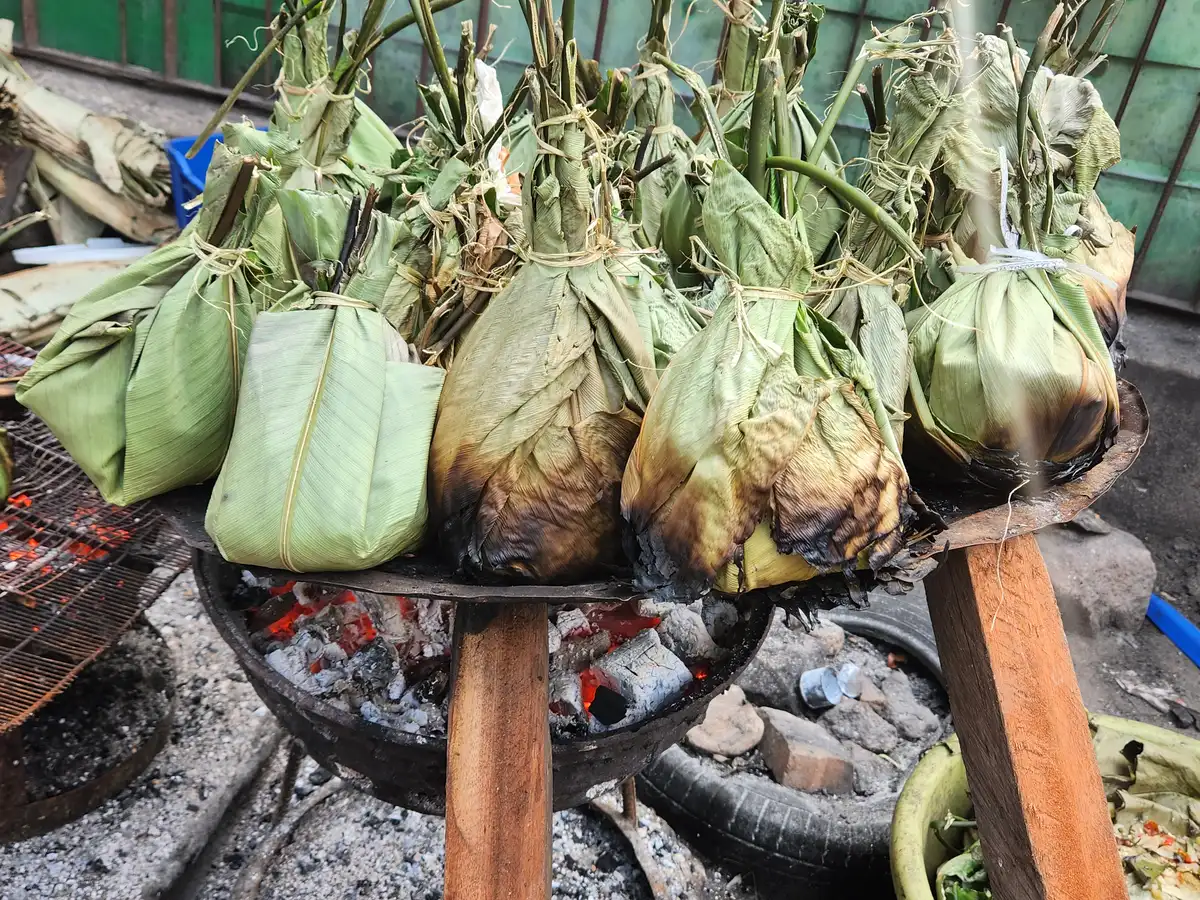
Liboke leaf parcels grilling over a charcoal fire in the Democratic Republic of the Congo Democratic Republic of the Congo flag Democratic Republic of the Congo 55m
Dinner •Congo River Heritage

Liboke

Liboke is the Congo River's way of cooking fish: tilapia, tomato and onion folded into banana leaves, tied into parcels and steamed until the fish flakes and the leaves smell of smoke and citrus. Unwrapping a hot liboke at the table is half the pleasure — the steam carries ginger, garlic and lemon before you even see the fish. This liboke recipe makes 4 parcels in 55 minutes. One serving is about 313 g.

Light & Fresh

Tilapia steamed in banana leaves with tomato, onion, lemon and ginger — the Congo River's parcel cooking, light, fragrant and high in protein.

Pairs Well With
Steamed white rice, boiled plantains and chikwangue
High Protein
Bœuf bourguignon — French beef braised in red wine France flag France 4h
Dinner •Burgundy Terroir

Bœuf Bourguignon

Beef braised gently in red wine until the connective tissue melts into a velvet, gelatin-rich sauce — the classic Burgundy Sunday dinner.

Cellular Repair

Beef braised in red wine until spoon-tender, with mushrooms and pearl onions.

Pairs Well With
Parsnip Purée & Steamed French Haricots Verts
High Protein
Vietnamese braised pork belly with golden eggs in caramel sauce Vietnam flag Vietnam 1h 45m
Dinner •One Pot

Vietnamese Braised Pork and Eggs

Pork belly slowly braised in coconut water and caramel until meltingly tender, with golden eggs that soak up the sweet-savoury sauce — the Vietnamese family dish that tastes better the next day.

Comfort & Sustained Energy

Slow-braised pork belly and eggs in coconut water and caramel.

Pairs Well With
Steamed rice & pickled mustard greens
High Protein

The Dinner Gazette

Never wonder what’s for dinner again

One email a week with easy dinner ideas from around the world — ingredients, steps and nutrition, tested in our kitchen first.

Delivered every Thursday morning. Unsubscribe anytime.