
Curated recipes from 193 countries  •  New seasonal Mediterranean issue out now

Overview

Quiche Lorraine

Lorraine Bacon Tart

This quiche lorraine recipe bakes smoked bacon and Gruyère into a rich egg-and-cream custard inside a crisp, buttery pastry shell, until the top is golden and just set. One serving is about 135 g (1 slice of 8).

Quiche Lorraine comes from Lorraine in north-eastern France, where a savoury egg-and-cream tart baked in bread dough was a farmhouse meal long before it became a bistro classic. The name comes from the German Kuchen, cake, a reminder that Lorraine sat on the French-German border. The classic version is deliberately simple — bacon, eggs, cream and pastry, with no cheese at all in the oldest recipes — and Gruyère only became a common addition as the dish spread through France in the twentieth century.

Pairs well with: A green salad with a sharp vinaigrette

Provenance

France flag France

Lorraine Bistro Classic

Nordic & European

Time Dedication

1h 45m

45m prep • 60m cook

Batch Yield

8 Servings

437 kcal per serving

1 serving ≈ 135 g

Technical Skill

Intermediate

Medium (Pastry & Custard)

Meal Timing & Digestive Fit

Breakfast

Not Advised

Lunch

Prime Metabolic Fit

Dinner

Ideal Hearty Main

Snack & Tea

Inappropriate

Occasions: Weekend lunch, picnics, a light dinner with salad Cost: Medium — about $2–3 per serving at home
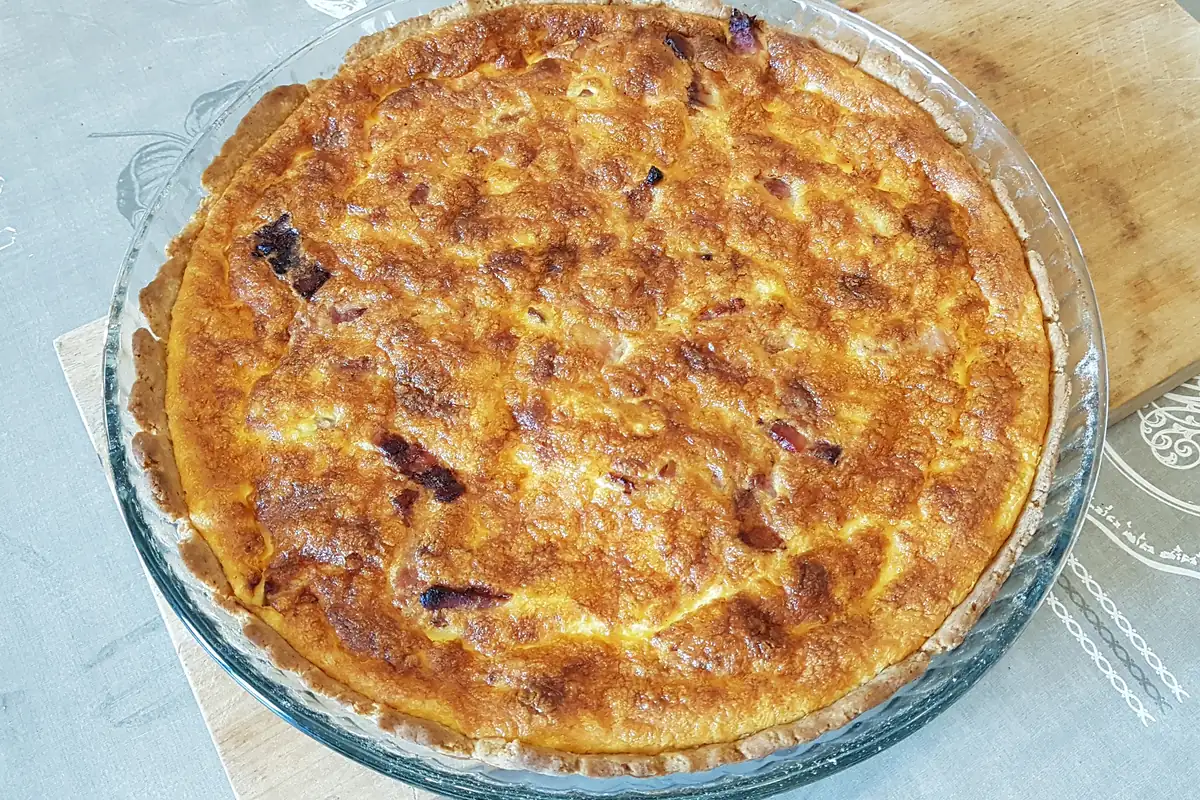
A whole golden quiche Lorraine with bacon pieces in the custard, in a glass dish

Lorraine Bistro Classic

Photo: Claude Humbert, CC BY-SA 4.0, via Wikimedia Commons

The Heritage Formulary

Measured Ingredients

Estimated cost: Medium — about $2–3 per serving at home (USD)

A good quiche Lorraine has a crisp pastry shell, a silky custard that is just set, and smoky bacon in every slice — never rubbery, never soggy.

Execution Methodology & Culinary Technique

Step-by-Step Cooking Guide

Active 1h 45m
P

Prep Stage: Make the Pastry and Fry the Bacon

45 Mins • Pastry & Frying

Rub the cold butter into the flour with 2 g of salt until the mix looks like breadcrumbs, then add 45 ml of cold water and bring it together into a dough. Wrap and chill for 30 minutes. Meanwhile fry the bacon lardons in a dry pan for 5 minutes until crisp, drain well on paper towels, and grate the Gruyère.

Maestro Tip: Keep everything cold — cold butter and cold water are what make the pastry crisp instead of tough.

  1. 1

    Make and Chill the Pastry

    15 Mins Room temperature, then chill

    Rub the cold butter cubes into the flour with 2 g of the salt until the mix looks like breadcrumbs. Add 45 ml of cold water and bring it together into a dough with your hands, then wrap and chill for 30 minutes. Roll the dough out on a floured surface and line a 23 cm tart tin, trimming the edges.

    Handle the dough as little as possible — warm hands melt the butter and toughen the pastry.

    Done when: The pastry is smooth, cool, and lines the tin without cracks.

  2. 2

    Blind-Bake the Shell

    20 Mins Oven at 190°C (375°F)

    Line the pastry with baking paper, fill with baking beans or rice, and bake at 190°C (375°F) for 15 minutes. Remove the paper and beans and bake for 5 more minutes until the base looks dry and pale gold.

    A dry base is the whole secret — a wet base turns soggy under the custard.

    Done when: The shell is set, dry, and pale gold at the edges.

  3. 3

    Fry the Bacon and Mix the Custard

    10 Mins Medium heat, ~180°C (350°F)

    Fry the bacon lardons in a dry pan over medium heat for 5 minutes until crisp, then drain well on paper towels. Whisk the eggs with the cream, milk, nutmeg, pepper and the remaining 2 g of salt until just combined.

    Drain the bacon well — fat left in the pan would make the custard greasy.

    Done when: The bacon is crisp and the custard is smooth and pale yellow.

  4. 4

    Fill and Bake

    40 Mins Oven at 180°C (350°F)

    Scatter the bacon and Gruyère over the base of the hot pastry shell, then pour in the custard. Bake at 180°C (350°F) for 35–40 minutes, until the top is golden and the centre barely wobbles when you shake the tin. Rest for 10 minutes before slicing.

    The custard is done when the centre wobbles like jelly, not liquid — it sets as it cools.

    Done when: The top is golden, the custard is just set, and a knife comes out clean.

Finishing Touches & Plating

Rest the quiche for 10 minutes after baking so the custard sets, then slice with a sharp knife and serve warm with a green salad.

Nutritional Physiology & Benefits

Nutrition

Energy

437

kcal / serving

Protein

14g

Complete AA

Carbs

21g

Complex

Fats

33g

Healthy

Per serving (8 servings · 1 serving ≈ 135 g)
Energy437 kcal
Protein14 g
Carbohydrates21 g
Fat33 g
Fibre0.7 g
Sugar1.9 g
Sodium470 mg
Per 100g
Energy323 kcal
Protein10.4 g
Carbohydrates15.6 g
Fat24.2 g
Fibre0.5 g
Sugar1.4 g
Sodium348 mg

Nutrition values are estimated — calculated from USDA FoodData Central values for the listed ingredients.

Vitamins & minerals: Vitamin B12 and B2 (eggs, cheese), vitamin A (butter, eggs), calcium (Gruyère, milk).

A Filling, Protein-Rich Lunch

About 14 g of protein per serving from eggs, bacon and Gruyère — a slice with salad is a complete lunch.

Eggs, Cheese and Cream

The custard brings B vitamins and calcium from the eggs, milk and Gruyère, with vitamin A from the butter.

Baked, Not Fried

Everything cooks gently in the oven, and the bacon is fried and drained first so the custard stays silky, not greasy.

Food Pairings

What to Eat With

To optimize nutrient absorption and elevate the sensory depth, pair with these authentic accompaniments:

Vegetables

A Green Salad

A sharp, lemony salad cuts the richness of the cream and bacon — the classic French way to serve quiche.

Drinks

A Glass of Dry White Wine

A crisp white wine matches the salty bacon and the nutty Gruyère without fighting the creamy custard.

Sides

Roasted Tomatoes

Sweet, soft roasted tomatoes add acidity and colour, and their juices balance the buttery pastry.

Full Menus

As Part of a Picnic

Quiche travels well and tastes good warm or at room temperature — pack it with salad, fruit and bread.

Complete menu

Serve a slice of quiche Lorraine warm with a green salad, roasted tomatoes and a glass of dry white wine.

Digestive Guardrails

What NOT to Combine

To prevent digestive distress, sluggishness, or palate clash, avoid pairing the dish with these elements:

A Sweet Filling

Sweet onions or sugary sauces would turn the quiche into a dessert tart — the filling should be savoury, salty and creamy. This is general guidance, not medical advice.

Cutting the Quiche Too Soon

A quiche cut straight from the oven runs and falls apart; a 10-minute rest lets the custard set so the slices hold their shape.

General information only, not medical advice — consult a doctor for personal dietary decisions.

Who Should Eat It

Who Should Eat

  • General adultsA satisfying lunch — one slice with a big salad makes a complete meal.
  • ChildrenSuitable from age 3+; soft custard and pastry are easy to eat. Cut into small pieces for young children.
  • ElderlyGood in a modest portion — soft, warm and easy to chew; serve warm, not hot.
  • Pregnant womenGenerally suitable; the eggs and bacon are fully cooked. Keep the salt moderate.
  • Breastfeeding womenGenerally suitable; the protein and calcium help after feeding — a filling, satisfying lunch.
  • AthletesA good post-training meal: protein from eggs, bacon and cheese with carbs from the pastry.
  • Weight gainA good choice — take a generous slice with bread and salad.
  • Weight lossA rich dish — take a small slice with a big salad and go easy on the pastry.

Health Conditions — Adjust or Avoid

Conditions

  • DiabetesThe pastry is the main source of carbs — keep to a small slice with salad and ask your clinician about portion size.
  • High blood pressureMost of the sodium comes from the bacon, cheese and salt; season lightly. Ask your clinician about a suitable portion.
  • Kidney diseaseLimit the portion (potassium from the eggs and milk); ask your clinician about portion size.
  • GoutEat occasionally and in smaller portions — bacon and cheese are rich foods, and the dish is often served with wine.
  • Stomach issuesUsually gentle; the rich custard can trouble sensitive stomachs, so use less cream and keep the portion modest.
  • Cardiovascular diseaseKeep the portion modest and favour the filling over the pastry; the dish is rich in saturated fat.
  • Fatty liverKeep to a small slice and add a large salad instead of extra pastry or bread.
  • Food allergiesContains egg, milk, wheat (pastry) and pork (bacon). Naturally free of nuts and fish.
  • Special therapeutic dietsIf you follow a prescribed low-sodium diet, use low-sodium bacon and less salt, and check with your clinician.

If you have a medical condition, consult your doctor before changing your diet.

Storage & Use

Storage & Use

How to store
Cool completely, then cover and store in the fridge.
In the fridge
3 days.
In the freezer
2 months, wrapped tightly in foil (baked, unsliced).
How to reheat
Warm in the oven at 180°C (350°F) for 15 minutes; reheat to 74°C (165°F).
Freezing recommended
Yes — freeze after baking and cooling, then reheat from frozen.
Signs it has spoiled
Sour smell, slimy filling, or mould on the pastry.

More recipes to explore

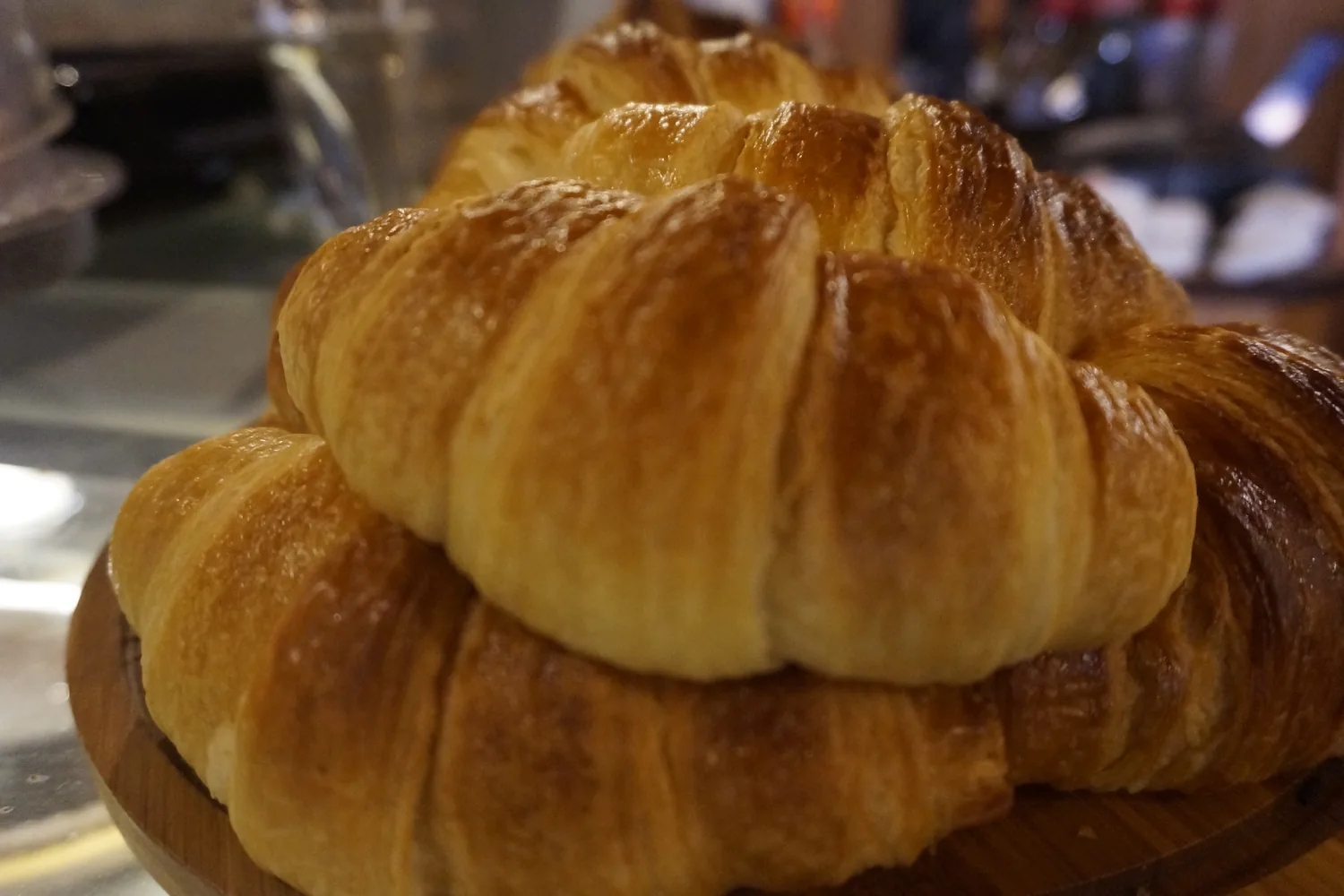
Golden butter croissants on a wooden board France flag France 20m
Breakfast •Parisian Boulangerie

Croissant au Beurre & Café

Laminated cultured butter pastry paired with washed Arabica, for a slow, pleasurable Parisian morning — best with a little protein alongside. One serving is about 390 g.

Sustained Focus

Flaky all-butter croissant with café au lait, Comté and green apple.

Pairs Well With
Comté cheese wedge & Green apple slices
Quick Prep (<30m)

Bœuf bourguignon — French beef braised in red wine France flag France 4h
Dinner •Burgundy Terroir

Bœuf Bourguignon

Beef braised gently in red wine until the connective tissue melts into a velvet, gelatin-rich sauce — the classic Burgundy Sunday dinner.

Cellular Repair

Beef braised in red wine until spoon-tender, with mushrooms and pearl onions.

Pairs Well With
Parsnip Purée & Steamed French Haricots Verts
High Protein
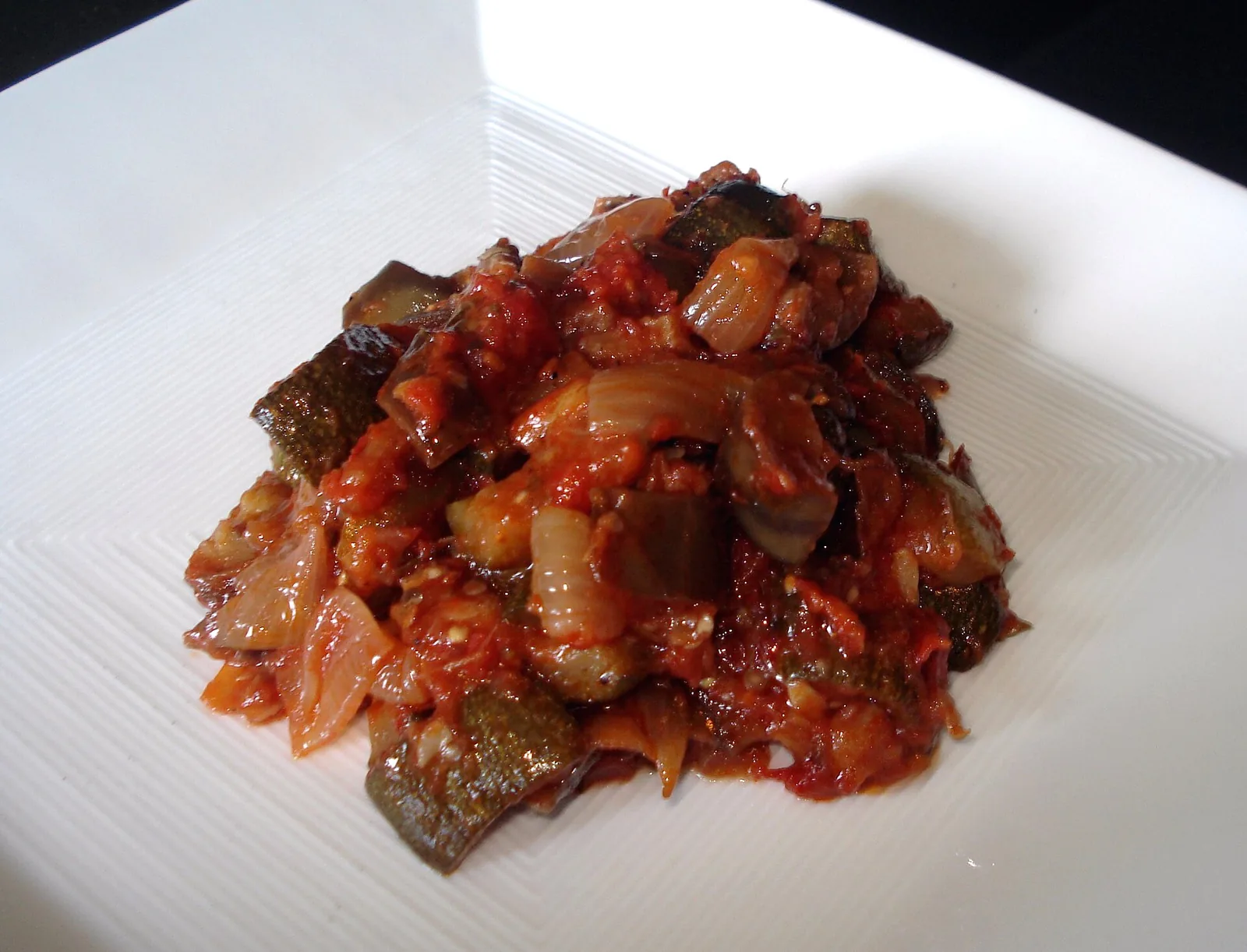
A mound of classic ratatouille with eggplant, zucchini, tomato and onion on a white plate France flag France 1h 15m
Dinner •Nice Provençal

Ratatouille

This ratatouille recipe cooks eggplant, zucchini, peppers and tomatoes separately first, so each vegetable keeps its own texture, then brings them together for a slow, fragrant simmer. One serving is about 400 g.

Light & Vegetable-Rich

Slow-simmered summer vegetables in olive oil — light, fragrant and full of fibre.

Pairs Well With
Crusty sourdough bread, grilled fish or a fried egg
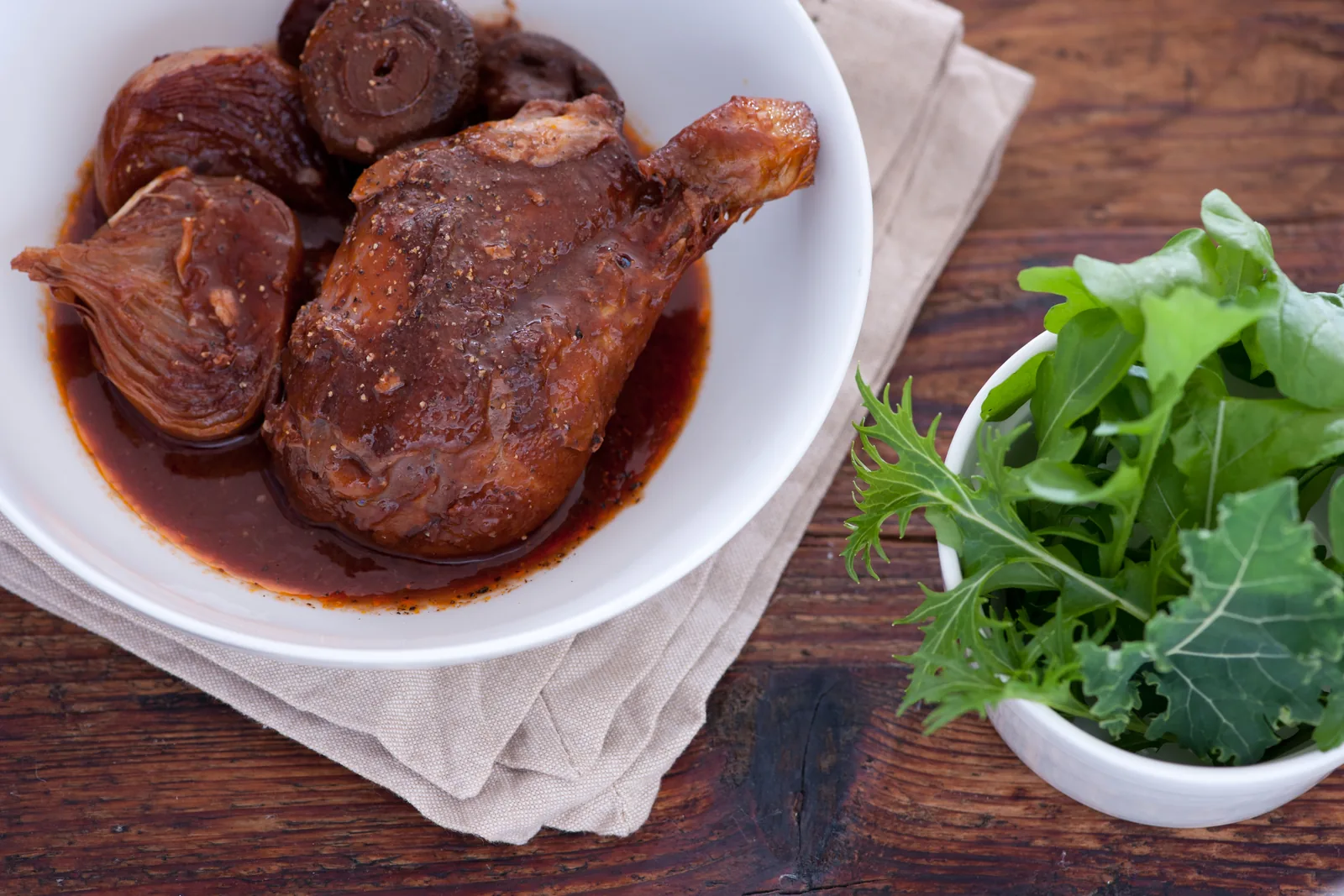
A bowl of coq au vin with a braised chicken leg in dark red wine sauce with mushrooms and onions, greens on the side France flag France 1h 40m
Dinner •Burgundy Classic

Coq au Vin

This coq au vin recipe is the Burgundy classic: chicken thighs browned with bacon, then braised in red wine with mushrooms, pearl onions and carrots until the meat is tender and the sauce is dark and glossy. One serving is about 375 g. It takes 1 hour 40 minutes, most of it hands-off while the pot simmers.

Comfort & Warmth

Chicken braised slowly in red wine with mushrooms, pearl onions and bacon until it falls off the bone.

Pairs Well With
Mashed potatoes, crusty bread & Burgundy wine

The Dinner Gazette

Never wonder what’s for dinner again

One email a week with easy dinner ideas from around the world — ingredients, steps and nutrition, tested in our kitchen first.

Delivered every Thursday morning. Unsubscribe anytime.