
Curated recipes from 193 countries  •  New seasonal Mediterranean issue out now

Overview

Rellenitos de Plátano

Little Stuffed Plantains, Rellenitos de Platano Maduro

Rellenitos de platano are golden, egg-shaped fritters made from sweet mashed ripe plantains stuffed with a dark, cinnamon-scented black bean paste, fried until crisp outside and soft inside, then dusted with powdered sugar. One serving is about 280 g (3 rellenitos). This rellenitos de platano recipe makes 12 fritters in about 55 minutes, using just two main ingredients and pantry spices.

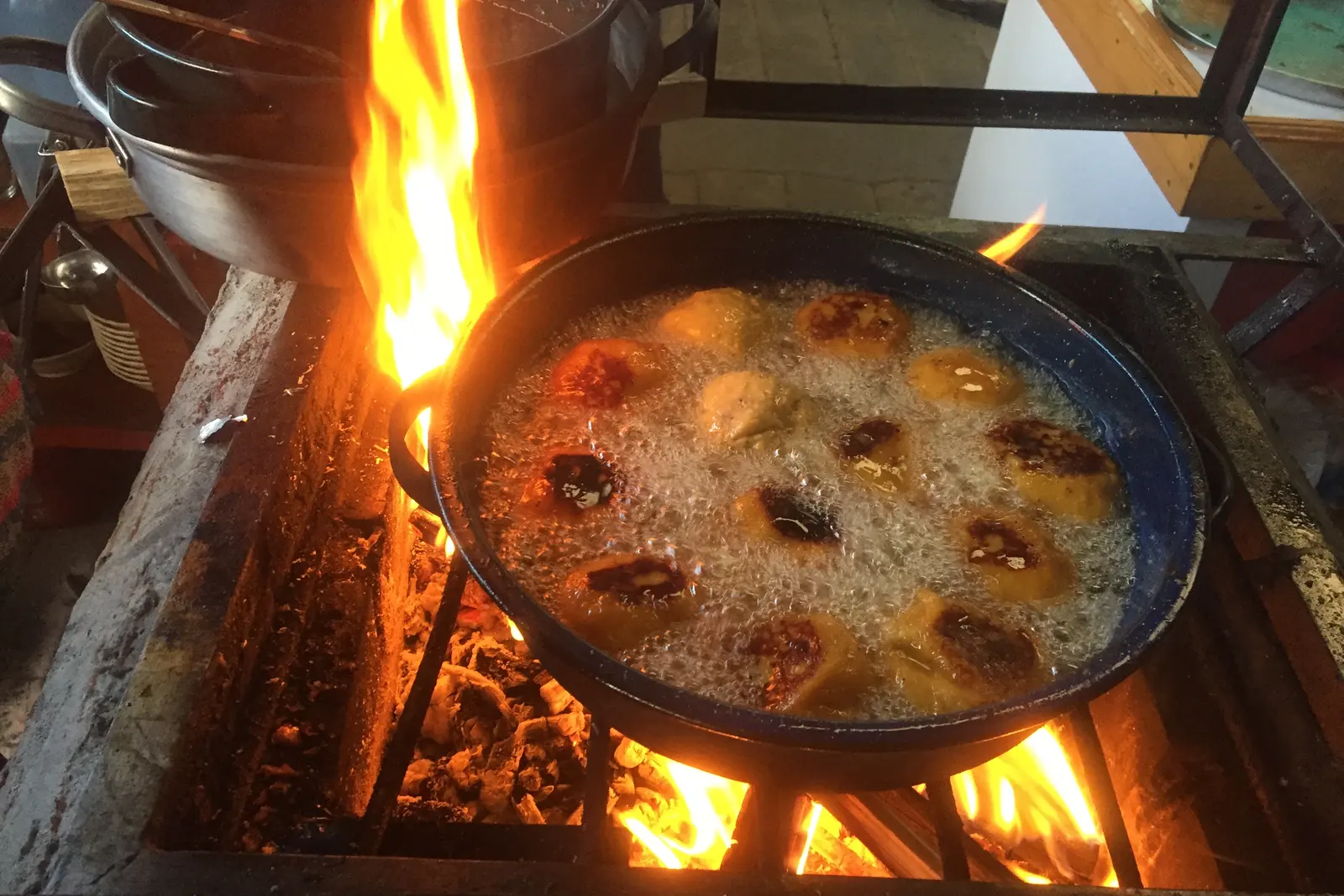
Rellenitos de plátano are a fixture of Guatemalan street food and home cooking, sold warm from market stalls in towns such as Antigua, where vendors fry them over wood fires and dust them with sugar for passers-by. The dish pairs the two foods that anchor much of Guatemalan cooking — ripe plantains and black beans — in a sweet form, with cinnamon and a little chocolate or cocoa in the filling. They are eaten year-round as a snack or dessert, and are a familiar sight at fairs and family gatherings across the country.

Pairs well with: Serve warm with a cup of coffee or hot chocolate and a spoonful of crema or honey on the side.

Provenance

Guatemala flag Guatemala

Guatemalan Market Snack

Latin America & Caribbean

Time Dedication

55m

25m prep • 30m cook

Batch Yield

4 Servings

441 kcal per serving

1 serving ≈ 280 g

Technical Skill

Intermediate

Medium (Shaping & Frying)

Meal Timing & Digestive Fit

Breakfast

Not Advised

Lunch

Inappropriate

Dinner

Inappropriate

Snack & Tea

Ideal Light Bite

Occasions: Afternoon snack, market food, family gatherings, festive desserts, coffee breaks Cost: Low — about $2–3 per serving at home
Golden rellenitos de platano frying in bubbling oil in a pan over a wood fire in Guatemala

Guatemalan Market Snack

Photo: David Amsler, CC BY 2.0, via Wikimedia Commons

The Heritage Formulary

Measured Ingredients

Estimated cost: Low — about $2–3 per serving at home (USD)

This recipe follows the common Guatemalan home method: plantains boiled with cinnamon, a stiff sweetened black bean and cocoa filling, and shallow frying at 175°C (350°F) until golden.

Execution Methodology & Culinary Technique

Step-by-Step Cooking Guide

Active 55m
P

Pick plantains that are almost black

5 minutes

The whole dish depends on ripeness: plantains with mostly black skins are at their sweetest and softest, and their mash is sticky enough to wrap around the filling without any binder. Yellow or green plantains are starchy and will crack when you shape them. Set out a large bowl, a potato masher or fork, a small saucepan, and a wide heavy skillet before you start, and wet your hands before shaping — the plantain dough sticks far less to damp skin.

Maestro Tip: If your plantains are only yellow with a few black spots, leave them in a paper bag with a ripe banana for a day or two until the skins darken.

  1. 1

    Boil the plantains until very soft

    15 minutes 100°C (212°F)

    Put the plantain chunks in a large pot, cover with cold water, and add half the cinnamon (about 1.5g). Bring to a rolling boil over high heat, then lower to a steady simmer and cook for 12–15 minutes, until a fork slides through a chunk with no resistance. Drain well in a colander and leave for 2 minutes so the steam escapes; too much water left in the mash makes the dough slack.

    Boiling with the cinnamon scents the dough from the inside — a small touch that makes the finished fritters taste unmistakably Guatemalan.

    Done when: A fork passes through the thickest chunk effortlessly and the flesh looks soft and slightly translucent at the edges.

  2. 2

    Make the sweet bean filling

    5 minutes Medium heat, about 150°C (300°F)

    While the plantains boil, warm the refried black beans in a small saucepan over medium heat. Stir in the granulated sugar, the cocoa powder and the remaining cinnamon, and keep stirring for about 5 minutes until the mixture is thick, dark and glossy, and holds its shape when you scoop it. It should be a stiff paste, not a sauce — if it is runny, cook it 2–3 minutes longer until it firms up. Taste and add the pinch of salt if the beans are unsalted. Set aside to cool slightly.

    A stiff filling is the secret to rellenitos that do not burst in the oil; if your spoon leaves a clean trail that stays open, the filling is ready.

    Done when: The paste mounds on a spoon and a trail drawn through it with the spoon stays open for a few seconds.

  3. 3

    Mash the plantains into a smooth dough

    15 minutes Room temperature

    Tip the hot drained plantains into a large bowl and mash immediately with a potato masher or a sturdy fork until completely smooth, with no lumps — lumps tear when you shape the dough. Work quickly while the plantains are hot, as they stiffen as they cool. The mash should feel like soft, slightly sticky dough. If it feels too soft to hold a shape, cover the bowl and chill it for 15 minutes before shaping.

    Mashing while hot is much easier than mashing cold plantains, and a smooth dough seals cleanly around the filling.

    Done when: The mash is smooth, uniform and pliable, and a pressed ball holds its shape without cracking at the edges.

  4. 4

    Fill and seal each rellenito

    10 minutes Room temperature

    Wet your hands. Take about 2 tablespoons of plantain dough (roughly a golf-ball amount) and flatten it in your palm into an oval about 8 cm (3 inches) long and 6 mm (1/4 inch) thick, cupping the edges up like a small bowl. Place about 1 tablespoon of the bean filling in the centre, then fold the plantain up and over the filling, pinching the edges together to seal. Roll gently between damp palms into a smooth egg shape about 8 cm (3 inches) long. Repeat until you have 12 rellenitos, keeping them on a lightly oiled plate so they do not stick.

    Seal every seam with a firm pinch and smooth it over — any gap lets the filling leak into the oil and the fritter fall apart.

    Done when: Each rellenito is a smooth sealed oval with no cracks and no filling showing through the shell.

  5. 5

    Fry until deep golden on both sides

    10 minutes 175°C (350°F)

    Heat the oil in the skillet over medium-high heat to 175°C (350°F); a small piece of dough dropped in should sizzle at once and rise to the surface. Fry the rellenitos in two batches of six, leaving space between them, for 2–3 minutes per side until deep golden brown and crisp at the edges. Turn them once with a slotted spoon and do not crowd the pan, or the oil cools and the fritters soak up grease. Lift out, drain on paper towels for 1 minute, and dust generously with powdered sugar while still hot. Serve warm.

    Keep the oil near 175°C (350°F) between batches — if it drops below about 160°C (320°F) the fritters turn greasy, and above about 190°C (375°F) the sugar in the plantains burns before the inside warms through.

    Done when: Deep golden brown all over with a lightly crisp shell; the centre is hot and steaming when one is cut open.

Finishing Touches & Plating

Dust the hot rellenitos with powdered sugar so it melts lightly onto the crisp shell, and serve them warm within 15 minutes, while the outside is still crisp and the bean filling is soft and warm.

Nutritional Physiology & Benefits

Nutrition

Energy

441

kcal / serving

Protein

9g

Complete AA

Carbs

91g

Complex

Fats

9g

Healthy

Per serving (4 servings · 1 serving ≈ 280 g)
Energy441 kcal
Protein9 g
Carbohydrates91 g
Fat9 g
Fibre11.0 g
Sugar41.4 g
Sodium155 mg
Per 100g
Energy157 kcal
Protein3 g
Carbohydrates32.6 g
Fat3.2 g
Fibre3.9 g
Sugar14.8 g
Sodium55 mg

Nutrition values are estimated — calculated from USDA FoodData Central values for the listed ingredients.

Vitamins & minerals: Nutrition is estimated. Ripe plantains provide potassium and vitamin C, black beans provide iron, magnesium and folate, and cocoa adds a little iron and magnesium.

Plantains and beans, two whole foods

The dish is built on two minimally processed foods: ripe plantains, which provide potassium and vitamin C, and black beans, which provide plant protein, iron and folate.

Steady energy from fibre and starch

Each serving provides about 11 g of fibre from plantains and beans, and the combination of starch and fibre digests more slowly than a plain sugary snack.

Naturally gluten-free and meat-free

The recipe contains no wheat, egg or meat, so it suits gluten-free and vegetarian eaters as written — a useful sweet option for mixed tables.

Food Pairings

What to Eat With

To optimize nutrient absorption and elevate the sensory depth, pair with these authentic accompaniments:

Drinks

Hot coffee or hot chocolate

A bitter, hot drink balances the sweetness of the plantain and the richness of the fried shell, and it is how rellenitos are most often eaten at Guatemalan markets.

Sides

Crema or a drizzle of honey

A spoonful of cool crema or a thin drizzle of honey adds a tangy or floral note that cuts through the frying oil and makes the cinnamon in the filling stand out.

Vegetables

Fresh fruit on the side

Sliced mango, papaya or pineapple adds fresh acidity and lightness next to a rich fried snack, and keeps the plate from feeling heavy.

Full Menus

As the sweet end of a Guatemalan meal

Rellenitos work well after a savoury main such as pepián or jocón: the meal moves from spicy and savoury to sweet without needing a second dessert.

Complete menu

Serve three warm rellenitos dusted with powdered sugar after a savoury Guatemalan main such as pepián, with a cup of hot coffee or hot chocolate and fresh sliced mango on the side.

Digestive Guardrails

What NOT to Combine

To prevent digestive distress, sluggishness, or palate clash, avoid pairing the dish with these elements:

Very sugary drinks alongside

Each serving already contains about 41 g of sugars from the plantains, filling and dusting, so pairing rellenitos with sweetened soda or a sugary juice adds a large amount of sugar in one sitting. Water, unsweetened coffee or tea is a better match. This is general information, not medical advice.

Large portions if you watch blood sugar

Three rellenitos carry about 91 g of carbohydrate, so anyone managing blood sugar should keep to a smaller portion and check with their clinician about how a sweet fried snack fits their plan. This is general information, not medical advice.

Eating them cold after long storage

Leftover rellenitos that have sat at room temperature for hours can dry out and, like any cooked food left out, should not be eaten after more than 2 hours at room temperature. Reheat them properly or discard them. This is general information, not medical advice.

General information only, not medical advice — consult a doctor for personal dietary decisions.

Who Should Eat It

Who Should Eat

  • General adultsA satisfying sweet snack; enjoy in moderation as part of a varied diet, since it is fried and sweet.
  • ChildrenChildren usually love the sweet, soft filling; serve one rellenito at a time, cut in half for small children, and let it cool enough to eat safely.
  • ElderlySoft inside and easy to chew, which suits many older eaters; serve warm and in a small portion because the dish is rich.
  • Pregnant womenThe beans provide folate and iron, which are useful in pregnancy; eat freshly cooked and hot, and keep portions modest because of the sugar and frying.
  • Breastfeeding womenA filling, energy-rich snack; fine in normal portions as part of a balanced diet, with water rather than a sugary drink alongside.
  • AthletesUseful as a quick carbohydrate-rich snack after training, with about 91 g of carbohydrate per serving; pair with a protein source if the meal needs more protein.
  • Weight gainAt about 441 kcal per serving with a good amount of carbohydrate, it is an easy way to add energy; eat the full serving warm.
  • Weight lossBest as an occasional treat rather than a daily snack: one rellenito (about 147 kcal) with unsweetened coffee satisfies the craving for far fewer calories than a full serving.

Health Conditions — Adjust or Avoid

Conditions

  • DiabetesHigh in carbohydrate and sugars (about 91 g carbohydrate and 41 g sugars per serving), so keep to one rellenito and monitor blood sugar as usual; ask your clinician or dietitian how it fits your plan.
  • High blood pressureSodium is low at about 155 mg per serving, but the dish is fried; keep portions modest and ask your clinician if you are unsure.
  • Kidney diseasePlantains and beans are both rich in potassium, which some kidney diets limit; check with your clinician before eating a full serving.
  • GoutBeans contain purines, though in moderate amounts in one serving; if you have gout, keep the portion small and ask your clinician.
  • Stomach issuesFried food and the fibre from beans can be hard on a sensitive stomach; eat a small portion, well chewed, and avoid eating it on an empty stomach if frying bothers you. Ask your clinician if symptoms persist.
  • Cardiovascular diseaseThe dish is fried and provides about 9 g of fat per serving, mostly from the frying oil; enjoy occasionally in a small portion and ask your clinician about fried foods in your diet.
  • Fatty liverHigh in sugars and fried, so it is best as an occasional small treat rather than a regular snack; ask your clinician for guidance on sweet fried foods.
  • Food allergiesContains no gluten, egg, milk, nuts or soy as written. Check the labels of canned beans and cocoa for shared-facility warnings if you have a severe allergy.
  • Special therapeutic dietsGluten-free and vegetarian as written; not suitable for a low-carbohydrate or low-potassium therapeutic diet without changes. Ask your clinician or dietitian before adapting it.

If you have a medical condition, consult your doctor before changing your diet.

Storage & Use

Storage & Use

How to store
Cool completely, then store in a single layer in an airtight container lined with paper towel, with sheets of paper towel between layers.
In the fridge
Up to 3 days at 0–4°C (32–39°F). The shell softens in the fridge; reheat to restore crispness.
In the freezer
Up to 1 month in a freezer bag with the air pressed out; freeze in a single layer first, then stack. Texture is best when reheated from frozen in the oven.
How to reheat
Reheat in an oven at 180°C (350°F) for 8–10 minutes until hot all the way through (at least 74°C / 165°F in the centre); avoid the microwave, which makes the shell soggy.
Freezing recommended
Freezing is possible but not ideal — the plantain shell loses some crispness; fry fresh when you can, and freeze only the shaped, unfried rellenitos if you want to cook them later.
Signs it has spoiled
Discard if they smell sour or fermented, feel slimy, or show mould; do not eat rellenitos left at room temperature for more than 2 hours.

More recipes to explore

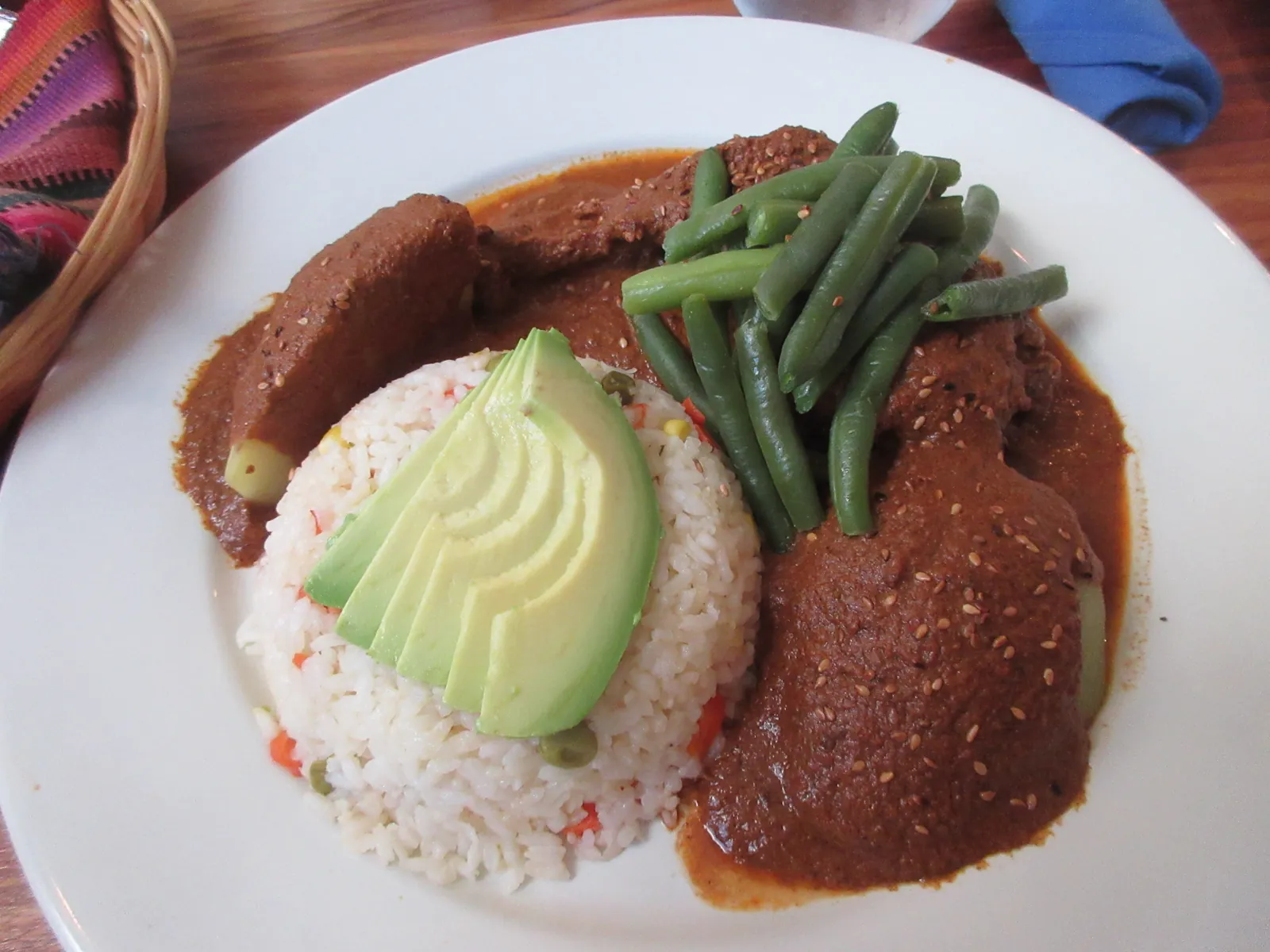
A plate of pepián — chicken in thick reddish-brown toasted-seed sauce with green beans, white rice and sliced avocado Guatemala flag Guatemala 1h 45m
Dinner •Guatemala's National Dish

Pepián

This pepian recipe builds Guatemala's national dish the traditional way — pumpkin and sesame seeds toasted on a dry comal, blended with charred tomatoes, tomatillos and dried chillies into a thick recado, then simmered with chicken, chayote and green beans. One serving is about 430 g.

Comfort & Warmth

A thick, nutty toasted-seed sauce over tender chicken and vegetables — a warming, hearty dinner.

Pairs Well With
White rice, warm corn tortillas and fresh avocado
High Protein
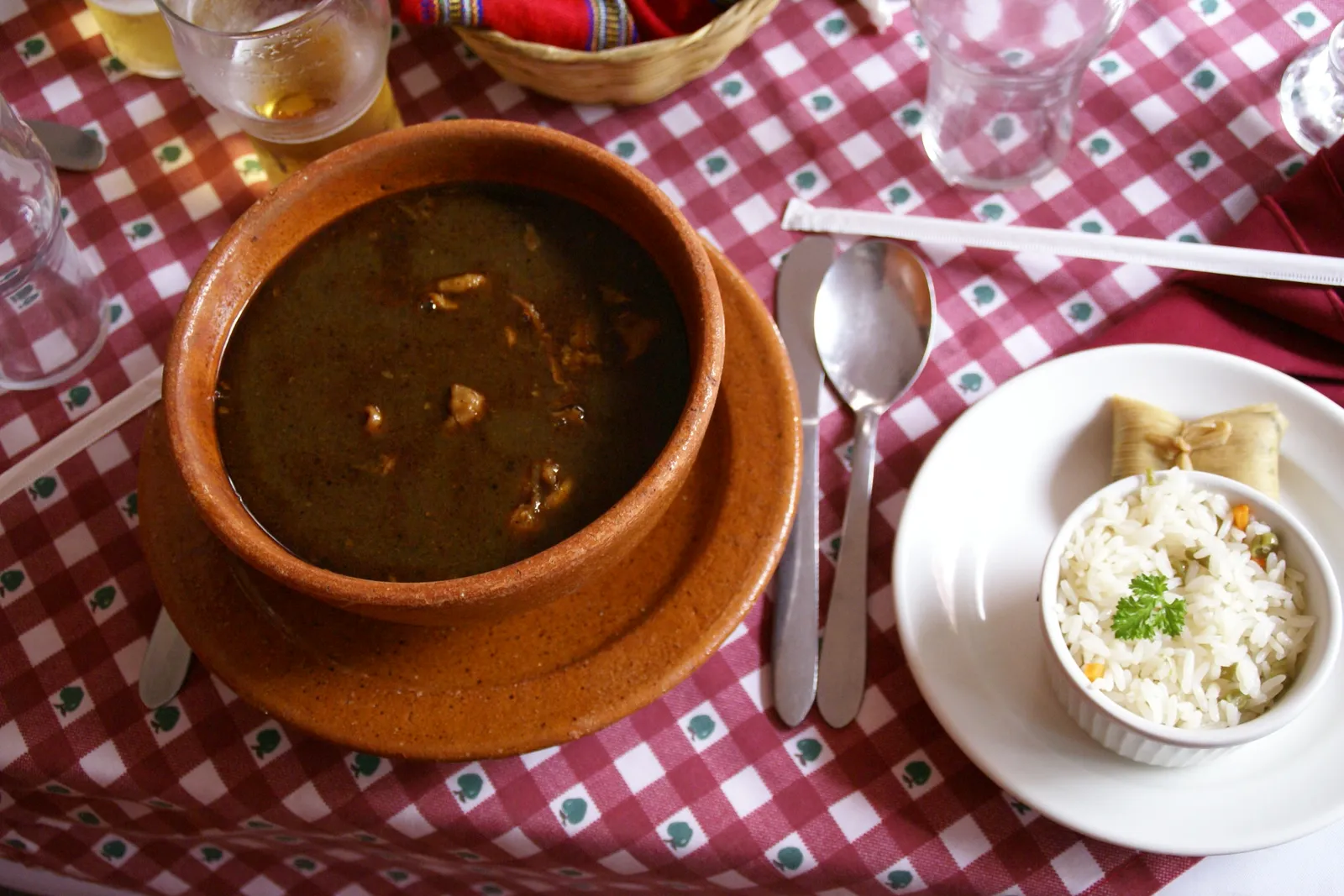
A clay bowl of dark red-brown kakik turkey soup with pieces of turkey, served with white rice and a small tamale Guatemala flag Guatemala 2h 25m
Dinner •Cobán Heritage

Kak'ik

This kakik recipe is the turkey soup of Cobán in Guatemala's Alta Verapaz: bone-in turkey legs simmered until tender in a deep red broth of charred tomatoes, tomatillos, guaque, pasa and cobanero chiles, coloured with achiote and lifted at the end with fresh mint and cilantro. The name comes from the Q'eqchi' Maya words kaq, red, and ik, chile — red and spicy, exactly what lands in the bowl. One serving is about 640 g, soup and turkey together.

Comfort & Warmth

Cobán's brick-red turkey soup, simmered with charred tomatoes, tomatillos, dried chiles and achiote, finished with fresh mint and cilantro.

Pairs Well With
White rice and small white tamales, with avocado slices and a bottle of hot sauce on the table.
Soups & Broths
Pan con tomate with jamón ibérico on toasted bread Spain flag Spain 15m
Snack & Tea •Catalan Aperitivo

Pan con Tomate & Jamón Ibérico

Country bread rubbed with ripe Ramallet tomato, drizzled with cold-pressed Arbequina olive oil and topped with jamón ibérico.

Vascular Health

Toasted tomato bread with jamón ibérico, olive oil and olives.

Pairs Well With
Castelvetrano Olives & Sparkling Mineral Water
Quick Prep (<30m)
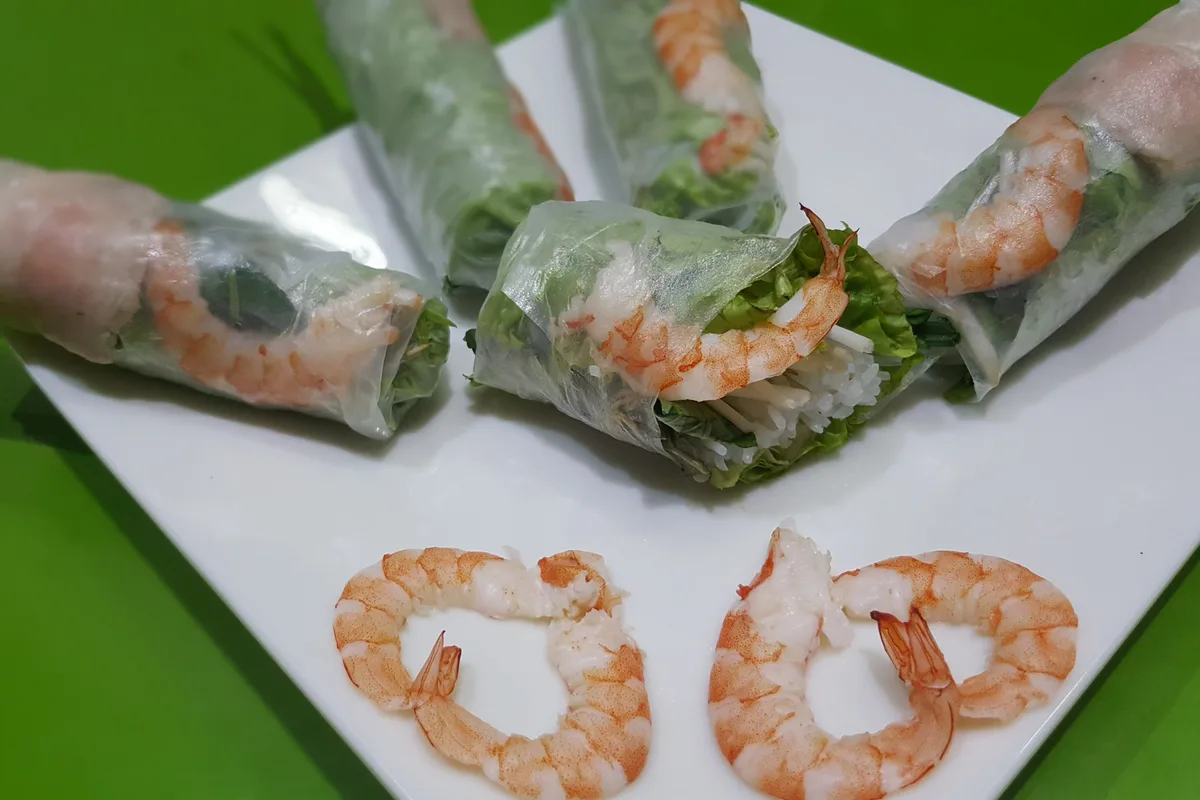
Gỏi cuốn — Vietnamese fresh spring rolls with prawn and pork Vietnam flag Vietnam 1h 5m
Snack & Tea •Saigon Refresh

Gỏi Cuốn Tôm Thịt

Fresh rice paper rolls filled with poached prawns, tender pork, rice vermicelli, lettuce, herbs and carrot, served with a peanut dipping sauce.

Light Digestion

Nothing is fried, so the rolls stay light and fresh — a cool, herb-filled snack for hot days.

Pairs Well With
Artisanal Peanut Dip & Fresh Lotus Root Water
High Protein

The Dinner Gazette

Never wonder what’s for dinner again

One email a week with easy dinner ideas from around the world — ingredients, steps and nutrition, tested in our kitchen first.

Delivered every Thursday morning. Unsubscribe anytime.