
Curated recipes from 193 countries  •  New seasonal Mediterranean issue out now

Overview

Reviro

Reviro Misionero — Paraguayan Fried Dough Crumbs

This reviro recipe turns just flour, water, salt and a little oil into a pan of crisp, golden crumbs — the dough fries as one block, then gets broken up with a wooden spoon until every piece is toasted. It is the classic breakfast of Paraguay's Alto Paraná region, scooped up warm with mate or cocido. One serving is about 182 g.

Reviro comes from the Guaraní villages of Alto Paraná, in eastern Paraguay, where it has long stood in for bread at breakfast and supper. The name describes the stirring itself: the dough is fried as a single block, then broken and turned — reviro — with a wooden spoon until it falls into crisp crumbs. It needs only flour, water, salt and a little fat, which is why it became the food of poor farming families and yerba-mate workers. Some families beat an egg into the dough, a version called reviro con huevo, but the original Alto Paraná recipe has no egg. Today it is eaten across Paraguay and the Argentine Litoral, always with mate or cocido.

Pairs well with: Warm reviro crumbs with a gourd of hot mate or a mug of cocido

Provenance

Paraguay flag Paraguay

Alto Paraná Heritage

Latin America & Caribbean

Time Dedication

25m

10m prep • 15m cook

Batch Yield

4 Servings

546 kcal per serving

1 serving ≈ 182 g

Technical Skill

Easy

Easy (One Pan)

Meal Timing & Digestive Fit

Breakfast

Prime Morning Fit

Lunch

Inappropriate

Dinner

Inappropriate

Snack & Tea

Inappropriate

Occasions: Breakfast, mate time, family meals, everyday meals Cost: Low — about $0.50 per serving at home
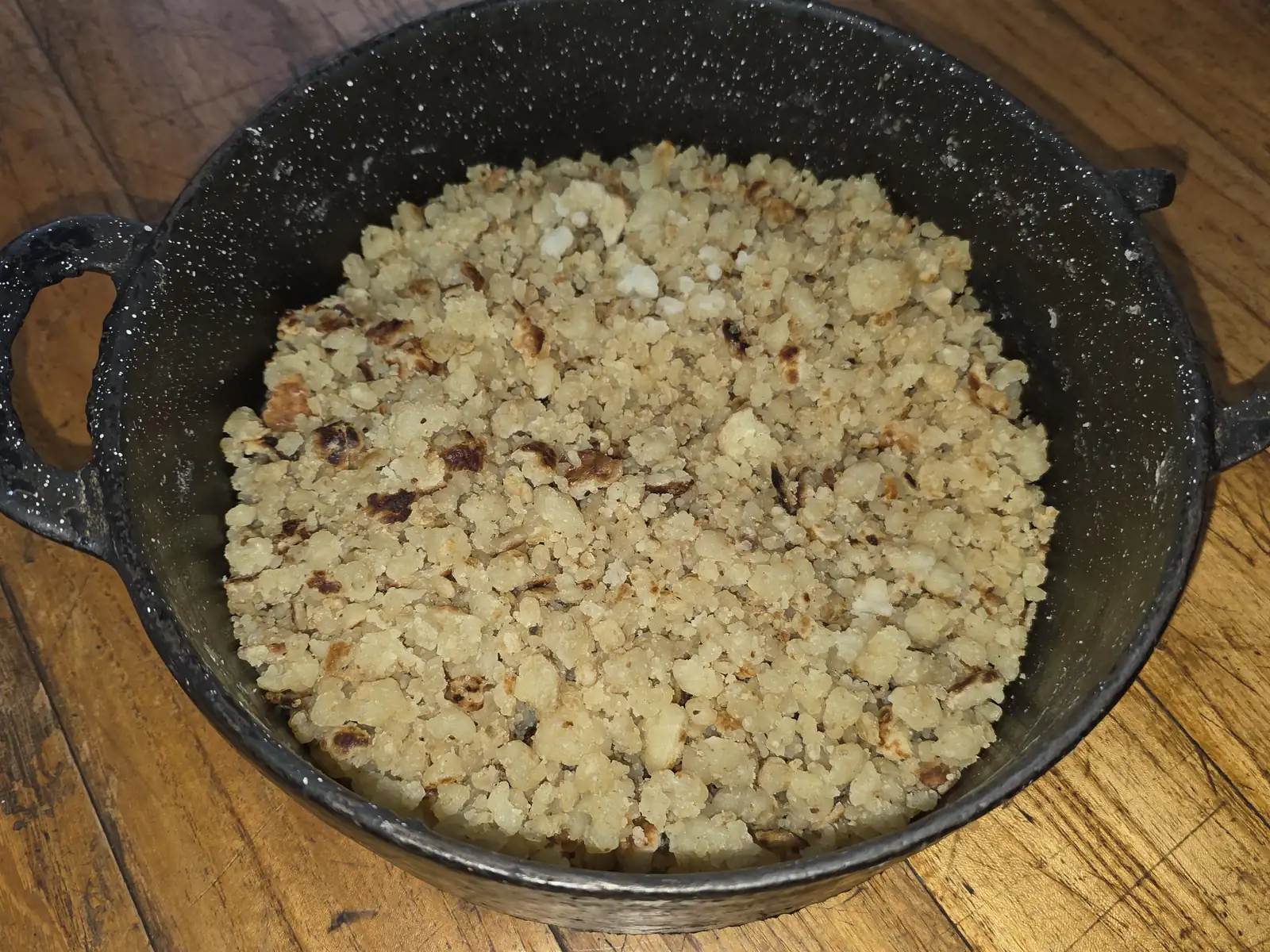
Golden reviro crumbs with toasted browned bits in a black cast-iron pot on a wooden table

Alto Paraná Heritage

Photo: Horacio Cambeiro, CC BY-SA 3.0, via Wikimedia Commons

The Heritage Formulary

Measured Ingredients

Estimated cost: Low — about $0.50 per serving at home (USD)

Good reviro is dry and crisp, in small even crumbs, golden all over with a few darker toasted flecks.

Execution Methodology & Culinary Technique

Step-by-Step Cooking Guide

Active 25m
P

Prep Stage: A Soft, Sticky Dough

10 Mins • Mixing

Reviro dough is not kneaded like bread dough — it is stirred into a soft, wet, sticky mass that barely holds together. That wet dough is the whole trick: it fries into a block, then breaks apart into crumbs instead of setting into a loaf. Add the water a splash at a time and stop as soon as the dough pulls away from the bowl.

Maestro Tip: If the dough feels firm and dry, add water a tablespoon at a time — a dry dough fries into hard lumps instead of crisp crumbs.

  1. 1

    Mix the Dough

    5 Mins Room temperature

    Stir the salt into the flour in a large bowl. Pour in the water a little at a time, stirring hard with a wooden spoon, until a soft, wet, sticky dough forms and starts to pull away from the sides of the bowl.

    Stir vigorously — the dough should look rough and sticky, not smooth like bread dough.

    Done when: A soft, sticky dough that pulls away from the bowl in one mass.

  2. 2

    Heat the Oil

    2 Mins Medium-high heat, about 180°C (350°F)

    Pour the oil into a heavy pot or cast-iron pan and heat it over medium-high heat until it shimmers. A cast-iron pot holds the heat best and browns the crumbs evenly.

    Do not let the oil smoke — smoking oil burns the outside of the dough before the inside cooks.

    Done when: The oil shimmers and moves freely when the pan is tilted.

  3. 3

    Fry the Block

    4 Mins Medium-high heat, about 180°C (350°F)

    Drop the whole dough into the hot oil as one block and leave it alone for 3–4 minutes, until the underside is deep golden and crisp.

    Resist poking at it — the block needs those few untouched minutes to build its golden crust.

    Done when: The underside is deep golden and holds together when nudged.

  4. 4

    Break It Into Crumbs

    5 Mins Medium heat, about 160°C (325°F)

    Turn the heat down to medium. Using a wooden spoon, break the block apart, hitting and stirring it again and again until it falls into small crumbs. Keep turning the crumbs so every side meets the hot pan.

    Work the spoon right down to the bottom of the pot — crumbs left sitting in one spot scorch while the rest stays pale.

    Done when: Mostly small crumbs, pale gold, with no large doughy lumps left.

  5. 5

    Toast Until Golden

    4 Mins Low-medium heat, about 150°C (300°F)

    Lower the heat a little more and keep stirring for about 4 minutes, until the crumbs are evenly golden and crisp, with a few darker toasted flecks. Tip the crumbs into a bowl straight away so they stop cooking.

    Take the pot off the heat the moment the crumbs look done — they keep browning in the hot iron.

    Done when: Crisp, dry, golden crumbs with a few darker toasted flecks.

Finishing Touches & Plating

Tip the crumbs into a bowl and serve at once, while they are still crisp — reviro softens as it sits. Eat it by the spoonful with hot mate or cocido, or with a glass of warm milk.

Nutritional Physiology & Benefits

Nutrition

Energy

546

kcal / serving

Protein

13g

Complete AA

Carbs

95g

Complex

Fats

12g

Healthy

Per serving (4 servings · 1 serving ≈ 182 g)
Energy546 kcal
Protein13 g
Carbohydrates95 g
Fat12 g
Fibre3.4 g
Sugar0.4 g
Sodium778 mg
Per 100g
Energy300 kcal
Protein7.1 g
Carbohydrates52.4 g
Fat6.3 g
Fibre1.9 g
Sugar0.2 g
Sodium427 mg

Nutrition values are estimated — calculated from USDA FoodData Central values for the listed ingredients.

Vitamins & minerals: B vitamins and iron from the wheat flour, with small amounts of magnesium and zinc.

Steady Energy From Flour

Reviro is mostly slow-digesting carbohydrate, so a bowlful fills you up and keeps you going through the morning.

A Quick, Filling Breakfast

Four ingredients and one pan, ready in about 25 minutes — a hot breakfast with almost no washing up.

Simple, Honest Ingredients

Flour, water, salt and oil — four everyday ingredients, nothing hidden and nothing processed.

Food Pairings

What to Eat With

To optimize nutrient absorption and elevate the sensory depth, pair with these authentic accompaniments:

Drinks

Hot Mate

Bitter, hot mate is reviro's natural partner: the bitterness cuts the fried richness and the ritual of sharing the gourd is half the breakfast.

Cocido

Cocido — yerba mate brewed with hot milk — softens the crumbs a little and adds a gentle sweetness that suits the salty dough.

Vegetables

Sliced Tomato With Salt

A few slices of fresh tomato with a pinch of salt bring acidity and juice to the plate, balancing the dry, fried crumbs.

More Pairings

Honey or Sugar

A drizzle of honey or a spoonful of sugar turns the same crumbs into a sweet breakfast — the salty-sweet contrast is how many Paraguayan families eat it.

Complete menu

Serve a bowl of warm reviro crumbs with hot mate and a mug of cocido, and add sliced tomato with a pinch of salt to cut the richness.

Digestive Guardrails

What NOT to Combine

To prevent digestive distress, sluggishness, or palate clash, avoid pairing the dish with these elements:

Eating It Cold and Soggy

Reviro loses its crunch as it cools and the crumbs soften and clump together. Serve it straight from the pan while it is crisp. This is general guidance, not medical advice.

Too Much Oil in the Pan

The crumbs soak up whatever oil is in the pan, so an over-generous pour leaves them greasy and heavy instead of dry and crisp. Three tablespoons is enough for the whole batch.

General information only, not medical advice — consult a doctor for personal dietary decisions.

Who Should Eat It

Who Should Eat

  • General adultsA filling, low-cost breakfast — one serving with mate makes a complete morning meal.
  • ChildrenChildren usually love it: mild, crunchy and easy to eat by the spoonful. Serve warm, not hot.
  • ElderlyVery suitable — soft crumbs, mild flavour and easy to chew; serve a modest bowl with cocido.
  • Pregnant womenGenerally suitable; make sure the crumbs are cooked right through and served fresh.
  • Breastfeeding womenGenerally suitable; the steady carbohydrate helps recovery — take a full serving with milk.
  • AthletesA handy pre-training breakfast: pair a bowl with milk or fruit for a fuller meal.
  • Weight gainA good choice — take a generous bowl with milk or honey for extra energy.
  • Weight lossKeep it to one modest bowl — fried dough is energy-dense, so load the plate with tomato on the side.

Health Conditions — Adjust or Avoid

Conditions

  • DiabetesFlour is the main source of carbs — keep it to one modest bowl and ask your clinician about a suitable serving.
  • High blood pressureMost of the sodium comes from the added salt; keep the portion modest and ask your clinician about portion size.
  • Kidney diseaseLimit the portion — the dish is high in carbohydrate and fried in oil; ask your clinician about portion size.
  • GoutEat occasionally and in smaller portions — the dish is low in purines, but large portions add up; ask your clinician if you are unsure.
  • Stomach issuesUsually gentle on the stomach, but fried crumbs can feel heavy — eat a modest bowl and avoid eating it very hot.
  • Cardiovascular diseaseKeep the portion modest — the crumbs are fried in oil; balance the plate with fresh tomato.
  • Fatty liverKeep the portion modest and favour tomato and salad over a second bowl; fried dough is energy-dense.
  • Food allergiesContains wheat (gluten). Made with sunflower oil, so it is suitable for vegetarians but not for a gluten-free diet.
  • Special therapeutic dietsIf you follow a prescribed low-sodium diet, use less salt and a smaller portion, and check with your clinician.

If you have a medical condition, consult your doctor before changing your diet.

Storage & Use

Storage & Use

How to store
Cool completely, then keep in a paper bag or open bowl at room temperature.
In the fridge
Up to 2 days in a sealed container; re-crisp in a dry pan before eating.
In the freezer
Not recommended — the crumbs go soft and lose their crunch.
How to reheat
Warm in a dry pan over medium heat, about 150°C (300°F), for 3–4 minutes until crisp again and the centre reaches 74°C (165°F).
Freezing recommended
No — best eaten fresh, straight from the pan.
Signs it has spoiled
Stale smell, soft or chewy texture, or any mould.

More recipes to explore

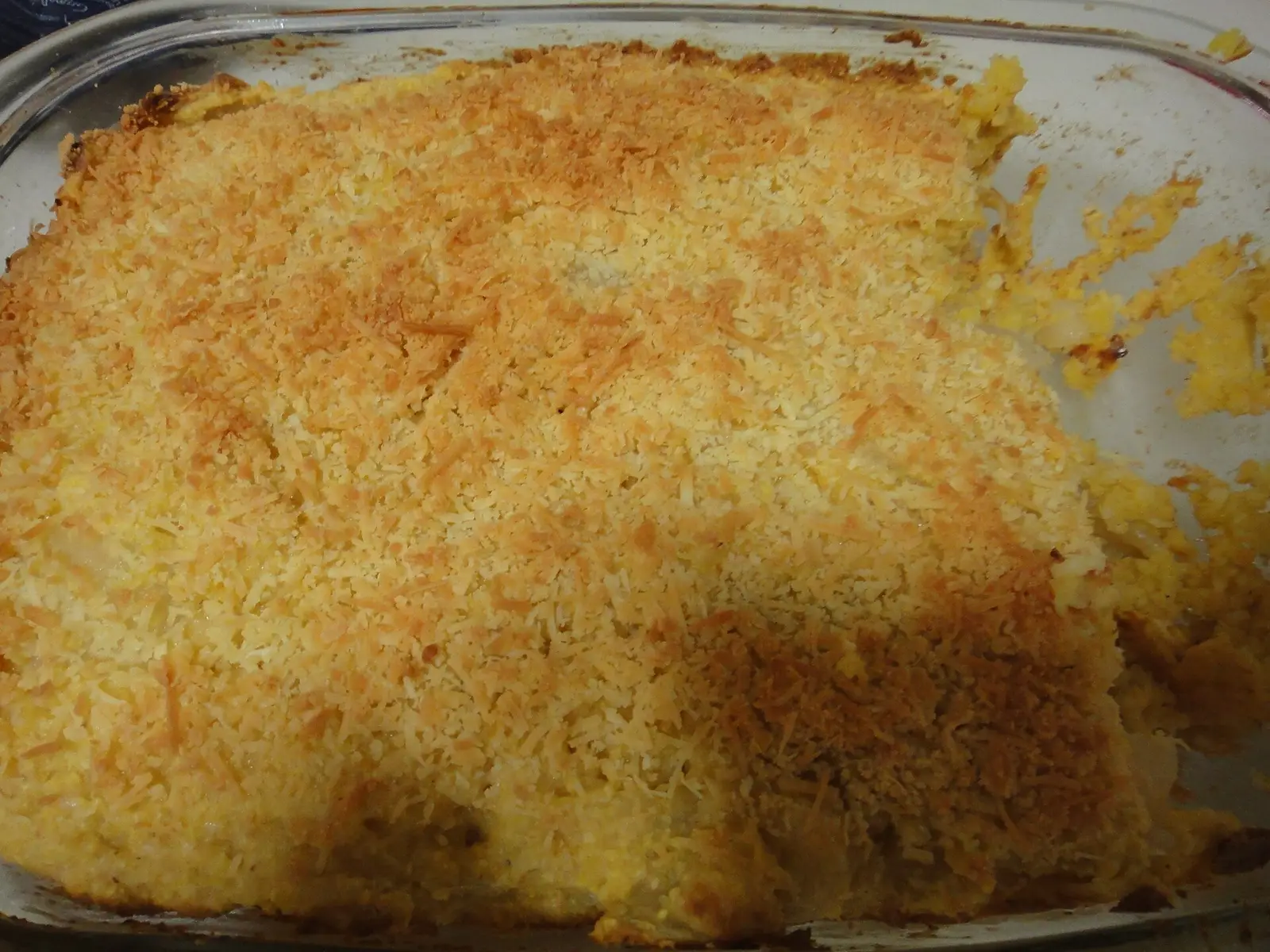
A golden baked sopa paraguaya cornmeal and cheese cake in a glass baking dish with one square cut out Paraguay flag Paraguay 1h 5m
Lunch •Asunción Heritage

Sopa Paraguaya

This sopa paraguaya recipe turns cornmeal, salty Paraguay cheese, onion, milk and eggs into a golden, spongy cake that slices like bread. Despite the name — sopa means soup — there is no broth here: the dish is solid, rich and meant to be cut into squares. One serving is about 180 g.

Comfort & Warmth

A golden, spongy cornmeal and cheese cake — Paraguay’s national dish, baked until the top is crisp and the inside stays soft.

Pairs Well With
Warm squares with grilled meat or a bowl of soup
A pile of golden baked chipa cheese bread rings, one broken open to show the soft crumb Paraguay flag Paraguay 50m
Snack & Tea •Paraguayan Heritage

Chipa

This chipa recipe makes 12 golden Paraguayan cheese bread rings from cassava starch, salty cheese, eggs and a pinch of anise. The dough is rolled into ropes, closed into rings and baked until puffed and lightly cracked — crisp on the outside, soft and chewy inside. One serving is about 185 g (two rings).

Snack & Sharing

Small baked cheese bread rings made from cassava starch — crisp outside, chewy inside, best eaten warm.

Pairs Well With
Warm rings with a cup of cocido (mate cocido)
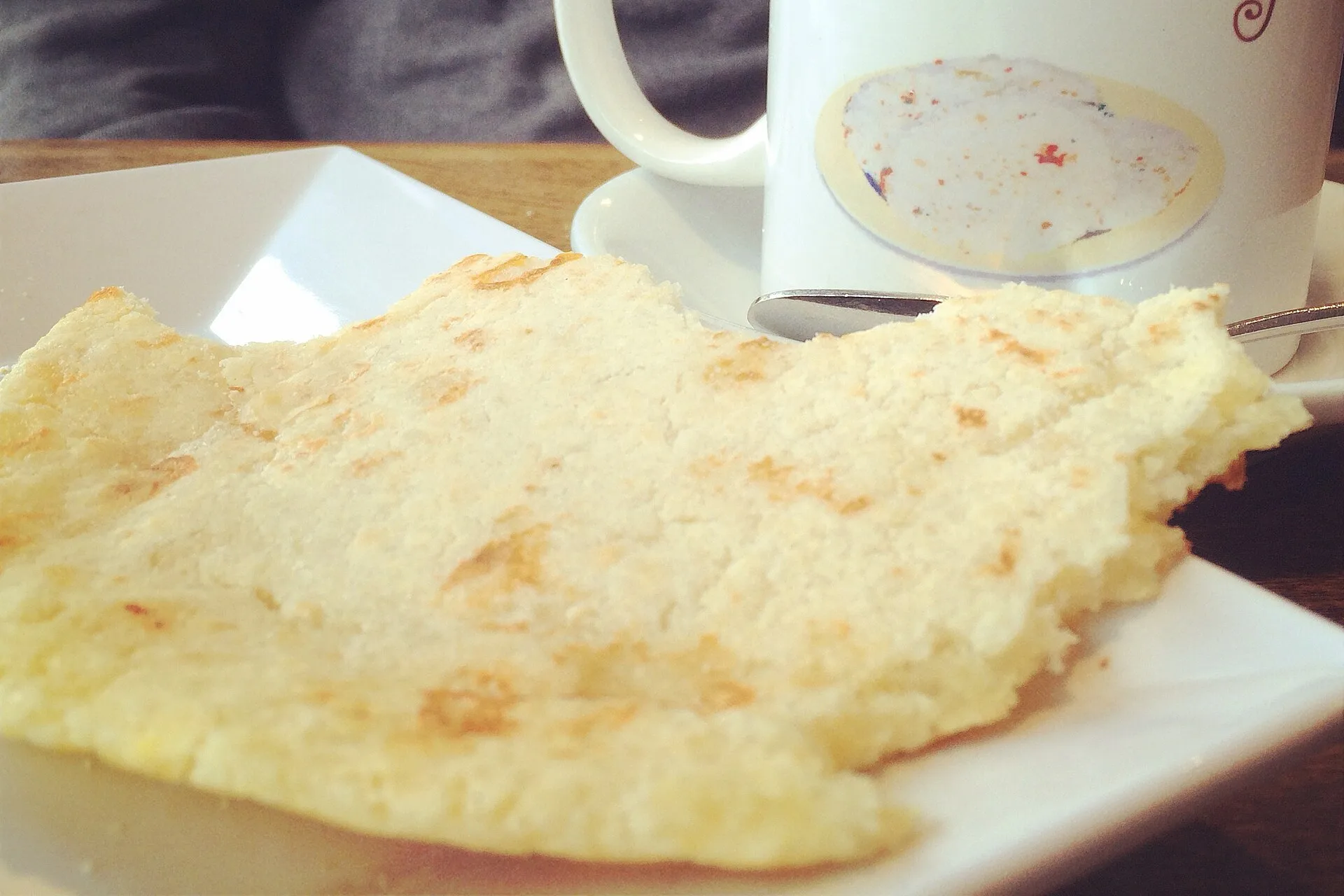
A golden mbejú cassava cheese pancake on a white plate beside a mug of cocido Paraguay flag Paraguay 30m
Snack & Tea •Guaraní Heritage

Mbejú

This mbeju recipe presses cassava starch and cheese into a golden griddled pancake — Paraguay’s classic snack, cooked in a dry pan and flipped once. It shares its two main ingredients with chipa, but the form is entirely different: chipa is kneaded and baked into bread rings, while mbejú stays a crumbly, sandy mixture that is pressed flat in the pan and never sees an oven. One serving is about 215 g (one pancake).

Snack & Sharing

A flat, griddled cassava-starch and cheese pancake — crisp at the edges, soft inside, cooked in a pan, never baked.

Pairs Well With
A warm pancake with a cup of mate cocido
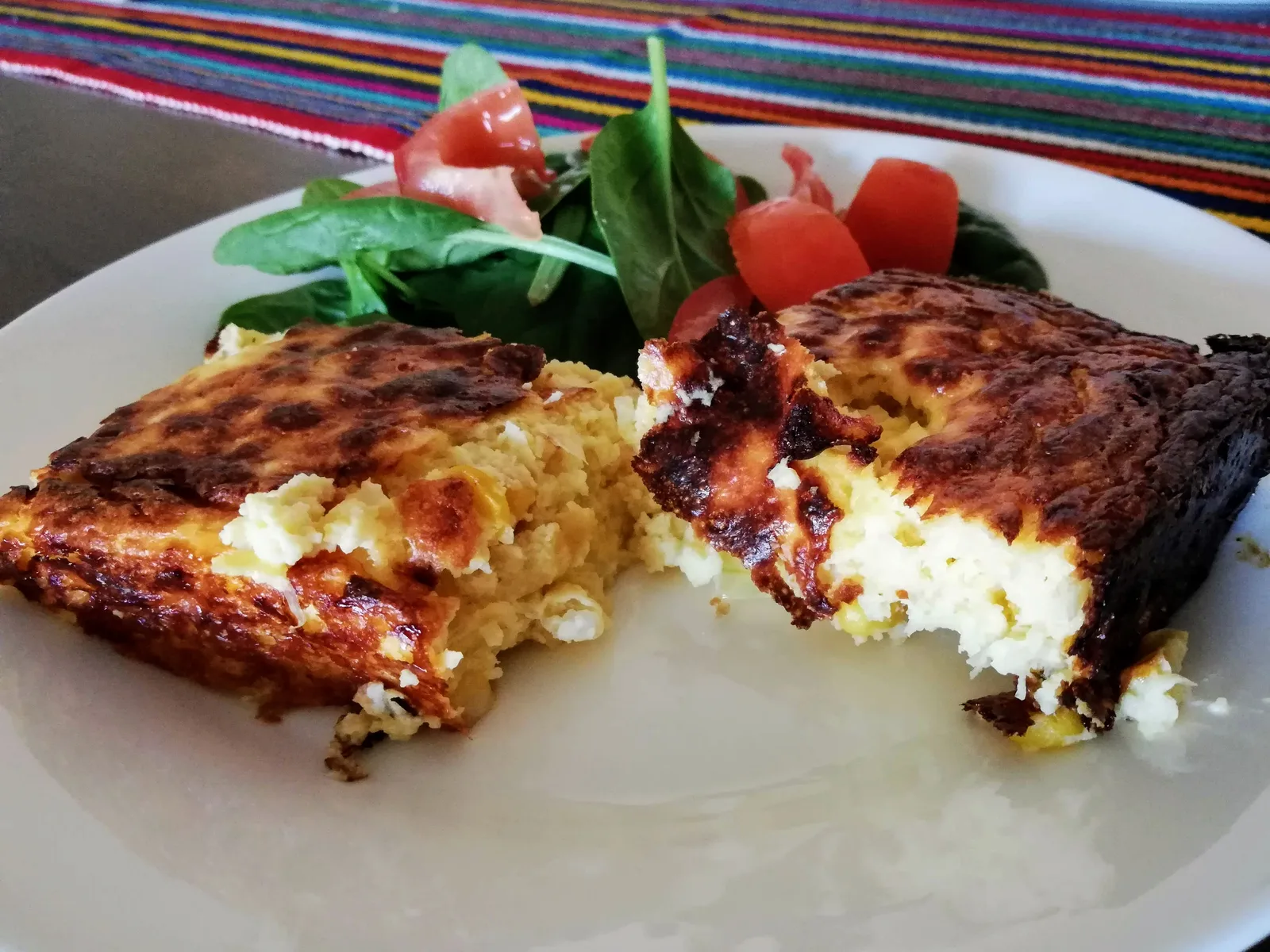
Two golden squares of chipa guasu with a fresh corn and cheese crumb, served with tomato and spinach salad Paraguay flag Paraguay 1h 5m
Lunch •Guaraní Heritage

Chipa Guasu

This chipa guasu recipe blends fresh corn kernels with eggs, milk, onion and salty Paraguay cheese, then bakes the mixture into a golden, moist cake that is cut into squares. It is not sopa paraguaya: chipa guasu is made with whole fresh corn kernels, while sopa paraguaya is made with cornmeal — the two dishes look alike but taste quite different. One serving is about 222 g.

Comfort & Warmth

A golden, moist bake of fresh corn kernels, Paraguay cheese, eggs and milk — the national side dish, served warm in squares.

Pairs Well With
Warm squares of chipa guasu with grilled meat and salad

The Dinner Gazette

Never wonder what’s for dinner again

One email a week with easy dinner ideas from around the world — ingredients, steps and nutrition, tested in our kitchen first.

Delivered every Thursday morning. Unsubscribe anytime.