
Curated recipes from 193 countries  •  New seasonal Mediterranean issue out now

Overview

Icelandic Rye Bread

Rúgbrauð, Icelandic Dark Rye Bread, Volcano Bread

This icelandic rye bread recipe bakes dark rye flour, buttermilk, molasses and honey into a dense, moist loaf that cooks for four hours at low heat, the home version of the geothermal bread baked in Iceland’s hot ground. One serving is about 92 g, one thick slice.

Rúgbrauð is the bread Iceland baked in the earth itself: dough was lowered in a pot into hot ground near geothermal springs and left for a day, emerging dark, dense and sweet. The slow, steamy heat is what gives the loaf its moist, almost cake-like crumb, and home cooks now copy it with a long, low bake in a covered pot. It is still the bread of the Icelandic table — served with fish, lamb soup and butter at almost every meal.

Pairs well with: Butter, smoked salmon & pickled herring

Provenance

Iceland flag Iceland

Icelandic Heritage

Nordic & European

Time Dedication

4h 15m

15m prep • 240m cook

Batch Yield

12 Servings

205 kcal per serving

1 serving ≈ 92 g

Technical Skill

Intermediate

Easy (One Pot, Slow Bake)

Meal Timing & Digestive Fit

Breakfast

Prime Morning Fit

Lunch

Inappropriate

Dinner

Inappropriate

Snack & Tea

Inappropriate

Occasions: Breakfasts, fish suppers, soup suppers, picnic tables, holiday tables Cost: Low — about $0.50 per slice at home
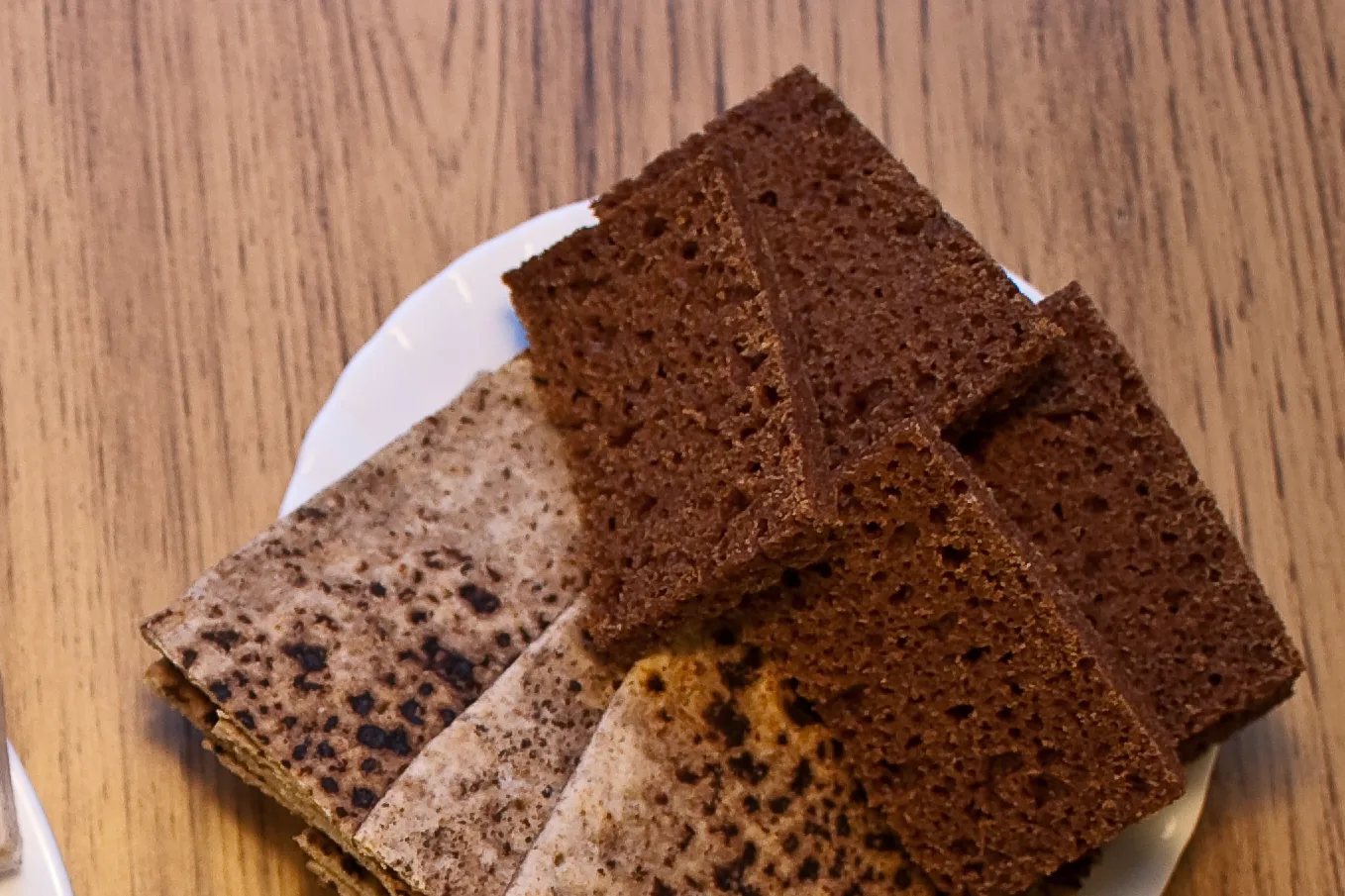
Slices of dark Icelandic rúgbrauð rye bread served on a plate with flatbread

Icelandic Heritage

Photo: The blanz, CC BY-SA 3.0, via Wikimedia Commons (cropped from Thorramatur)

The Heritage Formulary

Measured Ingredients

Estimated cost: Low — about $0.50 per slice at home (USD)

Baked the traditional way: a wet, sticky rye dough in a tightly covered pot, low and slow until dark and moist.

Execution Methodology & Culinary Technique

Step-by-Step Cooking Guide

Active 4h 15m
P

Prep Stage: Mix the Dough & Fill the Pot

15 Mins • Mixing

Whisk the rye flour, white flour, baking soda and salt together in a large bowl. Stir the molasses and honey into the buttermilk, then pour the wet into the dry and stir with a wooden spoon until a thick, sticky dough forms — no kneading needed. Butter a heavy lidded pot or a loaf tin, scrape the dough in, smooth the top with wet hands, and press the lid on.

Maestro Tip: The dough should be wetter than a normal bread dough — thick and sticky, like a heavy cake batter. A dry dough bakes into a brick.

  1. 1

    Mix the Dough

    10 Mins No heat

    Whisk the flours, baking soda and salt in a large bowl. Stir the molasses and honey into the buttermilk until dissolved, then pour into the dry ingredients and stir until no dry flour remains and the dough is thick, dark and sticky.

    Stir just until combined — overmixing makes the crumb tough.

    Done when: A uniform dark dough with no dry patches.

  2. 2

    Fill the Pot

    5 Mins No heat

    Butter a heavy lidded pot or a deep loaf tin generously, scrape the dough in, and smooth the top with wet hands. Cover tightly with the lid, or with a double layer of foil if using a tin.

    A tight seal matters: the loaf steams as much as it bakes, and a loose lid lets the moisture escape.

    Done when: Dough fills the pot evenly with a smooth top.

  3. 3

    Bake Low & Slow

    240 Mins 160°C (320°F)

    Heat the oven to 160°C (320°F) and bake the covered pot for 4 hours. Do not open the lid — the loaf needs the trapped steam. The bread is done when it has pulled slightly away from the sides, the top is dark and firm, and a skewer pushed into the centre comes out clean and hot.

    Four hours sounds long, but this is the point: the slow bake is what gives rúgbrauð its dense, moist, almost cake-like crumb.

    Done when: Dark, firm loaf; the centre reads at least 90°C (194°F) on a thermometer.

  4. 4

    Cool & Slice

    20 Mins Cool at room temperature

    Lift the loaf out of the pot and cool on a wire rack for at least 20 minutes before slicing — the crumb is still setting and a hot loaf crushes under the knife. Slice thick, with a sharp serrated knife.

    Rúgbrauð is better the next day: the crumb firms and the flavour deepens overnight.

    Done when: Clean, thick slices with a dark, moist crumb.

Finishing Touches & Plating

Serve thick slices with good butter, and keep the loaf wrapped in a clean cloth — it stays moist for days and toasts beautifully.

Nutritional Physiology & Benefits

Nutrition

Energy

205

kcal / serving

Protein

7g

Complete AA

Carbs

43g

Complex

Fats

1g

Healthy

Per serving (12 servings · 1 serving ≈ 92 g)
Energy205 kcal
Protein7 g
Carbohydrates43 g
Fat1 g
Fibre7.9 g
Sugar8.2 g
Sodium534 mg
Per 100g
Energy223 kcal
Protein7.4 g
Carbohydrates46.5 g
Fat1.5 g
Fibre8.7 g
Sugar9 g
Sodium582 mg

Nutrition values are estimated — calculated from USDA FoodData Central values for the listed ingredients.

Vitamins & minerals: Dark rye flour supplies B vitamins, magnesium and iron, buttermilk adds calcium, and molasses adds small amounts of iron and potassium. All nutrition values are estimated.

Fibre-Rich Rye

One slice gives about 7.9 g of fibre from dark rye flour, which supports normal digestion and keeps you full for hours.

Slow, Steady Energy

About 42.6 g of carbohydrate per slice comes mostly from whole rye, a slow-burning fuel that avoids the quick spike of white bread.

Magnesium & Iron

Dark rye flour is a useful source of magnesium and iron, and the molasses adds small amounts of iron and potassium.

Food Pairings

What to Eat With

To optimize nutrient absorption and elevate the sensory depth, pair with these authentic accompaniments:

Sides

Butter & Smoked Salmon

Cold butter and silky smoked salmon on dark, sweet rye is the classic Icelandic open sandwich — the bread’s sweetness balances the salty fish.

Pickled Herring

Sharp pickled herring cuts through the dense, sweet crumb and is the traditional partner on Icelandic tables.

Boiled Egg

A sliced boiled egg with a little salt on buttered rúgbrauð is a plain, protein-rich breakfast that lets the bread shine.

Drinks

Strong Coffee

A strong black coffee stands up to the dark, malty flavour of the bread and is how Icelanders take it at breakfast.

Full Menus

Skyr & Jam

A thick slice spread with skyr and a spoonful of jam turns the bread into a simple, satisfying breakfast.

Complete menu

Serve thick slices with butter and smoked salmon for breakfast, or alongside plokkfiskur and lamb soup at supper, with strong coffee.

Digestive Guardrails

What NOT to Combine

To prevent digestive distress, sluggishness, or palate clash, avoid pairing the dish with these elements:

Very Sweet Spreads

The bread is already sweet from molasses and honey, so piling on jam or chocolate spread makes one slice very high in sugar. This is general food information, not medical advice.

Storing It Unwrapped

Rúgbrauð dries out fast in the open air; leaving it unwrapped wastes the moist crumb that the long bake creates. Wrap it in a clean cloth or bag. This is general food information, not medical advice.

General information only, not medical advice — consult a doctor for personal dietary decisions.

Who Should Eat It

Who Should Eat

  • General adultsA filling, fibre-rich breakfast bread — about 205 kcal and 7.9 g fibre per slice, best in one or two thick slices.
  • ChildrenChildren usually like the mild sweetness; cut slices into fingers and serve with butter and jam for breakfast.
  • ElderlySoft, moist and easy to chew, but dense — one slice with butter and egg is a gentle, filling breakfast.
  • Pregnant womenFine as an everyday breakfast bread; the rye and buttermilk are well tolerated, but keep portions modest as it is quite sweet.
  • Breastfeeding womenA comforting, energy-rich breakfast; the rye supplies steady fuel, but one or two slices is enough.
  • AthletesGood pre-training fuel for the slow carbohydrate, with butter and egg for protein — eat 2 hours before training, not right before.
  • Weight gainDense and easy to eat with butter, cheese and salmon, so it suits weight gain when served generously.
  • Weight lossFilling at 205 kcal a slice, but the molasses and honey add sugar — keep to one slice and skip the jam.

Health Conditions — Adjust or Avoid

Conditions

  • DiabetesThe molasses and honey make this bread fairly sweet, so keep to one 92 g slice and skip jam or honey on top. Ask your clinician about portions.
  • High blood pressureOne slice carries about 534 mg sodium from the baking soda and salt, so keep other salty foods out of the same meal. Ask your clinician about portions.
  • Kidney diseaseRye is high in potassium, which matters for some kidney diets; portions should stay modest. Ask your clinician about portions.
  • GoutRye bread is low in purines, so the bread itself is not a concern; watch the toppings instead. Ask your clinician about portions.
  • Stomach issuesDense rye bread can be heavy on a sensitive stomach; eat slowly, take a smaller slice, and toast it lightly. Ask your clinician about portions.
  • Cardiovascular diseaseThe bread itself is low in fat; keep the butter light and choose fish or egg toppings over cheese. Ask your clinician about portions.
  • Fatty liverThe bread is sweet from molasses and honey, so keep to one slice and avoid eating it late at night. Ask your clinician about portions.
  • Food allergiesContains rye (gluten), wheat flour and milk (buttermilk). People with wheat, rye or milk allergy should not eat it unless a safe substitute is used. Ask your clinician about safe alternatives.
  • Special therapeutic dietsNot suitable for a gluten-free therapeutic diet as written; a gluten-free version changes the bread entirely and should be discussed with a clinician.

If you have a medical condition, consult your doctor before changing your diet.

Storage & Use

Storage & Use

How to store
Cool completely, then wrap in a clean cloth or beeswax wrap, then a bag.
In the fridge
Keeps 5 days in the fridge at 4°C (40°F) or below, wrapped.
In the freezer
Up to 3 months; slice before freezing so you can take out what you need.
How to reheat
Toast slices until warm and crisp at the edges; reheat a whole loaf in the oven at 160°C (320°F) for 10 minutes.
Freezing recommended
Yes — slices freeze well and toast straight from frozen.
Signs it has spoiled
Sour smell, mould spots, or a slimy surface.

More recipes to explore

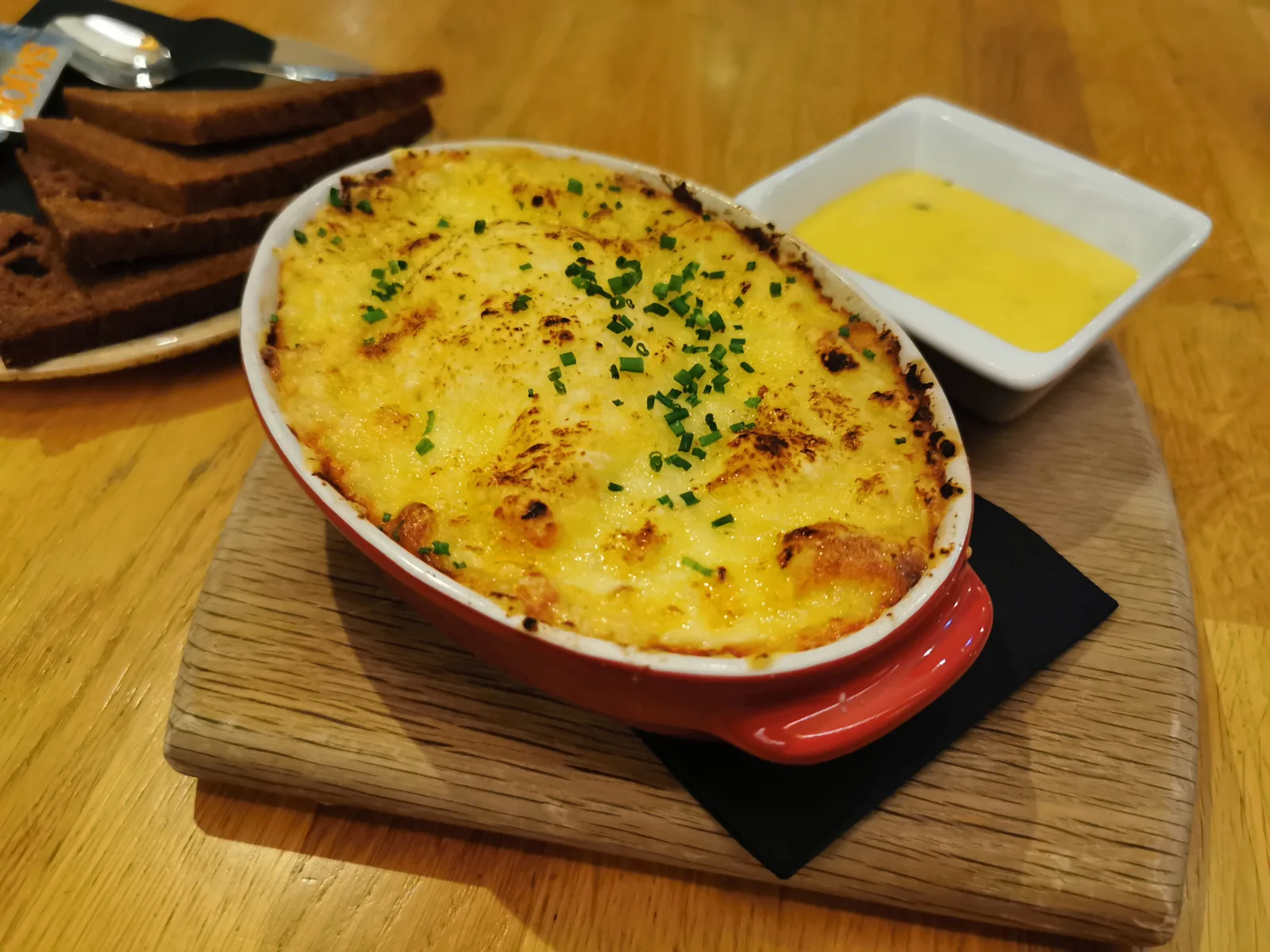
Golden baked plokkfiskur in a red oval dish topped with melted cheese and chives, served with slices of dark Icelandic rye bread and a dish of melted butter Iceland flag Iceland 55m
Dinner •Icelandic Heritage

Plokkfiskur

This plokkfiskur recipe flakes poached cod into buttery mashed potato with onion, milk and a golden cheese top, the way Icelandic home cooks have stretched a good catch for generations. One serving is about 438 g, served hot with dark rye bread and melted butter.

Comfort & Warmth

Flaked white fish folded into creamy mashed potato, baked golden under cheese — the Icelandic fish supper that turns yesterday’s catch into tonight’s comfort.

Pairs Well With
Dark rye bread, melted butter & pickled beets
High Protein

A white cup of Icelandic lamb soup with pieces of carrot and potato in a golden broth, with a white spoon, on a wooden table Iceland flag Iceland 2h 15m
Dinner •Icelandic Heritage

Icelandic Lamb Soup

This icelandic lamb soup recipe simmers bone-in lamb shoulder in a clear broth with potato, carrot, rutabaga, cabbage and pearl barley until the meat falls tender. One serving is about 600 g, a big brothy bowl served with rye bread.

Comfort & Warmth

A clear, brothy lamb soup with root vegetables, cabbage and barley — Iceland’s oldest bowl, thin and nourishing rather than thick and heavy.

Pairs Well With
Rye bread, flatbread & butter
Soups & Broths • High Protein
A bowl of Vietnamese phở bò with rare beef, rice noodles and fresh herbs Vietnam flag Vietnam 3h 30m
Breakfast •Hanoi Heritage

Phở Bò Tái Nạm

Slow-simmered star anise and cinnamon bone broth with hand-cut rice noodles, supplying clean restorative warmth and collagen. One serving is about 775 g.

Immunity & Warming

Slow-simmered bone broth with rice noodles, rare beef and fresh herbs.

Pairs Well With
Crispy quẩy, fresh lime & sawtooth coriander
Soups & Broths • High Protein
Golden butter croissants on a wooden board France flag France 20m
Breakfast •Parisian Boulangerie

Croissant au Beurre & Café

Laminated cultured butter pastry paired with washed Arabica, for a slow, pleasurable Parisian morning — best with a little protein alongside. One serving is about 390 g.

Sustained Focus

Flaky all-butter croissant with café au lait, Comté and green apple.

Pairs Well With
Comté cheese wedge & Green apple slices
Quick Prep (<30m)

The Dinner Gazette

Never wonder what’s for dinner again

One email a week with easy dinner ideas from around the world — ingredients, steps and nutrition, tested in our kitchen first.

Delivered every Thursday morning. Unsubscribe anytime.