
Curated recipes from 193 countries  •  New seasonal Mediterranean issue out now

Overview

Samgyetang

Ginseng chicken soup — whole young chicken stuffed with glutinous rice

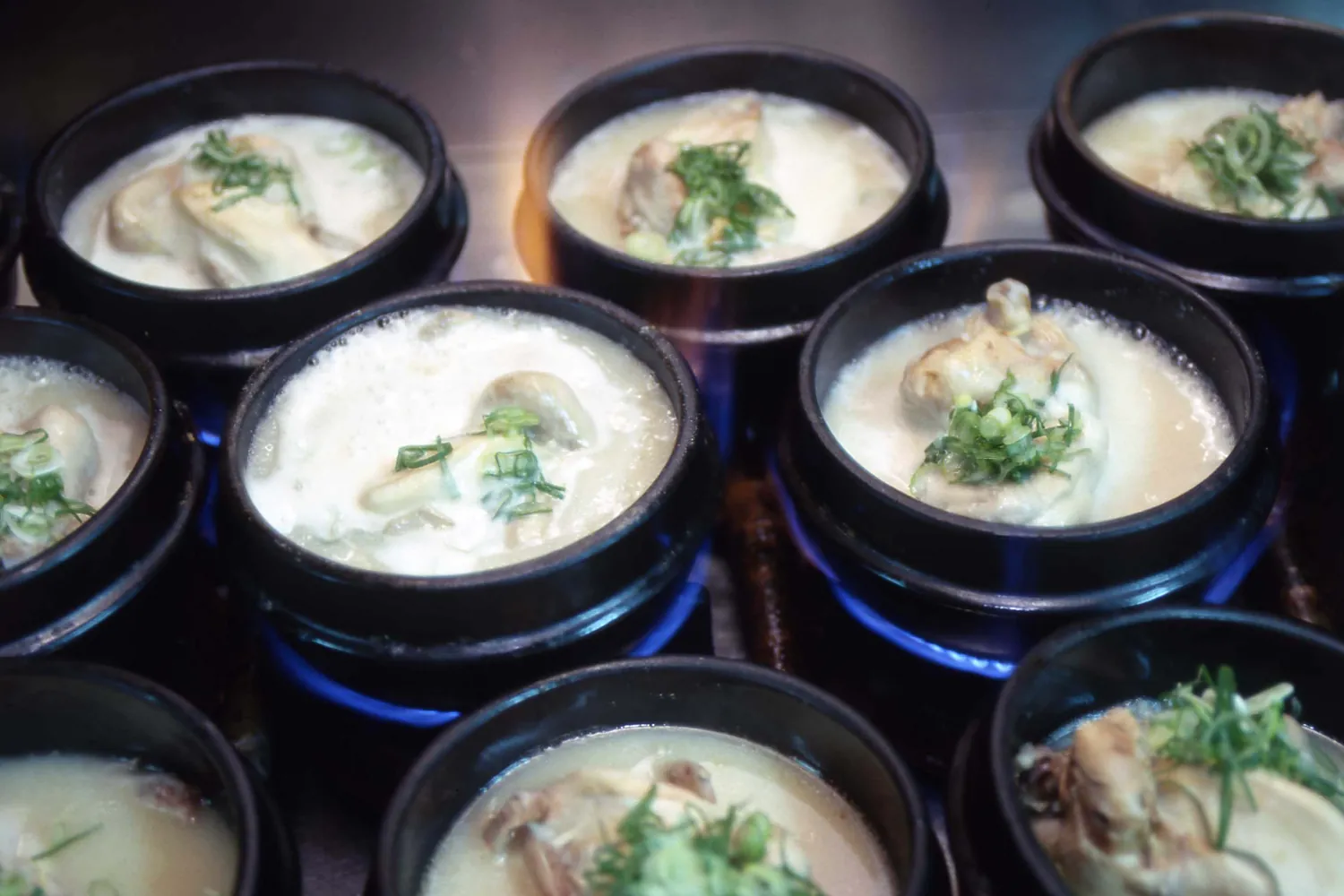
This samgyetang recipe simmers two whole young chickens, each stuffed with glutinous rice, garlic, jujube and ginseng, in a gentle broth until the meat is tender and the soup turns milky. It is the soup Koreans reach for on the hottest days of summer, served in deep bowls with kimchi and salt and pepper to season at the table. One serving is about 600 g.

Samgyetang is the soup Koreans eat on sambok, the three hottest days of summer, following the idea of fighting heat with heat. A whole young chicken is stuffed with glutinous rice, garlic, jujube and ginseng, then simmered until the broth turns milky. It is sold everywhere from market stalls to specialist restaurants in Seoul, and it is one of Korea's best-known soups abroad.

Pairs well with: Serve with kimchi and a small dish of salt and ground pepper for seasoning the broth to taste

Provenance

South Korea flag South Korea

Korean Summer Classic

East & South Asia

Time Dedication

1h 30m

30m prep • 60m cook

Batch Yield

4 Servings

461 kcal per serving

1 serving ≈ 600 g

Technical Skill

Intermediate

Easy (One Pot)

Meal Timing & Digestive Fit

Breakfast

Not Advised

Lunch

Hearty Midday Main

Dinner

Ideal Hearty Main

Snack & Tea

Inappropriate

Soups & BrothsHigh Protein Occasions: Sambok summer days, family dinners, restorative meals, cold evenings Cost: Medium — about $4–5 per serving at home
Black stone pots of samgyetang — milky ginseng chicken soup with spring onions, simmering over blue flames

Korean Summer Classic

Photo: Korea.net / Korean Culture and Information Service, CC BY-SA 2.0, via Wikimedia Commons

The Heritage Formulary

Measured Ingredients

Estimated cost: Medium — about $4–5 per serving at home (USD)

Good samgyetang has a milky, lightly seasoned broth, a whole tender chicken, and rice inside that is soft and creamy — never a greasy broth or dry, overcooked chicken.

Execution Methodology & Culinary Technique

Step-by-Step Cooking Guide

Active 1h 30m
P

Prep Stage: Soak the Rice, Stuff the Hens

30 Mins active + 1 hour rice soak • Pot & Board

Rinse the glutinous rice (120 g) and soak it in cold water for 1 hour, then drain. Rinse the two hens inside and out and pat them dry. Stuff each hen with half the soaked rice, 2 to 3 garlic cloves, 3 jujubes and a ginseng root, then tie the legs together with kitchen string so the stuffing stays inside. Slice the ginger (15 g) and the spring onions (40 g).

Maestro Tip: Do not overfill the hens — the rice swells as it cooks and can split the skin if it is packed too tight.

  1. 1

    Soak the rice and stuff the hens

    20 minutes Room temperature 20°C (68°F)

    Rinse the glutinous rice (120 g) until the water runs clear, then soak it in cold water for 1 hour and drain. Rinse the two hens (900 g) inside and out, pat dry, and stuff each one with half the rice, 2 to 3 garlic cloves (20 g total), 3 jujubes and a ginseng root (8 g total). Tie the legs together with kitchen string.

    Keep a little room in each cavity — the rice needs space to swell.

    Done when: Hens stuffed and tied, cavities about two-thirds full.

  2. 2

    Simmer the hens gently

    50 minutes Gentle simmer at about 95°C (203°F)

    Put the stuffed hens in a large pot with the sliced ginger (15 g) and 2 litres of cold water. Bring to the boil over high heat, skim off any foam, then turn the heat down to the gentlest simmer and cook for 50 minutes, until the chicken is tender and the thickest part of the thigh reads 74°C (165°F) on a thermometer.

    Simmer, never boil hard — a rolling boil tears the skin and turns the broth greasy instead of milky.

    Done when: Chicken tender, thigh at 74°C (165°F), broth milky and pale.

  3. 3

    Season and check the rice

    10 minutes Simmering at about 95°C (203°F)

    Lift one hen and check that the rice inside is soft and creamy. Stir the salt (5 g) into the broth and simmer for 5 minutes more, then taste and add a little more salt only if the broth needs it — most of the seasoning happens at the table.

    Taste before adding more salt; the broth concentrates as it simmers.

    Done when: Rice inside the hens soft and creamy, broth lightly seasoned.

  4. 4

    Rest and serve

    5 minutes Resting at room temperature 20°C (68°F)

    Lift each hen into a deep bowl, ladle plenty of hot broth over it, and scatter the spring onions (40 g) on top. Serve at once with kimchi and a small dish of salt and ground pepper so everyone seasons their own bowl.

    Serve in deep bowls — the broth is half the dish.

    Done when: Hen sitting in its broth, spring onions bright on top.

Finishing Touches & Plating

Ladle each hen into a deep bowl with plenty of broth, scatter the spring onions over the top, and serve at once with kimchi and a small dish of salt and pepper so everyone seasons their own bowl.

Nutritional Physiology & Benefits

Nutrition

Energy

461

kcal / serving

Protein

31g

Complete AA

Carbs

31g

Complex

Fats

23g

Healthy

Per serving (4 servings · 1 serving ≈ 600 g)
Energy461 kcal
Protein31 g
Carbohydrates31 g
Fat23 g
Fibre1.6 g
Sugar2.7 g
Sodium595 mg
Per 100g
Energy77 kcal
Protein5.1 g
Carbohydrates5.2 g
Fat3.8 g
Fibre0.3 g
Sugar0.5 g
Sodium99 mg

Nutrition values are estimated — calculated from USDA FoodData Central values for the listed ingredients.

Vitamins & minerals: Vitamin B12, niacin and selenium from the chicken, plus vitamin C from the spring onions and garlic. Nutrition values are estimated.

Protein for a full meal

Each serving carries 30.7 g of protein from the chicken, which is why one bowl works as a complete dinner on its own.

Simple, unprocessed ingredients

Chicken, rice, ginseng, garlic and ginger — nothing processed, nothing added that you cannot pronounce.

A warming, restorative bowl

A hot, milky broth with ginger and garlic is the classic Korean comfort food for tired days — and, by tradition, for the hottest days of summer too.

Food Pairings

What to Eat With

To optimize nutrient absorption and elevate the sensory depth, pair with these authentic accompaniments:

Sides

Kimchi

Sharp, sour kimchi cuts through the rich, milky broth and wakes up the mild chicken — the contrast is the whole point of the pairing.

More Pairings

Salt and ground pepper

Samgyetang is deliberately cooked almost plain, so a little salt and pepper at the table lets each person season their own bowl exactly as they like it.

Vegetables

Cucumber salad

Cool, crunchy cucumber with a little vinegar gives a fresh bite between spoonfuls of hot, rich soup.

Drinks

Korean barley tea

Nutty, unsweetened barley tea is the everyday drink with samgyetang in Korea — it refreshes without competing with the broth.

Complete menu

Serve samgyetang as the main dish with kimchi, a cucumber salad and barley tea — or as part of a Korean summer table with a small bowl of rice and pickled radish.

Digestive Guardrails

What NOT to Combine

To prevent digestive distress, sluggishness, or palate clash, avoid pairing the dish with these elements:

Boiling the soup hard

A rolling boil tears the skin, toughens the meat and makes the broth greasy and cloudy instead of milky. Keep the pot at the gentlest simmer. This is general information, not medical advice.

Serving undercooked chicken

Undercooked poultry can carry Salmonella, so always check that the thickest part of the thigh has reached 74°C (165°F) before serving. This is general information, not medical advice.

General information only, not medical advice — consult a doctor for personal dietary decisions.

Who Should Eat It

Who Should Eat

  • General adultsA complete, satisfying dinner at about 461 kcal a serving — one hen per person with kimchi on the side.
  • ChildrenUsually enjoyed — the broth is mild and the chicken is soft. Serve the rice and a little meat first, and keep the ginseng root aside as it tastes bitter.
  • ElderlySoft, easy to chew and served hot; the broth is easy to swallow and the chicken falls off the bone.
  • Pregnant womenFine when the chicken is fully cooked to 74°C (165°F); the ginseng is a small amount in the broth, but ask your clinician if you eat it often.
  • Breastfeeding womenA nourishing, protein-rich meal — chicken, rice and broth are a solid combination after a long day.
  • AthletesWith 30.7 g of protein and 461 kcal per serving, it works well as a recovery dinner; add an extra bowl of rice for more carbohydrate.
  • Weight gainEasy to eat in quantity — the broth, the rice inside the hen and a second helping all add energy without much effort.
  • Weight lossThe protein keeps you full, but the skin and the rice add up — eat the meat and broth, leave most of the skin, and skip the extra rice.

Health Conditions — Adjust or Avoid

Conditions

  • DiabetesOne serving carries about 31.2 g of carbohydrate, mostly from the glutinous rice inside the hen. Eat the rice in moderation and ask your clinician about portion size.
  • High blood pressureSodium is about 595 mg per serving, but most of the salt is added at the table — season lightly and ask your clinician.
  • Kidney diseaseHigh in protein and potassium from the chicken and broth, so this soup is not ideal for a kidney diet. Ask your clinician before eating it regularly.
  • GoutChicken and meat broth are moderate in purines; a smaller portion with extra vegetables is the safer approach. Ask your clinician if you are managing gout.
  • Stomach issuesA rich, fatty broth can feel heavy on a sensitive stomach; skim the fat from the top and eat slowly. Ask your clinician if unsure.
  • Cardiovascular diseaseThe chicken skin adds saturated fat — removing the skin before eating keeps the meal much lighter. Ask your clinician about sodium limits.
  • Fatty liverA reasonable choice if the skin is removed and the broth is skimmed; the soup itself has no added sugar. Ask your clinician.
  • Food allergiesContains no gluten, dairy, egg, nuts or seafood as written. The only ingredient to check is ginseng — leave the root out if anyone at the table is sensitive to it.
  • Special therapeutic dietsSuitable for gluten-free and dairy-free diets as written. It is not suitable for vegetarian or vegan diets. For a low-sodium diet, cook without salt and season at the table — ask your clinician or dietitian.

If you have a medical condition, consult your doctor before changing your diet.

Storage & Use

Storage & Use

How to store
Cool the soup quickly, then store the chicken in its broth in a covered container in the fridge.
In the fridge
Up to 3 days at 4°C (40°F) in a covered container.
In the freezer
Up to 2 months; freeze the chicken and broth together in a sealed container.
How to reheat
Warm gently in a covered pot over low heat until the chicken is piping hot at 74°C (165°F); do not boil hard or the meat will dry out.
Freezing recommended
Yes — up to 2 months, chicken and broth together.
Signs it has spoiled
Sour smell, slimy skin, or a cloudy, off-smelling broth — discard if any appear.

More recipes to explore

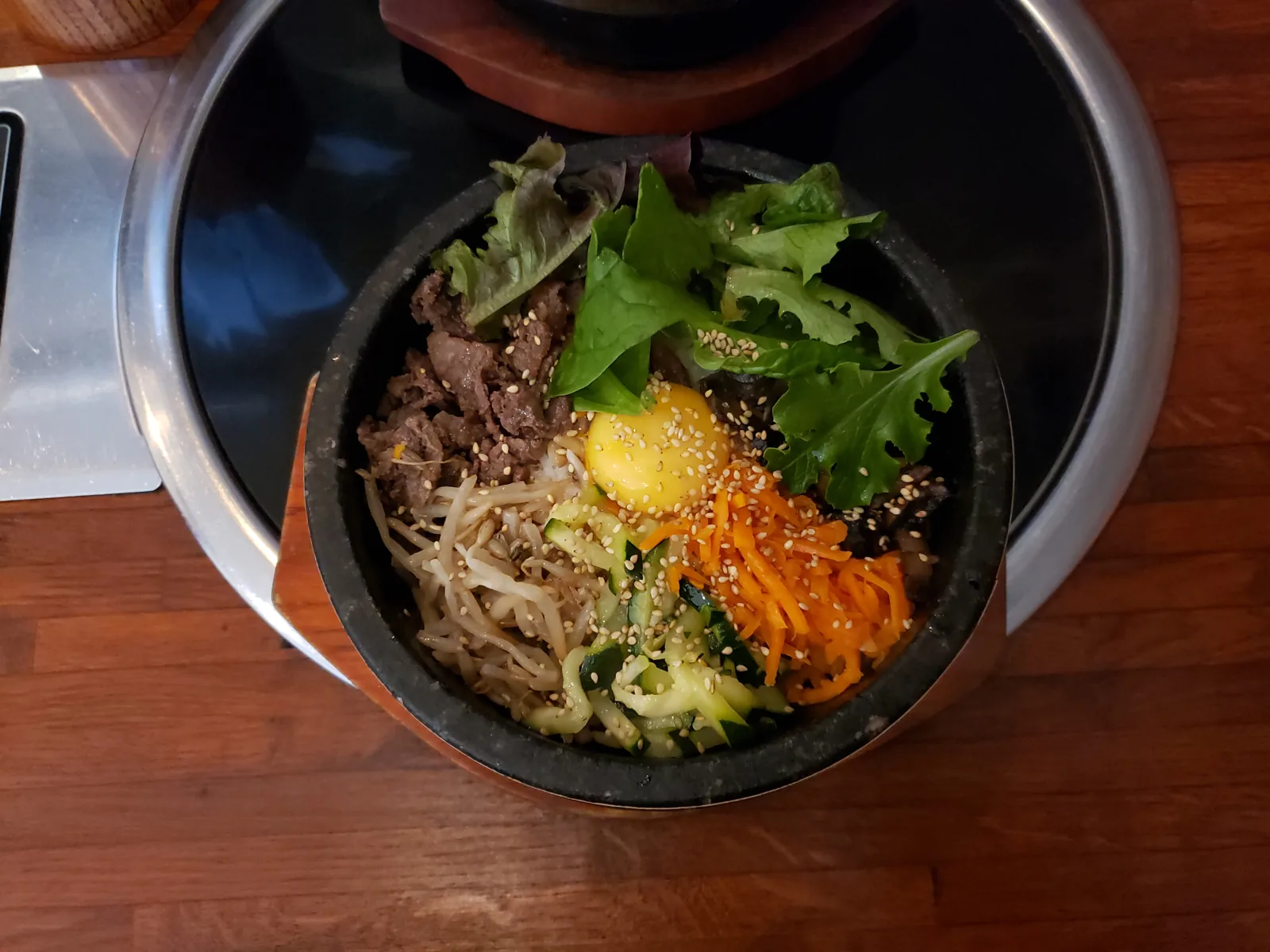
Dolsot bibimbap in a hot black stone bowl — bulgogi beef, egg yolk, carrots, zucchini, bean sprouts and sesame seeds over rice South Korea flag South Korea 1h 5m
Dinner •Korean Heritage

Bibimbap

This bibimbap recipe builds Korea's most famous rice bowl the dolsot way: hot rice in a sizzling stone pot, ringed with five separately seasoned namul vegetables, bulgogi beef and a fried egg, with gochujang to stir through at the table. The stone bowl crisps the bottom layer of rice into golden nurungji while you eat. One serving is about 510 g.

Colourful & Satisfying

Warm rice, five seasoned vegetables, bulgogi beef and a fried egg, mixed at the table with gochujang.

Pairs Well With
Kimchi, kongnamul-guk (bean sprout soup) & barley tea
Korean fried chicken pieces coated in a glossy red yangnyeom glaze South Korea flag South Korea 45m
Dinner •Korean Heritage

Korean Fried Chicken

This Korean fried chicken recipe is the real thing: boneless chicken in a thin potato-starch batter, fried twice — once to cook it through, once at higher heat to drive out moisture and shatter the crust — then tossed in a glossy yangnyeom glaze of gochujang, honey and garlic. The double fry is what keeps the skin crisp under the sauce. One serving is about 250 g.

Crispy & Bold

Double-fried chicken in a thin potato-starch crust, tossed in a sticky sweet-spicy yangnyeom glaze.

Pairs Well With
Pickled radish (chikin-mu), cold beer & steamed rice
High Protein • Quick Prep (<30m)
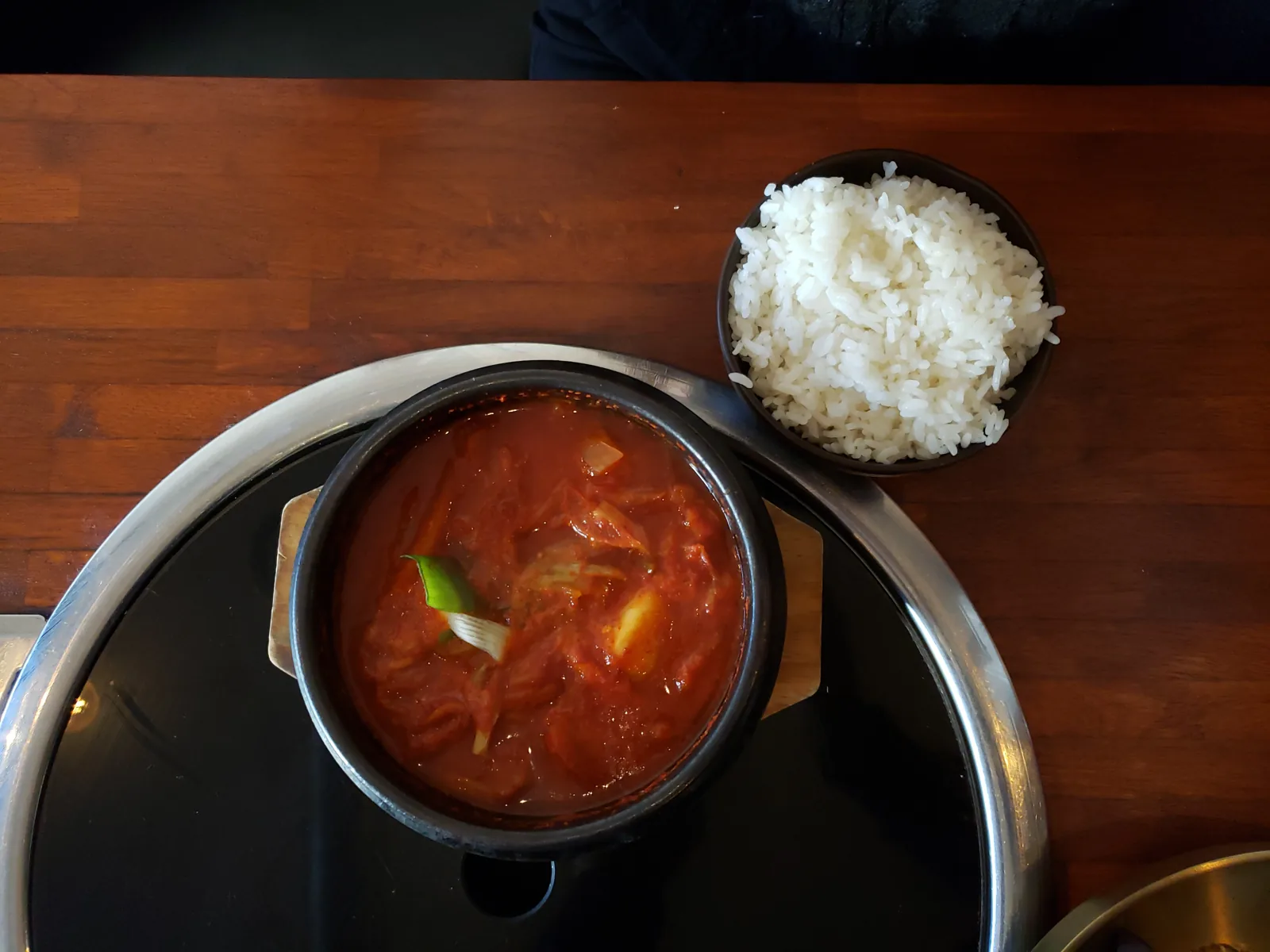
Kimchi jjigae — a red kimchi stew with tofu and spring onions in a black stone pot, served with a bowl of rice South Korea flag South Korea 45m
Dinner •Korean Heritage

Kimchi Jjigae

This kimchi jjigae recipe is the Korean comfort stew: aged, well-fermented kimchi fried with pork belly, then simmered in its own brine with tofu until the broth turns brick-red and rich. It is a stew, not the kimchi itself — the North Korean white kimchi published earlier is the pickled cabbage, while this is what you cook with it. One serving is about 425 g.

Comfort & Warmth

Aged kimchi and pork belly simmered in kimchi brine with tofu — sour, spicy and deeply savoury.

Pairs Well With
Steamed rice, fried egg & banchan
Soups & Broths • Fermented / Gut Health
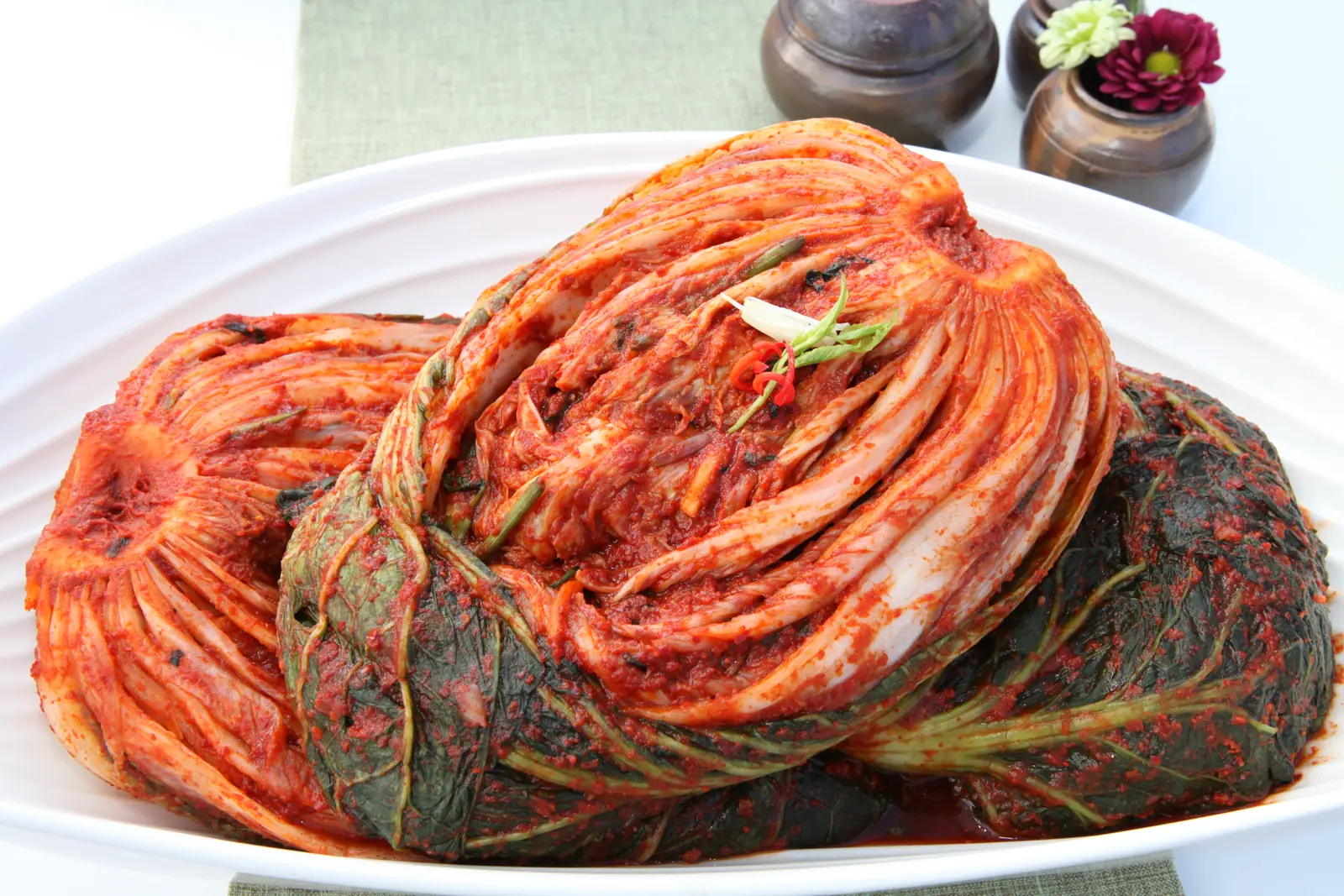
Whole heads of baechu kimchi coated in red gochugaru paste on a white platter South Korea flag South Korea 2h 35m
Dinner •Korean Kimjang Heritage

Baechu Kimchi

This kimchi recipe turns one head of napa cabbage into classic baechu kimchi: salted leaves packed with a bright red gochugaru paste, then left to ferment until tangy and fizzy. It is the spicy southern-style kimchi most people picture when they hear the word kimchi, and it keeps for weeks in the fridge. One serving is about 165 g.

Fermented & Fiery

Crisp, spicy, sour napa cabbage kimchi — Korea's everyday banchan, fermented at home in a jar.

Pairs Well With
Serve a small bowl with steamed rice, grilled meat or a fried egg.
Fermented / Gut Health

The Dinner Gazette

Never wonder what’s for dinner again

One email a week with easy dinner ideas from around the world — ingredients, steps and nutrition, tested in our kitchen first.

Delivered every Thursday morning. Unsubscribe anytime.