Curated recipes from 193 countries  •  New seasonal Mediterranean issue out now

Overview

Samosa

Punjabi Aloo Samosa, Singara

This samosa recipe makes the classic Punjabi potato-pea samosa: a stiff wheat dough rolled thin, folded into a cone, packed with cumin-scented potatoes and peas, and fried slowly until the crust turns deep golden and shatteringly crisp. Serve it hot with tamarind chutney and mint chutney, the way it is eaten at every Indian tea stall. One serving is about 250 g, three samosas.

The samosa travelled to India from Central Asia centuries ago with traders and travellers, and by the 1300s it was already being served at the Delhi court — the poet Amir Khusrau wrote of the sambosa eaten there. In Punjab it settled into its best-known form: a crisp wheat triangle filled with spiced potatoes and peas, sold hot from street stalls and tea shops with chutneys, and now eaten across the world.

Pairs well with: Tamarind chutney, mint chutney & masala chai

Provenance

India flag India

Punjabi Heritage

East & South Asia

Time Dedication

1h 20m

45m prep • 35m cook

Batch Yield

4 Servings

625 kcal per serving

1 serving ≈ 250 g

Technical Skill

Intermediate

Intermediate (Folding & Frying)

Meal Timing & Digestive Fit

Breakfast

Not Advised

Lunch

Inappropriate

Dinner

Inappropriate

Snack & Tea

Ideal Light Bite

Occasions: Afternoon tea, street-food nights, parties, picnics, festive gatherings Cost: Low — about $2–3 per serving at home
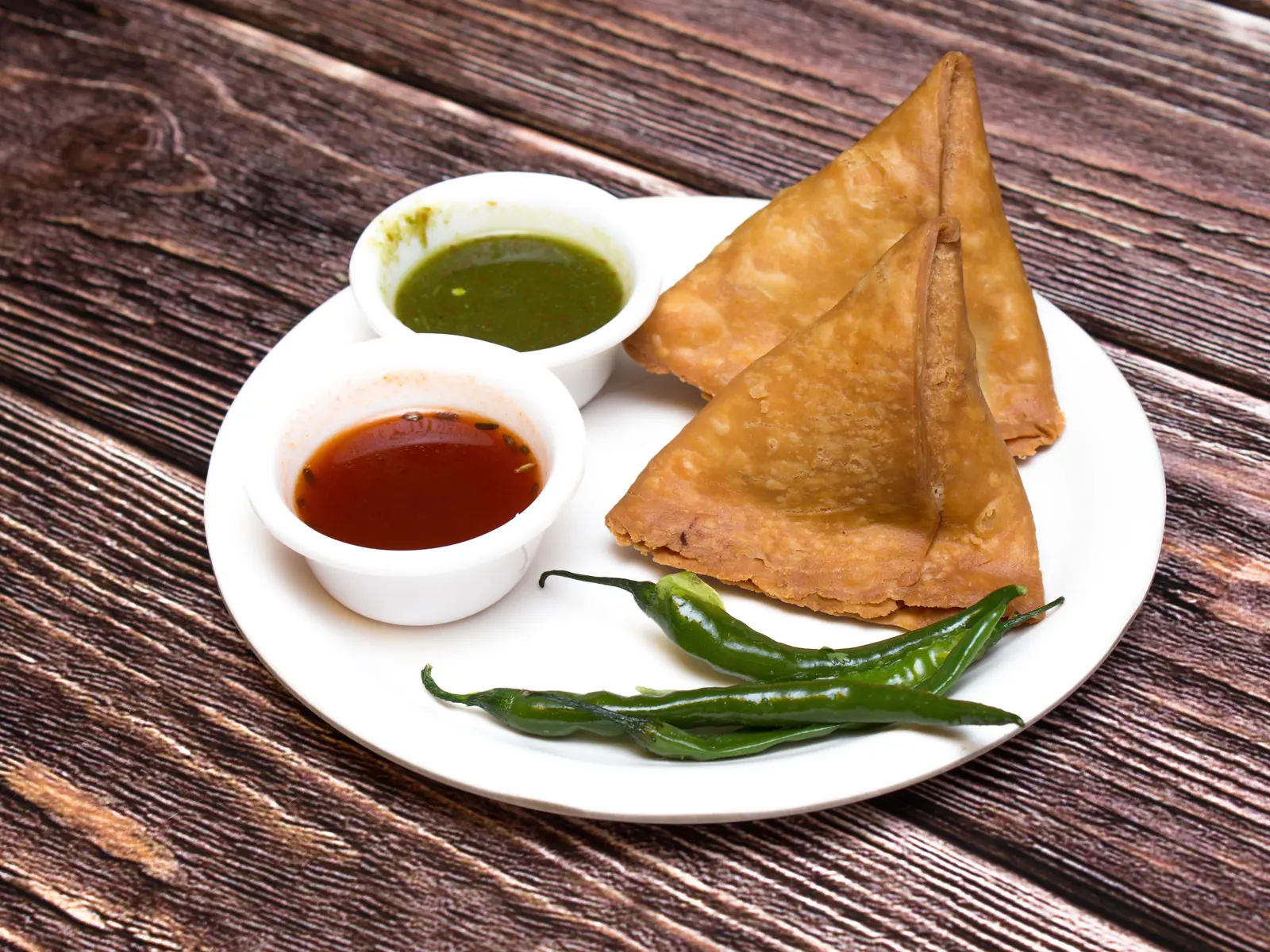
Two golden triangular samosas on a white plate with green mint chutney, red tamarind chutney and fresh green chillies

Punjabi Heritage

Photo: Shitalben Parmar, CC0, via WordPress Photo Directory

The Heritage Formulary

Measured Ingredients

Estimated cost: Low — about $2–3 per serving at home (USD)

This is the classic Punjabi potato-pea samosa: a stiff wheat pastry, a dry spiced filling, and slow frying at 160°C (320°F) for a blistered, crisp crust.

Execution Methodology & Culinary Technique

Step-by-Step Cooking Guide

Active 1h 20m
P

Prep Stage: Boil Potatoes & Make the Dough

45 Mins • Dough & Filling Prep

Boil the potatoes whole in their skins until tender, then peel and crumble them by hand. While they cool, rub the ghee into the flour with the ajwain and salt until the mixture looks like breadcrumbs, then add the cold water a little at a time and knead into a stiff, smooth dough. Cover and rest the dough for 30 minutes. Mix the reserved 2 tbsp flour with 3 tbsp cold water into a smooth sealing paste, and chop the onion, ginger, chilli and coriander.

Maestro Tip: A stiff dough is essential: soft dough drinks oil and turns soggy instead of crisp. Add the water slowly and stop as soon as the dough holds together.

  1. 1

    Boil and Crumble the Potatoes

    25 Mins Boiling water, 100°C (212°F)

    Put the potatoes in a pot, cover with cold water and bring to a boil. Simmer for about 20 minutes until a knife slides in easily, then drain, peel while still warm, and crumble by hand into uneven, pea-sized pieces. Leave to cool completely.

    Crumble, do not mash: uneven pieces give the filling its texture and stop it turning into paste.

    Done when: A knife slides through the potato with no resistance; the crumbled pieces are dry, not wet or mashed smooth.

  2. 2

    Make and Rest the Pastry Dough

    35 Mins Room temperature, ~21°C (70°F)

    Rub the melted ghee into the flour, ajwain and salt until the mixture resembles coarse breadcrumbs. Add the cold water a tablespoon at a time, kneading as you go, until a stiff, smooth dough forms. Cover with a damp cloth and rest for 30 minutes.

    Resting relaxes the gluten so the dough rolls thin without springing back. Do not skip it.

    Done when: The dough is firm and smooth, holds its shape when pressed, and does not stick to your hands.

  3. 3

    Cook the Spiced Potato-Pea Filling

    10 Mins Medium heat, ~170°C (340°F)

    Heat the 1 tbsp oil in a pan over medium heat. Add the cumin seeds and fry for 30 seconds until they crackle, then add the onion and cook for 3 minutes until soft. Stir in the ginger and chilli, cook for 1 minute, then add the ground coriander, garam masala, turmeric and amchur and fry for 30 seconds. Tip in the crumbled potatoes and peas, season with the salt, and stir-fry for 3 minutes until everything is coated and dry. Take off the heat, stir in the fresh coriander, and cool completely.

    The filling must be completely dry and completely cool before folding, or steam will soften the pastry from the inside.

    Done when: The filling is dry, evenly spiced and holds together when pressed; no liquid pools in the pan.

  4. 4

    Shape the Cones and Fill Them

    20 Mins Room temperature, ~21°C (70°F)

    Divide the dough into 6 balls. Roll one ball into an oval about 20 cm (8 inches) long and cut it in half across the middle to make two half-moons. Take one half-moon, brush the straight edge with sealing paste, and fold it into a cone, pressing the seam firmly. Hold the cone in your palm, spoon in about 2 tbsp of cold filling, and press the open edge closed with sealing paste, pinching the seam flat. Stand the samosa upright so the seam sits underneath. Repeat to make 12 samosas.

    Keep the finished samosas under a damp cloth while you shape the rest, so the pastry does not dry and crack.

    Done when: Each samosa is a firm triangle with sealed edges and no filling escaping; the base sits flat.

  5. 5

    Fry Low and Slow Until Golden

    15 Mins Oil at 160°C (320°F)

    Pour the frying oil into a deep pan to a depth of about 5 cm (2 inches) and heat to 160°C (320°F). A small piece of dough dropped in should rise slowly with gentle bubbles. Fry the samosas in batches of 4, for 4–5 minutes per batch, turning once, until deep golden and crisp with tiny blisters on the surface. Lift out with a slotted spoon and drain on paper towels.

    Low and slow is the secret: hot oil browns the outside before the pastry crisps through, so keep the oil at 160°C (320°F) and do not crowd the pan.

    Done when: The crust is deep golden, blistered and crisp; it sounds hollow when tapped.

  6. 6

    Serve Hot with Chutneys

    2 Mins Serve hot, ~60°C (140°F)

    Serve the samosas hot, straight from the paper towels, with tamarind chutney and mint chutney in small bowls on the side and a few fresh green chillies if you like them.

    Samosas are at their best in the first 15 minutes, while the pastry is still crackling.

    Done when: The pastry is crisp and hot all the way through; the filling is steaming.

Finishing Touches & Plating

Eat the samosas while they are still hot and crisp, breaking one open to let the steam out, then dipping it in tamarind chutney for sweetness and mint chutney for a cool, herby bite.

Nutritional Physiology & Benefits

Nutrition

Energy

625

kcal / serving

Protein

11g

Complete AA

Carbs

83g

Complex

Fats

28g

Healthy

Per serving (4 servings · 1 serving ≈ 250 g)
Energy625 kcal
Protein11 g
Carbohydrates83 g
Fat28 g
Fibre7.4 g
Sugar4.6 g
Sodium598 mg
Per 100g
Energy250 kcal
Protein4.5 g
Carbohydrates33.2 g
Fat11.2 g
Fibre3 g
Sugar1.9 g
Sodium239 mg

Nutrition values are estimated — calculated from USDA FoodData Central values for the listed ingredients.

Vitamins & minerals: Provides potassium and vitamin C from the potatoes, vitamin K and folate from the peas and coriander, and iron from the spices. Nutrition values are estimated.

Filling, Fibre-Rich Snack

With about 11 g of protein and 7 g of fibre per serving, three samosas are a genuinely filling snack that keeps hunger away far longer than plain fried pastry.

Potato, Peas and Herbs

The potatoes and peas supply potassium and vitamin C, while the fresh coriander and green chilli add vitamin K and a little extra vitamin C.

Spiced, Meat-Free Filling

Cumin, coriander, garam masala and amchur give the filling its warm, sour fragrance without any meat, making this a satisfying vegetarian snack.

Food Pairings

What to Eat With

To optimize nutrient absorption and elevate the sensory depth, pair with these authentic accompaniments:

Sauces

Tamarind Chutney

Sweet-sour tamarind chutney is the classic partner: its tang cuts through the fried pastry and lifts the earthy potato filling.

Mint Chutney

Cool mint-coriander chutney balances the warmth of the garam masala and the heat of the chilli, refreshing the palate between bites.

Drinks

Masala Chai

Hot, spiced masala chai is the traditional companion at Indian tea stalls: the milky sweetness softens the fried richness and the spices echo the filling.

Vegetables

Cucumber-Onion Salad

A crisp cucumber and onion salad with lemon adds crunch and acidity that keeps a plate of fried samosas from feeling heavy.

Full Menus

Full Menu: Samosa, Dal & Rice

Start with samosas and chutneys, follow with a mild dal and rice, and finish with mango lassi for a complete vegetarian Indian meal.

Complete menu

Start with hot samosas and tamarind and mint chutneys, follow with a mild dal makhani and steamed rice, and finish with a mango lassi.

Digestive Guardrails

What NOT to Combine

To prevent digestive distress, sluggishness, or palate clash, avoid pairing the dish with these elements:

Very Sweet Drinks in Large Amounts

Very sweet drinks in large amounts alongside fried samosas add a lot of sugar to an already energy-dense snack; water or unsweetened tea is a lighter choice. This is general information, not medical advice.

Wheat Gluten and Fried Food

Samosas contain wheat gluten and are deep-fried, so people with coeliac disease or wheat allergy should not eat them, and anyone watching fat intake should keep portions small. This is general information, not medical advice. Allergens: wheat (gluten).

General information only, not medical advice — consult a doctor for personal dietary decisions.

Who Should Eat It

Who Should Eat

  • General adultsA satisfying snack — three samosas with chutneys is a generous serving; one or two is plenty as a light bite.
  • ChildrenVery popular with children; leave out the green chilli and serve with sweet tamarind chutney for younger ones.
  • ElderlySoft potato filling is easy to eat, but the pastry is crisp and fried — serve one samosa with salad and go easy on the chilli.
  • Pregnant womenFine when freshly fried and served hot; keep the chilli mild and make sure the filling is steaming hot. Ask your clinician if unsure.
  • Breastfeeding womenAn energy-dense snack that can help meet the extra calories of breastfeeding; pair with salad or raita for balance.
  • AthletesA useful carbohydrate-rich snack after training, with about 83 g of carbs per serving; add a protein-rich main meal alongside it.
  • Weight gainEnergy-dense at about 625 kcal per serving, so it suits a higher-calorie snack; add chutneys and a milky drink for extra calories.
  • Weight lossBest as an occasional treat in a small portion — one samosa with salad — since frying adds a lot of calories for its size.

Health Conditions — Adjust or Avoid

Conditions

  • DiabetesThe pastry and potatoes are starchy (about 83 g of carbohydrate per serving), so keep the portion to one samosa and pair it with salad rather than sweet chutney. Ask your clinician about portion sizes.
  • High blood pressureSodium is moderate at about 598 mg per serving, but go easy on extra salt and salty pickles alongside. Ask your clinician if unsure.
  • Kidney diseasePotatoes are high in potassium, so people limiting potassium should keep portions small. Ask your clinician before eating this regularly.
  • GoutPeas and potatoes are moderate in purines; a small portion is usually fine, but keep fried snacks occasional. Ask your clinician if unsure.
  • Stomach issuesFried pastry and chilli can irritate a sensitive stomach; eat a small portion, skip the green chilli, and avoid eating it on an empty stomach. Ask your clinician if symptoms persist.
  • Cardiovascular diseaseDeep-frying adds saturated fat from the ghee and absorbed oil, so treat samosas as an occasional food and keep portions small. Ask your clinician about how often fried foods fit your diet.
  • Fatty liverFried, energy-dense food is best kept occasional; one samosa with salad is a lighter choice than a full plate. Ask your clinician for personalised advice.
  • Food allergiesContains wheat (gluten). The pastry is made with ghee (milk), so it is not suitable for people with milk allergy. Check chutney labels for peanut or sesame. Ask your clinician if unsure.
  • Special therapeutic dietsNot suitable for gluten-free or low-fat diets as written; a baked version with gluten-free flour changes the dish. Ask your clinician or dietitian before adapting it.

If you have a medical condition, consult your doctor before changing your diet.

Storage & Use

Storage & Use

How to store
Cool completely, then store in an airtight container lined with paper towels to absorb moisture.
In the fridge
2 days; the pastry softens in the fridge.
In the freezer
Up to 1 month; freeze uncooked shaped samosas in a single layer, then bag them. Fry from frozen, adding 1–2 minutes.
How to reheat
Reheat in an oven at 180°C (350°F) for 8–10 minutes until crisp and steaming hot throughout (74°C / 165°F). Do not microwave — it makes the pastry soggy.
Freezing recommended
Yes — freeze uncooked, shaped samosas for up to 1 month and fry from frozen.
Signs it has spoiled
Sour or off smell, a slimy or damp filling, or mould on the pastry — discard if any of these appear.

More recipes to explore

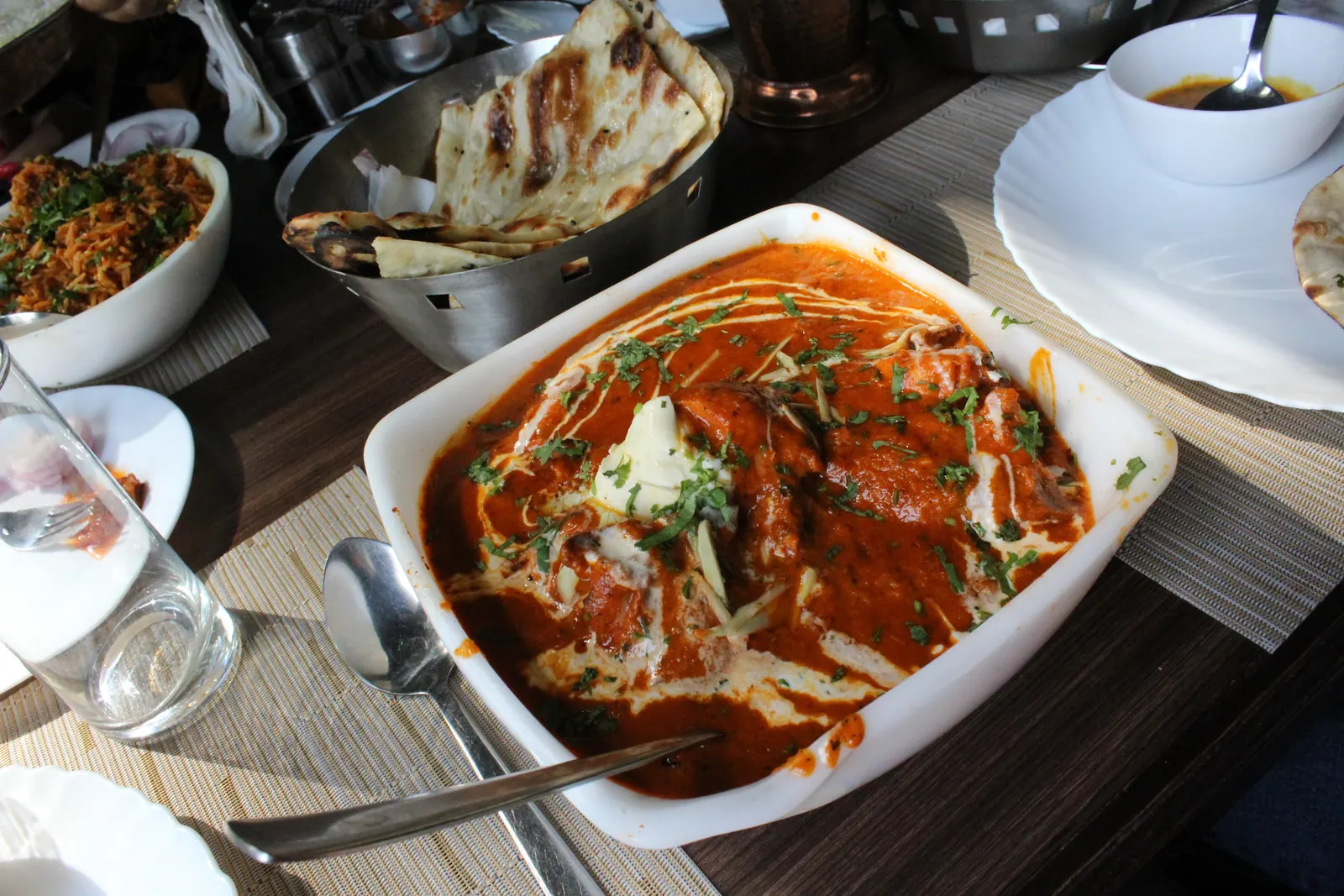
A bowl of creamy orange-red butter chicken with a swirl of cream, a pat of butter and fresh cilantro, with garlic naan behind it India flag India 1h 5m
Dinner •Delhi Heritage

Butter Chicken

Charred, yogurt-marinated chicken simmers in a velvety sauce of tomatoes, butter, cashews and cream, finished with dried fenugreek and a swirl of cream. This butter chicken recipe is mild rather than fiery, so the sweetness of the tomatoes and the richness of the butter come through in every spoonful. One serving is about 370 g.

Comfort & Warmth

Tandoori-style chicken folded into a silky tomato, butter and cream sauce — rich, mild and deeply satisfying.

Pairs Well With
Butter naan, basmati rice & cucumber raita
High Protein
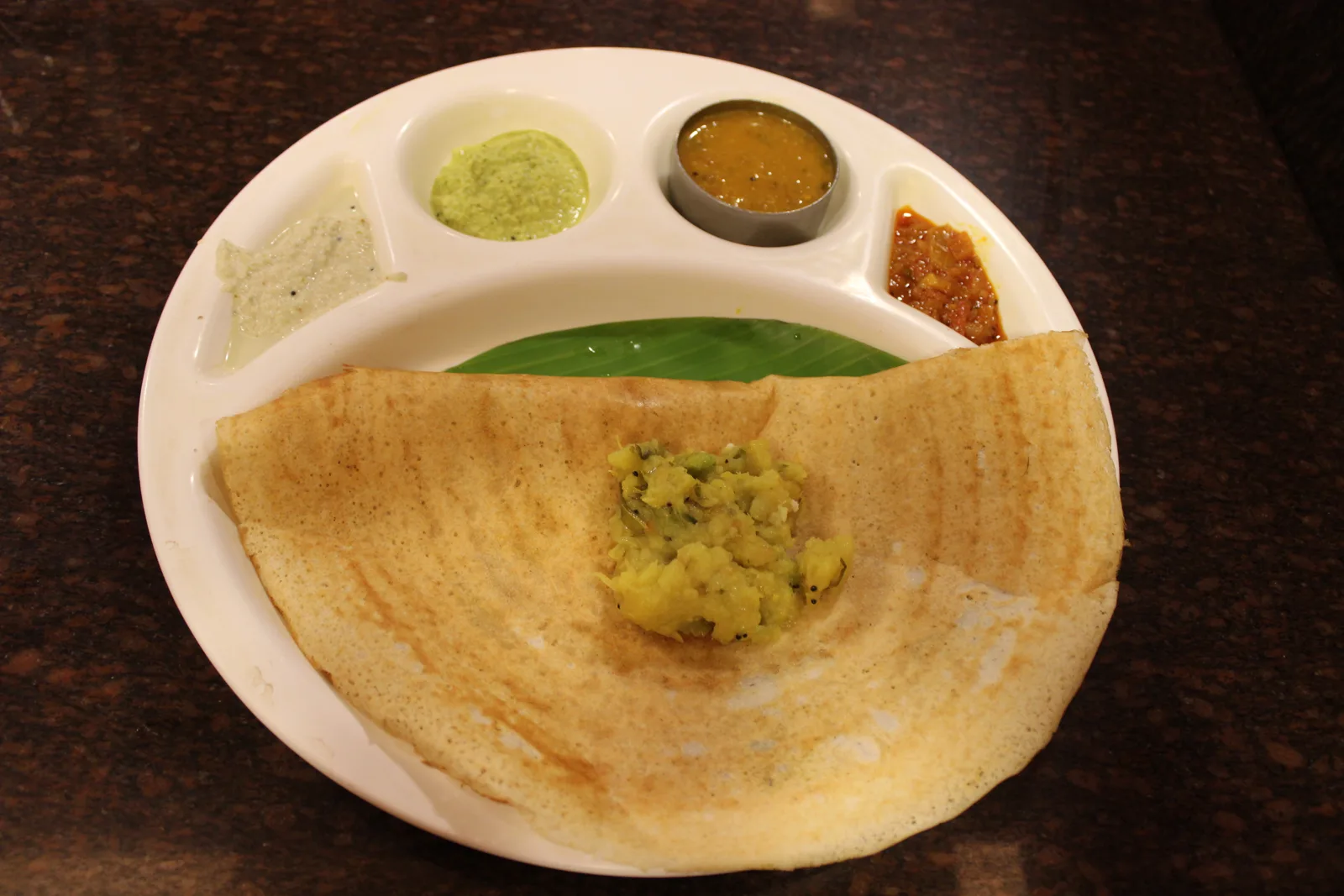
A golden folded masala dosa with spiced potato filling, served with coconut chutney, sambar and tomato chutney on a plate India flag India 1h 10m
Breakfast •South Indian Heritage

Masala Dosa

A masala dosa recipe for a golden, shatteringly crisp crepe made from a fermented rice and urad dal batter, folded around a soft, turmeric-yellow potato masala. One serving is about 285 g. The batter ferments for 8-12 hours overnight, so start the day before; the hands-on cooking takes about 70 minutes.

Hearty Breakfast

A filling breakfast built on a fermented rice and lentil batter with a warmly spiced potato centre.

Pairs Well With
Serve hot with coconut chutney and sambar for dipping.
Fermented / Gut Health
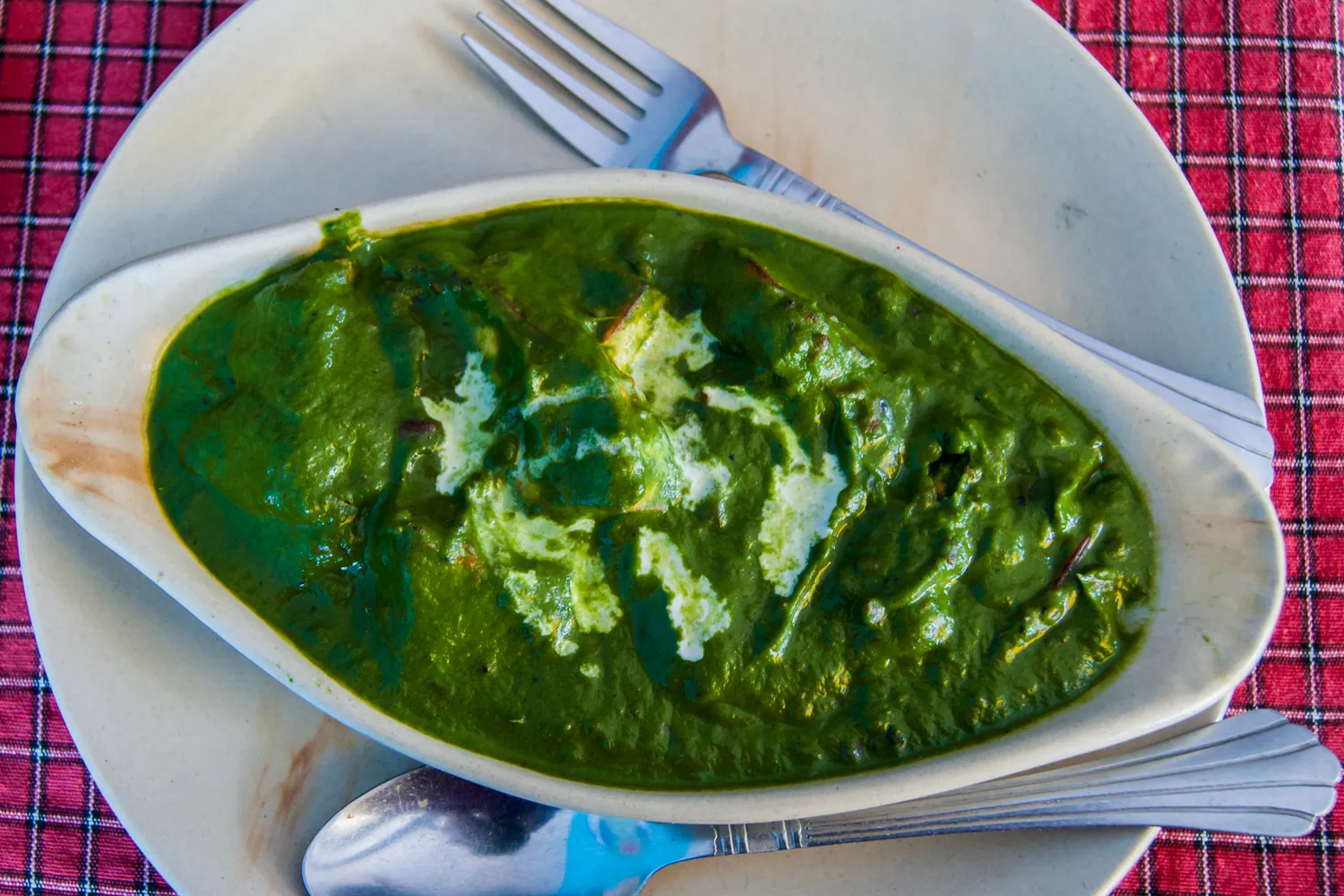
A bowl of palak paneer — vivid green spinach curry with soft paneer cubes and a swirl of cream India flag India 45m
Dinner •Punjabi Heritage

Palak Paneer

Palak paneer is a mild North Indian curry of fresh spinach blended silky-smooth, simmered with onion, tomato, ginger and garam masala, then finished with soft cubes of paneer and a swirl of cream. One serving is about 295 g. It is gentle, savoury and filling, and it comes together in one pot in about 45 minutes.

Comfort & Warmth

A mild, creamy spinach curry with soft paneer cubes that makes a satisfying vegetarian dinner.

Pairs Well With
Serve hot with butter naan or steamed basmati rice and a spoonful of cucumber raita.
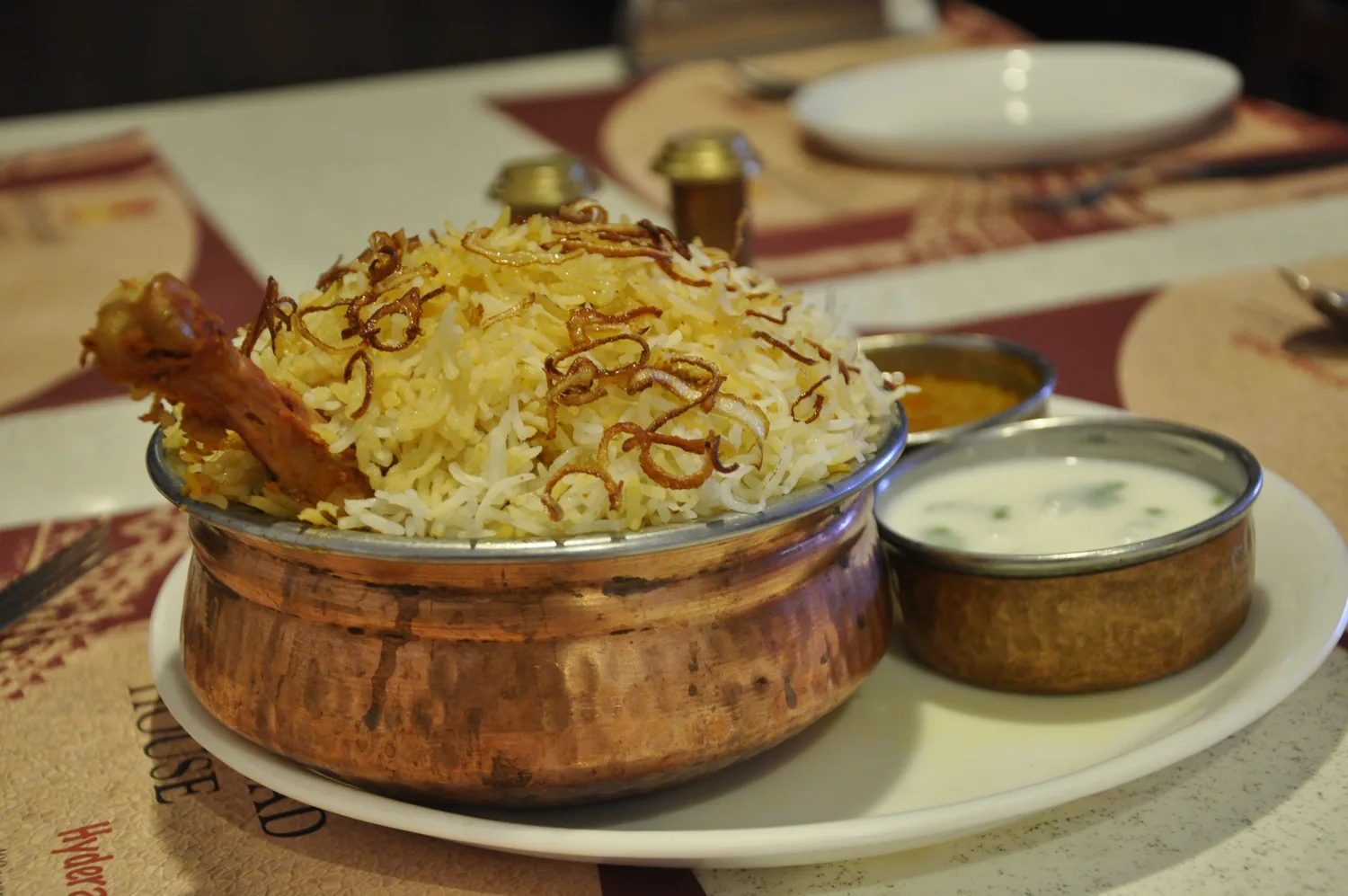
Hyderabadi chicken biryani — saffron rice topped with crisp fried onions and a chicken drumstick, served in a copper handi with raita India flag India 1h 55m
Dinner •Hyderabadi Heritage

Chicken Biryani

This chicken biryani recipe is the Hyderabadi classic: fragrant basmati rice layered with yogurt-marinated chicken, saffron, crisp fried onions (birista) and fresh mint, sealed tight and slow-cooked on dum until the steam has married every flavour. It is the most-searched Indian dish in the world, and the one every biryani is measured against. One serving is about 433 g.

Hyderabad's Celebration Feast

Layered saffron rice and spiced chicken sealed and slow-cooked on dum — Hyderabad's classic biryani.

Pairs Well With
Cucumber raita & mirchi ka salan
High Protein

The Dinner Gazette

Never wonder what’s for dinner again

One email a week with easy dinner ideas from around the world — ingredients, steps and nutrition, tested in our kitchen first.

Delivered every Thursday morning. Unsubscribe anytime.