Curated recipes from 193 countries  •  New seasonal Mediterranean issue out now

Overview

Saudi Jareesh

Jareesh, Jarish, Saudi Cracked Wheat Porridge

This jareesh recipe is Saudi Arabia's old cracked-wheat porridge: coarse cracked wheat is soaked, then simmered with chicken, onion, tomato and cumin until the grains soften and the whole pot turns thick and creamy, with the chicken shredded through it. It is finished the Saudi way, with melted ghee and a spoonful of crisp, dark fried onions on top. It is not beaten smooth like harees — the cracked wheat keeps a soft, visible grain. One serving is about 375 g.

Jareesh is one of the oldest dishes of the Arabian Peninsula: cracked wheat has been the staple grain of the region since long before rice arrived through the spice trade, and slow-cooked wheat porridge was the everyday food of farming families. In Saudi Arabia it is a Ramadan classic and a winter dish, made when the weather turns cool and a long, slow pot on the stove warms the house. Each region finishes it its own way — in the centre of the country, the fried-onion and ghee topping is the mark of a proper jareesh.

Pairs well with: Cucumber and tomato salad, lentil soup & hot tea

Provenance

Saudi Arabia flag Saudi Arabia

Saudi Heritage

Middle Eastern

Time Dedication

2h 10m

30m prep • 100m cook

Batch Yield

6 Servings

407 kcal per serving

1 serving ≈ 375 g

Technical Skill

Intermediate

Medium (Slow Simmer)

Meal Timing & Digestive Fit

Breakfast

Not Advised

Lunch

Hearty Midday Main

Dinner

Ideal Hearty Main

Snack & Tea

Inappropriate

Soups & Broths Occasions: Ramadan iftar, Family dinner, Winter evening, Gentle meal Cost: Low — about $2–3 per serving at home
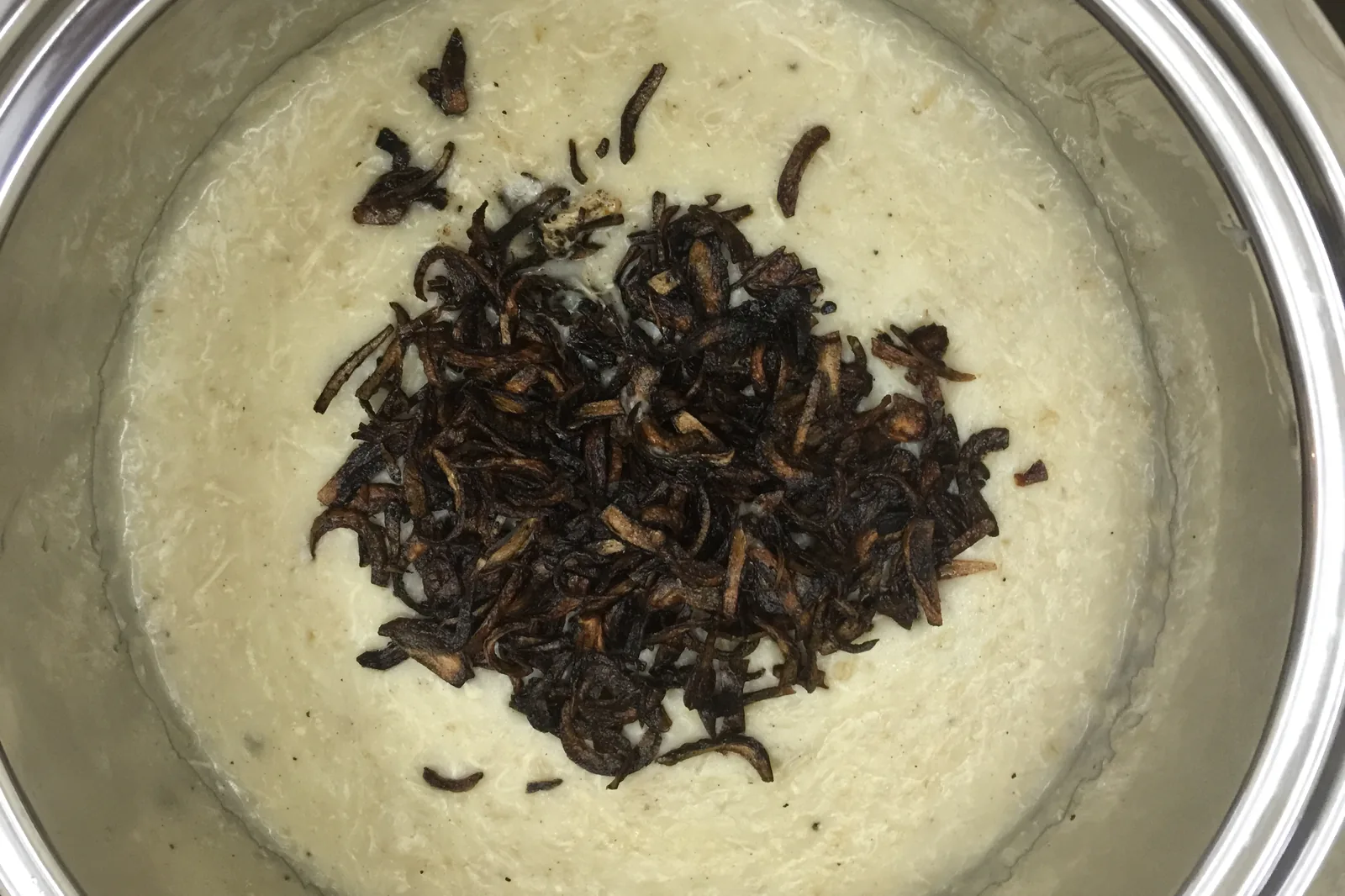
Saudi jareesh — creamy cracked-wheat porridge in a pot topped with dark fried onions

Saudi Heritage

Photo: Sayom, CC BY-SA 4.0, via Wikimedia Commons

The Heritage Formulary

Measured Ingredients

Estimated cost: Low — about $2–3 per serving at home (USD)

Made with coarse cracked wheat soaked first, simmered slowly with chicken until creamy, and finished with ghee-fried onions.

Execution Methodology & Culinary Technique

Step-by-Step Cooking Guide

Active 2h 10m
P

Prep Stage: Soak the Cracked Wheat

30 Mins • Soaking & Measuring

Rinse the cracked wheat in cold water, then leave it to soak for 30 minutes while you work. Trim the chicken breasts, chop 100 g of onion finely for the pot and slice the other 100 g thinly for frying, chop the tomato, pierce the dried lime with a fork, and measure out the ghee, butter, salt and spices so everything is ready before the long simmer starts.

Maestro Tip: The 30-minute soak is what lets cracked wheat cook in about 100 minutes instead of far longer — dry cracked wheat stays gritty and hard in the middle.

  1. 1

    Start the Pot

    15 Mins Bring to the boil, ~100°C (212°F), then simmer

    Put the drained cracked wheat, the chicken breasts, the chopped onion, the tomato, the pierced dried lime and the 1.8 L of water in a large, heavy pot. Bring to the boil over medium-high heat, skimming off any foam that rises, then reduce to the barest simmer.

    Skimming the foam in the first minutes keeps the porridge clean-tasting and pale, not grey.

    Done when: The water is clear of foam and the pot is barely bubbling.

  2. 2

    Simmer Until the Wheat Turns Creamy

    75 Mins Gentle simmer, ~95°C (200°F)

    Cover the pot with the lid ajar and simmer gently for 75 minutes, stirring every 15 minutes and scraping the bottom so the wheat does not catch. Add a splash of hot water if the porridge gets too thick to stir. The wheat should swell, soften and start to break down into a thick, creamy porridge.

    Stirring on a schedule matters — cracked wheat sinks and sticks, and a scorched bottom ruins the whole pot.

    Done when: The wheat is soft and swollen, the porridge is thick enough to hold a spoon upright, and the chicken is tender.

  3. 3

    Shred the Chicken and Season

    10 Mins Gentle simmer, ~95°C (200°F)

    Lift the chicken breasts out, shred them finely with two forks, and return the shreds to the pot. Fish out the dried lime. Stir in the cumin, coriander, black pepper and salt, and cook for 10 more minutes, stirring often, until the porridge is creamy and the chicken is cooked through to 74°C (165°F). The finished jareesh should be thick and soft, with the grain still visible — not beaten smooth.

    Do not beat the porridge smooth: jareesh keeps its soft grain, and that texture is what sets it apart from harees.

    Done when: The porridge is creamy, the chicken shreds are mixed through it, and the grain is soft but still visible.

  4. 4

    Fry the Onions in Ghee

    10 Mins Medium heat, ~175°C (350°F)

    While the porridge finishes, melt the ghee in a small pan over medium heat and fry the sliced onion, stirring often, for 8 to 10 minutes until deep golden-brown and crisp at the edges. Take the pan off the heat at once so the onions do not burn.

    Dark golden, not black — pull the onions a shade before you think they are done, as they keep darkening in the hot ghee.

    Done when: The onions are deep golden-brown and crisp, and the ghee smells nutty and sweet.

  5. 5

    Serve with Ghee and Fried Onions

    5 Mins No heat

    Ladle the jareesh into wide bowls, spoon the fried onions and their ghee over the top, and add a small cube of butter to each bowl to melt in. Serve at once, while it is still steaming.

    Serve the fried onions on top, not stirred in, so they stay crisp against the soft porridge.

    Done when: A pale, creamy porridge crowned with dark, crisp fried onions and a pool of golden ghee.

Finishing Touches & Plating

Serve the jareesh in wide bowls, topped with the fried onions and their ghee and a cube of butter melting in the middle.

Nutritional Physiology & Benefits

Nutrition

Energy

407

kcal / serving

Protein

27g

Complete AA

Carbs

49g

Complex

Fats

13g

Healthy

Per serving (6 servings · 1 serving ≈ 375 g)
Energy407 kcal
Protein27 g
Carbohydrates49 g
Fat13 g
Fibre8.6 g
Sugar2.3 g
Sodium464 mg
Per 100g
Energy109 kcal
Protein7.2 g
Carbohydrates13.1 g
Fat3.4 g
Fibre2.3 g
Sugar0.6 g
Sodium124 mg

Nutrition values are estimated — calculated from USDA FoodData Central values for the listed ingredients.

Vitamins & minerals: B vitamins and iron (cracked wheat), niacin and vitamin B6 (chicken), vitamin C (tomato). Nutrition values are estimated.

Gentle, Fibre-Rich Comfort

Cracked wheat gives about 8 g of fibre per serving, and the long, slow simmer makes the porridge easy to digest.

Protein and Steady Energy

Chicken and cracked wheat together give about 27 g of protein per serving, with slow-digesting carbohydrate for lasting energy.

Simple Ingredients, Light Cooking

The flavour comes from wheat, chicken, tomato, cumin and a little ghee — no heavy sauces or frying, and the salt is kept modest.

Food Pairings

What to Eat With

To optimize nutrient absorption and elevate the sensory depth, pair with these authentic accompaniments:

Vegetables

Cucumber and Tomato Salad

A cool, crunchy cucumber and tomato salad gives the soft, mild porridge the contrast it needs: crisp texture and a little acidity against the creamy wheat.

Soups

Lentil Soup

A small bowl of thin lentil soup alongside jareesh adds a second gentle protein and a little lemon brightness without overwhelming the porridge.

Drinks

Hot Black Tea with Mint

Saudi families drink hot black tea with jareesh: the tannins and heat help cut through the ghee and settle a slow, heavy meal.

Sides

Warm Flatbread

A piece of warm flatbread is the traditional scoop for jareesh, and it turns a soft porridge into a more filling family meal.

Complete menu

Start with lentil soup, follow with jareesh, cucumber and tomato salad and flatbread, and finish with hot black tea.

Digestive Guardrails

What NOT to Combine

To prevent digestive distress, sluggishness, or palate clash, avoid pairing the dish with these elements:

Another Large Starchy Dish at the Same Meal

Jareesh is already a large bowl of carbohydrate, so a big plate of bread or rice alongside it doubles the starch and leaves little room for vegetables. This is general information, not medical advice.

A Second Rich, Buttery Dish

Jareesh is already finished with ghee and butter, so a second rich, buttery dish at the same meal adds a large amount of saturated fat to an already filling bowl. This is general information, not medical advice.

General information only, not medical advice — consult a doctor for personal dietary decisions.

Who Should Eat It

Who Should Eat

  • General adultsA gentle, warming Saudi classic — cracked wheat and chicken simmered into a creamy, savoury porridge.
  • ChildrenSoft, mild and easy to eat; serve it slightly cooled and leave the fried onions off for very young children.
  • ElderlySoft, easy to chew and easy to digest; serve a smaller bowl with plenty of the soft-cooked tomato.
  • Pregnant womenFine when the chicken is cooked through to 74°C (165°F); keep the portion moderate and the fried onions light.
  • Breastfeeding womenA filling, protein-rich meal; the spices are used in normal cooking amounts.
  • AthletesAbout 27 g of protein and plenty of slow carbohydrate per serving make it a solid, gentle meal after training.
  • Weight gainA generous bowl with extra ghee and flatbread adds useful energy and protein.
  • Weight lossKeep to one measured bowl, go easy on the ghee and butter, and fill the side of the plate with salad instead of flatbread.

Health Conditions — Adjust or Avoid

Conditions

  • DiabetesCracked wheat digests slowly, but a large bowl is still a lot of carbohydrate, so keep the portion modest; ask your clinician about portions.
  • High blood pressureThe salt is kept to 6 g for six servings, but the long simmer concentrates it, so keep the portion modest; ask your clinician.
  • Kidney diseaseA large bowl is high in protein and potassium from the wheat and tomato, so keep portions small; ask your clinician.
  • GoutChicken and a rich meat stock can raise purine intake, so keep the portion modest; ask your clinician.
  • Stomach issuesA soft, mild porridge is usually well tolerated, but the fried onions can be heavy — use a small amount or leave them off; ask your clinician.
  • Cardiovascular diseaseGhee and butter add saturated fat, so keep the finishing ghee light and the portion moderate; ask your clinician.
  • Fatty liverA big bowl finished with ghee and butter is energy-dense, so keep the portion modest and the ghee light; ask your clinician.
  • Food allergiesContains gluten (wheat) and milk (ghee, butter). The dish is naturally nut-free; check the spice mix for hidden additives.
  • Special therapeutic dietsHalal by design. For a gluten-free diet this dish cannot be adapted, as wheat is the dish itself; ask your clinician or dietitian.

If you have a medical condition, consult your doctor before changing your diet.

Storage & Use

Storage & Use

How to store
Cool quickly and store in an airtight container; the porridge thickens as it cools.
In the fridge
3 days.
In the freezer
Up to 2 months.
How to reheat
Reheat gently with a splash of water, stirring often, until steaming hot throughout, to 74°C (165°F).
Freezing recommended
Yes, up to 2 months; freeze in single portions and add fresh fried onions after reheating.
Signs it has spoiled
Sour or off smell, mould, or a slimy surface.

More recipes to explore

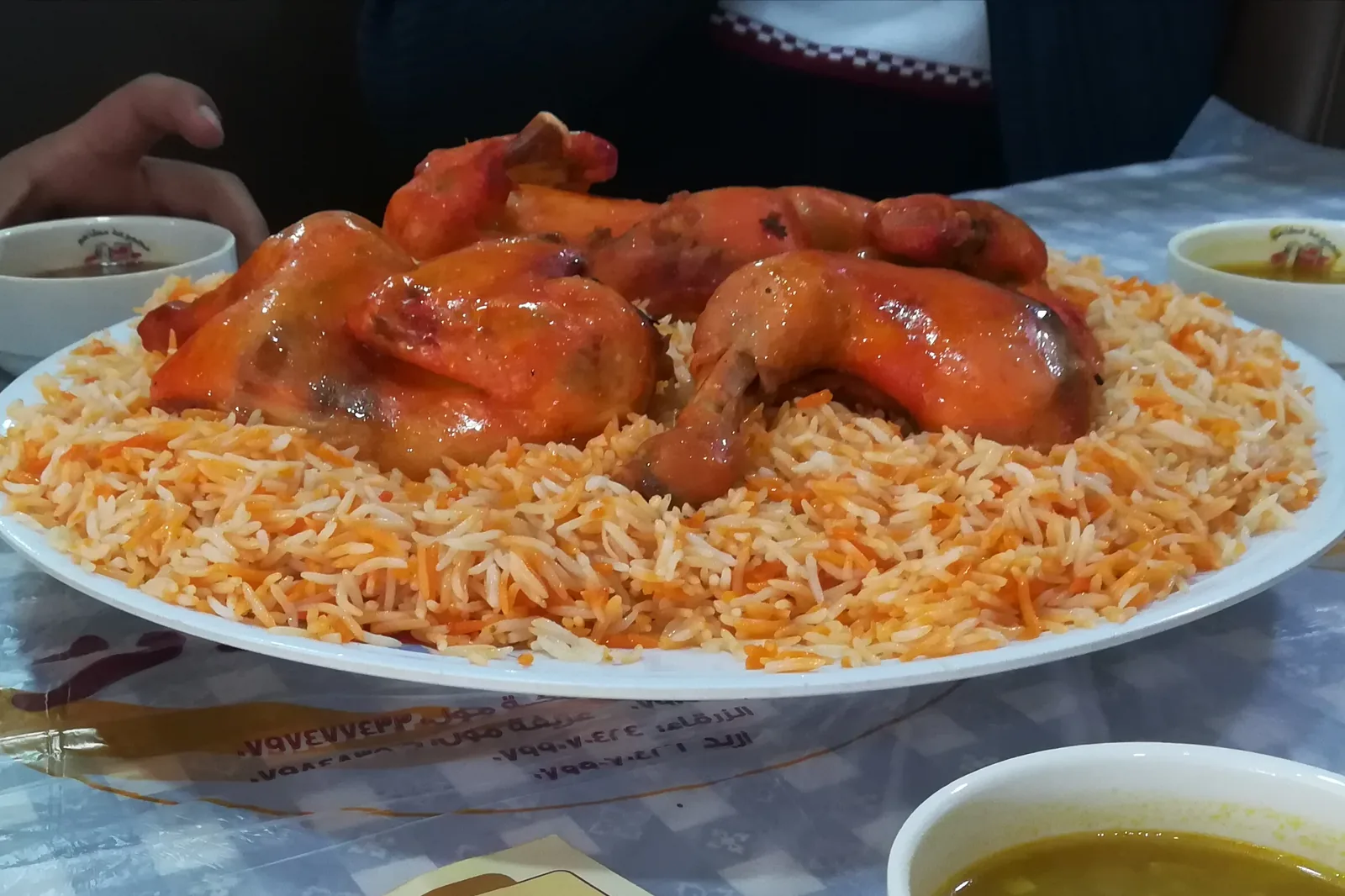
Saudi mandi — whole roasted chickens on orange-tinted smoked rice, with bowls of soup alongside Saudi Arabia flag Saudi Arabia 2h
Dinner •Saudi Heritage

Saudi Mandi

This mandi recipe is Saudi Arabia's great smoked feast dish: the chicken is rubbed with a cumin and coriander spice mix and slow-roasted until the skin is crisp and the meat carries a real charcoal smoke flavour, while the basmati rice is cooked separately in the drippings and stock from the roasting pan. That separation is the whole point of mandi — the meat is never cooked in the rice, as it is in kabsa, so the rice stays pale and fluffy and the chicken stays smoky. One serving is about 450 g.

Smoky Pit-Roasted Feast

Chicken slow-roasted until smoky and tender, served over basmati rice cooked separately in the meat drippings.

Pairs Well With
Mandi soup, salata & hot black tea
High Protein
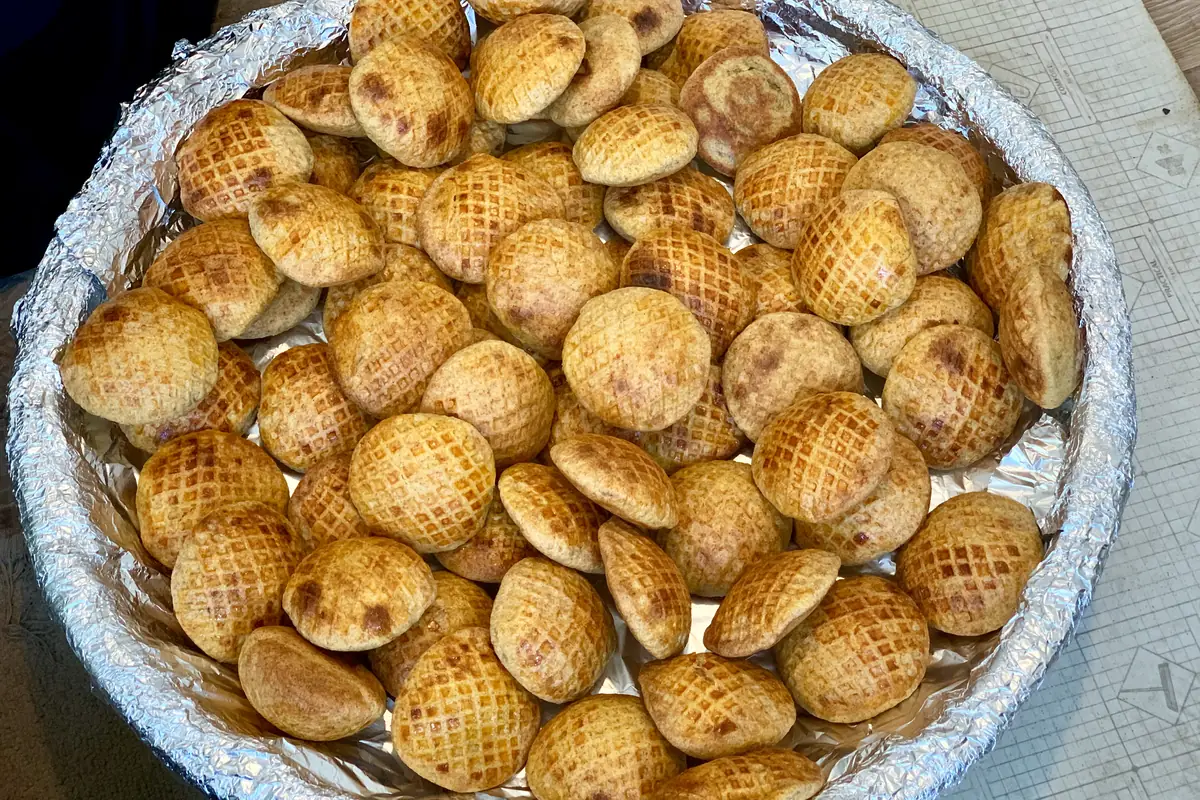
A foil-lined tray piled with golden kleeja cookies, each dome pressed with a crosshatch pattern Saudi Arabia flag Saudi Arabia 2h 15m
Snack & Tea •Saudi Heritage

Saudi Kleeja

This kleeja recipe makes 24 golden, dome-shaped Qassimi cookies: a yeasted whole-wheat dough spiced with cardamom and cinnamon, wrapped around a sugar, dried-lime and spice filling that melts into caramel as it bakes. Each cookie is pressed with a patterned mould, brushed with egg, and baked until crisp outside and soft inside. One serving is about 120 g (3 cookies).

Festive Comfort

Spiced whole-wheat cookies with a caramelised sugar-and-lime centre, baked for Eid, weddings and coffee time.

Pairs Well With
Arabic coffee or mint tea, with labneh on the side
Bœuf bourguignon — French beef braised in red wine France flag France 4h
Dinner •Burgundy Terroir

Bœuf Bourguignon

Beef braised gently in red wine until the connective tissue melts into a velvet, gelatin-rich sauce — the classic Burgundy Sunday dinner.

Cellular Repair

Beef braised in red wine until spoon-tender, with mushrooms and pearl onions.

Pairs Well With
Parsnip Purée & Steamed French Haricots Verts
High Protein
Vietnamese braised pork belly with golden eggs in caramel sauce Vietnam flag Vietnam 1h 45m
Dinner •One Pot

Vietnamese Braised Pork and Eggs

Pork belly slowly braised in coconut water and caramel until meltingly tender, with golden eggs that soak up the sweet-savoury sauce — the Vietnamese family dish that tastes better the next day.

Comfort & Sustained Energy

Slow-braised pork belly and eggs in coconut water and caramel.

Pairs Well With
Steamed rice & pickled mustard greens
High Protein

The Dinner Gazette

Never wonder what’s for dinner again

One email a week with easy dinner ideas from around the world — ingredients, steps and nutrition, tested in our kitchen first.

Delivered every Thursday morning. Unsubscribe anytime.