Curated recipes from 193 countries  •  New seasonal Mediterranean issue out now

Overview

Saudi Mandi

Mandi, Mandi Lahm, Saudi Chicken Mandi

This mandi recipe is Saudi Arabia's great smoked feast dish: the chicken is rubbed with a cumin and coriander spice mix and slow-roasted until the skin is crisp and the meat carries a real charcoal smoke flavour, while the basmati rice is cooked separately in the drippings and stock from the roasting pan. That separation is the whole point of mandi — the meat is never cooked in the rice, as it is in kabsa, so the rice stays pale and fluffy and the chicken stays smoky. One serving is about 450 g.

Mandi comes from Hadramaut in Yemen, and it takes its name from the Arabic word for dew, a nod to the moist, tender meat that comes out of the pit. Traditionally the meat is hung in a sealed underground pit, a handug, over hot coals, while the rice cooks below in the drippings that fall from the meat. The dish travelled across the Arabian Peninsula and became a celebration dish in Saudi Arabia, where families now make it in the oven with a piece of glowing charcoal to give the same smoke.

Pairs well with: Mandi soup, salata & hot black tea

Provenance

Saudi Arabia flag Saudi Arabia

Saudi Heritage

Middle Eastern

Time Dedication

2h

30m prep • 90m cook

Batch Yield

6 Servings

957 kcal per serving

1 serving ≈ 450 g

Technical Skill

Intermediate

Medium (Roast & Smoke)

Meal Timing & Digestive Fit

Breakfast

Not Advised

Lunch

Hearty Midday Main

Dinner

Ideal Hearty Main

Snack & Tea

Inappropriate

High Protein Occasions: Feast dinner, Celebration meal, Guests at home, Friday family lunch Cost: Low — about $3–4 per serving at home
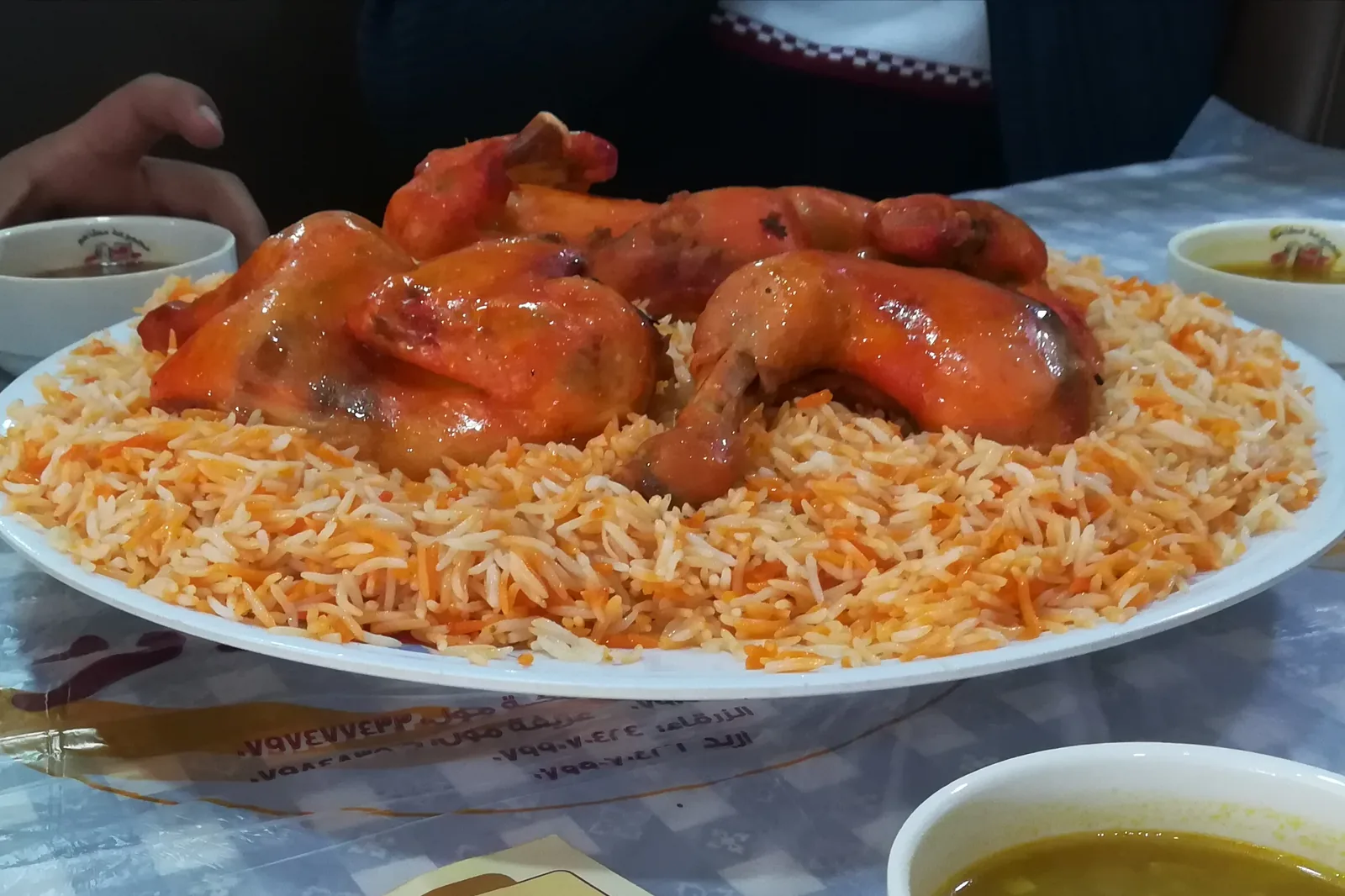
Saudi mandi — whole roasted chickens on orange-tinted smoked rice, with bowls of soup alongside

Saudi Heritage

Photo: Malkawi99, CC BY-SA 4.0, via Wikimedia Commons

The Heritage Formulary

Measured Ingredients

Estimated cost: Low — about $3–4 per serving at home (USD)

Made the pit-smoked way: the chicken is roasted apart from the rice, the rice cooks in the drippings, and the finished dish is smoked with charcoal.

Execution Methodology & Culinary Technique

Step-by-Step Cooking Guide

Active 2h
P

Prep Stage: Marinate the Chicken and Soak the Rice

30 Mins • Marinating & Soaking

Mix the mandi spice mix with the olive oil, lemon juice, garlic and half the salt, and rub it all over the chicken pieces, working it under the skin where you can. Leave the chicken to marinate for at least 20 minutes while you rinse the basmati rice until the water runs clear and leave it to soak in cold water. Soak the saffron in warm water and grate the carrot.

Maestro Tip: Rubbing the spice under the skin is what flavours the meat itself, not just the outside — take the extra minute to do it.

  1. 1

    Roast the Chicken

    50 Mins Oven 200°C (400°F)

    Set the chicken pieces skin-side up on a rack over a roasting pan, so the drippings fall into the pan below, and roast at 200°C (400°F) for 50 minutes, until the skin is crisp and deep golden and the meat is cooked through to 74°C (165°F) at the thickest part. Lift the chicken out and keep it warm; pour the drippings from the pan into a jug — you need them for the rice.

    A rack is not optional: the chicken must roast above the pan so the fat drips away and the skin crisps instead of stewing.

    Done when: The skin is crisp and mahogany-coloured, the juices run clear, and a thermometer reads at least 74°C (165°F).

  2. 2

    Cook the Rice in the Drippings

    25 Mins Low heat, ~95°C (200°F), then rest

    Melt the ghee in a large pot, fry the onion for 4 minutes until soft, then add the tomato and grated carrot and cook for 3 minutes. Pour in the reserved drippings plus the 1.1 L of water and the rest of the salt, and bring to the boil. Drain the soaked rice, tip it in, stir once, and add the soaked saffron with its water. Cover tightly and cook on the lowest heat for 20 minutes without lifting the lid, then rest off the heat, still covered, for 5 minutes.

    The rice is cooked separately from the meat, in the meat's own drippings — that is the mandi method, and it is what keeps the rice pale, fluffy and fragrant instead of stewed.

    Done when: The rice is tender and separate, pale gold from the saffron and carrot, with no liquid left at the bottom.

  3. 3

    Smoke the Dish with Charcoal

    10 Mins No heat — live charcoal, glowing red-hot

    Fluff the rice with a fork, lay the roasted chicken pieces on top, and make a small well in the centre of the rice. Set a small heatproof metal bowl or a cup made of foil in the well, and place the red-hot piece of charcoal in it with tongs. Drizzle a teaspoon of ghee over the charcoal, and as soon as it billows smoke, clamp the lid on tight and leave it for 5 minutes. Then lift the lid and take the bowl and charcoal out.

    Work fast once the ghee hits the charcoal — the smoke escapes in seconds, and a tight lid is what traps it in the rice and chicken.

    Done when: The whole pot smells of wood smoke when the lid comes off, and the chicken skin has a faint smoky sheen.

  4. 4

    Serve on One Wide Platter

    5 Mins No heat

    Spoon the smoked rice onto one wide platter, arrange the chicken pieces on top, and scatter over the toasted almonds, pine nuts and raisins. Serve at once, family-style, with small bowls of the hot stock or a light soup alongside.

    Do not stir the chicken into the rice — mandi is served as a proud mound of rice with the roasted meat on top.

    Done when: A pale golden mound of smoky rice with crisp, mahogany chicken on top, studded with nuts and raisins.

Finishing Touches & Plating

Serve the mandi on one wide platter, smoky roasted chicken on top of the pale golden rice, scattered with almonds, pine nuts and raisins, with soup and salata on the side.

Nutritional Physiology & Benefits

Nutrition

Energy

957

kcal / serving

Protein

43g

Complete AA

Carbs

90g

Complex

Fats

45g

Healthy

Per serving (6 servings · 1 serving ≈ 450 g)
Energy957 kcal
Protein43 g
Carbohydrates90 g
Fat45 g
Fibre4.0 g
Sugar6.0 g
Sodium608 mg
Per 100g
Energy213 kcal
Protein9.6 g
Carbohydrates20 g
Fat10 g
Fibre0.9 g
Sugar1.3 g
Sodium135 mg

Nutrition values are estimated — calculated from USDA FoodData Central values for the listed ingredients.

Vitamins & minerals: Niacin and vitamin B6 (chicken), vitamin A (carrot), vitamin E (almonds and pine nuts). Nutrition values are estimated.

Protein and Steady Energy

Roast chicken and basmati rice together give about 43 g of protein per serving, with slow-digesting carbohydrate for lasting energy.

Roasted, Not Fried

The chicken is roasted on a rack so the fat drips away into the pan, and the rice cooks in those drippings rather than in extra frying fat.

Smoke Instead of Extra Salt

The charcoal smoke gives mandi its deep flavour, so the dish needs only 7 g of salt for six servings to taste fully seasoned.

Food Pairings

What to Eat With

To optimize nutrient absorption and elevate the sensory depth, pair with these authentic accompaniments:

Soups

Mandi Soup (Light Meat Broth)

A small bowl of thin, hot broth made from the roasting drippings is mandi's classic partner: it is sipped alongside the rice and keeps the meal from feeling dry.

Vegetables

Salata (Tomato and Cucumber Salad)

A sharp, crunchy salata of tomato, cucumber and onion cuts through the smoky richness of the roasted chicken and the ghee in the rice.

Sauces

Daqqus (Spicy Tomato Sauce)

The hot, tangy tomato and chilli sauce adds brightness and heat to the pale, smoky rice, and it is the traditional Saudi sauce for mandi.

Drinks

Hot Black Tea with Mint

Saudi families drink hot black tea with mandi: the tannins and heat help cut through the rich rice and settle a heavy feast meal.

Complete menu

Start with mandi soup, follow with mandi, salata and daqqus, and finish with hot black tea and fresh dates.

Digestive Guardrails

What NOT to Combine

To prevent digestive distress, sluggishness, or palate clash, avoid pairing the dish with these elements:

Another Large Rice Dish at the Same Meal

Mandi is already a large plate of rice and chicken, so a second rice or bread dish alongside it doubles the carbohydrate load and leaves little room for the salad and soup that balance the plate. This is general information, not medical advice.

Very Sweet Desserts Straight After

Mandi is already rich and filling, and the raisins add sugar, so a heavy sugary dessert on top of it adds a large dose of sugar to an already big meal; fresh fruit or tea is the lighter finish. This is general information, not medical advice.

General information only, not medical advice — consult a doctor for personal dietary decisions.

Who Should Eat It

Who Should Eat

  • General adultsA smoky, festive roast-chicken dinner — the meat is roasted apart from the rice, then smoked with charcoal.
  • ChildrenMild and filling, but serve the chicken off the bone and skip the daqqus sauce for younger children.
  • ElderlySoft rice and tender roast chicken are easy to chew; serve a smaller portion with plenty of the soup.
  • Pregnant womenFine when the chicken is cooked through to 74°C (165°F); keep the smoke step brief and the portion moderate.
  • Breastfeeding womenA filling, protein-rich meal; the spices are used in normal cooking amounts.
  • AthletesAbout 38 g of protein and plenty of carbohydrate per serving make it a solid meal after a hard training day.
  • Weight gainA generous serving with extra rice, nuts and raisins adds useful energy and protein.
  • Weight lossKeep to one measured serving, go easy on the nuts and raisins, and fill half the plate with salata instead of extra rice.

Health Conditions — Adjust or Avoid

Conditions

  • DiabetesBasmati rice is a large carbohydrate load, so keep the portion modest and pair it with plenty of salata; ask your clinician about portions.
  • High blood pressureThe salt is kept to 7 g for six servings, but the drippings concentrate it, so keep the portion modest; ask your clinician.
  • Kidney diseaseA large serving is high in protein, so keep portions small; ask your clinician.
  • GoutChicken and a rich meat stock can raise purine intake, so keep the portion modest and avoid second helpings of chicken; ask your clinician.
  • Stomach issuesChilli sauce and smoke flavour can irritate a sensitive stomach — skip the daqqus and keep the smoke step short; ask your clinician.
  • Cardiovascular diseaseSkin-on chicken and ghee add saturated fat, so remove the skin before eating and keep the portion moderate; ask your clinician.
  • Fatty liverA big plate of rice with roast chicken skin is energy-dense, so keep the portion modest and skip the skin; ask your clinician.
  • Food allergiesContains tree nuts (almonds, pine nuts). The dish is naturally gluten-free and dairy-free if ghee is replaced with oil; check the spice mix for hidden additives.
  • Special therapeutic dietsHalal by design. For a low-sodium diet, cook with half the salt and no added stock cubes; ask your clinician or dietitian.

If you have a medical condition, consult your doctor before changing your diet.

Storage & Use

Storage & Use

How to store
Cool quickly and store the rice and chicken in separate airtight containers.
In the fridge
3 days.
In the freezer
Up to 2 months.
How to reheat
Reheat with a splash of water, covered, until steaming hot throughout, to 74°C (165°F). The smoke flavour fades on reheating.
Freezing recommended
Yes, up to 2 months; freeze in single portions and add fresh nuts and raisins after reheating.
Signs it has spoiled
Sour or off smell, slimy rice, or mould.

More recipes to explore

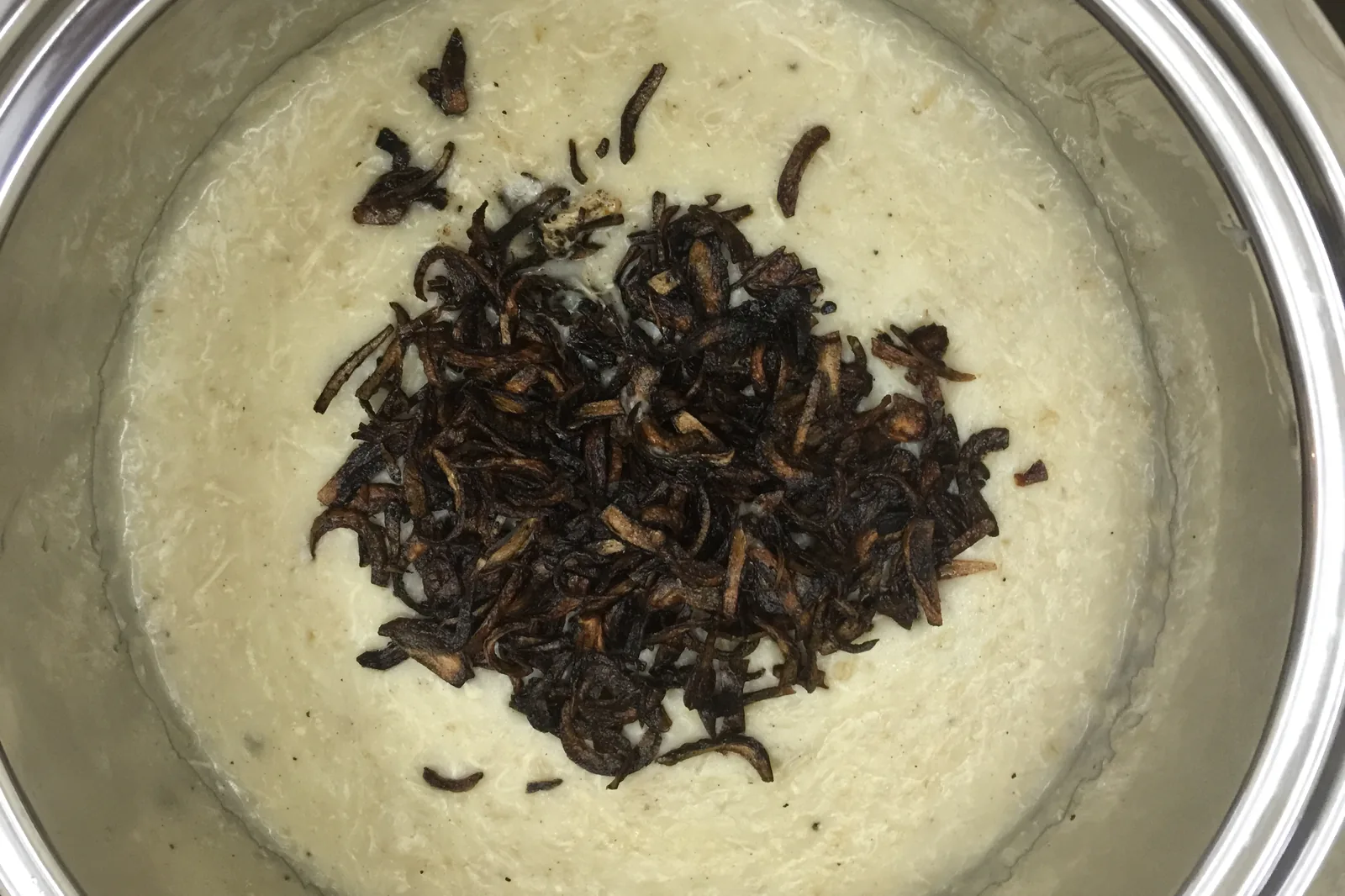
Saudi jareesh — creamy cracked-wheat porridge in a pot topped with dark fried onions Saudi Arabia flag Saudi Arabia 2h 10m
Dinner •Saudi Heritage

Saudi Jareesh

This jareesh recipe is Saudi Arabia's old cracked-wheat porridge: coarse cracked wheat is soaked, then simmered with chicken, onion, tomato and cumin until the grains soften and the whole pot turns thick and creamy, with the chicken shredded through it. It is finished the Saudi way, with melted ghee and a spoonful of crisp, dark fried onions on top. It is not beaten smooth like harees — the cracked wheat keeps a soft, visible grain. One serving is about 375 g.

Slow-Cooked Comfort & Gentle Energy

Cracked wheat and chicken simmered slowly until creamy, finished with ghee and crisp fried onions.

Pairs Well With
Cucumber and tomato salad, lentil soup & hot tea
Soups & Broths
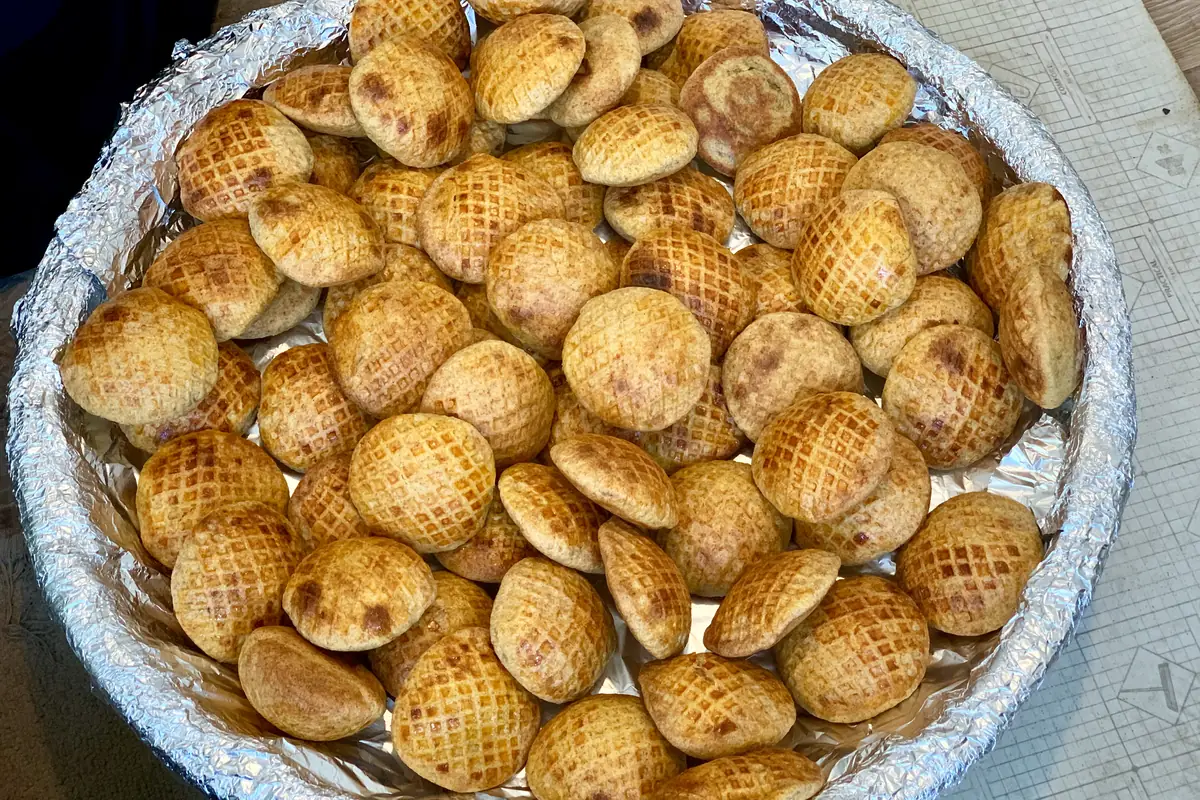
A foil-lined tray piled with golden kleeja cookies, each dome pressed with a crosshatch pattern Saudi Arabia flag Saudi Arabia 2h 15m
Snack & Tea •Saudi Heritage

Saudi Kleeja

This kleeja recipe makes 24 golden, dome-shaped Qassimi cookies: a yeasted whole-wheat dough spiced with cardamom and cinnamon, wrapped around a sugar, dried-lime and spice filling that melts into caramel as it bakes. Each cookie is pressed with a patterned mould, brushed with egg, and baked until crisp outside and soft inside. One serving is about 120 g (3 cookies).

Festive Comfort

Spiced whole-wheat cookies with a caramelised sugar-and-lime centre, baked for Eid, weddings and coffee time.

Pairs Well With
Arabic coffee or mint tea, with labneh on the side
Bœuf bourguignon — French beef braised in red wine France flag France 4h
Dinner •Burgundy Terroir

Bœuf Bourguignon

Beef braised gently in red wine until the connective tissue melts into a velvet, gelatin-rich sauce — the classic Burgundy Sunday dinner.

Cellular Repair

Beef braised in red wine until spoon-tender, with mushrooms and pearl onions.

Pairs Well With
Parsnip Purée & Steamed French Haricots Verts
High Protein
Vietnamese braised pork belly with golden eggs in caramel sauce Vietnam flag Vietnam 1h 45m
Dinner •One Pot

Vietnamese Braised Pork and Eggs

Pork belly slowly braised in coconut water and caramel until meltingly tender, with golden eggs that soak up the sweet-savoury sauce — the Vietnamese family dish that tastes better the next day.

Comfort & Sustained Energy

Slow-braised pork belly and eggs in coconut water and caramel.

Pairs Well With
Steamed rice & pickled mustard greens
High Protein

The Dinner Gazette

Never wonder what’s for dinner again

One email a week with easy dinner ideas from around the world — ingredients, steps and nutrition, tested in our kitchen first.

Delivered every Thursday morning. Unsubscribe anytime.