Curated recipes from 193 countries  •  New seasonal Mediterranean issue out now

Overview

Sausage Sizzle

Bunnings snag, snag in bread, democracy sausage

This sausage sizzle recipe is the Australian classic: thin pork and beef sausages grilled over a barbecue, laid on a slice of soft white bread with sweet fried onion and a stripe of tomato sauce. It is not a sausage roll and not a hot dog — the bread is a plain folded slice, the sausage is thin and unspiced, and the whole thing is eaten standing up, in your hands, usually at a community fundraiser barbecue. One serving is about 288 g.

The sausage sizzle grew up as the Australian community fundraiser: local clubs and schools set up a barbecue outside a hardware store — most famously Bunnings Warehouse, where the first community sizzle ran at the Sunshine store in Melbourne in the mid-1990s — and sold sausages in bread for a few dollars to raise money. The same snag in bread became the 'democracy sausage', the snack Australians queue for outside polling stations on election day. It is deliberately simple food: a thin, plain barbecue sausage, a slice of white bread, fried onion and tomato sauce, eaten standing up. That simplicity is also what sets it apart from South Africa's boerewors roll, which uses a thick, coriander-spiced beef sausage in a soft roll with a cooked tomato-onion relish — different sausage, different bread, different condiment, different occasion.

Pairs well with: Serve with a cold soft drink or lemonade and a simple coleslaw or garden salad on the side.

Provenance

Australia flag Australia

Australian Classic

Oceania & Pacific

Time Dedication

25m

10m prep • 15m cook

Batch Yield

4 Servings

813 kcal per serving

1 serving ≈ 288 g

Technical Skill

Easy

Easy (Barbecue or Pan)

Meal Timing & Digestive Fit

Breakfast

Not Advised

Lunch

Prime Metabolic Fit

Dinner

Ideal Hearty Main

Snack & Tea

Inappropriate

Quick Prep (<30m) Occasions: Community fundraiser barbecues, election day, weekend barbecues, school fetes, casual outdoor lunches Cost: Low — about $2–3 per serving at home

Two grilled sausages on sliced white bread with fried onion and tomato sauce, held in a hand

Australian Classic

Photo: Alpha, CC BY-SA 2.0, via Wikimedia Commons

The Heritage Formulary

Measured Ingredients

Estimated cost: Low — about $2–3 per serving at home (USD)
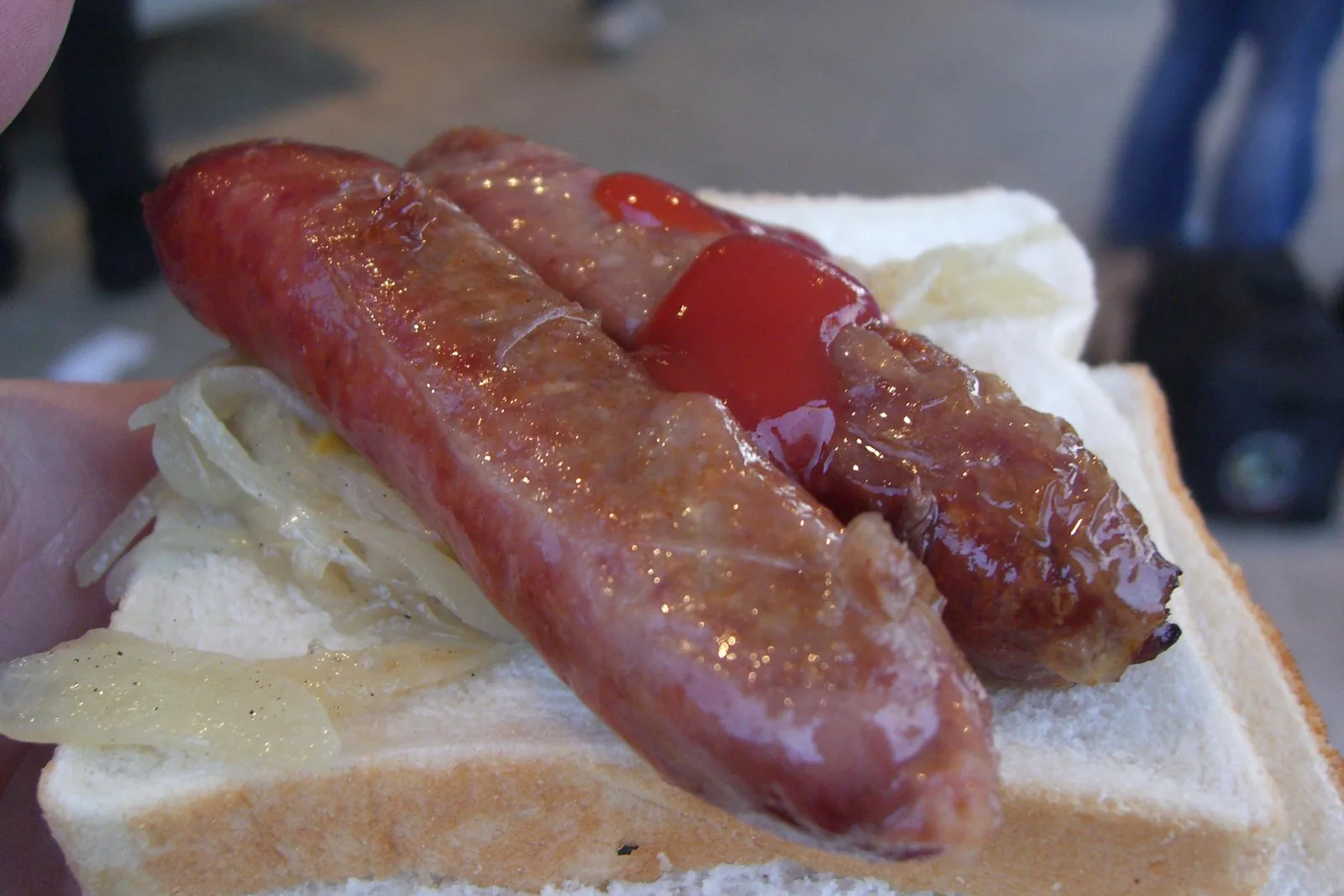
A good sausage sizzle has a browned, juicy sausage that is cooked right through, soft warm bread that folds without tearing, sweet golden onion underneath the sausage, and just enough tomato sauce to season every bite.

Execution Methodology & Culinary Technique

Step-by-Step Cooking Guide

Active 25m
P

Prep Stage: Onions Sliced, Bread Buttered, Barbecue Lit

10 Mins • One Board, One Pan

Slice the onions thinly into half-rings and season with the salt and pepper. Lay out the bread slices and butter one side of each, if using butter. Heat the barbecue or a large flat grill plate (or a wide frying pan) so it is hot before the sausages go on — thin sausages cook fast and dry out on a lukewarm grill.

Maestro Tip: Get the onions frying first: they take the longest and can sit warm while the sausages grill.

  1. 1

    Fry the onions until soft and golden

    10 minutes Medium heat 160°C (320°F)

    Heat the oil in a wide pan over medium heat. Add all 300 g of sliced onion with the salt and pepper and fry for 8–10 minutes, stirring often, until soft, sweet and golden at the edges. Keep them warm in the pan off the heat.

    Do not rush the onions on high heat — burnt onion turns bitter, while slow-fried onion is what makes a sizzle taste like a sizzle.

    Done when: Soft, translucent and golden, with no crisp or burnt edges.

  2. 2

    Grill the sausages

    10–12 minutes Medium-high heat 190°C (375°F)

    While the onions fry, place the 8 sausages on the hot barbecue or grill plate. Turn them every 2–3 minutes so they brown evenly all over, for 10–12 minutes in total, until the centre reaches 71°C (160°F) on a meat thermometer.

    Never prick the casings — the juices escape and the sausages dry out. If they flare up, move them to a cooler part of the grill.

    Done when: Evenly browned all over, firm to the touch, and 71°C (160°F) in the centre with no pink meat.

  3. 3

    Butter and warm the bread

    2 minutes Medium heat 160°C (320°F)

    Lay the buttered side of each bread slice down on the grill plate or barbecue for 30–60 seconds, just until warm and lightly marked. Do not toast it crisp — the bread must stay soft enough to fold around the sausage.

    Warm the bread in the last minute so it is still soft when the sausages come off the grill.

    Done when: Warm, soft and lightly marked, still flexible enough to fold.

  4. 4

    Build the sizzles

    2 minutes No heat needed

    Put a spoonful of fried onion on each slice of bread — Bunnings safety guidance puts the onion underneath the sausage, so it stays in the bread instead of sliding off. Lay 2 hot sausages on top of the onion, then add a stripe of tomato sauce and mustard if you like. Fold the bread up around the sausages.

    Serve one slice per sausage if people want a lighter serve; two sausages on one folded slice is the generous fundraiser serve.

    Done when: Onion under the sausage, sauce on top, bread folded and holding together.

  5. 5

    Serve straight away, in your hands

    1 minute No heat needed

    Hand the sizzles out hot, with a serviette — there are no plates and no cutlery at a sausage sizzle. Eat within a few minutes, while the bread is soft and the sausage is still juicy.

    Put the sauce and mustard bottles on the table so everyone can add their own; the sizzle is always better sauced to taste.

    Done when: Hot, juicy and ready to eat immediately.

Finishing Touches & Plating

Eat the sizzles hot, standing up, within minutes of the grill — that is the whole point of a sausage sizzle. Put extra sauce, mustard and fried onion on the table so everyone can build theirs the way they like it.

Nutritional Physiology & Benefits

Nutrition

Energy

813

kcal / serving

Protein

25g

Complete AA

Carbs

56g

Complex

Fats

54g

Healthy

Per serving (4 servings · 1 serving ≈ 288 g)
Energy813 kcal
Protein25 g
Carbohydrates56 g
Fat54 g
Fibre3.9 g
Sugar12.1 g
Sodium1932 mg
Per 100g
Energy283 kcal
Protein8.7 g
Carbohydrates19.4 g
Fat18.9 g
Fibre1.4 g
Sugar4.2 g
Sodium672 mg

Nutrition values are estimated — calculated from USDA FoodData Central values for the listed ingredients.

Vitamins & minerals: Provides iron, zinc and vitamin B12 from the pork and beef sausage, plus vitamin C and B6 from the fried onion. Nutrition is estimated.

High in protein

Each serving provides about 25.1 g of protein, mainly from the sausages, which helps keep you full through the afternoon.

Iron, zinc and B12

Pork and beef sausage is a source of iron, zinc and vitamin B12, nutrients that support normal red blood cell formation and immune function as part of a varied diet.

Fresh onion, fast to make

The fried onion adds fibre and vitamin C from a fresh vegetable, and the whole sizzle comes together in 25 minutes with no special equipment.

Food Pairings

What to Eat With

To optimize nutrient absorption and elevate the sensory depth, pair with these authentic accompaniments:

Sides

Coleslaw

Cool, crunchy coleslaw cuts through the rich, salty sausage and adds freshness that the soft bread and onion cannot provide on their own.

Vegetables

Simple garden salad

Crisp lettuce, tomato and cucumber with a lemon dressing lighten the plate and balance the fat and salt of the sausage.

Drinks

Iced lemonade or soft drink

A cold, fizzy drink is the classic fundraiser pairing — its sweetness and chill contrast with the hot, salty sausage straight off the grill.

Cold beer

For adults, a cold lager is the traditional barbecue drink — its bitterness and fizz cleanse the palate between bites of rich sausage.

Complete menu

Serve the sausage sizzles with coleslaw and a garden salad, plus iced lemonade, for a full fundraiser-style lunch — finish with a lamington or a slice of pavlova if you want something sweet afterwards.

Digestive Guardrails

What NOT to Combine

To prevent digestive distress, sluggishness, or palate clash, avoid pairing the dish with these elements:

Very salty extras

One serving already contains about 1,932 mg of sodium from the sausage, bread, sauce and mustard. Adding extra salty sauces, salty crisps or cured meats on the same plate can push sodium very high in one meal, which matters for blood pressure. This is general information, not medical advice.

Eating undercooked sausage

Thin sausages are a fresh raw meat product, so they must be cooked through to 71°C (160°F) in the centre. Eating them pink or rare carries a risk of foodborne illness. When in doubt, check with a meat thermometer. This is general information, not medical advice.

General information only, not medical advice — consult a doctor for personal dietary decisions.

Who Should Eat It

Who Should Eat

  • General adultsA satisfying lunch as written; enjoy as an occasional meal rather than an everyday one because of its salt and saturated fat.
  • ChildrenChildren usually love a sausage sizzle; cut the sausage into pieces for young children, go easy on the mustard, and watch the hot sausage temperature.
  • ElderlySoft bread and well-cooked sausage are easy to eat, but the high sodium means one serving is enough, with salad on the side.
  • Pregnant womenOnly eat sausages cooked right through to 71°C (160°F) and served steaming hot; avoid any sausage that has been sitting out at a barbecue. Ask your clinician if unsure.
  • Breastfeeding womenFine as an occasional lunch; the salt and fat are the main things to watch, so balance the rest of the day with lighter meals.
  • AthletesAbout 25.1 g of protein and 55.8 g of carbohydrate per serving make it a handy post-training lunch, though the sodium is high — drink water with it.
  • Weight gainAt 813 kcal per serving with two sausages, it fits a higher-energy day; add a second serving or a side of chips for more calories.
  • Weight lossOne sausage on one slice of bread with extra onion and salad instead of a second sausage roughly halves the energy; skip the butter and go light on the sauce.

Health Conditions — Adjust or Avoid

Conditions

  • DiabetesOne serving carries about 55.8 g of carbohydrate, mainly from the bread; one sausage on one slice with extra onion lowers the carb load. Check blood sugar as usual and ask your clinician about portion size.
  • High blood pressureAt about 1,932 mg of sodium per serving, this is a very salty meal. Skip the extra sauce and mustard, and eat it only occasionally. Ask your clinician about sodium limits.
  • Kidney diseaseThe high sodium and the protein load make this a poor choice for most kidney diets. If you want one, a single small sausage with plain bread and no sauce is the lightest version — ask your clinician first.
  • GoutProcessed pork and beef sausage is rich in purines, which can raise uric acid. Keep portions small and infrequent, and ask your clinician if you have gout.
  • Stomach issuesFried onion and fatty sausage can trigger reflux and discomfort for sensitive stomachs. Try a smaller serve with less onion and no mustard, and ask your clinician if symptoms persist.
  • Cardiovascular diseaseThis is high in saturated fat and sodium, so treat it as an occasional food rather than a regular lunch. A single sausage with salad is a lighter option — ask your clinician.
  • Fatty liverThe saturated fat from the sausage and butter works against a liver-friendly diet, so keep it occasional and pair it with salad rather than chips. Ask your clinician about your overall diet.
  • Food allergiesContains gluten (wheat bread) and may contain milk (butter); sausages can contain sulphites and traces of other allergens — check the sausage label. Mustard is itself an allergen for some people. Ask your clinician if you have food allergies.
  • Special therapeutic dietsNot suitable for gluten-free, vegetarian, vegan or low-sodium therapeutic diets as written; a gluten-free bread and a suitable sausage can adapt it, but ask your clinician or dietitian first.

If you have a medical condition, consult your doctor before changing your diet.

Storage & Use

Storage & Use

How to store
Cool leftovers quickly and keep sausages, onion and bread separate in airtight containers.
In the fridge
Cooked sausages keep 2–3 days in the fridge; fried onion keeps 2 days; bread keeps 1–2 days in a bag.
In the freezer
Cooked sausages freeze well for up to 1 month in portions; bread freezes for up to 1 month; do not freeze an assembled sizzle.
How to reheat
Reheat sausages in a pan or oven until steaming hot all the way through, to 74°C (165°F); warm the bread briefly — do not microwave an assembled sizzle.
Freezing recommended
Freezing the cooked sausages alone works well; freezing an assembled sizzle does not — the bread goes soggy.
Signs it has spoiled
Sour or off smell, slimy casing, grey or green patches on the sausage, or mould on the bread — discard if any appear.

More recipes to explore

A slice of golden meat pie with rich beef filling on a plate Australia flag Australia 1h 25m
Lunch •Australian Classic

Australian Meat Pie

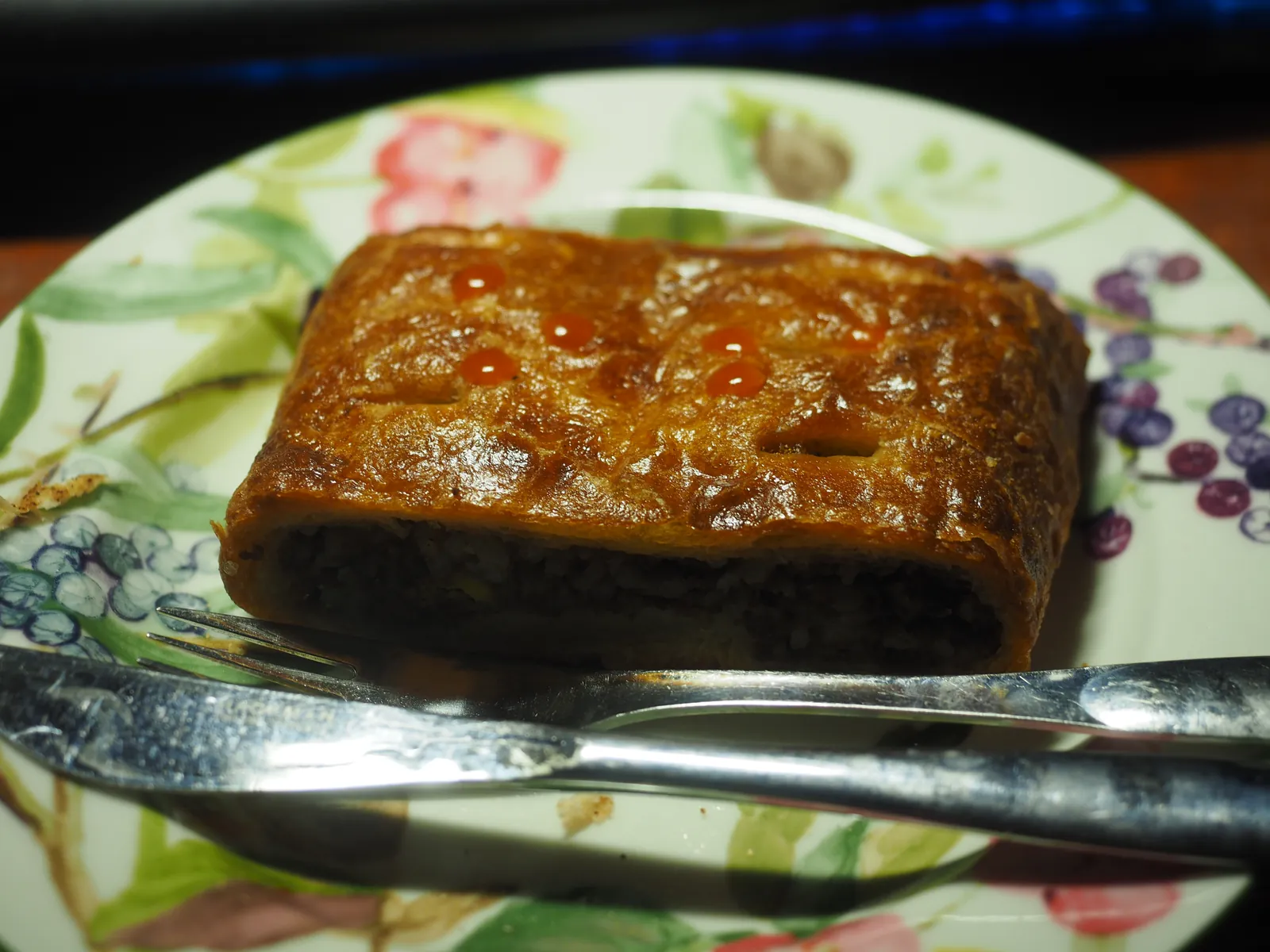
The Australian meat pie is a single-serving pie with a shortcrust base, a filling of ground beef simmered in a thick, dark gravy with onion and carrot, and a golden pastry lid. It is the food of football grounds, bakeries and road trips across Australia, eaten by hand with tomato sauce. This recipe makes four individual pies with a proper gravy that stays inside the pie instead of running out. One pie is about 360 g.

Hearty & Satisfying

A hand-held pie with a crisp shortcrust base, a rich beef gravy filling and a golden lid — Australia's most famous food.

Pairs Well With
Tomato sauce & mashed potato
Pavlova meringue cake topped with whipped cream, strawberries and blueberries Australia flag Australia 2h 40m
Snack & Tea •Australian Classic

Australian Pavlova

Pavlova is a meringue cake with a crisp, crackled shell and a soft, marshmallowy middle, crowned with softly whipped cream and fresh fruit. It is named after the Russian ballerina Anna Pavlova, who toured Australia and New Zealand in the 1920s, and both countries claim it — in Australia it is the dessert of Christmas Day and summer barbecues, served with strawberries, kiwi and blueberries. One serving is about 135 g.

Light & Celebratory

A crisp meringue shell with a soft marshmallow centre, piled with whipped cream and fresh fruit — Australia's celebration dessert.

Pairs Well With
Fresh berries & passion fruit
Chocolate and coconut lamington squares on a plate Australia flag Australia 1h
Snack & Tea •Australian Classic

Australian Lamingtons

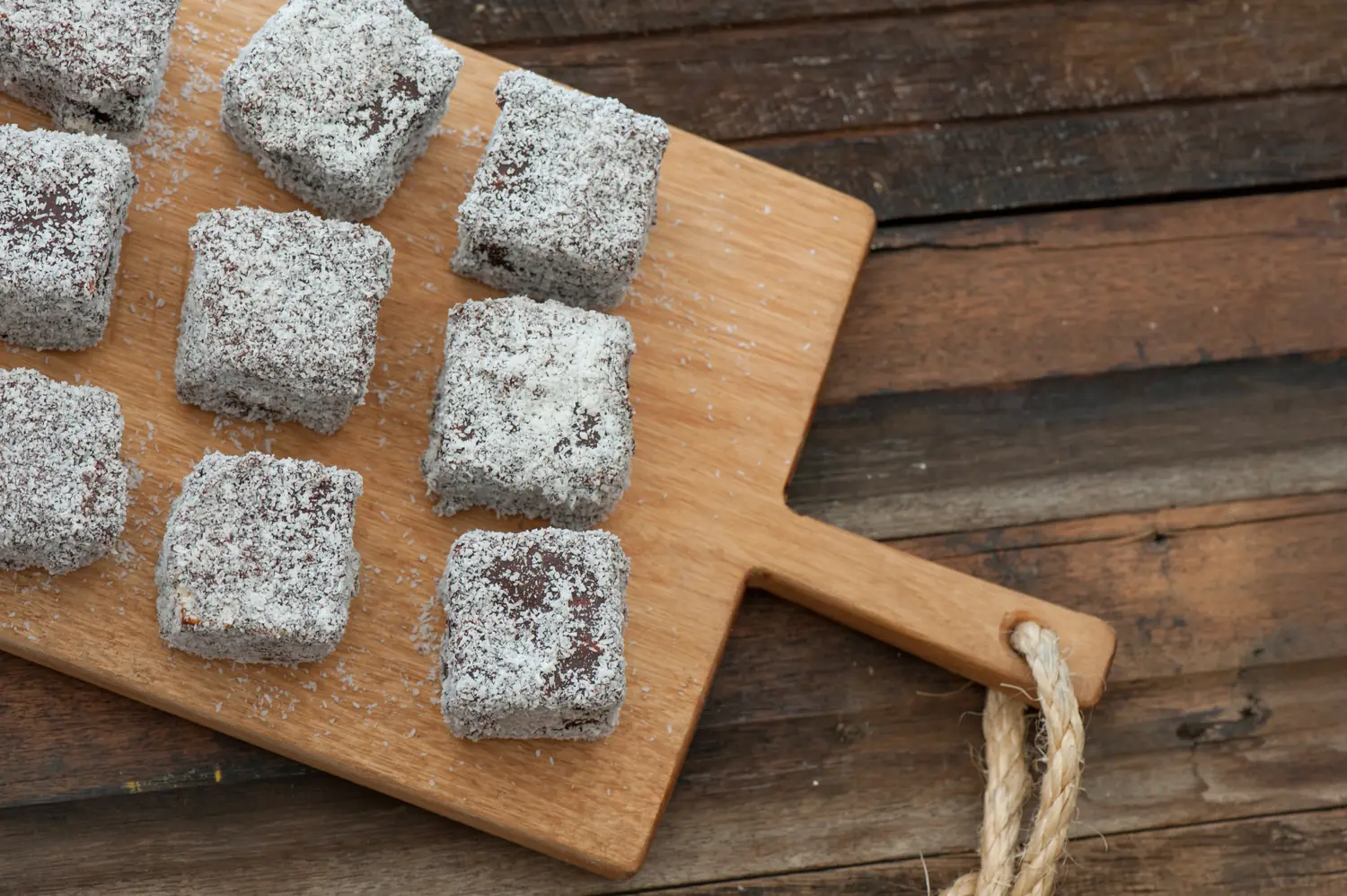
Lamingtons are squares of light vanilla sponge, dipped in a thin chocolate icing and rolled in desiccated coconut until every side is coated. They are named after Lord Lamington, Governor of Queensland in the 1890s, and they are the cake of Australian school fetes, bake sales and afternoon tea — best eaten the day after baking, when the icing has soaked slightly into the sponge. This recipe makes 16 lamingtons; one serving is two squares, about 155 g.

Sweet & Comforting

Squares of vanilla sponge dipped in chocolate icing and rolled in coconut — the cake Australia eats with its afternoon tea.

Pairs Well With
A cup of tea & fresh berries
A golden chicken parmigiana topped with melted mozzarella and tomato sauce, served with chips and salad on a white plate Australia flag Australia 55m
Dinner •Australian Classic

Chicken Parmigiana

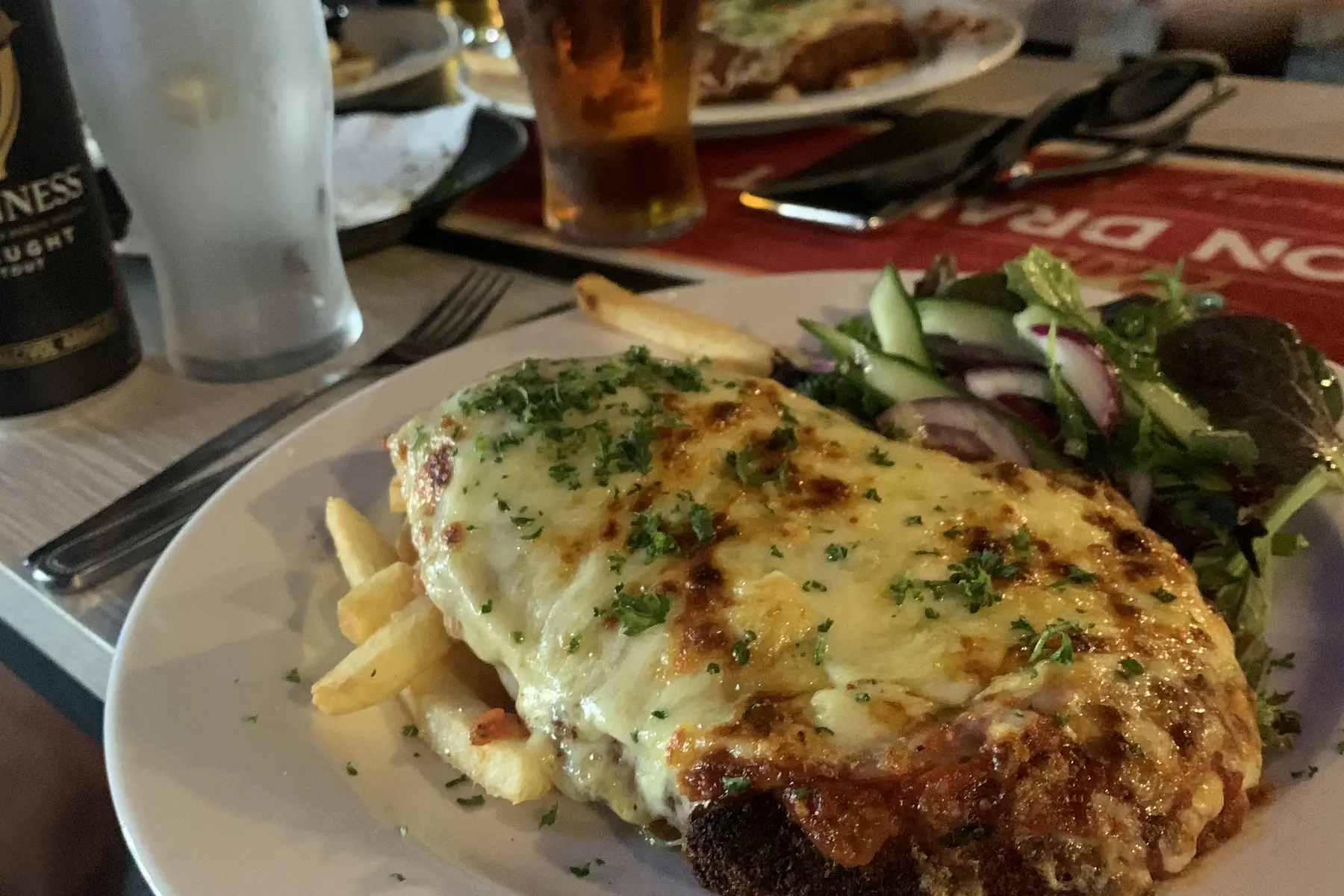
This chicken parmigiana recipe makes the pub classic Australians call the parma (or parmi, if you are from South Australia): a crumbed chicken breast fried until golden, topped with tomato sauce, a slice of leg ham and a thick blanket of mozzarella, then grilled until bubbling. It is the dish ordered at more Australian pubs than any other, and it cooks at home in under an hour. One serving is about 340 g.

Hearty Pub Comfort

Golden crumbed chicken under tomato sauce, ham and bubbling mozzarella, with chips and salad on the side.

Pairs Well With
Hot chips & garden salad
High Protein

The Dinner Gazette

Never wonder what’s for dinner again

One email a week with easy dinner ideas from around the world — ingredients, steps and nutrition, tested in our kitchen first.

Delivered every Thursday morning. Unsubscribe anytime.