Curated recipes from 193 countries  •  New seasonal Mediterranean issue out now

Overview

Sel Roti

Selroti; Nepali rice doughnut; Nepali ring-shaped rice bread

This sel roti recipe makes Nepal's beloved ring-shaped rice doughnuts: a sweet batter of soaked rice, banana, sugar and cardamom, poured in a circle into hot oil and fried until crisp outside and soft inside. The rings are best eaten warm, pulled apart by hand, with a cup of milky chiya. One serving is about 115 g (2 rings).

Sel roti is a traditional Nepali sweet, ring-shaped fried rice bread made for the great festivals of Dashain and Tihar, when families cook large batches to share with guests. The batter starts from rice soaked overnight and ground by hand — traditionally on a stone mortar — then mixed with sugar, ghee and cardamom and poured in a circle into hot oil. It is eaten across Nepal and in the Nepali-speaking hills of Sikkim and Darjeeling, and it is as much a part of festival mornings as the tika and the blessings.

Pairs well with: Milky chiya, aloo achar & plain yoghurt

Provenance

Nepal flag Nepal

Nepal Festival Classic

East & South Asia

Time Dedication

1h 5m

40m prep • 25m cook

Batch Yield

6 Servings

380 kcal per serving

1 serving ≈ 115 g

Technical Skill

Intermediate

Moderate (Ring Shaping)

Meal Timing & Digestive Fit

Breakfast

Not Advised

Lunch

Inappropriate

Dinner

Inappropriate

Snack & Tea

Ideal Light Bite

Occasions: Dashain, Tihar, family gatherings, festive mornings, tea time Cost: Low — about $1–2 per serving at home
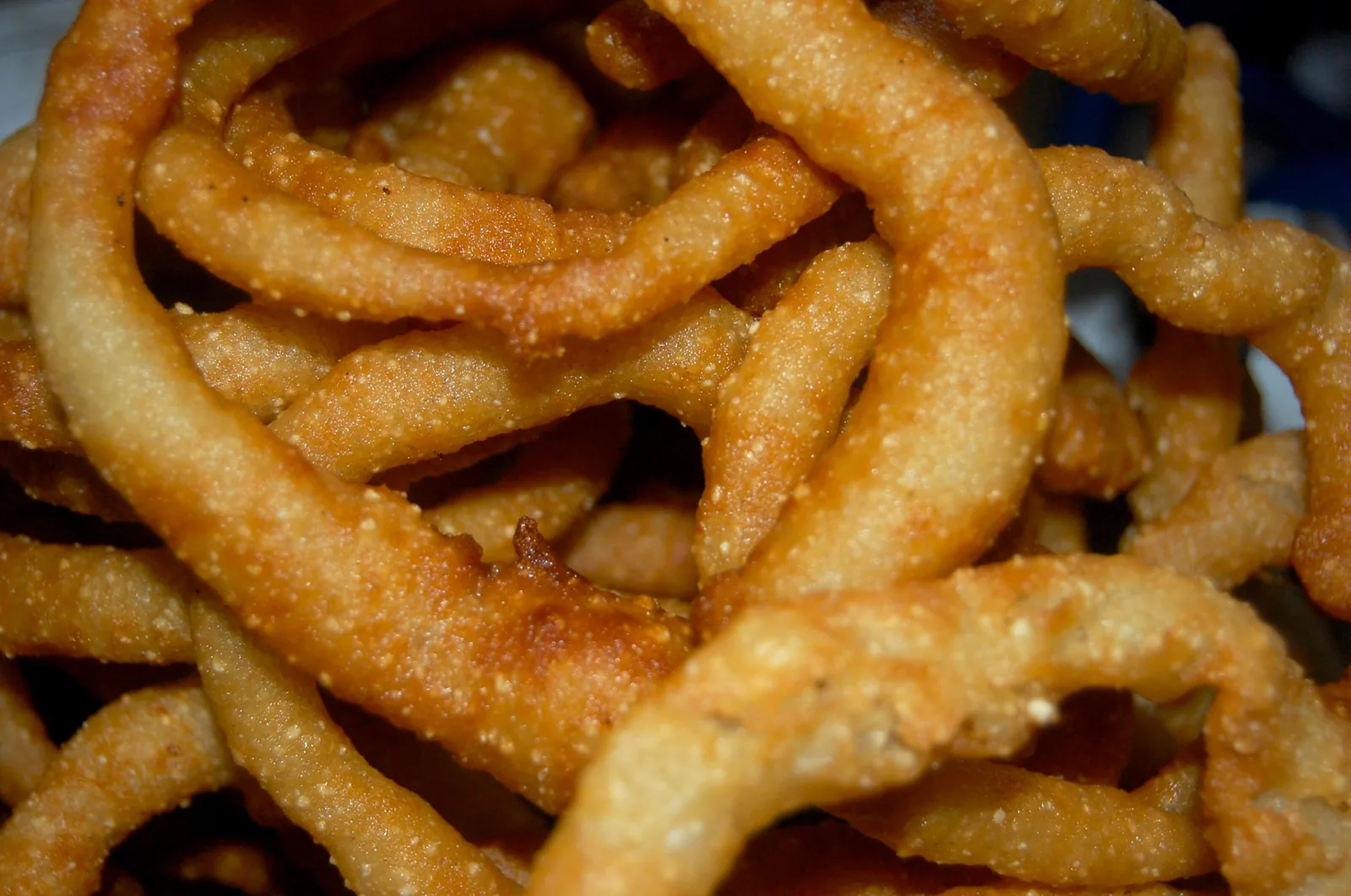
A pile of golden-brown sel roti — crisp ring-shaped Nepali rice doughnuts

Nepal Festival Classic

Photo: Ashishlohorung, CC BY-SA 3.0, via Wikimedia Commons

The Heritage Formulary

Measured Ingredients

Estimated cost: Low — about $1–2 per serving at home (USD)

Nepali home cooking: soaked rice ground into a sweet batter, poured in rings and deep-fried until crisp and golden.

Execution Methodology & Culinary Technique

Step-by-Step Cooking Guide

Active 1h 5m
P

Prep Stage: Rice Soaked Overnight, Batter Ground & Rested

40 Mins • Grinding & Resting (plus overnight soak)

The night before, rinse the rice and leave it to soak in plenty of cold water. On the day, drain the rice and grind it with the banana, sugar, milk, ghee, cardamom, salt and just enough water to make a thick, pourable batter — about the consistency of thick cream. Leave the batter to rest for 30 minutes while you set out a jug or squeeze bottle for pouring and line a tray with paper towels.

Maestro Tip: Grind in two batches if your blender is small — a smooth, slightly coarse batter fries up crisp; a lumpy one tears when you pour the ring.

  1. 1

    Soak the Rice Overnight

    8–12 Hours (Overnight, Passive) • Soaking Room temperature, about 20°C (68°F)

    Rinse 300 g of long-grain white rice in several changes of cold water until the water runs mostly clear, then cover with plenty of cold water and leave it to soak overnight, 8–12 hours. The grains should feel plump and crush easily between your fingers. Drain well in a colander — no need to dry the rice, a little clinging water helps the blender.

    Start the soak the night before a festival morning; soaked rice keeps in the fridge for a day if your plans change.

    Done when: Grains are swollen and crush easily; no hard white centre.

  2. 2

    Grind the Sweet Rice Batter

    10 Mins • Blending Room temperature, about 20°C (68°F)

    Put the drained rice in a blender with the banana, sugar, milk, melted ghee, cardamom and salt. Blend, adding the water a spoonful at a time, until you have a smooth, thick, pourable batter — like thick cream that falls from a spoon in a slow ribbon. It should not run like water. If it is too thick to pour, add water a tablespoon at a time; if it is too thin, stir in a tablespoon of rice flour and wait a few minutes.

    Blend in two batches for a smoother batter, and scrape down the sides halfway through so no dry rice hides at the bottom.

    Done when: Batter falls from a spoon in a slow, unbroken ribbon and holds its shape for a second on the surface.

  3. 3

    Rest the Batter

    30 Mins • Resting Room temperature, about 20°C (68°F)

    Pour the batter into a bowl or a jug with a spout, cover it, and leave it to rest for 30 minutes. The rice absorbs a little more liquid in this time and the batter thickens slightly — this is what keeps the rings from spreading flat in the oil. Give it one gentle stir before frying; do not beat it again.

    A jug with a narrow spout, a squeeze bottle or even a clean plastic bag with a snipped corner all make pouring neat rings much easier than a spoon.

    Done when: Batter is slightly thicker than when first blended and pours in a steady stream.

  4. 4

    Heat the Oil

    5 Mins • Heating 175°C (350°F)

    Pour 500 ml of sunflower oil into a deep, heavy pan or kadhai — at least 5 cm deep — and heat over medium-high heat to 175°C (350°F). Test with a drop of batter: it should sizzle at once and rise to the surface within a few seconds. If it sinks and sits, the oil is too cool; if it darkens instantly, turn the heat down and wait.

    A kitchen thermometer is the surest way to hold 175°C; without one, keep the heat steady and fry a small test ring first.

    Done when: A drop of batter sizzles hard and floats up golden within seconds.

  5. 5

    Pour and Fry the Rings

    20 Mins • Frying 175°C (350°F)

    Pour the batter in a slow, steady circle into the hot oil, starting from the outside and closing the ring — about 60 ml (1/4 cup) per ring, roughly the size of a doughnut. Fry 3–4 rings at a time so the oil temperature does not drop. Cook for about 2 minutes, then flip gently with tongs or chopsticks and fry the second side for another 2 minutes, until deep golden and crisp all over. Lift out, drain on paper towels, and repeat with the rest of the batter to make 12 rings.

    Pour from low over the oil and keep your hand moving in one smooth circle — pausing mid-ring is what makes lopsided sel roti. If a ring breaks, scoop it out; the pieces still taste wonderful.

    Done when: Deep golden-brown and crisp on both sides, with a firm, springy feel; the centre is cooked through and soft.

Finishing Touches & Plating

Serve the sel roti warm, while the edges are still crisp, piled on a plate with milky chiya. They keep their crunch for an hour or two at room temperature — after that, a quick warm-up in a hot oven brings them back.
Nutritional Physiology & Benefits

Nutrition

Energy

380

kcal / serving

Protein

4g

Complete AA

Carbs

61g

Complex

Fats

13g

Healthy

Per serving (6 servings · 1 serving ≈ 115 g)
Energy380 kcal
Protein4 g
Carbohydrates61 g
Fat13 g
Fibre1.1 g
Sugar19.2 g
Sodium72 mg
Per 100g
Energy330 kcal
Protein3.5 g
Carbohydrates53.1 g
Fat11.5 g
Fibre1 g
Sugar16.7 g
Sodium62 mg

Nutrition values are estimated — calculated from USDA FoodData Central values for the listed ingredients.

Vitamins & minerals: B vitamins (thiamin, niacin) from the rice, potassium and vitamin B6 from the banana, and calcium from the milk.

Quick Energy for Festive Days

About 380 kcal per serving, mostly from rice and sugar, makes sel roti a fast source of energy — the reason it is eaten on long festival mornings.

Simple Pantry Ingredients

Rice, sugar, banana, milk and cardamom — nothing processed, and the whole recipe comes together from things most kitchens already have.

Naturally Gluten-Free

The batter is made from rice only, with no wheat flour at all, so sel roti is naturally free of gluten as written.

Food Pairings

What to Eat With

To optimize nutrient absorption and elevate the sensory depth, pair with these authentic accompaniments:

Drinks

Milky Chiya (Nepali Spiced Tea)

The classic partner: hot, milky, gently spiced tea softens each crisp bite and balances the sweetness of the rings, and dipping is half the pleasure.

Sides

Aloo Achar (Spiced Potato Salad)

The traditional festival pairing — tangy, mustard-spiced potatoes cut through the sweetness and richness of the fried rings, so the plate never feels one-note.

Plain Yoghurt

A spoonful of cool, tart yoghurt beside the warm rings gives a fresh contrast and cools the palate between bites.

Full Menus

Festival Breakfast Plate

Two sel roti with aloo achar, a small bowl of yoghurt and a cup of chiya make a complete festive breakfast — sweet, sour, hot and cool on one plate.

Complete menu

Serve two warm sel roti per person with aloo achar and a spoonful of plain yoghurt, and finish with a cup of milky chiya.

Digestive Guardrails

What NOT to Combine

To prevent digestive distress, sluggishness, or palate clash, avoid pairing the dish with these elements:

Frying in Oil That Is Too Cool

Oil below about 170°C (340°F) soaks into the batter instead of crisping it, leaving greasy, heavy rings. Wait for a proper sizzle before pouring. This is a cooking note, not medical advice.

Sealing Warm Rings in a Bag or Box

Warm sel roti trapped in a closed container steams itself soft and soggy within minutes. Cool them fully on a rack first, then store. This is general food-safety information, not medical advice.

Reheating in the Microwave

A microwave turns crisp sel roti soft and chewy. Warm them in a hot oven or air fryer instead, where the dry heat restores the crunch. This is a cooking note, not medical advice.

General information only, not medical advice — consult a doctor for personal dietary decisions.

Who Should Eat It

Who Should Eat

  • General adultsA sweet festive snack — two rings with tea is a satisfying portion for most adults.
  • ChildrenChildren love the ring shape; serve one ring, cooled enough to hold, and keep the hot oil and frying well away from them.
  • ElderlySoft inside once cooled a little, but crisp at the edges — serve warm, not piping hot, and in small pieces if chewing is difficult.
  • Pregnant womenEat freshly fried and still warm, and keep to a modest portion because of the sugar. Ask your clinician about portion size.
  • Breastfeeding womenAn energy-rich snack that fits well between meals; pair it with tea or yoghurt rather than a second helping of rings.
  • AthletesAbout 61 g of carbohydrate per serving makes this a quick energy top-up after training, though it is low in protein — pair it with yoghurt or a protein-rich meal.
  • Weight gainEnergy-dense at 380 kcal a serving — a full two-ring portion with sweet tea suits a weight-gain plan.
  • Weight lossAt 380 kcal and 19 g of sugar a serving, this is a treat rather than an everyday snack — enjoy one ring, slowly, with unsweetened tea.

Health Conditions — Adjust or Avoid

Conditions

  • DiabetesAbout 61 g of carbohydrate and 19 g of sugar per serving is a large sweet load — keep to one ring, eat it after a meal rather than on an empty stomach, and skip the sweet tea. Ask your clinician about portion size.
  • High blood pressureAbout 72 mg of sodium per serving is low, so salt is not the concern here — the sugar and the frying are. Keep the portion small. Ask your clinician about portion size.
  • Kidney diseaseLow in protein and sodium, which helps, but the banana adds potassium — keep portions modest and occasional. Ask your clinician about portion size.
  • GoutRice, banana and sugar are low in purines, so sel roti is not a typical gout trigger — the main caution is the sugar and the fried fat. Ask your clinician about portion size.
  • Stomach issuesDeep-fried, sweet food can sit heavily and trigger reflux in some people — eat a small portion, slowly, and avoid eating it late at night. Ask your clinician about portion size.
  • Cardiovascular diseaseFried in oil and sweet, with about 13 g of fat per serving — treat this as an occasional festive food, not a daily snack, and keep the portion to one ring. Ask your clinician about portion size.
  • Fatty liverHigh in sugar and fried fat, both of which add to liver fat over time — enjoy rarely and in a small portion. Ask your clinician about portion size.
  • Food allergiesContains milk (milk and ghee). Naturally gluten-free as written, with no wheat, egg or nuts — but check your oil and rice flour labels if you use them. Ask your clinician if you are unsure.
  • Special therapeutic dietsA sweet, fried food that does not fit low-sugar, low-fat or calorie-controlled plans as written — a plain rice-flour ring baked instead of fried would be a different dish. Ask your clinician before adapting it.

If you have a medical condition, consult your doctor before changing your diet.

Storage & Use

Storage & Use

How to store
Cool completely on a wire rack, then store in a paper-lined container at room temperature or in the fridge.
In the fridge
2 days, in a sealed container; the rings soften as they sit.
In the freezer
1 month, in a sealed bag with the air pressed out.
How to reheat
Warm in a hot oven or air fryer at 175°C (350°F) for 4–5 minutes until crisp and hot all the way through; avoid the microwave, which makes them chewy.
Freezing recommended
Yes, up to 1 month; reheat from frozen in a hot oven for 6–8 minutes.
Signs it has spoiled
Sour or stale smell, soft slimy surface, or any mould.

More recipes to explore

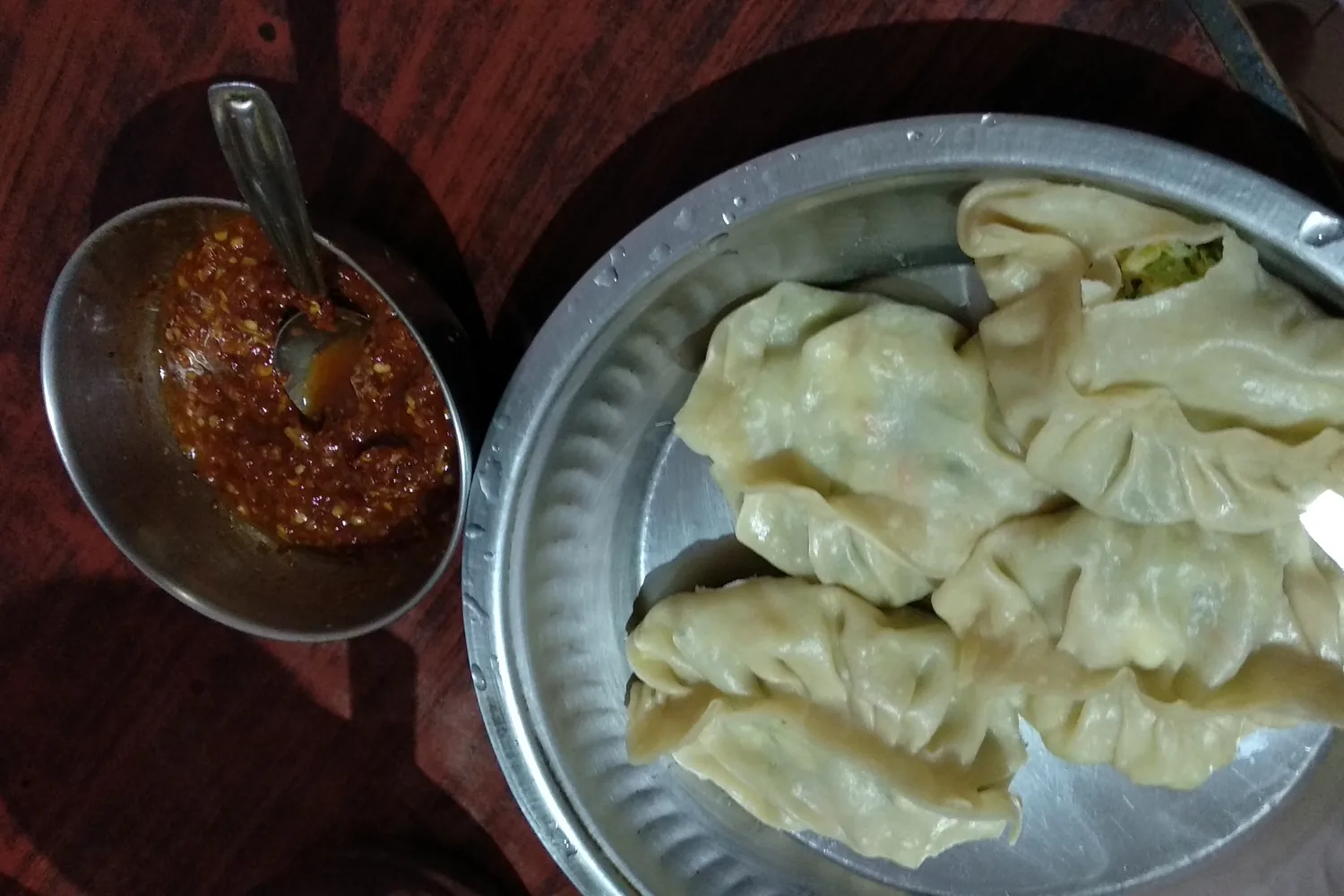
Nepalese momo — steamed chicken dumplings on a steel plate with a bowl of red chilli achar Nepal flag Nepal 1h 25m
Dinner •Nepalese Street-Food Favourite

Nepalese Momo

This nepalese momo recipe wraps spiced ground chicken, onion, cabbage, ginger and coriander in paper-thin wrappers, steams the little pleated dumplings until juicy, and serves them hot with a fiery tomato-sesame achar. One serving is about 410 g.

Comfort & Warmth

Small steamed dumplings filled with spiced chicken, served hot with a fiery tomato-sesame achar.

Pairs Well With
Tomato-sesame achar, cucumber salad, hot masala chiya
High Protein
Nepali dal bhat on a brass thali — a mound of white rice with bowls of yellow dal, vegetable tarkari, saag greens, yogurt and papad, with fresh fruit Nepal flag Nepal 1h 5m
Dinner •Nepal's National Dish

Dal Bhat

This dal bhat recipe is Nepal's everyday dinner plate: a mound of steamed basmati rice with a bowl of golden lentil dal, potato and cauliflower tarkari, wilted spinach saag, cool yogurt and a crisp papad, all served together on one plate. The dal is finished with a sizzling tempering of cumin, garlic and ginger in ghee, and a squeeze of lemon wakes the whole plate up. One serving is about 610 g.

Everyday Comfort

Steamed rice with soft lentils, vegetable tarkari, saag, yogurt and papad — Nepal's everyday dinner plate.

Pairs Well With
Tomato achar, cucumber salad & masala chiya
Pan con tomate with jamón ibérico on toasted bread Spain flag Spain 15m
Snack & Tea •Catalan Aperitivo

Pan con Tomate & Jamón Ibérico

Country bread rubbed with ripe Ramallet tomato, drizzled with cold-pressed Arbequina olive oil and topped with jamón ibérico.

Vascular Health

Toasted tomato bread with jamón ibérico, olive oil and olives.

Pairs Well With
Castelvetrano Olives & Sparkling Mineral Water
Quick Prep (<30m)
Gỏi cuốn — Vietnamese fresh spring rolls with prawn and pork Vietnam flag Vietnam 1h 5m
Snack & Tea •Saigon Refresh

Gỏi Cuốn Tôm Thịt

Fresh rice paper rolls filled with poached prawns, tender pork, rice vermicelli, lettuce, herbs and carrot, served with a peanut dipping sauce.

Light Digestion

Nothing is fried, so the rolls stay light and fresh — a cool, herb-filled snack for hot days.

Pairs Well With
Artisanal Peanut Dip & Fresh Lotus Root Water
High Protein

The Dinner Gazette

Never wonder what’s for dinner again

One email a week with easy dinner ideas from around the world — ingredients, steps and nutrition, tested in our kitchen first.

Delivered every Thursday morning. Unsubscribe anytime.