Curated recipes from 193 countries  •  New seasonal Mediterranean issue out now

Overview

Sellou

Selou, Slilou, Moroccan energy sweet, Zamita

This sellou recipe toasts flour, almonds and sesame until nutty, then binds them with warm butter and honey into a rich, crumbly sweet scented with cinnamon and anise. It is the energy food of Moroccan Ramadan tables and new mothers, pressed into a round and cut into diamonds. One serving is about 97 g.

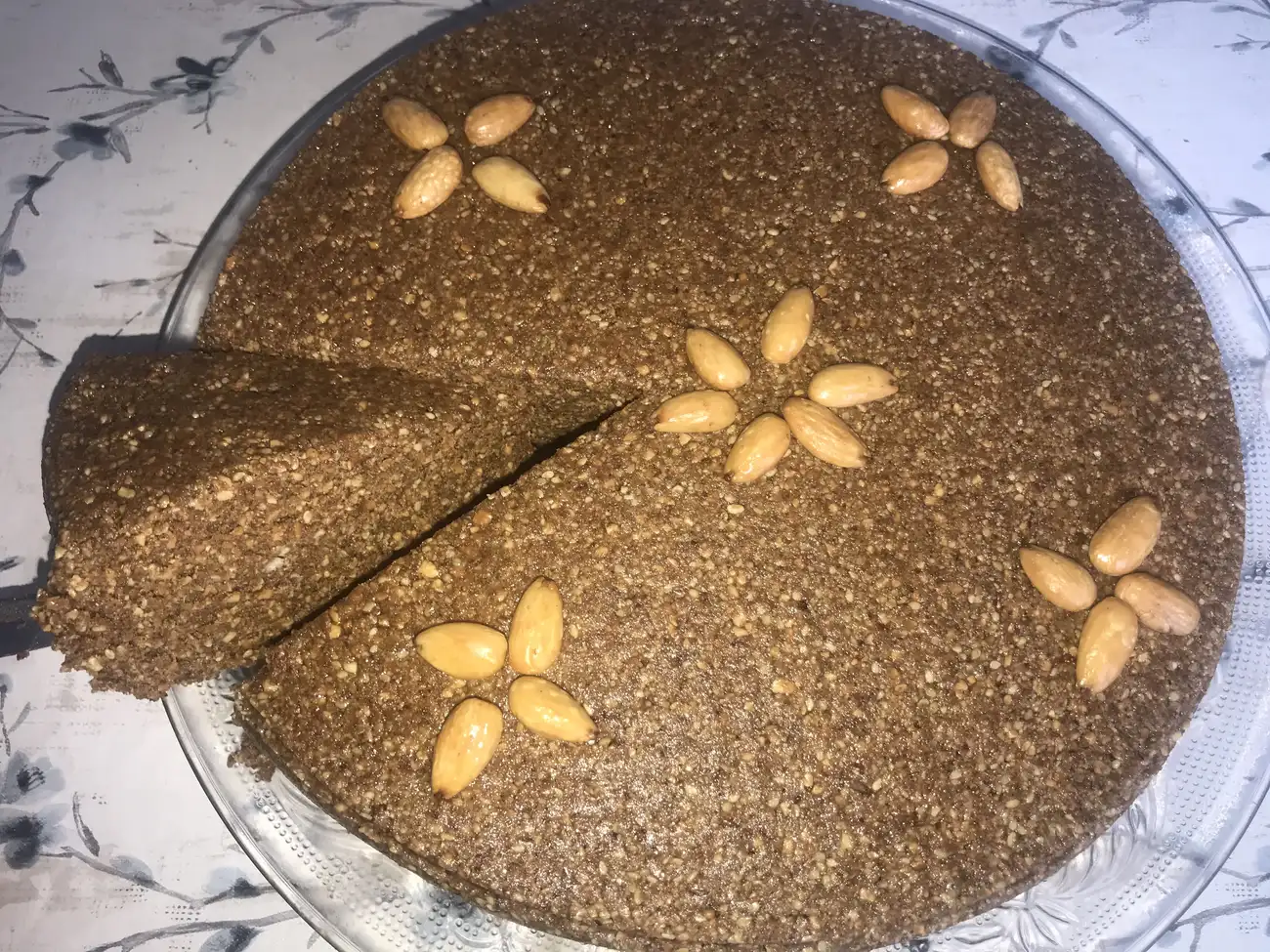
Sellou, also called slilou or zamita, is one of Morocco's oldest sweets, made from ingredients that keep without refrigeration: roasted flour, almonds, sesame, honey and butter. It is the food of Ramadan nights, when it is eaten to restore energy after the fast, and it is traditionally prepared for women after childbirth, when its richness and warmth are valued. Families press it into rounds and cut it into diamonds, decorating the top with almonds.

Pairs well with: Mint tea, or a small glass of spiced herbal tea

Provenance

Morocco flag Morocco

Moroccan Ramadan Sweet

Middle Eastern

Time Dedication

45m

20m prep • 25m cook

Batch Yield

8 Servings

445 kcal per serving

1 serving ≈ 97 g

Technical Skill

Intermediate

Easy (No-Bake)

Meal Timing & Digestive Fit

Breakfast

Not Advised

Lunch

Inappropriate

Dinner

Inappropriate

Snack & Tea

Ideal Light Bite

Occasions: Ramadan iftar, new mothers, festive gatherings, tea time, travelling food, energy snacks Cost: Low — about $2–3 per serving at home

A round of pressed sellou decorated with whole almonds in flower shapes, with one diamond slice cut

Moroccan Ramadan Sweet

Photo: Najwa210, CC BY-SA 4.0, via Wikimedia Commons

The Heritage Formulary

Measured Ingredients

Estimated cost: Low — about $2–3 per serving at home (USD)
Good sellou holds its shape when pressed, crumbles cleanly when bitten, and smells of toasted flour, cinnamon and honey.

Execution Methodology & Culinary Technique

Step-by-Step Cooking Guide

Active 45m
P

Prep Stage: Sift, Measure and Set the Mould

20 Mins • Measuring

Sift the flour, weigh the almonds, sesame, honey and butter, and line a 20 cm round tin or plate with baking paper. Keep the whole almonds for decorating separate from the ones you will grind.

Maestro Tip: Weighing everything first matters here — sellou is mixed by feel, and stopping to measure mid-way lets the flour cool.

  1. 1

    Toast the Flour

    15 Mins Medium-low heat, 150°C (300°F)

    Put the sifted flour in a large dry pan over medium-low heat at about 150°C (300°F). Stir constantly with a wooden spoon for 12 to 15 minutes until the flour turns an even golden sand colour and smells like toasted nuts. Tip it into a large bowl at once so it stops cooking.

    Never walk away from toasting flour — it goes from golden to burnt in under a minute.

    Done when: The flour is the colour of light caramel and smells nutty, with no dark specks.

  2. 2

    Toast and Grind the Nuts and Seeds

    8 Mins Medium heat, 160°C (320°F)

    In the same dry pan, toast the almonds for 4 minutes and the sesame seeds for 2 minutes, stirring, until golden. Let them cool for 5 minutes, then grind the almonds to a coarse meal and the sesame to a fine powder, keeping the 20 decorating almonds whole.

    Grind in short pulses — over-grinding turns almonds into butter and changes the crumb.

    Done when: The almonds feel like coarse sand and the sesame is a pale, fragrant powder.

  3. 3

    Mix the Dry Base

    5 Mins Room temperature, 20°C (68°F)

    Add the ground almonds, ground sesame, icing sugar, cinnamon and aniseed to the warm toasted flour. Mix with your hands until the colour is even and the mixture feels like damp sand.

    Mixing while the flour is still faintly warm helps the spices bloom into the flour.

    Done when: One even golden-brown crumb with no pale or dark patches.

  4. 4

    Bind With Butter and Honey

    5 Mins Warm butter, about 50°C (122°F)

    Pour the warm melted butter and honey over the crumb and mix with your hands until the mixture holds together when squeezed. Add a spoonful more honey only if it will not hold — the finished sellou should be firm and crumbly, not wet or greasy.

    Squeeze, do not knead: sellou is pressed, not worked like dough.

    Done when: A squeezed handful keeps its shape, then crumbles when pressed again.

  5. 5

    Press, Decorate and Cut

    7 Mins Room temperature, 20°C (68°F)

    Press the mixture firmly into the lined tin or onto a plate, smoothing the top with the back of a spoon. Arrange the whole almonds in small flowers on top, press them in gently, and leave the sellou to set for 30 minutes. Cut into 8 diamonds or wedges to serve.

    Press hard at the edges first — loose edges are what make slices crumble.

    Done when: The round holds its edge when lifted, and a knife cuts clean diamonds.

Finishing Touches & Plating

Serve the diamonds at room temperature with mint tea. Sellou improves after a day, as the honey settles into the toasted flour.

Nutritional Physiology & Benefits

Nutrition

Energy

445

kcal / serving

Protein

9g

Complete AA

Carbs

52g

Complex

Fats

24g

Healthy

Per serving (8 servings · 1 serving ≈ 97 g)
Energy445 kcal
Protein9 g
Carbohydrates52 g
Fat24 g
Fibre4.6 g
Sugar18.3 g
Sodium83 mg
Per 100g
Energy458 kcal
Protein9.7 g
Carbohydrates53.9 g
Fat24.4 g
Fibre4.7 g
Sugar18.9 g
Sodium85 mg

Nutrition values are estimated — calculated from USDA FoodData Central values for the listed ingredients.

Vitamins & minerals: Almonds and sesame supply vitamin E, magnesium, calcium and iron, while honey and flour add quick energy. Nutrition is estimated.

Quick Energy

About 445 kcal per serving from honey, nuts and toasted flour gives steady energy, which is why sellou is eaten to break the fast and to recover after childbirth.

Nuts and Seeds

Almonds and sesame bring vitamin E, magnesium and calcium, plus plant protein and fibre, in a naturally no-bake sweet.

Keeps Without a Fridge

With no eggs or milk and very little water, pressed sellou keeps for weeks at room temperature, making it a practical travelling and fasting food.

Food Pairings

What to Eat With

To optimize nutrient absorption and elevate the sensory depth, pair with these authentic accompaniments:

Drinks

Mint Tea

Hot, sweet mint tea balances the rich, crumbly sweet and is the classic partner at Moroccan tables.

Sides

Dates

A few dates beside the sellou double the traditional Ramadan energy foods without adding cooking.

Vegetables

Fresh Fruit

Oranges or figs cut the richness and add freshness after a dense, nutty sweet.

Full Menus

Ramadan Iftar Table

Dates, harira soup, sellou and mint tea form the classic Moroccan fast-breaking spread.

Complete menu

Dates and harira to break the fast, then sellou diamonds with mint tea to finish the Ramadan table.

Digestive Guardrails

What NOT to Combine

To prevent digestive distress, sluggishness, or palate clash, avoid pairing the dish with these elements:

Large Portions for Diabetes

Sellou is high in honey and sugar, so people watching blood sugar should keep portions small and eat it with tea rather than alone. This is general information, not medical advice.

Nut and Sesame Allergy

This sweet is built on almonds and sesame, both common allergens, so it must not be served to anyone with a nut or sesame allergy.

General information only, not medical advice — consult a doctor for personal dietary decisions.

Who Should Eat It

Who Should Eat

  • General adultsA rich, energy-dense sweet — one diamond is a snack, not a light bite, so enjoy it with tea.
  • ChildrenChildren love the sweet, nutty crumb, but it is high in sugar and very filling, so small pieces suit them best.
  • ElderlySoft and easy to eat with no chewing trouble, and a good energy source; keep portions small because it is very sweet.
  • Pregnant womenA traditional food for new mothers and a useful energy snack in pregnancy, but it is high in sugar — ask your clinician about portion size if you have gestational diabetes.
  • Breastfeeding womenTraditionally eaten by breastfeeding mothers for energy, and the nuts add useful nutrients; keep it as a snack, not a meal.
  • AthletesExcellent quick energy before or after training, with nuts and seeds for extra nutrients — one or two diamonds with tea.
  • Weight gainAn easy way to add energy: a diamond with tea between meals adds about 445 kcal without feeling like a heavy meal.
  • Weight lossVery energy-dense, so keep it to half a diamond with unsweetened tea, or save it for special occasions.

Health Conditions — Adjust or Avoid

Conditions

  • DiabetesAbout 52 g of carbohydrate and 18 g of sugar per serving is high — keep portions small and pair with unsweetened tea. Ask your clinician about your personal target.
  • High blood pressureVery low in sodium at about 83 mg per serving, so salt is not the concern here — sugar and energy are. Ask your clinician if unsure.
  • Kidney diseaseNuts and seeds are high in potassium and phosphorus, so portions matter on a kidney plan — ask your clinician before eating it regularly.
  • GoutNuts and seeds are moderate in purines, but the main concern is the sugar load; small, occasional portions suit most people. Ask your clinician for personal advice.
  • Stomach issuesRich, fatty and sweet, so it can feel heavy on a sensitive stomach — eat a small piece slowly with tea. Ask your clinician if symptoms persist.
  • Cardiovascular diseaseNuts and sesame bring healthy fats, but honey and sugar raise the energy load — enjoy small portions occasionally. Ask your clinician for personal advice.
  • Fatty liverHigh in sugar and energy, so it is best kept as an occasional small treat rather than a daily snack. Ask your clinician for personal advice.
  • Food allergiesContains tree nuts (almonds), sesame, wheat and gluten (flour), and milk (butter). Honey is not suitable for infants under one year old.
  • Special therapeutic dietsNot suitable for nut-free, sesame-free, gluten-free or low-sugar plans without a full reformulation; ask your clinician or dietitian before adding it to a therapeutic diet.

If you have a medical condition, consult your doctor before changing your diet.

Storage & Use

Storage & Use

How to store
Keep the pressed round or cut diamonds in an airtight tin at cool room temperature.
In the fridge
2 weeks in the fridge, but it dries out — room temperature storage is better.
In the freezer
3 months in a sealed container; thaw at room temperature.
How to reheat
No reheating needed. If chilled, let it come to room temperature for 20 minutes; do not microwave, or the honey separates.
Freezing recommended
Yes — sellou freezes well for up to 3 months in a sealed tin.
Signs it has spoiled
A rancid, paint-like smell from the nuts, white mould spots, or a sour taste.

More recipes to explore

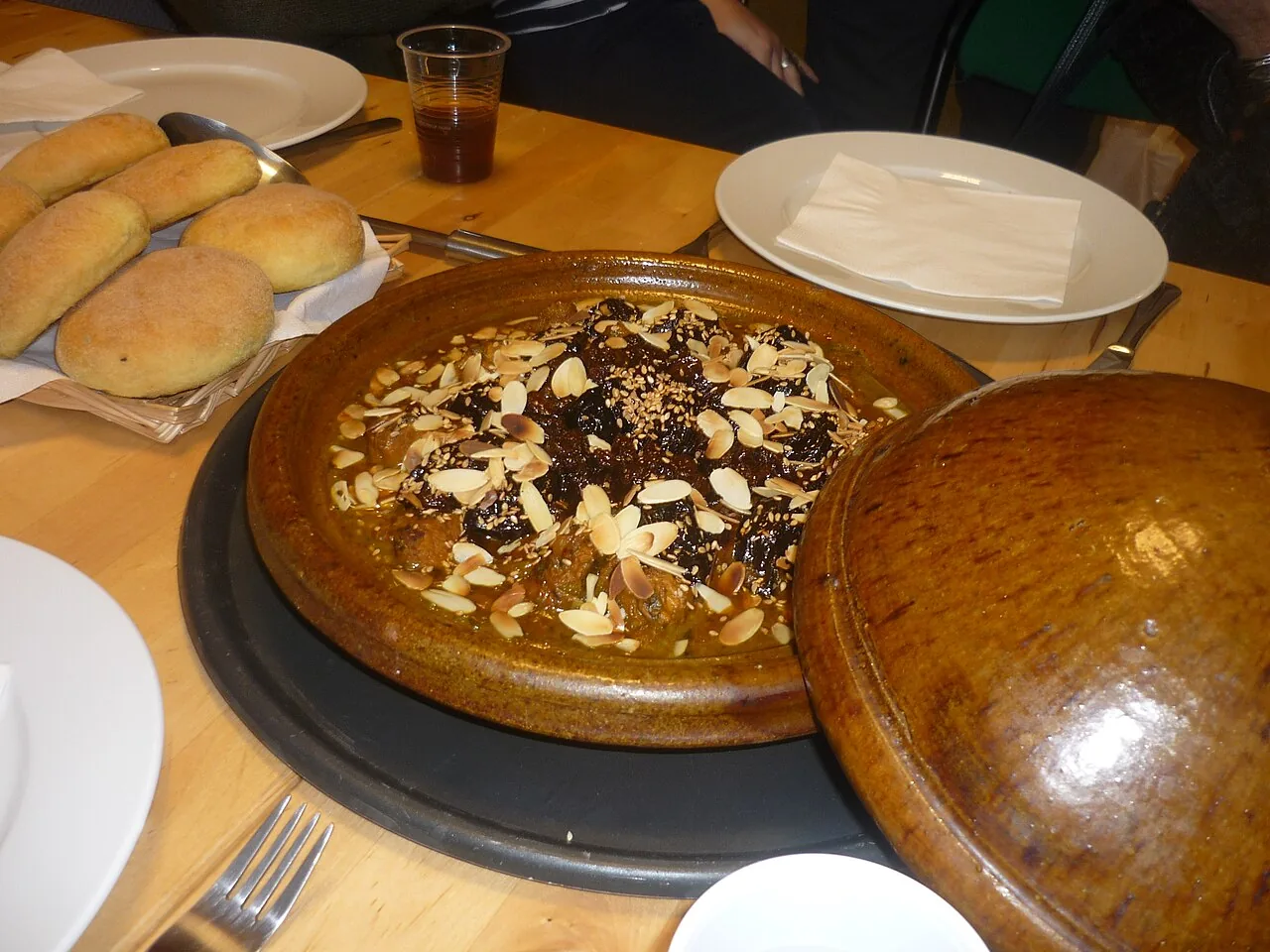
Moroccan lamb and prune tagine with almonds and sesame Morocco flag Morocco 2h 35m
Lunch •Atlas Mountains

Lamb & Prune Tagine

Clay vessel braised lamb shoulder infused with Ras el Hanout, saffron stamens, and natural sun-dried fruit pectins.

Immunity & Warming

Slow-braised lamb with prunes, almonds and couscous.

Pairs Well With
Spiced Couscous & Preserved Lemon Salad
High Protein
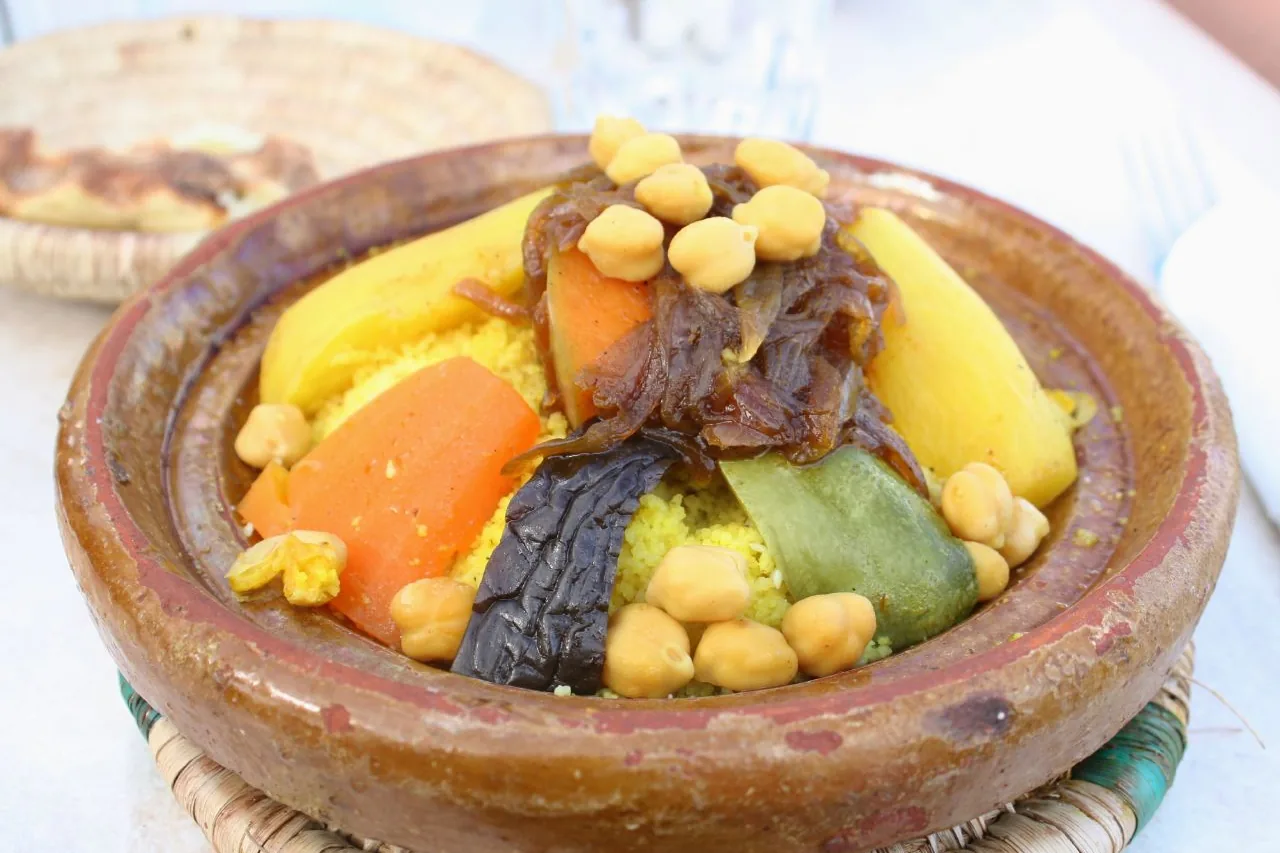
A clay bowl of Moroccan couscous with vegetables, chickpeas, carrot and pumpkin Morocco flag Morocco 1h 15m
Dinner •Maghreb Friday Table

Moroccan Couscous with Vegetables

This moroccan couscous recipe steams fine semolina until fluffy, then ladles over a slow-cooked stew of seven vegetables, chickpeas and warm spices. One serving is about 475 g.

Comfort & Warmth

Fluffy steamed semolina with a slow vegetable stew and chickpeas.

Pairs Well With
Harissa, mint tea and crusty bread
Quick Prep (<30m)
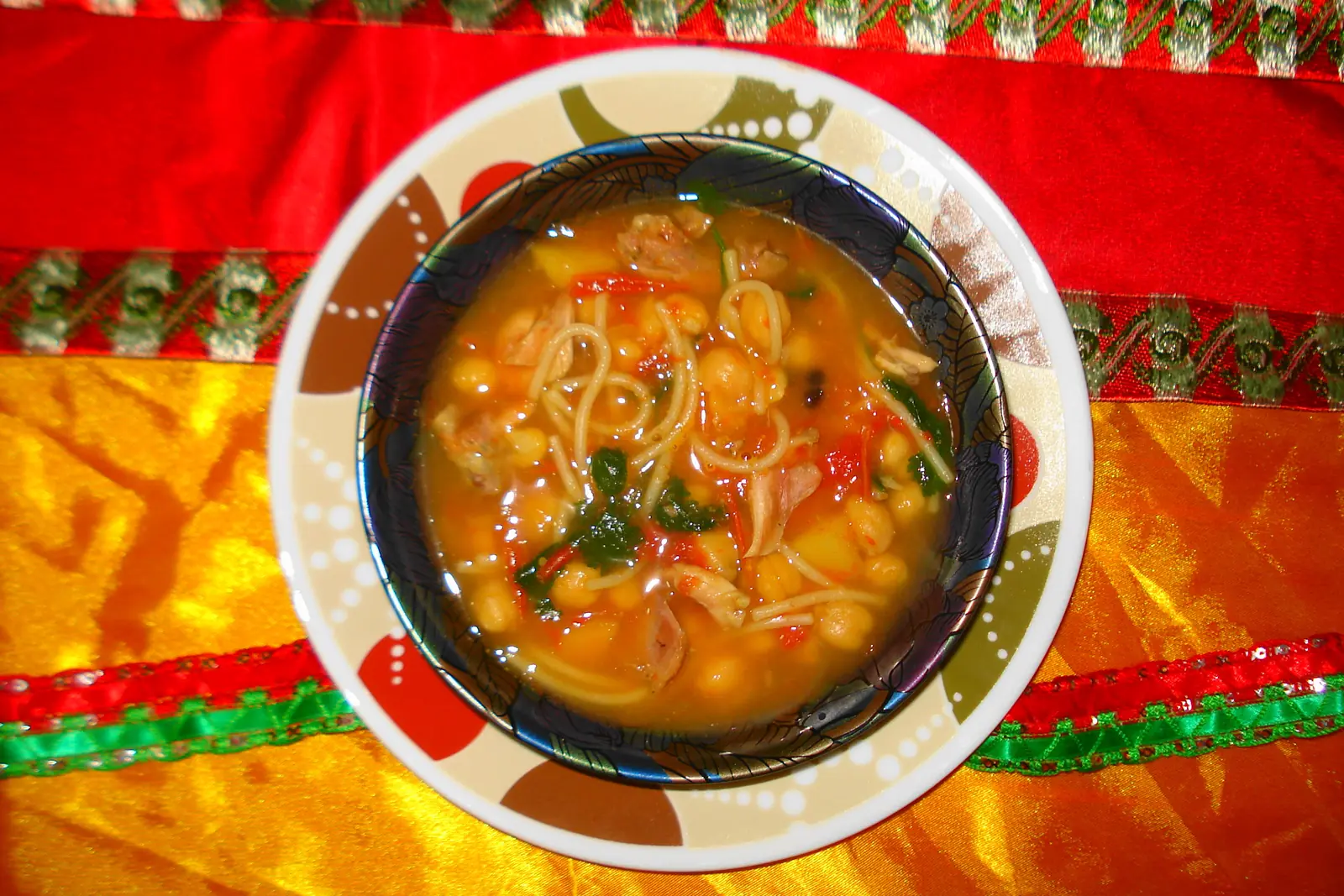
A bowl of Moroccan harira soup with chickpeas, noodles and fresh herbs Morocco flag Morocco 1h 15m
Lunch •Ramadan Iftar Table

Harira Soup

This harira soup recipe simmers lentils, chickpeas, tomatoes and lamb with ginger, cinnamon and fresh herbs, then thickens it the traditional way with a flour slurry. One serving is about 450 g.

Comfort & Warmth

A thick, warming tomato and lentil soup, the soup Moroccans break their fast with.

Pairs Well With
Dates, chebakia and mint tea
Soups & Broths • High Protein
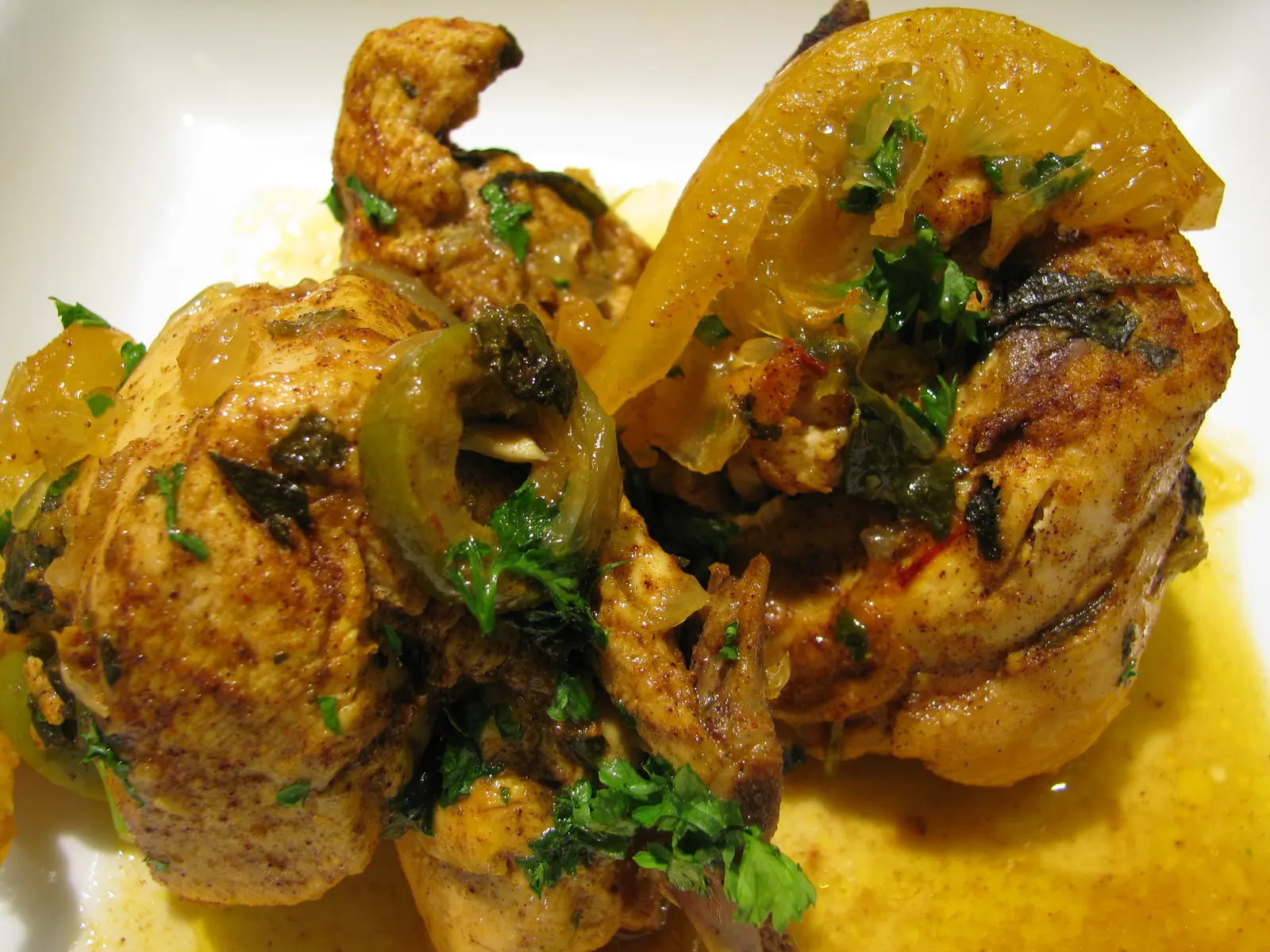
Moroccan chicken tagine with preserved lemon slices, green olives and fresh parsley Morocco flag Morocco 1h 15m
Dinner •Moroccan Heritage

Moroccan Chicken Tagine

Moroccan chicken tagine is the dish Morocco is best known for: chicken braised slowly with onions, ginger and saffron, then finished with salty preserved lemon and green olives. This moroccan chicken tagine recipe uses a heavy pot instead of a clay tagine, so anyone can make it — the conical lid's job is done by a tight-fitting lid and a gentle flame. One serving is about 315 g.

Slow-Cooked Comfort

Chicken braised slowly with ginger, saffron, preserved lemon and green olives until the meat falls from the bone.

Pairs Well With
Couscous, khobz bread and mint tea.
High Protein

The Dinner Gazette

Never wonder what’s for dinner again

One email a week with easy dinner ideas from around the world — ingredients, steps and nutrition, tested in our kitchen first.

Delivered every Thursday morning. Unsubscribe anytime.