Curated recipes from 193 countries  •  New seasonal Mediterranean issue out now

Overview

Sigara Boregi

Turkish Cigar Borek, Sigara Böreği, Kalem Böreği

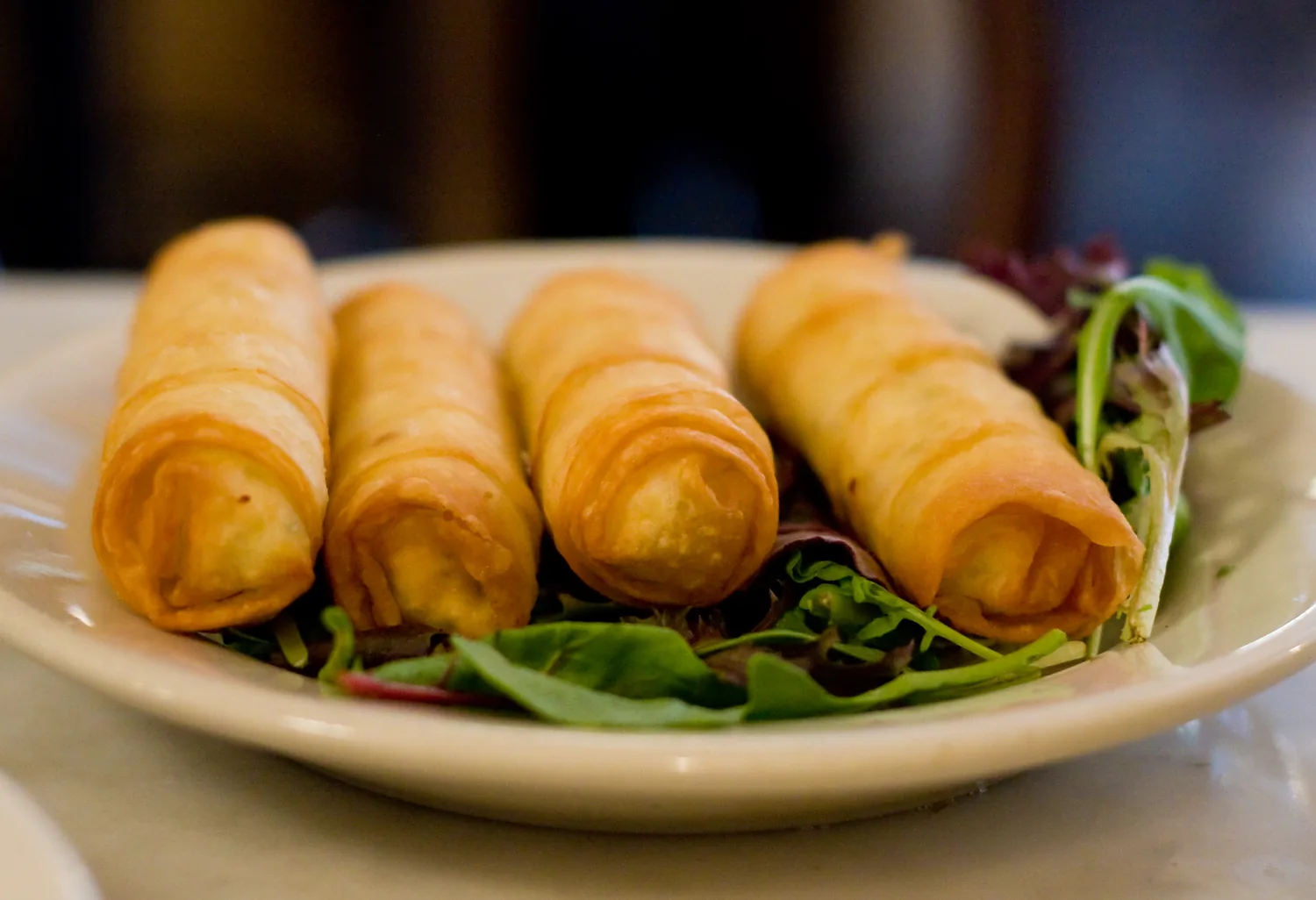
This sigara boregi recipe is the Turkish meze classic: triangles of phyllo rolled into thin cigars around salty feta, stretchy mozzarella and fresh herbs, then fried until golden and shattering-crisp. The name means 'cigarette borek' — it describes the shape, not the filling — and the rolls are eaten hot, straight from the pan, with ayran. One serving is about 148 g.

Börek is the family of filled pastries made across Anatolia and the former Ottoman lands for centuries, from layered tray bakes to hand-held rolls, all built on the same paper-thin yufka dough. Sigara böreği — literally 'cigarette börek' — is the thin rolled form, filled most often with white cheese and herbs and deep-fried rather than baked. Some Turkish pastry makers adopted the name kalem böreği, 'pen börek', in 2011 to avoid the smoking association, but the roll itself has not changed: crisp outside, molten cheese inside, eaten hot as a meze or a tea-time snack.

Pairs well with: Ayran, tomato salad & black tea

Provenance

Turkey flag Turkey

Anatolian Meze Classic

Middle Eastern

Time Dedication

30m

20m prep • 10m cook

Batch Yield

4 Servings

465 kcal per serving

1 serving ≈ 148 g

Technical Skill

Intermediate

Intermediate (Frying)

Meal Timing & Digestive Fit

Breakfast

Not Advised

Lunch

Inappropriate

Dinner

Inappropriate

Snack & Tea

Ideal Light Bite

Occasions: Meze spreads, tea time, party snacks, Ramadan iftar tables, picnics Cost: Low — about $2–3 per serving at home
Four golden fried sigara boregi rolls on a white plate with salad leaves

Anatolian Meze Classic

Photo: Garrett Ziegler, CC BY-SA 4.0, via Wikimedia Commons

The Heritage Formulary

Measured Ingredients

Estimated cost: Low — about $2–3 per serving at home (USD)

A good sigara boregi is judged by its shatter: the pastry must crack when you bite it, and the cheese inside must be molten, not dry.

Execution Methodology & Culinary Technique

Step-by-Step Cooking Guide

Active 30m
P

Prep Stage: Crumble the Cheese, Cut the Phyllo

20 Mins • Knife Work

Crumble the feta into a bowl and mix in the grated mozzarella, parsley and dill — no salt, the feta is salty enough. Beat the egg in a small bowl for sealing. Cut each phyllo sheet into 2 long triangles and keep the stack under a damp tea towel: exposed phyllo dries and cracks within minutes. Set out a brush and a plate for the finished rolls.

Maestro Tip: Mix the filling with your hands, not a spoon — you will feel when the cheese and herbs are evenly combined.

  1. 1

    Make the Cheese Filling

    5 Mins Room temperature, about 20°C (68°F)

    Put the crumbled feta, grated mozzarella, parsley and dill in a bowl and mix with your hands until the herbs are evenly scattered through the cheese. Taste a pinch: it should be salty and herby, with no extra salt needed. Divide the mixture into 20 small logs, about a tablespoon each, so every roll gets the same filling.

    Shaping the filling into logs first is what keeps the rolls even — a spoonful scooped straight from the bowl always ends up uneven.

    Done when: The filling holds together in logs and tastes salty and herby.

  2. 2

    Cut the Phyllo into Triangles

    5 Mins Room temperature, about 20°C (68°F)

    Lay one phyllo triangle on a board with the wide end facing you and the point away from you. Work with one triangle at a time and keep the rest under the damp towel. Brush the triangle very lightly with beaten egg — this is the glue, not a coating.

    If a sheet tears, patch it with a scrap of phyllo and a dab of egg — once rolled, no one will ever see it.

    Done when: The triangle lies flat, brushed with a thin film of egg, with no dry cracks.

  3. 3

    Roll the Cigars

    10 Mins Room temperature, about 20°C (68°F)

    Place one log of filling along the wide end of the triangle, fold the two side corners in over the ends of the filling, and roll up firmly towards the point. Brush the tip with a little more egg to seal it shut. Repeat until you have 20 thin cigars, each about the length of your hand. Roll them snugly — a loose roll unravels in the oil.

    Roll with your fingertips, not your palms — palms press the filling out of the ends.

    Done when: Each roll is a tight, even cigar with the filling sealed inside and the tip glued down.

  4. 4

    Fry Until Golden and Crisp

    8 Mins Oil at 175°C (350°F)

    Heat the sunflower oil in a deep pan to about 175°C (350°F) — a cube of bread should sizzle and brown in about 30 seconds. Fry the rolls in batches of 5, turning once, for 2 to 3 minutes until deep golden all over and crisp. Lift them out with a slotted spoon and drain on kitchen paper. The cheese inside will be molten, so let them sit for 1 minute before serving.

    Do not crowd the pan: too many rolls at once drops the oil temperature and the pastry turns greasy instead of crisp.

    Done when: Deep golden brown all over, crisp to the touch, with no pale or soggy patches.

  5. 5

    Drain and Serve at Once

    2 Mins Serve hot, about 70°C (160°F)

    Sprinkle the rolls with nothing at all — the feta is salty enough. Serve immediately on a warm plate with ayran and salad. If you must hold them, keep them in a single layer on a wire rack in a warm oven, never stacked in a covered bowl, or the steam softens the pastry.

    A wire rack, not paper, keeps the undersides crisp while you fry the next batch.

    Done when: The rolls are hot, crisp and dry to the touch, with melted cheese inside.

Finishing Touches & Plating

Serve hot, straight from the pan, with a glass of cold ayran and a tomato salad. Sigara boregi waits for no one — the pastry softens as it cools, so eat it within minutes of frying.

Nutritional Physiology & Benefits

Nutrition

Energy

465

kcal / serving

Protein

19g

Complete AA

Carbs

29g

Complex

Fats

31g

Healthy

Per serving (4 servings · 1 serving ≈ 148 g)
Energy465 kcal
Protein19 g
Carbohydrates29 g
Fat31 g
Fibre1.1 g
Sugar2.5 g
Sodium971 mg
Per 100g
Energy315 kcal
Protein12.6 g
Carbohydrates19.9 g
Fat20.7 g
Fibre0.8 g
Sugar1.7 g
Sodium658 mg

Nutrition values are estimated — calculated from USDA FoodData Central values for the listed ingredients.

Vitamins & minerals: Calcium and phosphorus from the feta and mozzarella, vitamin K from the parsley, B12 from the cheese and egg. Nutrition is estimated.

Cheese That Carries the Protein

At 18.5 g of protein a serving, this sigara boregi recipe gets it from feta, mozzarella and egg — the cheese filling is the point, not a garnish.

A Snack That Actually Fills You

Five rolls deliver about 465 kcal in a snack you can hold in one hand — real energy, not empty crunch, which is why it is a meze staple.

Calcium from Two Cheeses

Feta and mozzarella together give a useful share of calcium and phosphorus in every serving — the herbs add vitamin K for free.

Food Pairings

What to Eat With

To optimize nutrient absorption and elevate the sensory depth, pair with these authentic accompaniments:

Drinks

Ayran

Cold, salty ayran is the classic partner — it cuts the richness of the fried pastry and cools the hot cheese, and Turks drink it with borek at almost every table.

Turkish Tea

Strong Turkish tea, served after the rolls, is the traditional finish — hot, unsweetened, and cleansing after fried food.

Vegetables

Shepherd's Salad

A sharp salad of tomato, cucumber, red onion and lemon gives acid and crunch against the rich, crisp rolls — the contrast is what makes the plate work.

Soups

Red Lentil Soup

A small bowl of lentil soup before the rolls turns the snack into a light lunch, and its earthy warmth suits the salty cheese.

Complete menu

Serve the sigara boregi hot as a meze with ayran, a shepherd's salad of tomato, cucumber and onion, and a pot of Turkish tea; a bowl of lentil soup first turns it into a light lunch.

Digestive Guardrails

What NOT to Combine

To prevent digestive distress, sluggishness, or palate clash, avoid pairing the dish with these elements:

Very Salty Pickles on the Same Plate

At about 971 mg of sodium a serving, the rolls are already salty from the feta — very salty pickles, olives or cured meats on the same plate push the salt load up fast. This is general information, not medical advice.

Overheated or Reused Frying Oil

Oil heated past its smoke point breaks down and can give the rolls a bitter taste; fry at about 175°C (350°F) with fresh oil and do not reuse oil that has darkened or smells acrid. This is general information, not medical advice.

General information only, not medical advice — consult a doctor for personal dietary decisions.

Who Should Eat It

Who Should Eat

  • General adultsA rich, crisp snack — best hot, with ayran and a salad, not as a meal on its own.
  • ChildrenSuitable for older children; cut the rolls in half and serve warm, not piping hot — the cheese inside stays molten for a while.
  • ElderlyEnjoy in a small portion — the pastry is fried and the feta is salty, so two or three rolls with salad is plenty.
  • Pregnant womenGenerally suitable; the cheeses are cooked through in the hot oil — keep the portion moderate because of the salt and fat, and ask your clinician if you are unsure.
  • Breastfeeding womenGenerally suitable; the cheese gives calcium and protein — watch the salt.
  • AthletesA salty, energy-dense snack after training, with a good hit of protein from the cheese.
  • Weight gainA good choice — five crisp rolls carry about 465 kcal with 18.5 g of protein.
  • Weight lossAt 465 kcal a serving, this is a treat rather than a daily snack — share the batch, eat with a big salad, and skip the second helping.

Health Conditions — Adjust or Avoid

Conditions

  • DiabetesAbout 29.3 g of carbohydrate a serving from the phyllo — count the rolls, not the plate; ask your clinician.
  • High blood pressureAt about 971 mg of sodium a serving, this is a salty snack — eat a small portion, skip salty accompaniments, and ask your clinician if you are on a sodium limit.
  • Kidney diseaseThe feta is high in sodium and phosphorus — keep the portion small and ask your clinician.
  • GoutCheese is low in purines, so the filling is fine — the portion and the salt are the parts to watch; ask your clinician.
  • Stomach issuesFried pastry can sit heavily on a sensitive stomach — eat a small portion, well drained, and avoid eating late at night; ask your clinician if you are unsure.
  • Cardiovascular diseaseFried and rich in saturated fat from the cheese — an occasional treat in a small portion, with salad; ask your clinician.
  • Fatty liverFried pastry with full-fat cheese is heavy — keep it occasional and small; ask your clinician.
  • Food allergiesContains wheat (gluten), milk and egg — check the labels if you have a wheat, milk or egg allergy; ask your clinician if you are unsure.
  • Special therapeutic dietsIf you follow a prescribed low-sodium diet, use low-salt feta and a smaller portion, and check with your clinician.

If you have a medical condition, consult your doctor before changing your diet.

Storage & Use

Storage & Use

How to store
Cool cooked rolls completely on a wire rack, then store in an airtight container lined with kitchen paper.
In the fridge
Cooked rolls 1 day; reheat in a hot oven, never the microwave, or the pastry turns soft.
In the freezer
Uncooked rolls freeze well for 1 month — freeze in a single layer, then bag; fry from frozen, adding 1 minute.
How to reheat
Reheat in an oven at 200°C (400°F) for 5 minutes until crisp and hot through, about 74°C (165°F).
Freezing recommended
Yes — uncooked rolls only, up to 1 month.
Signs it has spoiled
Soggy or stale-smelling pastry, sour smell from the cheese, or mould.

More recipes to explore

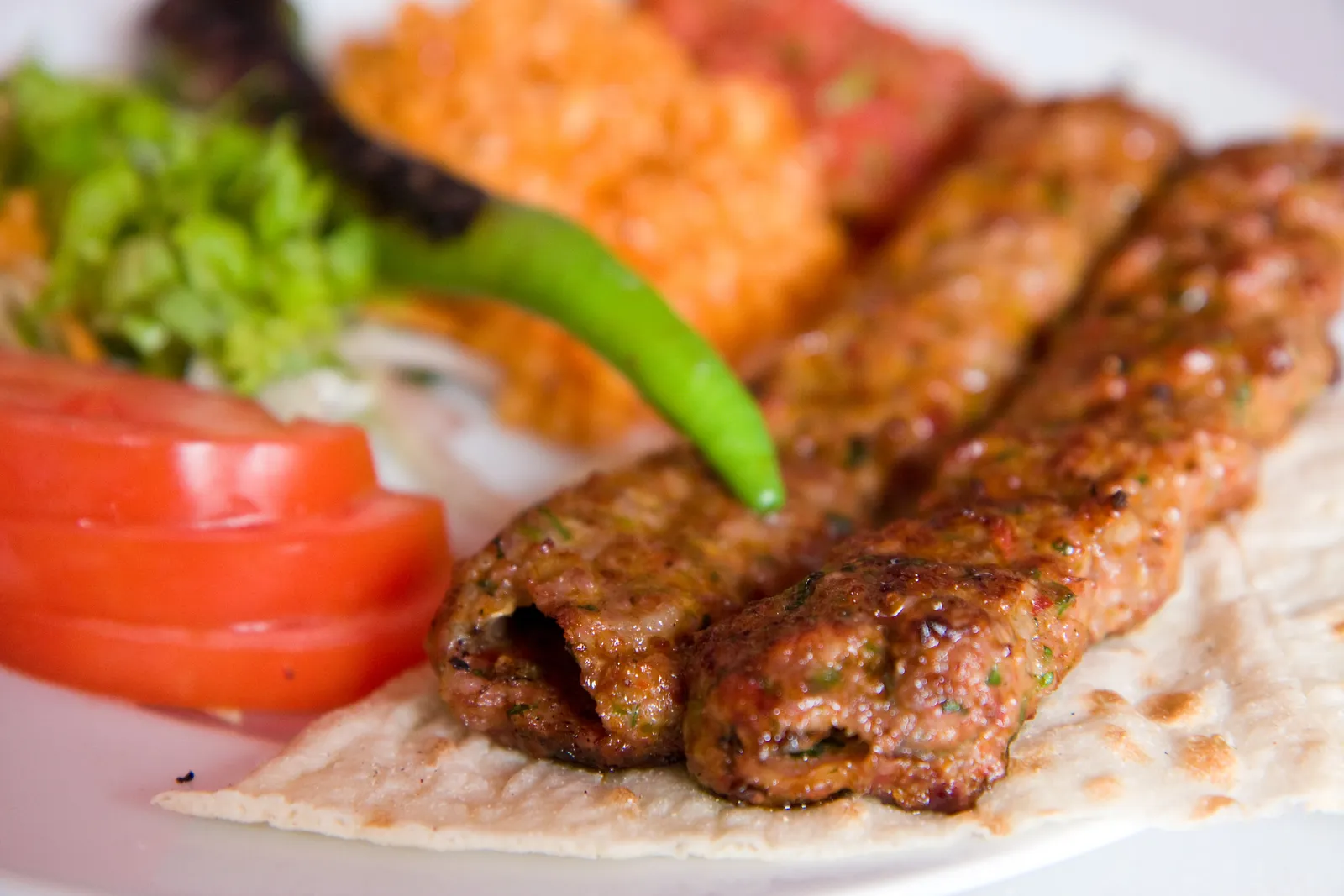
Adana kebab — long grilled minced-meat skewers on lavash with tomato, green chilli and salad Turkey flag Turkey 50m
Dinner •Adana Heritage

Adana Kebab

This adana kebab recipe is Adana's famous charcoal-grilled skewer: hand-minced lamb and beef mixed with lamb tail fat, sweet red pepper and pul biber, pressed onto wide flat skewers and grilled over glowing charcoal until the edges char and the juices run. It is served on warm lavash with grilled tomato, green chillies and a sharp sumac onion salad. One serving is about 439 g.

Adana's Charcoal-Grilled Icon

Hand-minced lamb and beef with tail fat and pul biber, pressed onto wide flat skewers and grilled over charcoal until charred at the edges — Adana's famous kebab.

Pairs Well With
Lavash, grilled tomato & sumac onion salad
High Protein
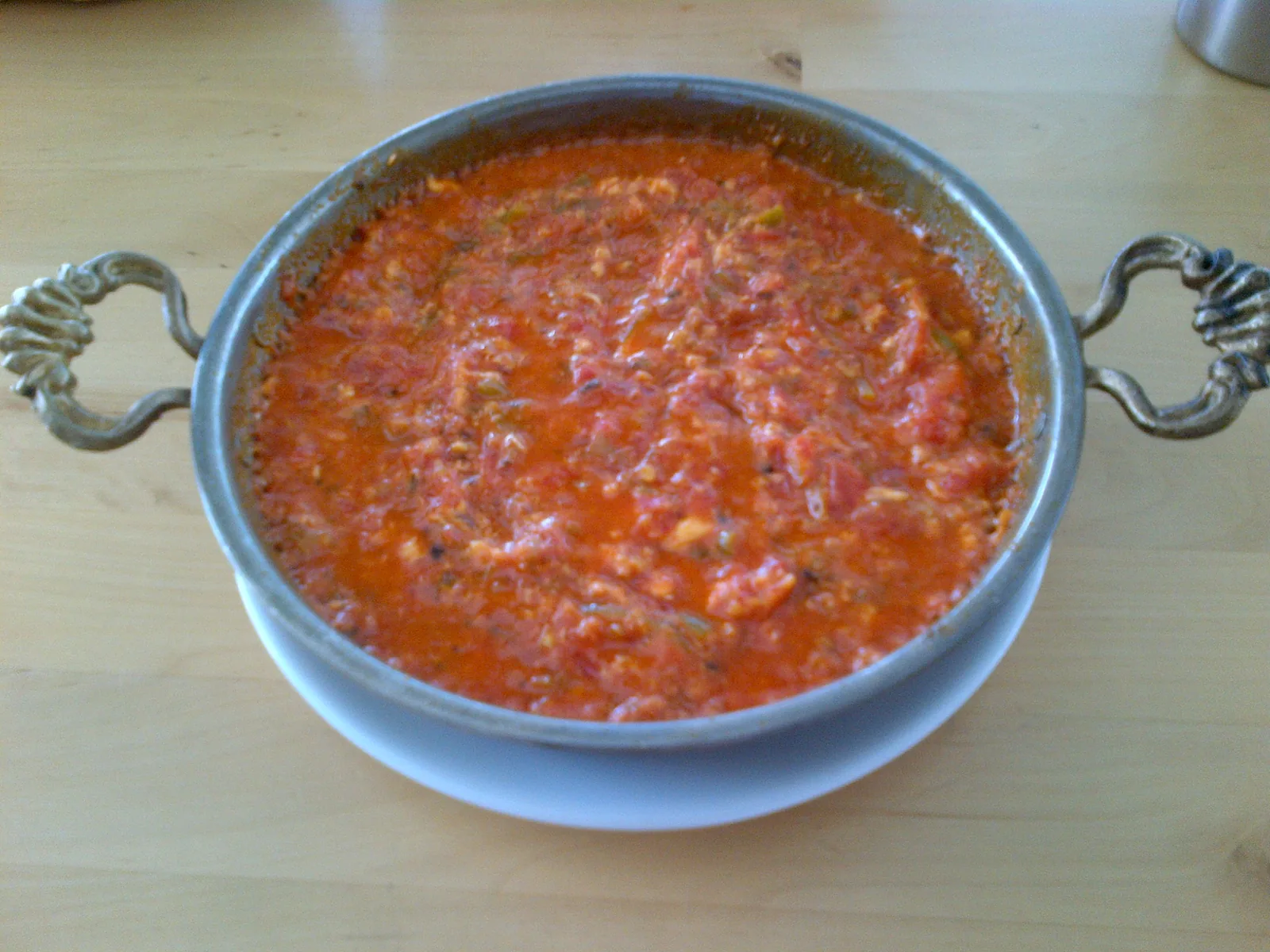
Menemen in a copper sahan pan — soft scrambled eggs stirred through a red tomato and green pepper sauce Turkey flag Turkey 30m
Breakfast •Izmir Breakfast Table

Menemen

This menemen recipe stirs beaten eggs into a soft tomato and green pepper sauce until they set into creamy curds — never poached whole, the way shakshuka does it. Cooked in one pan and served straight from it with bread, it is the classic Turkish breakfast. One serving is about 300 g.

Comfort & Warmth

Beaten eggs stirred into a soft tomato and green pepper sauce, scooped up with warm bread.

Pairs Well With
Crusty white bread, Turkish tea and sliced cucumber and tomato
Quick Prep (<30m)
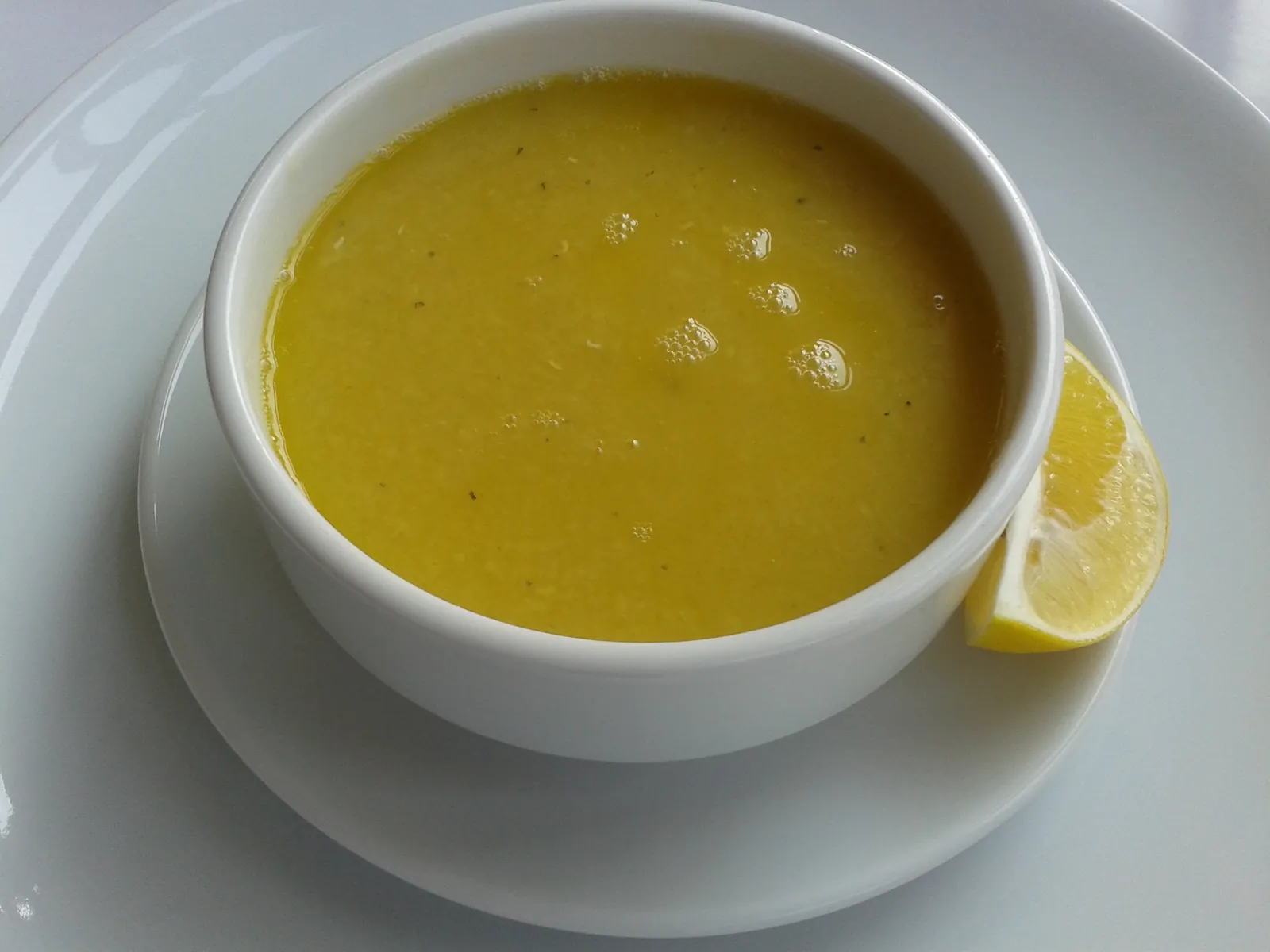
A white bowl of smooth golden Turkish lentil soup with a lemon wedge on the side Turkey flag Turkey 45m
Lunch •Ankara Lokanta Classic

Turkish Lentil Soup

This turkish lentil soup recipe turns red lentils, onion, carrot and potato into a smooth, golden soup, finished with lemon and a drizzle of paprika butter. One serving is about 325 g.

Comfort & Warmth

A silky red lentil soup, light enough for lunch and warm enough for a cold day.

Pairs Well With
Warm pide bread, lemon wedges and ayran
Soups & Broths
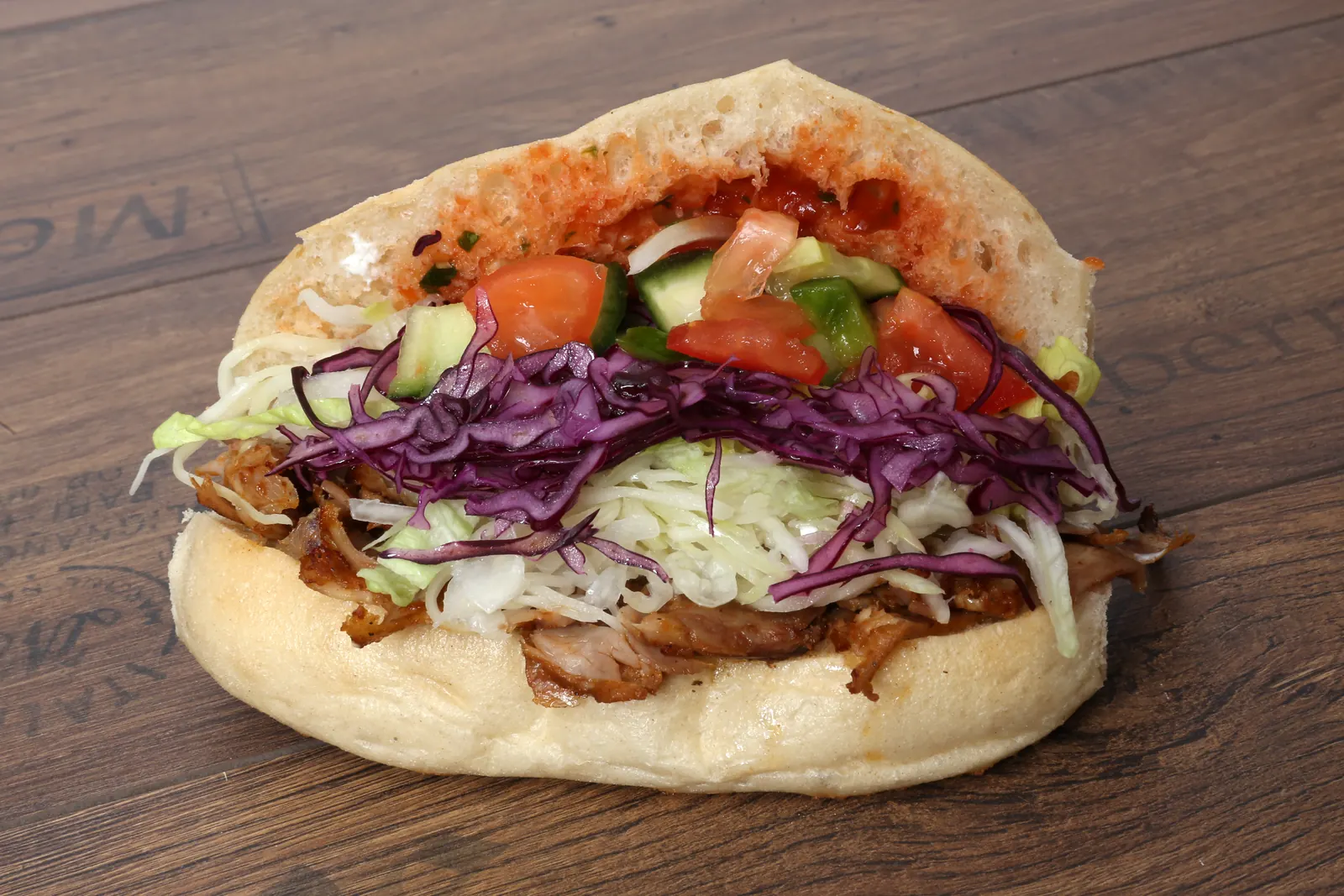
A doner kebab in flatbread filled with sliced lamb, red and white cabbage, tomato and cucumber Turkey flag Turkey 2h 55m
Dinner •Bursa Spit-Roast Heritage

Doner Kebab

This doner kebab recipe brings the Turkish spit-roast home: lamb leg marinated in yogurt, onion and spices, seared until charred at the edges, then sliced thin and tucked into warm pitta bread with crisp salad and a cool garlic yogurt sauce. No vertical spit needed — a ripping-hot pan does the job. One serving is about 415 g.

Charcoal-Grilled & Juicy

Home-style doner kebab — yogurt-marinated lamb, sliced thin and piled into warm pitta with salad and garlic sauce.

Pairs Well With
Serve in warm pitta with salad, garlic sauce and a little chilli sauce.
High Protein

The Dinner Gazette

Never wonder what’s for dinner again

One email a week with easy dinner ideas from around the world — ingredients, steps and nutrition, tested in our kitchen first.

Delivered every Thursday morning. Unsubscribe anytime.