

Curated recipes from 193 countries  •  New seasonal Mediterranean issue out now

Overview

Sole Meuniere

Dover Sole a la Meuniere

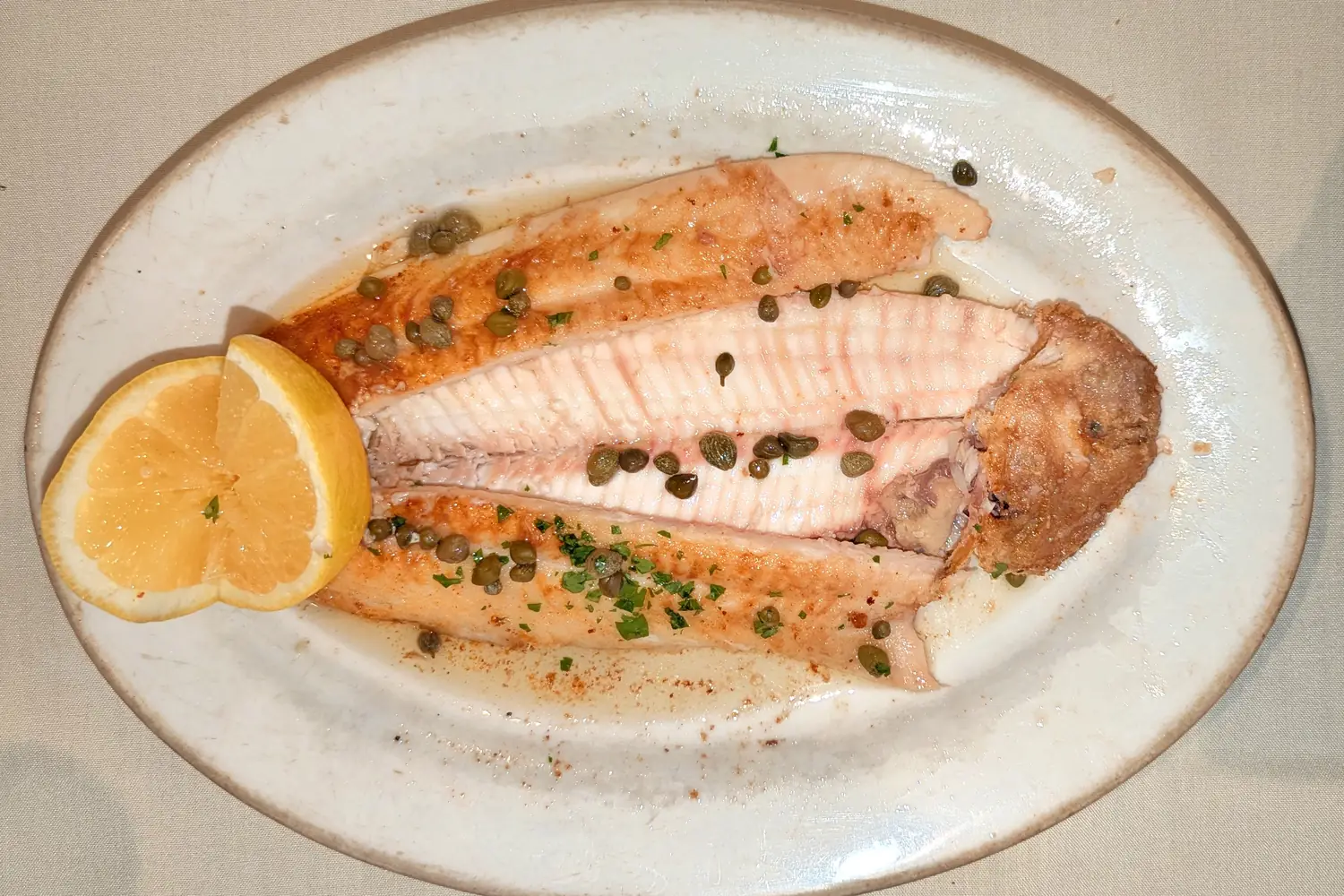
Sole meuniere is the French bistro classic: a whole Dover sole (or fillets) dusted in flour like a miller's wife — meuniere means 'in the style of the miller's wife' — pan-fried in foaming butter until golden, then finished with lemon juice, parsley and capers. One serving is about 245 g.

Meuniere means 'in the style of the miller's wife', because the fish is dusted in flour as if it had just come from the mill. The dish became the emblem of the Paris bistro in the 20th century, and it is famously the first French meal Julia Child ate in France, at La Couronne in Rouen in 1948 — a lunch she later said changed her life.

Pairs well with: Buttered new potatoes, green beans & white wine

Provenance

France flag France

Parisian Bistro Classic

Nordic & European

Time Dedication

30m

15m prep • 15m cook

Batch Yield

2 Servings

467 kcal per serving

1 serving ≈ 245 g

Technical Skill

Intermediate

Intermediate (Pan-Fried Fish)

Meal Timing & Digestive Fit

Breakfast

Not Advised

Lunch

Hearty Midday Main

Dinner

Ideal Hearty Main

Snack & Tea

Inappropriate

High Protein Occasions: Romantic dinners, dinner parties, light summer suppers, bistro nights at home Cost: Medium — about $7–9 per serving at home
Tags: Fish Savory Fried
A whole pan-fried Dover sole meuniere with lemon wedges and capers on an oval plate

Parisian Bistro Classic

Photo: Daderot, CC0, via Wikimedia Commons

The Heritage Formulary

Measured Ingredients

Estimated cost: Medium — about $7–9 per serving at home (USD)

A good sole meuniere is judged by the crust: thin, golden and crisp, with nut-brown butter and lemon, never greasy.

Execution Methodology & Culinary Technique

Step-by-Step Cooking Guide

Active 30m
P

Prep Stage: Dry, Season, Dust

15 Mins • Knife Work

Pat the fillets completely dry, season both sides, and dust them lightly in flour, shaking off every bit of excess. A thin, even coat is the whole secret: too much flour turns gummy, too little will not brown. Have the lemon juice, capers and parsley ready beside the hob, because the fish cooks in minutes.

Maestro Tip: Flour the fish just before it hits the pan; floured fish left standing goes damp and the coating slides off.

  1. 1

    Dust the Sole

    5 Mins No heat — room temperature, about 20°C (68°F)

    Season the dry fillets with salt and pepper, then press each one into the flour on both sides. Lift and shake firmly so only a whisper of flour stays on; you should still see the fish through it.

    Hold the fillet by the tail end and tap it against the plate to shake off the excess.

    Done when: An even, thin white dusting with no clumps.

  2. 2

    Fry in Foaming Butter

    6 Mins Medium-high heat; fish to 63°C (145°F)

    Melt half the butter in a wide pan over medium-high heat until it foams and just starts to smell nutty. Lay the fillets in away from you and fry for 2-3 minutes a side without moving them, until deep golden. The fish is done when the flesh flakes easily and reaches 63°C (145°F) at its thickest part.

    Do not crowd the pan; if the fillets touch, they steam instead of frying.

    Done when: Deep golden crust; flesh opaque and flaking at the thickest part.

  3. 3

    Make the Lemon Brown Butter

    3 Mins Medium heat, about 160°C (320°F)

    Lift the fish onto warm plates. Add the remaining butter to the same pan and let it foam and turn hazelnut-brown, about 1 minute. Take the pan off the heat, add the lemon juice (it will sizzle), the capers and half the parsley, and swirl.

    Brown butter goes from perfect to burnt in seconds; watch the colour, not the clock.

    Done when: Butter nut-brown and smelling of hazelnuts; sauce foaming.

  4. 4

    Spoon Over and Serve

    1 Min Serve at once — fish about 63°C (145°F)

    Spoon the hot lemon butter and capers over the fish, scatter the rest of the parsley on top, and serve immediately with lemon wedges. Sole meuniere waits for no one: the crust softens as it stands.

    Serve on warm plates so the butter stays liquid to the last bite.

    Done when: Fish glossy with brown butter, lemon wedges bright.

Finishing Touches & Plating

Serve at once on warm plates with lemon wedges and the brown-butter sauce spooned over the top. A squeeze of lemon at the table is not optional: it is what lifts the rich butter into balance.

Nutritional Physiology & Benefits

Nutrition

Energy

467

kcal / serving

Protein

38g

Complete AA

Carbs

16g

Complex

Fats

28g

Healthy

Per serving (2 servings · 1 serving ≈ 245 g)
Energy467 kcal
Protein38 g
Carbohydrates16 g
Fat28 g
Fibre1.7 g
Sugar1.3 g
Sodium777 mg
Per 100g
Energy191 kcal
Protein15.6 g
Carbohydrates6.5 g
Fat11.3 g
Fibre0.7 g
Sugar0.5 g
Sodium317 mg

Nutrition values are estimated — calculated from USDA FoodData Central values for the listed ingredients.

Vitamins & minerals: Vitamin D and B12 (sole), vitamin C (lemon), vitamin K (parsley), selenium and iodine (fish).

Lean Protein

Sole is a lean white fish, so a serving gives about 38 g of protein with very little saturated fat from the fish itself.

Vitamin D and B12

White fish is a useful source of vitamin D and vitamin B12, both of which support normal energy and bone health.

Gentle and Easy to Digest

Delicate white fish with a light flour coating is one of the easiest proteins to digest, which is why it suits a light dinner.

Food Pairings

What to Eat With

To optimize nutrient absorption and elevate the sensory depth, pair with these authentic accompaniments:

Sides

Buttered New Potatoes

Soft, buttery potatoes soak up the lemon brown butter and turn the plate into a complete meal.

Vegetables

French Green Beans

Crisp green beans add colour and a fresh bite that cuts the richness of the butter sauce.

Drinks

Dry White Wine

A dry white wine matches the lemon and butter without overpowering the delicate fish.

Full Menus

Simple Salad to Start

A light green salad before the fish keeps the meal feeling elegant rather than heavy.

Complete menu

Start with a simple green salad, serve the sole meuniere with buttered new potatoes and green beans, and finish with a light fruit dessert.

Digestive Guardrails

What NOT to Combine

To prevent digestive distress, sluggishness, or palate clash, avoid pairing the dish with these elements:

Overcooking the Fish

Sole is thin and delicate; even a minute too long dries it out and makes it tough, so take it out as soon as it flakes. This is general information, not medical advice.

Reheating in the Microwave

Microwave reheating makes the flour coating soggy and the fish rubbery; warm leftovers gently in a covered pan instead. This is general information, not medical advice.

General information only, not medical advice — consult a doctor for personal dietary decisions.

Who Should Eat It

Who Should Eat

  • General adultsA light, elegant dinner: lean protein with a butter sauce, best balanced with vegetables and potatoes.
  • ChildrenSuitable for children over 2 years: soft, boneless fillets with a mild flavour; serve without capers and check carefully for any bones.
  • ElderlyExcellent: soft, easy to chew, easy to digest, and the fish is naturally low in fat.
  • Pregnant womenGenerally suitable when the fish is cooked through to 63°C (145°F); sole is a low-mercury fish, but keep portions moderate and ask your clinician if unsure.
  • Breastfeeding womenGenerally suitable; sole is low in mercury and rich in protein and B12, and the meal is light.
  • AthletesA strong post-training choice: about 38 g of protein per serving with potatoes for carbohydrate.
  • Weight gainAdd an extra fillet and a generous serving of potatoes to make the meal more filling.
  • Weight lossKeep to one fillet, go easy on the butter sauce, and fill the plate with green beans and salad.

Health Conditions — Adjust or Avoid

Conditions

  • DiabetesThe fish itself is low in carbohydrate; the flour coating adds about 16 g per serving, so count it in your meal plan, and ask your clinician if unsure.
  • High blood pressureCapers and salted butter add sodium; rinse the capers and use unsalted butter as written, and ask your clinician about your sodium target.
  • Kidney diseaseFish is a source of potassium and phosphorus; keep portions moderate if you follow a limit, and ask your clinician.
  • GoutWhite fish is low in purines compared with oily fish and red meat, but keep portions moderate during a flare-up, and ask your clinician.
  • Stomach issuesThe dish is gentle, but the butter sauce is rich; eat slowly and keep the portion modest if your stomach is sensitive, and ask your clinician if unsure.
  • Cardiovascular diseaseSole is lean and the sauce is the main fat; use the butter as written and balance the plate with vegetables, and ask your clinician about your overall diet.
  • Fatty liverKeep the butter sauce light and the portion modest; the fish itself is very low in fat, and ask your clinician if you follow a prescribed diet.
  • Food allergiesContains fish (sole), wheat (flour) and milk (butter). Use rice flour and a dairy-free spread if you need to avoid wheat or milk, and check the capers for sulphites.
  • Special therapeutic dietsFits a high-protein therapeutic diet well; for a low-sodium or low-fat plan, reduce the butter and capers and check with your clinician.

If you have a medical condition, consult your doctor before changing your diet.

Storage & Use

Storage & Use

How to store
Cool quickly and store in an airtight container in the fridge; keep the sauce separate if you can.
In the fridge
Cooked sole keeps 1-2 days in the fridge at 4°C (40°F) or below.
In the freezer
Not recommended: the coating goes soggy and the fish dries out on thawing.
How to reheat
Warm gently in a covered pan over low heat until steaming, to 74°C (165°F); do not microwave.
Freezing recommended
No — best eaten fresh, the day it is cooked.
Signs it has spoiled
Strong fishy or sour smell, slimy surface, or grey, dull flesh.

More recipes to explore

Golden butter croissants on a wooden board France flag France 20m
Breakfast •Parisian Boulangerie

Croissant au Beurre & Café

Laminated cultured butter pastry paired with washed Arabica, for a slow, pleasurable Parisian morning — best with a little protein alongside. One serving is about 390 g.

Sustained Focus

Flaky all-butter croissant with café au lait, Comté and green apple.

Pairs Well With
Comté cheese wedge & Green apple slices
Quick Prep (<30m)

Bœuf bourguignon — French beef braised in red wine France flag France 4h
Dinner •Burgundy Terroir

Bœuf Bourguignon

Beef braised gently in red wine until the connective tissue melts into a velvet, gelatin-rich sauce — the classic Burgundy Sunday dinner.

Cellular Repair

Beef braised in red wine until spoon-tender, with mushrooms and pearl onions.

Pairs Well With
Parsnip Purée & Steamed French Haricots Verts
High Protein
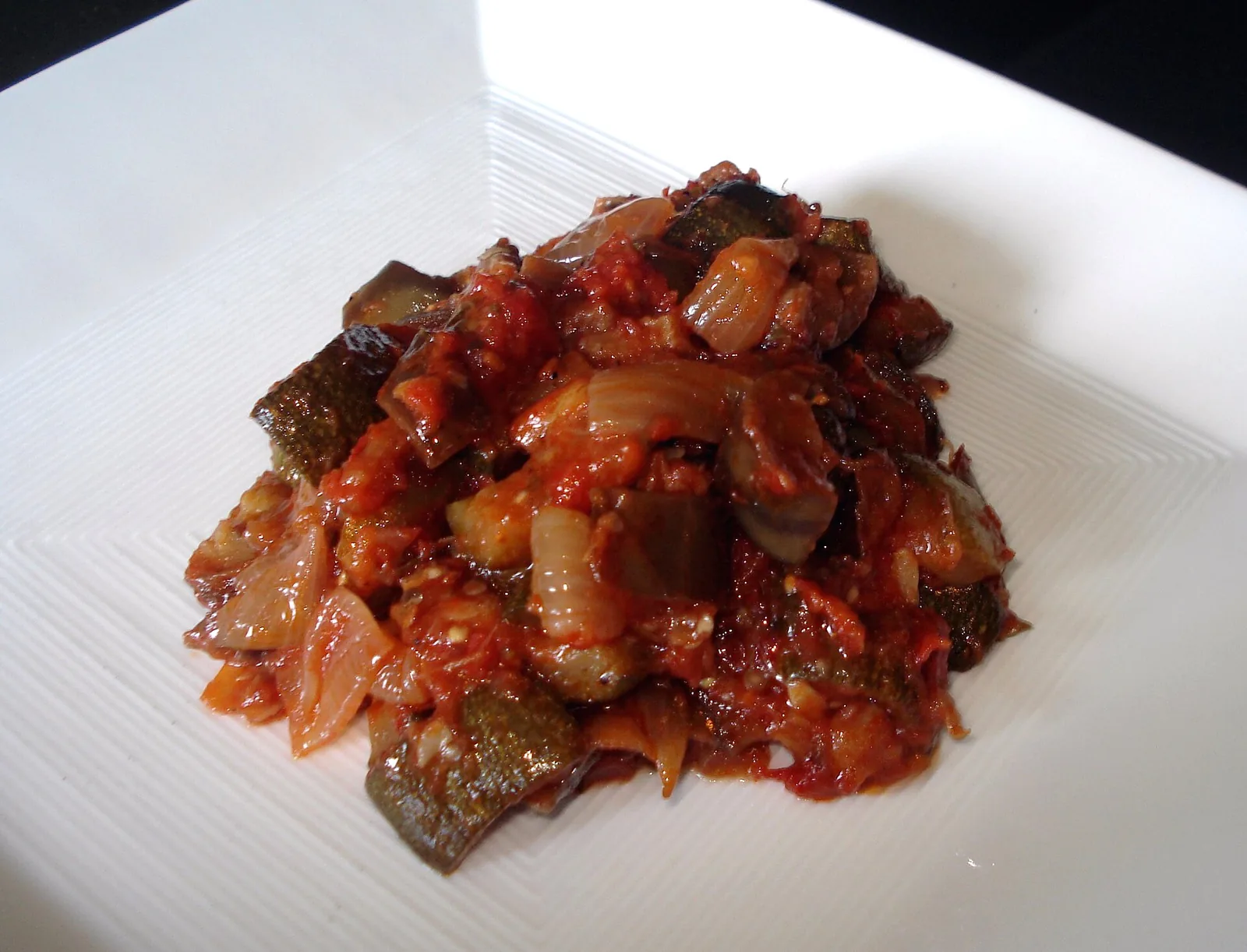
A mound of classic ratatouille with eggplant, zucchini, tomato and onion on a white plate France flag France 1h 15m
Dinner •Nice Provençal

Ratatouille

This ratatouille recipe cooks eggplant, zucchini, peppers and tomatoes separately first, so each vegetable keeps its own texture, then brings them together for a slow, fragrant simmer. One serving is about 400 g.

Light & Vegetable-Rich

Slow-simmered summer vegetables in olive oil — light, fragrant and full of fibre.

Pairs Well With
Crusty sourdough bread, grilled fish or a fried egg
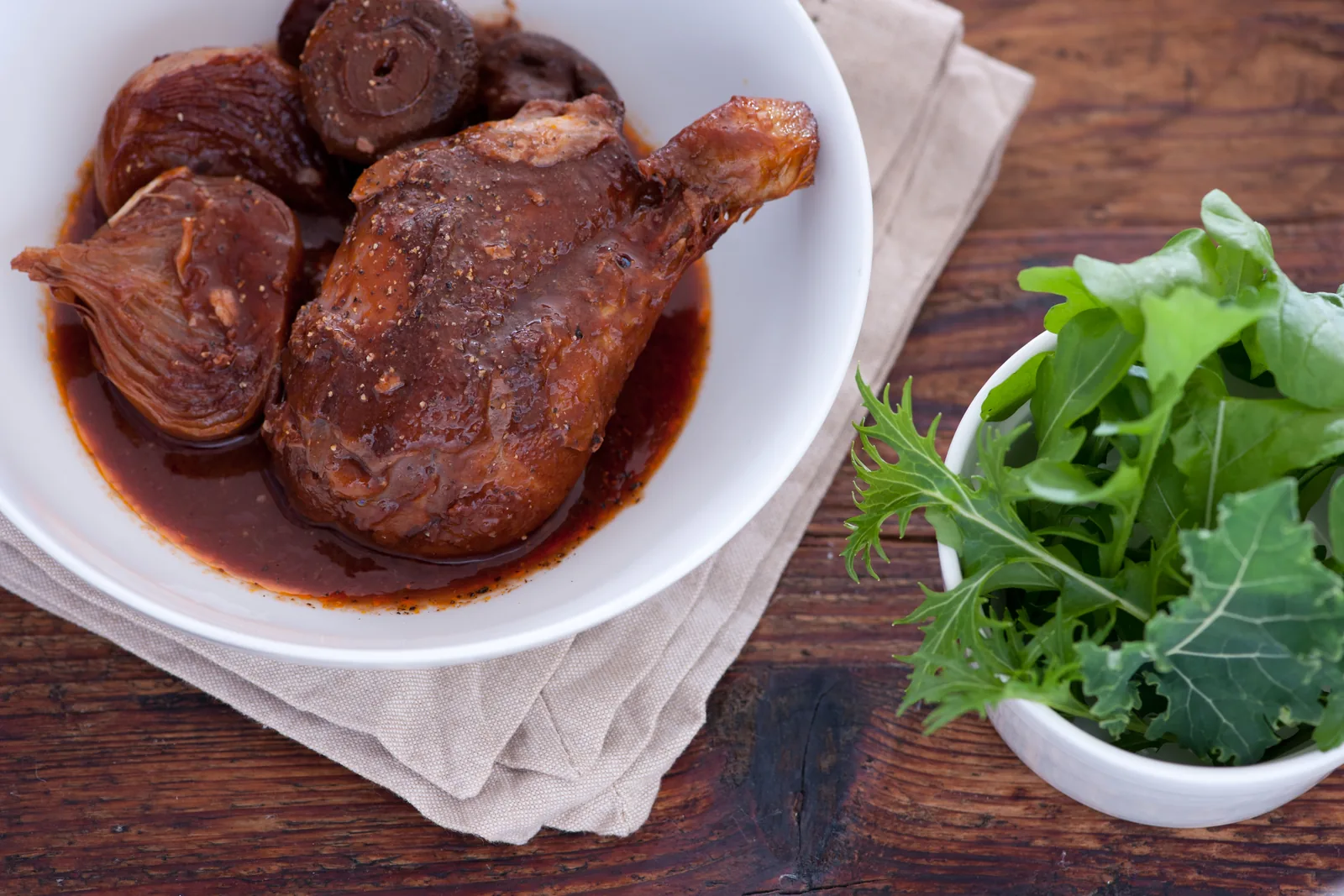
A bowl of coq au vin with a braised chicken leg in dark red wine sauce with mushrooms and onions, greens on the side France flag France 1h 40m
Dinner •Burgundy Classic

Coq au Vin

This coq au vin recipe is the Burgundy classic: chicken thighs browned with bacon, then braised in red wine with mushrooms, pearl onions and carrots until the meat is tender and the sauce is dark and glossy. One serving is about 375 g. It takes 1 hour 40 minutes, most of it hands-off while the pot simmers.

Comfort & Warmth

Chicken braised slowly in red wine with mushrooms, pearl onions and bacon until it falls off the bone.

Pairs Well With
Mashed potatoes, crusty bread & Burgundy wine

The Dinner Gazette

Never wonder what’s for dinner again

One email a week with easy dinner ideas from around the world — ingredients, steps and nutrition, tested in our kitchen first.

Delivered every Thursday morning. Unsubscribe anytime.