Curated recipes from 193 countries  •  New seasonal Mediterranean issue out now

Overview

Solomon Islands Cassava Pudding

Pudding Tapioka; cassava and coconut pudding

This solomon islands cassava pudding recipe grates fresh cassava and white sweet potato, mixes them with coconut cream, brown sugar and grated coconut, then wraps the mixture in banana leaves and steams it into soft, dense parcels. It is the sweet version of the Solomon Islands pudding — the plain version is served with reef fish, while this sugared one is eaten as a snack or dessert. One parcel is about 204 g.

In the Solomon Islands, pudding means something grated and cooked in leaves — and cassava pudding is the most popular of them all. The plain version, grated cassava and sweet potato mixed with coconut milk, is traditionally baked for hours in a motu, an outdoor oven of scorching hot stones under banana leaves, and served in squares with reef fish. Sweeten the same mixture with brown sugar and it becomes a dessert instead: this steamed version follows a recipe from the Solomon Islands Curriculum Development Centre, adapted for a home steamer, where the leaf parcels cook in under an hour.

Pairs well with: Extra coconut cream for drizzling and fresh tropical fruit

Provenance

Solomon Islands flag Solomon Islands

Solomon Islands Heritage

Oceania & Pacific

Time Dedication

1h 20m

30m prep • 50m cook

Batch Yield

8 Servings

398 kcal per serving

1 serving ≈ 204 g

Technical Skill

Intermediate

Intermediate (Grating & Wrapping)

Meal Timing & Digestive Fit

Breakfast

Not Advised

Lunch

Inappropriate

Dinner

Inappropriate

Snack & Tea

Ideal Light Bite

Occasions: Afternoon snacks, family gatherings, desserts, festive meals Cost: Very low — about $1–2 per serving at home
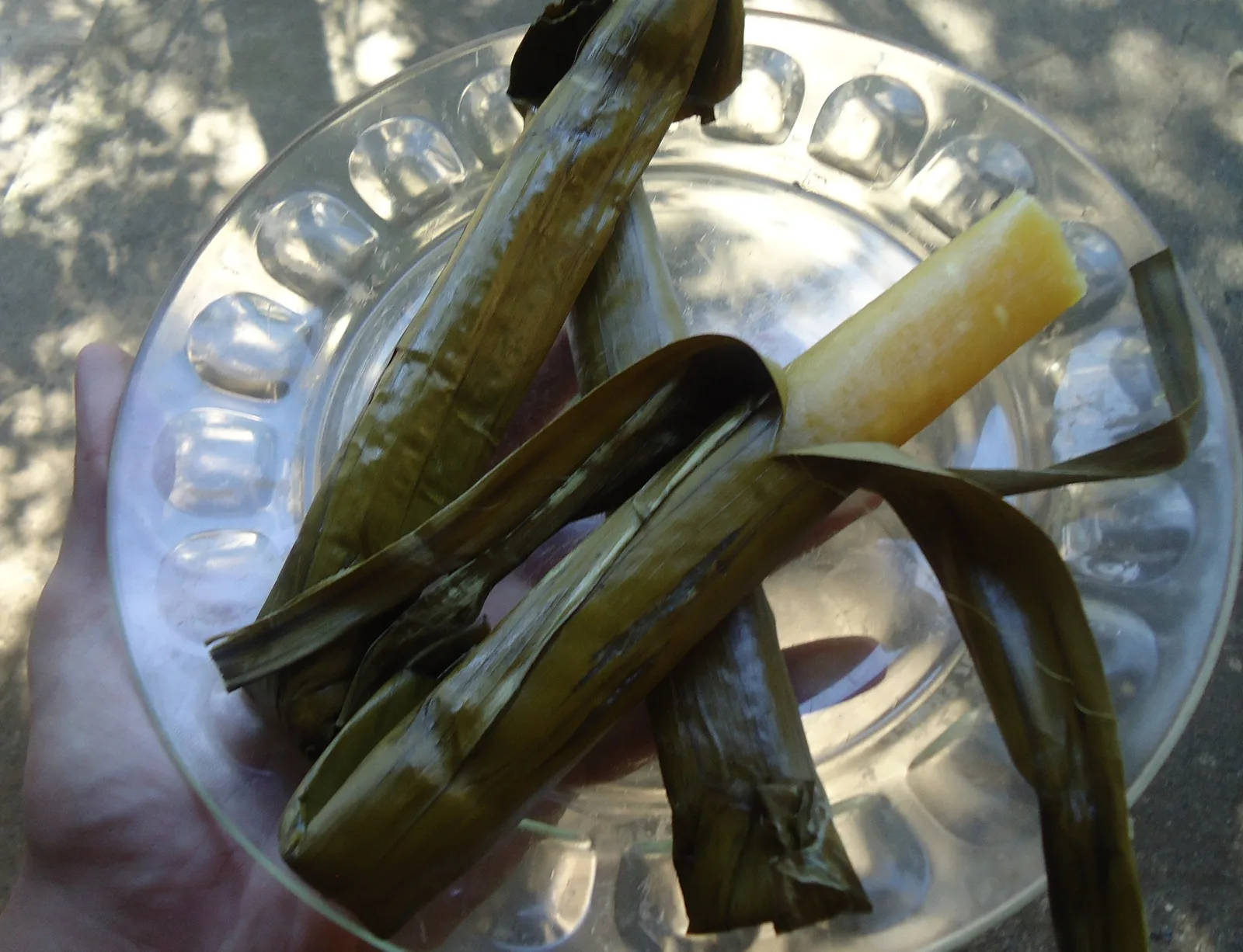
Steamed cassava and coconut parcels wrapped in banana leaves on a glass plate, one parcel unwrapped to show the pale yellow cassava

Solomon Islands Heritage

Photo: Obsidian Soul, CC0, via Wikimedia Commons

The Heritage Formulary

Measured Ingredients

Estimated cost: Very low — about $1–2 per serving at home (USD)

A good cassava pudding is dense and moist, never dry or soggy, and holds its shape when the leaf is opened.

Execution Methodology & Culinary Technique

Step-by-Step Cooking Guide

Active 1h 20m
P

Prep Stage: Grate, Squeeze & Mix

30 Mins • Grating & Wrapping

Peel and finely grate the cassava and the sweet potato, then squeeze the grated cassava in a clean cloth to remove the excess liquid — this step matters, because wet cassava makes a soggy pudding. Mix the squeezed cassava with the sweet potato, coconut cream, brown sugar, grated coconut, salt and vanilla until you have a thick mixture like mashed potato. Soften the banana-leaf squares so they fold without cracking, and set up the steamer with water underneath.

Maestro Tip: Squeeze the cassava well but not bone-dry: the mixture should hold together when pressed, not crumble and not drip.

  1. 1

    Peel and Grate the Cassava

    15 Mins Room temperature, 20°C (68°F)

    Peel the cassava thickly with a sharp knife, cut off both ends, and split each root lengthways to lift out the woody core running down the middle — the core is tough and must not go into the pudding. Grate the flesh finely on the small holes of a box grater, and grate the peeled sweet potato the same way. Work carefully: fresh cassava is hard, so keep your fingers well clear of the grater.

    Grate over a wide bowl so nothing is lost, and wear a glove on the hand holding the root if your knuckles get close to the grater.

    Done when: You have a bowl of fine, snowy-white grated cassava and pale grated sweet potato, with the woody cores set aside.

  2. 2

    Squeeze and Mix the Pudding

    10 Mins Room temperature, 20°C (68°F)

    Tip the grated cassava into a clean tea towel or muslin cloth, gather the corners, and twist firmly to squeeze out the excess liquid — you should get about 100 ml of starchy liquid out. Discard the liquid. In a large bowl, mix the squeezed cassava with the grated sweet potato, coconut cream, brown sugar, grated coconut, salt and vanilla. Stir and press with a spoon until the mixture is even, thick and smooth, like stiff mashed potato. Taste a tiny pinch: it should be clearly sweet, with the coconut coming through.

    If the mixture looks runny, squeeze the cassava again — a wet mixture steams into a soggy pudding that never sets.

    Done when: The mixture holds its shape when pressed with a spoon and does not drip liquid.

  3. 3

    Wrap the Parcels

    15 Mins Room temperature, 20°C (68°F)

    Lay a softened banana-leaf square shiny-side down on the counter. Spoon about 200 g of the mixture — roughly a heaped half-cup — into the centre and shape it into a short, fat log about 12 cm long. Fold the near edge of the leaf over the log, then the far edge, then fold in the two ends like a parcel. Tie each end with a thin strip of banana leaf or kitchen string so the parcel cannot open in the steamer. Repeat until you have 8 parcels.

    Do not overfill: a parcel that is too fat bursts open in the steam. If a leaf tears, wrap a second leaf around the outside.

    Done when: 8 neat, firmly tied parcels, each holding its shape when lifted.

  4. 4

    Steam Until Set

    45 Mins Steaming, 100°C (212°F)

    Bring water to a rolling boil in a large steamer pot, then arrange the parcels in the steamer basket in a single layer with small gaps between them so the steam can circulate. Cover with a tight lid and steam for 40–45 minutes over medium-high heat, topping up the water underneath if it runs low. The parcels are done when the leaf has darkened and the pudding inside feels firm when pressed through the leaf — open one parcel to check: the cassava should be cooked right through, dense and moist, with no raw white streaks and no liquid centre.

    Keep the lid on: lifting it lets the steam escape and the cooking time stretches. Check the water level once, halfway through.

    Done when: The leaf is dark olive-green, the parcel feels firm, and the opened pudding is cooked through with no raw streaks.

  5. 5

    Rest and Unwrap

    5 Mins Cooling to about 60°C (140°F)

    Lift the parcels out of the steamer and rest them for 5 minutes — the pudding firms up as it cools slightly and is easier to unwrap. Serve each parcel in its leaf, with the leaf opened at the table so the steam and the coconut smell escape as you eat. Offer extra coconut cream in a small jug for drizzling over the top.

    Eat the pudding warm: it is at its best within the hour, soft and fragrant, and it firms up a lot once it goes cold.

    Done when: The parcels are warm, not scalding, and the pudding slices cleanly when cut.

Finishing Touches & Plating

Unwrap a parcel at the table and eat it warm, with a drizzle of extra coconut cream if you like. This solomon islands cassava pudding recipe should taste gently sweet and richly coconutty, with a dense, moist bite — not a cake, and not a porridge, but something in between that is entirely its own.

Nutritional Physiology & Benefits

Nutrition

Energy

398

kcal / serving

Protein

3g

Complete AA

Carbs

75g

Complex

Fats

10g

Healthy

Per serving (8 servings · 1 serving ≈ 204 g)
Energy398 kcal
Protein3 g
Carbohydrates75 g
Fat10 g
Fibre4.6 g
Sugar23.1 g
Sodium140 mg
Per 100g
Energy196 kcal
Protein1.6 g
Carbohydrates36.9 g
Fat5.1 g
Fibre2.2 g
Sugar11.3 g
Sodium69 mg

Nutrition values are estimated — calculated from USDA FoodData Central values for the listed ingredients.

Vitamins & minerals: Vitamin C (cassava, sweet potato), potassium (cassava, sweet potato, coconut cream), vitamin A (sweet potato), manganese (coconut).

Naturally Plant-Based

No egg, milk, butter or wheat — just cassava, sweet potato, coconut and sugar — so the pudding suits vegan and gluten-free eaters as written.

Slow, Steady Energy

Each parcel carries about 75.2 g of carbohydrate, mostly slow-digesting cassava starch, making it a filling snack that keeps you going for hours.

Fibre From Real Roots

Cassava and sweet potato bring about 4.6 g of fibre per parcel, which supports normal digestion as part of a varied diet.

Food Pairings

What to Eat With

To optimize nutrient absorption and elevate the sensory depth, pair with these authentic accompaniments:

Sides

Extra Coconut Cream

A spoonful of coconut cream drizzled over the warm pudding adds richness and moisture, and it echoes the coconut already in the mixture.

Fresh Tropical Fruit

Slices of ripe papaya or banana add brightness and acidity that balance the dense sweetness of the pudding.

Solomon Islands Fish in Coconut Milk

The classic partner: the plain, unsweetened version of this pudding is traditionally served with reef fish, and the two dishes share the same coconut base — serve the sweet parcels after the fish.

Drinks

Hot Black Tea

A cup of strong, unsweetened black tea cuts through the richness of the coconut cream and refreshes the palate between bites.

Complete menu

Serve the steamed parcels warm as a snack or dessert after Solomon Islands Fish in Coconut Milk, with fresh papaya on the side and hot black tea to finish.

Digestive Guardrails

What NOT to Combine

To prevent digestive distress, sluggishness, or palate clash, avoid pairing the dish with these elements:

Raw or Undercooked Cassava

Raw cassava contains naturally occurring cyanogenic compounds that are removed by thorough cooking — never taste the raw mixture, and always steam the parcels right through until no raw streaks remain. This is general food-safety information, not medical advice.

A Second Sugary Dessert Straight After

One parcel already carries about 23.1 g of sugar; following it with another sweet dessert in the same sitting adds a large sugar load in one go. Fresh fruit is the better finish. This is general information, not medical advice.

General information only, not medical advice — consult a doctor for personal dietary decisions.

Who Should Eat It

Who Should Eat

  • General adultsA sweet, starchy snack — one parcel is filling, so enjoy it as an afternoon treat rather than a second dessert.
  • ChildrenSuitable from age 2+; the parcels are soft and easy to eat, and children usually love unwrapping the banana leaf. Cut each parcel into small pieces for young children.
  • ElderlyGood choice — soft, moist and easy to chew, with no hard pieces; serve warm with a little extra coconut cream.
  • Pregnant womenGenerally suitable; cassava must always be cooked right through, as it is here — never eat raw or undercooked cassava. Keep portions moderate because the pudding is high in sugar.
  • Breastfeeding womenGenerally suitable as an energy-rich snack; the coconut and cassava supply quick energy — keep portions moderate.
  • AthletesA useful high-carbohydrate snack after training: about 75.2 g of carbohydrate per parcel for glycogen recovery, best eaten within a couple of hours of exercise.
  • Weight gainA good choice — the parcels are energy-dense, so two parcels with coconut cream make a filling snack.
  • Weight lossEnjoy half a parcel as an occasional treat rather than a full one — it is high in sugar and energy for its size.

Health Conditions — Adjust or Avoid

Conditions

  • DiabetesHigh in carbohydrate and sugar — one parcel carries about 75.2 g of carbohydrate. Eat half a parcel at most, and only occasionally. Ask your clinician about your carbohydrate target.
  • High blood pressureNaturally very low in sodium — the small pinch of salt is the only source. No special restriction from this dish itself. Ask your clinician about your sodium limit.
  • Kidney diseaseCassava and sweet potato are both sources of potassium; keep portions small and ask your clinician about portion size.
  • GoutLow in purines, so the pudding itself is not a gout trigger; the sugar is the thing to watch. Ask your clinician if you have frequent flares.
  • Stomach issuesUsually gentle — soft, starchy and low in fat — but the sugar and coconut cream can feel heavy if your stomach is sensitive; eat a small portion.
  • Cardiovascular diseaseThe saturated fat comes from the coconut cream, so keep portions modest and treat it as an occasional sweet rather than an everyday snack. Ask your clinician about saturated fat in your diet.
  • Fatty liverHigh in sugar, so eat it only occasionally and in a small portion; a half parcel is plenty. Ask your clinician about your diet.
  • Food allergiesContains coconut, which is a tree nut for labelling purposes in some countries — check if you have a tree-nut allergy. Naturally gluten-free and free of egg, milk and nuts.
  • Special therapeutic dietsIf you follow a prescribed low-sugar or low-potassium diet, eat only a small portion, and check with your clinician.

If you have a medical condition, consult your doctor before changing your diet.

Storage & Use

Storage & Use

How to store
Cool the parcels completely in their leaves, then store in an airtight container.
In the fridge
Cooked parcels 3 days, in their leaves.
In the freezer
Parcels 1 month, wrapped tightly; thaw overnight in the fridge.
How to reheat
Steam for 10 minutes, or microwave in the leaf for 1–2 minutes, until steaming hot throughout, reaching 74°C (165°F).
Freezing recommended
Yes — the parcels freeze well for up to 1 month.
Signs it has spoiled
Sour or fermented smell, slimy surface, or mould on the leaf or the pudding.

More recipes to explore

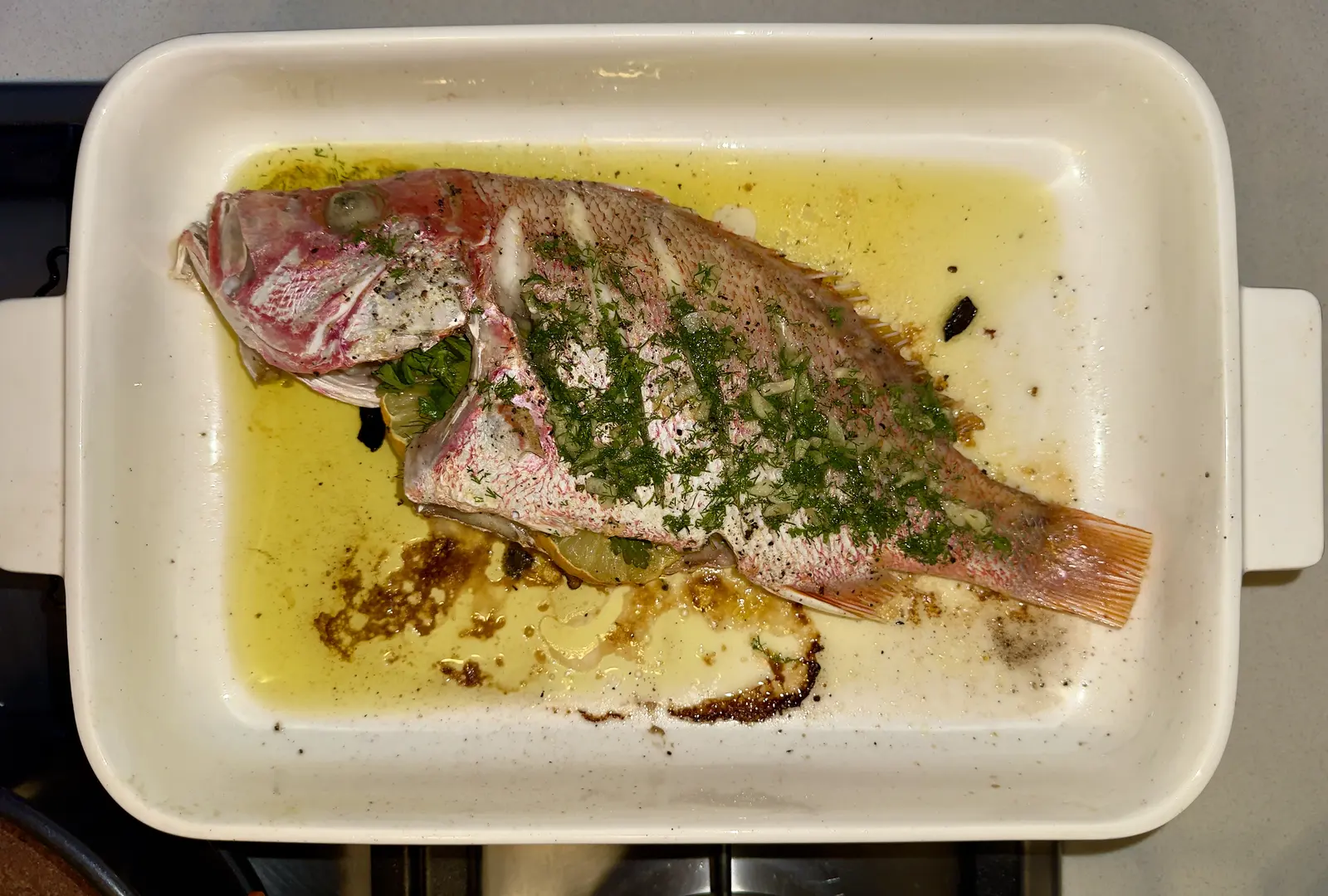
A whole baked red snapper in a white baking dish, scored and topped with chopped herbs, in golden cooking juices Solomon Islands flag Solomon Islands 1h
Dinner •Solomon Islands Heritage

Solomon Islands Baked Whole Reef Fish

This solomon islands baked fish recipe takes a whole reef fish — red snapper, coral trout or sweetlips — scores it, stuffs the cavity with tomato, onion, ginger, lime and chilli, and bakes it uncovered until the flesh flakes cleanly. A drizzle of fresh coconut cream finishes the dish, and it is served with cassava pudding on the side. One serving is about 264 g.

Lean Protein & Island Flavour

A whole reef fish, scored and stuffed with tomato, onion, ginger, lime and chilli, baked uncovered and finished with a drizzle of fresh coconut cream.

Pairs Well With
Cassava pudding, steamed greens and lime wedges
High Protein
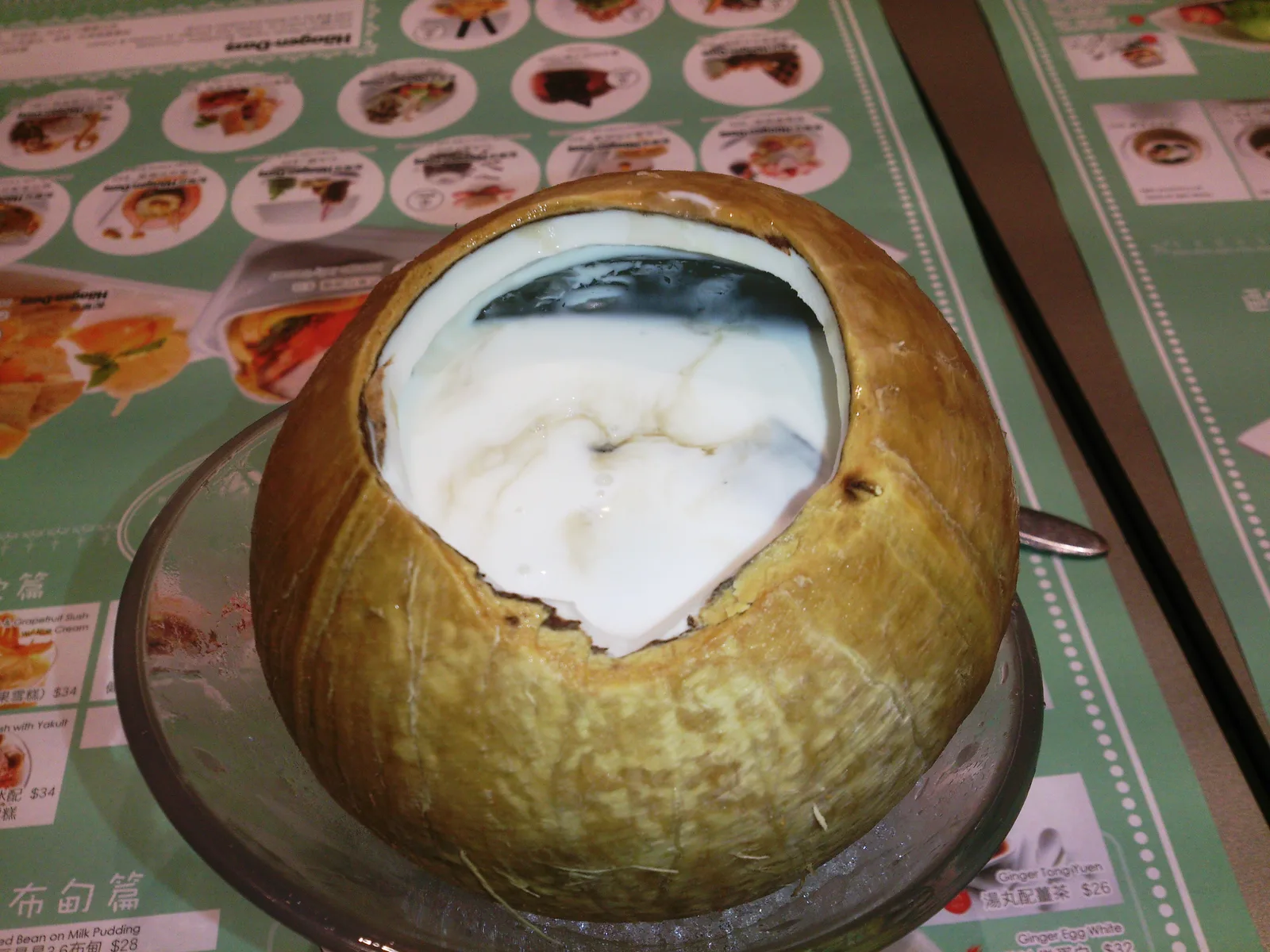
A white coconut milk pudding set inside a young coconut shell on a glass plate, photographed in a dessert shop — the pudding is the same dish as the Solomon Islands preparation Solomon Islands flag Solomon Islands 25m
Snack & Tea •Solomon Islands Heritage

Solomon Islands Coconut Pudding

This solomon islands coconut pudding recipe stirs coconut milk with cornstarch, sugar and a pinch of salt, cooks it gently until thick and glossy, then pours it into coconut shells and chills it until set. There is no baking, no banana and no cassava — just a cool, smooth, coconut-white pudding, finished with toasted coconut flakes. One serving is about 187 g.

Sweet Comfort

Coconut milk and cornstarch set into a smooth, chilled pudding and served in a coconut shell.

Pairs Well With
Toasted coconut flakes, fresh tropical fruit and hot black tea
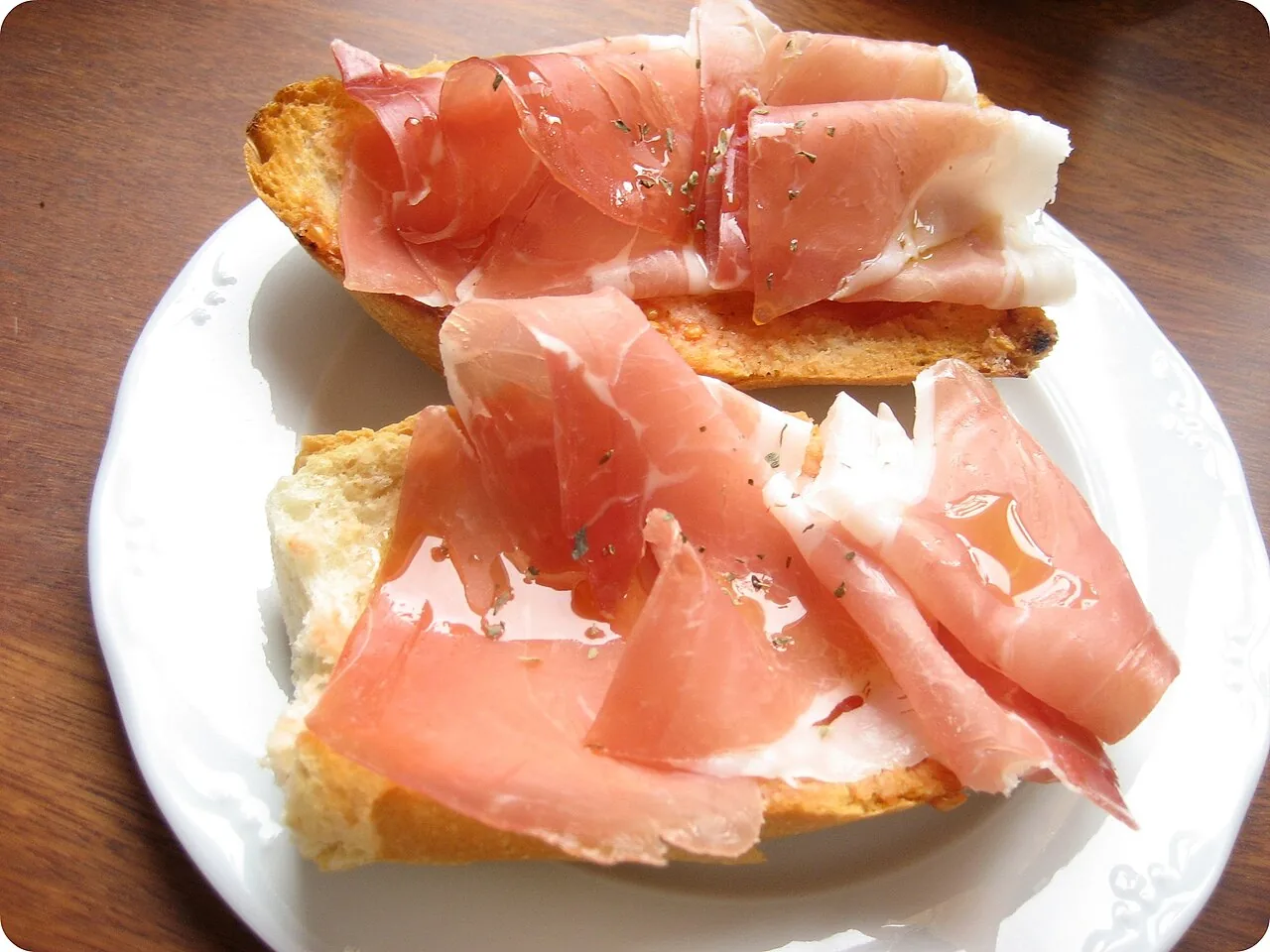
Pan con tomate with jamón ibérico on toasted bread Spain flag Spain 15m
Snack & Tea •Catalan Aperitivo

Pan con Tomate & Jamón Ibérico

Country bread rubbed with ripe Ramallet tomato, drizzled with cold-pressed Arbequina olive oil and topped with jamón ibérico.

Vascular Health

Toasted tomato bread with jamón ibérico, olive oil and olives.

Pairs Well With
Castelvetrano Olives & Sparkling Mineral Water
Quick Prep (<30m)
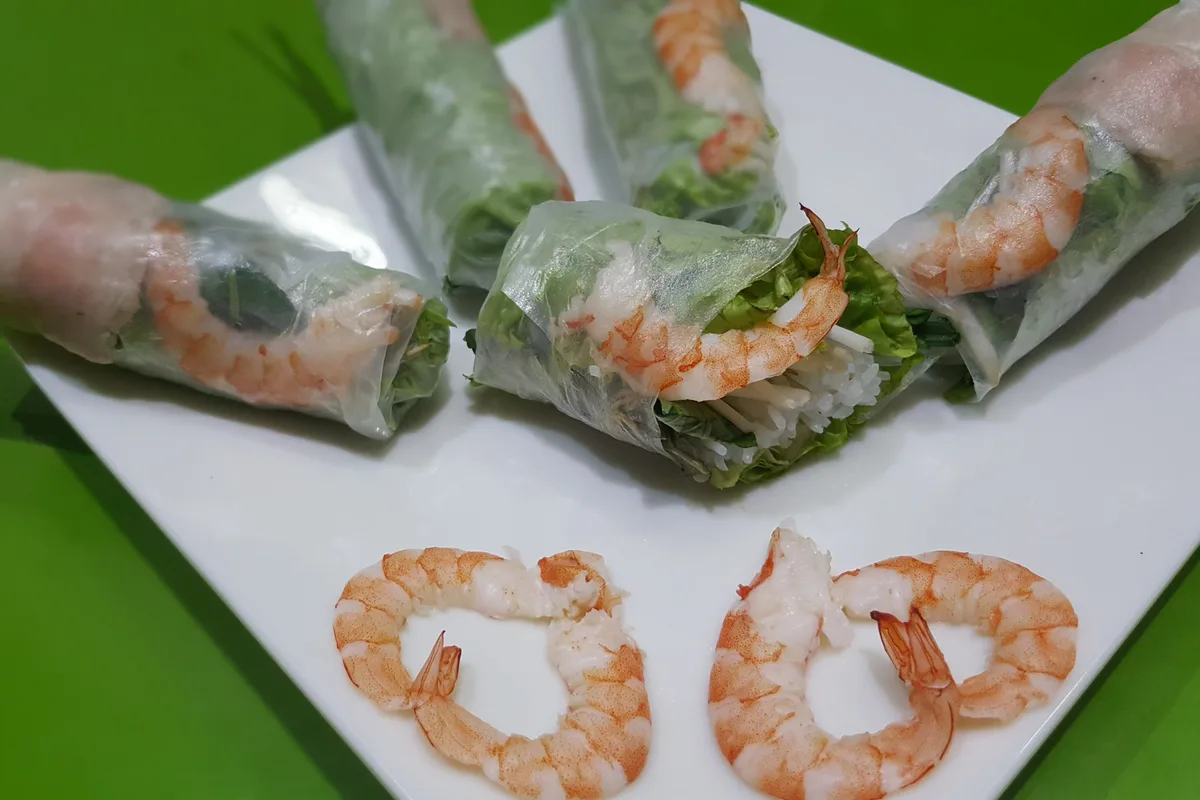
Gỏi cuốn — Vietnamese fresh spring rolls with prawn and pork Vietnam flag Vietnam 1h 5m
Snack & Tea •Saigon Refresh

Gỏi Cuốn Tôm Thịt

Fresh rice paper rolls filled with poached prawns, tender pork, rice vermicelli, lettuce, herbs and carrot, served with a peanut dipping sauce.

Light Digestion

Nothing is fried, so the rolls stay light and fresh — a cool, herb-filled snack for hot days.

Pairs Well With
Artisanal Peanut Dip & Fresh Lotus Root Water
High Protein

The Dinner Gazette

Never wonder what’s for dinner again

One email a week with easy dinner ideas from around the world — ingredients, steps and nutrition, tested in our kitchen first.

Delivered every Thursday morning. Unsubscribe anytime.