Curated recipes from 193 countries  •  New seasonal Mediterranean issue out now

Overview

Solomon Islands Coconut Pudding

Coconut milk pudding; chilled coconut pudding

This solomon islands coconut pudding recipe stirs coconut milk with cornstarch, sugar and a pinch of salt, cooks it gently until thick and glossy, then pours it into coconut shells and chills it until set. There is no baking, no banana and no cassava — just a cool, smooth, coconut-white pudding, finished with toasted coconut flakes. One serving is about 187 g.

Coconut is the foundation of cooking across the Solomon Islands — the milk is squeezed fresh from grated flesh and goes into almost everything, from fish to puddings. Set puddings made from coconut milk and starch are a familiar dessert across the Pacific: the starch takes the place of egg or gelatine, the pudding is poured into the shell it came from, and it is eaten cold, straight from the shell, often as the sweet finish to a meal of fish and root crops. This version keeps that shape — coconut milk, cornstarch, a little sugar — and nothing else.

Pairs well with: Toasted coconut flakes, fresh tropical fruit and hot black tea

Provenance

Solomon Islands flag Solomon Islands

Solomon Islands Heritage

Oceania & Pacific

Time Dedication

25m

15m prep • 10m cook

Batch Yield

4 Servings

382 kcal per serving

1 serving ≈ 187 g

Technical Skill

Easy

Easy (Stir & Chill)

Meal Timing & Digestive Fit

Breakfast

Not Advised

Lunch

Inappropriate

Dinner

Inappropriate

Snack & Tea

Ideal Light Bite

Occasions: Afternoon snacks, desserts, family gatherings, hot days Cost: Very low — about $1–2 per serving at home
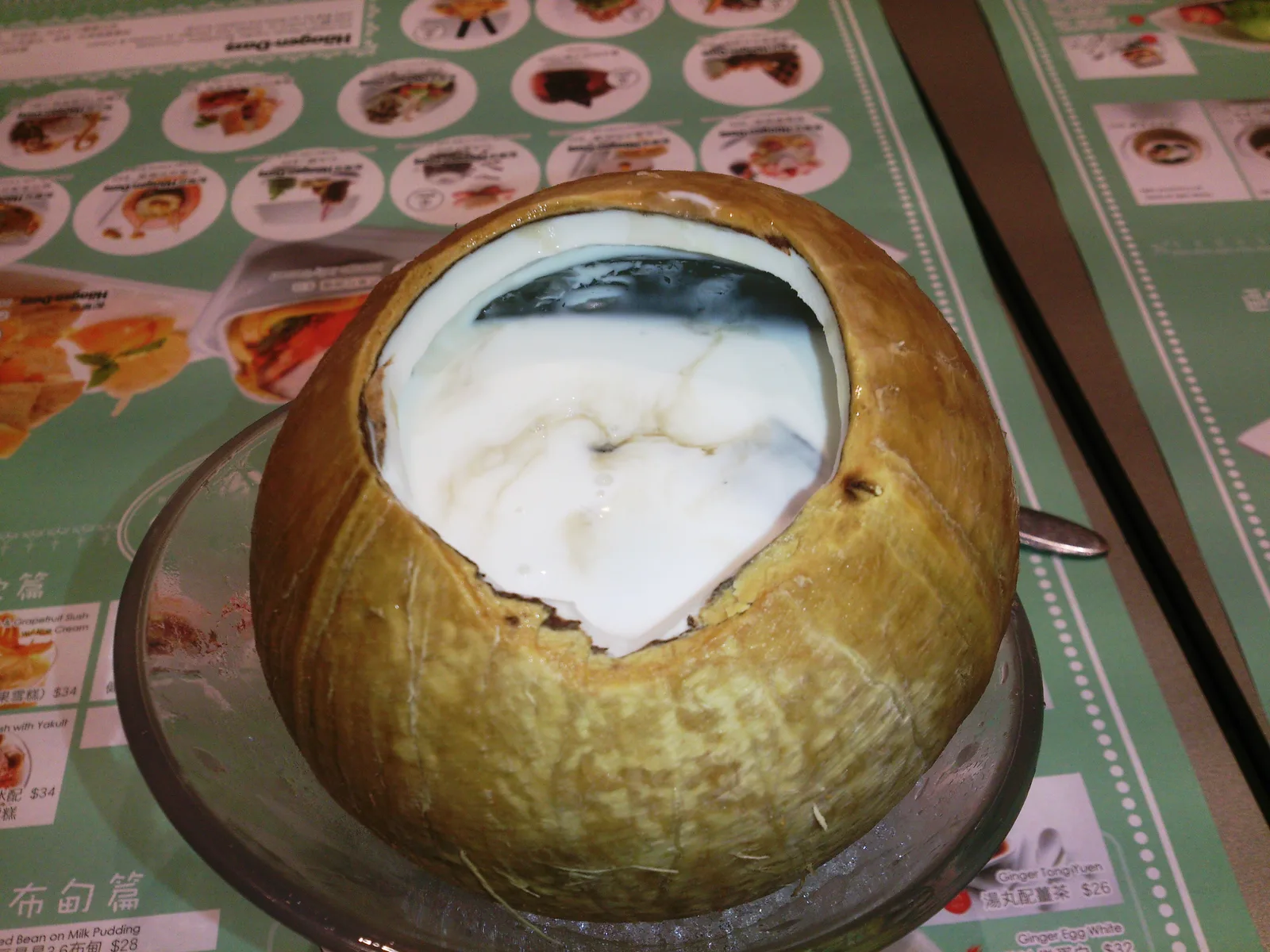
A white coconut milk pudding set inside a young coconut shell on a glass plate, photographed in a dessert shop — the pudding is the same dish as the Solomon Islands preparation

Solomon Islands Heritage

Photo: Ceeseven, CC BY-SA 3.0, via Wikimedia Commons

The Heritage Formulary

Measured Ingredients

Estimated cost: Very low — about $1–2 per serving at home (USD)

A good coconut pudding is smooth and glossy, sets firmly enough to hold its shape, and tastes cleanly of coconut — never lumpy, never rubbery.

Execution Methodology & Culinary Technique

Step-by-Step Cooking Guide

Active 25m
P

Prep Stage: Slurry, Shells & Pan

15 Mins • Whisking

Whisk the cornstarch completely smooth with 100 ml of cold water — this is the step that decides whether the pudding sets without lumps. Meanwhile, scoop and rinse the four coconut shell halves and set them on a tray so they cannot tip over, and measure the sugar, salt and vanilla into the saucepan with the coconut milk and the remaining 100 ml of water.

Maestro Tip: Always mix cornstarch into cold water first: cornstarch dropped straight into hot milk clumps instantly and never smooths out.

  1. 1

    Mix the Cornstarch Slurry

    5 Mins Room temperature, 20°C (68°F)

    Put the cornstarch in a small bowl and pour in 100 ml of cold water. Whisk until the mixture is completely smooth and milky, with no white lumps and no starch sitting on the bottom — lift the whisk and check. If the slurry sits for more than a minute it settles, so give it a quick stir again just before you use it.

    Use a whisk, not a spoon: a spoon leaves lumps of dry starch at the bottom of the bowl.

    Done when: A smooth, milky liquid with no lumps and no settled starch.

  2. 2

    Heat the Coconut Milk

    5 Mins Gentle heat, about 85°C (185°F)

    Pour the coconut milk and the remaining 100 ml of water into a medium saucepan. Add the sugar, salt and vanilla and stir. Warm over medium heat, stirring often, until the sugar has dissolved and the milk is hot and steaming — about 85°C (185°F). Do not let it boil hard: a rolling boil can split the coconut milk and give the pudding a grainy finish.

    Stir with a wooden spoon and watch the edges of the pan: the first tiny bubbles at the edge mean it is hot enough.

    Done when: The milk is steaming, the sugar has dissolved, and the surface is just trembling, not boiling.

  3. 3

    Thicken Until Glossy

    5 Mins Medium heat, about 90°C (195°F)

    Give the slurry one last stir, then pour it into the hot milk in a thin stream, whisking all the time. Keep whisking over medium heat: within 2–3 minutes the mixture thickens suddenly and turns glossy, coating the back of a spoon so that a line drawn through it holds. Take the pan off the heat as soon as it reaches this point — cooking it longer makes the pudding rubbery instead of smooth.

    Do not stop whisking while the starch goes in: the thickening happens fast, and a pause leaves lumps.

    Done when: A thick, glossy cream that coats a spoon and holds a drawn line.

  4. 4

    Pour Into Shells and Chill

    10 Mins + 2 Hours Chilling Chill at 4°C (39°F)

    Pour the hot pudding into the four coconut shell halves, dividing it evenly — about 185 g in each shell. Smooth the tops with the back of a spoon and leave the shells on the tray until they are cool enough to handle, about 20 minutes. Cover loosely with cling film, then refrigerate for at least 2 hours, until the pudding is cold, firm and set — it should hold its shape when the shell is tilted and wobble gently like a jelly when the tray is tapped.

    Pour while the pudding is still hot and runny: once it starts to cool in the pan it sets in lumps that cannot be smoothed.

    Done when: The pudding is cold and set, smooth on top, and holds its shape when the shell is tilted.

  5. 5

    Serve Chilled From the Shell

    5 Mins Serve cold, about 4°C (39°F)

    Take the shells out of the fridge just before serving and sprinkle the toasted coconut flakes over the top of each pudding. Eat it cold, straight from the shell with a spoon — the shell is the bowl, not part of the meal. Offer fresh tropical fruit on the side if you like.

    Add the flakes at the last moment: they go soft if they sit on the cold pudding.

    Done when: Cold, smooth pudding in its shell, with crisp golden flakes on top.

Finishing Touches & Plating

Serve each shell cold with toasted coconut flakes on top. This solomon islands coconut pudding recipe should taste clean and gently sweet, with a smooth, cool, coconut-white set — not baked, not starchy, and not heavy.

Nutritional Physiology & Benefits

Nutrition

Energy

382

kcal / serving

Protein

3g

Complete AA

Carbs

36g

Complex

Fats

27g

Healthy

Per serving (4 servings · 1 serving ≈ 187 g)
Energy382 kcal
Protein3 g
Carbohydrates36 g
Fat27 g
Fibre3.2 g
Sugar18.8 g
Sodium115 mg
Per 100g
Energy205 kcal
Protein1.4 g
Carbohydrates19 g
Fat14.5 g
Fibre1.7 g
Sugar10.1 g
Sodium62 mg

Nutrition values are estimated — calculated from USDA FoodData Central values for the listed ingredients.

Vitamins & minerals: Manganese and copper (coconut), potassium (coconut milk), iron (coconut), small amounts of B vitamins (coconut milk).

Naturally Plant-Based

No egg, milk, butter, wheat or gelatine — just coconut milk, cornstarch, sugar and salt — so the pudding suits vegan, gluten-free and dairy-free eaters as written.

Quick, Steady Energy

Each shell carries about 35.5 g of carbohydrate, mostly from the cornstarch and sugar, making it a light, quick energy snack.

Cool and Easy to Eat

Served cold and completely smooth, the pudding is gentle on the stomach and easy to eat, even on a hot day.

Food Pairings

What to Eat With

To optimize nutrient absorption and elevate the sensory depth, pair with these authentic accompaniments:

Sides

Toasted Coconut Flakes

Crisp, golden flakes on top add crunch and a nutty note that contrasts with the smooth, cool pudding underneath.

Fresh Tropical Fruit

Slices of ripe papaya or mango add brightness and acidity that balance the rich sweetness of the coconut milk.

Drinks

Hot Black Tea

A cup of strong, unsweetened black tea cuts through the richness of the coconut milk and refreshes the palate between spoonfuls.

Full Menus

After Baked Reef Fish

Serve the chilled pudding as the cool, sweet finish to a dinner of Solomon Islands baked reef fish — the cold pudding is the perfect contrast to the warm, savoury fish.

Complete menu

Serve the chilled coconut pudding in its shell as the dessert after Solomon Islands baked reef fish with cassava pudding, with fresh papaya on the side and hot black tea to finish.

Digestive Guardrails

What NOT to Combine

To prevent digestive distress, sluggishness, or palate clash, avoid pairing the dish with these elements:

Leaving the Pudding Out in the Heat

A milk-based pudding left at room temperature for more than 2 hours is a food-safety risk: keep the shells refrigerated until serving, and return any leftovers to the fridge straight away. This is general food-safety information, not medical advice.

A Second Sugary Dessert Straight After

One shell already carries about 18.8 g of sugar; following it with another sweet dessert in the same sitting adds a large sugar load in one go. Fresh fruit is the better finish. This is general information, not medical advice.

General information only, not medical advice — consult a doctor for personal dietary decisions.

Who Should Eat It

Who Should Eat

  • General adultsA light, sweet snack — one shell is a pleasant afternoon treat, not a heavy dessert.
  • ChildrenSuitable from age 2+; the pudding is soft and smooth, and children enjoy eating it from the shell. Serve it cold and watch for the shell edge.
  • ElderlyA good choice — soft, smooth and easy to swallow, with no hard pieces; serve well chilled.
  • Pregnant womenGenerally suitable; the pudding is cooked, so there is no raw-egg risk — keep portions moderate because it is high in sugar.
  • Breastfeeding womenGenerally suitable as an energy-rich snack; the coconut supplies quick energy — keep portions moderate.
  • AthletesA useful quick-carbohydrate snack after training: about 35.5 g of carbohydrate per serving, best eaten within a couple of hours of exercise.
  • Weight gainA good choice — the pudding is energy-dense, so two shells make a filling snack.
  • Weight lossEnjoy half a shell as an occasional treat rather than a full one — it is high in sugar and energy for its size.

Health Conditions — Adjust or Avoid

Conditions

  • DiabetesHigh in carbohydrate and sugar — one shell carries about 35.5 g of carbohydrate and 18.9 g of sugar. Eat half a shell at most, and only occasionally. Ask your clinician about your carbohydrate target.
  • High blood pressureNaturally very low in sodium — the small pinch of salt is the only source. No special restriction from this dish itself. Ask your clinician about your sodium limit.
  • Kidney diseaseCoconut milk is a source of potassium; keep portions small and ask your clinician about portion size.
  • GoutLow in purines, so the pudding itself is not a gout trigger; the sugar is the thing to watch. Ask your clinician if you have frequent flares.
  • Stomach issuesUsually gentle — smooth, soft and low in fibre — but the coconut fat can feel heavy if your stomach is sensitive; eat a small portion.
  • Cardiovascular diseaseThe fat comes from coconut milk, so it is mostly saturated fat; keep portions modest and treat it as an occasional sweet rather than an everyday snack. Ask your clinician about saturated fat in your diet.
  • Fatty liverHigh in sugar, so eat it only occasionally and in a small portion; a half shell is plenty. Ask your clinician about your diet.
  • Food allergiesContains coconut, which is a tree nut for labelling purposes in some countries — check if you have a tree-nut allergy. Naturally gluten-free and free of egg, milk, wheat and nuts.
  • Special therapeutic dietsIf you follow a prescribed low-sugar or low-potassium diet, eat only a small portion, and check with your clinician.

If you have a medical condition, consult your doctor before changing your diet.

Storage & Use

Storage & Use

How to store
Cover the shells loosely with cling film and refrigerate; do not leave them at room temperature.
In the fridge
Set pudding in its shell 2–3 days.
In the freezer
Not recommended — freezing makes the cornstarch set weep and turn grainy.
How to reheat
Do not reheat — this pudding is served cold.
Freezing recommended
No — the pudding does not freeze well.
Signs it has spoiled
Sour smell, a watery layer on top that will not stir back in, or any mould on the surface.

More recipes to explore

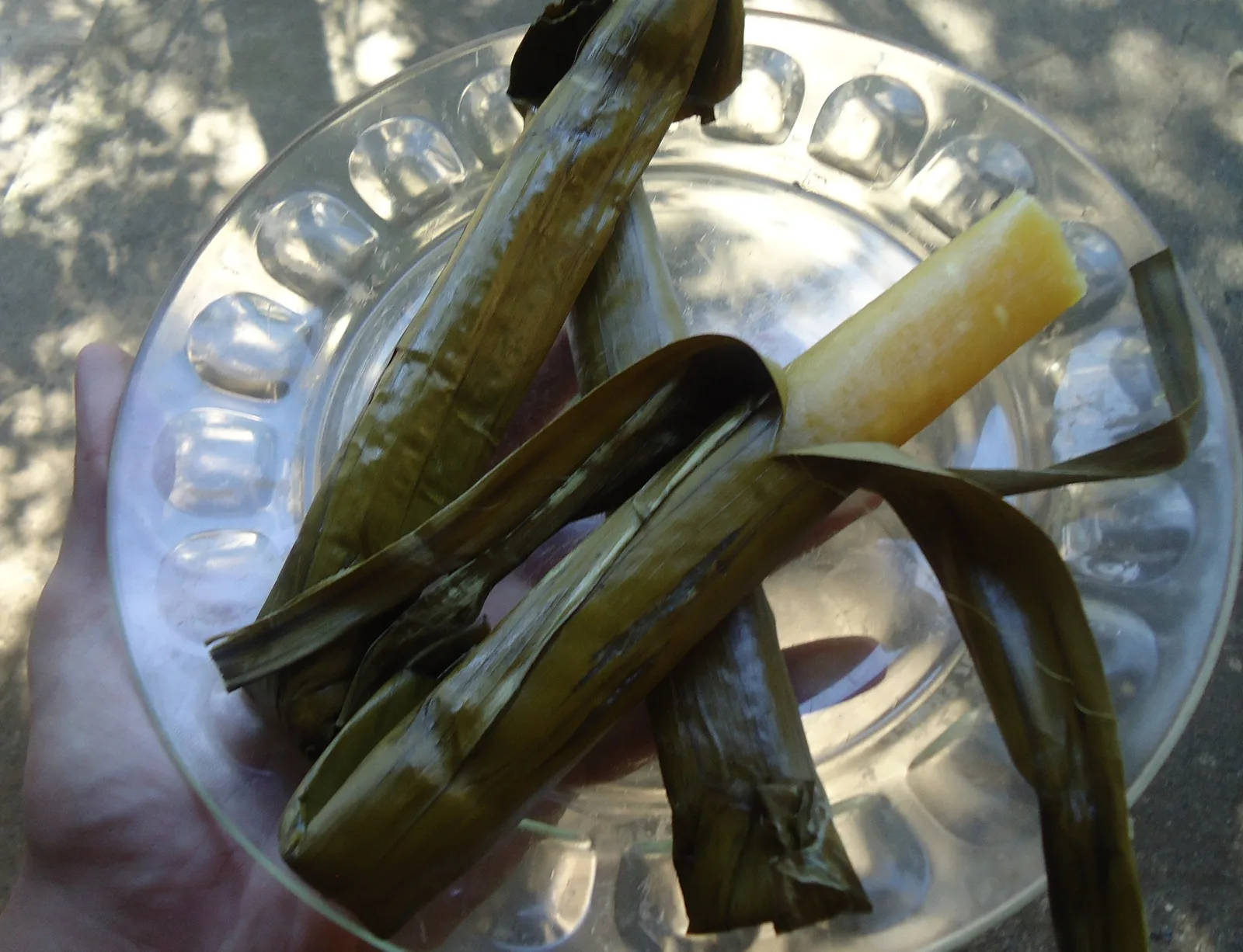
Steamed cassava and coconut parcels wrapped in banana leaves on a glass plate, one parcel unwrapped to show the pale yellow cassava Solomon Islands flag Solomon Islands 1h 20m
Snack & Tea •Solomon Islands Heritage

Solomon Islands Cassava Pudding

This solomon islands cassava pudding recipe grates fresh cassava and white sweet potato, mixes them with coconut cream, brown sugar and grated coconut, then wraps the mixture in banana leaves and steams it into soft, dense parcels. It is the sweet version of the Solomon Islands pudding — the plain version is served with reef fish, while this sugared one is eaten as a snack or dessert. One parcel is about 204 g.

Sweet Comfort

Grated cassava and sweet potato mixed with coconut cream and brown sugar, wrapped in banana leaves and steamed until dense, moist and sweet.

Pairs Well With
Extra coconut cream for drizzling and fresh tropical fruit
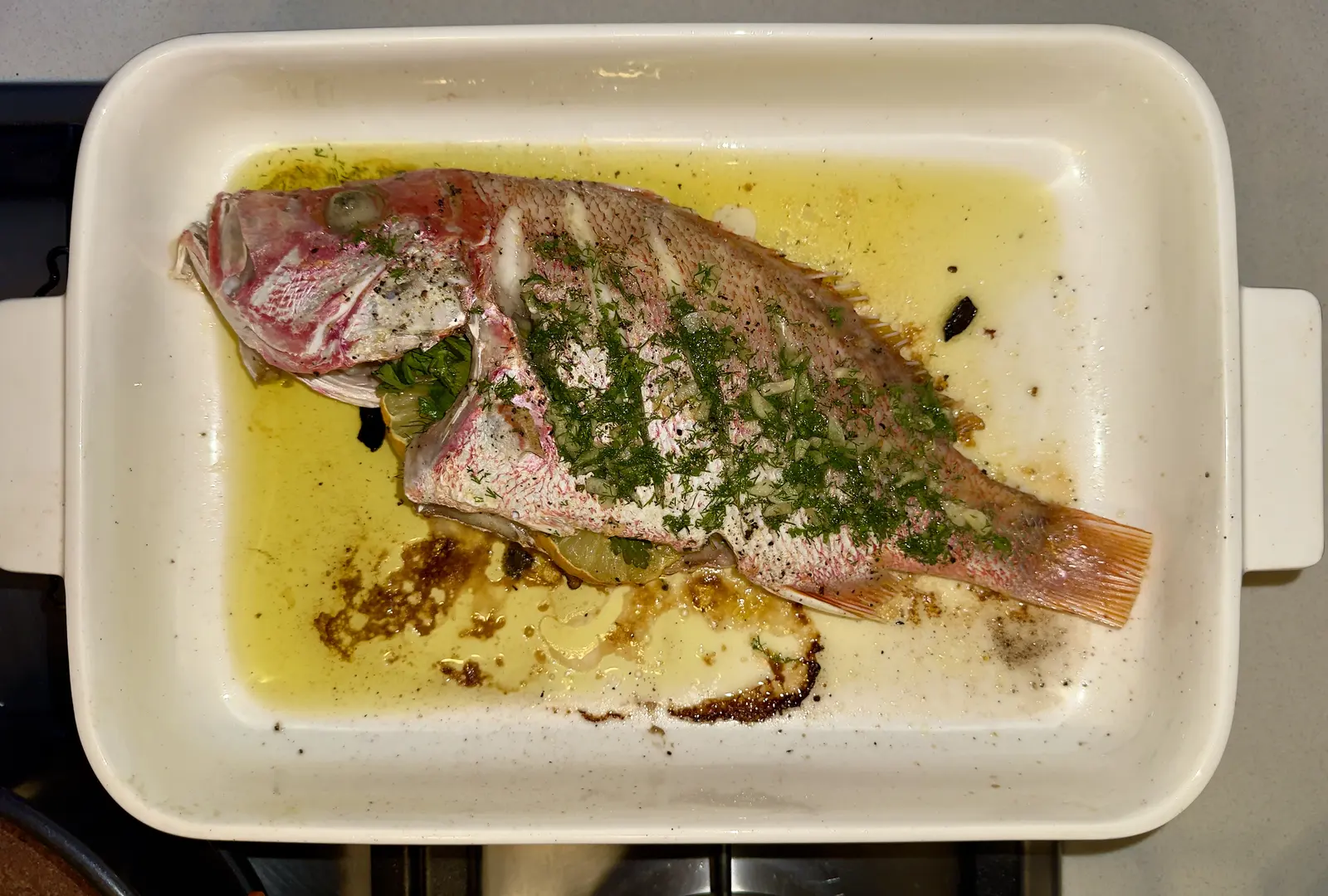
A whole baked red snapper in a white baking dish, scored and topped with chopped herbs, in golden cooking juices Solomon Islands flag Solomon Islands 1h
Dinner •Solomon Islands Heritage

Solomon Islands Baked Whole Reef Fish

This solomon islands baked fish recipe takes a whole reef fish — red snapper, coral trout or sweetlips — scores it, stuffs the cavity with tomato, onion, ginger, lime and chilli, and bakes it uncovered until the flesh flakes cleanly. A drizzle of fresh coconut cream finishes the dish, and it is served with cassava pudding on the side. One serving is about 264 g.

Lean Protein & Island Flavour

A whole reef fish, scored and stuffed with tomato, onion, ginger, lime and chilli, baked uncovered and finished with a drizzle of fresh coconut cream.

Pairs Well With
Cassava pudding, steamed greens and lime wedges
High Protein
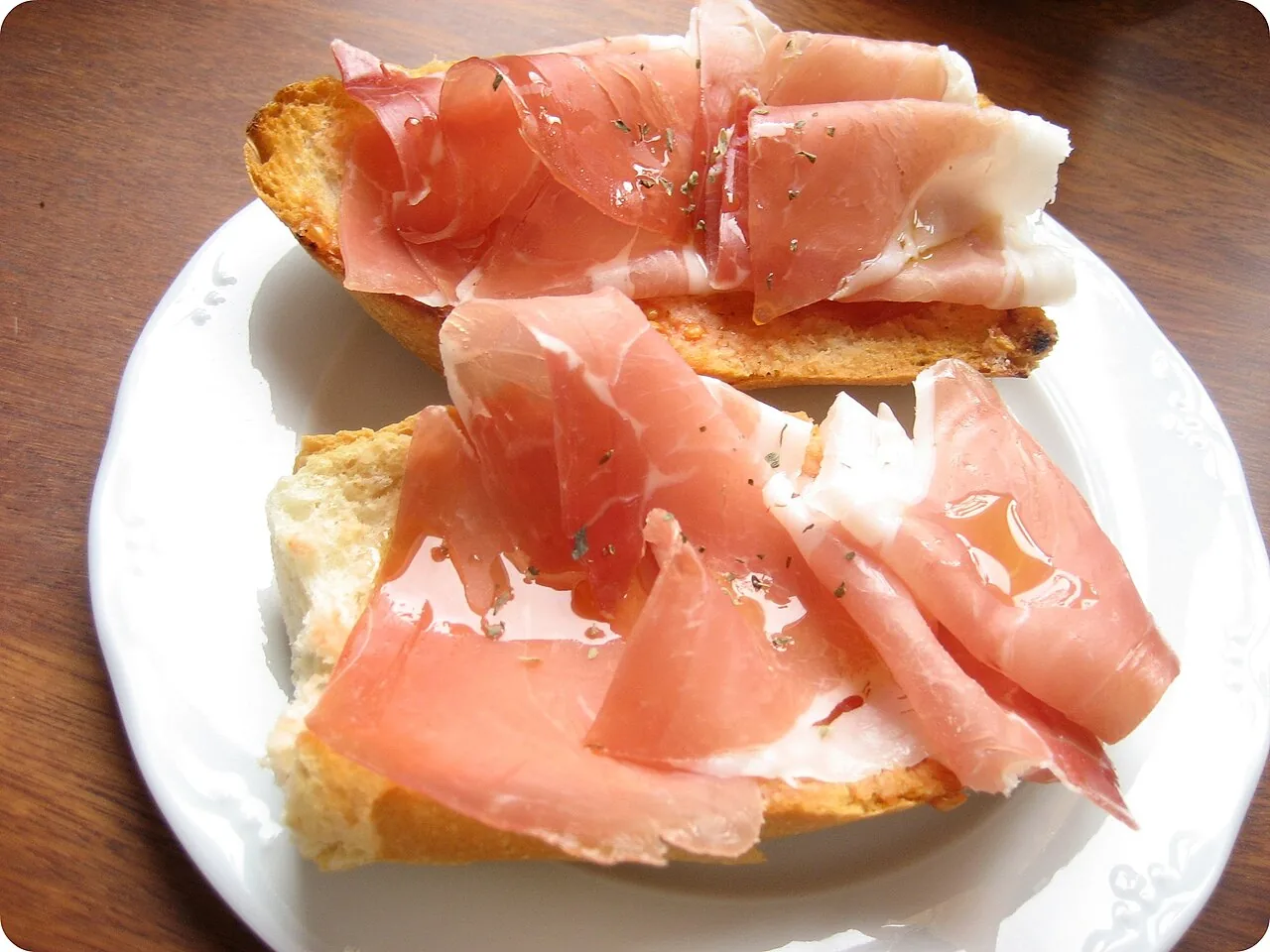
Pan con tomate with jamón ibérico on toasted bread Spain flag Spain 15m
Snack & Tea •Catalan Aperitivo

Pan con Tomate & Jamón Ibérico

Country bread rubbed with ripe Ramallet tomato, drizzled with cold-pressed Arbequina olive oil and topped with jamón ibérico.

Vascular Health

Toasted tomato bread with jamón ibérico, olive oil and olives.

Pairs Well With
Castelvetrano Olives & Sparkling Mineral Water
Quick Prep (<30m)
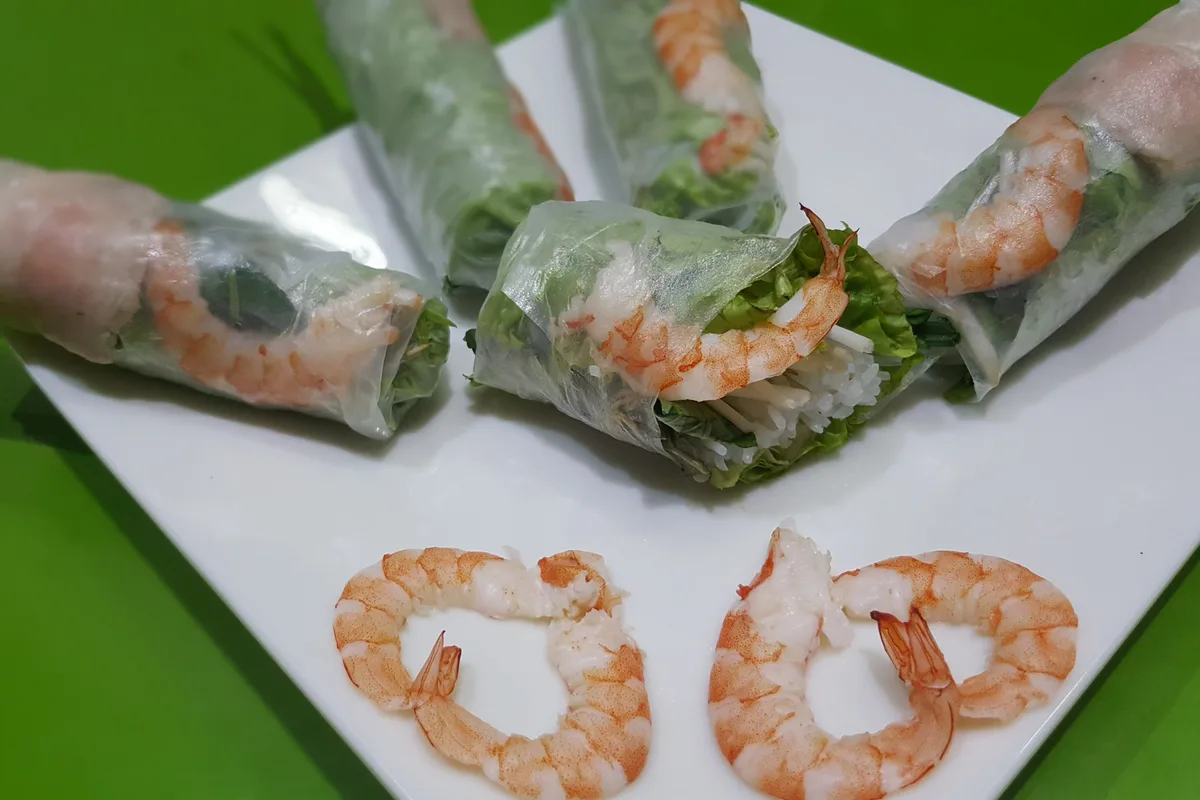
Gỏi cuốn — Vietnamese fresh spring rolls with prawn and pork Vietnam flag Vietnam 1h 5m
Snack & Tea •Saigon Refresh

Gỏi Cuốn Tôm Thịt

Fresh rice paper rolls filled with poached prawns, tender pork, rice vermicelli, lettuce, herbs and carrot, served with a peanut dipping sauce.

Light Digestion

Nothing is fried, so the rolls stay light and fresh — a cool, herb-filled snack for hot days.

Pairs Well With
Artisanal Peanut Dip & Fresh Lotus Root Water
High Protein

The Dinner Gazette

Never wonder what’s for dinner again

One email a week with easy dinner ideas from around the world — ingredients, steps and nutrition, tested in our kitchen first.

Delivered every Thursday morning. Unsubscribe anytime.