
Curated recipes from 193 countries  •  New seasonal Mediterranean issue out now

Overview

Songpyeon

Songpyeon (송편), Half-Moon Rice Cakes

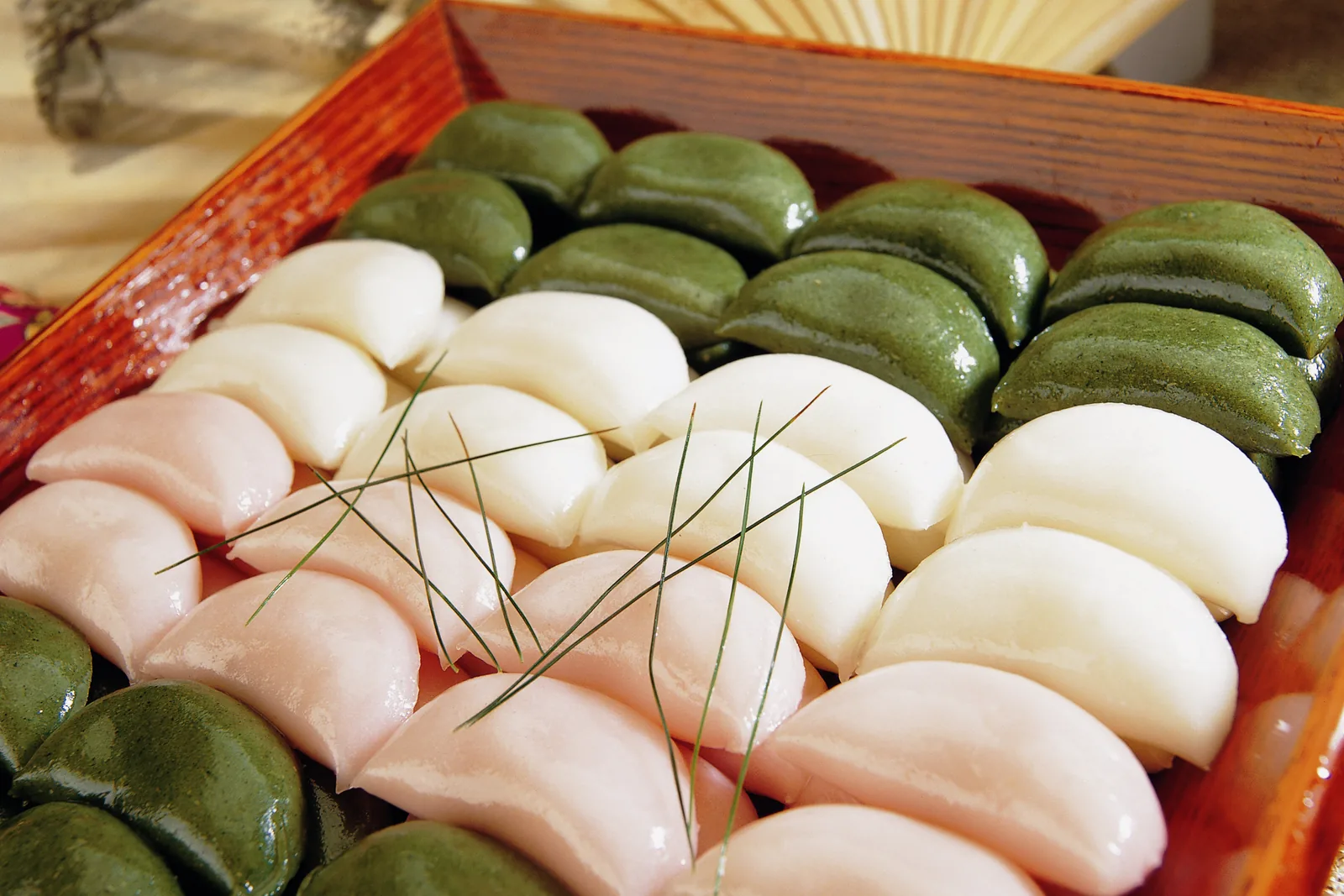
Half-moon rice cakes of soft, chewy rice-flour dough, filled with toasted sesame seeds, honey and chestnut and steamed over pine needles until glossy. One serving is about 94 g (3 cakes). This songpyeon recipe makes 24 cakes in about 1 hour 10 minutes.

Songpyeon is the food of Chuseok, the Korean harvest festival held on the fifteenth day of the eighth lunar month, when families gather to give thanks for the harvest. The cakes are shaped like a half-moon — tradition says the crescent moon brings good fortune — and steamed over a bed of pine needles, which keeps them from sticking and perfumes them with a faint pine scent. Making songpyeon together is itself part of the holiday: families sit around a table shaping the cakes, and the fillings change by region and household, from sesame and honey to chestnut, red bean and jujube.

Pairs well with: Warm barley tea and fresh fruit.

Provenance

South Korea flag South Korea

Korean Heritage

East & South Asia

Time Dedication

1h 10m

50m prep • 20m cook

Batch Yield

8 Servings

281 kcal per serving

1 serving ≈ 94 g

Technical Skill

Intermediate

Medium (Shaping)

Meal Timing & Digestive Fit

Breakfast

Not Advised

Lunch

Inappropriate

Dinner

Inappropriate

Snack & Tea

Ideal Light Bite

Occasions: Chuseok (Korean harvest festival), family gatherings, festive snacks, autumn celebrations Cost: Low — about $1–2 per serving at home
Colourful songpyeon half-moon rice cakes in white, pink and green arranged in a wooden tray

Korean Heritage

Photo: wizdata, CC0, via Wikimedia Commons

The Heritage Formulary

Measured Ingredients

Estimated cost: Low — about $1–2 per serving at home (USD)

Made the traditional way: rice-flour dough, sesame and honey filling, steamed over pine needles until glossy.

Execution Methodology & Culinary Technique

Step-by-Step Cooking Guide

Active 1h 10m
P

Prep Stage: Mix, Rest & Fill

35 Mins • Dough & Filling

Dissolve the salt in the hot water, then pour it over the rice flour and knead into a soft, smooth dough. Cover and rest it for 15 minutes. Meanwhile, crush the toasted sesame seeds with the honey, sugar and chopped chestnut to make the filling, and rinse the pine needles for the steamer.

Maestro Tip: The dough should feel like soft clay — if it cracks when you pinch it, knead in a teaspoon of hot water at a time.

  1. 1

    Mix the Dough & Rest It

    15 Mins Hot water, about 80°C (175°F)

    Pour the salted hot water over the rice flour a little at a time, stirring with a spoon, then knead by hand for 5 minutes until smooth. Divide the dough in half and knead the mugwort powder into one half for green cakes. Cover both halves with a damp cloth and rest for 15 minutes.

    Hot water is the secret to a dough that holds its shape — cold water makes cakes that crack while steaming.

    Done when: Smooth, soft dough that holds a fingerprint without cracking.

  2. 2

    Mix the Sesame-Honey Filling

    10 Mins Room temperature, ~20°C (68°F)

    Crush the toasted sesame seeds lightly in a mortar, then stir in the honey, sugar and chopped chestnut. The filling should be moist and clumping, not runny.

    Crush, do not grind to a paste — a little texture is what makes the filling interesting to bite into.

    Done when: Moist, dark filling that holds together when pinched.

  3. 3

    Shape the Half-Moons

    20 Mins Room temperature, ~20°C (68°F)

    Pinch off walnut-sized pieces of dough (about 30 g each) and roll into balls. Press each ball into a cup shape with your thumb, spoon in about 1 teaspoon of filling, then pinch the edges closed and fold into a half-moon, sealing the seam firmly.

    Wet your fingertips lightly if the dough sticks — but keep them barely damp, or the seal will not hold.

    Done when: Neat half-moons, about 5 cm across, seams fully closed with no filling showing.

  4. 4

    Steam Over Pine Needles

    20 Mins Boiling water, 100°C (212°F)

    Spread the rinsed pine needles over the steamer base, set the cakes on top with space between them, and steam over boiling water for 20 minutes until the cakes turn slightly translucent and glossy.

    Leave gaps between the cakes — they swell as they steam and will stick together if crowded.

    Done when: Cakes glossy and slightly translucent, firm but springy when pressed.

  5. 5

    Oil & Cool

    5 Mins Warm, about 50°C (122°F)

    Lift the cakes out, shake off any pine needles, and brush each one lightly with sesame oil while still warm. Cool for 5 minutes before serving.

    The oil keeps the cakes from sticking to each other and gives them their shine — do not skip it.

    Done when: Shiny, separate cakes, warm to the touch.

Finishing Touches & Plating

Brush the warm cakes lightly with sesame oil so they shine and do not stick, then serve warm or at room temperature, piled in a bowl or on a tray.

Nutritional Physiology & Benefits

Nutrition

Energy

281

kcal / serving

Protein

5g

Complete AA

Carbs

51g

Complex

Fats

7g

Healthy

Per serving (8 servings · 1 serving ≈ 94 g)
Energy281 kcal
Protein5 g
Carbohydrates51 g
Fat7 g
Fibre2.5 g
Sugar7.2 g
Sodium147 mg
Per 100g
Energy299 kcal
Protein4.8 g
Carbohydrates54.7 g
Fat6.9 g
Fibre2.7 g
Sugar7.7 g
Sodium157 mg

Nutrition values are estimated — calculated from USDA FoodData Central values for the listed ingredients.

Vitamins & minerals: Sesame seeds add calcium, magnesium and iron, chestnuts add vitamin C and potassium, and rice flour supplies B vitamins.

Steady Energy

Rice flour with a little honey gives steady carbohydrate energy — 281 kcal per serving of three cakes, enough for a satisfying snack.

Sesame Goodness

Toasted sesame seeds bring calcium, magnesium and iron, plus healthy fats that make the small cakes surprisingly filling.

Light & Steamed

Steaming uses no frying oil, so the cakes stay light — only 6.5 g of fat per serving, most of it from sesame.

Food Pairings

What to Eat With

To optimize nutrient absorption and elevate the sensory depth, pair with these authentic accompaniments:

Drinks

Barley Tea

Warm, nutty barley tea is the classic Chuseok drink — its roasted flavour balances the honey sweetness of the cakes.

Jujube Tea

Sweet, warming jujube tea matches the honey filling and is served at the same harvest table as songpyeon.

Sides

Fresh Fruit

Crisp Korean pears or persimmons add juice and crunch next to the soft, chewy cakes, and they are the traditional Chuseok fruit.

Full Menus

Chuseok Feast

Serve songpyeon as the sweet finish to a Chuseok table of japchae, jeon and soup — the cakes are the dish everyone gathers to make.

Complete menu

Serve three songpyeon per person with warm barley tea and sliced Korean pear, after japchae and jeon at a Chuseok table — the cakes are the sweet finish.

Digestive Guardrails

What NOT to Combine

To prevent digestive distress, sluggishness, or palate clash, avoid pairing the dish with these elements:

Eating Too Many at Once

The cakes are small and sweet, so it is easy to eat a dozen — but sticky rice sits heavily, and a double serving adds over 560 kcal. Three cakes is a good portion. This is general food information, not medical advice.

Sticky Cakes for Small Children

Steamed rice cakes are chewy and sticky, which can be a choking risk for very young children — cut them into small pieces and watch children while they eat. This is general food information, not medical advice.

General information only, not medical advice — consult a doctor for personal dietary decisions.

Who Should Eat It

Who Should Eat

  • General adultsA festive snack — three cakes (281 kcal) with tea is a satisfying portion for most adults.
  • ChildrenA fun food to make together, but cut the sticky cakes into small pieces for young children and supervise them while eating.
  • ElderlySoft and easy to chew when warm, but the sticky texture can be hard to manage — eat slowly and in small bites.
  • Pregnant womenThe cakes are vegetarian and steamed, but they are sweet — keep to a small portion and check your plan. Ask your clinician about portions.
  • Breastfeeding womenA light, easy snack that travels well; the honey and sesame give quick energy between feeds.
  • AthletesGood quick carbohydrate energy before or after training, but low in protein — pair with a protein-rich meal.
  • Weight gainThree cakes add about 281 kcal, so they work as a calorie-dense snack when you need extra energy.
  • Weight lossSweet and starchy, so count the portion — three cakes carry 51.4 g of carbohydrate, so keep to one serving.

Health Conditions — Adjust or Avoid

Conditions

  • DiabetesOne serving carries 51.4 g of carbohydrate and 7.2 g of sugar, so keep to three cakes and check your plan. Ask your clinician about portions.
  • High blood pressureSodium is low at 147 mg per serving, but the honey and sugar mean the cakes are sweet — enjoy a small portion. Ask your clinician about portions.
  • Kidney diseaseRice flour is naturally low in potassium and the cakes are low in protein, but check the sugar and portion with your care team. Ask your clinician about portions.
  • GoutSesame seeds are low in purines and the cakes contain no meat, so purine load is low — still, keep portions modest. Ask your clinician about portions.
  • Stomach issuesSticky rice cakes can sit heavily and the sweet filling may cause discomfort if eaten in large amounts — eat slowly and in small portions. Ask your clinician about portions.
  • Cardiovascular diseaseLow in saturated fat and steamed rather than fried, but sweet — keep to one serving as part of a balanced meal. Ask your clinician about portions.
  • Fatty liverThe cakes are sweet and starchy, so a large portion adds sugar and calories — keep to three cakes. Ask your clinician about portions.
  • Food allergiesContains sesame seeds and chestnuts (tree nuts) — people with sesame or tree-nut allergy must avoid these cakes. Rice flour is naturally gluten-free, but check your flour is certified if you need it to be.
  • Special therapeutic dietsLow in sodium and protein per serving, but the sugar content needs watching — discuss portions with your clinician.

If you have a medical condition, consult your doctor before changing your diet.

Storage & Use

Storage & Use

How to store
Cool completely, brush with sesame oil, and store in a sealed container.
In the fridge
3 days in the fridge at 4°C (40°F) or below.
In the freezer
Up to 1 month, wrapped tightly in portions.
How to reheat
Steam for 5 minutes until soft all the way through, to 74°C (165°F); do not microwave or the cakes turn rubbery.
Freezing recommended
Yes — freeze the day they are made, then steam straight from frozen for 8 minutes.
Signs it has spoiled
Hard, dry texture that does not soften on steaming, sour smell, or mould.

More recipes to explore

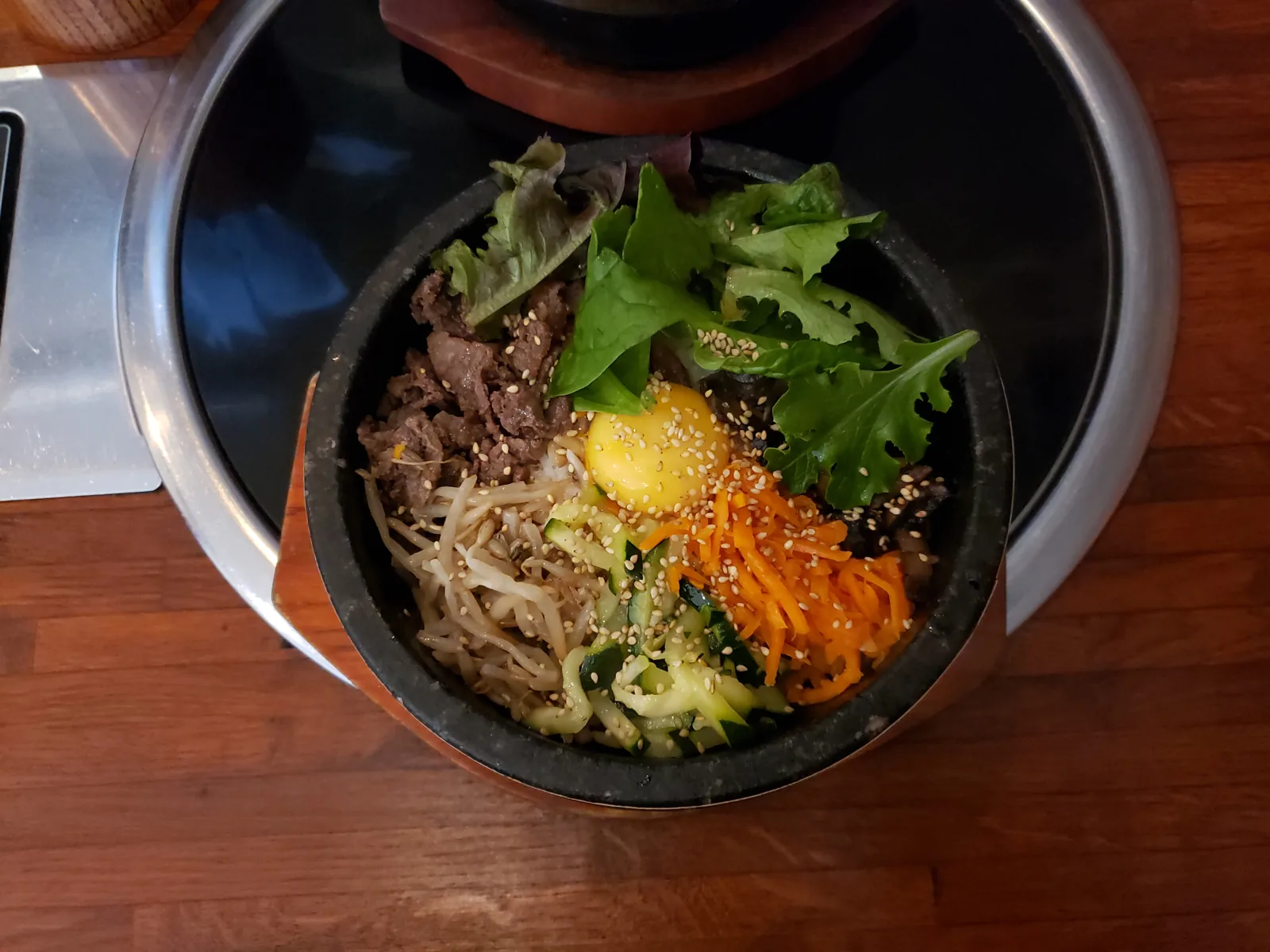
Dolsot bibimbap in a hot black stone bowl — bulgogi beef, egg yolk, carrots, zucchini, bean sprouts and sesame seeds over rice South Korea flag South Korea 1h 5m
Dinner •Korean Heritage

Bibimbap

This bibimbap recipe builds Korea's most famous rice bowl the dolsot way: hot rice in a sizzling stone pot, ringed with five separately seasoned namul vegetables, bulgogi beef and a fried egg, with gochujang to stir through at the table. The stone bowl crisps the bottom layer of rice into golden nurungji while you eat. One serving is about 510 g.

Colourful & Satisfying

Warm rice, five seasoned vegetables, bulgogi beef and a fried egg, mixed at the table with gochujang.

Pairs Well With
Kimchi, kongnamul-guk (bean sprout soup) & barley tea
Korean fried chicken pieces coated in a glossy red yangnyeom glaze South Korea flag South Korea 45m
Dinner •Korean Heritage

Korean Fried Chicken

This Korean fried chicken recipe is the real thing: boneless chicken in a thin potato-starch batter, fried twice — once to cook it through, once at higher heat to drive out moisture and shatter the crust — then tossed in a glossy yangnyeom glaze of gochujang, honey and garlic. The double fry is what keeps the skin crisp under the sauce. One serving is about 250 g.

Crispy & Bold

Double-fried chicken in a thin potato-starch crust, tossed in a sticky sweet-spicy yangnyeom glaze.

Pairs Well With
Pickled radish (chikin-mu), cold beer & steamed rice
High Protein • Quick Prep (<30m)
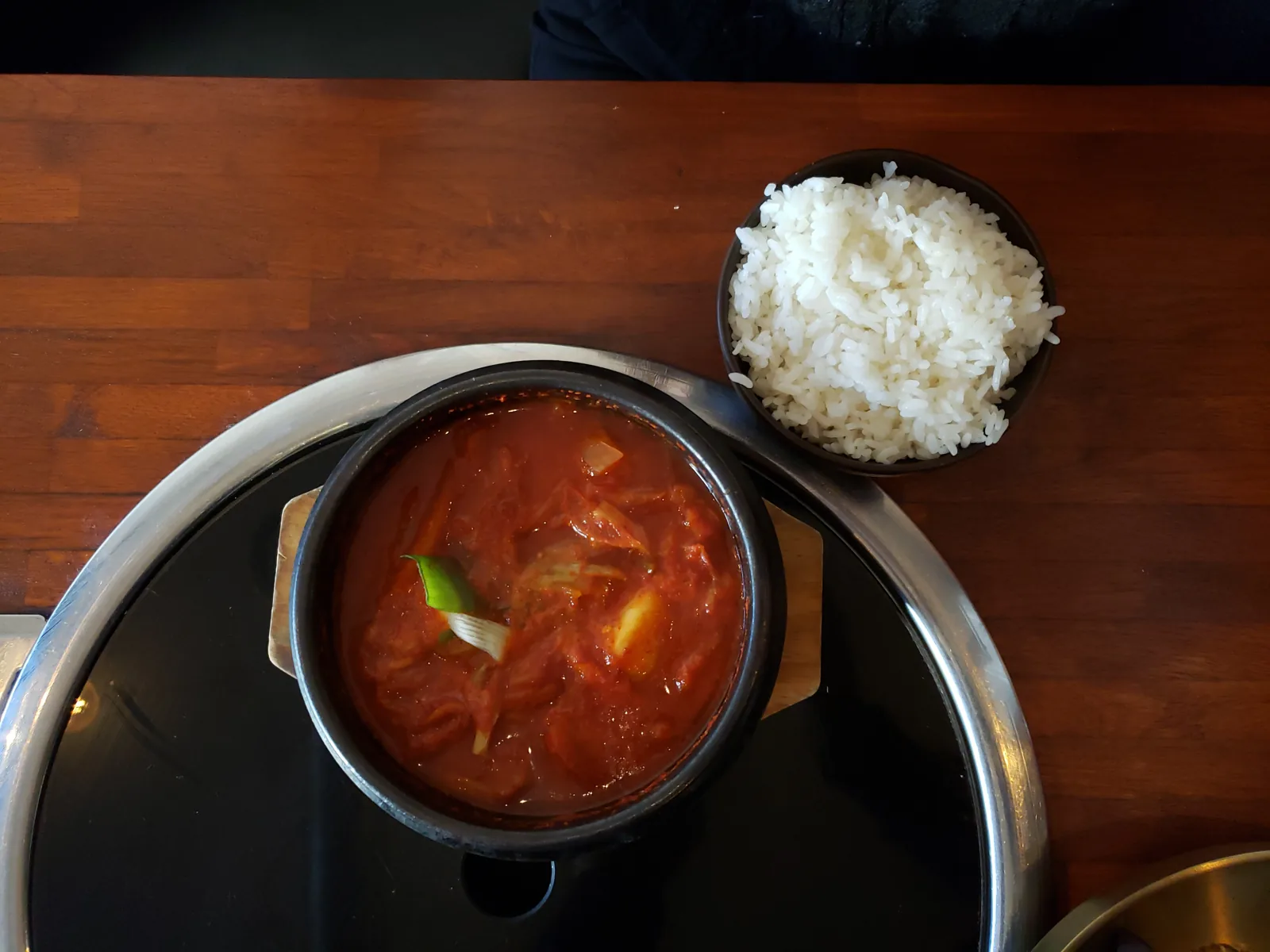
Kimchi jjigae — a red kimchi stew with tofu and spring onions in a black stone pot, served with a bowl of rice South Korea flag South Korea 45m
Dinner •Korean Heritage

Kimchi Jjigae

This kimchi jjigae recipe is the Korean comfort stew: aged, well-fermented kimchi fried with pork belly, then simmered in its own brine with tofu until the broth turns brick-red and rich. It is a stew, not the kimchi itself — the North Korean white kimchi published earlier is the pickled cabbage, while this is what you cook with it. One serving is about 425 g.

Comfort & Warmth

Aged kimchi and pork belly simmered in kimchi brine with tofu — sour, spicy and deeply savoury.

Pairs Well With
Steamed rice, fried egg & banchan
Soups & Broths • Fermented / Gut Health
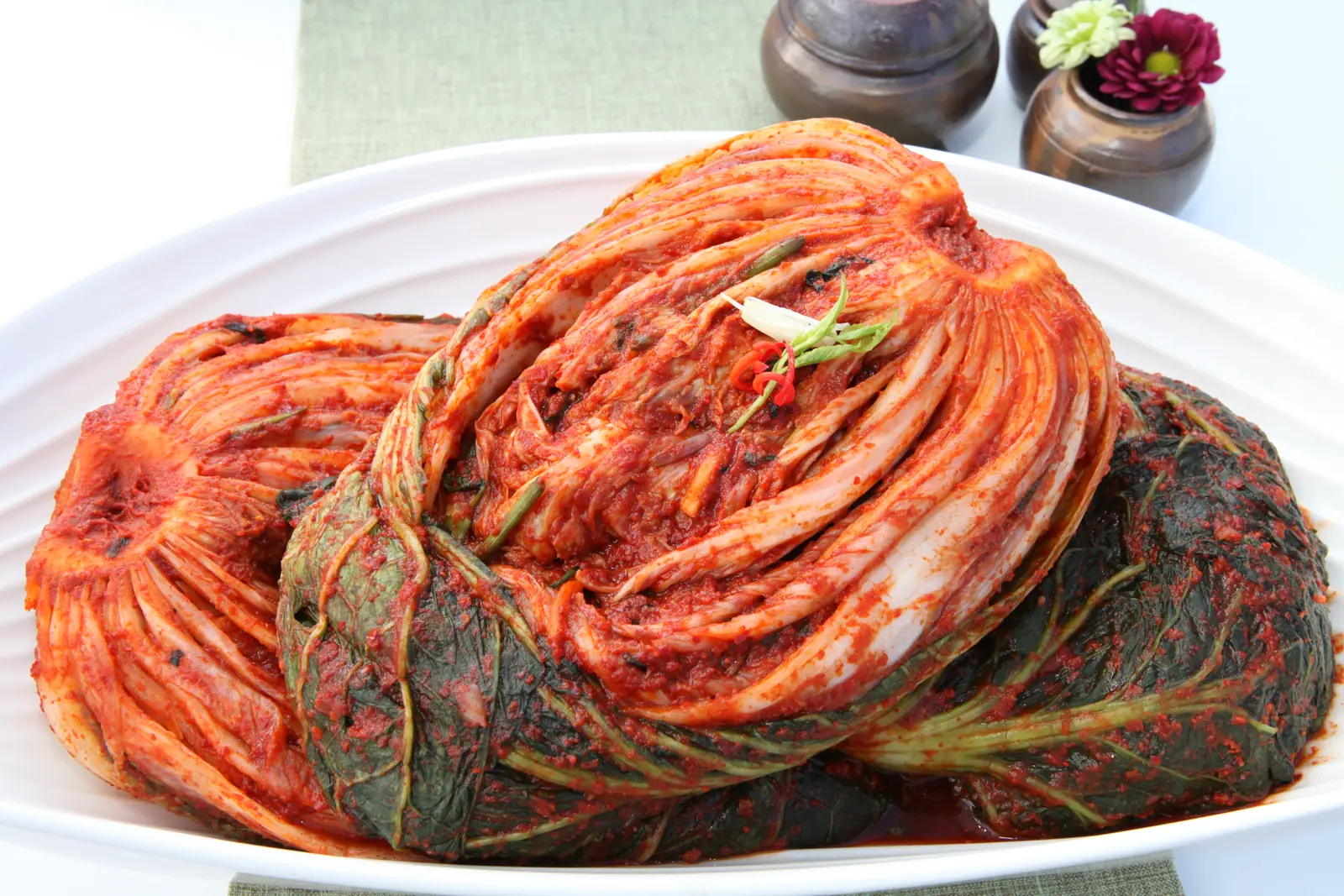
Whole heads of baechu kimchi coated in red gochugaru paste on a white platter South Korea flag South Korea 2h 35m
Dinner •Korean Kimjang Heritage

Baechu Kimchi

This kimchi recipe turns one head of napa cabbage into classic baechu kimchi: salted leaves packed with a bright red gochugaru paste, then left to ferment until tangy and fizzy. It is the spicy southern-style kimchi most people picture when they hear the word kimchi, and it keeps for weeks in the fridge. One serving is about 165 g.

Fermented & Fiery

Crisp, spicy, sour napa cabbage kimchi — Korea's everyday banchan, fermented at home in a jar.

Pairs Well With
Serve a small bowl with steamed rice, grilled meat or a fried egg.
Fermented / Gut Health

The Dinner Gazette

Never wonder what’s for dinner again

One email a week with easy dinner ideas from around the world — ingredients, steps and nutrition, tested in our kitchen first.

Delivered every Thursday morning. Unsubscribe anytime.