
Curated recipes from 193 countries  •  New seasonal Mediterranean issue out now

Overview

St Kitts Sugar Cake

Kittitian Coconut Sugar Cake; Grater Cake

St kitts sugar cake recipe: fresh grated coconut boiled in a bay-leaf sugar syrup, then spooned into pink-and-white mounds that set firm as they cool. It is the sweet snack sold in little bags all over Basseterre, chewy, coconutty and very sweet. One serving is about 63 g.

Sugar cake, also called grater cake for the grating of the coconut, is a shared sweet across the Caribbean, and in St Kitts it is sold in small plastic bags in shops and at roadside stalls, most often in the pink-and-white form. The Kittitian version is steamed over bay leaves — the leaves perfume the syrup as it boils — and the mixture is spooned into mounds that harden as they cool, no baking and no butter needed.

Pairs well with: Strong black tea or coffee, and a glass of cold water

Provenance

Saint Kitts and Nevis flag Saint Kitts and Nevis

Kittitian Heritage

Latin America & Caribbean

Time Dedication

45m

15m prep • 30m cook

Batch Yield

12 Servings

216 kcal per serving

1 serving ≈ 63 g

Technical Skill

Easy

Easy (One Pot)

Meal Timing & Digestive Fit

Breakfast

Not Advised

Lunch

Inappropriate

Dinner

Inappropriate

Snack & Tea

Ideal Light Bite

Quick Prep (<30m) Occasions: Afternoon snack, Carnival, street food, sharing with visitors, lunchboxes Cost: Low — about $0.30–0.40 per piece at home
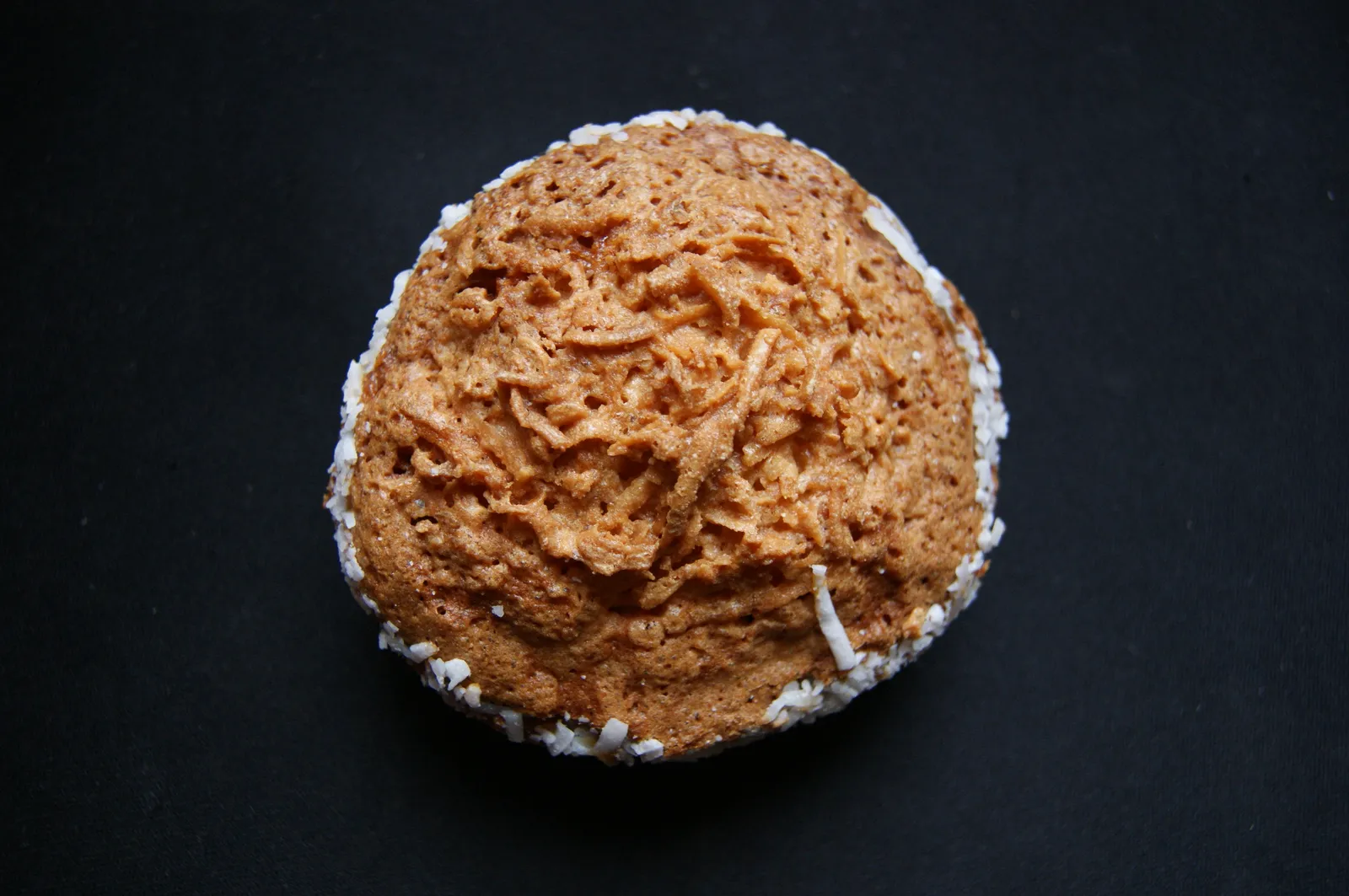
A golden-brown coconut-sugar mound on a black background

Kittitian Heritage

Photo: Dtarazona, CC BY-SA 3.0, via Wikimedia Commons

The Heritage Formulary

Measured Ingredients

Estimated cost: Low — about $0.30–0.40 per piece at home (USD)

A good Kittitian sugar cake is chewy, not rock hard, with visible coconut shreds and a clean pink-and-white top.

Execution Methodology & Culinary Technique

Step-by-Step Cooking Guide

Active 45m
P

Prep Stage: Grate the Coconut & Line the Tray

15 Mins • Grating

Grate the coconut fine — fine shreds are what let the syrup bind the mixture into mounds that hold together. Line a baking tray with baking paper or a lightly oiled sheet, and have two spoons and the food colouring ready: once the mixture is cooked, it sets fast and there is no time to hunt for equipment.

Maestro Tip: Fine grating matters more than anything else here: coarse shreds will not stick together and the mounds will crumble.

  1. 1

    Make the Bay-Leaf Syrup

    12 Mins Medium heat, gentle boil ~100°C (212°F)

    Put the sugar, water, salt, bay leaves and ginger slice in a heavy saucepan over medium heat. Stir until the sugar dissolves, then let it bubble gently for about 10 minutes until it thickens into a light syrup that coats the back of a spoon and forms a thin crust around the rim of the pan. Do not let it brown.

    A heavy pan stops the syrup scorching; if it starts to colour, take it off the heat at once.

    Done when: Syrup is thick, clear and lightly bubbling, with a thin sugary crust at the rim.

  2. 2

    Add the Coconut & Cook Until Thick

    10 Mins Medium-low heat, ~95°C (203°F)

    Lift out the bay leaves and ginger and discard them. Stir in the vanilla and all the grated coconut. Keep stirring constantly over medium-low heat for 8–10 minutes, scraping the bottom of the pan, until the liquid has mostly cooked away and the mixture is thick, sticky and pulls away from the sides of the pan in a clump.

    Do not walk away: the mixture goes from sticky to scorched in under a minute at the end.

    Done when: Mixture holds together in a sticky ball when pressed with the spoon and leaves the pan sides clean.

  3. 3

    Tint Half the Mixture Pink

    3 Mins Off the heat

    Take the pan off the heat. Scoop out about half the mixture into a bowl and leave it white. Add 4–6 drops of red food colouring to the mixture left in the pan and stir until it is evenly pink. Work quickly while the mixture is still warm and pliable.

    Add colouring a drop at a time — a pale pink looks right; a deep red looks artificial and tastes the same.

    Done when: Pink half is evenly coloured with no white streaks.

  4. 4

    Spoon the Mounds

    5 Mins Warm, off the heat

    Using two spoons, drop heaped spoonfuls of the white mixture onto the lined tray, about 5 cm across, then top each one with a smaller spoonful of the pink mixture and press lightly so the two layers stick. You should get 12 mounds. If the mixture stiffens, warm the pan briefly over low heat.

    Wet the spoons in cold water between mounds so the sticky mixture releases cleanly.

    Done when: 12 neat two-tone mounds, pink on top of white, holding their shape on the tray.

  5. 5

    Cool & Set

    20 Mins • Setting Room temperature

    Leave the mounds undisturbed on the tray for about 20 minutes until they are firm enough to pick up and the surface feels dry and slightly crisp. Once set, wrap each one in a small piece of baking paper or a plastic bag, the way they are sold in Basseterre.

    Do not refrigerate them to speed setting — the cold makes the sugar weep and the mounds go sticky.

    Done when: Mounds lift off the paper cleanly and keep their shape when picked up.

Finishing Touches & Plating

Eat the sugar cakes at room temperature with a cup of strong black tea or coffee. The pink top is the same coconut mixture, just tinted — the colour is decoration, not a different flavour.

Nutritional Physiology & Benefits

Nutrition

Energy

216

kcal / serving

Protein

1g

Complete AA

Carbs

30g

Complex

Fats

11g

Healthy

Per serving (12 servings · 1 serving ≈ 63 g)
Energy216 kcal
Protein1 g
Carbohydrates30 g
Fat11 g
Fibre3.0 g
Sugar27.1 g
Sodium39 mg
Per 100g
Energy345 kcal
Protein1.8 g
Carbohydrates48.1 g
Fat17.9 g
Fibre4.8 g
Sugar43.3 g
Sodium62 mg

Nutrition values are estimated — calculated from USDA FoodData Central values for the listed ingredients.

Vitamins & minerals: Vitamin C and potassium (coconut), manganese and copper (coconut), with only traces of other vitamins — this is a sweet treat, not a vitamin source.

Quick Energy

Sugar and coconut provide fast-acting carbohydrate and fat, which is why a single mound is a handy burst of energy on a long walk or a busy afternoon.

Coconut Fibre

Grated coconut brings about 3 g of fibre per mound, which slows the sweetness down a little compared with a plain sugar sweet.

Simple, Dairy-Free Sweet

With no butter, milk or egg, this is a sweet that suits dairy-free and vegetarian eaters, made from just coconut, sugar and water.

Food Pairings

What to Eat With

To optimize nutrient absorption and elevate the sensory depth, pair with these authentic accompaniments:

Drinks

Strong Black Tea

Unsweetened black tea cuts through the syrupy sweetness and refreshes the palate between mounds, which is why it is the usual companion in St Kitts.

Black Coffee

Bitter coffee balances the sugar the same way tea does, and its warmth softens the chewy coconut slightly as you eat.

Sides

Fresh Fruit Plate

Slices of mango, pineapple or soursop bring acidity and juice that contrast with the dense, sweet mounds and keep the snack from feeling heavy.

Vegetables

A Handful of Peanuts

Salted peanuts add salt and crunch against the sweet chew, and a little protein alongside a snack that is almost all sugar.

Complete menu

Serve one sugar cake per person after a light Kittitian lunch, with strong black tea and a plate of fresh mango and pineapple; it works as the sweet finish, not as a course on its own.

Digestive Guardrails

What NOT to Combine

To prevent digestive distress, sluggishness, or palate clash, avoid pairing the dish with these elements:

More Sweet Drinks With It

A sugar cake is already about 27 g of sugar per piece; pairing it with sweetened soda or juice stacks sugar on sugar and leaves most people feeling sluggish. Drink water, unsweetened tea or black coffee instead. This is general food guidance, not medical advice.

Eating Several at Once

The mounds are small and easy to eat quickly, but three pieces carry over 80 g of sugar. Enjoy one, pause, and save the rest for another day. This is general food guidance, not medical advice.

General information only, not medical advice — consult a doctor for personal dietary decisions.

Who Should Eat It

Who Should Eat

  • General adultsA fine occasional sweet — one mound with tea or coffee, not a handful.
  • ChildrenChildren love them; keep it to one small mound and brush teeth afterwards, as the sugar sticks to teeth.
  • ElderlySoft and easy to chew, but very sweet — one mound is enough, and watch the sugar if blood sugar is a concern.
  • Pregnant womenGenerally fine as an occasional treat; the food colouring is used in tiny amounts, but skip it and keep the cakes plain white if you prefer.
  • Breastfeeding womenFine as an occasional sweet; it adds energy but little nutrition, so keep it a treat rather than a meal.
  • AthletesA useful quick energy bite before or after training, but pair it with something protein-rich afterwards — it has almost no protein.
  • Weight gainA good choice for extra calories: two mounds add about 430 kcal and are easy to eat between meals.
  • Weight lossBest avoided or kept to half a mound — 216 kcal and 27 g of sugar for a small piece makes it easy to overshoot.

Health Conditions — Adjust or Avoid

Conditions

  • DiabetesVery high in sugar (27 g per piece) — best avoided, or eat half a piece rarely and check blood sugar; ask your clinician.
  • High blood pressureLow in sodium (39 mg per piece), so salt is not the issue — the sugar is; keep the portion to one piece.
  • Kidney diseaseLow in sodium and protein, which suits many kidney diets, but the sugar load is high; ask your clinician about portion size.
  • GoutSugar, especially in large amounts, can raise uric acid — keep it to an occasional single piece.
  • Stomach issuesUsually gentle on the stomach, but the rich coconut fat can feel heavy if eaten on an empty stomach; eat after a meal.
  • Cardiovascular diseaseCoconut is high in saturated fat (about 11 g per piece) and the sugar is high — an occasional treat only, not a regular snack.
  • Fatty liverHigh sugar is the main concern for fatty liver; keep it rare and to a single piece, and ask your clinician.
  • Food allergiesContains coconut (a tree nut for labelling purposes in some countries). No gluten, dairy, egg or peanut in the recipe itself — check the food colouring label if you have a dye sensitivity.
  • Special therapeutic dietsIf you follow a prescribed low-sugar or low-saturated-fat diet, this sweet does not fit it; ask your clinician before eating it.

If you have a medical condition, consult your doctor before changing your diet.

Storage & Use

Storage & Use

How to store
Cool completely, then wrap each mound in baking paper or a small plastic bag and keep in an airtight tin.
In the fridge
Up to 2 weeks in an airtight container; bring back to room temperature before eating.
In the freezer
Up to 2 months, wrapped individually; thaw at room temperature.
How to reheat
No reheating needed — serve at room temperature. If a mound has gone hard, 5 seconds in a microwave softens it.
Freezing recommended
Yes — they freeze well for up to 2 months.
Signs it has spoiled
Sticky or weeping surface, sour or rancid smell, or white mould spots.

More recipes to explore

Golden coconut bread loaf in a loaf pan, with visible grated coconut Saint Kitts and Nevis flag Saint Kitts and Nevis 1h 15m
Breakfast •Kittitian Heritage

St Kitts Coconut Bread

St Kitts coconut bread recipe: a golden loaf of flour, freshly grated coconut, sugar, butter, eggs and milk, spiced with cinnamon and nutmeg and baked in a loaf pan. It is the Kittitian version of the Caribbean coconut sweet bread — moist inside, crisp and golden on top, with visible shreds of coconut in every slice. One serving is about 120 g.

Comfort & Slow Mornings

A warm, spiced coconut loaf for breakfast, best eaten thickly sliced with tea.

Pairs Well With
Stewed saltfish, hot tea & butter
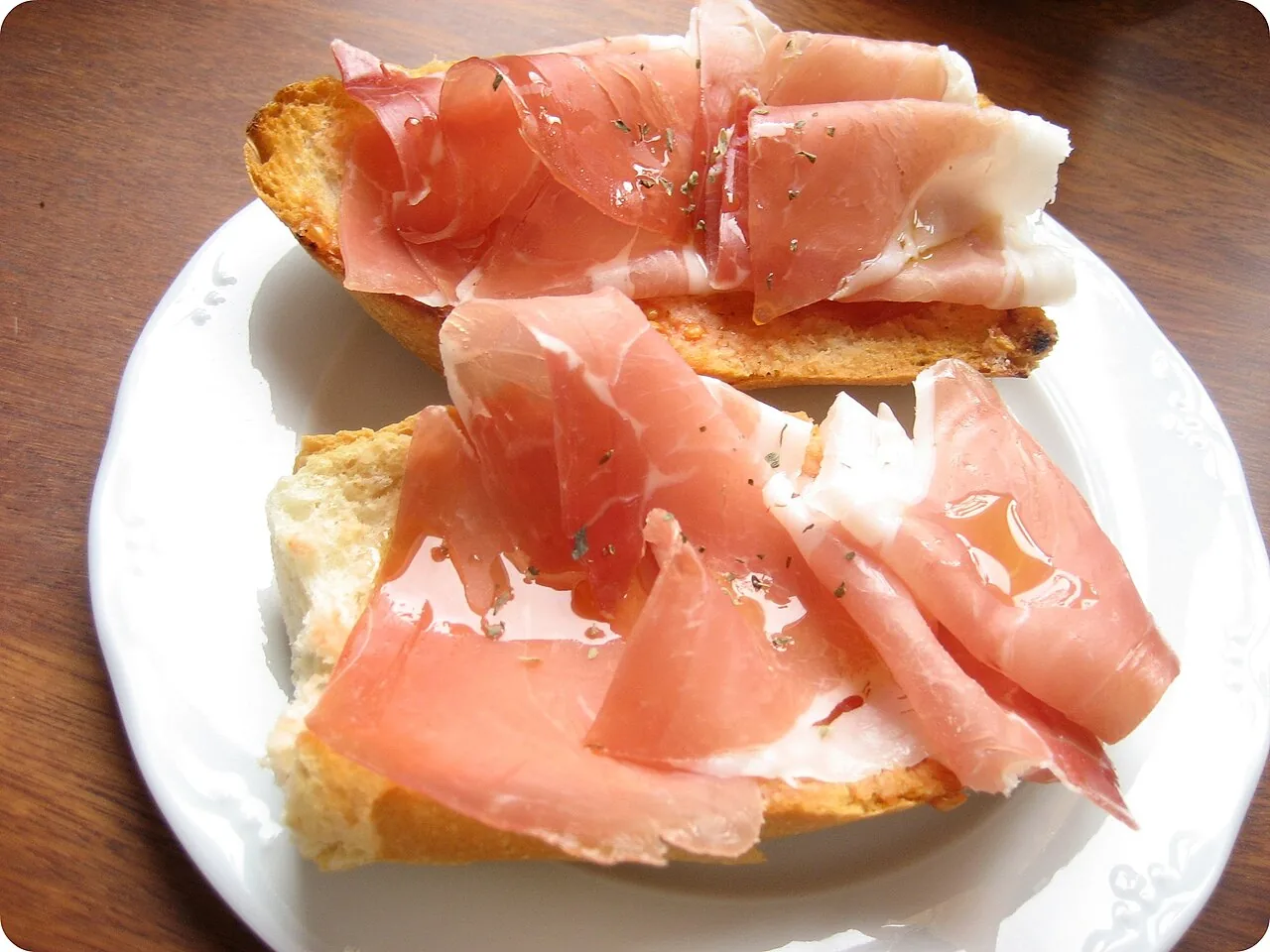
Pan con tomate with jamón ibérico on toasted bread Spain flag Spain 15m
Snack & Tea •Catalan Aperitivo

Pan con Tomate & Jamón Ibérico

Country bread rubbed with ripe Ramallet tomato, drizzled with cold-pressed Arbequina olive oil and topped with jamón ibérico.

Vascular Health

Toasted tomato bread with jamón ibérico, olive oil and olives.

Pairs Well With
Castelvetrano Olives & Sparkling Mineral Water
Quick Prep (<30m)
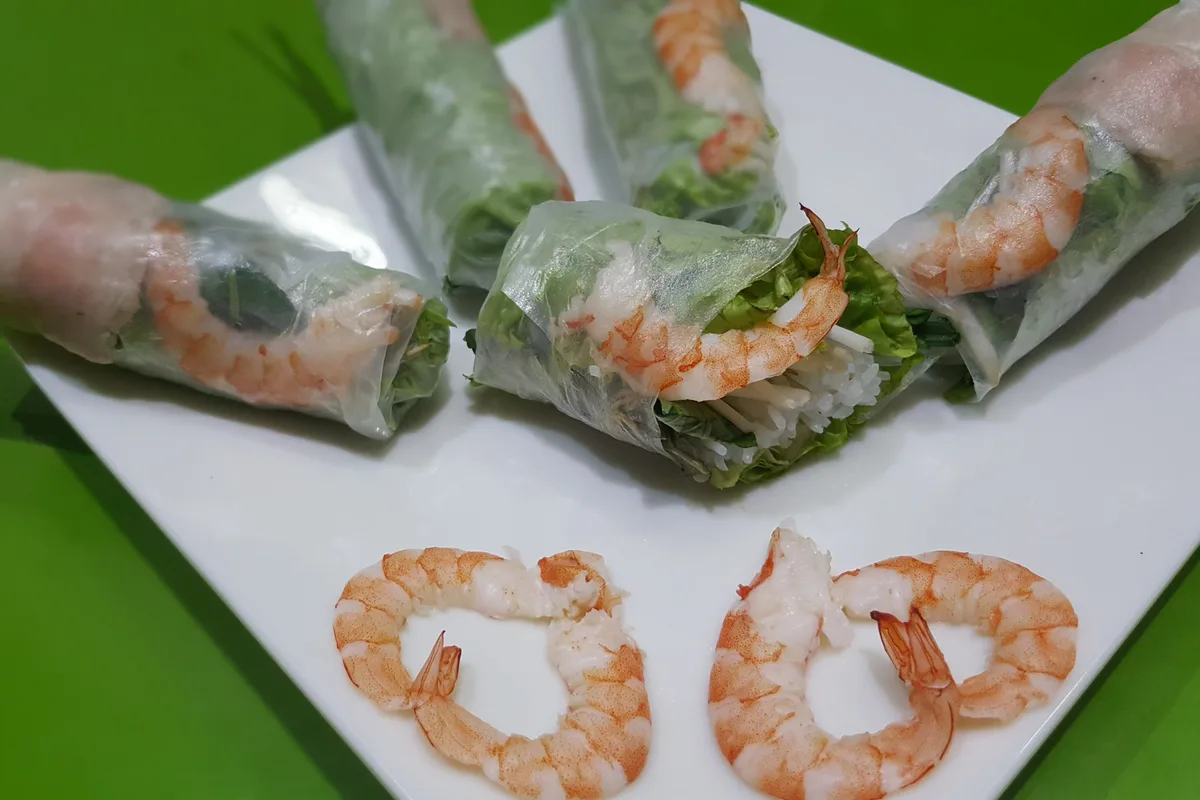
Gỏi cuốn — Vietnamese fresh spring rolls with prawn and pork Vietnam flag Vietnam 1h 5m
Snack & Tea •Saigon Refresh

Gỏi Cuốn Tôm Thịt

Fresh rice paper rolls filled with poached prawns, tender pork, rice vermicelli, lettuce, herbs and carrot, served with a peanut dipping sauce.

Light Digestion

Nothing is fried, so the rolls stay light and fresh — a cool, herb-filled snack for hot days.

Pairs Well With
Artisanal Peanut Dip & Fresh Lotus Root Water
High Protein
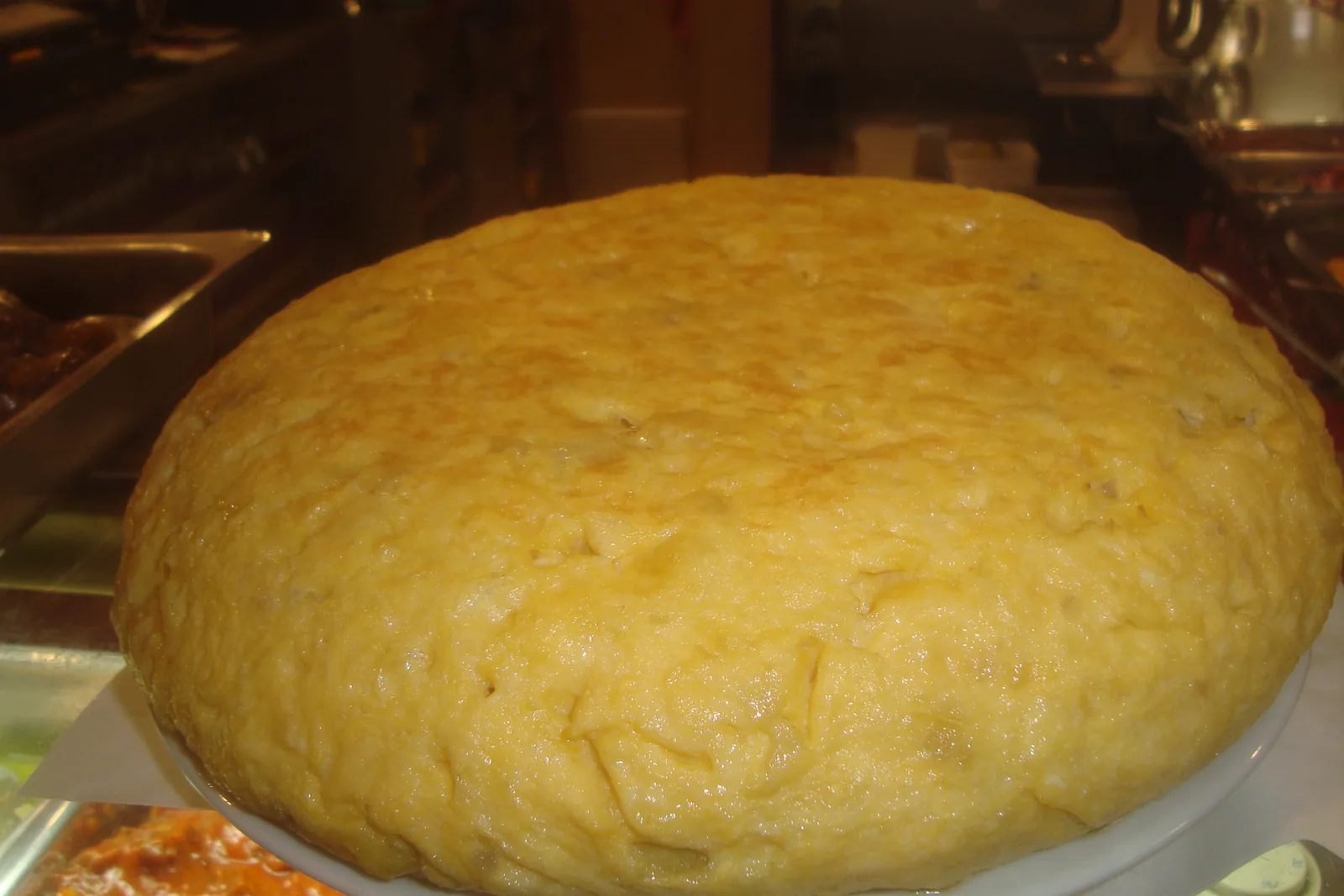
A whole golden tortilla española, a thick Spanish potato omelette, on a plate Spain flag Spain 55m
Snack & Tea •Navarre Bar Classic

Tortilla Española

This spanish tortilla recipe slowly cooks potatoes and onion in olive oil, folds them into beaten eggs, and turns out a thick, golden cake that is soft in the middle. One serving is about 220 g.

Comfort & Warmth

A thick, golden omelette of slow-cooked potatoes, onion and egg.

Pairs Well With
Pan con tomate and a glass of red wine

The Dinner Gazette

Never wonder what’s for dinner again

One email a week with easy dinner ideas from around the world — ingredients, steps and nutrition, tested in our kitchen first.

Delivered every Thursday morning. Unsubscribe anytime.